
Reviewed · HIROSHIMA FOOD TOURS
Savor Setouchi inland sea Local Food & Bike Tour with Local Guide
Etajima’s best moments come between the ports, not at a major sight. You pedal past fishing villages, stop for fresh island ingredients, and finish with a meal prepared by a local chef. Electric-assist bikes make the island’s hills manageable, while guide Tommy adds the local stories that give the ride its shape.
I like the direct link between food and place. You do not just eat Setouchi seafood in a restaurant, you help gather ingredients and see the coastal communities that supply it. I also like the private format, since Tommy can set a more relaxed pace for your group. The main drawback is practical: the tour requires moderate fitness, ferry access to Etajima is not included, and bad weather can force a change of plans.
In This Review
- Key points to know before you book
- Why Etajima works so well by bicycle
- Meeting Tommy at Nakamachi Port
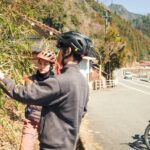
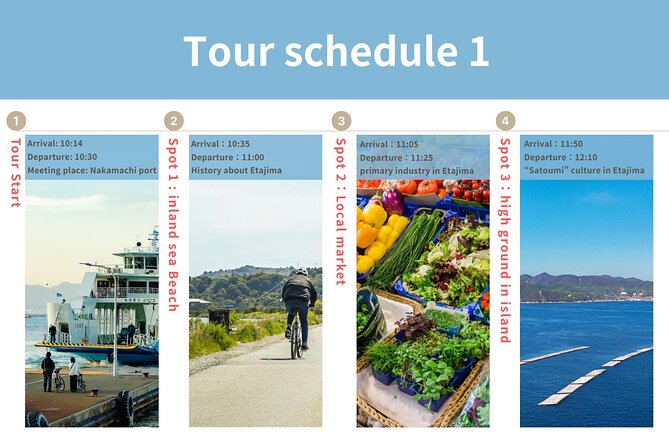
- The ride through Etajima’s fishing ports
- A short stop at Nomi Farmers’ Market
- Gathering ingredients for a Setouchi meal
- Lunch at Kappo Daigaku
- What the $162.58 price includes
- Who will enjoy this tour most
- Weather, timing, and other practical details
- My call: book it for the island connection
- FAQ
- Where does the Etajima bike tour start?
- Where does the tour end?
- How long does the experience last?
- Is ferry transportation included?
- Are the electric bikes included?
- Is lunch included?
- What kind of meal is served?
- What happens if the weather is bad?
Key points to know before you book
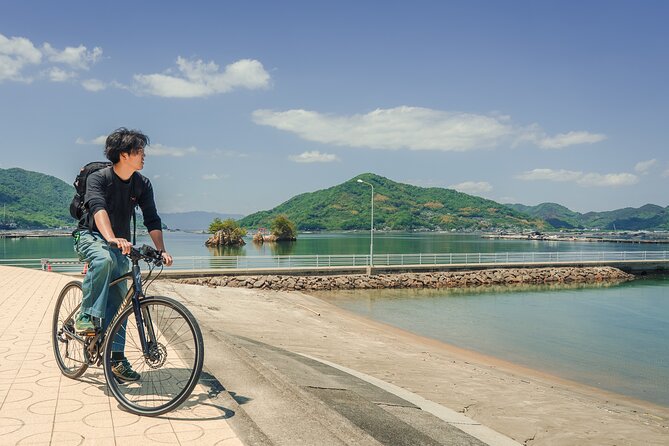
- Electric bikes make Etajima’s hills reachable: You still pedal, but the assist takes much of the strain out of the island’s ups and downs.
- Fishing ports shape the route: The ride focuses on Etajima’s maritime culture and its satoumi food traditions, where the sea and nearby communities support one another.
- You collect ingredients before lunch: Seasonal produce and other supplies gathered along the way become part of the meal.
- Tommy leads a private experience: His local stories cover Etajima’s food culture, history, and everyday life, with only your group taking part.
- Lunch is part of the price: Kappo Daigaku serves a special Japanese meal, including seasonal sashimi and sushi.
- The ferry is your responsibility: You must arrange and pay for transportation to Nakamachi Port, the starting and ending point.
Why Etajima works so well by bicycle
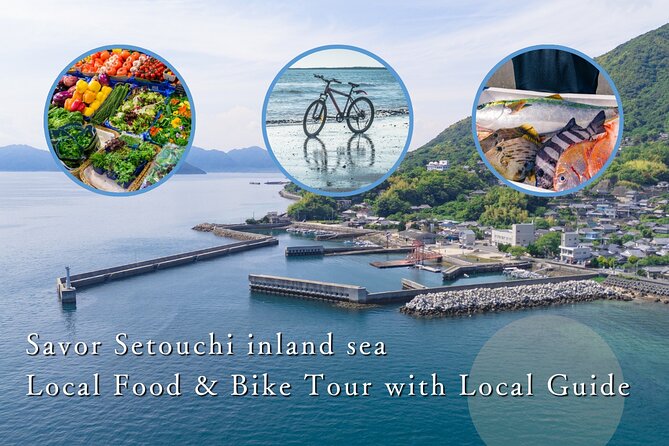
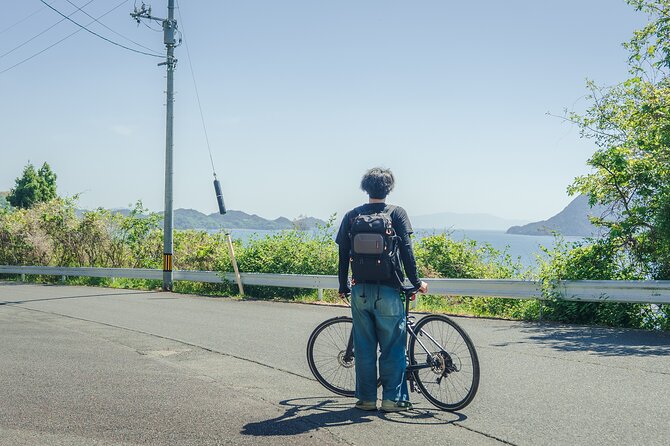
Etajima is shaped a little like a crayfish, with mountains meeting the Seto Inland Sea around a long, indented coast. That shape matters. By car, you can cross the island, but you lose the small ports, harbor roads, and pauses that make Etajima feel like a lived-in island rather than a scenic backdrop.
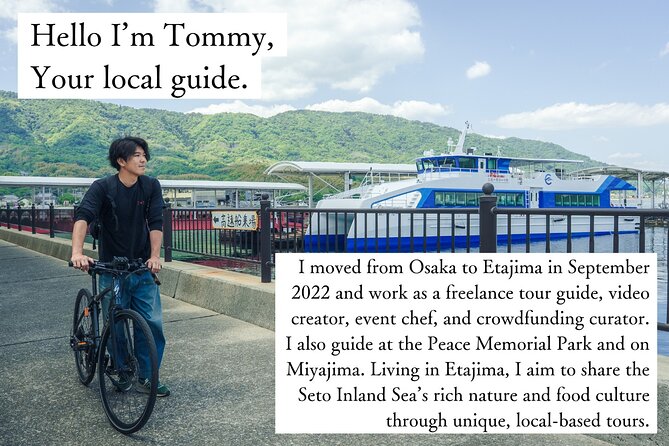
This tour follows a fishing ports route. You can expect a mix of riding, short stops, food gathering, and conversation rather than five straight hours in the saddle. Tommy, the local guide named in the tour details, gives context as you go, explaining the island’s relationship with the sea and the food traditions known as satoumi.
Satoumi is a useful idea for understanding the experience. It describes a coastal setting shaped by both nature and people, where fishing, farming, shoreline life, and local cooking are closely connected. Here, that connection is not presented as a museum display. You see it through producers, ingredients, ports, and the meal at the end.
The electric bikes are important, not just a nice extra. Etajima has hills, and heat and humidity can make even a modest slope feel serious. One person who took the tour described Tommy taking good care of the group during a hot, humid day. You still need to be comfortable riding a bicycle, but the motor assistance lets you focus more on the views and less on saving energy for the next climb.
A few more Hiroshima tours and experiences worth a look
Meeting Tommy at Nakamachi Port
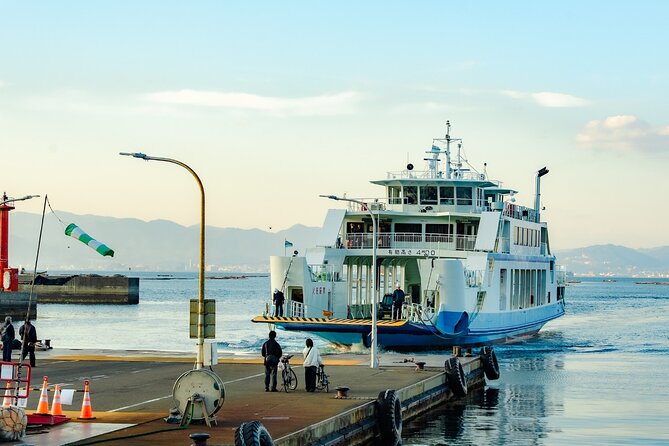
The tour begins at Nakamachi Port in Nomicho, Etajima, Hiroshima. It also ends there, so you do not need to arrange a separate return point on the island.
The listed start time is 12:00 am, which is unusual for a five-hour food and cycling tour. Confirm the exact meeting time with the operator when you book, especially if you are coordinating ferry transportation. The tour information also says confirmation is normally sent at booking, but reservations made within seven days may take up to 48 hours to confirm.
Ferry access is not included in the price. That is the most important logistical detail to settle before committing. You are responsible for reaching Nakamachi Port, and the cost of that private transportation is separate from the tour fee.
Since the activity is private, only your group participates. That gives the day a more personal feel and makes it easier to ride at a suitable pace. It also means the experience depends heavily on the fit between your group and the guide. If you enjoy asking questions and stopping to look around, this format should suit you better than a large group excursion.
The ride through Etajima’s fishing ports
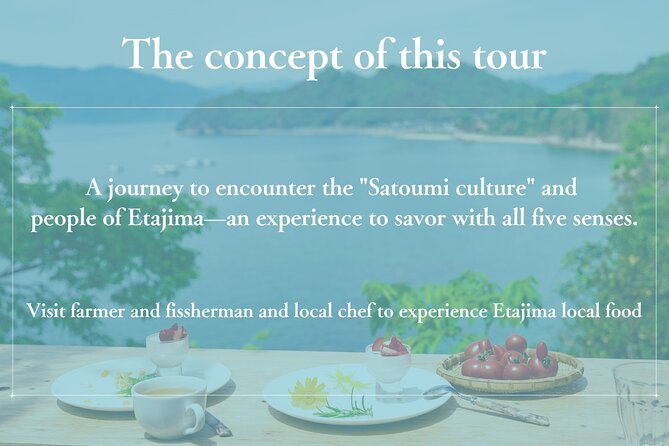
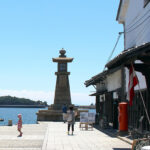
The route is designed around the coast and its working ports. Expect views where mountain slopes drop toward the Seto Inland Sea, along with older port districts and quieter corners of the island. The supplied route description emphasizes hidden spots rather than a checklist of famous attractions, so the value comes from seeing ordinary island life with someone who can explain it.
This is the kind of ride where the surroundings matter as much as the destination. A harbor can look simple at first glance, but Tommy can connect it to fishing, food supply, and the island’s past. You get a better sense of why certain ingredients appear on local tables and why coastal cooking differs from food in a large inland city.
The riding level is not completely effortless. The activity calls for moderate physical fitness, and the tour lasts about five hours. Electric assistance reduces the challenge, but it does not remove the need to sit on a bike, pedal, and manage the route. If you rarely cycle, have trouble with hills, or dislike warm-weather exercise, take that seriously.
The reward is freedom from a bus window. You can notice the changing shoreline and the way villages sit around the water. You may also find the relaxed route option useful. One person who joined the tour chose a gentler route and still saw hillsides, harbors, and a good amount of the island. That suggests the day can be adjusted, but you should discuss your preferred pace with Tommy at the start.
A short stop at Nomi Farmers’ Market
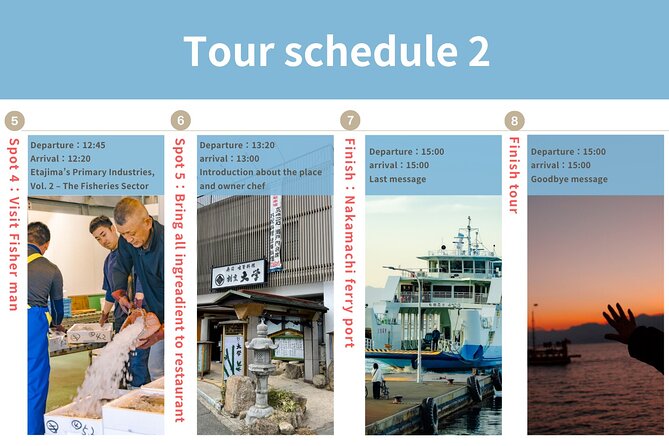
Sato no Eki Nomi Sanchoku Ichiba, also called Nomi Farmers’ Market, is a local produce stand where farmers from Etajima sell vegetables harvested that morning. The stop lasts about 15 minutes, so think of it as a quick look at the island’s food supply rather than a long shopping visit.
The produce is mainly seasonal. That is a strength for this tour because the meal is built around what is good at that time of year, not around a fixed menu designed months in advance. A short market stop also helps you understand the difference between a generic Japanese lunch and food tied to a particular island and season.
Admission is not included, though the tour does cover food supplies collected along the way. The market is therefore best viewed as part of the cultural route, not as a separate retail stop. You may have time to inspect the vegetables and learn about local growing, but do not plan on a leisurely market morning.
The stop works because it is connected to what follows. You are not simply looking at produce and then moving on. Ingredients gathered during the experience help shape the final meal, giving the market and food stops a clear purpose.
Gathering ingredients for a Setouchi meal
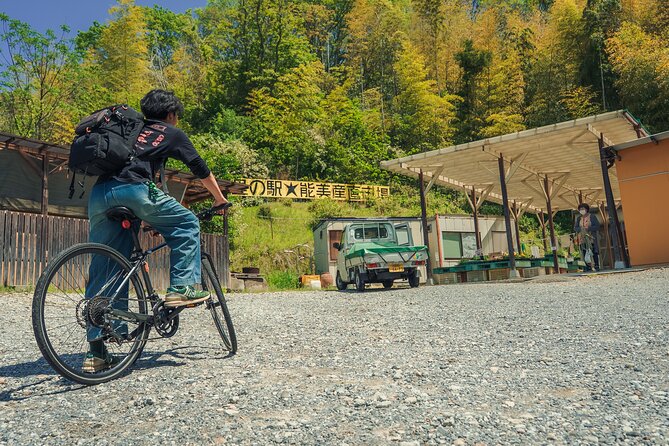
The tour includes the cost of food supplies collected on the way. The exact ingredients vary with the season, which is part of the point. You might find vegetables from the farmers’ market alongside seafood and other local items, but the precise selection should not be assumed in advance.
This approach gives you a closer look at how food reaches the table. You can see the ingredient before it is trimmed, seasoned, or arranged by a chef. That small change in perspective often makes lunch more memorable than a meal ordered from a menu.
The tour also highlights Etajima’s coastal food culture. Setouchi cuisine is closely linked to the inland sea, and seasonal sashimi and sushi are the clearest expressions of that connection here. The ride lets you see the setting behind the food, then taste it in a meal prepared on the island.
Do not book this as a cooking class unless the operator confirms that hands-on cooking is included. The information says a local chef prepares the meal on-site. Your role is to visit producers and collect ingredients, then enjoy the finished food.
A few more Hiroshima tours and experiences worth a look
Lunch at Kappo Daigaku
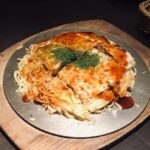
Kappo Daigaku is a Japanese restaurant in Etajima City serving traditional washoku in a calm, refined Japanese-style setting. Lunch lasts about an hour and is included in the tour price.
The meal features seasonal sashimi and sushi, with the collected ingredients helping shape the menu. That makes the lunch more than a convenient break from cycling. It is the payoff for the route, and it brings the island’s sea and farms together on one table.
You should expect a traditional Japanese meal rather than a casual snack. If you enjoy seafood and seasonal cooking, this is likely to be the strongest part of the day. If you do not eat raw fish, have allergies, or follow a restricted diet, ask the operator before booking. The supplied information does not promise substitutions or a special dietary menu.
Kappo Daigaku also gives the tour a change of pace. After the open-air ride and port stops, you have time to sit down, eat, and talk through what you have seen. The one-hour meal is long enough to feel like a proper lunch, not a rushed plate between activities.
What the $162.58 price includes
At $162.58 per person, this is not a budget bicycle rental. The price is easier to assess when you separate the pieces: electric-bike rental, lunch at Kappo Daigaku, and the cost of food supplies gathered along the route are included.
You are also paying for a private guide, a planned route through less-visited parts of Etajima, and the connection between producers and the final meal. Those elements would be difficult to arrange independently in a five-hour visit, especially if you do not speak Japanese or know the island.
The price does not include ferry transportation to Nakamachi Port. That extra cost matters because Etajima is an island, and the tour cannot begin until you reach the meeting point. Add the ferry expense to your planning rather than treating the advertised price as the full cost of the day.
For me, the tour offers fair value if you want a focused local experience and plan to spend time in Hiroshima beyond the city center. It is less compelling if you only want a basic bike ride or a standard sushi lunch. The appeal lies in the whole chain: port, producer, bicycle, guide, and meal.
Who will enjoy this tour most
I would recommend it to people who want to see a working island at a human pace. Food lovers, keen cyclists, and visitors who prefer local contact to major sights are the best match.
It also suits a couple, family, or small private group that wants flexibility. The relaxed route option described by one participant shows that the day does not have to become a race. Still, you should be comfortable with moderate exercise and five hours of activity.
This is not the right choice for someone looking for a fully passive sightseeing trip. You will ride, deal with hills, and spend time outdoors. Nor is it ideal if your main goal is a long visit to the farmers’ market, since that stop is only about 15 minutes.
The experience has a strong seasonal element. The vegetables and seafood depend on what is available at the time of your visit, so the meal may not be identical from one date to another. I see that as a benefit, but travelers who need a fixed menu may prefer a conventional restaurant reservation.
Weather, timing, and other practical details
The tour requires good weather. If conditions are poor, the operator will offer another date or a full refund. This is sensible for an outdoor cycling activity, but it means you should avoid placing it on the final day of a tightly packed Hiroshima schedule.
Free cancellation is available up to 24 hours before the start time. Cancellations or changes made less than 24 hours before the experience are not refunded or accepted, and the cut-off follows local time.
The tour is near public transportation, but the meeting point remains Nakamachi Port. Plan the ferry first, then work backward to the meeting time. Because the published start time is shown as 12:00 am, confirm the actual departure time directly with the provider, Setouchi Kaiko Tours, before travel.
A mobile ticket is provided. Booking confirmation is normally immediate, although reservations within seven days can take up to 48 hours to confirm, subject to availability.
My call: book it for the island connection
Book this tour if you want Etajima to feel like more than a side trip from Hiroshima. The electric bike, fishing-port route, producer visits, and chef-prepared sashimi create a clear sense of place. Tommy’s local guidance is a major part of that value, especially for understanding the island’s food culture and history.
Skip it if ferry planning feels like a burden, if you do not enjoy cycling, or if raw seafood is not for you. For everyone else, this is a strong choice for a private half-day that combines scenery, movement, and a meal you cannot easily reproduce on your own.
FAQ
Where does the Etajima bike tour start?
The tour starts at Nakamachi Port, Nomicho, Etajima, Hiroshima 737-2301, Japan.
Where does the tour end?
The activity ends back at the meeting point at Nakamachi Port.
How long does the experience last?
The tour lasts approximately five hours.
Is ferry transportation included?
No. Ferry access and private transportation to the meeting point are not included.
Are the electric bikes included?
Yes. The electric-bike rental fee is included in the tour price.
Is lunch included?
Yes. Lunch at Kappo Daigaku is included, along with the cost of food supplies collected along the way.
What kind of meal is served?
The meal is traditional Japanese washoku prepared by a local chef and includes seasonal sashimi and sushi.
What happens if the weather is bad?
The experience requires good weather. If it is canceled because of poor conditions, you will be offered a different date or a full refund.
More Cycling Tours in Hiroshima

More Food Experiences in Hiroshima
More Hiroshima Food Tours in Hiroshima
More tours in Hiroshima we've reviewed


Hiroshima Food Tours, compared.
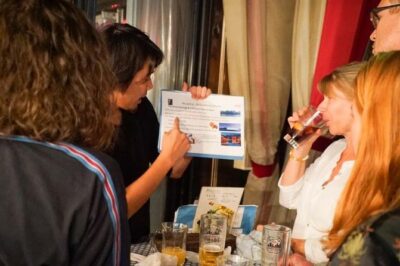 ★ 5.0Hiroshima Izakaya Food and Drink Night TourFrom $110
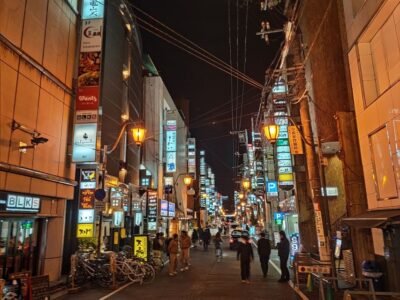 ★ 4.9Hiroshima: Food and Culture Guided Walking Tour with DinnerFrom $943 hours
 ★ 4.5All-inclusive Hiroshima Nighttime Food and Cultural ImmersionFrom $119
 ★ 5.0Private Japanese Cooking Class in Hiroshima with Machiko’s FamilyFrom $108
 ★ 5.0Best of Hiroshima Food TourFrom $221
 ★ 5.0Dinner Cruise on HANAIKADA (Raft-Type Boat) with Scenic View of MiyajimaFrom $95
