
Reviewed · HIROSHIMA FOOD TOURS
Hiroshima: Private Food Tasting Tour with a Local Guide
Hiroshima’s best food story is told one bite at a time. This private three-hour walk connects layered Hiroshima okonomiyaki, fresh oysters, maple-leaf-shaped momiji manjū, and local bar food with the city’s streets and past.
I like the private format and the freedom to shape the route around your appetite. I also like that the walk links major food stops with places such as Shukkei-en garden and Ekinishi, rather than keeping you inside one restaurant. The main drawback is the price: at $291 per person, it is a serious splurge for three hours, especially since extra food, drinks, and transportation cost more.
In This Review
- Key points at a glance
- Why Hiroshima food makes a good city tour
- Starting with Shukkei-en’s quiet paths
- Okonomimura and Hiroshima’s layered pancake
- Oyster Road and Hiroshima seafood
- Nagarekawa after dark or during the day
- Momiji manjū and a sweet local symbol
- Finishing in Ekinishi with a drink
- How much value do you get for $291?
- Who will enjoy this private food walk?
- Practical details before you book
- Should you book it?
- FAQ
- How long does the Hiroshima food tour last?
- Is the tour private?
- Which languages are available?
- How many food tastings are included?
- Is a drink included?
- Is admission to Shukkei-en included?
- Is transportation included?
- Are additional food and drinks included?
- Can the itinerary be personalized?
- What is the cancellation policy?
- Where does the tour meet?
Key points at a glance
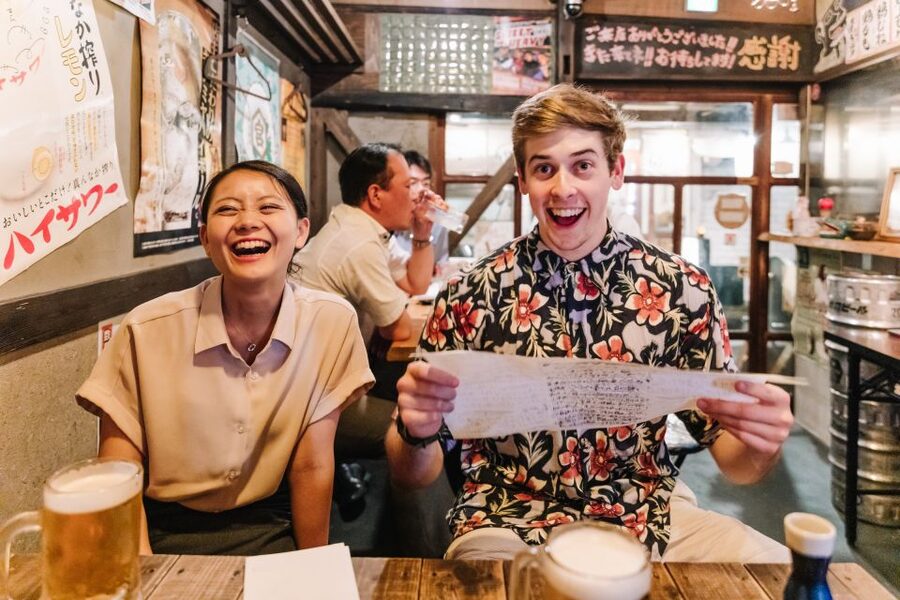
- Hiroshima okonomiyaki gets the spotlight: Try the city’s layered version, made with yakisoba noodles and cooked in generous savory layers at Okonomimura.
- Your guide can adjust the food plan: Special requests and preferences can be discussed before the tour, including a strong interest in oysters.
- Six tastings and one drink are included: You receive a broad introduction to Hiroshima food, with extra items available at your own expense.
- The route mixes food with local places: Shukkei-en, oyster eateries, Nagarekawa, and Ekinishi give the meal stops a sense of place.
- It is fully private: You walk with your own group and an English- or Japanese-speaking local guide.
- The price pays for personal attention: This makes the tour more appealing for couples, families, and small groups than for budget-conscious solo diners.
Why Hiroshima food makes a good city tour
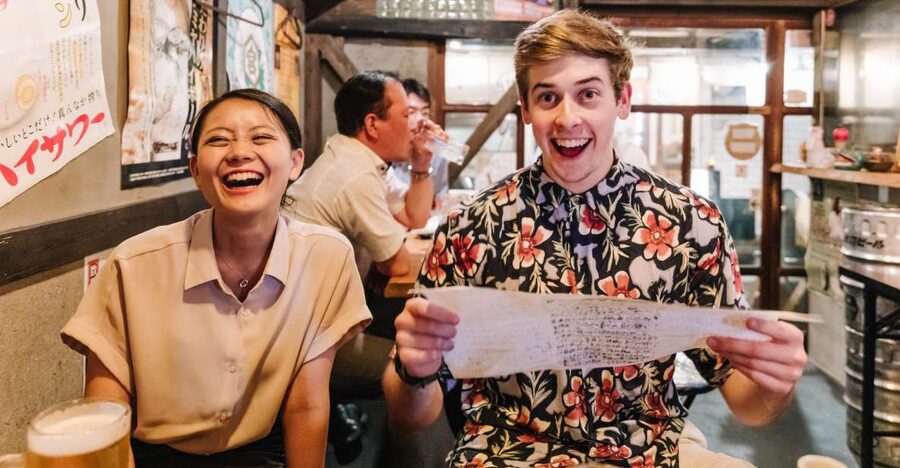
Hiroshima is not just a stop for monuments and museums. Its food gives you another way to understand the city. Local dishes reflect the area’s seafood, casual eating culture, and ability to turn familiar ingredients into something distinctly its own.
The clearest example is Hiroshima okonomiyaki. Japan’s famous savory pancake changes from place to place, but Hiroshima’s version is built in layers and includes yakisoba noodles. Instead of mixing everything into one batter, cooks assemble the ingredients in stages, producing a filling meal with a different texture and shape from the Osaka style.
That difference matters more when you eat it in Hiroshima, surrounded by the city’s own food culture. At Okonomimura, several restaurants operate under one roof, giving you a concentrated look at the dish locals love. Your guide helps you pick a stall and explains what you are ordering, which is useful if you have never eaten okonomiyaki prepared this way.
I also like the range of foods included. Six tastings let you compare savory, sweet, seafood, and snack-style dishes instead of spending the whole tour on one large meal. One beer, cocktail, or soft drink is included, but you should budget for anything beyond that.
A few more Hiroshima tours and experiences worth a look

Starting with Shukkei-en’s quiet paths
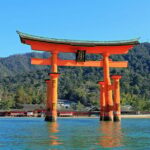
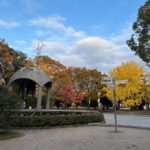
The experience is designed to begin at Shukkei-en, a traditional Japanese garden with ponds, carefully shaped greenery, and old-style teahouses. Entrance to the garden is included, so this is more than a quick meeting point. You get a calm opening before the food walk moves into the city streets.
Shukkei-en provides a useful change of pace. Hiroshima’s restaurant districts can be noisy and brightly lit, while the garden gives you fresh air and a slower first look at the city. I like this contrast because it stops the tour from feeling like a simple list of eating stops.
There is one practical point to confirm before you set out. The meeting instructions also identify the souvenir shop on the ground floor of Hiroshima Orizuru Tower as the meeting point. Since the written route begins at Shukkei-en, contact the tour team before the day of the walk and confirm exactly where your guide will meet you. The team is expected to communicate with you beforehand, so use that chance to remove any confusion.
The tour takes place rain or shine. Shukkei-en is still a pleasant start in light rain, but you will be on foot for much of the three hours, so comfortable shoes and weather protection are sensible.
Okonomimura and Hiroshima’s layered pancake
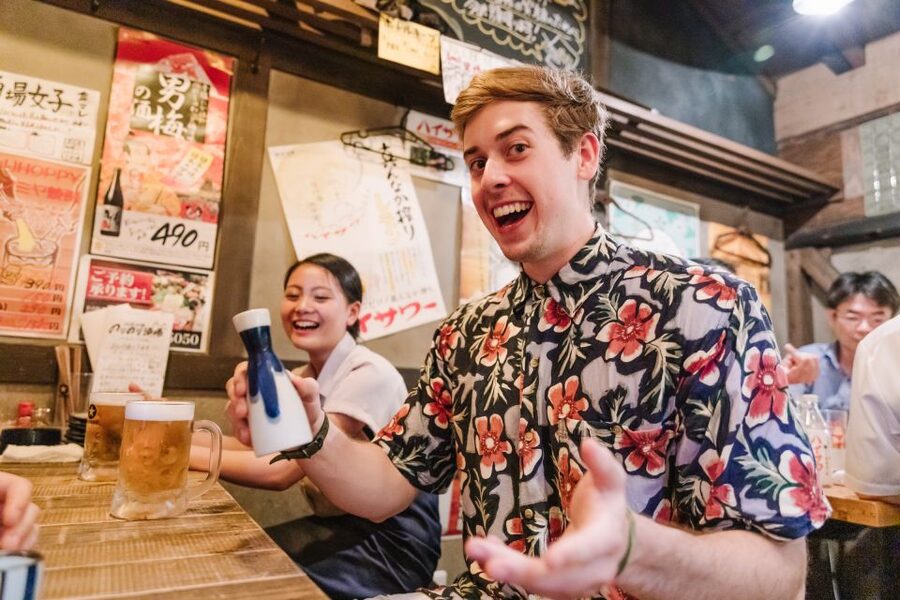
The food center of the walk is Okonomimura, often described as Okonomiyaki Village. Several restaurants share the same building, creating an easy place to see Hiroshima’s signature dish being prepared.
Hiroshima okonomiyaki is filling. Yakisoba noodles, vegetables, batter, and other ingredients are cooked in layers, then finished with sauces and toppings. The exact preparation can vary by stall, but the important point is that this is not a light snack. If you arrive after a large lunch, you may have trouble appreciating the later tastings.
Your guide can help you choose a stall and navigate the ordering process. That personal help is especially useful in a food hall with several choices and a dish that may be unfamiliar. You are not simply handed a plate and sent on your way. The point is to understand why this version belongs to Hiroshima.
The drawback is that the tour’s food schedule may be more than you expect. Six tastings in three hours sounds manageable, but okonomiyaki can be substantial. Tell the guide if you prefer smaller portions or want to save room for seafood and sweets. The route is personalized, so speaking up matters.
Oyster Road and Hiroshima seafood
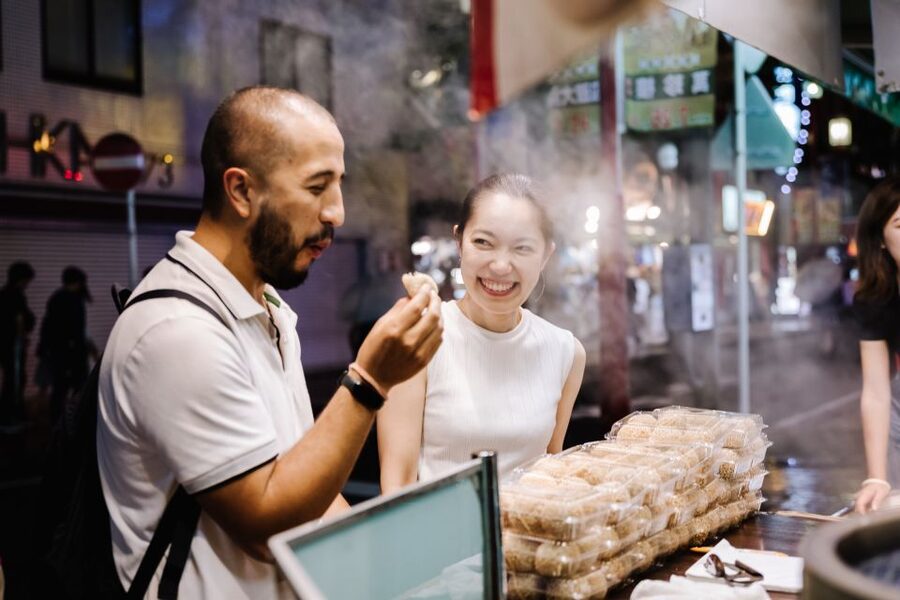
After okonomiyaki, the route turns toward Hiroshima’s oyster culture. You pass oyster huts and eateries along what is described as Hiroshima Oyster Road, with the chance to sample fresh oysters at good local prices.
Oysters are one of the clearest regional foods on this walk. They also give the tour a more local feel than a standard sightseeing route, since you are stopping at places built around a familiar area specialty. If oysters are your priority, say so before the tour begins.
One guest specifically wanted oysters and the guide adjusted the route, even taking the group across town for the experience. That tells you something useful about the private format: the itinerary is not fixed in the same way as a large group excursion. Your guide can respond to a clear food request and give it more weight.
Still, do not assume that every extra oyster is covered by the tour price. Six tastings and one drink are included, while additional food and drinks are not. Ask your guide which oyster portion is part of the included tasting and what any extras will cost before ordering more.
Nagarekawa after dark or during the day
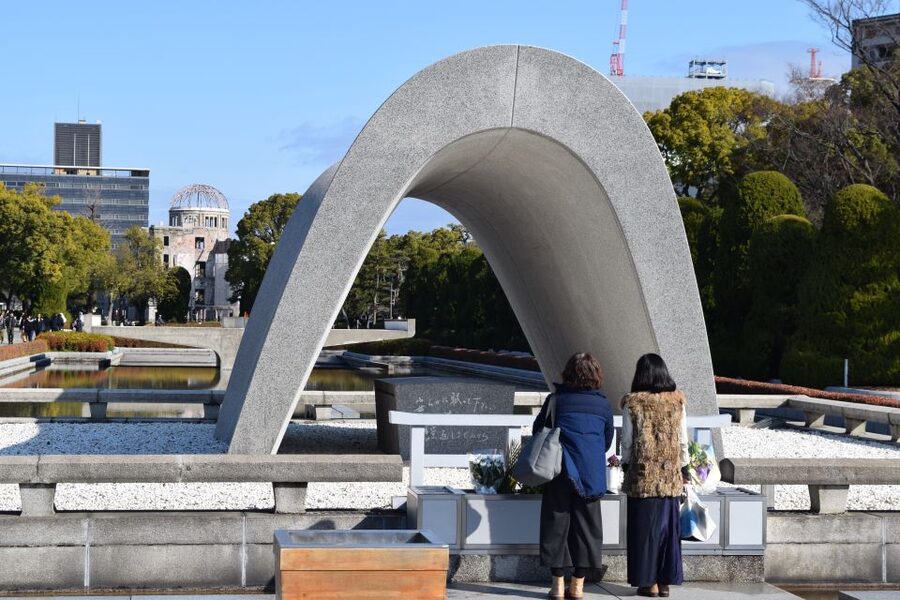
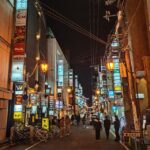
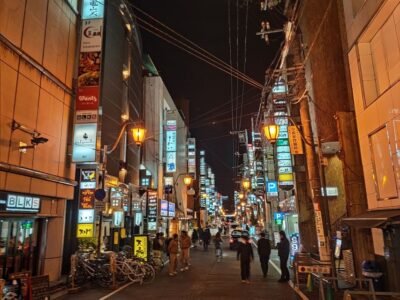
Nagarekawa is Hiroshima’s main entertainment district, known for neon-lit streets, bars, cafes, and evening energy. The route gives you a look at the area without asking you to commit to a full night out.
This is where the tour shifts from regional dishes to the way people eat and spend time in the city. You might stop for coffee at a place that catches your interest. Social Book Cafe Hachidorisha is suggested as a local favorite, but the wording of the experience leaves room for your guide to choose another stop based on your preferences.
That flexibility is valuable if you want more coffee, prefer a soft drink, or need a short pause between tastings. It also means the exact food-and-drink balance can vary. You should not expect a rigid restaurant crawl with the same order of stops on every departure.
Nagarekawa is likely to feel more urban and less serene than Shukkei-en. That contrast is part of the appeal, but it may not suit you if you want a quiet sightseeing walk from start to finish. For me, seeing both sides of Hiroshima makes the route more useful than a tour limited to one market or restaurant district.
A few more Hiroshima tours and experiences worth a look
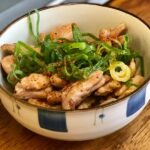
Momiji manjū and a sweet local symbol
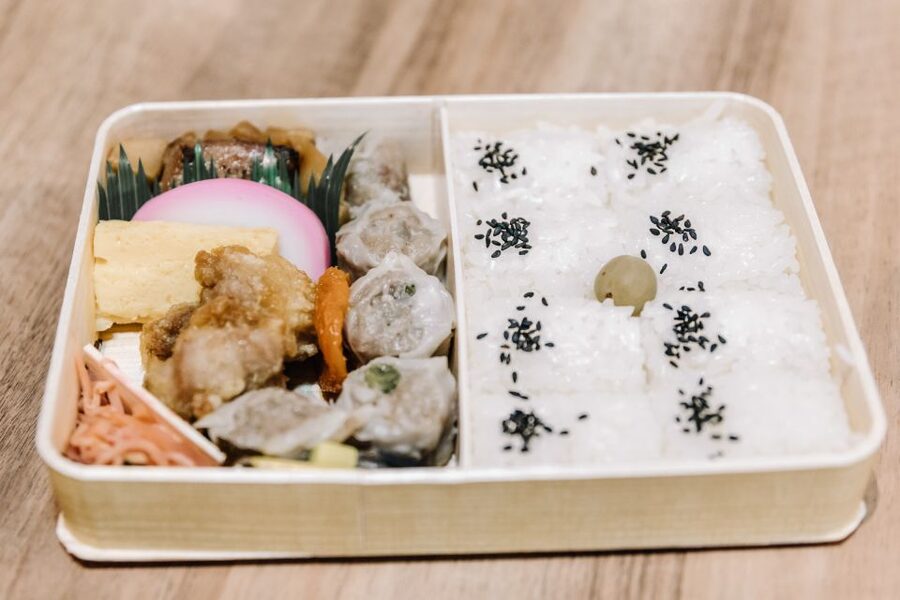
The sweet stop is momiji manjū, a cake shaped like a Japanese maple leaf. It is a local specialty and a pleasant change after the heavier savory dishes.
The shape connects the sweet to the maple-leaf image associated with the region. The filling and exact style are not specified, so your guide can explain what you are tasting when you receive it. The experience describes it as a creative take on a traditional buckwheat and rice cake.
This is the kind of tasting that works well on a walking tour. It is portable, recognizable, and easy to enjoy even if you are already fairly full. If you have a sweet tooth, ask whether you can give this stop extra attention when the itinerary is discussed.
Finishing in Ekinishi with a drink
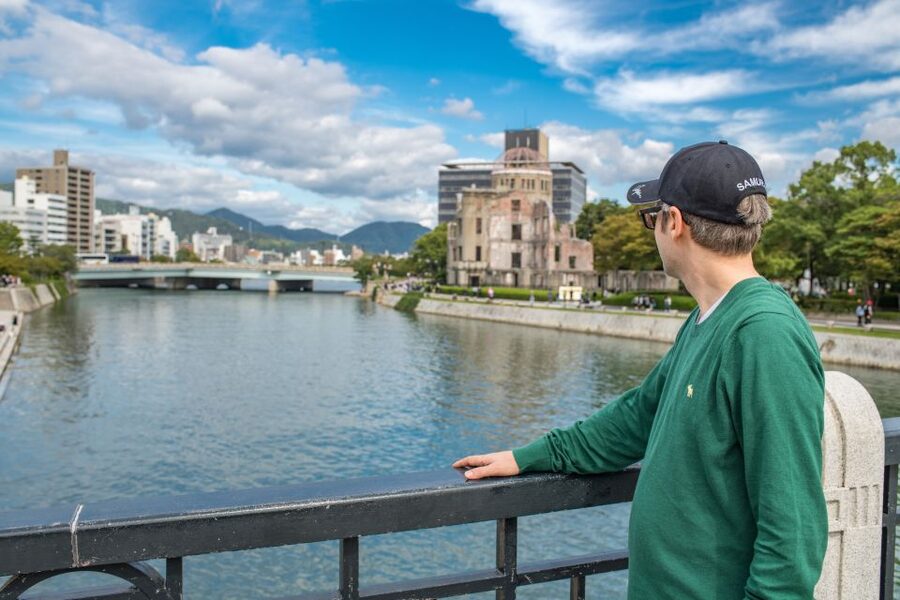
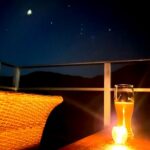
The walk ends in Ekinishi, a bar-lined area with trendy places and restaurants in renovated buildings. The closing stop includes traditional bar snacks and a cold beer, though you can choose a cocktail or soft drink instead.
Ending in a neighborhood with several places gives you options after the formal tour ends. You might continue eating, return later for dinner, or simply use your guide’s suggestions to plan the rest of your evening. The included drink also gives the final stop a relaxed finish.
I would not treat this as a full dinner replacement. Six tastings can make a satisfying introduction to local food, but the portions and exact stops are not described in detail. If you have a large appetite, plan to buy additional food in Ekinishi or elsewhere.
The neighborhood focus is another reason to pay attention to your guide’s recommendations. The tour includes tips for the rest of your stay in Hiroshima, and a private conversation can help you decide where to eat next, what to see, or which area deserves another visit.
How much value do you get for $291?
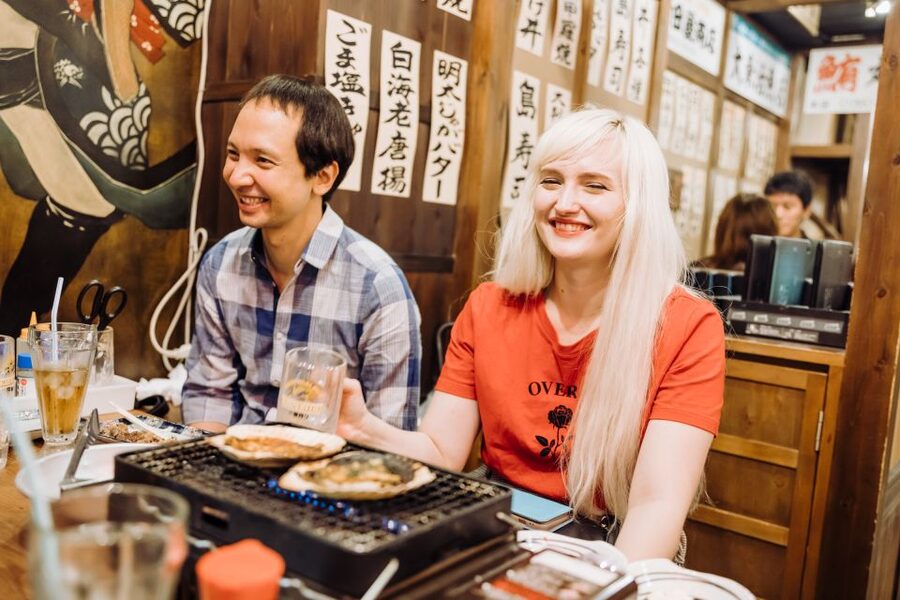
At $291 per person, this is expensive for a three-hour walking tour. The price is easier to justify if you are traveling as a small private group and care about personal food planning, local conversation, and an itinerary that can change around your interests.
You are paying for six tastings, one drink, admission to Shukkei-en, a private guide, and recommendations beyond the tour. You are also paying for the chance to request a particular food. The oyster-focused adjustment described above is a good example of the service that can make the price feel worthwhile.
The value is weaker if your main goal is simply to eat Hiroshima okonomiyaki as cheaply as possible. You could spend far less by choosing a restaurant yourself and ordering one meal. The tour makes more sense when you want several specialties, help with choices, and a local lens on the city.
Transportation is not included. The walking route connects several areas, but you should not expect rides between every stop. Additional food and drinks, along with entry fees for attractions beyond Shukkei-en, are also extra.
Who will enjoy this private food walk?

I would recommend this experience most strongly to people who want a flexible introduction to Hiroshima and do not want to plan every restaurant stop themselves.
It suits:
- Couples looking for a private food-focused outing
- Families who want a guide to adjust the pace and food choices
- Small groups with different tastes
- First-time visitors who want context along with meals
- Oyster fans who want to make seafood a major part of the route
- People who enjoy neighborhoods, cafes, and casual bars as much as formal sights
It may not suit you if you are watching every yen, dislike walking in poor weather, or want a fixed restaurant menu with clearly listed portions. It is also not the best choice if you prefer a history tour with only a small amount of food. Here, food leads the route, while the city’s story comes through the dishes and districts.
The private setup helps with personal requests, but you still need to communicate clearly. Tell the team about food preferences before the walk, and mention any must-try item. The guide can then plan around your priorities instead of guessing.
Practical details before you book
The experience lasts three hours and is available with a live guide in English or Japanese. Every booking is private, so you will not be combined with unrelated groups.
The activity runs in rain or shine. Wear shoes suited to walking and bring an umbrella or rain jacket when the forecast calls for wet weather. Since food stops are spread through different parts of the city, avoid arriving overly full.
The tour can be canceled up to 24 hours in advance for a full refund. You can also reserve now and pay later, which is helpful if your Hiroshima plans are still shifting.
Most important, confirm the meeting point. The directions name the souvenir shop on the ground floor of Hiroshima Orizuru Tower, while the route description begins at Shukkei-en. The tour team will contact you to confirm logistics, and this is the right time to ask where the walk actually starts.
Should you book it?
Book this tour if you want Hiroshima’s food to guide your day, especially if you want okonomiyaki, oysters, local sweets, and bar snacks in one private outing. The strongest reasons to choose it are the flexible route, the private guide, and the ability to make a specific food request such as an oyster-focused stop.
Skip it if $291 feels too high for three hours or if you are happy choosing one or two restaurants on your own. For the right budget, this is a useful way to get your bearings, taste several local specialties, and leave with practical food advice for the rest of your time in Hiroshima.
FAQ
How long does the Hiroshima food tour last?
The tour lasts three hours.
Is the tour private?
Yes. All bookings are private, and the experience is designed for a private group.
Which languages are available?
The live tour guide can conduct the experience in English or Japanese.
How many food tastings are included?
Six different food tastings are included.
Is a drink included?
Yes. One beer, cocktail, or soft drink is included.
Is admission to Shukkei-en included?
Yes. Entrance to Shukkei-en Japanese Garden is included.
Is transportation included?
No. Transportation is not included in the tour price.
Are additional food and drinks included?
No. Food and drinks beyond the six tastings and one included drink cost extra.
Can the itinerary be personalized?
Yes. The experience can be personalized to your requests and preferences. The team will contact you before the tour to confirm the details.
What is the cancellation policy?
You can cancel up to 24 hours in advance for a full refund. You can also reserve the tour and pay later.
Where does the tour meet?
The meeting instructions identify the souvenir shop on the ground floor of Hiroshima Orizuru Tower. The route description refers to Shukkei-en as the starting place, so confirm the exact meeting location with the tour team before the day of the experience.
More Food Experiences in Hiroshima

More Hiroshima Food Tours in Hiroshima
More Hiroshima City Tours in Hiroshima
More tours in Hiroshima we've reviewed

Hiroshima Food Tours, compared.
 ★ 5.0Hiroshima Izakaya Food and Drink Night TourFrom $110
 ★ 4.9Hiroshima: Food and Culture Guided Walking Tour with DinnerFrom $943 hours
 ★ 4.5All-inclusive Hiroshima Nighttime Food and Cultural ImmersionFrom $119
 ★ 5.0Private Japanese Cooking Class in Hiroshima with Machiko’s FamilyFrom $108
 ★ 5.0Best of Hiroshima Food TourFrom $221
 ★ 5.0Dinner Cruise on HANAIKADA (Raft-Type Boat) with Scenic View of MiyajimaFrom $95
