
Reviewed · MIYAJIMA TOURS
Day Trip to Hiroshima & Miyajima with Itsukushima Shrine
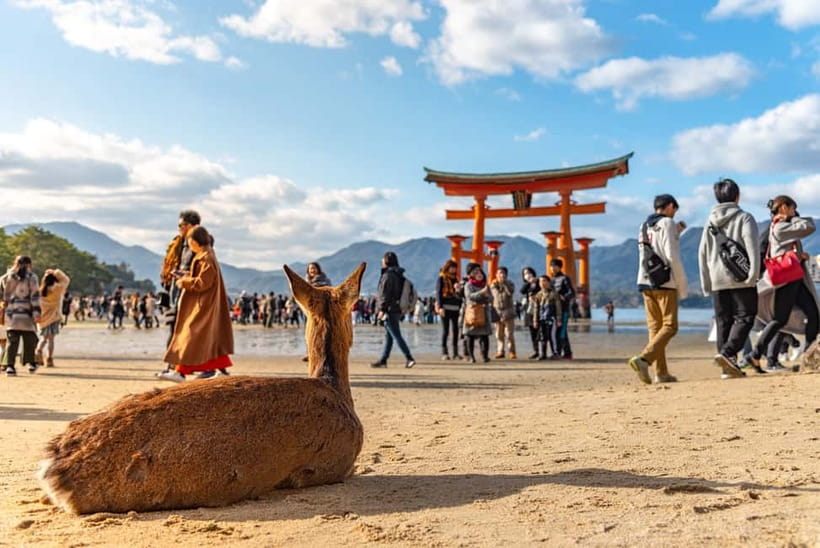
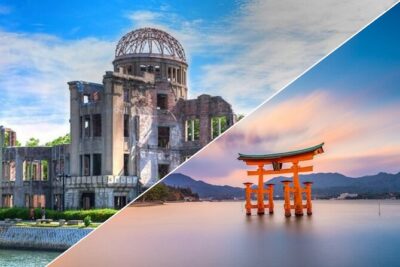
The most striking part of this day is the contrast: Miyajima’s floating torii gate brings sea views, deer, temples, and sweet snacks, then Hiroshima turns the mood toward quiet reflection. I like that you see both places in one carefully linked trip, without having to work out the bus and ferry connections yourself. I also like the bilingual guiding, with guides such as Alan, Alex, Alejandro, and Pastor praised for clear explanations and thoughtful answers.
The main compromise is time. You get about three hours on Miyajima and roughly two hours around Hiroshima Peace Memorial Park, but that is enough for an introduction rather than a slow, detailed visit. Summer heat, crowds, and a busy shrine can make the schedule feel tight, especially if you want to visit every temple or spend a long time in the museum.
In This Review
- Key points at a glance
- Miyajima begins with a scenic ferry crossing
- Itsukushima Shrine and the torii gate
- One hundred minutes to explore Miyajima
- Returning to Hiroshima for a different kind of visit
- What the guide and driver add
- How the $39 price measures up
- Crowds, weather, and the pace of the day
- Who should book this day trip?
- Should you book it?
- FAQ
- What does the tour visit?
- How long does the full tour last?
- Where does the combined tour meet?
- Where does the Miyajima-only option meet?
- Is the tour offered in English?
- Is admission to Itsukushima Shrine included?
- Is lunch included?
- What should I bring?
- Can wheelchair users join?
- Can I cancel the booking?
Key points at a glance
- Miyajima by ferry: Cross the water with views of the coast and the famous torii gate.
- Itsukushima Shrine included: Your admission is covered, with guided time and a chance to explore independently.
- Two distinct tour choices: Select Miyajima only, or combine the island with Hiroshima’s Peace Memorial Park.
- Strong guide service: Alan, Alex, Alejandro, Pastor, Ally, and other guides are praised for clear English and Spanish explanations.
- Food and free time: Look for Miyajima oysters and momiji manju, the maple-leaf shaped pastry.
- Good value at $39: Transport, ferry fare, shrine admission, and a bilingual guide are included, but lunch is not.
Miyajima begins with a scenic ferry crossing
The trip starts from one of two meeting points, depending on the option you book. The combined Hiroshima and Miyajima tour meets outside Hiroshima Station’s Shinkansenguchi Hiroba Bus Berth. Leave through the station’s North Exit, go down the stairs, and find the bus berth between stops 8 and 9. A guide waits with an Amigo Tours sign.
The Miyajima-only option starts outside Hiroshima Station Hiroden-Miyajimaguchi Station. Check your booking carefully, since these are different starting points and a wrong choice can add needless stress before the day begins.
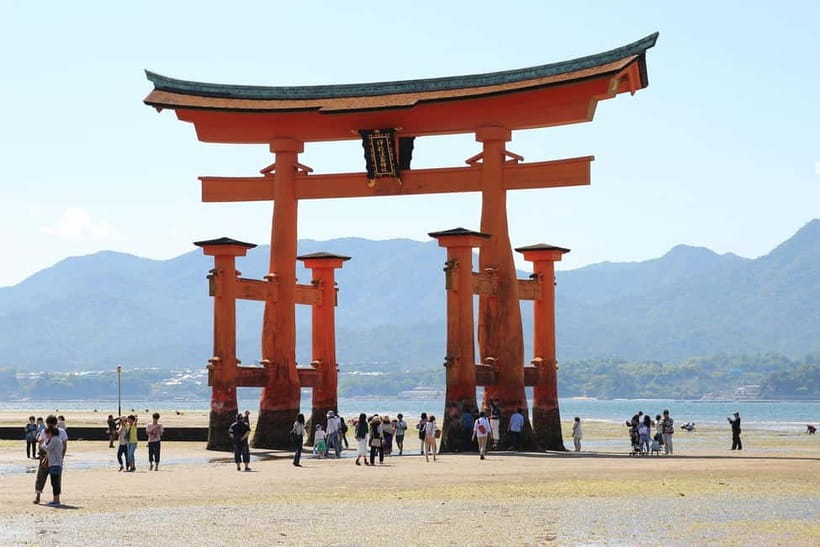
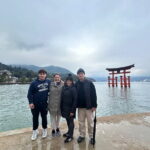
From the meeting point, you ride by coach toward the coast. The listed coach leg takes about 50 minutes. Then comes a roughly 30-minute ferry ride to Miyajima. That crossing is more than just transportation. It gives you your first broad view of the island and the chance to see the torii gate from the water, depending on the tide and position of the boat.
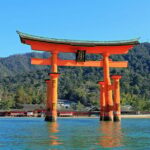
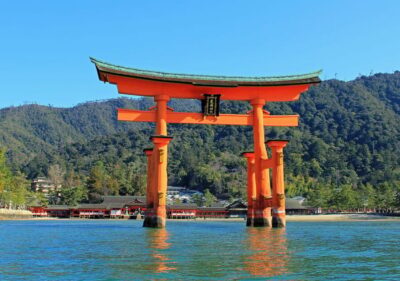
The gate is famous because high tide can make it appear to float offshore. At low tide, the view changes completely, and you may be able to see the exposed ground around it. The tour does not promise a particular tide, so keep your expectations flexible. The shrine and island remain worthwhile even when the gate is not surrounded by water.
A few more Hiroshima tours and experiences worth a look
Itsukushima Shrine and the torii gate
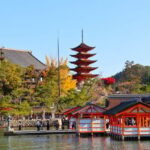
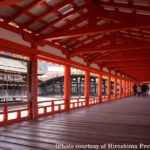
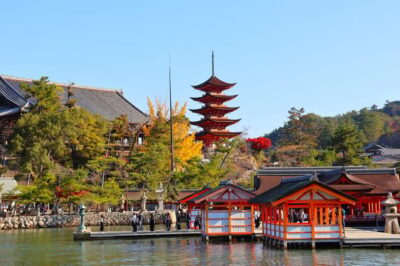
Itsukushima Shrine is the central sight on Miyajima. The shrine complex reaches over the water and is tied to the island’s long religious tradition, with origins dating back to the sixth century. Its setting gives the visit much of its power: red shrine buildings, open water, wooded hills, and the torii gate placed offshore.
About 30 minutes is set aside for guided time and free exploration around Itsukushima Shrine. That is enough to understand the main layout and take photographs, but not enough for a leisurely study of every building. I would stay close to the guide during the opening explanation, then use the free time for your own pictures and details.
The shrine admission is included, which helps the $39 price make sense. You are not simply paying for a ride to Miyajima. The package covers the coach, ferry, guide, and entry to the island’s main cultural site.
Wear shoes you can walk in comfortably. The day includes transport, shrine grounds, streets, and possibly extra walking if you choose to visit another temple during your free time. Water and a camera are sensible additions, and comfortable shoes matter more here than polished sightseeing clothes.
One hundred minutes to explore Miyajima
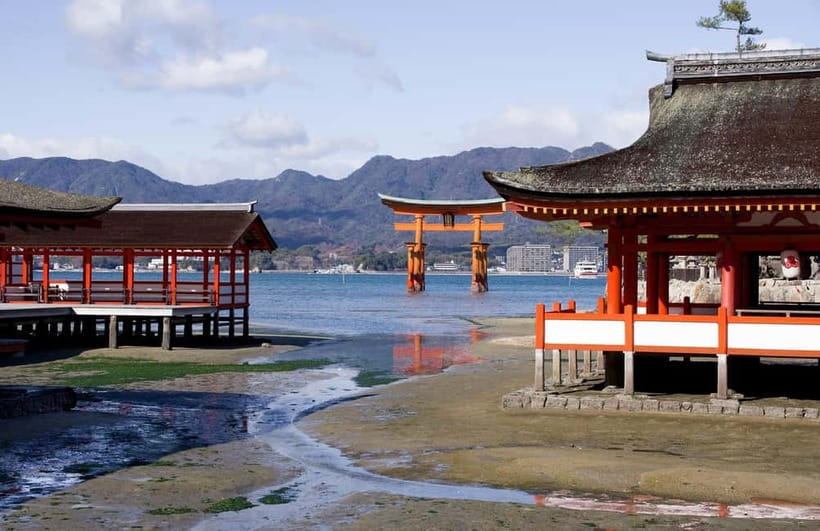
After the shrine, you get about 100 minutes of free time on Miyajima. This is where the tour becomes more personal. You can wander the island’s charming streets, look for local food, spend time near the shore, or visit another religious site.
Daishoin Temple is one possible use of this time. One guest described reaching it by a small uphill walk, so allow for extra effort if you choose that option. The tour does not appear to include a guided visit there, and the schedule does not leave room for a long mountain walk. Treat it as an optional choice, not a promised part of the itinerary.
Miyajima’s free-roaming deer are another part of the island’s character. They often appear around the streets and shrine area, adding a memorable, slightly comic touch to an otherwise solemn cultural setting. Give yourself time to enjoy them, but keep your attention on your belongings and the guide’s meeting instructions.
Food is not included, so lunch or snacks are your responsibility. Miyajima is known for oysters and momiji manju, a pastry shaped like a maple leaf. If you want a proper meal, use the free-time block wisely. If you prefer to maximize sightseeing, a quick snack may be easier than sitting down for a long lunch.
The tradeoff is clear. You get freedom, but you must manage your own clock. Do not wander far from the main streets without checking when and where to regroup. The island portion can feel short if you want shrine architecture, a temple visit, a full meal, shopping, and photographs all at once.
Returning to Hiroshima for a different kind of visit
The ferry back is listed at about 10 minutes, followed by a coach ride of around one hour toward Hiroshima. The timing may vary with traffic and the day’s operating plan. One guide has reversed the order, visiting Miyajima first and leaving the Peace Memorial for the end. That order works well emotionally: you begin with scenery and culture before moving into Hiroshima’s painful past.
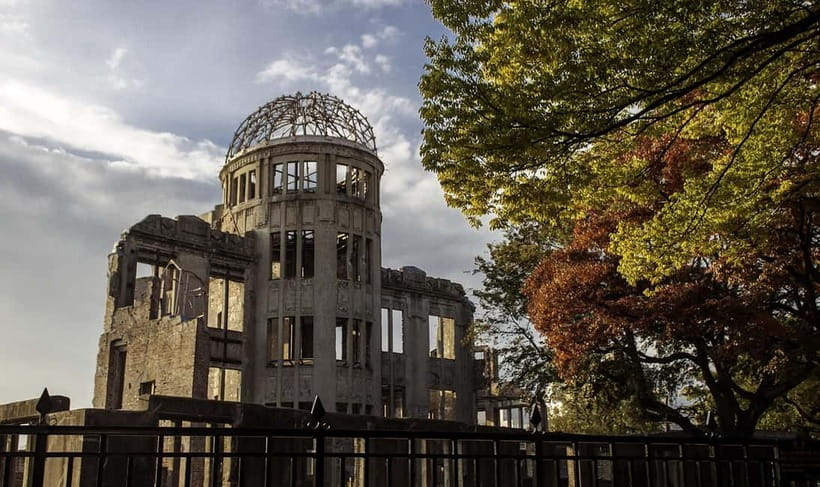
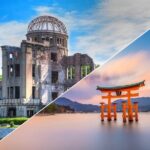
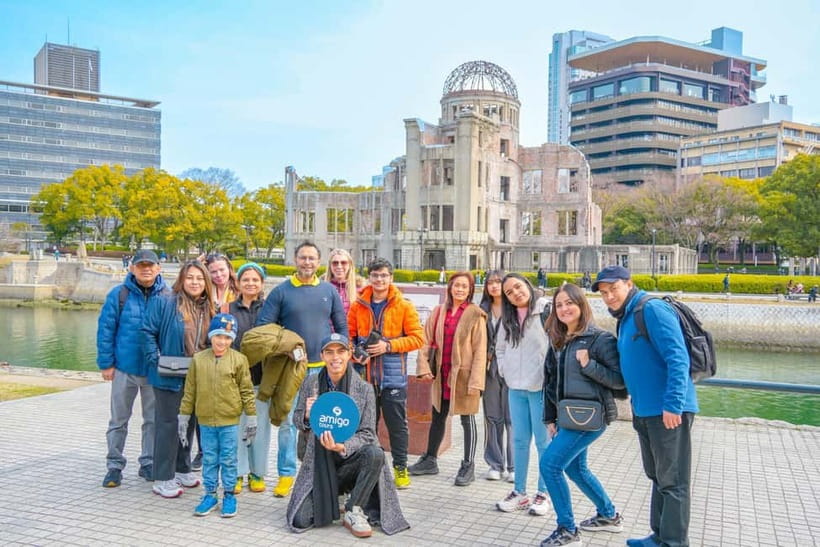
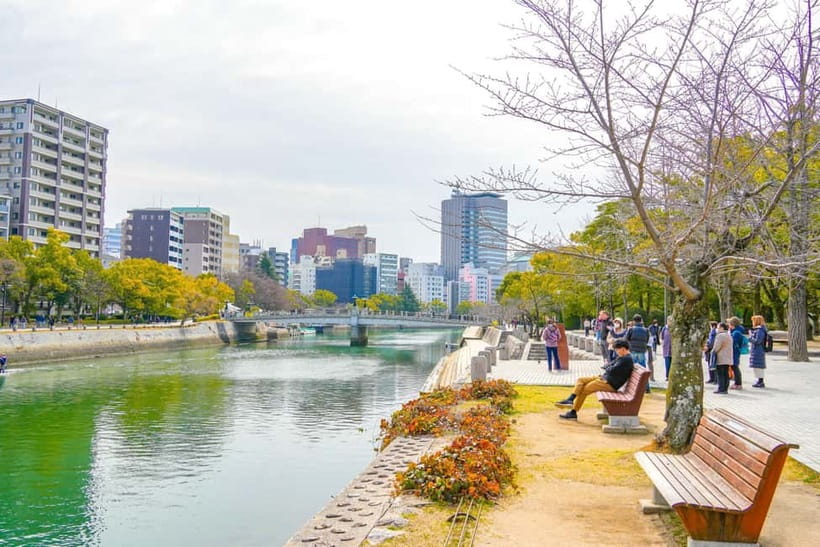
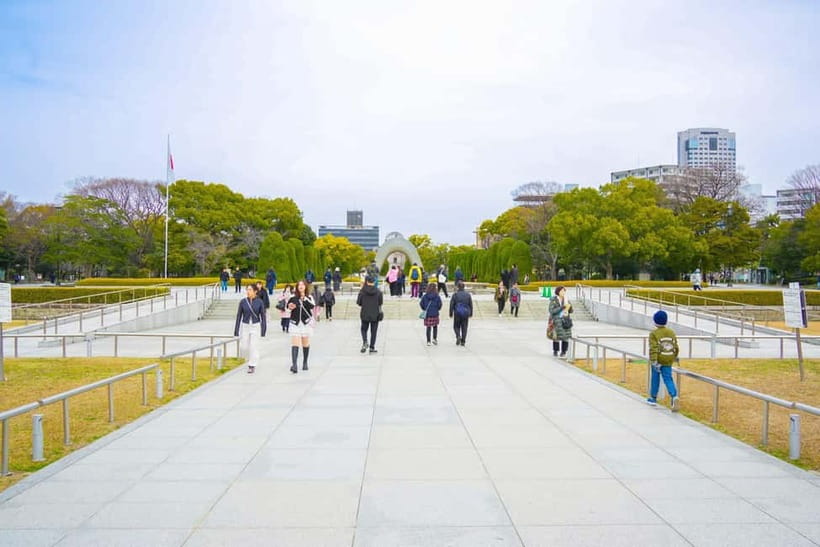
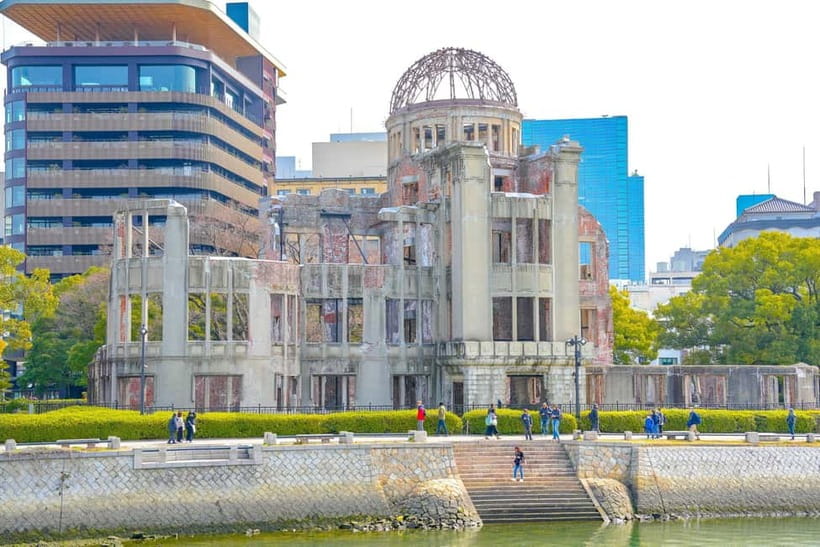
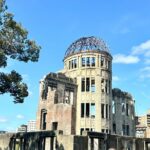
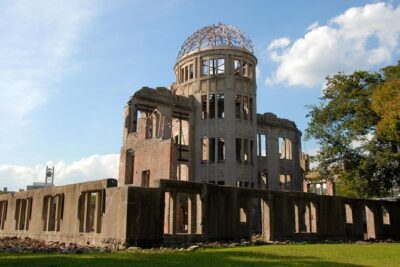
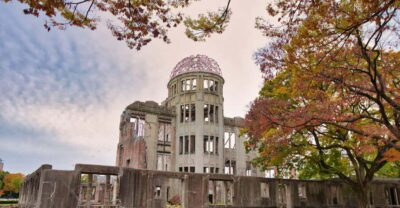
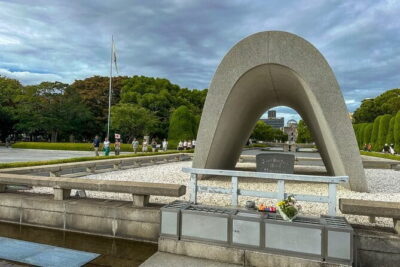
The Hiroshima portion finishes at the Peace Memorial Park. The park contains the Hiroshima Peace Memorial, the Atomic Bomb Dome, and other monuments connected to the 1945 atomic bombing. This is not a light sightseeing stop, and the guide’s role matters greatly.
The planned Hiroshima visit lasts about two hours, with guided time and free time. A useful rhythm is roughly one hour walking with the guide, followed by time to explore independently. Some tour participants have used that free period for the museum, while others have remained in the park and visited the monuments at a slower pace.
The included information focuses on the park and its memorials. Check the details of your booked option if entering the museum is important to you, since the listed inclusions cover Itsukushima Shrine admission but do not list a Hiroshima museum ticket.
Expect the guide to explain the bombing and its effect on the city. Alan is repeatedly praised for his presentation, and Alex is also singled out for clear, interesting commentary. Alejandro and Pastor have been noted for making the day interactive and easy to follow. The bilingual format means English explanations are repeated in Spanish, so the pace can be slower than a monolingual tour.
That can be a benefit if you need a clear introduction to the subject. It also means you should not expect every minute to move quickly. The best guides keep the two language groups together while still making the talk feel natural.
What the guide and driver add
The strongest part of this experience is the human service. Guides named Alan, Alex, Ally, Alejandro, Pastor, and Anhela receive especially warm praise for being approachable, prepared, and attentive. One guide followed up on a question within a few minutes after checking the answer, which is the kind of small effort that can make a full-day tour feel dependable.
The explanations are not limited to memorized dates. The feedback highlights useful background on Hiroshima’s wartime history and the bombing, along with explanations of the shrine and the places visited. Alan is also praised for changing his tone and presentation rather than delivering every subject in the same flat voice.
The bilingual arrangement is a practical strength for English and Spanish speakers. You should expect the guide to speak in one language and then repeat the material in the other. That is helpful for mixed-language groups, though it uses more time and can make the day feel compressed.
The driver matters too. Moriyama and other drivers are praised for careful, safe driving. Since the route includes a coach ride from Hiroshima to the ferry, a return transfer, and a longer road leg after Miyajima, dependable transport is a real part of the value.
A few more Hiroshima tours and experiences worth a look

How the $39 price measures up
At $39 per person, this is a low-cost way to connect two major Hiroshima-area sights. The price includes transport from the meeting point, a bilingual English and Spanish guide, the ferry ticket, and admission to Itsukushima Shrine. You would otherwise need to coordinate those pieces yourself.
The price does not include lunch. It also does not list a Hiroshima museum admission, so budget separately if you plan to enter. The tour makes the most financial sense if you value convenience and want a first look at both destinations rather than a slow, specialized visit.
The Miyajima-only option may suit you better if you have already visited Hiroshima’s memorial sites or want more breathing room on the island. The combined option is the better buy for a first visit when your schedule is short and you want the major sights connected in one day.
The advertised duration ranges from 210 minutes to eight hours because different options have different lengths. The full Miyajima and Hiroshima route follows an approximately eight-hour day, while the shorter choice focuses on Miyajima. Check the start time and meeting point before booking.
Free cancellation up to 24 hours before the activity and reserve-now, pay-later booking add flexibility. Those policies are useful if your Japan route is still shifting, but you should still confirm the exact option selected before payment.
Crowds, weather, and the pace of the day
Miyajima can be very busy, especially during summer holidays and weekends. At around 35°C with high humidity, the walking and waiting can feel demanding. The shrine may be crowded, and the Peace Memorial Museum can also become too busy for a comfortable look at every exhibit.
This is not a reason to reject the tour. It is a reason to choose your expectations carefully. You are buying access and structure on a popular route, not private time at quiet monuments.
Start with water and comfortable shoes. A camera is worth carrying, but do not let photography take over the shrine or memorial visit. If heat affects you strongly, the shorter Miyajima option may be easier than combining both destinations in one day.
The tour is not suitable for wheelchair users. The ferry, coach transfers, shrine grounds, streets, and walking sections make mobility a serious consideration. The supplied information does not promise special accessibility arrangements.
Who should book this day trip?
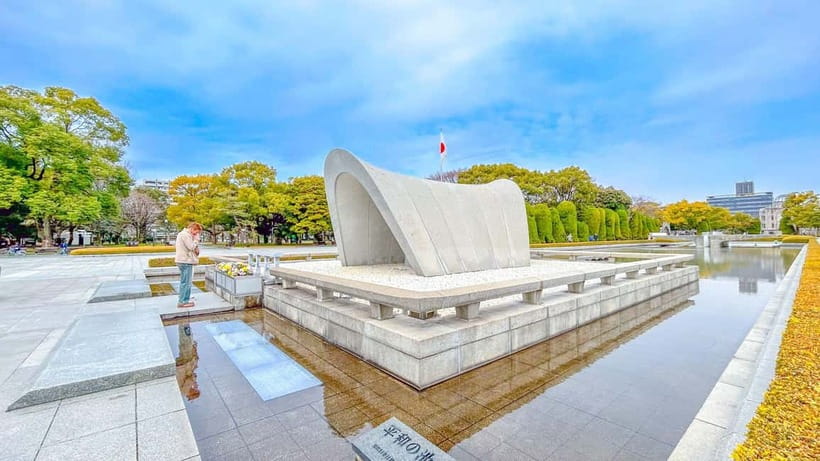
I would recommend the combined tour to a first-time Hiroshima visitor with limited time. It gives you Miyajima’s natural and religious sights, then introduces the Peace Memorial Park and Atomic Bomb Dome without requiring separate transport planning.
It also works well if you are staying in Osaka and using the Shinkansen to reach Hiroshima for the day. One person completed the tour from Osaka and returned by Shinkansen, but you should allow enough time for your own train schedule and follow the tour’s meeting instructions closely.
The tour is a good fit for English and Spanish speakers who want context, not just directions. It is especially useful if you prefer a guide to explain the historical meaning of the memorial sites before you explore on your own.
I would hesitate if you want a slow day with long meals, extensive shopping, a full museum visit, and several temple stops. The schedule is efficient, but efficiency has a cost. You will see the headline sights, then move on.
Should you book it?
Book this tour if you want a practical first introduction to Miyajima and Hiroshima, value a bilingual guide, and are comfortable with a full schedule. The ferry, shrine admission, coach transport, and strong guide service make $39 a convincing price.
Choose Miyajima only if you want a lighter day or more time for the island. Choose the combined route if the Peace Memorial Park is central to your Hiroshima plans and you want the day arranged for you.
The best reason to book is the balance of scenery, culture, and history. The main warning is pace: crowded conditions, hot weather, and two major destinations can leave little room for lingering. Go prepared, keep your lunch simple, and treat the tour as a well-guided overview rather than the final word on either place.
FAQ
What does the tour visit?
The full option visits Miyajima, Itsukushima Shrine, and Hiroshima Peace Memorial Park, including the Atomic Bomb Dome and other memorials. A Miyajima-only option is also available.
How long does the full tour last?
The combined Hiroshima and Miyajima option lasts up to about eight hours. The activity information gives a range of 210 minutes to eight hours because the available options have different durations.
Where does the combined tour meet?
Meet outside Hiroshima Station’s Shinkansenguchi Hiroba Bus Berth. From the North Exit, go downstairs and find the berth between bus stops 8 and 9. The guide waits with an Amigo Tours sign.
Where does the Miyajima-only option meet?
The Miyajima-only option meets outside Hiroshima Station Hiroden-Miyajimaguchi Station. The guide waits there with an Amigo Tours sign.
Is the tour offered in English?
Yes. Live guiding is available in English and Spanish. The tour is bilingual when both language groups are present.
Is admission to Itsukushima Shrine included?
Yes. Admission to Itsukushima Shrine and the ferry ticket are included in the tour price.
Is lunch included?
No. Lunch is not included, so you should bring money or plan to buy food during your free time on Miyajima.
What should I bring?
Bring comfortable shoes, water, and a camera. The tour includes ferry rides, shrine grounds, streets, and walking around the memorial park.
Can wheelchair users join?
No. The activity is listed as unsuitable for wheelchair users.
Can I cancel the booking?
You can cancel up to 24 hours in advance for a full refund. The reserve-now, pay-later option lets you hold a place without paying immediately.
More 1-Day Tours in Hiroshima
More Hiroshima City Tours in Hiroshima
More Miyajima Tours in Hiroshima
More tours in Hiroshima we've reviewed


Miyajima Tours, compared.
 ★ 5.0Peaceful Hiroshima & Miyajima UNESCO 1 Day Bus TourFrom $129
 ★ 4.9Hiroshima: Hiroshima and Miyajima UNESCO Sites 1-Day TourFrom $1228 hours
 ★ 5.0Hiroshima / Miyajima Full-day Private Tour with Government Licensed GuideFrom $202
 ★ 4.7Osaka/Kyoto: Hiroshima Miyajima Bus Tour & Shinkansen TicketFrom $27712 hours
 ★ 4.7From Hiroshima: Hiroshima & Miyajima 1 Day Tour with LunchFrom $1168 hours
 ★ 5.0Hiroshima and Miyajima Day Trip with Itsukushima Shrine & FerryFrom $45
