
Reviewed · MIYAJIMA TOURS
Hiroshima and Miyajima 1 Day Bus Tour
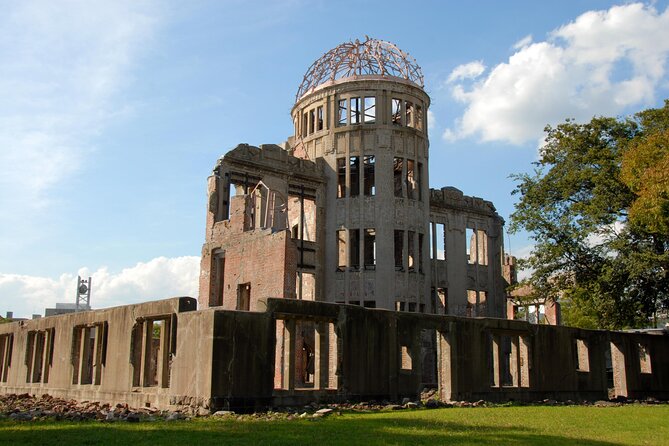
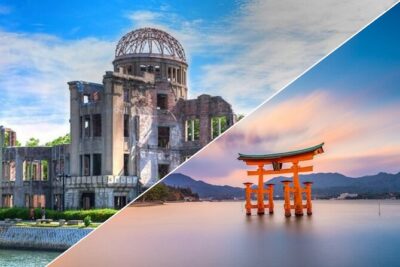
The most powerful part of this day is the sharp contrast between Hiroshima’s Peace Memorial sites and the beauty of Miyajima Island. In one outing, you face the history of August 6, 1945, then cross to a Shinto shrine set beside the Seto Inland Sea.
I like the simple all-in price, which covers transportation, museum admission, ferry fare, and lunch. I also like the English-speaking guides, including Tom, Hiro, Yuka, Kaori, and Takane, who have been praised for clear explanations and personal stories. The main drawback is time: one hour at the Peace Memorial Museum may feel too short, and the day involves plenty of walking.
In This Review
- Key points to know before booking
- Why this Hiroshima day tour works
- Starting at Hiroshima Station at 10 a.m.
- The A-Bomb Dome: a quiet first encounter
- Hiroshima Peace Memorial Park and its difficult message
- One hour inside the Peace Memorial Museum
- Okonomiyaki lunch with a local Hiroshima flavor
- Crossing to Miyajima by ferry
- Itsukushima Shrine and the famous torii
- Walking, group size, and the pace of the day
- Who should book this tour?
- My verdict on the $118.92 price
- Should you book the Hiroshima and Miyajima day tour?
- FAQ
- Where does the Hiroshima and Miyajima tour start?
- How long does the tour last?
- Is lunch included?
- Are the museum and ferry tickets included?
- Can I bring luggage on the tour?
- Is the tour suitable for anyone with limited mobility?
Key points to know before booking
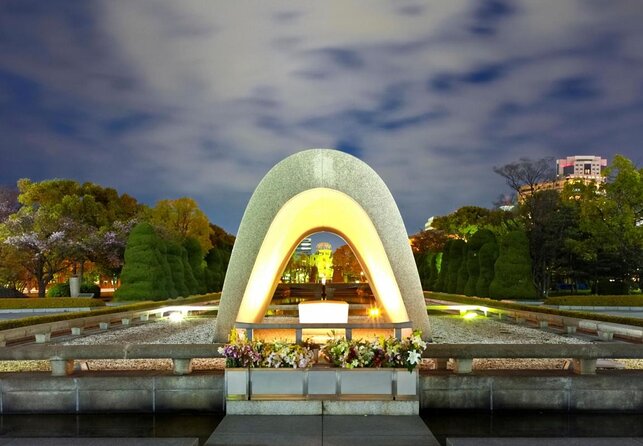
- Two very different sides of Hiroshima: Visit the A-Bomb Dome, Peace Memorial Park, and Museum before enjoying Miyajima’s shrine, shops, and sea views.
- Hiroshima-style lunch included: Your okonomiyaki comes with pork, cabbage, bean sprouts, fish powder, noodles, and eggs, with limited alternatives available by advance request.
- Ferry and museum admission included: You do not need to arrange separate tickets for two of the day’s key experiences.
- A practical 10 a.m. start: The tour begins at Hiroshima Station and returns there after about 7 hours 40 minutes.
- Good guide support: English-speaking guides explain the sites, answer questions, and use earphone guides during the tour.
- Allow extra time for your train: If you plan to take the Shinkansen afterward, book a departure after 6:30 p.m.
Why this Hiroshima day tour works
Hiroshima is easy enough to visit independently, but the geography can make a one-day plan awkward. The Peace Memorial area is in the city center, while Miyajima requires a ride and a ferry. This tour joins the two without asking you to work out each connection.
You meet at Hiroshima Station at 10 a.m. and travel in an air-conditioned vehicle. The group can reach as many as 40 people, so this is not a private sightseeing day. Still, the bus saves energy and keeps the schedule moving, especially when you want to see both the memorial district and Miyajima in a single outing.
At $118.92 per person, the price is reasonable if you value convenience. It includes the bus, English guide, Peace Memorial Museum admission, ferry ticket, and lunch. Add up those separate costs, then consider the time needed to arrange the route yourself. The tour is less attractive if you prefer to linger at one museum or spend a full day wandering Miyajima.
The 97 percent recommendation rate and 4.7 rating from 145 ratings suggest a dependable experience, particularly for first-time visitors. The strongest pattern is clear organization and good guiding. The weaker point is also clear: the museum can feel rushed.
A few more Hiroshima tours and experiences worth a look

Starting at Hiroshima Station at 10 a.m.
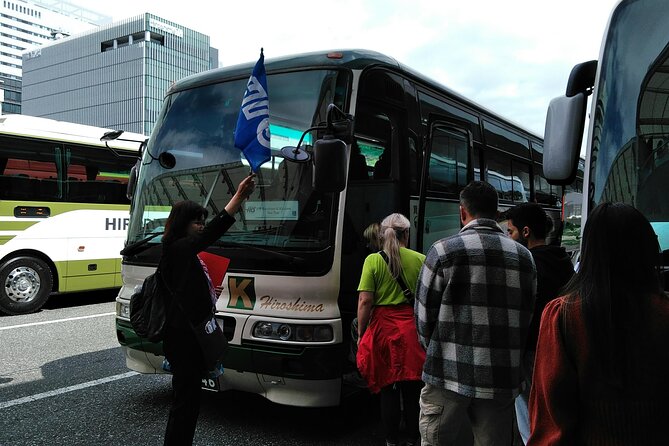
The meeting point is Hiroshima Station, at 1-2-37 Matsubaracho in Minami Ward. This is useful if you are staying near the station or arriving by train that morning. It is less convenient if you are lodging far across the city, so give yourself time to find the exact pickup area.
The company sends booking confirmation at the time of reservation, and the ticket is mobile. Keep the confirmation easy to open on your phone. The organizers have also helped with meeting-point confusion by phone, which is useful if you arrive in Hiroshima without knowing the station well.
Luggage can remain in the bus luggage compartment during the tour. That makes this outing practical for a same-day arrival or departure, but I would not plan a tight train connection. The day lasts about 7 hours 40 minutes, and the recommended Shinkansen departure is after 6:30 p.m.
The A-Bomb Dome: a quiet first encounter
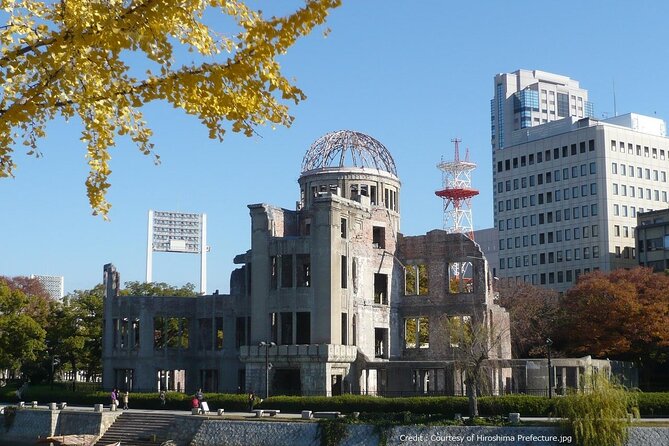
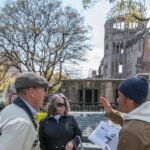
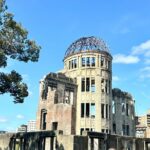
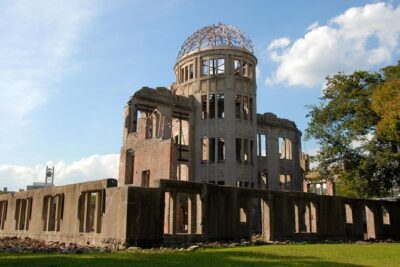
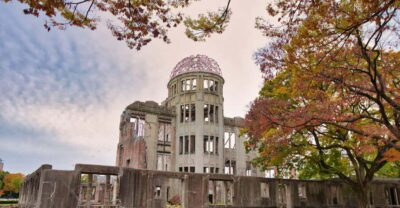
The A-Bomb Dome is one of Hiroshima’s most recognizable sights, but its power comes from its condition rather than its beauty. The preserved ruins mark the building that remained standing near the center of the atomic bombing on August 6, 1945.
You have about one hour here. That gives you time to look closely, listen to your guide, and understand why survivors and other citizens pushed for the building to receive World Heritage status. Japan joined the UNESCO World Heritage Convention in 1992, and the campaign to protect the dome was tied closely to the voices of people who had lived through the bombing.
I like beginning here because the visit is direct and unadorned. There is no need to search for the meaning of the place. You see the remains, hear the context, and then continue into the memorial grounds.
The limitation is that one hour must also include moving the group and gathering everyone again. Stay near the guide when the meeting time is announced. A large group can lose time quickly if several people wander off for photographs.
Hiroshima Peace Memorial Park and its difficult message
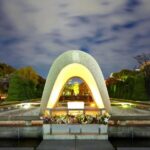
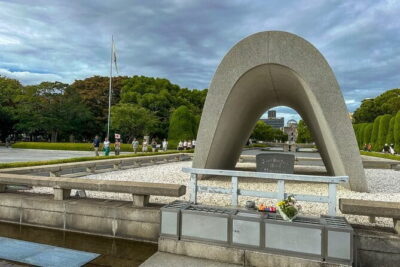
The next hour is spent in Hiroshima Peace Memorial Park, the area created to hold memorial facilities after the Hiroshima Peace Memorial City Construction Law of 1949. The park occupies the Nakajima District, an area reshaped around remembrance and peace.
This is not a stop to rush through with a camera. The open setting gives you space to think about the people and communities affected by the bombing. Your guide can connect the A-Bomb Dome with the wider memorial grounds and explain how the city chose to preserve memory in a public place.
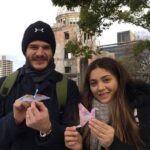
Guides such as Hiro and Kaori have been singled out for bringing strong local knowledge and pride in Hiroshima to the day. One guide, described as being from Hiroshima, shared family connections to the bombing. A personal account can add an emotional layer to the facts, though you should still expect the tone to remain respectful and serious.
The park itself is free. The value here comes from interpretation rather than an entrance ticket. If you have only a short time in Hiroshima, this is one of the places I would not skip.
One hour inside the Peace Memorial Museum
The Peace Memorial Museum consists of two buildings and examines Hiroshima before and after the atomic bombing. Its central focus is August 6, the bombing itself, and the human consequences that followed.
Admission is included, which keeps the day straightforward. You enter with the group, then have time to view the exhibits and absorb the material. The museum can be harrowing, and some displays are graphic. I would prepare children carefully, and I would not choose this tour for someone who wants a light sightseeing day.
The key issue is time. The schedule gives the museum about one hour, and several people found that insufficient. I agree that the museum rewards a slower visit. If you want to read every panel and consider every exhibit, an independent return visit would be better.
Still, the one-hour stop gives you a serious introduction. You will leave with a clearer sense of what happened and why Hiroshima remains a place of remembrance. The guide can provide background before or after your museum visit, and the supplied earphone system is intended to help you hear explanations while moving with the group.
Sound quality has not always been perfect. One visitor found the earphone audio muffled. Hold the receiver close, tell the guide promptly if the sound is poor, and pay attention to meeting times so you do not lose part of the museum visit.
A few more Hiroshima tours and experiences worth a look

Okonomiyaki lunch with a local Hiroshima flavor
Lunch is one of the lighter moments of the day. The meal is Hiroshima-style okonomiyaki, a savory dish built with pork, cabbage, bean sprouts, fish powder, noodles, and eggs. It is a useful chance to try a local specialty without spending time choosing a restaurant.
The meal has been a strong part of the outing for many people, with the food stop described as delicious, cute, and different from ordinary sightseeing fare. One criticism is worth noting: a serving was reportedly brought out before the diner took a seat, so freshness and presentation may vary.
Dietary planning matters here. Three options are listed:
- Regular okonomiyaki
- No pork, with eggs
- No pork, no fish powder, and no eggs
Tell the operator about allergies or restrictions when booking. The restaurant cannot make menu changes on the day, so do not wait until lunchtime. You also cannot bring your own food or drinks into the restaurant.
Vegetarian needs may be accommodated, but advance notice is essential. The listed alternatives are limited, so this is not a meal for assuming every preference can be handled at the last minute.
Crossing to Miyajima by ferry
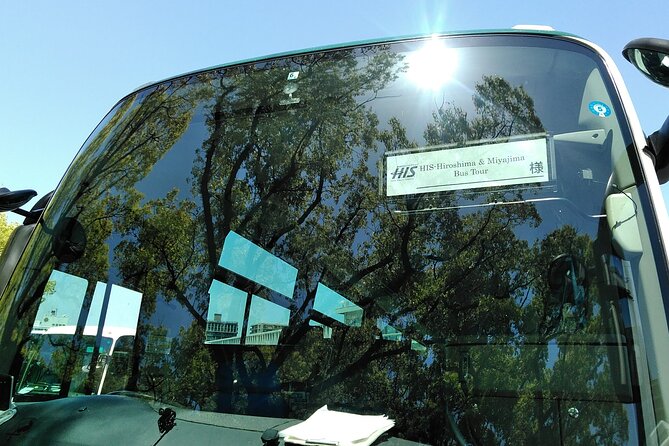
After the city and memorial sites, the mood changes as you head toward Miyajima. The ferry ticket is included, and the tour handles the transfer rather than leaving you to work out the route alone.
The ferry crossing provides a welcome change of pace. You move from Hiroshima’s urban memorial district to an island setting with water, shrine architecture, walking paths, food stalls, and shopping streets. The contrast is a large part of the day’s appeal.
The schedule allows about three hours at Itsukushima Shrine and Miyajima. That is enough for a meaningful visit, though not enough to explore every corner of the island. You should listen carefully for the return meeting time. Miyajima is pleasant for wandering, and it is easy to misjudge how long you need to walk back.
Itsukushima Shrine and the famous torii
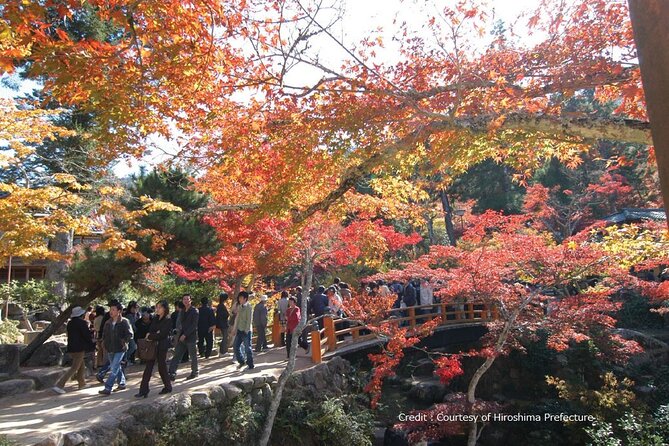
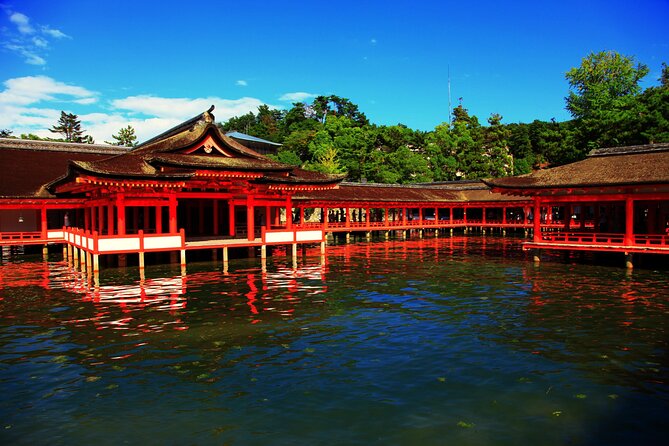
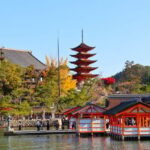
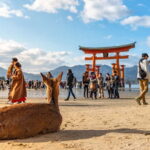
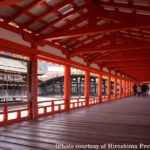
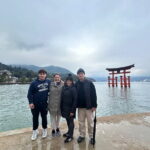
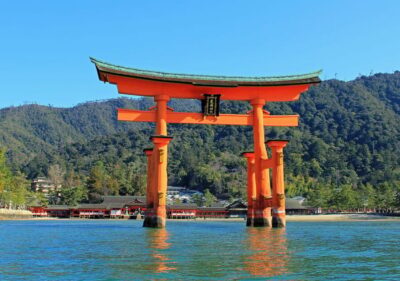
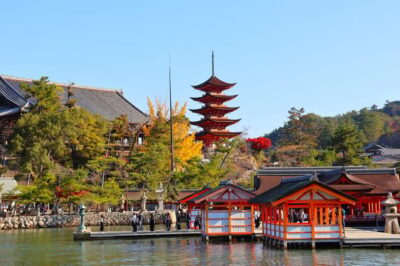
Itsukushima Shrine sits in a small inlet, with its torii gate placed out in the Seto Inland Sea. Paths around the inlet let you look across the water and see the shrine from different angles.
The torii is the visual centerpiece, but the shrine itself deserves attention. Its position beside the water gives the visit a calm, ceremonial quality that feels very different from the memorial sites earlier in the day. The tour includes admission, so you can focus on the setting and the guide’s explanation rather than ticket lines.
Miyajima also gives you time to explore on your own. You can walk through the shopping area, look for local street food, and enjoy the island scenery. The day’s schedule does not promise a long independent hike or a full island tour, so keep your plans close to the shrine and main paths.
I especially like this stop as the final chapter of the tour. Hiroshima’s memorial district asks you to confront painful facts. Miyajima offers beauty and tradition without erasing the seriousness of the morning. The pairing feels thoughtful, even if both places deserve more time than one day allows.
Walking, group size, and the pace of the day
This is a full day on your feet. You walk through the memorial sites, museum, station areas, ferry facilities, and Miyajima paths. The tour is not recommended if you have difficulty walking for long periods.
A maximum of 40 people means the group may feel large. The upside is that you have a guide, transport, and a clear schedule. The downside is that gathering everyone can take time, and personal questions may be harder to fit in than on a small-group or private tour.
The guides have received especially strong praise for organization, English ability, and humor during the bus rides. Tom was described as friendly and well organized. Hiro was praised for explaining the city and keeping the group entertained. Yuka, Kaori, Takane, and guide assistants such as Yuki were also noted for helpful service and clear explanations.
Guide quality can vary by departure, but the experience clearly depends on having a good guide. Stay close, use the earphone guide carefully, and ask questions when there is a natural pause.
Who should book this tour?
I would choose this tour if you have one day in Hiroshima and want the main sights arranged for you. It suits first-time visitors, people staying near Hiroshima Station, and anyone who wants an English explanation of the memorial sites before seeing Miyajima.
It also works well for visitors carrying luggage, since bags can stay in the bus. The included lunch and ferry are useful extras, especially if you dislike managing several small payments and connections.
I would not choose it if the Peace Memorial Museum is your main reason for coming to Hiroshima. An independent visit gives you more control over the pace. I would also think twice if you want extensive time on Miyajima, a private guide, or a quiet small-group outing.
The day can be emotionally heavy. That is not a flaw, but you should know what you are signing up for. The museum and memorial park deal directly with death, injury, destruction, and survival. The later shrine visit provides a gentler setting, but it does not turn the morning into casual sightseeing.
My verdict on the $118.92 price
The price is fair for what is included. You receive guided transportation, museum admission, ferry fare, and a local lunch, while visiting the two places most people want to see on a first Hiroshima trip.
The value is strongest when your time is limited. You avoid planning the city-to-island connection and can leave the logistics to the guide. It is weaker for independent-minded visitors who already know Hiroshima, want to spend several hours in the museum, or can arrange public transport with ease.
I would treat the tour as an efficient introduction, not the final word on Hiroshima. If the city affects you strongly, you may want to return to the museum or Peace Memorial Park later at your own pace.
Book at least 24 hours before the 10 a.m. start if you want the option of a full refund. Cancellations made less than 24 hours before departure are not refunded, and weather or minimum-participant cancellations may result in another date or a full refund.
Should you book the Hiroshima and Miyajima day tour?
Book it if you want one organized day covering Hiroshima’s memorial core and Miyajima, with lunch and tickets handled for you. The guides, clear timing, luggage storage, and air-conditioned bus make it a sensible choice for a short stay.
Skip it if you need a slow museum visit or prefer to set your own pace. For most first-time visitors with only one day, though, this is a solid way to see Hiroshima’s most important places and understand why both the Peace Memorial sites and Miyajima belong on your Japan itinerary.
FAQ
Where does the Hiroshima and Miyajima tour start?
The tour starts at Hiroshima Station, at 1-2-37 Matsubaracho, Minami Ward, Hiroshima. The start time is 10 a.m.
How long does the tour last?
The experience lasts approximately 7 hours and 40 minutes and returns to the original meeting point.
Is lunch included?
Yes. Lunch is Hiroshima-style okonomiyaki with pork, cabbage, bean sprouts, fish powder, noodles, and eggs. No-pork and other listed alternatives must be requested in advance.
Are the museum and ferry tickets included?
Yes. Admission to the Hiroshima Peace Memorial Museum and the ferry ticket for Miyajima are included.
Can I bring luggage on the tour?
Yes. Luggage can be stored in the bus luggage compartment during the tour.
Is the tour suitable for anyone with limited mobility?
The tour is not recommended for people who have difficulty walking for long periods. It includes walking at the memorial sites and on Miyajima.
More 1-Day Tours in Hiroshima
More Hiroshima City Tours in Hiroshima
More Miyajima Tours in Hiroshima
More tours in Hiroshima we've reviewed


Miyajima Tours, compared.
 ★ 5.0Peaceful Hiroshima & Miyajima UNESCO 1 Day Bus TourFrom $129
 ★ 4.9Hiroshima: Hiroshima and Miyajima UNESCO Sites 1-Day TourFrom $1228 hours
 ★ 5.0Hiroshima / Miyajima Full-day Private Tour with Government Licensed GuideFrom $202
 ★ 4.7Osaka/Kyoto: Hiroshima Miyajima Bus Tour & Shinkansen TicketFrom $27712 hours
 ★ 4.7From Hiroshima: Hiroshima & Miyajima 1 Day Tour with LunchFrom $1168 hours
 ★ 5.0Hiroshima and Miyajima Day Trip with Itsukushima Shrine & FerryFrom $45
