
Reviewed · PEACE MEMORIAL TOURS
Sunset Walking Tour at Peace Park, Hiroshima
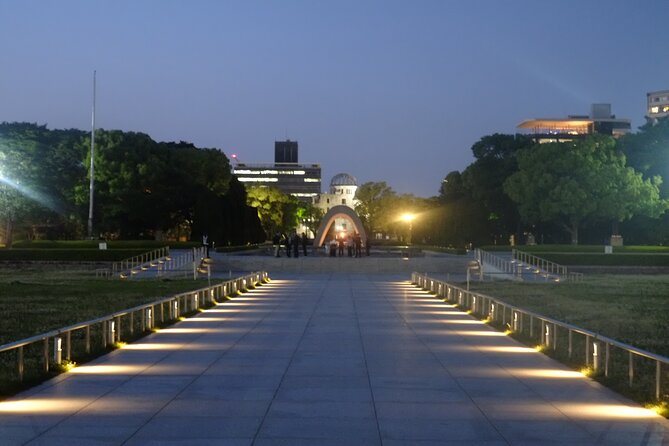
Hiroshima Peace Park changes character as daylight fades. The A-bomb Dome, memorials, fountain, and eternal flame take on a quiet glow, while the evening air brings relief from the heat and daytime crowds. Joshua, an English-speaking guide, leads this one-hour private walk with a focus on history, reflection, and hope.
I like the personal pace, which lets you ask questions and adjust the walk to your interests. I also like the timing: sunset gives you photographs and atmosphere that a daytime museum visit cannot provide. The main consideration is that one hour is short, and one review found the walk somewhat loosely structured and less emotionally powerful than expected.
In This Review
- Key points at a glance
- Why sunset changes Hiroshima Peace Park
- Starting at the Atomic Bomb Hypocenter Monument
- Walking among the park’s memorials
- The A-bomb Dome at the best photographic hour
- Joshua’s guiding style and the value of a private walk
- How the one-hour itinerary works
- Why this pairs well with Miyajima
- Is $32.66 good value?
- Who will appreciate this evening walk
- Practical details before you book
- Should you book the Peace Park sunset tour?
- FAQ
- How long does the sunset walking tour last?
- What time does the tour begin?
- Where does the tour start?
- Where does the tour finish?
- Is the tour private?
- Is the Peace Memorial Park admission included?
- Does the tour include the Peace Memorial Museum?
- Which sights can you see during the walk?
- Is the tour offered in English?
- Can I cancel for a refund?
Key points at a glance
- Sunset lighting: See the A-bomb Dome, museum fountain, Peace Flame, and memorials as the park shifts from daylight to evening.
- Private format: Only your group participates, making it easier to ask questions or request a gentler, more accessible pace.
- Joshua’s personal guiding: Joshua explains the atomic bombing, the park, Japanese culture, and small details you could miss on your own.
- Museum companion: The walk works well before or after the Peace Memorial Museum, but it does not replace the museum’s exhibits.
- Comfortable timing: The 5:30 pm start helps you avoid the strongest heat and can fit neatly after a morning visit to Miyajima.
- Short commitment: At about one hour, this is easy to add to a full Hiroshima day, though you should not expect an exhaustive tour.
Why sunset changes Hiroshima Peace Park
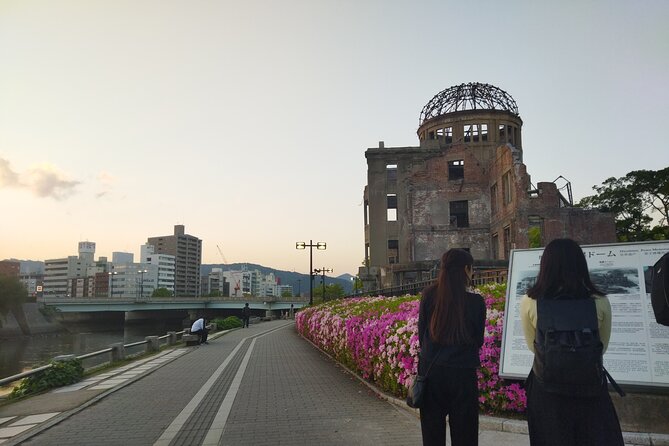
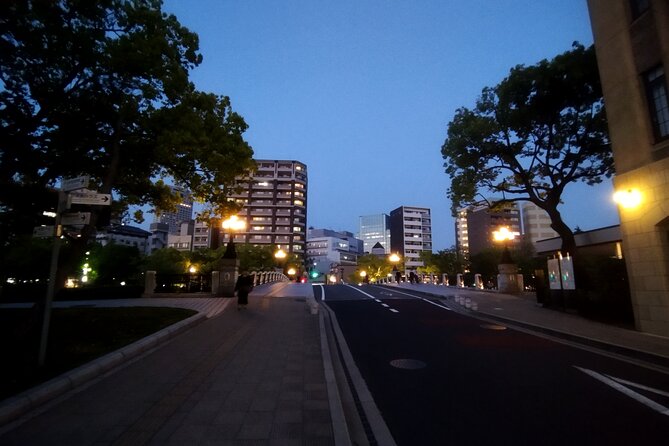
Hiroshima Peace Memorial Park is moving at any hour, but evening gives it a different tone. During the day, the open park can feel exposed and busy. At sunset, the pace slows. The fading light draws attention to the memorials, the water, and the outline of the A-bomb Dome.
This tour is designed around that transition. You begin at 5:30 pm at the Hiroshima Atomic Bomb Hypocenter Monument, then walk through the park as daylight softens and lights come on. That timing matters in summer, when an earlier walk can be hot and tiring.
The experience aims for reflection without leaving you overwhelmed. The museum presents the bombing through objects, photographs, and personal accounts. This walk instead connects the major outdoor sites and explains how they relate to one another. You see the physical setting, hear the story in measured portions, and have room to pause.
I like that balance. Hiroshima should not be reduced to a pleasant evening stroll, but the park is also a place built around peace and renewal. The guide’s focus on hope gives the walk a different purpose from a museum visit.
A few more Hiroshima tours and experiences worth a look
Starting at the Atomic Bomb Hypocenter Monument
The meeting point is the Atomic Bomb Hypocenter Monument at 1-chome-5-25 Otemachi. This is a practical starting point because it places you at the location identified as the center of the atomic blast.
Beginning here gives the tour a clear historical anchor. Instead of starting with a broad introduction somewhere in the park, you begin at a specific point tied directly to the event. From there, Joshua can help you understand how the surrounding memorials and park features respond to that history.
The exact route can be personalized. That is useful if you have already visited the Peace Memorial Museum and want more outdoor context, or if you have not yet visited it and need a straightforward introduction. You can also ask questions as you go, rather than saving them for the end.
The private format helps here. This is not a large group moving according to a fixed script. Only your group participates, so the pace can be relaxed. One group found the tour was reworked to reduce fatigue and make it suitable for wheelchair access. That also points to the tour’s flexible nature, though you should discuss your needs when booking rather than assume every route detail.
Walking among the park’s memorials

The park covers a broad area and contains many monuments and features. The tour includes the Peace Bell, the T-shaped bridge, the A-bomb Dome, the Children’s Monument, the Fountain of Prayer, the Peace Flame, the Cenotaph, the Pond of Peace, the Korean Victims Monument, and a tree that survived the bombing.
You will not simply see a collection of separate sights. The value is in hearing why each place matters and how the memorials create a conversation about loss, remembrance, and peace. Without guidance, it is easy to walk past a monument, take a photograph, and miss its purpose.
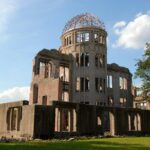
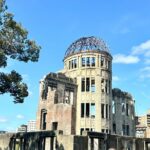
The A-bomb Dome is the park’s most recognizable structure. At twilight, its damaged frame becomes especially striking against the evening sky. It is also one of the places where the beauty of the setting can feel uncomfortable, which is appropriate. The tour does not ask you to ignore that tension.
The Children’s Monument and Peace Bell offer a different mood. They point toward remembrance and a wish for a future without nuclear weapons. The Peace Flame, Cenotaph, and Pond of Peace add a sense of ceremony, while the tree that survived the bombing gives the story a living detail.
The Korean Victims Monument is another reason a guide helps. It is easy to overlook when moving from one major stop to another. Joshua can point out smaller features and explain parts of the park that do not receive the same attention as the A-bomb Dome or museum.
The A-bomb Dome at the best photographic hour
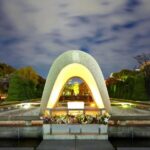
Photography is not the main reason to visit Hiroshima Peace Park, but sunset makes the walk visually memorable. The A-bomb Dome is particularly photogenic as the sky darkens behind it. Later, the park’s lights bring attention to the museum fountain and the eternal flame.
You should still treat the setting with respect. The images have value because they help you remember the place, not because the park is simply a scenic backdrop. A good guide keeps that balance in view.
The changing light also gives the tour a natural rhythm. At the start, you see the monuments in daylight. By the end, you see the same area under illumination and evening shadow. That contrast helps you notice shapes, distances, and details that can blend together during a quick daytime visit.
If photography matters to you, keep the timing in mind. The 5:30 pm start is fixed, and the exact amount of sunset light will vary during the year. The supplied information does not give seasonal sunset times, so you should not assume every departure will include the same sky or level of darkness.
Joshua’s guiding style and the value of a private walk
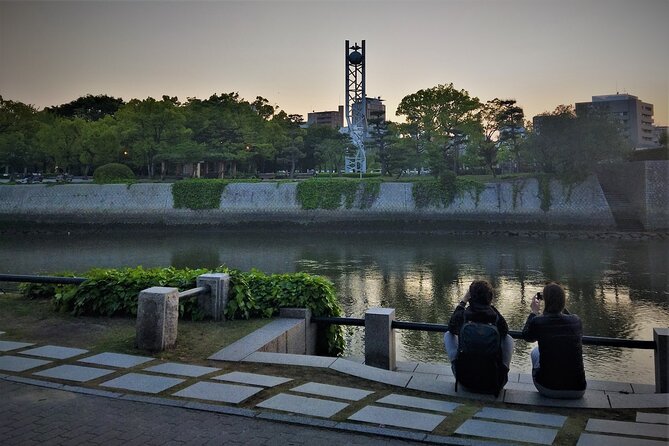
Joshua is the guide named in the available tour information. His approach is described as casual, calm, and personal. He explains Hiroshima, the atomic bomb, the park, and Japanese culture in English, while leaving room for questions.
That style will suit you if you prefer conversation to a formal lecture. One family found that he handled questions from an eight-year-old thoughtfully. Another group appreciated his ability to answer questions about both the park and Japanese culture.
I also see a useful distinction between relaxed and unstructured. Several people valued the gentle pace, but one person felt the hour lacked a clear plan and was not engaging enough. That criticism is worth taking seriously. The tour is personalized, which can make it feel natural and responsive, but it may not have the polished sequence of a longer, tightly scripted city tour.
You can improve the experience by stating your interests at the beginning. Tell Joshua if you have already visited the museum, want more detail about the bombing, prefer a focus on memorial design, or need a slower pace. The tour description specifically allows personalization, so using that option is part of getting good value from the hour.
The subject itself also affects expectations. Some people want a powerful emotional account. Others prefer clear facts and time for quiet thought. This tour leans toward an uplifting and measured experience rather than an intense retelling. If you need a more detailed examination of personal suffering and wartime evidence, the museum remains essential.
A few more Hiroshima tours and experiences worth a look

How the one-hour itinerary works
The walk begins at the Hypocenter Monument and returns to the same meeting point. You remain within Peace Memorial Park for the full activity, with no admission charge for the outdoor walk.
In an hour, the guide can connect many important sites, but you should expect highlights rather than a complete examination of every monument. The park is large, and the list of features is long. A relaxed pace and frequent explanations can make the hour feel full.
The first part should establish the historical setting at the hypocenter. From there, the walk can move toward the central memorials, the A-bomb Dome, the Children’s Monument, and the Peace Bell. As the light fades, the fountain, Peace Flame, Cenotaph, and Pond of Peace become more prominent.
The route may change to suit your group. That flexibility is helpful for families, older participants, and people using mobility aids. It can also mean the precise order and amount of time at each stop are not guaranteed.
You should wear comfortable shoes and be prepared for an outdoor walk. The supplied details do not state the exact distance or terrain, so ask the operator if you need specific mobility information. Service animals are allowed, and most people can participate.
Why this pairs well with Miyajima
Hiroshima is often planned around two major experiences: Miyajima and Peace Memorial Park. This tour fits neatly into that pattern because the evening departure leaves room for a morning trip to Miyajima.
That schedule can work well. You can spend the morning and afternoon on Miyajima, return to Hiroshima, and then use the sunset walk to see the Peace Park without giving up another full daytime block. It also prevents you from cramming the park and museum into a rushed visit.
Do not treat the walk as a substitute for the museum. If you have the time, visiting the museum separately gives you the detailed evidence and personal stories that an outdoor guide cannot cover in one hour. The walking tour adds place and context. The two experiences serve different purposes.
If you visit the museum before the walk, the evening route can help you process what you saw. If you visit afterward, the outdoor monuments may give a physical setting to the material you have just encountered. The best order depends on your schedule and how much emotional intensity you want in one part of the day.
Is $32.66 good value?
At $32.66 per person, this is a reasonable price for a private, English-language tour, especially if you are traveling with a small family or group and want individual attention. The cost includes the guide’s time and interpretation, while the park itself has no admission charge.
The value does not come from entry tickets. It comes from saving you the work of identifying the monuments, understanding their purpose, and connecting them into one story. The evening timing also gives you a setting that is difficult to reproduce with a standard daytime visit.
The price is less compelling if you only want to walk through the park and take photographs. You can enter the park freely, and the main monuments are accessible without a paid tour. It is also less useful if you expect a long, highly detailed history lesson, since the activity lasts only about an hour.
For cruise passengers and people with a tight Hiroshima schedule, the price makes more sense. The meeting point is near public transportation, the activity returns to its starting point, and the short duration is easy to fit into a busy day.
The high overall rating and 92 percent recommendation indicate a strong level of satisfaction, but the lower-rated experience points to the key risk: your enjoyment will depend partly on how well the personalized format matches your expectations. Be clear about what you want from the walk.
Who will appreciate this evening walk
I would recommend the tour most strongly to you if you want:
- A calm introduction to Peace Memorial Park
- A private guide who can answer questions
- Evening photographs of the A-bomb Dome and illuminated memorials
- A short activity after Miyajima or the museum
- A less crowded and cooler time to walk
- Help noticing smaller monuments and features
Families may appreciate the informal pace and the chance to ask age-appropriate questions. The private format means you do not need to worry about holding up a large group if a child needs more explanation or a short pause.
It can also work well for first-time visitors who want orientation before exploring on their own. If you already know the park and want detailed political, military, or personal-history analysis, you may find the hour too light.
People looking for a strongly emotional experience should also think carefully. The tour is intended to offer a sense of hope rather than reproduce the sadness of the museum. That is a thoughtful choice, but it will not suit every mood or expectation.
Practical details before you book
The start time is 5:30 pm, and the activity lasts about one hour. You meet at the Hiroshima Atomic Bomb Hypocenter Monument and finish at the same place.
The activity uses a mobile ticket. Confirmation normally arrives when you book. If you book within one day of the tour, confirmation comes as soon as possible, subject to availability.
The tour requires good weather. If poor weather causes cancellation, you will be offered another date or a full refund. You can cancel for a full refund up to 24 hours before the local start time. Changes or cancellations made within 24 hours are not accepted for a refund.
The activity is described as private, with only your group participating. It is near public transportation, service animals are allowed, and most people can take part. Since the route is personalized, contact the operator in advance if wheelchair access or reduced walking is important to you.
Should you book the Peace Park sunset tour?
Book it if you want a quiet, personal introduction to Hiroshima’s memorial park, especially after a morning on Miyajima or a daytime museum visit. The sunset light, illuminated memorials, and chance to ask Joshua direct questions give the park more meaning than a quick self-guided walk.
Skip it if you want a long, tightly structured lecture or a full account of the bombing’s human impact. The one-hour format is brief, and the relaxed style may feel loose if you prefer a firm schedule.
For most people, this works best as an addition to the Peace Memorial Museum, not a replacement for it. The museum gives you the evidence and individual stories. This walk helps you connect those lessons to the actual places around the park, then leaves you with the quieter, hopeful side of Hiroshima.
FAQ
How long does the sunset walking tour last?
The tour lasts approximately one hour.
What time does the tour begin?
The tour begins at 5:30 pm.
Where does the tour start?
You meet at the Hiroshima Atomic Bomb Hypocenter Monument at 1-chome-5-25 Otemachi, Naka Ward, Hiroshima.
Where does the tour finish?
The activity ends back at the meeting point.
Is the tour private?
Yes. Only your group participates in the activity.
Is the Peace Memorial Park admission included?
The outdoor walk has no admission charge. The itinerary lists admission as free.
Does the tour include the Peace Memorial Museum?
The tour takes place in the park and can be useful before or after a museum visit. The supplied details do not state that museum admission or an indoor museum tour is included.
Which sights can you see during the walk?
The route may include the Peace Bell, T-shaped bridge, A-bomb Dome, Children’s Monument, Fountain of Prayer, a tree that survived the bombing, Peace Flame, Cenotaph, Pond of Peace, Korean Victims Monument, and the museum area.
Is the tour offered in English?
Yes. The guide is described as an English-speaking native guide.
Can I cancel for a refund?
You can cancel at least 24 hours before the start time for a full refund. Cancellations made less than 24 hours before the start are not refunded. If poor weather cancels the experience, you will be offered another date or a full refund.
More Walking Tours in Hiroshima

More Hiroshima City Tours in Hiroshima
More Peace Memorial Tours in Hiroshima

More tours in Hiroshima we've reviewed



Peace Memorial Tours, compared.
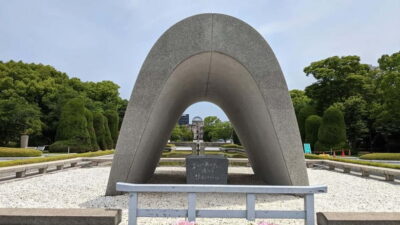 ★ 4.8Hiroshima Historical Walking Tour – Why A-Bomb was DroppedFrom $352h 30m
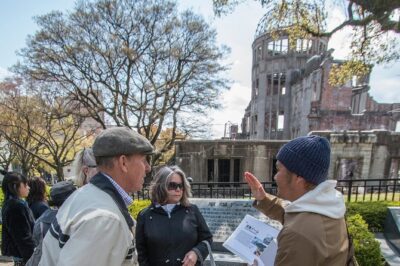 ★ 5.0Hiroshima Peace (Heiwa) Walking Tour at World Heritage SitesFrom $94
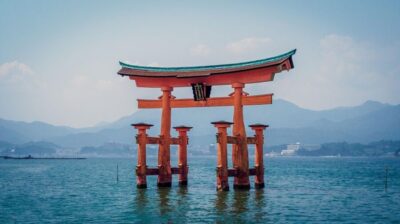 ★ 4.9Hiroshima: Miyajima Peace Memorial Icons of Peace and BeautyFrom $1638 hours
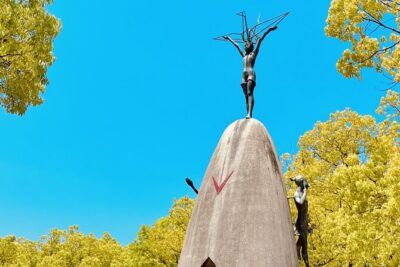 ★ 5.0Hiroshima Walking Tour Why A Bomb was dropped to HiroshimaFrom $28
 ★ 5.0Hiroshima 2hr Peace Cycling Tour with Local GuideFrom $59
 ★ 4.8Hiroshima: Peace Cycling Tour with Local GuideFrom $522 - 3 hours
