
Reviewed · HIROSHIMA FOOD TOURS
Hiroshima: Best of Hiroshima Food Tour
Hiroshima’s food story is best understood one hot plate at a time. This three-hour evening walk takes you from the Hiroshima Orizuru Tower toward local eateries, where layered Hiroshima-style okonomiyaki cooks on a teppan grill and regional sake gives you another taste of the area. You also browse a shopping arcade for snacks and souvenirs while hearing how Hiroshima rebuilt its daily life and civic spirit.
I like the mix of four food stops and two local drinks, since you get more than a single famous dish. I also like the small group, limited to 10 people, which gives an English-speaking guide room to explain ingredients, customs, sports loyalties, shopkeepers, and local crafts without shouting across a crowd. The main caution is the $173 price, which is a serious outlay for three hours and does not include extra food, additional drinks, transport, or a tip.
In This Review
- Key points
- Starting by the Orizuru Tower
- Hiroshima on the plate: why okonomiyaki matters
- Four food stops, not one oversized dinner
- Tasting Hiroshima sake and local drinks
- The shopping arcade and everyday Hiroshima
- Stories of resilience without turning dinner into a lecture
- What the small group changes
- Is $173 a fair price?
- Who will enjoy this food walk most
- Practical advice for a smoother evening
- Should you book the Hiroshima food tour?
- FAQ
- Where does the Hiroshima food tour meet?
- What is the closest streetcar stop?
- How long does the tour last?
- How many food stops are included?
- Is the tour conducted in English?
- How large is the group?
- Are hotel pickup and extra drinks included?
Key points
- Hiroshima-style okonomiyaki: See the local layered version cooked on a teppan grill, with fresh ingredients stacked rather than mixed together.
- Four food stops: The tour offers a broader sample of Hiroshima food than a single restaurant visit.
- Local drinks included: Two drinks are part of the price, including a chance to taste Hiroshima sake styles.
- Evening city walk: You move through downtown Hiroshima as shops, eateries, and streets take on their evening character.
- Small-group format: The group is capped at 10, with an English-speaking guide leading the way.
- Near major sights: The meeting point is close to Peace Park and the Atomic Bomb Dome, making it easy to pair with a day of sightseeing.
Starting by the Orizuru Tower
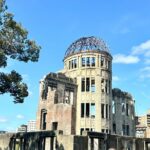
The tour begins in front of Hiroshima Orizuru Tower, at 1-2-1 Otemachi, Naka-ku. This is a practical meeting point near the Atomic Bomb Dome and Hiroshima Peace Park, so you can fit the food walk into a sightseeing day without crossing the city first.
The nearest streetcar stop is Genbaku Dome-Mae Station. Look for the guide holding an Arigato Travel sign. You need to arrive on time: the guide can wait only five extra minutes, and once the walk starts, the group cannot stop to give directions or call the guide. That rule may feel strict, but it helps keep a small food tour on schedule and protects restaurant reservations.
I would plan to arrive early, especially if you are coming from the Peace Memorial Museum or another part of central Hiroshima. The meeting point is easy to place on a map, but a few extra minutes allow you to find the tower and streetcar stop without beginning the evening in a rush.
A few more Hiroshima tours and experiences worth a look
Hiroshima on the plate: why okonomiyaki matters
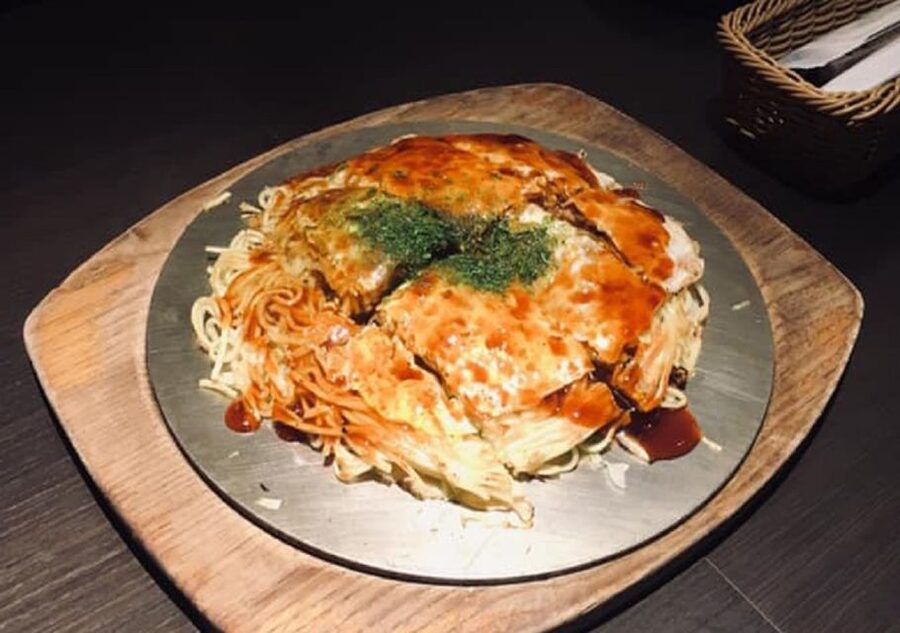
The food centerpiece is Hiroshima-style okonomiyaki. Instead of combining the ingredients into one batter-heavy mixture, this local style is built in layers, then cooked on a large teppan grill. Fresh ingredients are added as the dish takes shape, creating a meal that is both filling and fun to watch.
That cooking method gives the dish a strong sense of place. You are not simply eating a generic savory pancake. You are tasting one of the foods most closely linked with Hiroshima’s everyday identity, served in the sort of setting where the grill becomes part of the meal.
The tour description does not specify the exact restaurant or every ingredient used, so you should not expect a fixed menu detailed in advance. What you can count on is a stop centered on Hiroshima okonomiyaki, along with other local foods during the route. If you have allergies or dietary needs, tell the operator before the tour. This matters on a food walk, since ingredients and preparation can vary from stop to stop.
Four food stops, not one oversized dinner
The four food stops are the strongest reason to consider this experience instead of simply booking an okonomiyaki restaurant on your own. A single meal gives you one dish and one dining room. This walk gives you a sequence of tastes, with the guide connecting the food to the neighborhoods and people around it.
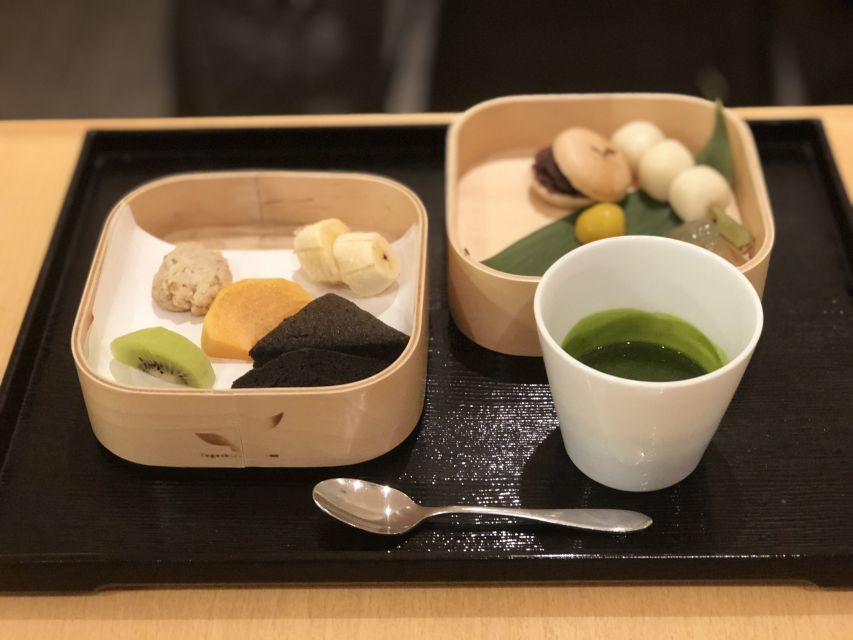
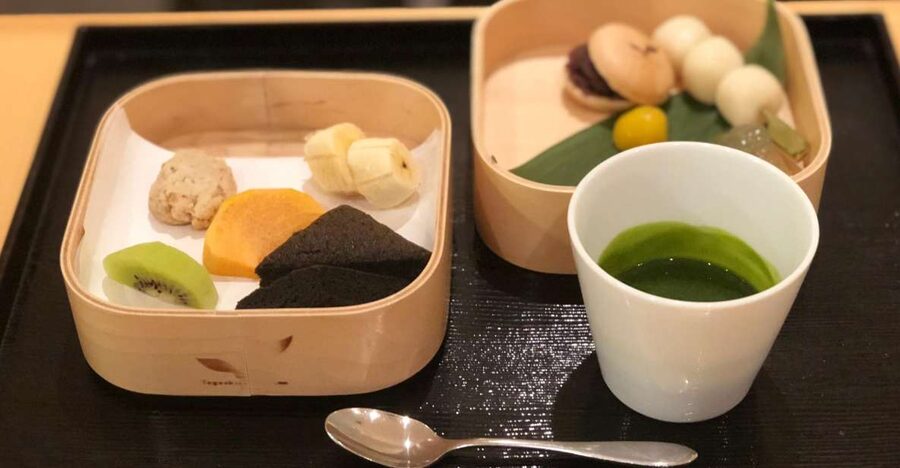
The exact order and dishes are not listed, so keep your expectations open. The plan includes regional specialties, local drinks, dessert, and snacks you might encounter while walking through the shopping arcade. That variety should suit you if you prefer sampling several things rather than spending the whole evening with one large plate.
The tradeoff is portion certainty. Four stops do not necessarily mean four full meals, and the included food is set by the tour. You can buy extra food or drinks at your own cost, but the $173 price does not cover those additions. If you have a large appetite, budget for a little extra rather than assuming the included tastings will replace dinner completely.
The experience also works well for people who want guidance at the start of a Japan trip. A local food walk can help you recognize dishes and drinks later, when you are ordering without an English-speaking guide. You get a first look at how local meals are served, shared, and discussed.
Tasting Hiroshima sake and local drinks
Two local drinks are included. The program specifically highlights different styles of Hiroshima sake, giving you a chance to compare regional character rather than treating sake as one uniform drink.
That is useful even if you are new to sake. The guide can provide context as you taste, and the drink becomes part of the wider picture of Hiroshima food culture. If you do not drink alcohol, the available alternative is not stated, so ask before booking if that is important to you.
Additional drinks are not included, although you can purchase them yourself. Keep this in mind when judging the price. The tour fee covers two local drinks, but not an open bar or unlimited pours. You are paying for the guided route, food tastings, and local context as well as the beverages.
The shopping arcade and everyday Hiroshima
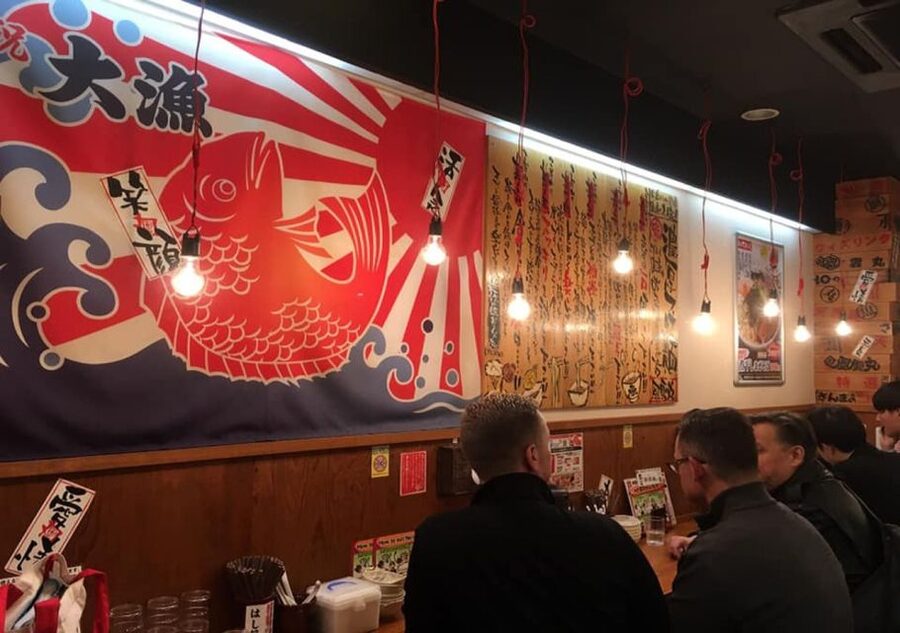
Between food stops, you browse a local shopping arcade. This is a welcome change of pace from restaurant seating and gives you time to look at souvenirs, snacks, and the kind of small goods that can be missed when you visit only major sights.
The arcade is also where the tour’s focus on ordinary city life makes sense. You hear about shopkeepers, artisans, and the local community while seeing places where residents buy things and spend time. The experience is not limited to famous monuments. It connects food with the working city around them.
Do not expect a dedicated shopping excursion or a long block of free time. The walk lasts three hours and includes four food stops, drinks, dessert, and explanations from the guide. Shopping is one part of the route, not the whole purpose. Bring comfortable shoes, since you will be on your feet and moving between stops.
A few more Hiroshima tours and experiences worth a look

Stories of resilience without turning dinner into a lecture
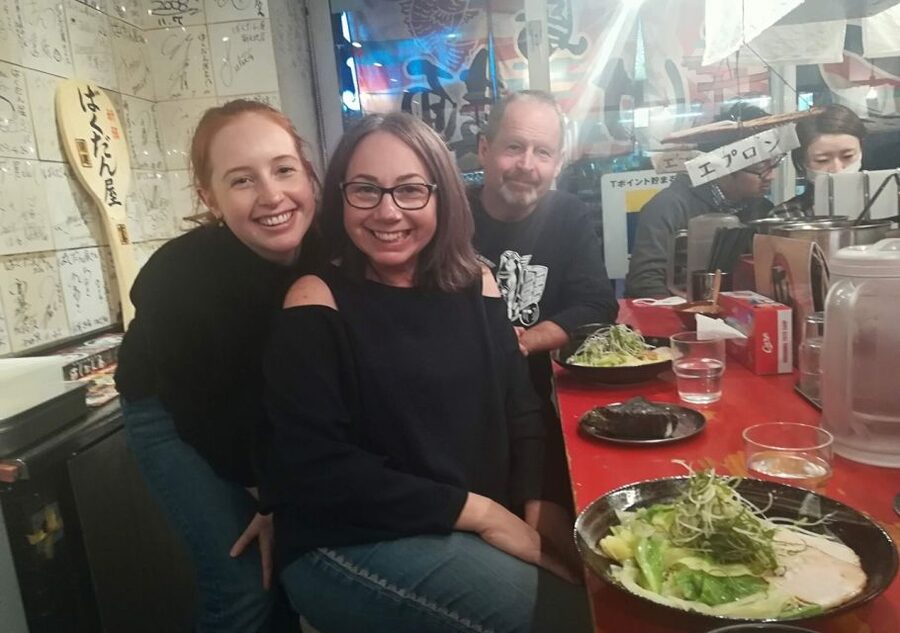
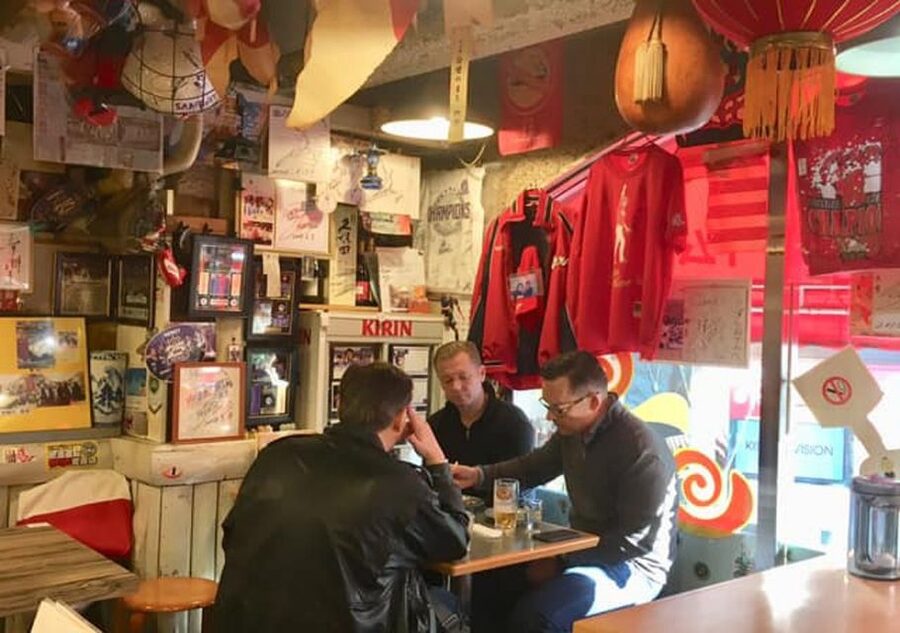
Hiroshima carries enormous historical weight, and the tour places that story beside food, sports, neighborhood life, and hospitality. You hear how the city rebuilt itself as a place associated with peace and hope while keeping local customs alive.
That balance is important. The experience does not present Hiroshima only as a memorial destination. It shows a city where people eat, shop, support sports teams, make things, and welcome visitors. Food becomes a natural way to discuss renewal because meals are part of how communities regain a sense of normal life.
The exact length and depth of the historical discussion will depend on the guide and the pace of the evening. This is a food tour first, not a dedicated Peace Park or Atomic Bomb Dome tour. If you want detailed historical interpretation, allow separate time for the Peace Memorial Museum and surrounding sites.
Still, the meeting point makes the pairing easy. You could visit Peace Park and the Atomic Bomb Dome earlier in the day, then arrive for the evening food walk with a fuller sense of the city. The contrast between memorial spaces and busy local dining areas can add meaning to both experiences.
What the small group changes
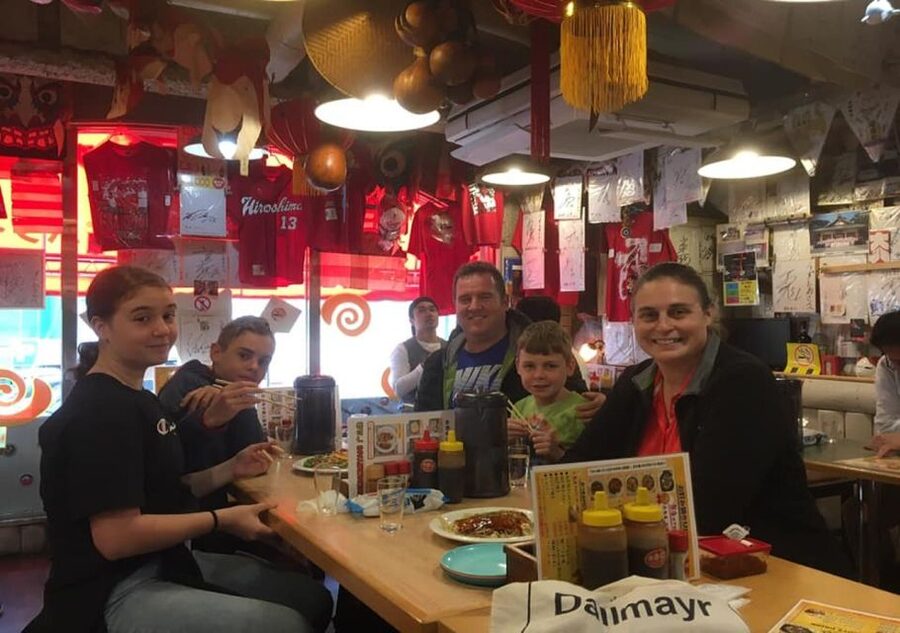
The tour is limited to 10 participants, with a minimum of two people required per booking. That size is large enough to keep the cost of a guide practical, but small enough for a more personal conversation than you usually get on a big bus outing.
A small group matters at food stops. You can hear explanations, ask about dishes, and follow the guide through downtown streets without being split into several clusters. It also makes the evening feel less like a performance and more like a guided introduction to the city.
The guide is English-speaking. One verified booking praised the friendly guide Pancho, the food and drink stops, and the extra information provided along the way. Pancho may not be the guide on every departure, so treat that name as a useful detail from one particular outing rather than a guarantee.
The single published rating is 5 out of 5, but it comes from only one review. I would take the positive comments as a helpful signal about the guide’s effort and the quality of the stops, not as a broad statistical record. The format itself is clear enough to judge: a small group, four food stops, two drinks, dessert, and a local English-speaking guide.
Is $173 a fair price?
At $173 per person, this is not a cheap way to find dinner. You can almost certainly spend less by ordering okonomiyaki independently and exploring central Hiroshima on your own.
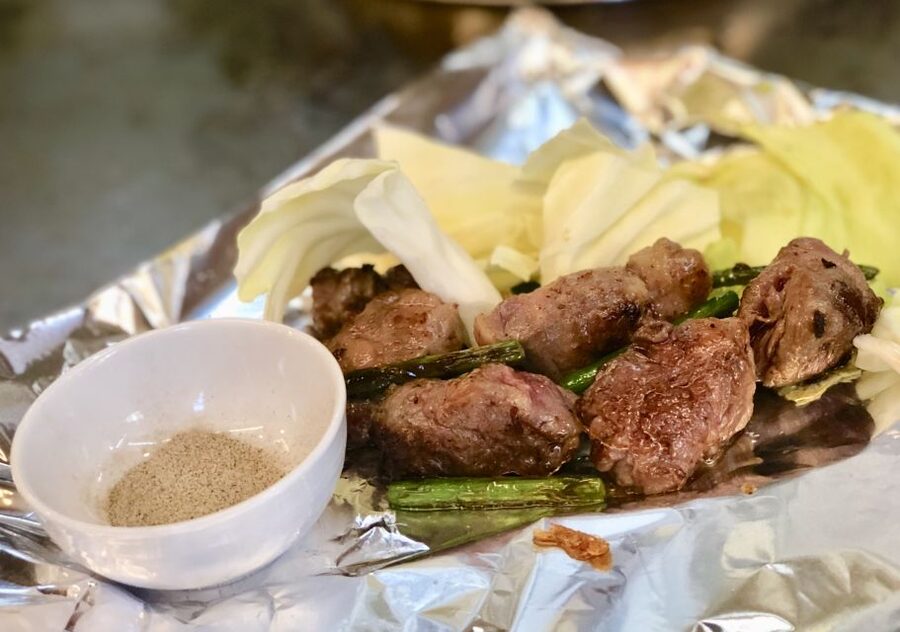
The value comes from the structure. You are paying for a three-hour route, access to multiple food stops, included tastings, two drinks, dessert, a guide, and the ease of not having to choose restaurants or work through every menu yourself. For a first evening in Hiroshima, that convenience can be worth a premium.
I would see the price as easier to justify if you value explanation and variety. The tour combines food with local stories, a shopping arcade, and a walk through downtown. It is less appealing if your priority is the lowest possible meal cost, a long sit-down dinner, or complete control over what you eat.
Remember the extra costs. Hotel pickup is not included, though it can be arranged for an additional charge. Transportation costs, gratuity, and anything beyond the included food and drinks are also separate. The booking option lets you reserve now and pay later, and cancellation is free up to 24 hours before the start time, which gives you some planning flexibility.
Who will enjoy this food walk most
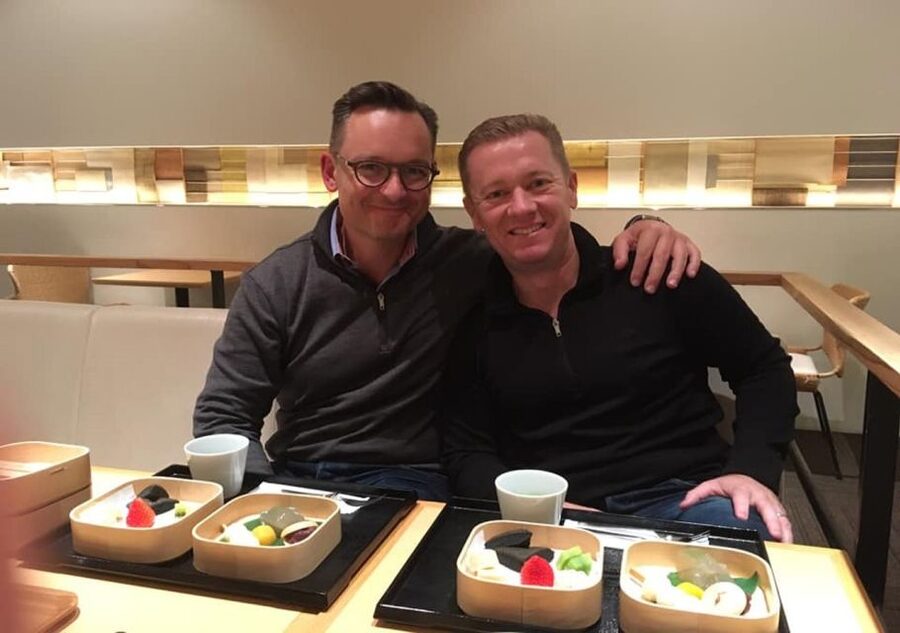
I would recommend this experience to you if you are visiting Hiroshima for the first time and want a friendly introduction to local food without spending an evening studying restaurant menus. It is also a good fit if you like walking, small groups, and stories that connect dishes to community life.
Couples, solo visitors who prefer company at dinner, and small groups of friends should find the format easy to manage. The minimum booking requirement is two people, so solo participants should check availability and booking conditions before relying on this tour.
You will get the most from it if you are open to trying regional dishes and can walk comfortably for three hours. Tell the operator about food allergies or dietary requirements in advance. The supplied details do not promise a specific substitute menu, so anyone with strict restrictions should confirm what can be accommodated.
I would skip it if you want a highly detailed memorial-site tour, a private guide, or a fixed menu with every dish listed before payment. I would also think twice if $173 feels too high for a guided dinner introduction, since the tour does not include unlimited food or drinks.
Practical advice for a smoother evening
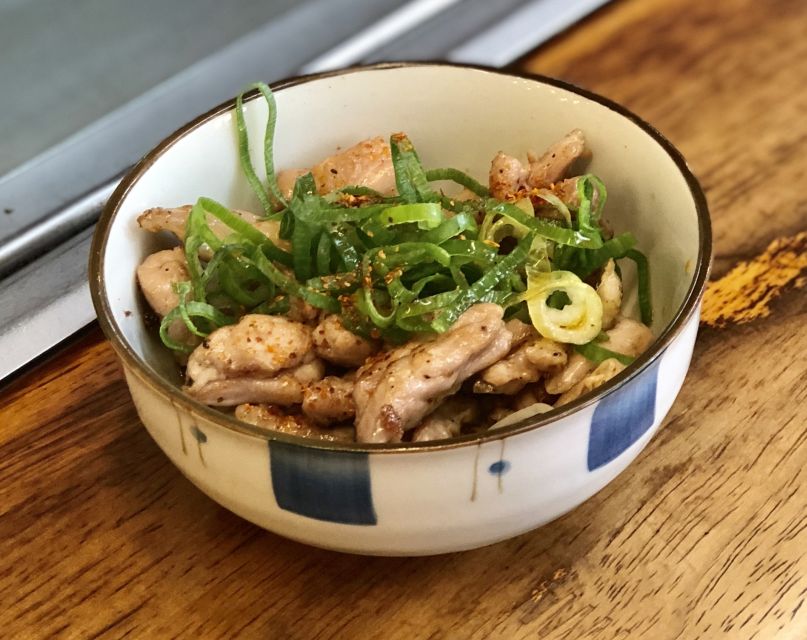
Wear comfortable shoes. The route includes walking through downtown and between restaurants, and the group cannot pause after departure to solve a late arrival.
Arrive before the meeting time at the Orizuru Tower. Genbaku Dome-Mae Station is the closest streetcar stop, and the location is near Peace Park and the Atomic Bomb Dome. Build in extra time if you are finishing another sight nearby.
Keep your evening flexible. The tour lasts three hours, but the exact rhythm of restaurant service, walking, explanations, and shopping can vary. Avoid scheduling another fixed activity immediately afterward.
Finally, tell the operator about allergies and dietary needs before the tour date. The food is a central part of the experience, and advance notice gives the guide and restaurants the best chance to respond.
Should you book the Hiroshima food tour?
Book this tour if you want to understand Hiroshima through several tastes rather than one restaurant meal. The strongest points are the layered okonomiyaki, local sake, four food stops, shopping-arcade visit, and small group led in English. The city’s story of renewal is part of the evening without making the entire experience a formal history lesson.
At $173, it is best viewed as a guided cultural food experience, not a bargain dinner. You should have comfortable shoes, an appetite for regional food, and enough time for a three-hour walk. If those conditions fit your plans, this is a convenient and personable way to begin exploring Hiroshima’s food scene.
FAQ
Where does the Hiroshima food tour meet?
The meeting point is in front of Hiroshima Orizuru Tower at 1-2-1 Otemachi, Naka-ku, Hiroshima. It is near Hiroshima Peace Park and the Atomic Bomb Dome.
What is the closest streetcar stop?
The closest streetcar stop is Genbaku Dome-Mae Station, also called 原爆ドーム前駅.
How long does the tour last?
The food tour lasts three hours.
How many food stops are included?
Four food stops are included, along with two local drinks and dessert.
Is the tour conducted in English?
Yes. The tour has a live English-speaking local guide.
How large is the group?
The tour is limited to 10 participants. A minimum of two people per booking is required.
Are hotel pickup and extra drinks included?
Hotel pickup is not included, although it may be arranged for an additional charge. Transportation costs, gratuity, and additional food or drinks are also not included.
More Food Experiences in Hiroshima
More Hiroshima Food Tours in Hiroshima
More Hiroshima City Tours in Hiroshima
More tours in Hiroshima we've reviewed

Hiroshima Food Tours, compared.
 ★ 5.0Hiroshima Izakaya Food and Drink Night TourFrom $110
 ★ 4.9Hiroshima: Food and Culture Guided Walking Tour with DinnerFrom $943 hours
 ★ 4.5All-inclusive Hiroshima Nighttime Food and Cultural ImmersionFrom $119
 ★ 5.0Private Japanese Cooking Class in Hiroshima with Machiko’s FamilyFrom $108
 ★ 5.0Best of Hiroshima Food TourFrom $221
 ★ 5.0Dinner Cruise on HANAIKADA (Raft-Type Boat) with Scenic View of MiyajimaFrom $95
