
Reviewed · CRUISES & BOAT TOURS
Day Tour Explore Port City Kure Cruise Battleships and Submarines
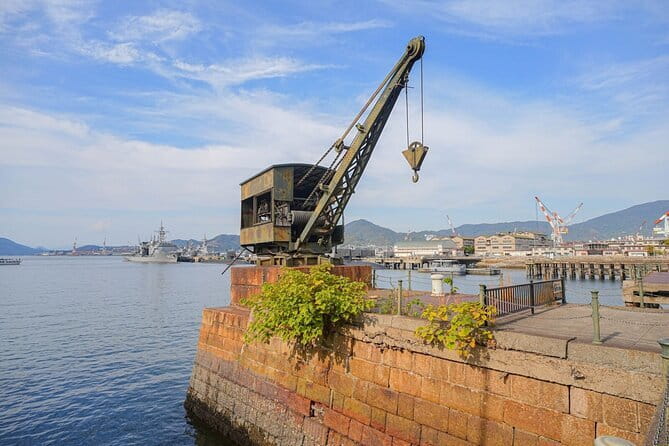
Kure gives you a look at Japan’s naval past that Hiroshima’s city center cannot. This former military port built the Yamato, the largest battleship ever constructed, and it remains home to an important Japanese naval base. The day combines museums, a bay cruise, and a walk through a real submarine.
I like the clear focus on ships and Japan’s modernization, and I like that your English-speaking guide handles the public transport and adds context at each stop. The main drawback is the length: nine hours is a full day, and lunch is not included. You also need to reach Hiroshima Station at 9:30 a.m. on your own.
In This Review
- Key points to know before booking
- Why Kure adds something different to Hiroshima
- Starting at Hiroshima Station and heading to Kure
- The Yamato Museum and Japan’s naval technology
- Inside the JMSDF Kure Museum submarine
- Cruising Kure Bay beside ships and submarines
- Irifuneyama Memorial Hall and the commander’s residence
- What the $148.92 price covers
- Who should book this Kure day tour?
- Practical details that affect your day
- Should you book the Kure naval port tour?
- FAQ
- Where does the tour start?
- Where does the tour end?
- How long does the experience last?
- Is transportation included?
- Is lunch included?
- Can I enter a real submarine?
- What is the cancellation policy?
Key points to know before booking
- See where the Yamato was built: The Yamato Museum explains Kure’s shipbuilding role and Japan’s naval development.
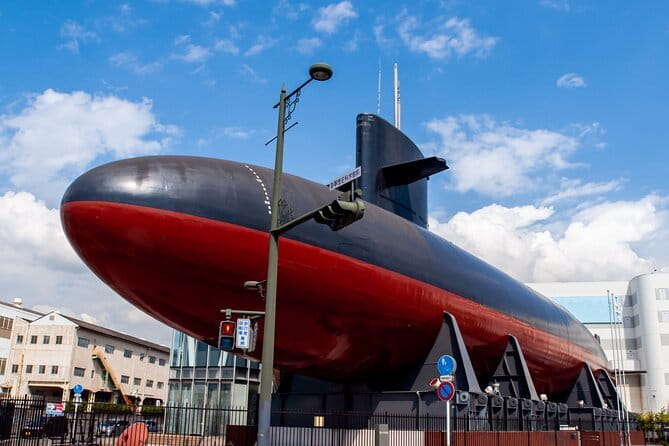
- Walk inside a real submarine: The JMSDF Kure Museum offers a rare look at cramped working spaces below deck.
- Cruise Kure Bay: A short boat trip brings you close to naval ships and submarines from the water.
- Enter a naval commander’s former home: Irifuneyama Memorial Hall adds architecture and personal history to the military story.
- Use public transport with a guide: The experience starts and ends at Hiroshima Station, with transport between activities included.
- Plan for a long, active day: The tour lasts about nine hours, includes several indoor visits and walking, and suits people with moderate fitness.
Why Kure adds something different to Hiroshima
Hiroshima is rightly associated with the atomic bombing and its peace memorials. Kure tells another important part of the region’s story: the rise of modern Japan as an industrial and naval power.
Before and during World War II, Kure became the largest military port in eastern Japan. Its shipyards produced major warships, including the Yamato. Today, the city remains connected to the Japanese Maritime Self-Defense Force, so you are not looking only at old photographs and retired equipment. You are visiting a working naval city with a living connection to Japan’s maritime forces.
That mix gives the day more depth than a standard museum visit. You see the machinery and military technology, then the buildings and people connected to the naval command. The boat ride helps you understand why Kure’s position on the bay mattered.
The tour is capped at 20 people. That is large enough to provide a social setting, but small enough that an English-speaking guide should be able to keep the group together through the day. The guide also arranges the public transport from Hiroshima to Kure, which removes some of the worry from navigating an unfamiliar Japanese rail journey.
Other boat tours in Hiroshima

Starting at Hiroshima Station and heading to Kure
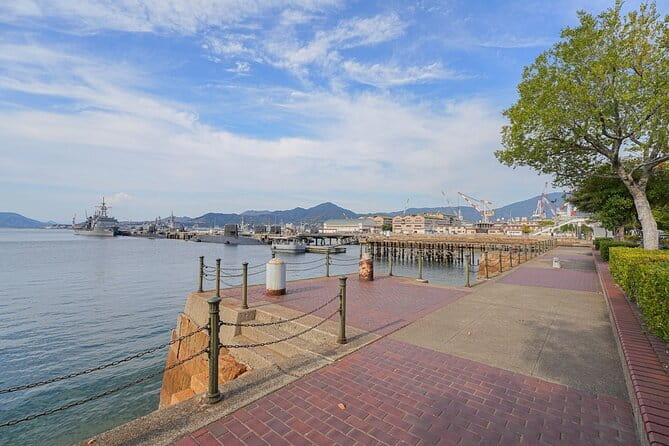
Your meeting point is Hiroshima Station, at 9:30 a.m. The tour does not include transportation to the station, so plan your route and arrive early. This is especially important if you are staying outside central Hiroshima.
Transport during the experience uses public transportation. One detailed account describes meeting the guide at Hiroshima Station, then taking a commuter train toward the naval port before continuing with the day’s activities. That detail matters: this is not a private coach tour with door-to-door service. You will move through the area as local residents do.
I consider that a plus for an experience focused on the real life of Kure. You get a sense of the connection between Hiroshima and its neighboring port city rather than simply being delivered from one attraction to the next. The trade-off is that you need to be comfortable walking to stations, boarding public transport, and keeping to the group’s timing.
The tour returns to Hiroshima Station at the end. Since the day lasts about nine hours, expect to be back in the early evening, though the exact return time can vary.
The Yamato Museum and Japan’s naval technology
The first main stop is the Yamato Museum, with about one hour inside. Admission is included, and your guide provides background on Kure’s naval base and Japan’s Navy while you view the exhibits.
The museum’s central appeal is obvious: Kure is where the Yamato was built. The ship represented the height of Japanese battleship construction, and its story gives you a direct way to understand the scale of the shipyards and the ambitions of wartime Japan.
You can expect the museum to be most useful when you want more than a photograph of a famous vessel. The guide’s explanations connect the displays to Kure’s industrial growth and to Japan’s modernization. That context helps you place the shipbuilding achievements beside the human and political costs of the war.
An hour is enough for a guided introduction, but it is not an unlimited museum visit. If you enjoy reading every panel or examining every model at length, you may want to return on another day. This tour is designed to keep moving, with several distinct stops rather than one long museum session.
The Yamato Museum also sets up the rest of the day. You begin with large-scale naval technology, then move to the more confined interior of a submarine and later to the home of the officer who commanded the naval station. That change in scale keeps the experience from becoming a parade of similar displays.
Inside the JMSDF Kure Museum submarine
The second museum visit lasts about 50 minutes. At the JMSDF Kure Museum, you can step inside a genuine decommissioned submarine.
This is one of the day’s strongest features because a submarine is best understood from the inside. Models and photographs show size, but walking through the vessel gives you a more direct sense of its enclosed working environment. Expect narrow passageways and limited room, since that is part of what makes submarine design so distinctive.
The museum visit also shifts the focus from wartime battleships to the postwar Japanese naval service. The tour description specifically includes discussion of the Japanese Navy during and after the war, so this stop helps carry the story into the modern period.
You should allow for a moderate level of physical effort. The tour data does not provide specific accessibility details for the submarine, so anyone with mobility concerns should confirm suitability before booking. Even visitors in good condition should wear comfortable shoes and expect a day that involves walking and moving through compact spaces.
The 50-minute visit is a sensible length. It gives you time to experience the submarine without making the whole day about one vessel. If you are especially interested in military equipment, you may wish you had longer, but the schedule gives you a broad view of Kure rather than a single-subject tour.
Cruising Kure Bay beside ships and submarines
The mini-cruise is the part of the experience that puts Kure’s naval setting into view. From the water, you can get close to ships and submarines and see the port in a way that museum galleries cannot provide.
This is not simply a scenic boat ride added for variety. Kure’s naval importance depends on its harbor, shipyards, and protected coastal position. Looking back at the city and its maritime facilities from Kure Bay helps explain why the area became a major military port and shipbuilding center.
The cruise is also a welcome change after the indoor museum visits. You have a chance to see working naval surroundings rather than only exhibits that have been removed from their original setting. The available information does not specify the cruise length or guarantee particular vessels on a given day, so treat it as a harbor perspective rather than a promise of a specific ship sighting.
Weather and naval operations may affect what you can see. The tour availability notice also explains that activities can sometimes require confirmation or adjustment. If a particular part of the day changes, the provider says it will contact you about alternatives.
For anyone who likes ships, this is likely the most memorable section. You are not just learning that Kure was a naval port. You are seeing the water that made the port useful.
Other city tours we've reviewed in Hiroshima


Irifuneyama Memorial Hall and the commander’s residence
The final named stop is Kure City Irifuneyama Memorial Hall, where you enter the former official residence of the Kure Naval Station Commander-in-Chief. The visit lasts about 55 minutes, and admission is included.
This building provides a needed human scale. The Yamato Museum shows national ambition and industrial power. The submarine shows the working conditions of naval personnel. The commander’s residence shows where senior naval authority operated and how military leadership was represented in daily life.
The house is also valued for its distinctive architecture. You are looking at more than an office or military exhibit. The residence gives you a sense of the status, formality, and domestic surroundings associated with the top naval officer in Kure.
I like this stop because it broadens the day beyond hardware. A tour made only of ships can become repetitive, especially for anyone in a mixed-interest group. The residence adds architecture and social history, so a companion who is less interested in battleships still has another way into Kure’s past.
The 55-minute visit should allow a focused tour, though the same limitation applies as at the Yamato Museum: the schedule is built around several stops. You will not have an entire afternoon to study every room or display.
What the $148.92 price covers
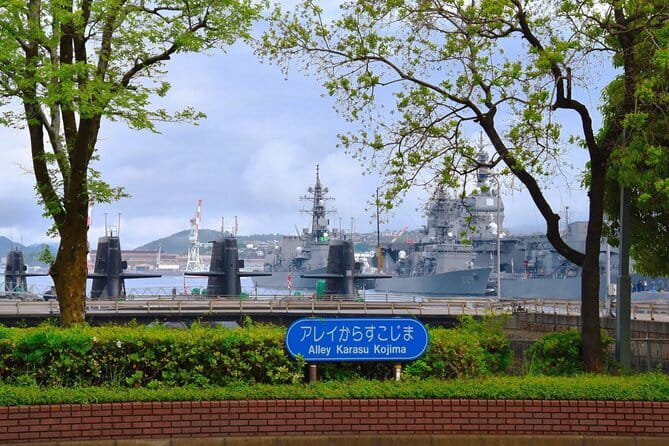
At $148.92 per person, this is not a cheap transportation option to Kure. The value comes from combining several paid attractions with a full day of guiding and organized movement between them.
The price includes:
- An English-speaking guide
- Entry to the Yamato Museum
- Entry to the JMSDF Kure Museum
- Entry to Irifuneyama Memorial Hall
- Transportation between activities by public transport
- The Kure Bay mini-cruise, as part of the organized experience
Lunch, accommodation, and transportation to the Hiroshima Station meeting point are not included. You should budget separately for a midday meal and make sure you can reach the station before the 9:30 a.m. start.
The tour makes the best financial sense if you want structured interpretation. You could potentially visit Kure independently, but you would need to plan transport, admission, timing, and the links between naval technology, wartime history, and the commander’s residence yourself. The guide is the main reason to pay more than the cost of separate admissions.
For a ship enthusiast, the cost is easier to justify because the day includes a submarine interior and a bay cruise, not just one museum. For a general sightseeing day, the price may feel high, especially since lunch is extra and transport from your hotel is not covered.
Who should book this Kure day tour?
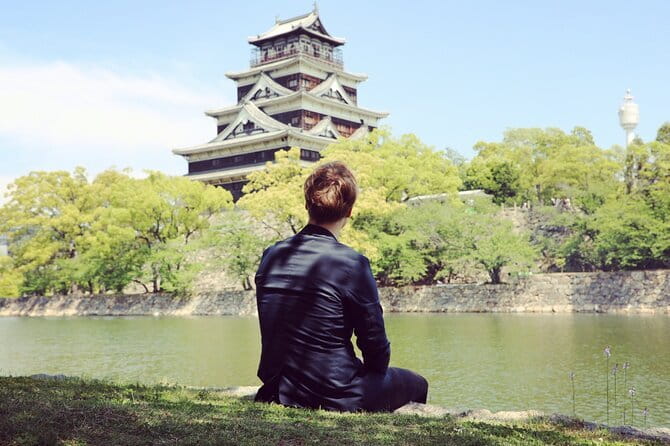
I would choose this experience if you have a strong interest in:
- Battleships, submarines, and shipbuilding
- Japan’s military and industrial modernization
- World War II history presented through a Japanese naval setting
- Architecture connected to government and military life
- Guided public transport rather than independent route planning
- A full day outside Hiroshima’s central attractions
Families with older children may also find the submarine and ship displays more engaging than a conventional history museum. The enclosed submarine spaces and the amount of walking mean you should judge the day against your group’s physical comfort.
I would be more cautious if you want a relaxed day with long breaks, an included meal, or flexible time at each attraction. The schedule is full, and the tour’s value depends on your interest in the subject.
Because the tour is often booked well ahead, with an average booking time of about 59 days, reserve early if your Hiroshima dates are fixed. That timing is not a guarantee of availability, but it suggests that advance planning is sensible.
Practical details that affect your day
Confirmation is provided when you book, and the tour begins and ends at Hiroshima Station. The experience is near public transportation, but it is not a private vehicle tour.
Wear shoes suited to a full day of walking and public transport. The stated fitness requirement is moderate, and the submarine may feel tight for some people. The supplied information does not specify stairs, step-free access, or detailed mobility arrangements, so ask the provider before booking if those points matter to you.
The group can include up to 20 people. That keeps the price below what a private tour would usually cost, but it also means you will follow a shared schedule. A guide will need to keep everyone moving between the station, museums, cruise, and residence.
Free cancellation is available until 24 hours before the start time. Cancellations or changes made later are not accepted for a refund. Since some activities depend on venue confirmation, the provider may need to adjust part of the day and says it will contact you if that happens.
Should you book the Kure naval port tour?
Book it if Kure’s ships, submarines, and naval history are central to your Hiroshima plans. The combination of the Yamato Museum, a real submarine interior, a bay cruise, and a former commander’s residence gives you four different ways to understand the city.
I would especially recommend it to visitors who want a guided connection between Japan’s modernization, wartime naval power, and the postwar maritime service. The public transport element adds a local touch, while the included admissions and English explanations make the $148.92 easier to defend.
Skip it if you prefer unstructured sightseeing, dislike a long day, or have little interest in military history. Kure is not a filler stop here. The tour is focused, and you should book only if that focus matches your interests.
FAQ
Where does the tour start?
It starts at Hiroshima Station, at 1-2-37 Matsubaracho, Minami Ward, Hiroshima, at 9:30 a.m.
Where does the tour end?
The activity ends back at the Hiroshima Station meeting point.
How long does the experience last?
The tour lasts approximately nine hours.
Is transportation included?
Transportation between the activities is included and uses public transportation. Transportation to the Hiroshima Station meeting point is not included.
Is lunch included?
No. Lunch is not included in the tour price.
Can I enter a real submarine?
Yes. The JMSDF Kure Museum visit includes the opportunity to step inside a real decommissioned submarine.
What is the cancellation policy?
You can cancel for a full refund up to 24 hours before the experience start time. Cancellations or changes made less than 24 hours before the start are not accepted for a refund.
More City Tours in Hiroshima
More Boat Tours & Cruises in Hiroshima

More tours in Hiroshima we've reviewed




Cruises & Boat Tours, compared.
 ★ 5.0Hiroshima and Miyajima by Bike and BoatFrom $142
 ★ 5.0Hiroshima and Miyajima 1 Day Cruise TourFrom $163
 ★ 5.0Dinner Cruise on HANAIKADA (Raft-Type Boat) with Scenic View of MiyajimaFrom $95
 ★ 5.0Hiroshima: City and Miyajima Bike and Boat TourFrom $1387h 30m
 ★ 5.0Hiroshima Cruise Pickup : Miyajima & Peace Park Tour with carFrom $456
 ★ 4.7Hagi:Pleasure boat tourFrom $940 min
