
Reviewed · HIROSHIMA CITY TOURS
Hiroshima: Yoga lesson in English
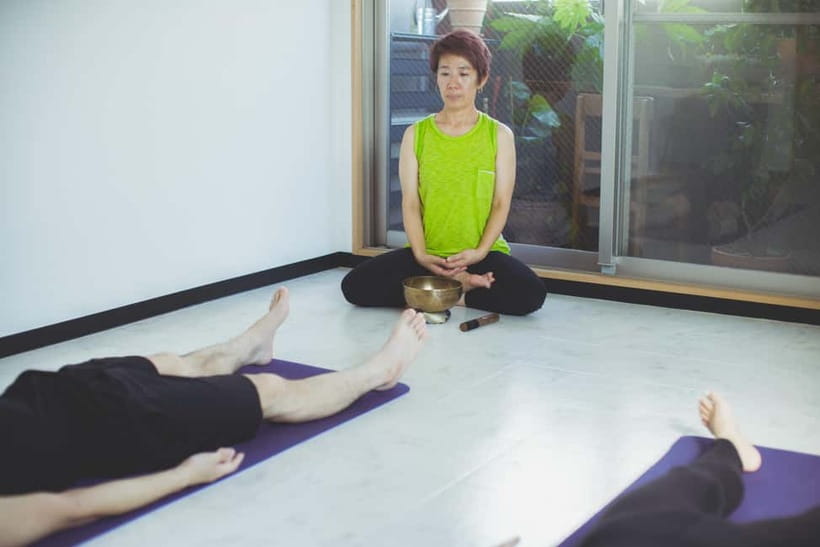
Hiroshima’s quiet side comes through in this small English-language yoga class, held at One World Meditation and Yoga Studio in the city centre. Maki, an RYT 500 teacher and Zen practitioner with 17 years of experience in Japan and abroad, adjusts the lesson to your needs, from gentle stretching to Yin Yoga and meditation.
I like the maximum group size of eight, which gives the session a personal feel, and I like that mat rental is included. The main consideration is simple: one hour goes fast, so this is a short reset rather than a full wellness retreat. You should also request your preferred style when booking if you need special attention for your back, knees, or hips.
In This Review
- Key points at a glance
- A calm hour in central Hiroshima
- Meeting Maki, your English-speaking teacher
- What the 60-minute class includes
- The final relaxation with a Tibetan singing bowl
- Why the small group makes a difference
- Is ¥5,000, or about $38, good value?
- Who should book this Hiroshima yoga lesson?
- Booking tips for a smoother session
- What the experience feels like in practice
- Should you book it?
- FAQ
- Where does the yoga lesson take place?
- How long does the experience last?
- How much does the class cost?
- Is a yoga mat provided?
- Is the lesson taught in English?
- What types of yoga can I request?
- Is the class suitable for beginners and families?
- What happens at the end of the lesson?
- How many people can join the class?
- Is the studio wheelchair accessible?
Key points at a glance
- Maki teaches in English: You can ask questions and request a yoga style without relying on translation.
- Choose the pace that suits you: Options include gentle stretching, Yin Yoga, Flow Yoga, restorative yoga, breath work, and meditation.
- Tibetan singing bowl ending: Every lesson finishes with sound healing during the final relaxation.
- Small studio setting: A maximum of eight participants keeps the class calm and more personal.
- Good for beginners and families: You do not need advanced yoga experience to take part.
- A practical Hiroshima pause: The 60-minute session fits neatly into a sightseeing day and costs ¥5,000, about $38, per person.
A calm hour in central Hiroshima
This experience is less about athletic yoga and more about giving your body and mind a quiet hour. At One World Meditation and Yoga Studio, you take part in an English-led lesson that combines movement, breathing, meditation, and sound.
That mix matters during a busy Japan trip. Hiroshima invites long walks, museum visits, ferry rides, and plenty of standing. A session focused on stretching and calm breathing can be useful after several active days, especially if you do not want another sightseeing stop packed with information.
The setting is intentionally small. With no more than eight people, the teacher can pay attention to individual comfort and adjust the class to the group. That does not mean you receive a private lesson, but it should feel more personal than a large hotel fitness class.
The studio is also described as cozy and friendly, with a quiet atmosphere that becomes especially noticeable during the final sound-bowl session. You should expect a simple yoga studio rather than a grand spa or a traditional temple ceremony.
A few more Hiroshima tours and experiences worth a look
Meeting Maki, your English-speaking teacher
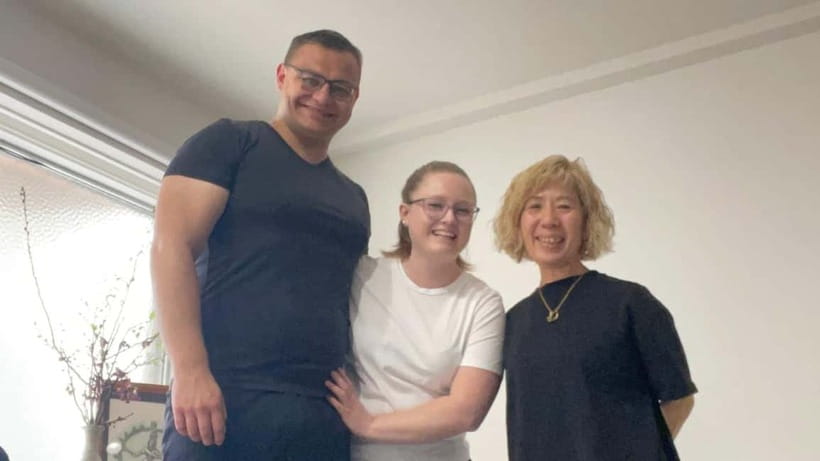
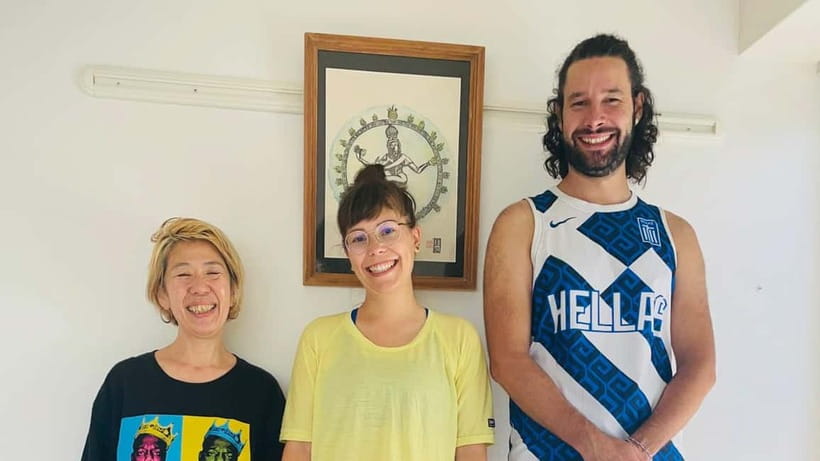
Maki is a Japanese qualified yoga teacher with an RYT 500 qualification and 17 years of teaching experience in Japan and abroad. She is also a Zen practitioner, which helps explain the class’s attention to meditation, breath, and peaceful awareness rather than only physical exercise.
The English instruction is important for visitors. You can communicate your experience level and tell Maki what you want from the hour. The class is not locked into one fixed routine, so you might request Yin Yoga for long, gentle stretches or restorative yoga for a more restful session.
You can also ask for a mindful meditative flow if your main goal is to settle your thoughts. If you simply want to loosen up after sightseeing, gentle stretching may be the better choice.
I would tell Maki about any back, knee, or hip-joint concerns before the class begins. The information provided specifically mentions Yin Yoga as an option for these problem areas, but that does not mean every pose will suit every body. Clear communication is the best way to make the hour comfortable.
What the 60-minute class includes
The lesson combines several parts, though the precise order can vary according to the requested style and the needs of the group. That flexibility is one of the experience’s strongest points.
You may begin with gentle stretching and breathing. These movements help you settle into the room and notice how your body feels before more sustained poses. For a beginner, this can be less intimidating than starting with a fast flow.
A Flow Yoga session gives you more continuous movement. It may suit you if you want to feel physically active while still keeping the class calm. The supplied options also include breath work, which gives the hour a mental focus rather than treating yoga as simple stretching.
Yin Yoga works differently. Poses are held for longer periods, with an emphasis on slow, deep stretching. It can be a good request after a day of walking, but you should not force a pose. Tell Maki if a position creates sharp pain or feels wrong for your joints.
Restorative Yoga is the most relaxation-focused option listed. It is a sensible choice if you are tired, jet-lagged, or looking for a quiet break instead of a workout. Mindfulness meditation can also be included for a calmer, more reflective session.
The class welcomes beginners and families. That makes the activity accessible to mixed groups, though each person should still communicate their comfort level. You do not need to arrive as a flexible yoga regular.
The final relaxation with a Tibetan singing bowl
Every lesson ends with Tibetan singing bowl sound healing. This is the part that gives the experience its clearest sense of place and ritual.
After the movement and meditation, the singing bowl creates a different kind of finish. Rather than ending with a quick stretch and a polite goodbye, the class gives you time to remain still and listen. The sound is used during final relaxation, when the room is already quiet.
The effect is gentle rather than theatrical. You should not expect a concert or a formal religious ceremony. Think of it as a peaceful closing element that helps separate the yoga hour from the noise and motion of the city.
This final section has received especially strong praise. The calm atmosphere of the studio and the bowl accompaniment make the relaxation period feel personal and soothing. If sound-based practices are not your preference, you may find this part less important, but it is a central feature of every class.
Why the small group makes a difference
Eight participants is the stated maximum, and that limit changes the feel of the lesson. Maki can respond to requests, keep an eye on different ability levels, and make the session more suitable for a family or a mixed group.
Several details point to a highly adaptable class. Maki has adjusted Yin Yoga to individual wishes, paid attention to skill level, and shaped sessions around what participants wanted from the hour. That means you should not assume you are signing up for one rigid sequence.
The trade-off is that the exact class content depends on the group. If one person wants deep stretching and another wants meditation, Maki may need to balance both requests. You should share your priorities clearly when booking or at the start.
The intimate format also means that the class may feel quieter and more exposed than a large studio session. If you prefer to blend into the back row, a maximum of eight people gives you less anonymity. For most people seeking personal guidance, that is a benefit.
A few more Hiroshima tours and experiences worth a look
Is ¥5,000, or about $38, good value?
The price is ¥5,000 per person, listed at about $38, for 60 minutes. A yoga mat rental is included, so you do not need to pack or buy equipment for this activity.
The value comes from more than the mat. You receive an English-language lesson, an experienced teacher, meditation, breath work, and Tibetan singing bowl sound healing in a small group. The ability to request Yin, restorative, gentle, or flow yoga also makes the session more tailored than a standard drop-in class.
Still, you are paying for one hour, not a half-day wellness program. If your main goal is inexpensive exercise, you might find a regular local class cheaper. If you want a short, convenient activity that fits into a Hiroshima itinerary and removes the language barrier, the price is reasonable.
The small group is another reason the cost makes sense. The class is limited to eight, and the teaching is designed to respond to individual requests and skill levels. That personal attention is the main difference between this and doing a free yoga video in your hotel room.
Who should book this Hiroshima yoga lesson?
I would recommend this class to beginners who want clear English instruction and a non-competitive introduction to yoga. You can request gentle stretching or restorative yoga rather than feeling pressured to keep up with experienced students.
It also suits couples, families, and small groups with different interests. One person might want Yin Yoga for stretching, while another prefers meditation or a mindful flow. Maki can take those wishes into account, though it is wise to discuss them before the class starts.
This is a good choice if you have spent several days walking around Hiroshima. It is also useful for anyone who wants an activity that feels quieter and more reflective than another sightseeing tour.
You may want to choose something else if you are looking for an intense workout, a long wellness treatment, or a highly structured athletic class. The emphasis here is on kindness, comfort, breathing, and calm movement.
Booking tips for a smoother session
Book at least 24 hours before the lesson. The class is small, and advance notice helps the studio plan for the group.
When you reserve, think about what you want from the session. You can request:
- Gentle stretching
- Yin Yoga
- Restorative Yoga
- Flow Yoga
- Breath work
- Mindfulness meditation
Mention any back, knee, or hip concerns. Also state your experience level, particularly if you are new to yoga. The teacher has experience working with different needs, but she can only adapt the session effectively if you explain what you need.
The meeting point is One World Meditation and Yoga Studio in Hiroshima City centre. The activity is wheelchair accessible. English is the listed language, and the mat rental is included.
You can cancel up to 24 hours in advance for a full refund. The reserve-now, pay-later option also lets you hold a place without paying at the time of booking, which is useful when your sightseeing schedule is still changing.
What the experience feels like in practice
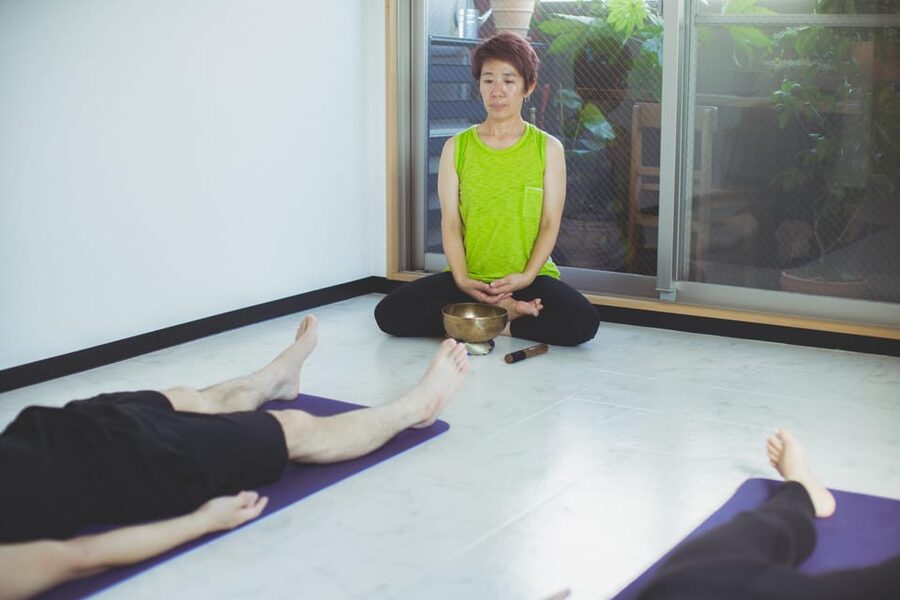
The most appealing detail is the personal attention. A Yin session can be adjusted to your wishes, and Maki takes your skill level into account rather than treating every participant the same.
That approach is especially useful in a small class with people at different stages. You can focus on careful movement instead of worrying about performing a pose perfectly. The English instruction also makes it easier to ask for a change or explain discomfort.
The mood is consistently gentle. The studio’s quiet atmosphere matters most during the closing relaxation, when the Tibetan singing bowl adds sound to the stillness. This is not a loud or flashy activity. Its pleasure comes from the change of pace.
Keep your expectations realistic. You will not explore Hiroshima’s sights during this hour, and the session does not replace a longer yoga course. But as a compact break in the middle of a city visit, it has a clear purpose and carries it out well.
Should you book it?
Book this Hiroshima yoga lesson if you want an English-speaking teacher, a small group, and the freedom to choose between stretching, flow, restorative yoga, and meditation. Maki’s experience and willingness to adapt are the main reasons to choose it.
The strongest match is a beginner, a family, or a tired sightseer who wants a calm reset. The Tibetan singing bowl during final relaxation is a memorable extra, and the included mat keeps the practical side easy.
Skip it if you want vigorous exercise or a longer spa-style program. For everyone else, ¥5,000 for a tailored 60-minute class in central Hiroshima is a fair trade for a quieter body and a clearer head.
FAQ
Where does the yoga lesson take place?
The lesson takes place at One World Meditation and Yoga Studio in Hiroshima City centre.
How long does the experience last?
The yoga and meditation lesson lasts 60 minutes.
How much does the class cost?
The price is ¥5,000 per person, listed at about $38.
Is a yoga mat provided?
Yes. Rental of a yoga mat is included in the price.
Is the lesson taught in English?
Yes. The instructor teaches in English, and English is the listed activity language.
What types of yoga can I request?
You can request gentle stretching, Yin Yoga, Flow Yoga, restorative yoga, breath work, or mindfulness meditation. You can also ask for a style suited to your needs.
Is the class suitable for beginners and families?
Yes. Beginners and families are welcome.
What happens at the end of the lesson?
Every lesson ends with Tibetan singing bowl sound healing during the final relaxation.
How many people can join the class?
The group is limited to a maximum of eight participants.
Is the studio wheelchair accessible?
Yes. The activity is listed as wheelchair accessible.
More Workshops & Classes in Hiroshima
More Hiroshima City Tours in Hiroshima
More tours in Hiroshima we've reviewed


Hiroshima City Tours, compared.
 ★ 5.0Peaceful Hiroshima & Miyajima UNESCO 1 Day Bus TourFrom $129
 ★ 4.9Hiroshima: Hiroshima and Miyajima UNESCO Sites 1-Day TourFrom $1228 hours
 ★ 5.0Hiroshima / Miyajima Full-day Private Tour with Government Licensed GuideFrom $202
 ★ 4.7Osaka/Kyoto: Hiroshima Miyajima Bus Tour & Shinkansen TicketFrom $27712 hours
 ★ 4.8Hiroshima Historical Walking Tour – Why A-Bomb was DroppedFrom $352h 30m
 ★ 5.0Hiroshima Peace (Heiwa) Walking Tour at World Heritage SitesFrom $94
