
Reviewed · HIROSHIMA CITY TOURS
Hiroshima Private Walking Tour with a Local
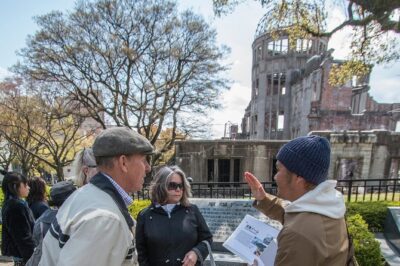
Hiroshima is not a city to rush through, and this private walk gives you room to set the pace. You start near the Hiroshima Peace Memorial Museum, then shape the outing around what matters to you, from the city’s difficult past and Japanese customs to food, neighborhoods, and practical tips for the rest of your stay. The flexible format is the main attraction.
I like the chance to speak with a local host before the walk and explain what you want. I also like the private setting, especially for families or anyone who wants to pause, ask questions, or adjust the plan. Hosts named Nora, Shinichi, Clara, Aimee-Linh, and Saul have each brought different interests and skills, including teaching and tea culture.
The main consideration is that this is not a formal historical tour. The company describes it as a general introduction from a local’s point of view, and some hosts may be international residents rather than Japanese natives or professional guides. If you need detailed facts at every stop, choose a specialist guide instead.
In This Review
- Key points to know before booking
- A private beginning near the Peace Memorial Museum
- How the custom itinerary works
- Hiroshima’s past, explained in a personal way
- Beyond the main monuments
- Could Miyajima fit the plan?
- The hosts make or break the experience
- Is $55 per person good value?
- Timing, meeting point, and practical details
- Who should book this Hiroshima walk?
- Should you book it?
- FAQ
- How long does the private Hiroshima walking tour last?
- Where does the tour begin?
- Where does the tour finish?
- Is admission to the Peace Memorial Museum included?
- Is transportation included?
- Can children join the tour?
- Can I cancel for a full refund?
Key points to know before booking
- The route is custom-built: Your interests, schedule, walking ability, and preferred meeting point shape the tour.
- The Peace Memorial Museum is the starting anchor: You can use the area to discuss Hiroshima’s past, but museum entry is not included.
- Hosts offer different strengths: Nora has been praised for teaching, philosophy, and tea culture, while other hosts focus on food, local life, or practical sightseeing.
- You pay for a private local connection: The $55 per-person price can make sense for a small group that wants personal attention.
- The walk lasts 2 to 6 hours: A short session helps you get oriented, while a longer one allows more conversation and extra sights.
- Extra costs matter: Food, transport, entrance tickets, and the host’s admission to paid attractions are separate.
A private beginning near the Peace Memorial Museum
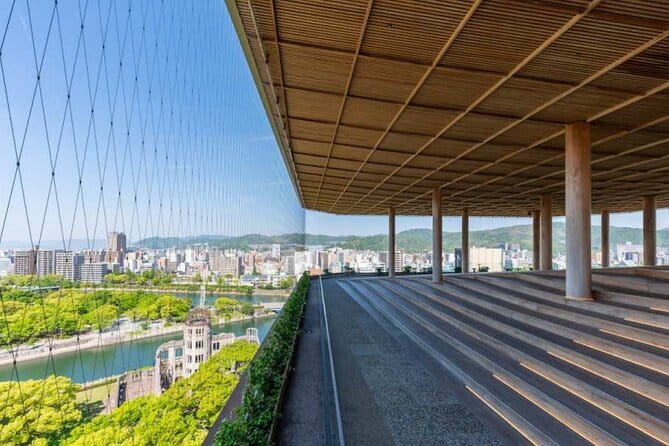
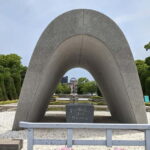
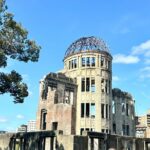
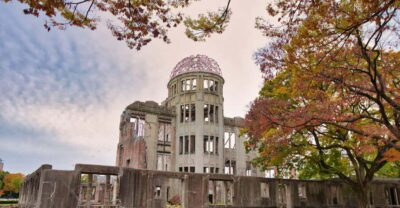
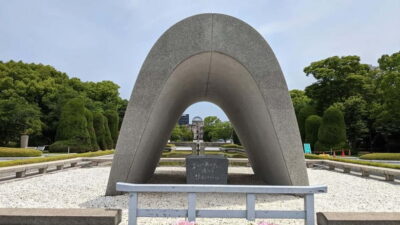
The listed starting point is Hiroshima Peace Memorial Museum, at 1-2 Nakajimacho in Naka Ward. That is a sensible place to begin. You are immediately in the part of the city most visitors want to understand, yet the tour does not force you into a fixed museum-and-monument script.
Before the day, you are asked to share your preferred start time, meeting place, interests, and personal details that may affect the walk. Use this chance well. Tell the company if you want more attention on wartime history, present-day Hiroshima, Japanese customs, food, family needs, or simply help finding your way around.
The museum itself is not included in the $55 price. You pay your own entrance fee, and if your host enters with you, you must also cover the host’s admission. That extra cost can add up, so decide in advance if you want a walk around the Peace Memorial area, a museum visit, or both.
I would not try to pack the entire museum into a short two-hour booking. One person who took the experience felt that more museum time would have been useful, which is a good warning. The museum can require quiet attention and emotional energy. Give it enough time, then let the host handle the surrounding city at a more relaxed pace.
A few more Hiroshima tours and experiences worth a look

How the custom itinerary works
There is no published list of fixed stops. The host creates the route after learning what you want, so the word itinerary means something different here. You are not buying a standard circuit with guaranteed landmarks. You are buying time with a local person who can help you decide how to use your hours.
For a short walk, expect a general introduction to Hiroshima, local orientation, advice on transport, and a few nearby sights. This format works well on your first day, when you want to learn how the city fits together before exploring alone.
With four to six hours, you have more room for conversation and detours. You might ask to focus on the Peace Memorial area, daily life, food, cultural customs, or places beyond the main sightseeing route. The exact plan depends on the host match and your requests, so be specific rather than assuming every famous sight is included.
The walk ends in Hiroshima, but the final location is flexible. You can request a particular end point, though it is not automatically the same as the start. That can be handy if you want to finish near a restaurant or another city sight, but confirm the plan before setting off.
Hiroshima’s past, explained in a personal way
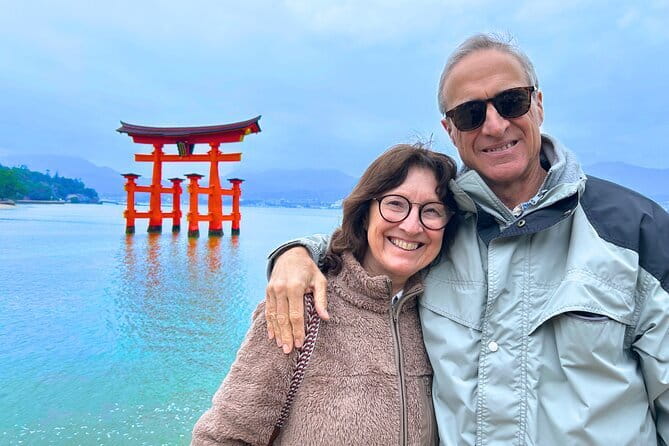
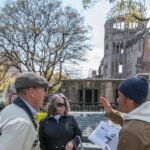
The strongest part of this experience can be the conversation. Several hosts have been praised for making difficult subjects easier for families and teenagers to discuss. Nora, in particular, has helped visitors connect Hiroshima’s history with wider Japanese traditions and ways of thinking.
That does not mean every host will offer the same depth. One disappointing match had little background in Hiroshima and relied on Google to answer questions. Other visitors had expected a Japanese guide but were paired with an international resident who had lived in the city for about two years.
This is the central tradeoff. A professional guide may give you a more exact account of dates, events, and historical detail. A local host may instead explain what it is like to live in Hiroshima, suggest places to eat, and talk through everyday culture in a relaxed way.
If historical detail is your top priority, say so before booking and ask to be matched with someone suited to that need. One host was described as a historian, while Nora has experience as an English and philosophy teacher and tea master. Those are useful clues, but they do not guarantee who you will receive.
Beyond the main monuments
The value of a private walk is not only the famous memorial sites. Hosts have shown visitors a variety of nearby places and offered suggestions for what to do after the tour. One host guided a couple to a local restaurant and helped them order before the walk ended.
That sort of help can save you from spending your first evening guessing at menus or choosing a place designed mainly for tourists. It is also where the friend showing you around idea works best. Ask for food advice, local customs, neighborhood suggestions, or help planning your next day.
You can also request cultural subjects. Nora has introduced visitors to Japanese philosophy and tea culture, while another host offered insight into Japanese ways of life. These conversations may be more memorable than a fast list of monuments, particularly if you have already read the basic facts about Hiroshima.
Still, keep your expectations practical. The tour is not a food tour, a tea ceremony, or a museum program unless you arrange an optional activity and pay its separate cost. The host can point you in a useful direction, but the published inclusions cover only the private walking tour and personalized plan.
Could Miyajima fit the plan?
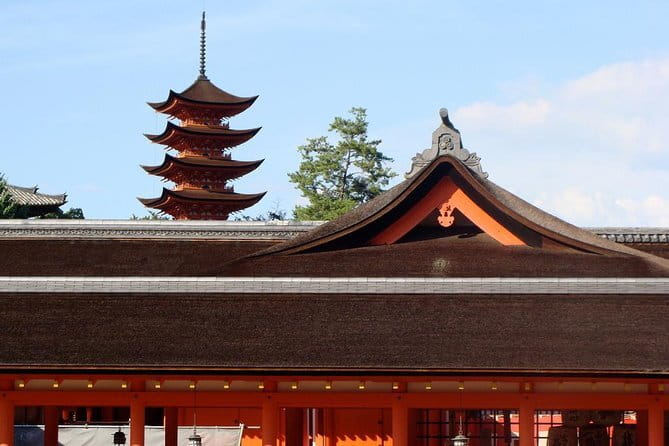
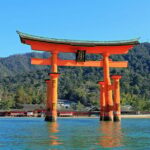
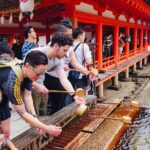
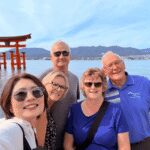
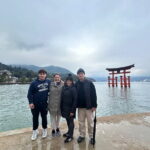
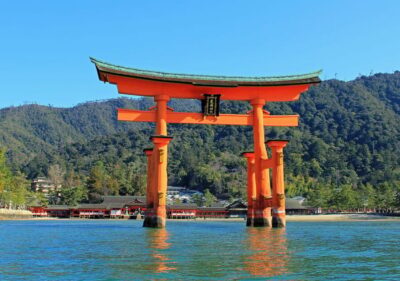
One custom outing included Miyajima, the island known for the floating torii gate at Itsukushima Shrine, Momijidani Park, and Mount Misen’s cable car views. That sounds appealing, but you need to plan carefully because this experience provides no transportation.
A trip to Miyajima is not simply an extra neighborhood stroll. It requires travel time and may involve admission or activity costs. The torii gate can also be undergoing repairs, as happened during one visit, so ask about current conditions before you commit a large part of a short booking to the island.
If Miyajima is your main goal, state that clearly before the host is assigned. Ask whether the planned time includes the journey and whether the local host will accompany you through the transport connections. Since transportation is excluded, you pay those costs yourself, along with any relevant entry fees and the host’s costs.
For many visitors, Hiroshima itself deserves its own half-day, with Miyajima handled separately. But the flexible setup can work if your schedule is tight and the host confirms what is realistic.
Other walking tours we've reviewed in Hiroshima

The hosts make or break the experience
A private local walk depends heavily on the person you meet. The strongest matches have been warm, patient, and willing to adjust the pace. Aimee-Linh was especially attentive to a guest with mobility issues, while Nora received praise for her patience with teenagers and her ability to explain challenging subjects.
Shinichi has taken visitors to places they felt a standard sightseeing company might miss. Clara helped with a local meal, and Saul arranged a custom plan that included Miyajima. These examples show the range of the service, but they also show why you should share useful information early.
Tell the organizer:
- How much walking you can comfortably manage
- The ages of children in your group
- Your interest in history, culture, food, or daily life
- Whether you need a particular language
- If you want a museum or paid attraction included
- Whether Miyajima is a priority
Children under three are free, and children must be with an adult. Most people can participate, but this is still a walking tour. Wear comfortable shoes, and dress for the weather because the tour operates in all conditions.
Is $55 per person good value?
At $55 per person, this sits in a reasonable range for a private experience, especially if you are traveling as a small group and want a personal introduction rather than a large scheduled tour. Group discounts may improve the price for larger parties.
The value depends on how actively you shape the outing. If you arrive without preferences and receive only a general walk, the price may feel high compared with a self-guided visit. If the host helps you understand the city, answers practical questions, adapts to your pace, and improves the rest of your stay, the cost becomes easier to justify.
Remember that the headline price does not cover food, drinks, personal spending, transport, entrance fees, or optional activities. Paid attractions also require you to pay the host’s entry fee if the host goes inside.
For the best value, use the tour as an orientation session on your first day. Ask where to eat, how to reach your next sights, what customs to watch for, and which parts of Hiroshima deserve more time. You are paying for access to a person’s perspective, so come with questions.
Timing, meeting point, and practical details

The duration ranges from about two to six hours. Two hours suits a quick introduction or a tight schedule. A longer booking gives you more room to slow down around the Peace Memorial area, talk through cultural questions, and add other places that fit your interests.
The experience is usually booked well ahead, with an average lead time of about 34 days. That does not guarantee that you must book that early, but it is a useful hint for popular travel periods. Give the organizer your requested start time and meeting details rather than leaving those points vague.
The official starting point is the Peace Memorial Museum, though the tour can be arranged around a different meeting place. The ending point is flexible and may be elsewhere in Hiroshima unless you request a specific finish.
A mobile ticket is provided, and confirmation arrives at booking. Service animals are allowed, public transportation is nearby, and the activity is private, meaning only your own group takes part.
You can cancel for a full refund up to 24 hours before the local start time. Changes made within that 24-hour period are not accepted, so settle your timing and route before the final day.
Who should book this Hiroshima walk?
I would recommend it to first-time visitors who want a gentle orientation, families who need a flexible pace, and people who enjoy conversation more than a memorized script. It also suits anyone who wants restaurant advice, cultural context, or help deciding what to do after the memorial sites.
It is a good fit for visitors who understand that a local host is not always a licensed guide or a Hiroshima native. Some hosts may have lived in the city for years, while others may be international residents with a personal connection to Hiroshima.
I would be more cautious if you have only a few hours and need a precise list of major sights. A custom format can wander if your priorities are unclear. I would also choose another type of tour if you want a detailed academic account of the bombing, postwar recovery, or every monument in the Peace Memorial area.
Should you book it?
Book this walk if you want Hiroshima explained through a person, not only through plaques and museum displays. The best matches, including Nora, Aimee-Linh, Shinichi, and Clara, have helped visitors feel comfortable, ask honest questions, and connect the city’s past with present-day life.
Before paying, make your expectations plain. Request a host with strong historical background if that matters to you, explain any mobility needs, and ask for a plan that fits your time. If you do that, the private format can be a thoughtful and useful start to Hiroshima.
FAQ
How long does the private Hiroshima walking tour last?
The tour lasts approximately 2 to 6 hours. Choose a shorter booking for basic orientation and a longer one if you want more conversation or additional sights.
Where does the tour begin?
The listed starting point is Hiroshima Peace Memorial Museum, 1-2 Nakajimachō, Naka Ward, Hiroshima. The meeting place can be customized, so provide your preferred location when arranging the tour.
Where does the tour finish?
The end point is Hiroshima, and it may be different from the starting point unless you request otherwise. Confirm your preferred finish in advance.
Is admission to the Peace Memorial Museum included?
No. Entrance fees are not included. If you want the host to enter a paid attraction with you, you must also cover the host’s admission.
Is transportation included?
No. This is a walking tour, and transportation to or from attractions is not provided. You pay any transport costs yourself.
Can children join the tour?
Yes. Children under three years old are free, and children must be accompanied by an adult. Most people can participate.
Can I cancel for a full refund?
Yes. You can cancel at least 24 hours before the experience start time for a full refund. Cancellations or changes made less than 24 hours in advance are not accepted for a refund.
More Private Tours in Hiroshima

More Walking Tours in Hiroshima
More Hiroshima City Tours in Hiroshima
More tours in Hiroshima we've reviewed



Hiroshima City Tours, compared.
 ★ 5.0Peaceful Hiroshima & Miyajima UNESCO 1 Day Bus TourFrom $129
 ★ 4.9Hiroshima: Hiroshima and Miyajima UNESCO Sites 1-Day TourFrom $1228 hours
 ★ 5.0Hiroshima / Miyajima Full-day Private Tour with Government Licensed GuideFrom $202
 ★ 4.7Osaka/Kyoto: Hiroshima Miyajima Bus Tour & Shinkansen TicketFrom $27712 hours
 ★ 4.8Hiroshima Historical Walking Tour – Why A-Bomb was DroppedFrom $352h 30m
 ★ 5.0Hiroshima Peace (Heiwa) Walking Tour at World Heritage SitesFrom $94
