
Reviewed · PEACE MEMORIAL TOURS
Hiroshima Peace Park & Atomic Bomb Dome Guided Walk
Hiroshima Peace Memorial Park is not a sightseeing stop you simply check off. It is a place where every monument asks you to pause, listen, and think about the human cost of August 6, 1945. This two-hour walk connects the park’s best-known sites, from the Flame of Peace to the Atomic Bomb Dome, with a guide who explains what you are seeing.
I like the route’s range. You learn about the bombing at the Peace Memorial Museum, then encounter quieter memorials for children, Korean victims, and the doctor who helped survivors. I also like the chance to ring the Peace Bell, a small action that gives the visit a personal moment rather than leaving you with facts alone.
The main drawback is pace. With many stops packed into two hours, the museum visit is brief, and the experience may feel rushed if you want long stretches for private reflection. The accessibility information is also inconsistent, so anyone with limited mobility should confirm the route before booking.
In This Review
- Key points to know before you go
- Beginning at the Gates of Peace
- The Fountain of Prayer and Dr. Marcel Junod
- The Peace Memorial Museum in a ten-minute visit
- The Cenotaph and the Flame of Peace
- The National Peace Memorial and the Rest House
- The Children’s Peace Monument and a story of remembrance
- Remembering Korean victims
- Ringing the Peace Bell
- The Peace Tower and the Atomic Bomb Dome
- Pausing at the Hypocenter Monument
- What Adina adds to the walk
- Is two hours enough?
- Price, timing, and practical comfort
- Who should book this Hiroshima walk?
- Should you book it?
- FAQ
- Where does the Hiroshima Peace Park tour begin?
- How long does the guided walk last?
- How much does the experience cost?
- Which languages does the guide speak?
- Is entry to the Peace Memorial Museum included?
- Which major sites are included?
- Can I bring food and drinks into the museum?
- What should I bring to the tour?
Key points to know before you go
- A full Peace Park route in two hours: The walk covers the major memorials, the museum, the Atomic Bomb Dome, and the Hypocenter Monument.
- Adina leads the experience: The guide offers tours in English, Urdu, and Hindi, with explanations that can include both personal stories and nuclear science.
- The museum visit is short: Entry is included, but about ten minutes is allocated to the guided portion, so plan extra time if you want to examine the exhibits carefully.
- Quiet memorials receive attention: The route includes the Korean Victims Memorial, Children’s Peace Monument, Dr. Marcel Junod Monument, and Fountain of Prayer.
- You get a symbolic hands-on moment: Ringing the Peace Bell brings a simple message of global harmony into the walk.
- The price is modest: At $21 per person, the tour offers good value if you want orientation and context rather than a long museum-led visit.
Beginning at the Gates of Peace
Meet at the Gates of Peace, in front of an Italian restaurant, at 34.3906308, 132.4516662. This is a useful starting point because the gates introduce one of the park’s central ideas: peace is meant to reach beyond Japan and beyond national borders.
Your guide is Adina, who leads the walk in English and can also provide it in Urdu or Hindi. The early explanation helps you understand the layout before the monuments begin to blend together. Hiroshima Peace Memorial Park contains many memorials, and without some direction it is easy to see the objects without grasping who they honor.
The first guided stop lasts about ten minutes. That may sound short, but it sets the tone for the rest of the route. This is a walking introduction, not a slow private memorial visit.
A few more Hiroshima tours and experiences worth a look
The Fountain of Prayer and Dr. Marcel Junod
The route includes the Monument of Dr. Marcel Junod, a Swiss doctor who aided people injured by the atomic bomb. This is one of the more personal stops in the park. It shifts attention away from military decisions and toward medical care, suffering, and the people who tried to help after the blast.
You also pause at the Fountain of Prayer. Its purpose is tied to the victims who suffered from thirst after the bombing. The stop gives you space to think about the physical reality of the attack, not just the dates and political events.
I find these two sites especially valuable because they broaden the visit. The Atomic Bomb Dome is the image most people know, but smaller memorials often make the story feel closer and more human.
The Peace Memorial Museum in a ten-minute visit
Entry to the Hiroshima Peace Memorial Museum is included, which adds real value to the $21 price. The museum explains August 6, 1945, through records, objects, and accounts connected to the bombing and its aftermath.
The guided portion here is listed at about ten minutes. Treat that as an introduction, not a complete museum visit. You will get a basic explanation of the exhibits and why the museum matters, but you will not have much time to read every display or move at your own pace.
If the museum is important to you, I would consider returning later with extra time. The tour is useful because Adina can point out the main themes and provide a framework for what you are seeing. The tradeoff is that the rest of the park route continues on schedule.
Food and drinks are not allowed inside the museum. Bring water for the walk, but finish it or keep it outside before entering.
The Cenotaph and the Flame of Peace
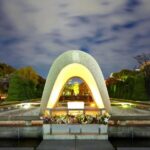
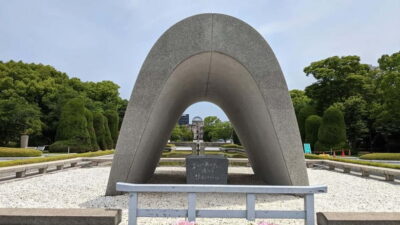
The Hiroshima Victims Memorial Cenotaph is one of the park’s central places of remembrance. It honors those who died in the atomic bombing and those who later died from its effects. The form and setting encourage a quiet pause, while the surrounding park links individual loss with the wider call for peace.
Next comes the Flame of Peace. It represents the hope for a world without nuclear weapons and is intended to remain lit until nuclear weapons are no longer present. The guide’s explanation helps connect this symbol to Hiroshima’s broader message, which is directed toward the future as much as the past.
These stops are close in meaning but different in mood. The cenotaph focuses on the victims. The flame points toward a goal. Together, they help keep the visit from becoming only an account of destruction.
The National Peace Memorial and the Rest House
The Hiroshima National Peace Memorial is included in the route, along with a visit to the Rest House. These places add another layer to the park’s story and help you see how remembrance is organized here.
The Rest House is important because it survived the bombing and later became part of the memorial setting. It gives the park a physical connection to the city that existed before August 6, 1945. Rather than looking only at monuments built after the war, you get a glimpse of an older structure that links past and present.
The National Peace Memorial provides another place to honor those affected. Since the tour moves through several sites in succession, listen for the differences in who each memorial represents. That is one of the strongest reasons to use a guide here.
A few more Hiroshima tours and experiences worth a look

The Children’s Peace Monument and a story of remembrance
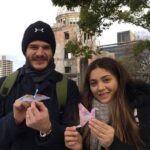
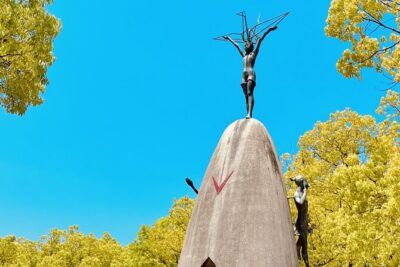
The Children’s Peace Monument honors children who died as a result of the bombing. It is closely associated with the story of Sadako Sasaki and the paper cranes that became a lasting symbol of peace, though the exact amount of time spent on that story depends on the guide and the group.
This is likely to be one of the most affecting points for families and for anyone interested in how ordinary people have kept Hiroshima’s memory alive. The monument is not only about loss. It also shows how children and school groups have helped create a continuing message of peace.
The stop is scheduled for about ten minutes. That gives you enough time for an explanation and a pause, but not a long period of independent reflection. If this monument matters particularly to you, you may want to return after the guided walk.
Remembering Korean victims
The Korean Atomic Bomb Victims Cenotaph pays tribute to Koreans who died in Hiroshima. This stop is essential because the bombing affected people from more than one country, and national memory can sometimes leave those stories less visible.
The memorial broadens your understanding of the event. It reminds you that Hiroshima was part of a wider wartime world, and that the people caught in the bombing included residents and workers with different backgrounds.
I like that this is part of the standard route rather than an optional detour. Ten minutes is not enough for a full discussion of wartime migration, colonial rule, or the experience of Korean survivors, but it is enough to make sure this memorial is not missed.
Ringing the Peace Bell
The Peace Bell offers the tour’s most direct activity. You get the chance to ring it for global harmony, turning the park’s message into something you actively take part in.
It is a simple gesture, but it works well after the more solemn memorials. The bell gives the walk a moment of sound and movement, while the surrounding sites ask for silence and stillness. If you are traveling with children, this may help them connect with the park’s message without reducing the visit to a list of monuments.
The activity is still serious. It is not a performance or a novelty stop. Ring the bell respectfully and allow the moment to remain quiet.
The Peace Tower and the Atomic Bomb Dome
The Peace Tower is another included stop before the route reaches the Atomic Bomb Dome. The tower reinforces Hiroshima’s call for harmony and adds height and visual variety to a walk made up largely of low monuments, stones, water, and open paths.
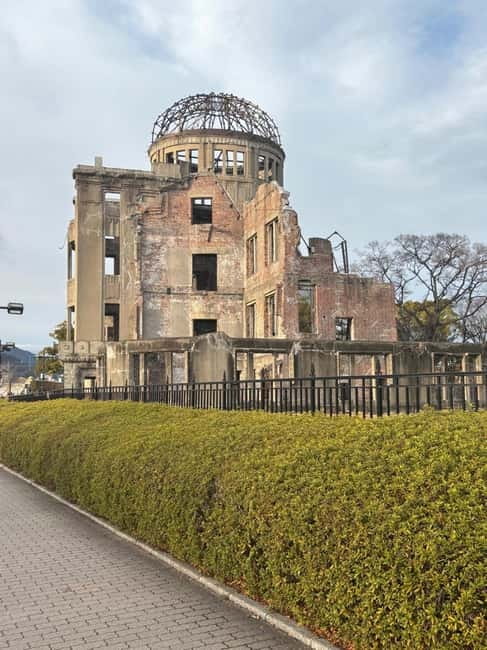
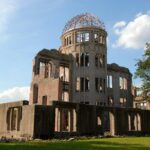
The Atomic Bomb Dome is the park’s most recognizable structure. It survived near the blast’s hypocenter, although the building was badly damaged, and its exposed frame became a powerful reminder of what happened. Seeing it in person is different from seeing a photograph because the surrounding city has been rebuilt while this structure remains preserved.
The Dome is not simply an old building. Its presence raises difficult questions about preservation, memory, and the way a city chooses to show destruction within a modern urban setting. Adina’s explanation can help you place the building within the wider story instead of treating it as a dramatic photo stop.
You should expect a reflective atmosphere here. Take photographs if you wish, but keep the purpose of the site in mind.
Pausing at the Hypocenter Monument
The route ends with the Hypocenter Monument, marking the point directly below the atomic bomb’s detonation. This is one of the most sobering stops because it identifies the event with a precise location.
After walking through memorials, museums, and symbolic sites, the Hypocenter brings the story back to one physical point. It is a useful final pause, and it gives the tour a clear sense of place.
The tour description also includes a final guided stop near the end of the route, but the supplied schedule does not identify a separate attraction for it. The important point is that the walk finishes with reflection rather than a meal, shopping stop, or unrelated activity.
What Adina adds to the walk
The guide can make a major difference in a place like Hiroshima. Adina is described as patient, friendly, and enthusiastic, with a background in nuclear reaction studies. That means the explanations may go beyond basic dates and names, including a clearer account of how the atomic bomb worked.
You should not assume the tour becomes a technical science lecture. The route remains focused on people, memorials, and peace. Still, if you want to understand the difference between the blast, heat, radiation, and later effects, Adina’s background may add useful detail.
The language choice is another practical advantage. English, Urdu, and Hindi are available. Ask questions as you walk, especially at the memorials that are less familiar to you. The strongest part of a guided walk is often the detail you would not know to look for on your own.
Is two hours enough?
Two hours is enough for a strong first look at Hiroshima Peace Memorial Park. You can visit the main monuments, enter the museum, see the Atomic Bomb Dome, and reach the Hypocenter Monument without arranging several separate stops.
It is not enough for a slow, unhurried study of everything. Many stops are assigned around ten minutes, so the guide must keep the group moving. The museum is the clearest example. You receive entry and an introduction, but you should set aside additional time if you want to read the displays in detail.
I would use this tour as an orientation walk. It helps you understand the park’s layout and the meaning of its memorials. Then, if you have the time and emotional energy, revisit the museum or the monuments that affected you most.
Price, timing, and practical comfort
At $21 per person, the value is good for a two-hour guided walk that includes Peace Memorial Museum entry and covers so many significant sites. You are paying for structure and explanation, not transportation or food. Hotel pickup and drop-off are not included, so you need to reach the Gates of Peace yourself.
Wear comfortable shoes. The route includes many stops across an open memorial park, and the walk may feel tiring in warm weather. Bring water, sunscreen, and a camera. The camera is useful for recording the park’s design and monuments, though quiet respect should guide how and when you take photographs.
The activity offers free cancellation up to 24 hours before the start time and a reserve-now, pay-later option. Starting times vary, so check availability for the date you want.
There is a conflict in the supplied accessibility information. The activity details describe the tour as wheelchair accessible, while the suitability note says it is not suitable for people with mobility impairments or wheelchair users. Contact the provider before reserving if this matters to you, and ask about the exact walking route and museum access.
Who should book this Hiroshima walk?
I would recommend it to a first-time visitor who wants context before exploring the park alone. It also suits anyone who prefers a guide who can explain science, memorial customs, and lesser-known figures such as Dr. Marcel Junod.
Families may appreciate the clear sequence and the Children’s Peace Monument, though the subject matter is serious. The walk is also a good fit for visitors with only a short window in Hiroshima, provided they understand that the museum visit will be brief.
I would hesitate if you want a long museum visit, extensive private time at each memorial, or a slow photography walk. In that case, use the tour for orientation and plan extra hours afterward, or explore independently at your own pace.
Should you book it?
Book this Hiroshima Peace Park guided walk if you want a focused introduction for $21, especially if you value explanations of the smaller memorials as much as the Atomic Bomb Dome. Adina’s scientific background and patient approach may be especially useful if you want more than a basic sightseeing script.
Skip it if you already know the park well or prefer to spend most of your time inside the museum. For many people, though, the combination of the museum, Korean Victims Memorial, Children’s Peace Monument, Peace Bell, Atomic Bomb Dome, and Hypocenter Monument makes this a sensible first visit. Just allow more time afterward if you want Hiroshima’s story to unfold at a quieter pace.
FAQ
Where does the Hiroshima Peace Park tour begin?
The meeting point is at the Gates of Peace, in front of an Italian restaurant. The coordinates are 34.3906308, 132.4516662.
How long does the guided walk last?
The tour lasts two hours.
How much does the experience cost?
The price is $21 per person.
Which languages does the guide speak?
The live guide can lead the activity in English, Urdu, or Hindi.
Is entry to the Peace Memorial Museum included?
Yes. Peace Memorial Museum entry is included, although the scheduled guided portion at the museum is about ten minutes.
Which major sites are included?
The route includes the Gates of Peace, Dr. Marcel Junod Monument, Fountain of Prayer, Peace Memorial Museum, Hiroshima Victims Memorial Cenotaph, Flame of Peace, Hiroshima National Peace Memorial, Children’s Peace Monument, Korean Atomic Bomb Victims Cenotaph, Peace Bell, Peace Tower, Atomic Bomb Dome, and Hypocenter Monument.
Can I bring food and drinks into the museum?
No. Food and drinks are not allowed inside the museum.
What should I bring to the tour?
Wear comfortable walking shoes and bring water, sunscreen, and a camera. The activity information gives conflicting guidance about wheelchair and mobility access, so confirm the route with the provider before booking if you need accessible arrangements.
More Walking Tours in Hiroshima

More Hiroshima City Tours in Hiroshima
More Peace Memorial Tours in Hiroshima

More tours in Hiroshima we've reviewed



Peace Memorial Tours, compared.
 ★ 4.8Hiroshima Historical Walking Tour – Why A-Bomb was DroppedFrom $352h 30m
 ★ 5.0Hiroshima Peace (Heiwa) Walking Tour at World Heritage SitesFrom $94
 ★ 4.9Hiroshima: Miyajima Peace Memorial Icons of Peace and BeautyFrom $1638 hours
 ★ 5.0Hiroshima Walking Tour Why A Bomb was dropped to HiroshimaFrom $28
 ★ 5.0Hiroshima 2hr Peace Cycling Tour with Local GuideFrom $59
 ★ 4.8Hiroshima: Peace Cycling Tour with Local GuideFrom $522 - 3 hours
