
Reviewed · PEACE MEMORIAL TOURS
Hiroshima Peace Memorial Park: A Guided Tour
Hiroshima Peace Memorial Park is not a sightseeing stop you simply check off. It is a place where the past is present at every turn, from the ruined Atomic Bomb Dome to the names remembered at the Cenotaph for the A-bomb Victims. I like that Sheraz Alvi keeps the walk personal and clear, and I like the small group size, limited to 10 people, which leaves room for questions and quiet pauses. The main consideration is pace: two hours covers many sites, so the museum visit is brief and the subject matter can feel heavy.
I also appreciate the thoughtful route. It includes memorials that are easy to miss when walking alone, including the Korean Atomic Bomb Victims Memorial and the Memorial Tower area connected with mobilized students. Bring water and comfortable shoes, and treat the park as a place of remembrance rather than an ordinary city attraction.
In This Review
- Key points to know before you book
- Beginning beneath the Atomic Bomb Dome
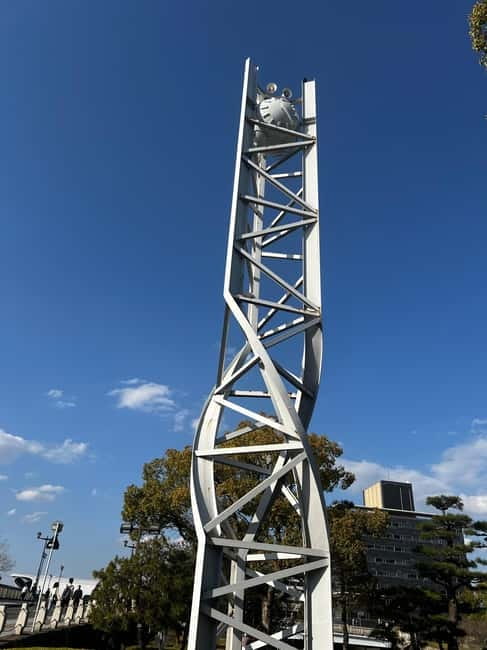
- Clock Tower of Peace and Bell of Peace
- Remembering Korean victims of the bombing
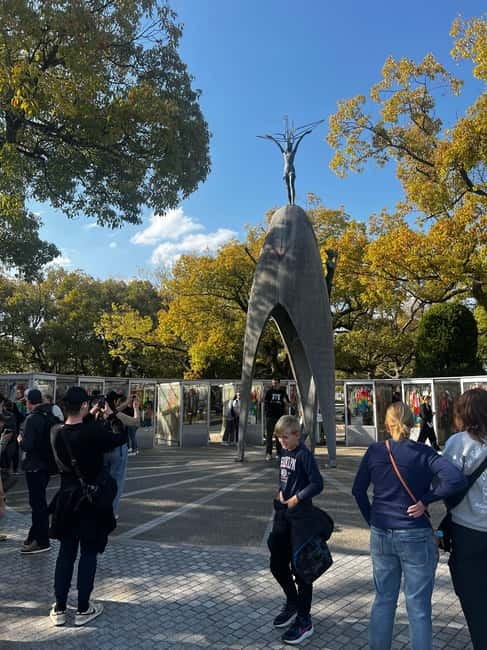
- The Children’s Peace Monument and the story of Sadako
- Hiroshima National Peace Memorial Hall
- The Cenotaph for the A-bomb Victims
- Hiroshima Peace Memorial Museum
- Prayer Fountain and Gates of Peace
- What the small group format adds
- Who will get the most from this tour
- Is $19 good value?
- Should you book it?
- FAQ
- Where does the tour begin?
- Where does the tour finish?
- How long does the tour last?
- How much does the tour cost?
- What language is the tour in?
- How many people are in the group?
- Is the tour wheelchair accessible?
- Is the Peace Memorial Museum included?
- Can I take photographs?
- What should I bring?
Key points to know before you book
- A two-hour route through Hiroshima’s central memorial sites: The walk begins at the Atomic Bomb Dome and ends at the Gates of Peace.
- Sheraz Alvi leads in English: He is praised for clear explanations, a friendly manner, and an easy walking pace.
- The route reaches lesser-noticed memorials: You visit the Korean Atomic Bomb Victims Memorial, Bell of Peace, Prayer Fountain, and student memorial areas.
- The museum stop is short but important: You get an introduction to the events of August 6, 1945, with time to continue through the park’s memorials.
- Small groups make the history easier to discuss: With no more than 10 participants, you can ask questions without feeling lost in a crowd.
- The price is modest for a guided introduction: At $19 per person, the tour can be good value if you want context and direction rather than only a self-guided walk.
Beginning beneath the Atomic Bomb Dome
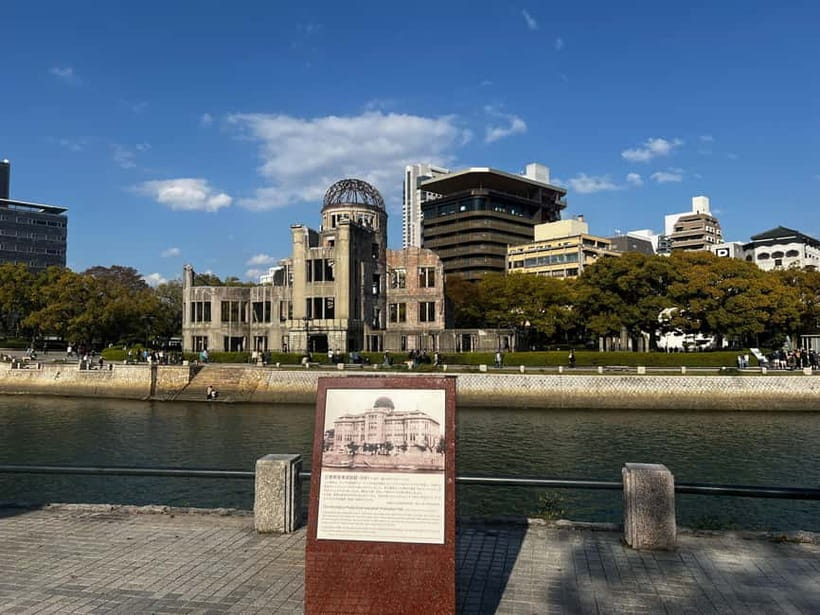
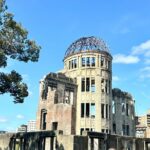
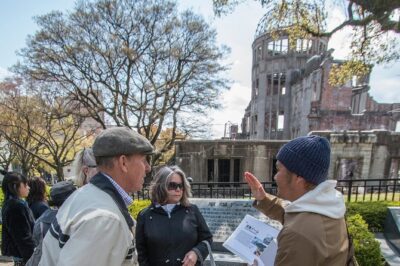
Meet your guide at the Atomic Bomb Dome at 34.395483, 132.453592. This is a useful meeting point because the building gives you an immediate sense of place. You do not begin with a long walk from a station or a vague meeting spot. You begin beside one of Hiroshima’s most recognizable reminders of the bombing.
The former Industrial Promotion Hall was close to the atomic bomb’s hypocenter on August 6, 1945. Its skeletal remains were preserved, and the building now frames much of the park’s message. Your guide spends about 20 minutes here, explaining why the structure survived in such a damaged form and why it was kept rather than removed.
This opening matters. The Dome is powerful visually, but a guide helps connect the image to the wider story. Sheraz Alvi has been praised for giving a clear introduction, explaining the background to the bombing, and answering questions without turning the stop into a rushed lecture. He also takes an interest in the people in his group, which can make a serious subject feel more like a thoughtful conversation.
Photography is allowed, but remember that you are photographing a memorial. The best approach is to take a few quiet images and then give your attention to the guide.
A few more Hiroshima tours and experiences worth a look
Clock Tower of Peace and Bell of Peace
The next stops shift the mood from destruction toward remembrance. The Clock Tower of Peace receives about 10 minutes of explanation, followed by another 10 minutes at the Bell of Peace.
These small structures are easy to pass without knowing their purpose. That is one reason I like having a guide here. Sheraz can point out what each site represents and show how the park uses sound, time, and repeated symbols to keep the memory of the bombing present.
The Bell of Peace is particularly suited to a pause. Its message is direct: peace is not only a political idea but also something expressed through public acts of remembrance. You will not spend a long time at either stop, but the short visits help break up the route and add meaning beyond the better-known Dome and museum.
This part of the walk also shows why comfortable shoes matter. The route moves from one memorial to another on foot, and the tour does not rely on a vehicle between sites. In hot or humid weather, water will help.
Remembering Korean victims of the bombing
The Korean Atomic Bomb Victims Memorial receives about 10 minutes. It is one of the stops that gives the tour a wider view of Hiroshima’s wartime population.
The bombing killed people from many backgrounds, including Koreans who were in Hiroshima at the time. A visit here helps you see that the story is not limited to Japanese civilians, even though Hiroshima is often presented through a national lens. The memorial also encourages you to consider how war crosses borders and how memory can overlook minority communities unless their stories are deliberately included.
This is an important stop for anyone who wants more than the standard postcard version of Hiroshima. It adds another layer without requiring a separate excursion. The guide’s role is valuable here because the memorial’s meaning may not be obvious from its location or appearance alone.
The Children’s Peace Monument and the story of Sadako
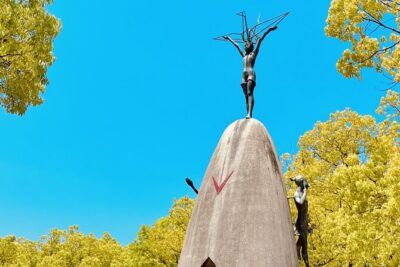
The Children’s Peace Monument is among the most emotionally direct sites in the park. It honors children who died as a result of the bombing, including those who suffered later from the effects of radiation.
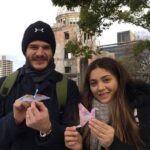
The monument is closely associated with paper cranes and the story of Sadako Sasaki, a young girl who developed leukemia after the bombing. You will see colorful cranes placed around the monument, a sign of ongoing remembrance and hope. The supplied tour information specifically highlights the stories behind this memorial, so expect your guide to explain its human side rather than simply point it out.
I find this stop useful because it makes the scale of the tragedy easier to grasp. Statistics can feel distant. A child’s story, a family’s loss, or a handmade paper crane gives the history a more personal shape.
The subject can be difficult, especially for younger visitors. Children under six are not suitable for this tour, and the overall content may be too heavy for anyone looking for a light family outing.
Hiroshima National Peace Memorial Hall
The Hiroshima National Peace Memorial Hall for the Atomic Bomb Victims is given about 20 minutes, making it one of the longer stops on the route.
This memorial focuses on the people who died and the families who carried their loss. The atmosphere is quiet and reflective, with the emphasis placed on remembrance rather than spectacle. Your guide can help explain how it fits with the other memorials nearby, so you are not seeing each site as an isolated object.
This is also a useful point to slow down. The route covers many locations in two hours, but not every stop needs a long speech. A good guide knows when to explain and when to leave space for you to think. Several comments about Sheraz describe exactly this balance: enough information to understand the place, followed by time to absorb it.
A few more Hiroshima tours and experiences worth a look

The Cenotaph for the A-bomb Victims
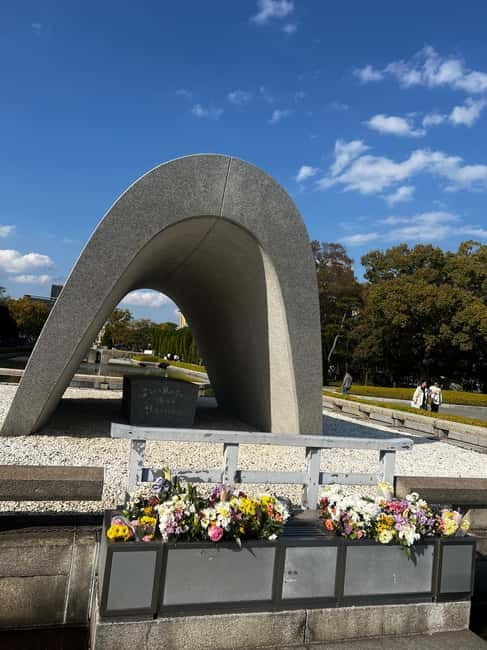
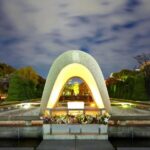
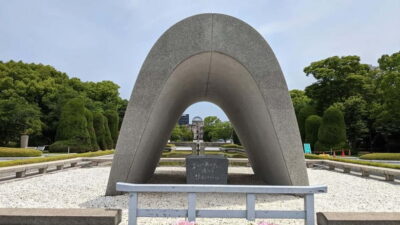
The Hiroshima Victims Memorial Cenotaph, commonly called the Cenotaph for the A-bomb Victims, is one of the park’s central points. The stone saddle-shaped structure shelters a cenotaph containing the names of people who died as a result of the bombing.
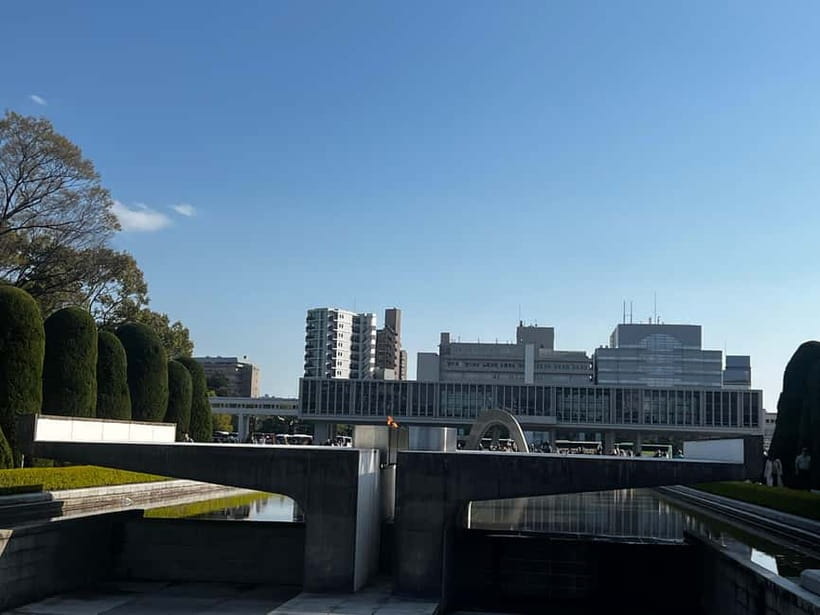
From here, the park’s design links major symbols of Hiroshima remembrance. The Cenotaph looks toward the Peace Flame and the Atomic Bomb Dome, creating a line that ties together the victims, the continuing call for peace, and the surviving ruins of the city.
Your guide allows around 10 minutes here. That may sound short, but a concise explanation can be better than a long talk at such a solemn site. You can listen, look across the park, and take a quiet moment without feeling pushed through immediately.
Respectful behavior is expected at all memorial sites. Keep your voice low, follow your guide’s instructions, and avoid treating the Cenotaph as a casual photo backdrop.
Hiroshima Peace Memorial Museum
The Peace Memorial Museum is the tour’s main indoor stop. The planned guided time is about 10 minutes, so you should think of this visit as an introduction rather than a full museum tour.
The museum explains the events of August 6, 1945, and the effects of the bombing on Hiroshima’s people and city. Exhibits address the immediate destruction and the longer suffering that followed. Some displays are distressing, and you may want more time than the schedule allows.
That short museum visit is the clearest limitation of this tour. If the museum is your main reason for coming to Hiroshima, you should plan separate time to return and explore it at your own pace. The advantage of visiting with Sheraz first is that you receive context before seeing the exhibits. You are less likely to move through the rooms without understanding how the museum fits into the wider memorial park.
The $19 fee is therefore best judged as the price of a guided orientation to the park, not as a complete museum visit. For a modest cost, you get a route, historical framing, and help finding sites that you could miss alone. You should still allow extra time if you want a thorough museum visit.
Prayer Fountain and Gates of Peace
After the museum, the route continues to the Prayer Fountain for about 10 minutes. Water has a strong place in Hiroshima’s memorial landscape, connected with the suffering of people who were burned or desperately needed water after the bombing.
The Prayer Fountain offers a quieter setting for reflection. It is not as immediately famous as the Dome or Cenotaph, but it adds emotional depth to the walk. A guide can explain why such a simple feature became part of the park’s remembrance.
The tour finishes at the Gates of Peace, with another 10-minute guided stop. The gates carry the message of peace beyond the park itself, using a series of large structures to express the hope that Hiroshima’s lesson will not remain confined to one city.
Ending here gives the tour a forward-looking note. The walk begins with a ruined building and ends with a public statement about peace. That progression does not erase the tragedy, but it helps explain the purpose of the park.
What the small group format adds
The group is limited to 10 participants, which is a useful size for this kind of tour. You can hear explanations more easily than in a large crowd, and asking a question does not interrupt dozens of people.
The guide also appears to use an interactive approach. Sheraz has been described as asking questions about the group and taking an interest in each person’s background and trip to Japan. That can make the walk feel less like a memorized speech.
His strongest qualities are clear information, an easy pace, and a warm attitude. The supplied feedback repeatedly highlights his ability to explain Hiroshima’s tragic history without losing the group’s attention. One practical result is that you are less likely to rush from monument to monument without understanding why each one matters.
Still, a small group does not mean a private tour. You will share the walk with other participants, and the pace will follow the needs of the group. The tour is in English, so you should be comfortable listening to historical explanations in English.
Who will get the most from this tour
I would choose this tour if you are visiting Hiroshima for the first time and want a clear route through the park. It suits you especially well if you like historical context but do not want to spend your first hour figuring out which memorials are significant.
It is also a good choice if you are short on time. Two hours gives you a structured introduction to the Dome, memorials, museum, and park symbols. You finish at the Gates of Peace rather than circling back to the starting point, so keep that in mind when planning what comes next.
The tour suits solo visitors and couples who want the comfort of a guide without paying for a private outing. It also works for small groups who value conversation and a steady pace.
I would be more cautious if you want a long museum visit, extensive independent reflection at every site, or a detailed academic debate about wartime decisions. The route covers a lot, and each stop receives a limited amount of time. You may leave with a strong foundation and still want to read more.
The tour is wheelchair accessible, though it involves walking through the park. People with heart problems should not book it, and children under six are not suitable. Food is not allowed during the tour, but you can bring water.
Is $19 good value?
At $19 per person, this is a reasonably priced guided walk. You are paying for more than directions. The real value is the explanation of places that can look simple or easy to overlook, such as the Korean Atomic Bomb Victims Memorial, the Bell of Peace, and the Prayer Fountain.
A self-guided visit costs less if you already know the park and are happy to read signs on your own. But if you want someone to connect the sites, explain the historical background, and help you keep a respectful pace, the fee is fair.
The best value comes from combining the tour with extra independent time at the museum. Use the guided visit to understand the park’s structure, then return to the exhibits that deserve more than the scheduled 10 minutes.
Should you book it?
Book this Hiroshima Peace Memorial Park tour if you want a focused first look at the city’s memorial sites, guided in English by Sheraz Alvi, with a small group and a gentle walking pace. His clear introductions and personal approach are the strongest reasons to choose it.
Do not book it expecting a full museum experience in two hours. Instead, see it as a well-priced orientation to Hiroshima’s most important memorial places, with enough historical detail to make your later exploration more meaningful. Arrive with comfortable shoes, water, and the right frame of mind, and this can become one of the most thoughtful stops on your Japan trip.
FAQ
Where does the tour begin?
The tour begins at the Atomic Bomb Dome in Hiroshima Peace Memorial Park. The meeting coordinates are 34.395483, 132.453592.
Where does the tour finish?
The tour finishes at the Gates of Peace.
How long does the tour last?
The guided tour lasts two hours.
How much does the tour cost?
The price is $19 per person.
What language is the tour in?
The live tour guide speaks English.
How many people are in the group?
The group is limited to 10 participants.
Is the tour wheelchair accessible?
Yes, the activity is listed as wheelchair accessible.
Is the Peace Memorial Museum included?
Yes, the route includes a visit to the Peace Memorial Museum. The scheduled guided time there is about 10 minutes.
Can I take photographs?
Yes, photography is allowed. You should still behave respectfully at all memorial sites.
What should I bring?
Bring comfortable shoes, a camera, and water. Food is not allowed during the tour.
More Guided Tours in Hiroshima

More Hiroshima City Tours in Hiroshima
More Peace Memorial Tours in Hiroshima

More tours in Hiroshima we've reviewed



Peace Memorial Tours, compared.
 ★ 4.8Hiroshima Historical Walking Tour – Why A-Bomb was DroppedFrom $352h 30m
 ★ 5.0Hiroshima Peace (Heiwa) Walking Tour at World Heritage SitesFrom $94
 ★ 4.9Hiroshima: Miyajima Peace Memorial Icons of Peace and BeautyFrom $1638 hours
 ★ 5.0Hiroshima Walking Tour Why A Bomb was dropped to HiroshimaFrom $28
 ★ 5.0Hiroshima 2hr Peace Cycling Tour with Local GuideFrom $59
 ★ 4.8Hiroshima: Peace Cycling Tour with Local GuideFrom $522 - 3 hours
