
Reviewed · OKAYAMA & KURASHIKI TOURS
Okayama Castle Admission Ticket
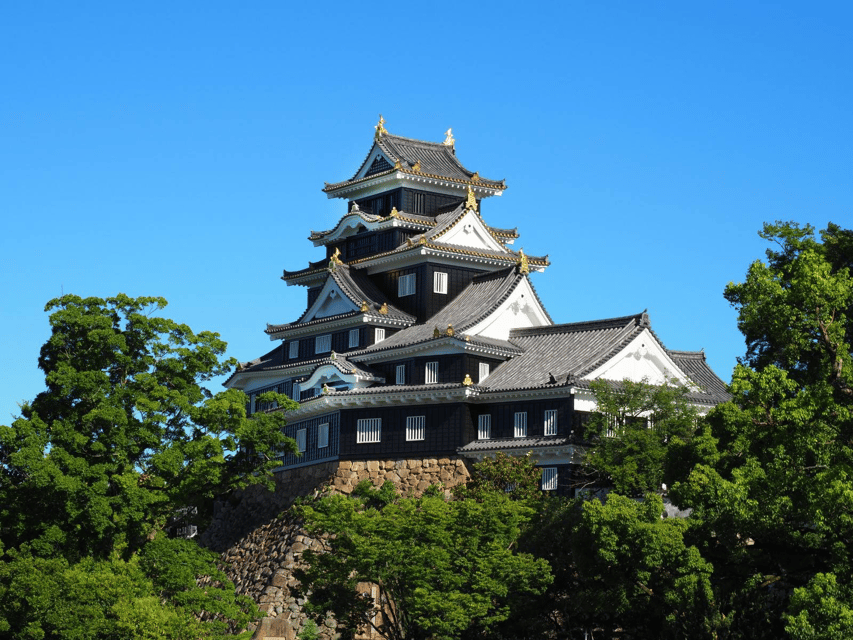
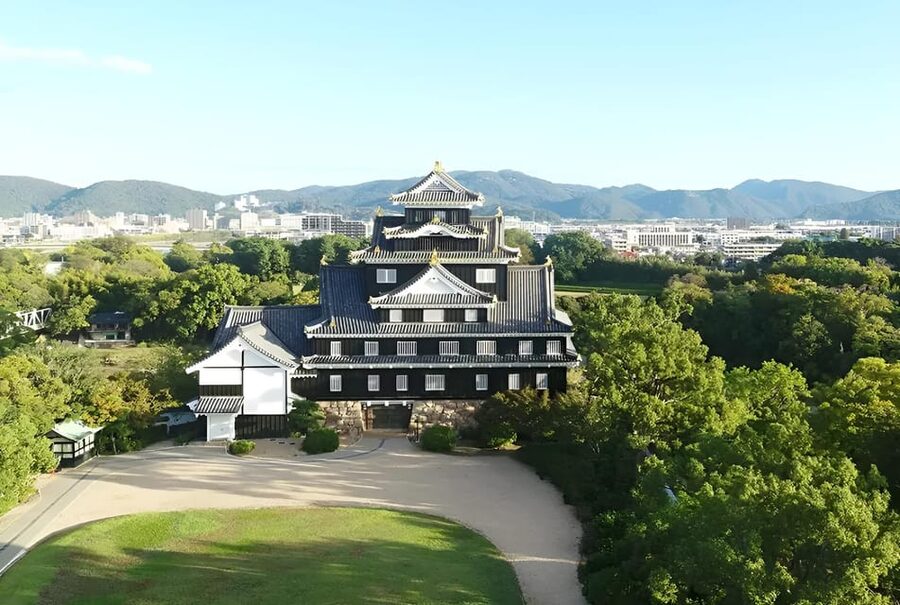
Okayama Castle catches your eye before you enter. Its black outer walls and gold roof tiles give it the nickname Crow Castle, or Golden Crow Castle, and the dark silhouette makes a strong contrast with the surrounding city. Inside, you get a compact look at the castle’s past, from the Warring States period through the Edo period.
I like the low ticket price and the freedom to set your own pace. I also like the chance to combine the exhibits with photos, souvenir shopping, and a sweet stop at the castle café. The main drawback is that the visit can feel short, and much of the display information may be in Japanese, so international visitors should not expect a full foreign-language museum experience.
In This Review
- Key points about Okayama Castle
- Why Okayama Castle looks so different
- Entering the tower and getting your bearings
- The exhibits: a short look at two major eras
- The reconstructed castle and what that means
- Photo spots, souvenirs, and the castle café
- How the visit compares with Korakuen Garden
- Who gets the best value from the $2.58 ticket
- Ticket details that can affect your day
- Should you book Okayama Castle?
- FAQ
- Where is Okayama Castle located?
- How much does admission cost?
- How long is the ticket valid?
- Is this a guided tour?
- Where do I redeem the ticket?
- What does the ticket include?
- What age qualifies for an adult ticket?
- What age qualifies for a child ticket?
- Do preschool children need a ticket?
- Can I cancel the ticket for a refund?
Key points about Okayama Castle
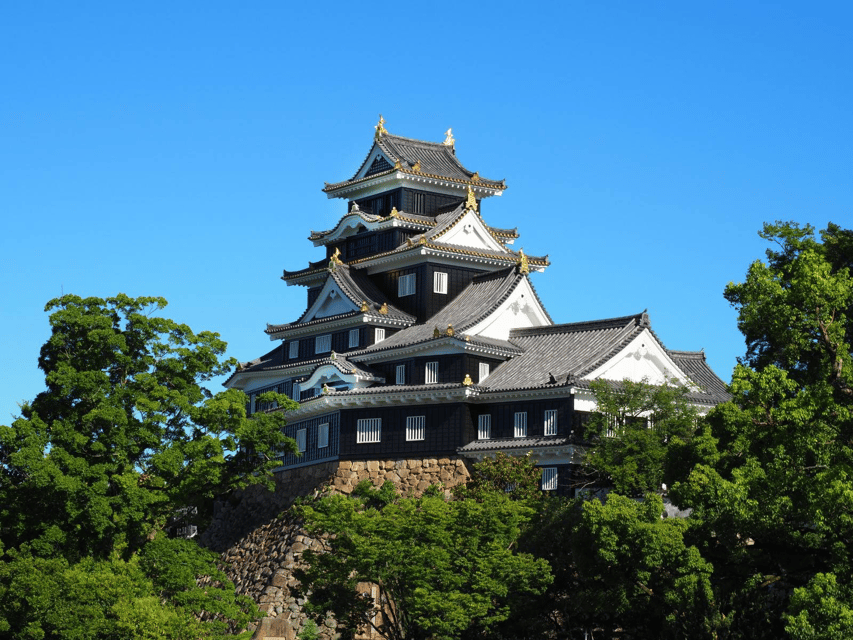
- Black walls and gold roof tiles: The castle’s bold exterior explains its Crow Castle and Golden Crow Castle names.
- A rebuilt landmark: The tower was reconstructed in 1966 after wartime damage and reopened in November 2022.
- Warring States and Edo displays: Exhibits focus on the people, building methods, and objects linked to two important eras.
- A short, flexible visit: Your ticket is valid for one day, with no scheduled tour or guide listed.
- Photo and café stops: You can take commemorative pictures, browse original souvenirs, and try local-style sweets.
- Low-cost sightseeing: At $2.58 per person, the admission is easy to justify if you are already visiting central Okayama.
Why Okayama Castle looks so different
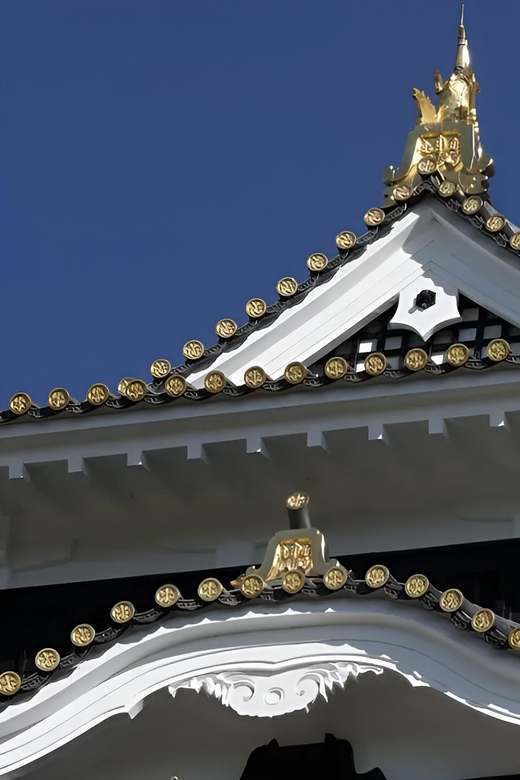
Many Japanese castles are associated with pale plaster walls, but Okayama Castle makes its mark with a dark exterior. The black finish gives it a strong, almost graphic appearance, especially when viewed from outside. Gold leaf tiles add small flashes of color to the roofline, which explains the second nickname, Golden Crow Castle.
The castle was completed in 1597. It was originally built by daimyo Ukita Hideyoshi to support Toyotomi Hideyoshi’s campaign to bring Japan under one rule. That date places the castle near the end of the Warring States period, when regional lords competed for land and influence.
This background matters because the building is not simply an attractive photo stop. It reflects the political and military world that shaped Japan before the long Edo-period peace. Inside, the displays help connect the building to that change, although your experience will depend on how much Japanese you can read.
The original tower suffered wartime damage and was reconstructed in 1966, known as Showa 41 in the Japanese calendar. So you are looking at a modern reconstruction rather than an untouched original tower. That is worth knowing before you book, especially if you prefer castles with surviving historic interiors.
The tower reopened in November 2022 after renewal work. The updated presentation gives the visit a cleaner, more current feel, with exhibits about construction, historic periods, and objects connected to the castle.
A few more Okayama tours and experiences worth a look

Entering the tower and getting your bearings
This is a standard admission ticket, not a guided walk. You go directly to the entrance on the day of your visit and redeem the ticket there. No meeting point away from the castle is involved, which keeps the plan simple.
Your ticket is valid for one day, but the activity does not list a fixed starting time. That works well if you are fitting the castle around other Okayama plans. You can choose the part of the day that suits you rather than building your schedule around a guide or departure time.
The experience provider is GlobalTix JP. The supplied information does not name a guide, and no guide is included with the standard admission. Think of this as a self-guided museum and castle visit.
The ticket is inexpensive, at $2.58 per person. For that price, you do not need a long visit to get reasonable value. Even if you spend only a short time inside, the fee is small enough to work as an easy add-on to an Okayama day.
The catch is that the ticket is non-refundable. Check your date carefully before booking, and make sure you can access the ticket or redemption information when you reach the entrance. Two separate booking problems in the supplied feedback involved people not receiving a usable ticket and having to pay again at the castle. The experience details do not explain how those problems occurred, so keep your booking confirmation ready and do not rely on a code alone if the ticket itself is supposed to be issued.
The exhibits: a short look at two major eras
The interior focuses on the Warring States and Edo periods. This is useful context for first-time visitors because the castle’s story spans a major shift in Japanese history: from warfare among regional rulers to the long, more orderly rule of the Edo period.
You can expect displays on the castle’s construction as well as historic objects tied to these eras. The material gives the building a human and political setting, rather than treating it only as an attractive shell.
The exhibits may appeal most to you if you enjoy artifacts, castle design, and the mechanics of old fortifications. The presentation also gives families and curious first-time visitors a basic way to connect the exterior to the people who built and used it.
Language is the largest concern. One detailed complaint noted that the information was in Japanese, making it difficult for a non-Japanese reader to follow. Another visitor also found the displays interesting but wished the presentation were easier to use. Since the supplied details do not promise English or other-language translations, you should plan for the possibility that you will understand the objects and visual displays better than the written explanations.
That does not make the visit pointless. The castle’s shape, colors, objects, and room layouts still communicate something without full translation. But if you want a museum-style explanation of every artifact, this ticket may leave you wanting more.
The reconstructed castle and what that means
The tower is a reconstruction from 1966, not the original wartime survivor. This fact is central to deciding if the admission suits you.
Some people see reconstruction as a weakness because the building does not offer the same original fabric as a castle that escaped fire, bombing, or demolition. If your main goal is to touch centuries-old timber or see untouched rooms, Okayama Castle may not be your first choice.
I see another side to it. The reconstruction preserves the outline and visual character of a major castle that might otherwise be gone. The November 2022 reopening also means the interior presentation is relatively recent, rather than an old display left unchanged for decades.
The outside is likely to make the strongest impression. The dark walls, gold roof fittings, and distinctive form give you the castle image you came to see. Inside, the experience is more compact and museum-like. One rating described it as good but short, which is a fair way to set your expectations.
A visit here works best when you value the complete package: an identifiable castle exterior, a little historical context, several photo opportunities, and a small cultural stop at a low price. It is less suitable if you want a full-day attraction packed with rooms, performances, or extensive English interpretation.
Photo spots, souvenirs, and the castle café
The admission includes access to scenic spots for commemorative pictures. The exterior is the obvious place to start, but the ticket information also points to photo opportunities inside the castle. You can treat the visit as a relaxed stop rather than rushing from one display to the next.
The dark-and-gold color scheme gives your photos a look that differs from the more familiar white castle style found elsewhere in Japan. If you enjoy architectural pictures, focus on the contrast between the black walls and gold roof tiles. The castle’s nickname becomes easy to understand once you see those details together.
There is also a shop with exclusive, original souvenirs. The information does not list exact products, so you should not book for one specific item. Still, the shop adds value for visitors who like to take home a castle-themed object rather than only photos.
The on-site café serves locally inspired sweets. Again, the available details do not specify the menu, so consider this a chance to sample a regional-style treat rather than a promised signature dish. It gives the visit a pleasant ending, particularly if you prefer to pause after looking through the displays.
These extras matter because the interior itself may not occupy a large part of your day. A photo stop, souvenir browse, and café break can turn a brief castle visit into a more rounded outing without requiring a separate admission.
How the visit compares with Korakuen Garden
One supplied assessment preferred Korakuen Garden, Okayama’s better-known garden attraction, to the castle. That comparison is useful rather than dismissive.
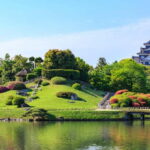
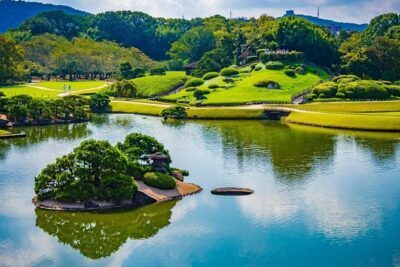
If you want broad outdoor scenery, garden views, and a slower walk, Korakuen may suit you better. If you want a strong building silhouette, castle artifacts, and a look at military-era architecture, Okayama Castle offers a different kind of interest.
The two attractions can complement each other, but the ticket described here covers only Okayama Castle. Do not assume that garden admission is included. If your time is tight, choose based on your interests rather than trying to force both into a rushed schedule.
The castle is also a safer pick for a short stop. Its one-day validity and flexible timing make it easier to fit into a larger itinerary. The garden comparison simply reminds you that this is not an all-day attraction for everyone.
Who gets the best value from the $2.58 ticket
At $2.58, the price is unusually easy to work into a Japan itinerary. You are paying for standard admission to a major castle site, a recent interior presentation, historic displays, and access to photo, shopping, and café areas.
I would recommend it most strongly to:
- First-time visitors who want to see one of Okayama’s main landmarks.
- History fans who enjoy Warring States and Edo-period objects.
- Photographers interested in black castle walls and gold roof details.
- Families looking for a short attraction with a modest admission fee.
- Visitors already near the castle who want an uncomplicated activity.
- People who prefer self-guided sightseeing over a fixed group tour.
I would be more cautious if you need detailed English interpretation or want a long, immersive museum visit. The short length and possible Japanese-only explanations can limit the experience for some international visitors.
The price softens those drawbacks. A disappointing two-hour attraction at a high fee is one thing. A compact visit costing $2.58 is easier to accept, especially if the exterior and photographs are your main goals.
Ticket details that can affect your day
Adult admission applies from age 15 and up. A child ticket covers ages 6 through 14, and preschool children under age 6 enter free.
You should go directly to the castle entrance on your chosen date. The listed coordinates are 34.6651878, 133.9360657, which can help if you are using a map app or arranging your route in Okayama.
The activity has no stated start time. Check availability for the date you want, then plan your visit around the rest of your day. Since the ticket is valid for one day, you have some flexibility, but the admission remains non-refundable.
Bring the booking information needed for redemption. The supplied information describes cases where a code was not accepted because the actual ticket was missing. I cannot promise that this will happen to you, but it is a sensible reason to check your confirmation before leaving for the castle.
No transport, meal, guide service, or combined garden admission is included in the stated package. What you receive is standard admission to Okayama Castle.
Should you book Okayama Castle?
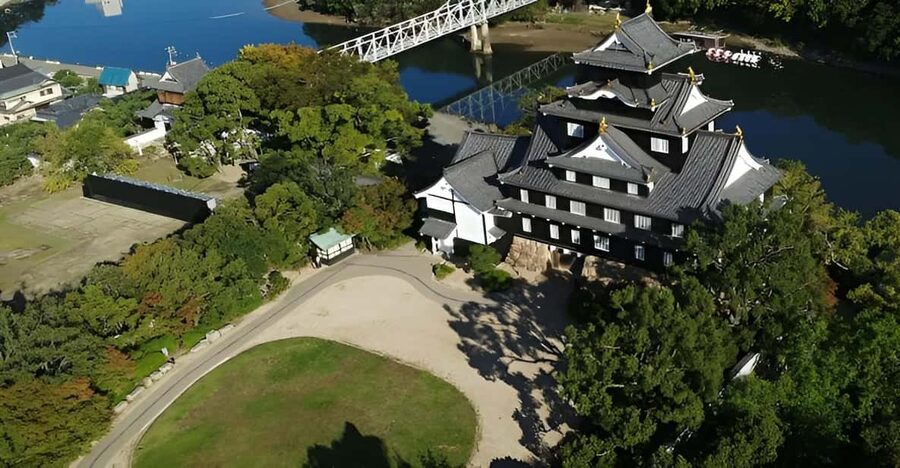
Book this ticket if you want a low-cost, self-guided visit to a visually distinctive Japanese castle. The black-and-gold exterior, recent reopening, historic displays, photo spots, souvenirs, and café make it a worthwhile short stop for many people.
I would skip it if your priority is an original castle tower, extensive foreign-language text, or a full day of activities. The tower is a 1966 reconstruction, the interior may feel brief, and language support is not promised.
For most visitors already exploring Okayama, the low price makes the decision simple. Go for the architecture and atmosphere first. Treat the exhibits, shop, and sweets as useful extras, not the sole reason to visit. If you do that, your expectations should match what this compact castle experience can deliver.
FAQ
Where is Okayama Castle located?
Okayama Castle is in the Chugoku Region of Japan. The listed coordinates are 34.6651878, 133.9360657.
How much does admission cost?
The listed price is $2.58 per person.
How long is the ticket valid?
The ticket is valid for one day.
Is this a guided tour?
No guide is included in the stated package. It provides standard admission, so you should expect a self-guided visit.
Where do I redeem the ticket?
Go directly to the castle entrance on the day of your visit for redemption.
What does the ticket include?
It includes standard admission to Okayama Castle.
What age qualifies for an adult ticket?
The adult ticket applies to anyone aged 15 or older.
What age qualifies for a child ticket?
The child ticket applies to children aged 6 through 14.
Do preschool children need a ticket?
Children below age 6 enter free.
Can I cancel the ticket for a refund?
No. This activity is non-refundable.
More Okayama & Kurashiki Tours in Okayama
More tours in Okayama we've reviewed
Okayama & Kurashiki Tours, compared.
 ★ 4.5Kurashiki Private Romantic Night in the Observatory ReclinersFrom $29
 ★ 5.0[From Okayama] Okayama & Kurashiki Full Day TourFrom $163
 ★ 5.0Kurashiki Half-Day Private Tour with Government-Licensed GuideFrom $107
 ★ 5.0Half-Day Shared Tour at Kurashiki with Local GuideFrom $86
 ★ 5.0Okayama Half-Day Private Trip with Government-Licensed GuideFrom $107
 ★ 4.5Okayama Full-Day Private Trip with Government-Licensed GuideFrom $153
