
Reviewed · MIYAJIMA TOURS
Hiroshima & Miyajima: Private Tour with Lunch-Kansai Pickup
The best part of this long day is the contrast: Hiroshima asks you to pause and remember, then serves you a hot plate of layered noodles, cabbage, and toppings before sending you across the water to Miyajima. You get three very different sides of the region without changing hotels.
I like the private vehicle and hotel pickup, especially for a group of up to five. I also like the chance to eat Hiroshima-style okonomiyaki where it is prepared in front of you, rather than settling for a generic lunch near a major sight. Driver Akash was singled out for helpful guidance on one recent family booking.
The main drawback is the clock. A 12-hour trip from Kyoto, Osaka, Kobe, or Nara to Hiroshima and Miyajima leaves little room for lingering, and lunch, admission tickets, drinks, and personal spending are extra. You are paying for ease and coverage, not a slow, unhurried visit.
In This Review
- Key points at a glance
- Is this Hiroshima day trip worth the $903 price?
- Leaving Kansai early for a long road day
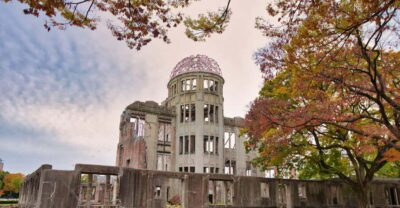
- The Atomic Bomb Dome: Hiroshima’s most recognizable reminder
- Peace Memorial Museum and Park: allow room for difficult thoughts
- Hiroshima Castle: a short look at the city beyond the memorials
- Hiroshima-style okonomiyaki: the meal is part of the sightseeing
- Crossing to Miyajima on the 35-minute ferry
- Miyajima’s lanes, shops, and local food
- Itsukushima Shrine and the famous gate
- What your guide changes
- Timing, tickets, and what to bring
- Who should book this private Hiroshima tour?
- Should you book it?
- FAQ
- How long does the Hiroshima and Miyajima tour last?
- Where can pickup and drop-off take place?
- Is the tour private?
- Is lunch included in the price?
- Are attraction tickets included?
- What languages are available for the guide?
- Is the tour wheelchair accessible?
- Can I cancel the tour for a refund?
Key points at a glance
- A full Hiroshima day from Kansai: Hotel pickup and return are available in Kyoto, Osaka, Kobe, or Nara.
- A serious first stop: Spend time at the Atomic Bomb Dome, Peace Memorial Park, and Hiroshima Peace Memorial Museum.
- Lunch with local character: Hiroshima-style okonomiyaki is cooked fresh, with noodles layered under cabbage and toppings.
- A ferry crossing to Miyajima: The 35-minute boat ride breaks up the road journey and leads to the famous Itsukushima Shrine gate.
- Private and multilingual: The group is private, with live guiding available in English, Arabic, Japanese, or Hindi.
- A long but efficient day: The route covers the major sights, though each stop receives only a limited amount of time.
Is this Hiroshima day trip worth the $903 price?
The listed price is $903 for a private group of up to five, not per person. That makes the arithmetic much better for a family or small group. Split five ways, the transport and guiding cost is about $181 per person before food and entry fees. For two people, the price is much harder to justify unless comfort, privacy, and door-to-door service matter greatly to you.
This is not a cheap sightseeing day. You are paying for a private vehicle, pickup and drop-off in the Kansai area, a driver-guide, and a route that would otherwise require you to coordinate long-distance trains, local transport, ferries, and several timed visits.
The value improves if your group is traveling with children, older relatives, or luggage. You do not need to work out the best connection from Kyoto or Osaka, and you can stay together throughout the day. A child seat costs an additional $35, so add that to the budget if needed.
The tradeoff is that this is an ambitious route. Hiroshima is far from the Kansai cities, and the tour tries to include the Atomic Bomb Dome, museum, Peace Memorial Park, Hiroshima Castle, Miyajima, and Itsukushima Shrine in one day. You will see a lot, but you should not expect museum-level detail at every stop.
A few more Hiroshima tours and experiences worth a look
Leaving Kansai early for a long road day
Pickup is offered from your hotel or preferred location in Kyoto, Osaka, Kobe, or Nara, generally around 8:00 AM or at another agreed time. That flexibility is useful, but confirm the exact pickup time and place carefully. Pickup is not available from airports or cruise port terminals.
The private vehicle is the practical heart of the experience. You can travel directly rather than managing several train changes, and your group does not need to follow the pace of strangers. The journey to Hiroshima is still long, so bring water, wear comfortable clothes, and treat the drive as part of the day rather than an annoying gap between sights.
The tour is wheelchair accessible, though the day includes walking through memorial grounds, city sights, shrine areas, shops, and a ferry connection. If someone in your group uses a wheelchair, discuss the specific needs of the party before booking rather than relying only on the general accessibility label.
The Atomic Bomb Dome: Hiroshima’s most recognizable reminder
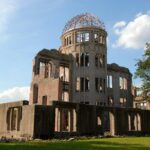
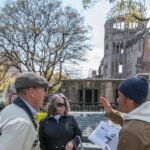
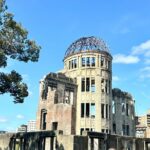
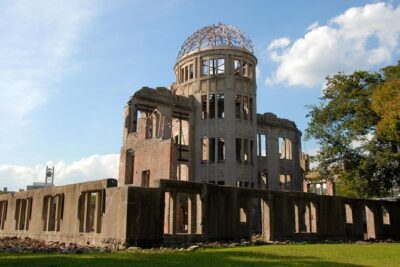
The Atomic Bomb Dome is usually your first major stop. The building’s damaged frame is not a conventional attraction. It is a stark reminder of the destruction caused by the atomic bombing and of the city’s decision to preserve a difficult place of memory.
You get about an hour for a guided visit, sightseeing, and photographs. That sounds generous, but it passes quickly once you take in the structure and listen to the guide. This is a place where a good explanation matters. A driver-guide can help connect the visible remains with Hiroshima’s wider story of remembrance and rebuilding.
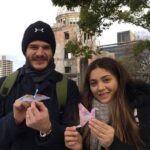
Keep your attention on the details around the dome instead of treating it as a quick photo stop. The setting is open and reflective, and the visit works best when you allow yourself a quiet moment rather than racing immediately to the next point.
Peace Memorial Museum and Park: allow room for difficult thoughts
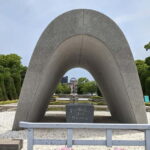
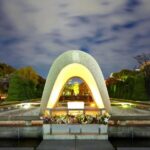
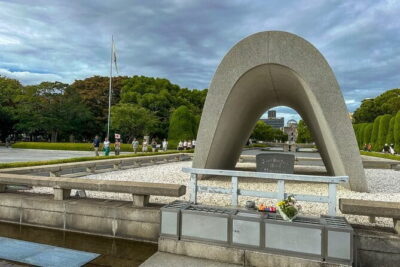
The Hiroshima Peace Memorial Museum and Peace Memorial Park form the emotional center of the day. The museum presents the human cost of the bombing, while the park provides space to consider what happened and how Hiroshima has shaped its identity around peace.
The schedule gives roughly one hour for the museum, followed by another hour for the park. That division is useful, but it remains a short visit for a museum with serious material. If you read every display closely, you may need to move quickly. If you prefer a broad introduction, the time can work well.
You should expect the museum to be upsetting. This is not a light sightseeing stop, and it may affect the mood of the rest of the day. That is not a flaw, but it is worth knowing before you book a tour that pairs a solemn memorial visit with a food-focused afternoon.
The guide’s role here is to provide context and help you understand Hiroshima’s recovery. The experience is not limited to destruction. You also see how the city rebuilt itself and became associated with peace and innovation. That balance gives the visit more meaning than a quick photograph at the dome.
Hiroshima Castle: a short look at the city beyond the memorials
Hiroshima Castle adds a different note. After the memorial sites, you get a glimpse of the city’s earlier identity and its cultural life before returning to the modern streets.
The scheduled visit lasts about an hour, including sightseeing and guiding. Since admission tickets are not included, check what you need to pay for on the day. The castle stop is useful because it prevents the tour from presenting Hiroshima only through the lens of 1945.
Still, the castle is another timed stop in an already packed day. If the memorial museum takes longer than expected, this is one place where your visit may feel brief. You should see it as a supporting stop, not the main reason to book the tour.
A few more Hiroshima tours and experiences worth a look

Hiroshima-style okonomiyaki: the meal is part of the sightseeing
Lunch is one of the most appealing parts of the day, though it is at your own expense. Hiroshima-style okonomiyaki is built in layers, with cabbage, noodles, and toppings cooked together on a hot surface. It differs from the mixed batter style associated with Osaka, so this is a chance to taste a local specialty in its home city.
The meal is freshly prepared in front of you, which makes it more than a simple break between attractions. You can watch the cooking, smell the sauce, and see why this dish has such a strong place in Hiroshima’s food culture.
The tour description calls for a restaurant loved by locals rather than a purely tourist-focused stop. Since the exact restaurant is not specified, do not assume a particular menu, seating style, or price. Bring cash, as it is listed among the recommended items, and remember that food and drinks are not included in the tour price.
This is also where the private format can help. Your guide can direct you to a suitable place and explain the dish, while your group can eat together without worrying about a large tour schedule. If anyone in your party has dietary restrictions, ask about options in advance rather than assuming the standard preparation will suit everyone.
Crossing to Miyajima on the 35-minute ferry
The ferry ride takes about 35 minutes and gives you a welcome change from the road. The water crossing is part of the experience, not just a transfer. It lets you approach Miyajima at a slower pace and enjoy the change from city streets to an island setting.
The ferry may not suit anyone prone to seasickness. If that applies to you, bring whatever remedy you normally use and choose a seat with your comfort in mind. The boat ride is short compared with the whole day, but the route still depends on ferry operations and weather conditions.
Once you reach the island, the tour allows about an hour for general sightseeing before the Itsukushima Shrine visit. That is enough for a first look, but not enough for a relaxed exploration of every lane and shop. You should decide early which parts matter most to you.
Miyajima’s lanes, shops, and local food
Miyajima is best approached at walking speed. The plan includes hidden alleys, family-run shops, and local eateries, so you are not limited to the main view of the shrine gate. These smaller moments can make the island feel more personal than a simple stop for one famous photograph.
You might browse small stores, pause for a snack, or sample oysters, a well-known island specialty. They may be grilled on the spot or served in a small eatery away from the busiest areas. Oyster sampling is optional and costs extra, so keep some cash available if you want to try it.
The private guide is particularly useful here because the island can be confusing when you have limited time. You can ask to spend more time shopping, eating, photographing, or walking through side streets. The exact balance depends on your guide and the pace of your group.
Do not expect a long nature walk or a full island exploration during this tour. The schedule focuses on the central cultural sights and a taste of local life. If your main goal is hiking or spending a full day on Miyajima, you would need a slower plan with an overnight stay or a separate island visit.
Itsukushima Shrine and the famous gate
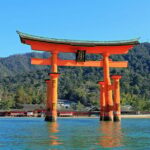
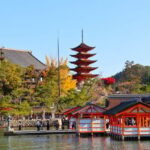
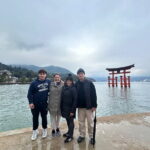
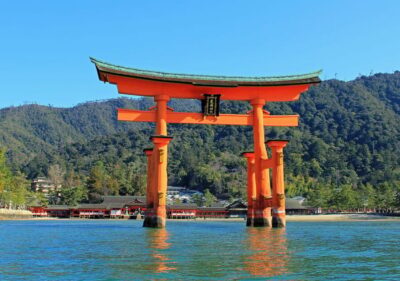
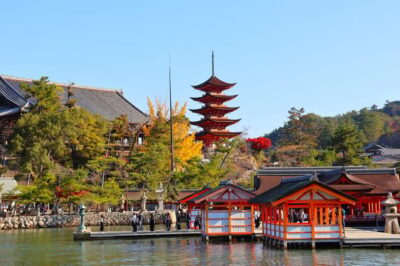
Itsukushima Shrine is the final major sight. Its red gate, appearing to float in the water, is one of Japan’s most familiar views. Conditions around the gate can change with the tide, so the scene may look different from one visit to another.
The scheduled shrine visit lasts about 45 minutes. That gives you time for photographs and a guided look, but you will not have endless time to wait for perfect light or wander every part of the complex. Admission tickets are not included, so budget separately for any required entry.
The gate is the visual highlight, but the shrine matters as a whole. Pay attention to the relationship between the buildings, the water, and the island setting. Your guide can help explain what you are seeing, which is valuable when your visit is short.
Afterward, you return by ferry and road to your chosen drop-off in Nara, Kyoto, Kobe, or Osaka. Expect to arrive tired. This is a productive day, not a relaxed evening excursion.
What your guide changes
A private driver-guide can shape the day in ways a fixed group tour cannot. You can ask questions as they arise, adjust the pace within reason, and get help finding lunch or deciding how to use your limited time on Miyajima.
The guide languages listed are English, Arabic, Japanese, and Hindi. The experience is also described as live guided, so you are not simply being transported between locations.
One recent family booking specifically praised driver Akash for helping throughout the day and guiding the group well. That is useful evidence of the kind of support this experience aims to provide, though your assigned driver may be different. Ask your guide early about the sites that matter most to you, especially if your family includes children or anyone who walks slowly.
Timing, tickets, and what to bring
The day involves walking at the memorial sites, Hiroshima Castle, Miyajima, and Itsukushima Shrine. Comfortable shoes are essential. You should also bring a camera, cash for lunch and snacks, and money for admission tickets and personal expenses.
Meals and drinks are not included. The okonomiyaki lunch is part of the planned experience, but you pay for it yourself. Ferry transport is included, while tickets for attractions are not listed as included, so keep your budget flexible.
The tour offers free cancellation up to 24 hours in advance and allows you to reserve now and pay later. Those terms help if your Kansai schedule is still shifting, but they do not make the long driving day any shorter.
Who should book this private Hiroshima tour?
I would recommend it most strongly to families and small groups of up to five who want Hiroshima and Miyajima in one day without handling the transport themselves. It also suits first-time visitors who want a broad introduction and prefer a guide to explain the memorial sites and local food.
The tour is less suitable if you want to spend several quiet hours at the Peace Memorial Museum, take a long walk on Miyajima, or explore Hiroshima at night. The itinerary is broad by design, so depth comes second to coverage.
It is also worth thinking about the emotional rhythm. You begin with sites connected to tragedy, then move to food, shopping, and an island shrine. Some people appreciate that balance. Others may want a full day focused on Hiroshima’s memorial sites before moving on.
Should you book it?
Book this tour if you value door-to-door convenience, want a private day for your group, and have limited time in Japan. The combination of Hiroshima’s memorial sites, local okonomiyaki, a ferry ride, and Miyajima’s shrine gives you a strong first look at the region.
Think twice if $903 feels high for your group size, or if you dislike long road days with fixed stops. For five people, the price can be reasonable for private transport and guiding. For one or two people, the cost is a serious consideration.
Before booking, confirm the pickup point, guide language, child seat needs, attraction ticket costs, lunch budget, and the amount of time your group wants at the museum. If those details fit, this is an efficient and personal way to reach Hiroshima from Kansai, with enough local flavor to keep the day from becoming a string of famous photographs.
FAQ
How long does the Hiroshima and Miyajima tour last?
The tour lasts 12 hours, including transportation, sightseeing, the ferry ride, lunch, and return travel.
Where can pickup and drop-off take place?
Pickup and drop-off are available in Kyoto, Nara, Osaka, or Kobe. Pickup from airports and cruise port terminals is not available.
Is the tour private?
Yes. It is offered as a private group experience for up to five people.
Is lunch included in the price?
No. Hiroshima-style okonomiyaki is planned for lunch, but meals and drinks are not included and must be paid for separately.
Are attraction tickets included?
No. Tickets are listed as not included, so you should budget separately for any required admissions.
What languages are available for the guide?
Live guiding is available in English, Arabic, Japanese, and Hindi.
Is the tour wheelchair accessible?
Yes, the activity is described as wheelchair accessible. The day also involves walking, so you should discuss specific mobility needs before booking.
Can I cancel the tour for a refund?
You can cancel up to 24 hours in advance for a full refund. The tour also offers a reserve-now, pay-later option.
More Private Tours in Hiroshima


More Hiroshima City Tours in Hiroshima
More Miyajima Tours in Hiroshima
More tours in Hiroshima we've reviewed


Miyajima Tours, compared.
 ★ 5.0Peaceful Hiroshima & Miyajima UNESCO 1 Day Bus TourFrom $129
 ★ 4.9Hiroshima: Hiroshima and Miyajima UNESCO Sites 1-Day TourFrom $1228 hours
 ★ 5.0Hiroshima / Miyajima Full-day Private Tour with Government Licensed GuideFrom $202
 ★ 4.7Osaka/Kyoto: Hiroshima Miyajima Bus Tour & Shinkansen TicketFrom $27712 hours
 ★ 4.7From Hiroshima: Hiroshima & Miyajima 1 Day Tour with LunchFrom $1168 hours
 ★ 5.0Hiroshima and Miyajima Day Trip with Itsukushima Shrine & FerryFrom $45
