Reviewed · ARCHERY & SAMURAI EXPERIENCES
Samurai Legacy: A Path of Discipline and Respect
The unusual heart of this Hiroshima activity is not swordplay. It is the chance to study Bushidō, the samurai code of discipline, respect, sincerity, and control, inside a preserved retirement mansion once used by a feudal lord. You learn why the movements matter before you practice them.
I like the careful setting and the small group limit of 10, which gives the instruction a personal feel. I also like that the tour includes armor fitting, museum admission, transport from Chiyoda Interchange, insurance, and photos in a place free of modern structures. The main drawback is the price, $127.10 per person, for a two-hour activity, and the booking is non-refundable except when the operator cancels for weather or insufficient numbers.
In This Review
- Key points
- Why Bushidō matters more than sword tricks
- Arriving at Sengoku no Niwa near Hiroshima
- The opening lesson: samurai life before samurai movement
- Fitting the replica armor
- Wooden sword practice with Jonah, Jayce, and Akira
- Exploring a place without modern buildings
- The photo session and what you actually receive
- Is $127.10 a fair price?
- Who will enjoy this most?
- Practical details before you reserve
- Should you book Samurai Legacy?
- FAQ
- Where does the activity start?
- Where does the activity end?
- How long does the experience last?
- What is the price?
- Are real swords used?
- Is armor provided?
- What does the lesson cover?
- Who provides the instruction?
- How many people can join?
- Is transportation included?
- Are meals included?
- Can I cancel for a refund?
Key points
- A preserved feudal setting: Sengoku no Niwa provides a period-style backdrop without modern buildings breaking the scene.
- Bushidō comes first: You learn about samurai values and daily life before handling a wooden practice sword.
- Replica armor included: The armor fitting gives the activity a strong visual and physical connection to its subject.
- Personal guidance: Jonah, Jayce, and Akira provide instruction and historical context, with a maximum of 10 participants.
- Safe sword practice: Real swords are not used. Training focuses on wooden weapons, posture, precision, and control.
- Transport is covered: The package includes transportation between Chiyoda Interchange and Sengoku no Niwa.
Why Bushidō matters more than sword tricks
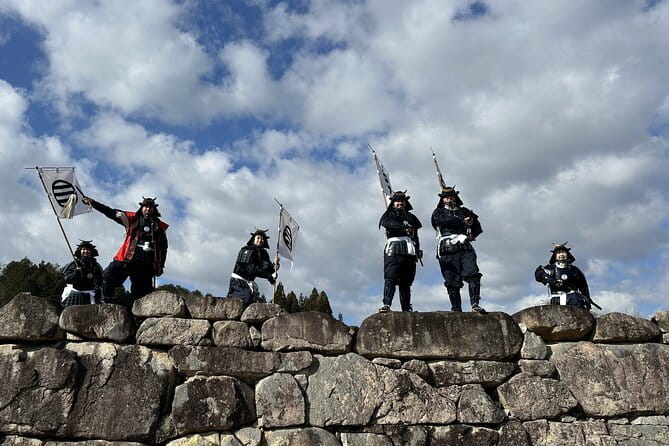
Many samurai-themed activities reduce the subject to costumes and dramatic poses. This one takes a more thoughtful route. You begin with Bushidō, the code associated with Japan’s warrior class, and look at the qualities behind the weapon: discipline, respect, sincerity, and focus.
That approach changes the mood. Instead of racing through a few theatrical cuts, you are asked to pay attention to posture and control. A wooden sword becomes a tool for learning restraint, not a prop for pretending to fight.
I find this especially useful if you want more than a quick photograph in costume. The activity gives the objects and movements a reason. You can still enjoy the visual side, but the lesson is tied to an idea of self-discipline that reaches beyond combat.
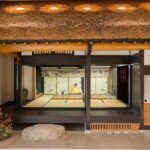
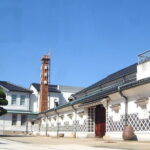
The historical setting helps. Sengoku no Niwa is described as the retirement mansion of a feudal lord, preserved without modern structures intruding on the view. That makes it easier to picture the world being discussed. The building is not just a neutral room where costumes happen to be available.
A few more Hiroshima tours and experiences worth a look

Arriving at Sengoku no Niwa near Hiroshima
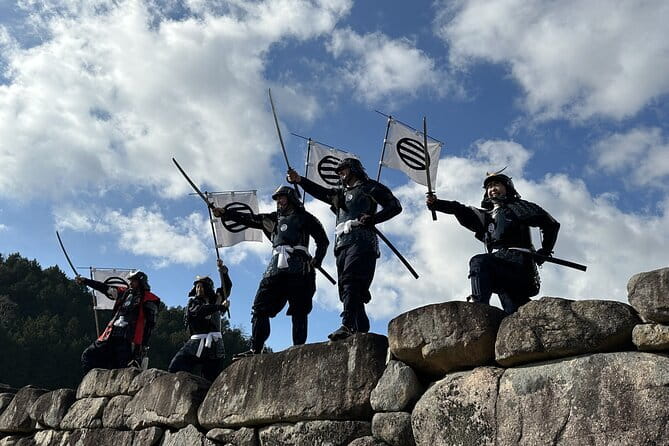
The meeting point is at Chiyoda Interchange in Arida, Kitahiroshima, Yamagata District, Hiroshima 731-1533. Transportation between the interchange and Sengoku no Niwa is included, which is useful because the activity does not simply begin at a central Hiroshima sightseeing spot.
You should allow time to reach the stated meeting point before the scheduled start. The supplied details identify the start and return point, but they do not give a separate pickup network around Hiroshima. For that reason, check the exact meeting instructions when you book and plan around Chiyoda Interchange rather than assuming a downtown hotel pickup.
The return to the meeting point is part of the arrangement. That keeps the transport plan simple, particularly if you are building the activity into a day outside the city center.
The site itself is a key part of the value. You are not only paying for a lesson with a wooden weapon. You are also paying for access to a preserved place where the clothing, movements, and photographs make better sense.
The opening lesson: samurai life before samurai movement
The first stage introduces the mansion and the ideas behind Bushidō. This matters because it gives you a frame for everything that follows.
You learn about the samurai way of life, along with the principles linked to the warrior tradition. The focus on respect and sincerity keeps the activity from becoming simple sword theater. It also gives the guide a chance to explain why calm attention and correct form matter.
The instruction is suited to beginners. Most people can participate, and the group is capped at 10. That does not guarantee a private lesson, but it should allow more room for questions and personal correction than a large class.
Three guides are named in the available tour information: Jonah, Jayce, and Akira. Their role includes the historical introduction and personalized instruction. One useful detail from the feedback is that the staff were described as friendly, and the activity was valued for teaching about the place and its people rather than focusing only on cutting with a katana.
That distinction is worth keeping in mind. If you arrive expecting a real blade or a serious martial arts class, this is not that. If you want a guided introduction to samurai culture with safe practice and a strong setting, the format fits much better.
Fitting the replica armor
After the introduction, you put on carefully made replica armor based on samurai attire. The armor is included in the price, so you do not need to arrange costume rental separately.
Armor changes your sense of the activity. It adds weight, shape, and ceremony to the lesson. Standing in it helps you understand that the samurai image was not simply a robe and a sword. Even replica pieces create a stronger physical link to the subject than a short talk alone.
The armor is also central to the photographs later in the session. You are not rushing to change clothes for the final pictures. The clothing is part of the experience from the point where you begin practicing through the time you explore the grounds.
The supplied details do not state the available armor sizes, so you should ask the operator about fit if that is important to you. They also do not give specific clothing instructions. Wear something that allows you to move comfortably under the armor, and avoid bringing unnecessary personal items.
Wooden sword practice with Jonah, Jayce, and Akira
The sword lesson uses wooden training swords. Real swords are not used, which is an important safety point and one of the clearest boundaries of the activity.
You receive instruction in basic movements, with attention to posture, precision, and control. That sounds simple, but it is the point. The lesson is not designed around speed or force. You are practicing the physical side of Bushidō by keeping your movements measured and your attention steady.
I like this choice of training weapon. A real blade would change the risk and likely shift the focus toward handling equipment. A wooden sword lets the guides concentrate on form and gives beginners a safer way to take part.
You should not expect a full course in Japanese swordsmanship within two hours. The information supports a short introduction, not advanced certification or extensive combat training. The value is in the combination of explanation, practice, and setting.
The pace should also suit people who are curious but not athletic. Most participants can take part, and the activity is centered on basic movements. Still, you will need to follow directions and remain comfortable standing and moving while wearing armor.

Exploring a place without modern buildings
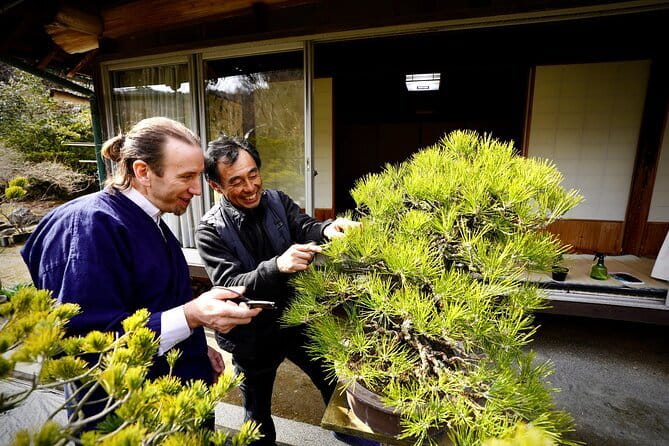
Once you have learned the basic movements, you have time to explore the site. The preserved appearance of Sengoku no Niwa is one of the strongest reasons to choose this activity over a generic costume studio.
Modern buildings can flatten a historical scene. Here, the setting is intended to evoke feudal Japan, and the absence of modern structures gives your photographs a cleaner sense of time and place. You can look around with the costume and practice session still fresh in your mind.
The setting also gives the guide’s historical explanation more weight. A description of a feudal lord’s retirement mansion is easier to grasp when you can see the type of environment associated with it.
Do not expect a large sightseeing circuit. The tour lasts about two hours, and its focus remains on Bushidō, armor, wooden-sword instruction, and photography. The site is valuable because it supports those parts of the activity, not because it replaces a full day of sightseeing in Hiroshima.
The photo session and what you actually receive
The experience concludes with a photo session in armor around the site. The information promises striking images in the preserved setting, but it does not specify whether a professional photographer takes the photos, how many images you receive, or whether digital files are included.
That detail is worth checking before booking if the photos are your main reason for going. You should know exactly what the operator means by a photo session. You may be able to use your own phone or camera, but the supplied information does not confirm the arrangement.
Even with that uncertainty, the photo element has clear value. The mansion, the replica armor, and the wooden sword create a much stronger picture than a costume against a plain wall. The lack of modern structures should help keep the images focused on the period setting.
I would treat the photos as part of the activity rather than the sole product. The best reason to book is the complete sequence: learn the code, dress for the part, practice the movements, then use the setting for pictures.
Is $127.10 a fair price?
At $127.10 per person, this is not a casual add-on for an hour of entertainment. The tour lasts about two hours, so the headline price may look high when measured only by time.
The package includes several costs that would otherwise be separate: armor fitting and use of swords, museum admission, guide fees, transportation between Chiyoda Interchange and Sengoku no Niwa, insurance, and all taxes and fees. That makes the price easier to understand, especially if you value the historical site and personal instruction.
The small maximum group of 10 is another part of the equation. You are not paying for a huge stage show. You are paying for a limited-group lesson with named guides, equipment, transport, and access to a preserved location.
Still, the price will not suit everyone. If you mainly want to wear armor for a few minutes, a shorter photo activity could offer better value. If you care about the story behind the samurai image and want guided practice in a period setting, the cost is more defensible.
Meals, drinks, personal expenses, and any activities not listed are extra. Plan this as a focused cultural activity, not as a package that covers your full day.
Who will enjoy this most?
I would recommend the experience to adults and families who want a hands-on introduction to Japanese warrior culture without using real weapons. It should also appeal to photographers, history fans, and anyone who prefers a small group to a large scripted attraction.
The activity is a good match for you if:
- You want context before taking costume photos.
- You are interested in Bushidō as a philosophy, not only samurai battles.
- You value a preserved setting with few modern visual distractions.
- You are comfortable following instructions during basic movement practice.
- You want transport included from the stated meeting point.
- You enjoy a compact activity that fits into a larger Hiroshima itinerary.
It may be a poor match if you need a central Hiroshima pickup, want to handle a real katana, or expect advanced sword training. The tour specifically uses wooden practice weapons, and the session lasts only about two hours.
The activity is also less suitable for anyone seeking a meal or a full-day historical tour. Neither is included.
Practical details before you reserve
Confirmation is provided at the time of booking, and mobile tickets are available. Group discounts may also be offered, so check the price for your party before paying.
The maximum group size is 10. That is small enough to support personal instruction, though the exact number in your session will depend on bookings.
The activity requires good weather. If poor weather forces cancellation, you are offered another date or a full refund. It also requires a minimum number of participants, and if that number is not reached, you are offered another date or experience, or a full refund.
Your own cancellation terms are strict. The booking is non-refundable and cannot be changed for any reason if you cancel or request an amendment. This makes travel planning important. Do not reserve until you are confident about your schedule.
Insurance and all taxes are included. Food, beverages, personal purchases, and unlisted activities are not.
Should you book Samurai Legacy?
Book this experience if you want the samurai story explained through values, clothing, movement, and place. The best parts are the preserved feudal mansion, the Bushidō introduction, the replica armor, and the safe wooden-sword lesson with a small group.
Think twice if the $127.10 cost feels high for two hours, if you need flexible cancellation, or if your main goal is real-blade sword work. This is a cultural introduction with photography, not a martial arts course.
For the right person, the format has real purpose. You do not simply pose as a samurai. You learn why discipline and respect matter, then use the armor and setting to make those ideas visible.
FAQ
Where does the activity start?
It starts at Chiyoda Interchange in Arida, Kitahiroshima, Yamagata District, Hiroshima 731-1533, Japan.
Where does the activity end?
The activity ends back at the meeting point.
How long does the experience last?
It lasts approximately two hours.
What is the price?
The listed price is $127.10 per person.
Are real swords used?
No. The training uses wooden practice swords, and real swords are not used.
Is armor provided?
Yes. Armor fitting and the use of replica armor are included.
What does the lesson cover?
The lesson introduces Bushidō and the samurai way of life, then teaches basic sword movements with attention to posture, precision, and control.
Who provides the instruction?
The named guides are Jonah, Jayce, and Akira. The package includes guide fees and personalized instruction.
How many people can join?
The activity has a maximum of 10 participants.
Is transportation included?
Yes. Transportation between Chiyoda Interchange and Sengoku no Niwa is included.
Are meals included?
No. Meals and beverages are not included.
Can I cancel for a refund?
The experience is non-refundable and cannot be changed for any reason. If the operator cancels because of poor weather or because the minimum number of participants is not met, you are offered another date or experience, or a full refund.