
Reviewed · MIYAJIMA TOURS
Hiroshima & Miyajima: Private Full-Day Tour with a Local Guide
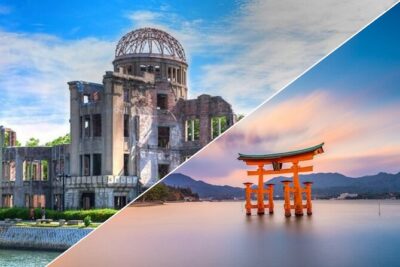
Hiroshima’s hardest stories and Miyajima’s graceful island setting make an unusually powerful pair. With local guide Alex, you move from the A-Bomb Dome and Peace Memorial Park to the floating torii gate, then step away from the main crowds for temple visits, forest walks, cafés, and broad sea views.
I like the private, adjustable format, especially for families or anyone who wants more time with difficult history. I also like Alex’s personal connection to a bombing survivor and his habit of adding lesser-known stories, including the experience of conscripted Koreans and Hiroshima’s long rebuilding.
The main drawback is the distance between the two places. Hiroshima and Miyajima take about an hour each way by local train and ferry, and transport, lunch, and entry fees are extra. You cover a lot in eight hours, so this is a full day rather than a leisurely island holiday.
In This Review
- Key points to know before booking
- Why this Hiroshima and Miyajima pairing works
- Peace Memorial Park: history with human scale
- One hour inside the Peace Memorial Museum
- The journey to Miyajima
- Miyajima lunch and the island’s main streets
- Itsukushima Shrine and the floating torii gate
- The quieter Miyajima: Daishoin, cafés, and sea views
- What Alex adds to the day
- Is $145.31 per person good value?
- Who should book this tour?
- My verdict: book it for context and flexibility
- FAQ
- How long does the tour last?
- Is the tour private?
- Does the tour include hotel pickup?
- Is transportation included?
- Are meals included?
- How much are the entrance fees?
- Can I cancel for a full refund?
Key points to know before booking
- Local guide Alex leads the day: His English, historical background, and easy manner are central to the experience.
- Two major sights in one day: You visit Hiroshima’s Peace Memorial Park and Museum, then continue to Miyajima and Itsukushima Shrine.
- A genuinely private tour: Only your group takes part, with room to adjust the pace, route, and amount of time spent at each stop.
- A quieter side of Miyajima: The plan can include Daishoin Temple, forest paths, cafés, and an off-the-main-route viewpoint with sea views.
- Tide timing can change the order: If the torii gate is best seen at high tide early in the day, Miyajima may come first.
- Budget for extras: The listed price is $145.31 per person, but lunch, transport, and museum and shrine admission are not included.
Why this Hiroshima and Miyajima pairing works
Hiroshima and Miyajima offer very different moods, and that contrast gives the day its shape. Hiroshima asks you to slow down and think about war, civilian suffering, memory, and rebuilding. Miyajima offers open water, wooded slopes, shrine architecture, local food, and a more relaxed pace.
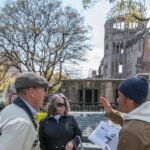
You are not simply checking two famous places off a list. The guide helps connect them to the people who live here and to the way Hiroshima presents its past today. Alex’s storytelling is especially useful at Peace Memorial Park, where a guide can help you notice memorials and names that are easy to pass without context.
The private setup matters. A large group must follow the same pace and hear the same amount of explanation. Here, you can ask about politics, family stories, religion, reconstruction, or local customs as they come up. Families can adjust the day for children, and a group with different walking speeds can discuss changes with Alex.
The tour lasts about eight hours, with operating times listed from 8:00 AM to 7:30 PM. Pickup from your accommodation or an agreed meeting point is offered on request. Since the tour ends back at the meeting point, confirm the exact start and finish arrangements before setting another appointment.
A few more Hiroshima tours and experiences worth a look
Peace Memorial Park: history with human scale
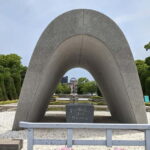
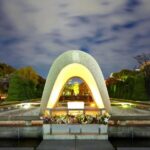
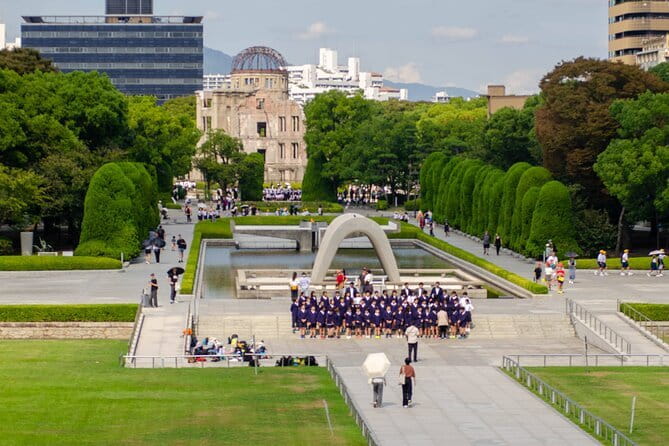
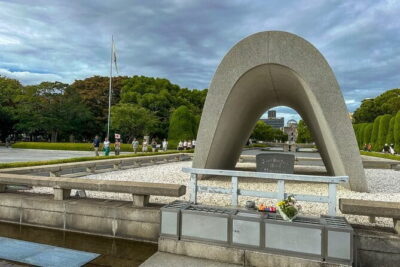
The day normally begins at Hiroshima Peace Memorial Park. A guided walk takes about an hour and includes the A-Bomb Dome and nearby memorials. Admission to the park itself is not listed as an extra cost, but the museum has its own fee.
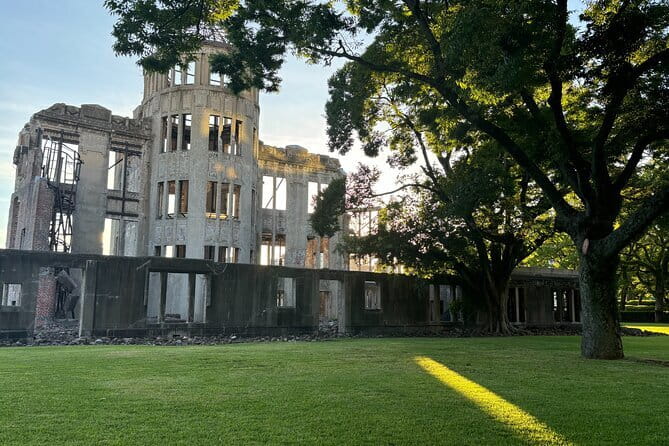
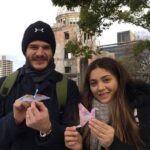
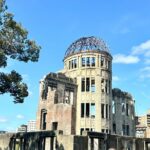
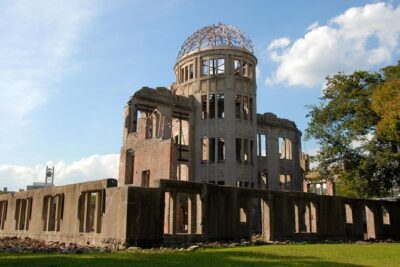
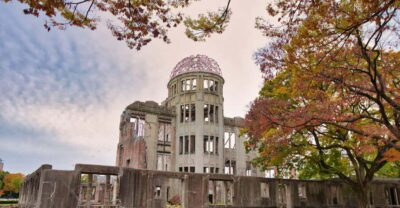
The A-Bomb Dome is one of Hiroshima’s most recognizable sights, yet a quick photograph tells you very little. Its damaged structure helps you understand the blast’s force and the city’s choice to preserve a ruin rather than erase every trace of destruction. Alex adds personal stories that make the site less abstract.
This part of the tour can be emotionally demanding. You may hear about individuals affected by the bombing, as well as the 40,000 conscripted Koreans who were in Hiroshima at the time. That wider frame matters because the bombing was not experienced by one community alone.
I appreciate that the tour also gives space to reconstruction. Hiroshima is not frozen in August 1945. The city’s recovery is a major part of its story, and it helps explain the modern streets, parks, and civic message you see today.
Busy dates can affect the mood. On a crowded day, you may have less quiet time around the memorials, and anniversaries or special events can draw large numbers of people. Alex can still provide context, but you should not expect complete silence at every stop.
One hour inside the Peace Memorial Museum
The museum visit lasts about an hour. You can explore with Alex or independently, depending on how much guidance you want and how your group handles the subject.
An hour is enough for a focused visit, but not enough to study every display. If you want to read every panel, pause over every object, or spend a long time with the personal accounts, you may need more time than this schedule allows. Tell Alex early if the museum is your main priority.
A guide can be helpful before and after the museum. You may want basic historical framing before entering, then quiet time inside, followed by questions outside. The private format makes that possible.
The museum fee is listed as ¥200 per person and is not included. Carry enough Japanese yen or confirm the current payment arrangements when booking, since admission charges can change. The tour description does not include lunch or any transport costs either, so the listed price should not be treated as the full day’s spend.
The journey to Miyajima
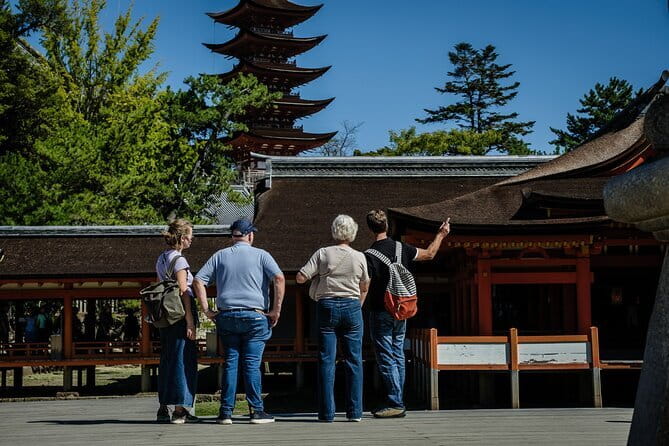
The trip from Hiroshima to Miyajima takes around one hour each way, including the ferry. The route uses local train and ferry, or another suitable form of transport depending on the day.
That travel time is the largest practical consideration. You spend roughly two hours moving between Hiroshima and the island, but the journey also helps divide the day into two clear sections. It is a chance to rest, ask follow-up questions, and shift from the serious tone of Peace Park to Miyajima’s island setting.
Transportation is not included in the price. Since the tour is private, Alex can help with the day’s route, but you should budget separately for the train, ferry, and any other agreed transport. Pickup can save you the trouble of finding the first meeting point, though it does not remove the travel time.
If you use a wheelchair or have limited mobility, discuss the details before booking. One group had a wheelchair user, and Alex arranged a rented car so the group could continue with the day. That is encouraging, but it should not be read as a standard inclusion or a guarantee for every date. Ask what vehicle, route, and access plan are possible for your needs.
Miyajima lunch and the island’s main streets
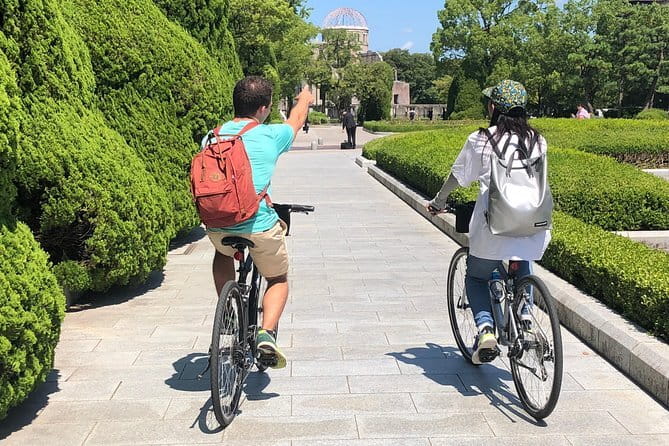
Miyajima is scheduled for about an hour around lunch, with local Hiroshima food such as okonomiyaki. Vegetarian and gluten-free choices are available, but lunch itself is not included.
Okonomiyaki is a useful local choice because it is filling and tied to Hiroshima’s food culture. Tell Alex about dietary needs in advance so the meal stop can fit your group. The one-hour slot gives you time to eat, but it is not designed for a long restaurant break.
The island’s main streets can be busy, particularly near the ferry arrival area and Itsukushima Shrine. Alex’s familiarity with the area helps you move through the crowds and find better places for photographs. Still, Miyajima is a popular destination, so do not expect every view to be quiet.
The best part of the private format is that lunch does not have to feel like a rigid group stop. Depending on timing and your interests, the day can favor food, photography, history, or a slower walk.
A few more Hiroshima tours and experiences worth a look

Itsukushima Shrine and the floating torii gate
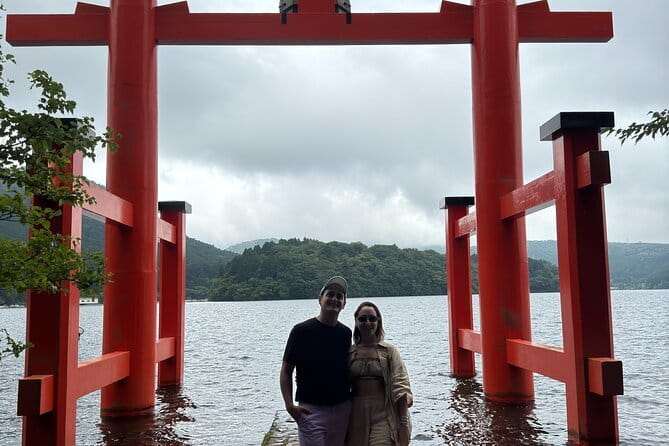
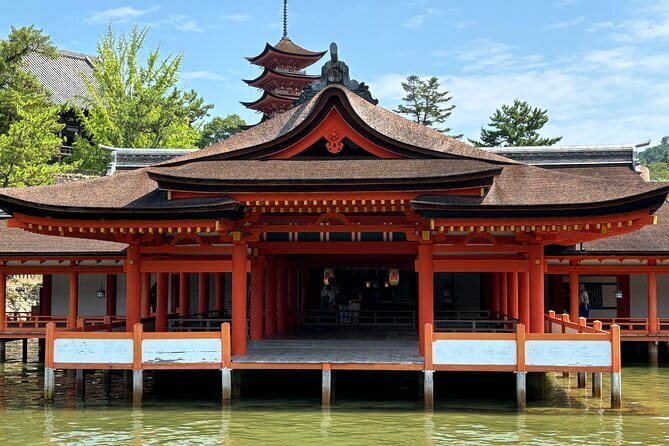
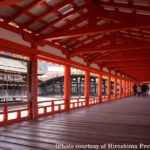
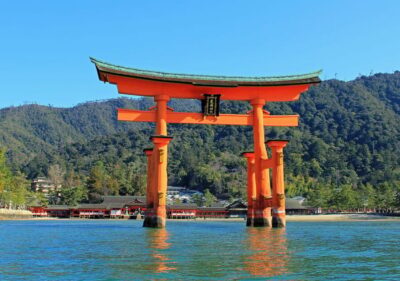
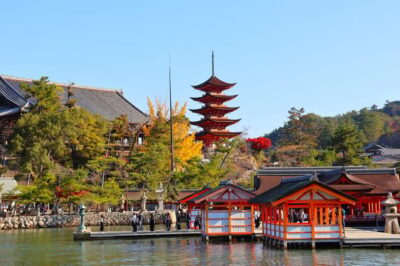
Itsukushima Shrine and its torii gate are the visual center of Miyajima. The shrine’s position over the water gives the island its famous appearance, but the tide controls how that view looks.
At high tide, the torii appears to float offshore. At lower tide, you may be able to see the ground around it more clearly. The schedule notes that the tour may begin on Miyajima if the tide makes an early visit worthwhile, so the order of the day is not fixed.
This is a smart adjustment. A private tour should respond to the conditions that matter most, and the tide matters here. If the torii is your main reason for visiting, check the day’s tide information and discuss your priorities with Alex before you start.
Itsukushima Shrine admission costs ¥300 per person and is not included. The shrine visit is listed at about an hour, including time around the torii and nearby streets. Photography is easy to build into the route, but the most famous angles may be busy.
The quieter Miyajima: Daishoin, cafés, and sea views
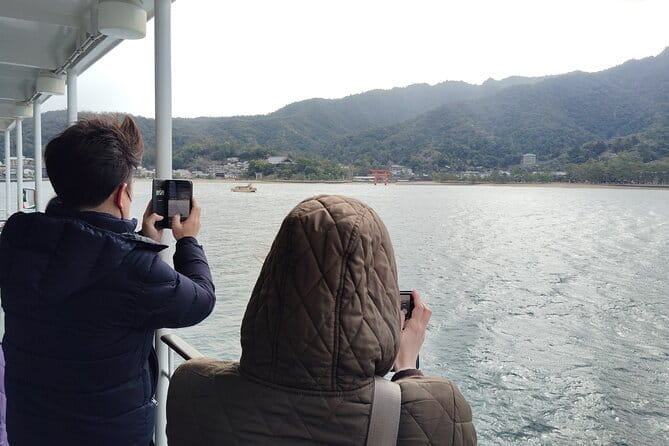
After the main shrine area, you can choose a calmer side of the island. Options include a quiet walk, a café stop, Daishoin Temple, and time simply enjoying the island atmosphere.
Daishoin gives the day a different religious and visual focus from Itsukushima Shrine. The tour can also include a forest walk and a garden café, based on the planned options and the way Alex has adjusted days for previous groups.
The off-the-beaten-path viewpoint is a major reason to choose this tour instead of a basic highlights route. You get broad sea views without spending the whole Miyajima visit in the busiest streets. The exact viewpoint is not specified, so ask Alex what is suitable for the day’s weather, tide, and walking conditions.
This final section is where the day can become personal. Families may want a slower café stop. History-focused visitors may prefer temple stories. Photographers may want more time near the water and viewpoints. You can also use this time for souvenir shopping, as long as you keep an eye on the ferry schedule.
What Alex adds to the day
The strongest part of this experience is not the route itself. Hiroshima Peace Memorial Park, the museum, Miyajima, and Itsukushima Shrine are all established sights. The added value comes from how a local guide links them and responds to your questions.
Alex is described as having a personal connection to a bombing survivor, which gives his presentation a human focus without turning the visit into a generic lecture. He also brings in subjects that are easy to miss, such as the experiences of conscripted Koreans, local politics, reconstruction, and Japanese cultural ideas.
His role is practical as well as historical. He can help your group get through ferry crowds, find photo spots, adjust the order of stops, and change plans for comfort. The day has been adapted for children, families, different walking needs, and changing interests.
That flexibility works best when you speak up. If you want a quiet museum visit, more temple time, a particular food stop, or fewer crowded areas, say so. The tour includes a customizable itinerary, but customization depends on clear communication.
Is $145.31 per person good value?
At $145.31 per person, the price is fair for a private eight-hour tour with an English-speaking local guide, pickup offered on request, and a route covering both Hiroshima and Miyajima. You are paying for personal attention and planning help, not for a bundle of tickets or meals.
The value improves with a larger group because the guide fee is spread among your party, and group discounts are available. A private tour also saves you from organizing the train, ferry, museum timing, shrine visit, lunch, and island route on your own.
The extra costs are clear:
- Lunch is not included.
- Train, ferry, and other transportation are not included.
- Itsukushima Shrine admission is ¥300 per person.
- Peace Memorial Museum admission is ¥200 per person.
For a solo visitor, the cost is harder to justify if you are comfortable planning public transport and reading the sites independently. For a family, older couple, or small group with limited time, the convenience and flexible pacing can make the price worthwhile.
The tour is often booked well ahead, with an average lead time of 108 days. That suggests you should reserve early if your Hiroshima date is fixed, especially during busy travel periods.
Who should book this tour?
I would choose this tour if you want Hiroshima’s difficult history explained with care, but also want to see Miyajima in the same day. It is a strong fit for first-time visitors, families, small private groups, and anyone who prefers questions and conversation over a fixed script.
It also suits you if you want more than the standard route. The quiet viewpoint, Daishoin Temple, café option, forest walk, and local food stop give Alex room to shape the island visit around your interests.
You may prefer separate visits if the Peace Memorial Museum is your main reason for coming. One hour inside the museum can feel short, especially if you want to read everything. A separate Miyajima day also gives you more time for the island and reduces the pressure of the return journey.
The tour is available for most people, and service animals are allowed. Still, the day involves local transport, a ferry, walking, crowds, and a full schedule. Share mobility needs in advance, and ask about the route if your group needs a car or a slower pace.
My verdict: book it for context and flexibility
Book this tour if you want the main Hiroshima and Miyajima sights tied together by a local guide who can explain the human stories behind them. Alex’s personal connection, strong historical focus, ferry and photo know-how, and willingness to adjust the day are the best reasons to choose it.
Skip it if you want a cheap, self-guided day or if you plan to spend several hours reading the museum at your own pace. For most small groups with only one day in the area, the private format offers a useful balance: serious time in Hiroshima, beautiful scenery on Miyajima, and enough flexibility to make the day fit you.
FAQ
How long does the tour last?
The tour lasts approximately eight hours. The listed operating hours are 8:00 AM to 7:30 PM, Monday through Sunday, during the stated operating period.
Is the tour private?
Yes. Only your group participates in the activity.
Does the tour include hotel pickup?
Pickup from your accommodation or an agreed meeting point is included as an option. Confirm the exact pickup details when booking.
Is transportation included?
No. Transportation is not included. The trip between Hiroshima and Miyajima uses local train and ferry, or another suitable option depending on the day, and takes around one hour each way including the ferry.
Are meals included?
No. Lunch is not included. The planned meal can feature Hiroshima-style okonomiyaki, with vegetarian and gluten-free options available.
How much are the entrance fees?
Itsukushima Shrine costs ¥300 per person, and the Peace Memorial Museum costs ¥200 per person. These admission fees are not included in the tour price.
Can I cancel for a full refund?
Yes, if you cancel at least 24 hours before the experience start time. Cancellations or changes made less than 24 hours before the start time are not accepted for a refund.
More Guided Tours in Hiroshima

More Hiroshima City Tours in Hiroshima
More Miyajima Tours in Hiroshima
More tours in Hiroshima we've reviewed


Miyajima Tours, compared.
 ★ 5.0Peaceful Hiroshima & Miyajima UNESCO 1 Day Bus TourFrom $129
 ★ 4.9Hiroshima: Hiroshima and Miyajima UNESCO Sites 1-Day TourFrom $1228 hours
 ★ 5.0Hiroshima / Miyajima Full-day Private Tour with Government Licensed GuideFrom $202
 ★ 4.7Osaka/Kyoto: Hiroshima Miyajima Bus Tour & Shinkansen TicketFrom $27712 hours
 ★ 4.7From Hiroshima: Hiroshima & Miyajima 1 Day Tour with LunchFrom $1168 hours
 ★ 5.0Hiroshima and Miyajima Day Trip with Itsukushima Shrine & FerryFrom $45
