Reviewed · ARCHERY & SAMURAI EXPERIENCES
Hiroshima: Traditional Japanese Archery Experience
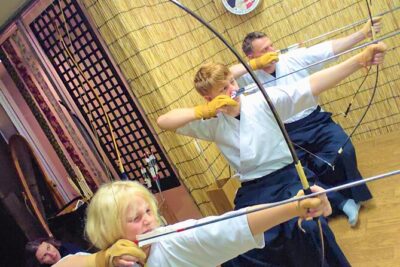
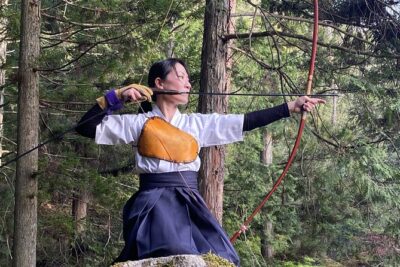
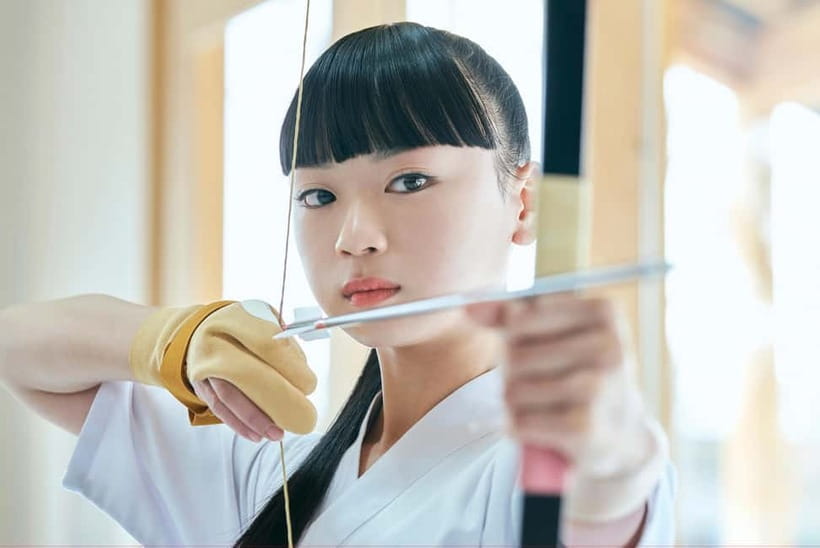
Kyudo is not simply Japanese archery with unusual equipment. Every movement has a purpose, from preparing the bow to releasing the arrow. You dress in dogi and hakama, follow a set routine, and learn why patience and control matter as much as strength.
I like the way this keeps beginners involved: you do not have to spend the whole hour watching someone else before touching a bow. I also like the small groups of up to four, which give instructors time to correct your stance and shooting motion. The main drawback is the short session. With changing, photos, and closing time included, you have about 45 minutes for practice and target shooting.
In This Review
- Key points at a glance
- Why kyudo feels different from Western archery
- Dressing in dogi and hakama at Hiroshima Castle SHARAKU
- The first lesson: precise movements and patient corrections
- Your first arrows and the thrill of the target
- What the instructors add to the hour
- Location and timing in a Hiroshima sightseeing day
- Is $41 a fair price for one hour?
- Comfort, safety, and what to wear
- Who should book this Hiroshima activity?
- Should you book the Hiroshima kyudo experience?
- FAQ
- Where does the kyudo experience meet?
- How far is the activity from the Atomic Bomb Dome?
- How long does the experience last?
- Do I need previous archery experience?
- What clothing is provided?
- What should I wear underneath the provided clothing?
- Is the instruction in English?
- How many people are in each group?
- Can I cancel for a refund?
Key points at a glance
- Traditional dress included: Put on a dogi upper garment and hakama lower garment before handling the bow.
- Real target shooting for beginners: You can shoot arrows during this session, even though formal kyudo training usually delays that step.
- A short walk from central Hiroshima: The meeting point is about 15 minutes from the Atomic Bomb Dome, at Hiroshima Castle Sannomaru.
- Tiny groups, close instruction: The group is limited to four people, and some sessions have two instructors helping.
- Expect technique, not casual amusement: The movements are exact, and hitting the target takes practice.
- Good value at $41: The fee covers traditional clothing, equipment, instruction, and a full hour of activity.
Why kyudo feels different from Western archery
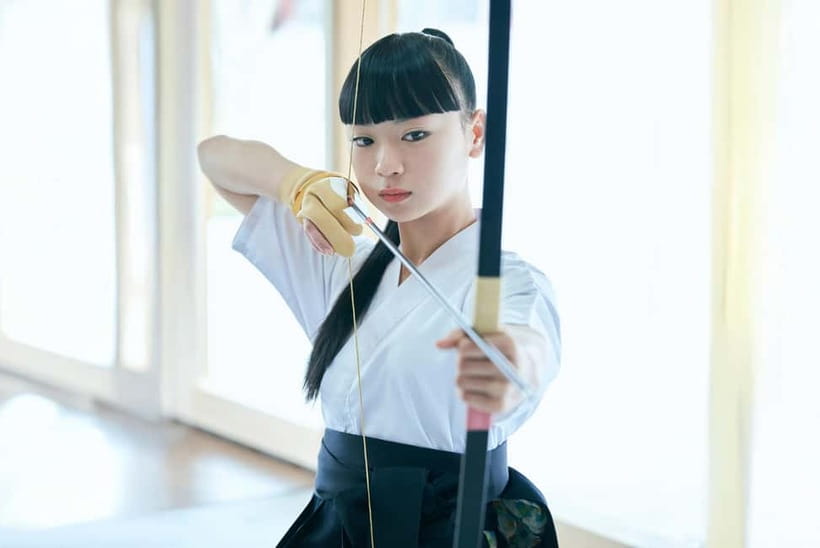
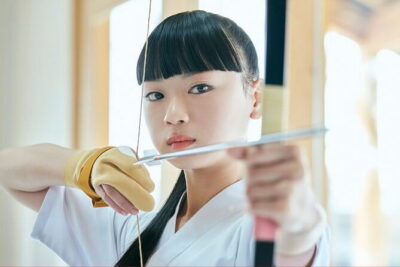
If you have tried Western archery, leave your old expectations at the door. Kyudo uses a Japanese bow, but the key difference is not just the shape of the equipment. It is the formal sequence of movements and the calm attention demanded at every stage.
You learn to respect the bow, arrows, target, and other people in the room. The process matters as much as the result. In practical terms, that means you will not simply pick up a bow, pull the string, and fire as quickly as possible.
The instructor explains each movement and demonstrates the correct way to prepare, load, draw, and release. Reviews describe the instructions as patient and detailed, with some participants saying that the many steps soon became routine. That is the appeal: the activity begins as a puzzle, then slowly becomes a flowing sequence.
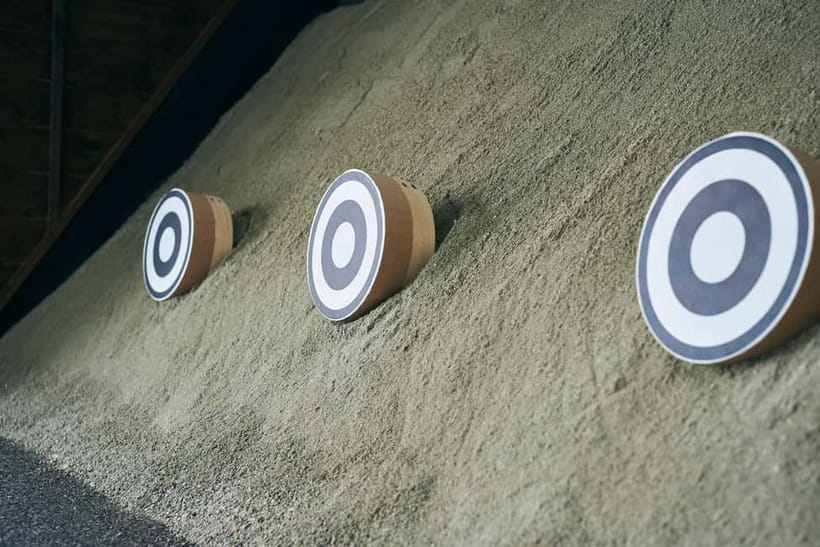
You should also expect kyudo to be harder than the close target may suggest. The target used here is smaller in scale than the distance and setup found in professional kyudo, but it is still not an easy mark. One participant found that even the closer target demanded real concentration.
A few more Hiroshima tours and experiences worth a look

Dressing in dogi and hakama at Hiroshima Castle SHARAKU
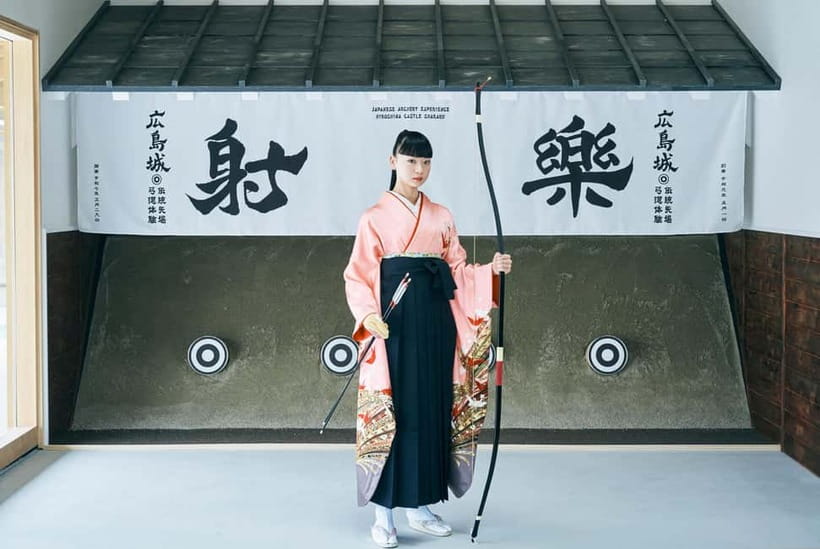
The activity begins at Hiroshima Castle SHARAKU, a shop in a shopping mall at Hiroshima Castle Sannomaru. Be sure to look for the shop name rather than relying only on a broad map pin. The meeting point is not described as a separate outdoor range, so allow a little time to locate the store.
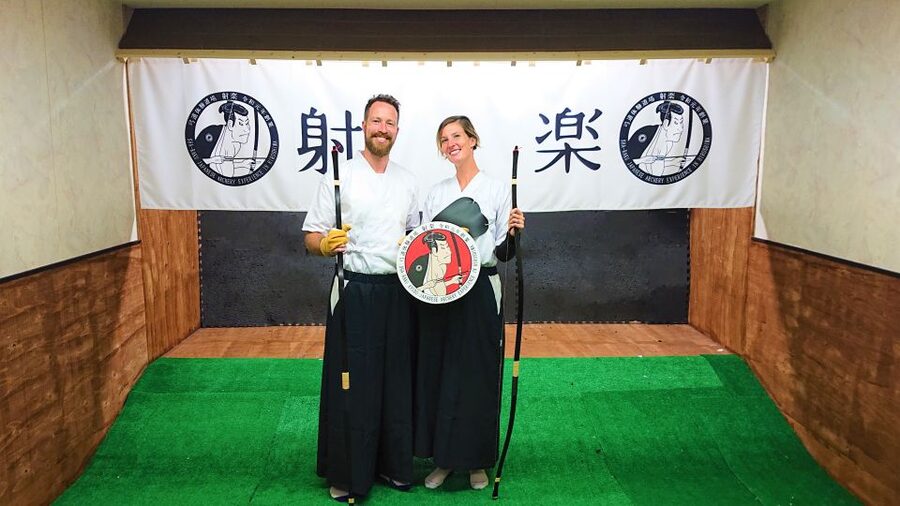
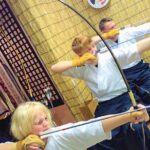
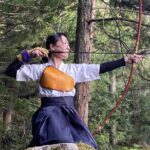
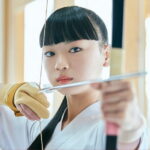
You change into traditional kyudo clothing before the instruction begins. The outfit includes dogi upper-wear and hakama lower-wear. Armor is also part of the traditional presentation, giving you a better sense of how kyudo looks and feels as a formal Japanese martial art.
This is more than a costume photo stop. Hakama changes how you move, especially when you are trying to set your feet, hold your posture, and complete a careful shooting routine. Several participants found the clothing an enjoyable part of the activity, while the practical effect is worth noting: you may feel less free-moving than you would in ordinary sportswear.
Wear pants rather than a skirt or shorts. The activity is not recommended for people with limited mobility, and the clothing and repeated movements may be uncomfortable if standing, adjusting your stance, or moving carefully is difficult.
The changing period, closing, and photos take about 15 minutes of the one-hour booking. That leaves roughly 45 minutes for the actual lesson and shooting. You get the full traditional presentation, but you should not expect an afternoon-long training session.
The first lesson: precise movements and patient corrections
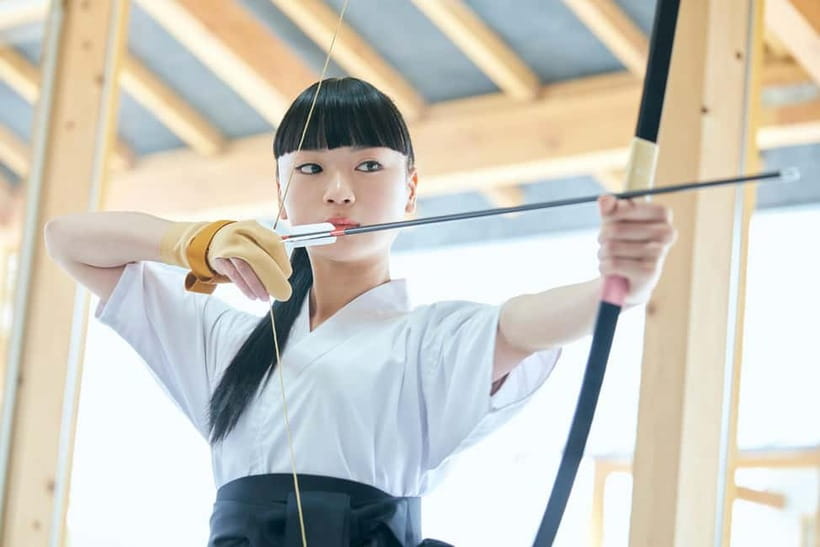
After changing, you receive a short introduction to kyudo. The instructor explains the purpose of the art and shows how the equipment is handled. The teaching is described as English-led, though communication may also rely on a translation app.
This language point is worth handling honestly. Some instructors speak enough English to give clear basic directions, while others use a phone translation app for more detailed explanations. Participants generally found that the app worked well enough to follow the steps, and several praised the instructors for their patience despite the language gap.
You will learn the exact order of the shooting process. The instructor pays attention to your hand position, stance, posture, and release. That level of detail can feel intense at first, especially if you came expecting a quick activity with a few casual shots.
I think this is where the small group size earns its keep. With no more than four people, the instructor can watch each person instead of delivering one general speech and moving on. Some sessions have included two instructors, creating nearly one-on-one help when the group is small.
The session is suitable for complete beginners. You do not need previous archery experience, and families with children and adults have taken part together. Still, beginner-friendly does not mean effortless. The sport asks you to remember several rules while keeping your body steady.
Your first arrows and the thrill of the target
In formal kyudo, beginners normally practice the basic motions before they are allowed to draw and shoot a real arrow. This activity shortens that path so you can enjoy target shooting during your first visit.
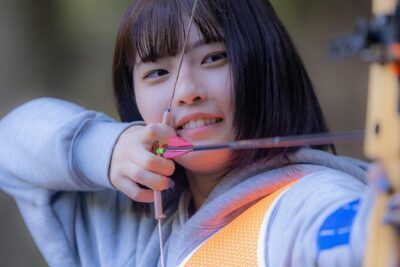
That choice makes the session more satisfying for a tourist. You learn the foundations, then quickly see how those foundations work when an arrow is in your hands. You may shoot many arrows during the practice period, depending on the pace of your group.
The first attempts can feel awkward. You are managing the bow, the arrow, the clothing, the sequence of movements, and the need to stay calm. It is perfectly possible to miss repeatedly before the process begins to click.
When an arrow reaches the target, the moment feels earned. The target is said to bring good luck and help make wishes come true when hit, even at this smaller practice range. That belief adds a nice bit of Japanese character without turning the activity into a staged performance.
Some groups finish with a small contest, such as seeing who can place the most arrows on target. This works best when everyone understands that the competition is lighthearted. It gives families and friends a goal, but the real reward is learning a new shooting style.
If you are visiting with teenage children, this can be a particularly good choice. The clothing, rules, and challenge provide more substance than a simple photo activity. Parents can take part rather than merely watch, and the instructors have been praised for adapting to both adults and children.
What the instructors add to the hour
The strongest part of this activity is the teaching. Participants repeatedly describe the instructors as friendly, patient, and careful with beginners. That matters because kyudo can feel technical before it becomes enjoyable.
Some instructors also add background about Japanese archery, samurai, and different types of bows. The amount of history may vary by session and language, so do not book this expecting a full lecture on battlefield archers or the development of kyudo.
If historical context is important to you, ask questions when there is time. One instructor named in participant feedback is Kenji-san, who was praised for explaining the shooting process and adding information about samurai. Other sessions have used translation on a phone, with participants still able to follow the lesson.
The tone appears friendly rather than solemn. You are expected to respect the routine, but the activity can include humor and a small contest. That balance makes it easier for first-timers to relax without treating the art carelessly.
The main limitation is that the hour may leave you wanting more. Several people said they could have continued all day, and one wished the session lasted an afternoon. That is a compliment to the activity, but it also tells you what this booking is: an introduction, not a full kyudo course.
A few more Hiroshima tours and experiences worth a look
Location and timing in a Hiroshima sightseeing day
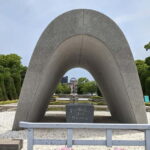
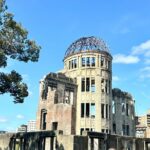
The meeting point is about a 15-minute walk from the Atomic Bomb Dome. That makes this easy to pair with central Hiroshima sightseeing, though you should check the exact starting time and leave enough room to find Hiroshima Castle Sannomaru.
A one-hour booking fits neatly before or after major sights. You can spend the morning around the Peace Memorial Park and Atomic Bomb Dome, then walk to the castle area for kyudo. Or schedule the archery first and continue sightseeing afterward.
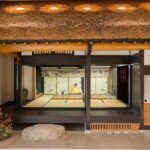
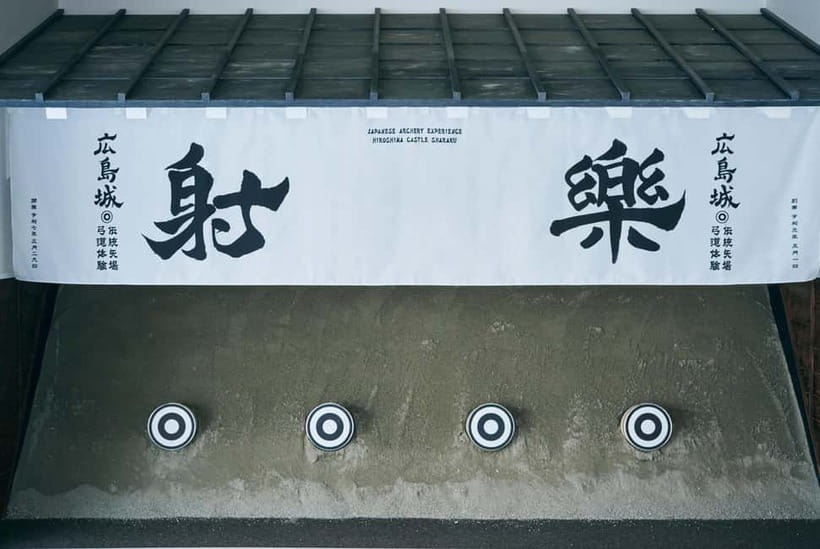
The activity takes place at a mini-sized kyudo ground, so do not expect a large professional range. The smaller setting is useful for a short lesson because the instructor can keep the group close and focused.
The activity is listed as wheelchair accessible, but the separate guidance says it is not recommended for people with limited mobility. Treat the mobility warning seriously. Kyudo involves changing clothes, standing, adopting a set stance, and following repeated physical movements. If you have access needs, contact the provider before booking rather than assuming the general accessibility label tells the whole story.
Is $41 a fair price for one hour?
At $41 per person, this is a fair price for a focused cultural activity in central Hiroshima. The fee includes the traditional tools and costumes, the instructor, and approximately 45 minutes of practice and target shooting.
You are paying for more than arrow time. The clothing, formal routine, demonstrations, corrections, and chance to shoot as a complete beginner are what make the price reasonable. A cheaper casual archery session would not necessarily provide the same traditional setting or clothing.
The value is strongest if you want something active and distinctly Japanese. It is also good for a family or small group because everyone can participate and the friendly contest gives the hour a clear finish.
The value is weaker if you want a long lesson or serious technical training. Fifteen minutes goes to changing, closing, and photos, leaving less than an hour for instruction and shooting. If your main goal is to study kyudo in depth, you will need a longer or more formal course.
Free cancellation up to 24 hours before the start and a reserve-now, pay-later option make it easier to fit into a changing Hiroshima schedule. Food, drinks, and hotel transportation are not included, but neither is needed for such a short central activity.
Comfort, safety, and what to wear
Choose trousers and a comfortable top under the provided clothing. Skirts and shorts are not recommended, and the hakama may make movement less familiar than you expect.
There is also a specific safety warning: in rare cases, the bowstring can strike the arms or wrists and cause swelling. Listen closely to the instructor’s demonstrations and do not rush the release. The technical routine is not there to slow you down for its own sake. It helps you handle the bow in a controlled way.
This is not a strenuous fitness class, but it is not completely passive. Limited mobility can make the clothing, stance, and repeated movements difficult. People who can stand and follow careful physical instructions should find the beginner format approachable, while anyone with mobility concerns should check suitability in advance.
Translation apps may be used to assist customers. You might not receive every explanation in fluent English, but the activity is visual and demonstration-based. Watch the instructor closely, copy the sequence, and ask for a repeat through the translation app when a step is unclear.
Who should book this Hiroshima activity?
I would choose this for first-time visitors who want a hands-on connection with Japanese culture. It gives you a short lesson in a traditional martial art without requiring a prior interest in archery.
It suits:
- Couples looking for something different from sightseeing
- Families with children and teenagers
- People who have tried Western archery and want a clear contrast
- Solo visitors who enjoy close instruction
- History fans who would like some samurai and Japanese archery context
- Anyone needing a one-hour activity near the Atomic Bomb Dome
You should think twice if you dislike formal rules, have limited mobility, or want a relaxed activity with little instruction. You should also manage your expectations about English. Basic guidance is available, but translation tools may handle some of the conversation.
The best mindset is simple: aim to learn the sequence, not to hit the target immediately. The challenge is part of the fun, and the first successful shot feels better when you have worked through the details.
Should you book the Hiroshima kyudo experience?
Yes, if you want a small, affordable activity that feels connected to Japanese tradition rather than a generic tourist pastime. The combination of dogi and hakama, formal movements, patient teaching, and real target shooting gives the hour a clear sense of place.
Book it especially if you are traveling with family or friends. The instructors can support beginners, and a small end-of-session contest adds just enough play without replacing the lesson.
Skip it if you need a long, highly historical presentation or cannot comfortably manage standing and traditional clothing. For most able-bodied visitors, though, $41 buys a memorable hour close to Hiroshima’s central sights, with enough actual shooting to make the experience feel worthwhile.
FAQ
Where does the kyudo experience meet?
The meeting point is Hiroshima Castle Sannomaru, at a shopping mall store called HIROSHIMA CASTLE SHARAKU.
How far is the activity from the Atomic Bomb Dome?
The archery location is about a 15-minute walk from the Atomic Bomb Dome.
How long does the experience last?
The total duration is one hour. About 45 minutes are used for practice and target shooting, while 15 minutes cover changing, closing, and photos.
Do I need previous archery experience?
No. The activity is suitable for complete beginners, and you can shoot arrows during the session even though formal kyudo training usually delays target shooting until the basics are mastered.
What clothing is provided?
Traditional tools and costumes are included. The clothing includes dogi upper-wear and hakama lower-wear, with armor also included as part of the traditional setup.
What should I wear underneath the provided clothing?
Wear pants rather than a skirt or shorts. Comfortable clothing is the practical choice because the activity involves changing and following a set standing routine.
Is the instruction in English?
English instruction is available. Translation apps may also be used to help explain the activity.
How many people are in each group?
The group is limited to four participants. Smaller sessions may include close, nearly one-on-one help from the instructors.
Can I cancel for a refund?
You can cancel up to 24 hours in advance for a full refund. A reserve-now, pay-later option is also available.