
Reviewed · HIROSHIMA CITY TOURS
Hiroshima History and Evening Walk
The most powerful part of this Hiroshima walk is its use of Hibakusha testimonies, the firsthand stories of atomic bomb survivors. You move through famous memorials, but the guide also points out quieter places that are easy to miss, including the Aioi T-Bridge, the bomb’s actual target, and the Korean victims’ memorials.
I like the small group limit of 15, which should make it easier to hear and ask questions. I also like the way the route mixes major sights with less familiar memorials, giving you a fuller picture than a quick visit to the Atomic Bomb Dome alone. The main consideration is emotional weight: this is a serious history walk, not a light evening stroll, and the listed end point is the Hypocenter even though the description also mentions finishing around Hondori Street.
In This Review
- Key points to know before booking
- Why this Hiroshima walk is worth your evening
- Starting at the Gates of Peace
- Atomic Bomb Dome and the shape of memory
- The Children’s Peace Monument and the power of paper cranes
- The Aioi T-Bridge and the Hypocenter
- Memorials beyond the usual route
- What Cva’s guiding style adds
- Is $32.86 good value?
- Timing, weather, and the practical details
- Who should book this walk?
- Should you book the Hiroshima History and Evening Walk?
- FAQ
- How long does the Hiroshima History and Evening Walk last?
- What sights are included?
- Who leads the tour?
- How much does the tour cost?
- How many people can join the group?
- Can I cancel for a refund?
Key points to know before booking
- Hibakusha stories add a human voice: The tour centers survivor testimonies rather than treating Hiroshima as a set of monuments.
- Cva leads the walk: Cva has a degree in Hiroshima history and is described as clear, upbeat, and funny when appropriate.
- The route includes the actual bomb target: You visit the Aioi T-Bridge, along with the Hypocenter and Atomic Bomb Dome.
- Lesser-known memorials receive real attention: The Gates of Peace, Korean Monuments, Burial Mound, Peace Watch, Peace Clock Tower, and Mother and Baby in the Storm are part of the route.
- The group is capped at 15 people: That is a useful limit for a history walk where hearing the guide matters.
- The price is $32.86 per person: For about two hours with a specialized guide, it offers solid value if you want context rather than a self-guided circuit.
Why this Hiroshima walk is worth your evening
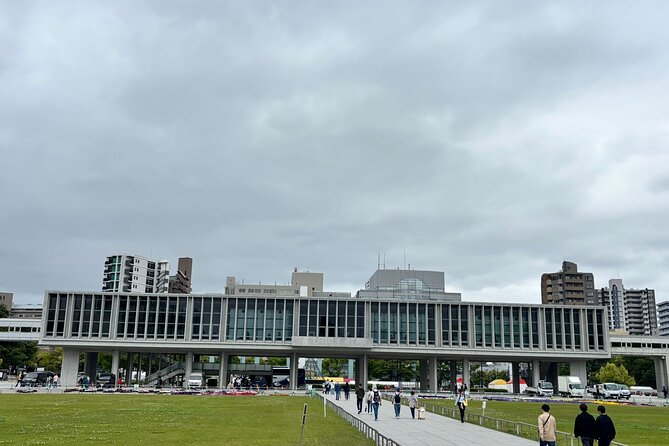
Hiroshima’s Peace Memorial Park can look easy to cover on a map. The Atomic Bomb Dome, Cenotaph, Children’s Peace Monument, and Flame of Peace sit within a compact area, so you can walk between them without much trouble.
The challenge is knowing what you are looking at and why each place matters. This tour helps connect the landmarks. You hear about the people affected, see the memorials in relation to one another, and visit sites that many independent visitors pass without noticing.
The evening timing also makes sense. A two-hour walk gives you a focused introduction without taking over your whole day. You can visit other parts of Hiroshima first, then use this experience to put the city’s central memorial area into context.
This is not a museum tour, and the supplied details do not include museum admission. The experience takes place outdoors, with admission listed as free at the stops. You are paying for the guide’s explanation, route planning, and personal presentation.
That matters in Hiroshima. A short, respectful explanation can change the way you see a simple bridge, monument, or patch of ground. The walk is especially useful if you want more than a checklist of famous sights but do not have time to arrange a longer private tour.
A few more Hiroshima tours and experiences worth a look

Starting at the Gates of Peace
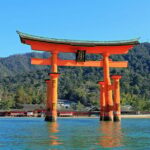
The walk begins at the Gates of Peace in Nakajimacho, near the Peace Memorial Park area. The gates are described as nine Gates of Hell and the hell of Hiroshima, giving the tour a solemn opening rather than starting with the city’s most photographed structure.
You spend about 10 minutes here. That is enough time for the guide to introduce the tone of the walk and explain why the site belongs in a wider account of Hiroshima.
This first stop may appeal to you if you prefer a tour that begins with a less familiar monument. Many short city walks rush straight to the Atomic Bomb Dome. Starting at the Gates of Peace signals that the route will include more than the standard postcard views.
Because the stop is brief, do not expect a long standalone visit. Its value comes from the explanation and its place in the larger route. The walk then moves into the central group of memorials, where most of the time is spent.
Atomic Bomb Dome and the shape of memory
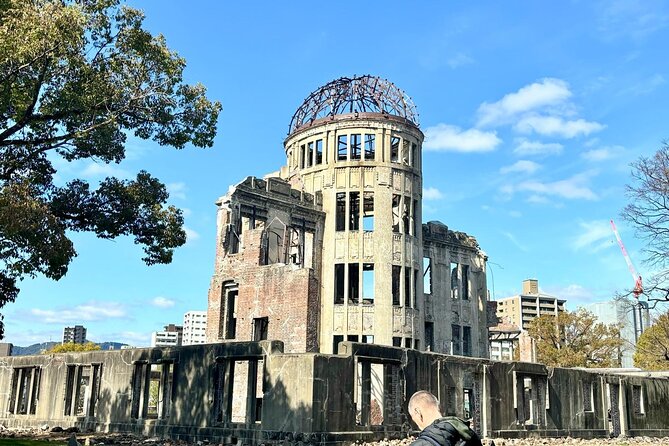
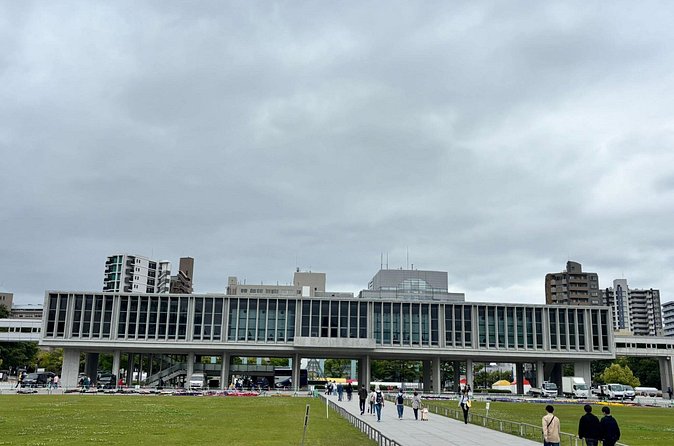
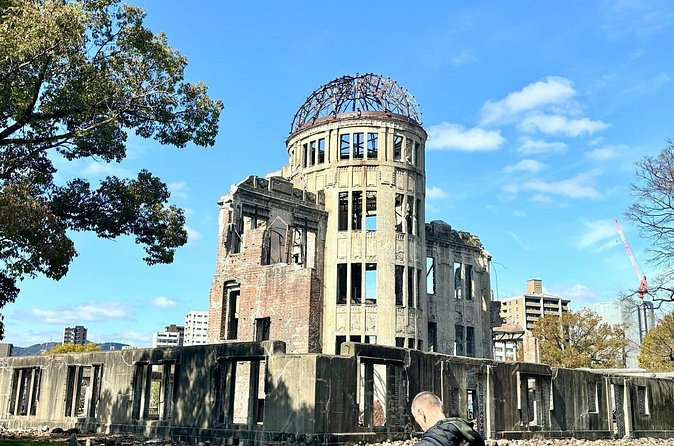
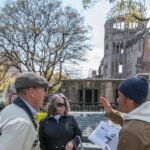
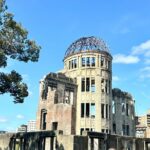
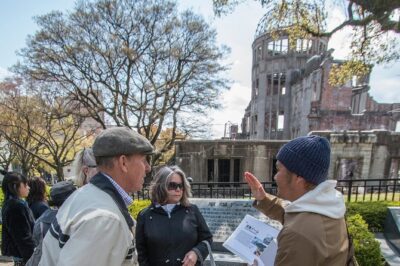
The Atomic Bomb Dome is the best-known sight in the park, and you will see why it draws so much attention. Its damaged form is a stark reminder of the city’s past, but the guide’s role is to add human and historical meaning to what you see.
A self-guided visit can leave you with a photograph and a general impression. With Cva, you have the chance to understand how the Dome fits with the other monuments and the city around it.
The guide is described as having a degree in Hiroshima history. That background is useful here, where small details and precise explanations matter. The personal style also seems to be a strength: Cva is described as easy to understand, entertaining, and able to use humor and an upbeat manner without losing sight of the subject.
That balance is worth noting. Humor may help keep a two-hour walk clear and engaging, but Hiroshima’s subject matter still requires care. The available information suggests Cva brings energy to the presentation. You should still expect the mood to turn serious as the group reaches the memorials and survivor accounts.
The Children’s Peace Monument and the power of paper cranes
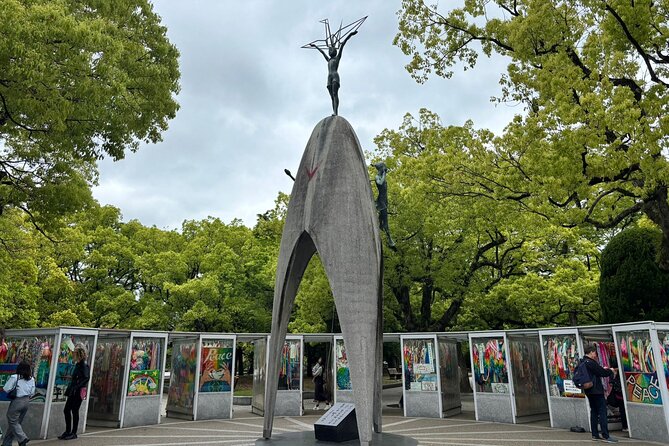
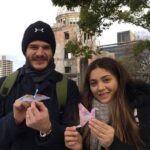
The Children’s Peace Monument is another central stop. It is decorated with colorful origami cranes, which symbolize hope.
This monument gives the tour a different emotional focus from the Atomic Bomb Dome. The Dome shows physical damage. The Children’s Peace Monument points toward remembrance, children, and the wish for peace.
You do not need to know every detail in advance to appreciate the contrast. A good guide can help you see how the monument functions within the park, rather than treating it as a quick photo stop.
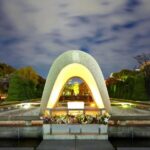
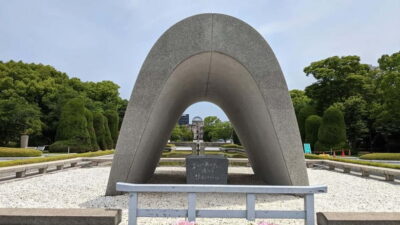
The route also includes the Flame of Peace. It continues to burn until all nuclear weapons are abolished. That simple condition gives the flame a clear purpose, and it links the park’s memorials to a continuing message rather than only to events of the past.
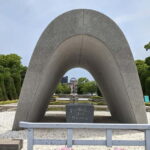
The Peace Cenotaph for Atomic Bomb Victims is inscribed with the names of those who died. This is one of the places where the walk is likely to feel particularly quiet and reflective. The guide’s explanations can help you approach it with the respect it deserves.
The Aioi T-Bridge and the Hypocenter
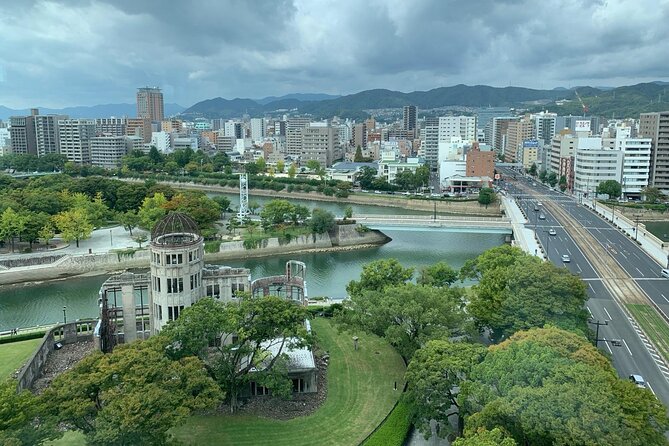
One of the most distinctive details in this experience is the visit to the Aioi T-Bridge, identified as the actual target of the atomic bomb. That makes the bridge more than a piece of city infrastructure. It gives you a precise reference point for understanding where the bombing was aimed.
The route then includes the Hiroshima Atomic Bomb Hypocenter Monument. The Hypocenter is described as the ground zero of the bomb’s impact, so this stop brings the history down to one exact location.
These two places are valuable because they shift the focus from broad symbols to physical geography. You can see how the city’s streets, river crossings, and memorial sites relate to the event. The walk becomes easier to follow when the guide ties the story to locations you can see under your feet.
The meeting details list the end point as the Hiroshima Atomic Bomb Hypocenter Monument at 1-chome-5-25 Otemachi. The wider description also says the walk concludes at Hondori Street, a central shopping and restaurant area. Since those details do not match perfectly, confirm the final meeting instructions before you set out, especially if you have dinner plans or a train to catch.
Other walking tours we've reviewed in Hiroshima

Memorials beyond the usual route
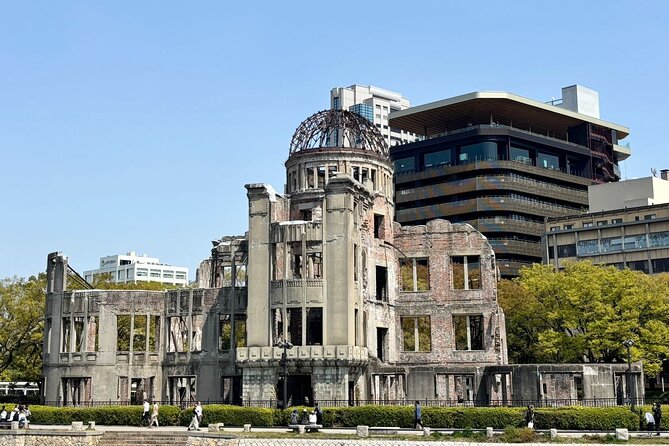
The walk’s strongest feature may be its range of lesser-known stops. You are not limited to the Atomic Bomb Dome and the park’s most famous monuments.
The Peace Watch and Peace Clock Tower are included, along with Mother and Baby in the Storm. Even the names suggest different ways artists and communities have expressed grief, warning, and hope.
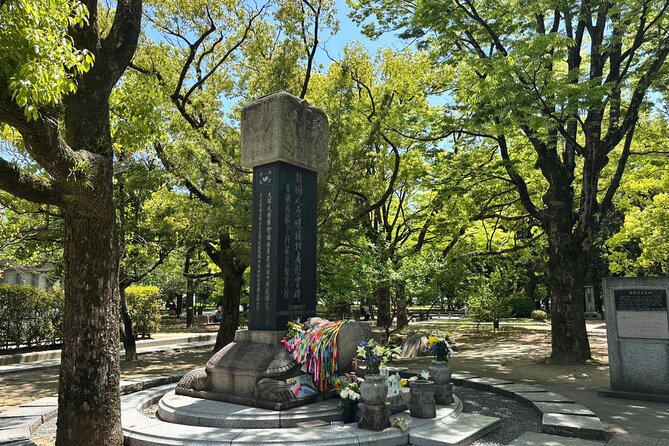
You also visit the Korean Monuments and the Burial Mound, which honor Korean victims of the atomic bomb. Including these places gives the tour a wider human frame. The bombing affected people from more than one national background, and these memorials make that point visible.
The Korean Monuments may be especially important if you want a tour that does not reduce Hiroshima’s story to a single national narrative. The Burial Mound offers another reminder that remembrance takes different forms. These stops can be easy to overlook when you are moving quickly between the park’s major landmarks.
The supplied route says there are many more sites beyond those named. You should expect the guide to shape the walk around the central memorial area, but the exact order and amount of time at each smaller monument may vary. The listed timing gives about 1 hour and 40 minutes to the main Peace Memorial Park section, so not every stop will receive the same length of explanation.
What Cva’s guiding style adds
The clearest praise for this experience focuses on Cva. Cva has a degree in Hiroshima history and is described as both highly informed and entertaining, with vivid explanations of people and their experiences.
That combination can make a major difference. Hiroshima’s memorials are powerful, but a guide who only recites dates can leave you feeling detached. A guide who explains the people involved helps the places feel connected.
You should also value clarity. The walk takes place outdoors, likely with city sounds and other people nearby, so an easy-to-follow presentation matters. The available feedback describes Cva as easy to understand, funny, and upbeat.
The humor deserves a practical note. Some people prefer a completely solemn presentation in Hiroshima. Others find that a warm, lively guide helps them stay focused through difficult material. If you want a quiet, private memorial visit with no conversational energy, a group walk may not suit you. If you want history explained in a human voice, Cva’s style appears to fit well.
Is $32.86 good value?
At $32.86 per person, this is a fair price for a two-hour guided walk, especially because the route covers both major landmarks and less obvious memorials. The individual sites have free admission, so the value rests almost entirely on the guide and the quality of the route.
I would compare the cost with what you want from your Hiroshima visit. If you are comfortable reading signs, following a map, and researching the park on your own, you can see many of the same places without a tour fee. If you want survivor stories, historical interpretation, and help noticing the Korean memorials, Burial Mound, Peace Watch, and other smaller sites, the fee is easier to justify.
The maximum group size of 15 is another positive. It is not a private tour, but it is small enough to give the guide a reasonable chance to address questions and keep the group together. Group discounts may make the price more attractive if you are booking for several people.
The mobile ticket is convenient, and confirmation is received at booking. Public transportation is nearby, which helps you reach the starting point without needing a taxi. Most people can participate, according to the supplied details, but remember that this is a walking experience outdoors.
Timing, weather, and the practical details
The tour lasts about two hours. That is long enough for a serious introduction, but short enough to fit around other Hiroshima plans.
Wear shoes suited to walking and allow time to reach the start at the Olympic Tokyo Games Memorial Laurel, at 1-1 Nakajimacho, Naka Ward. The address is provided in Japanese, so keeping the mobile ticket and meeting information available is wise.
The tour requires good weather. If poor weather forces cancellation, you are offered another date or a full refund. It also requires a minimum number of participants, so a cancellation for that reason brings the same choice of another date or a full refund.
You can cancel for a full refund up to 24 hours before the start time. Inside that 24-hour window, the payment is not refunded and changes are not accepted. Cutoff times follow Hiroshima local time, so check the clock carefully if you are booking close to the departure date.
The listed meeting information deserves one more look. The starting point is specific, but the public description mentions Hondori Street at the end while the stated end point is the Hypocenter Monument. Ask for clarification if your evening depends on the exact finish.
Who should book this walk?
I would recommend this experience to first-time visitors who want an informed introduction to Hiroshima’s Peace Memorial Park. It also suits anyone who has already seen the Atomic Bomb Dome but wants a better sense of the smaller memorials and the city’s wider story.
It is a good fit for people who appreciate a guide with a strong subject background and an animated speaking style. The small group limit makes it more personal than a large coach excursion, while the $32.86 price keeps it below the cost of many private history tours.
Families with older children may find the route useful if they want the subject explained with care. The Children’s Peace Monument and origami cranes offer a clear point of entry, though the survivor testimonies and memorial sites can be difficult material.
You may want to skip it if you only have time for a quick photograph at the Atomic Bomb Dome, or if you prefer to experience memorial sites in complete silence. You also need to be comfortable with an outdoor walk and a potentially emotional subject.
Should you book the Hiroshima History and Evening Walk?
Book it if you want Hiroshima explained through people, places, and survivor testimony rather than through a short list of famous sights. The combination of Cva’s history background, a group capped at 15, and stops such as the Aioi T-Bridge, Korean Monuments, Burial Mound, and Hypocenter gives the walk more substance than a basic landmark circuit.
The strongest reason to choose it is the route’s human scale. You see the major memorials, but you also pause at places that widen the story and make the city easier to understand.
Before paying, confirm the exact finishing point because Hondori Street and the Hypocenter Monument are both mentioned. If that detail works for your schedule, this is a thoughtful, reasonably priced way to spend two hours in central Hiroshima.
FAQ
How long does the Hiroshima History and Evening Walk last?
The walk lasts approximately two hours. About 10 minutes are allocated to the Gates of Peace, and the Peace Memorial Park portion is listed at about 1 hour and 40 minutes.
What sights are included?
The route includes the Gates of Peace, Atomic Bomb Dome, Children’s Peace Monument, Flame of Peace, Peace Cenotaph, Aioi T-Bridge, Peace Watch, Peace Clock Tower, Mother and Baby in the Storm, Korean Monuments, Burial Mound, and the Atomic Bomb Hypocenter Monument.
Who leads the tour?
The experience provider is Ali, and the guide identified in the supplied information is Cva. Cva has a degree in Hiroshima history and leads the walk with survivor stories and historical explanations.
How much does the tour cost?
The listed price is $32.86 per person. Group discounts are available, and the ticket can be used on a mobile device.
How many people can join the group?
The group has a maximum of 15 participants. The tour is near public transportation, and most people can participate.
Can I cancel for a refund?
Yes. You can cancel at least 24 hours before the start time for a full refund. Cancellations or changes made less than 24 hours before the start are not refunded or accepted. Poor weather or failure to meet the minimum number of participants may lead to another date or a full refund.
More Historical Tours in Hiroshima
More Walking Tours in Hiroshima
More Hiroshima City Tours in Hiroshima
More tours in Hiroshima we've reviewed



Hiroshima City Tours, compared.
 ★ 5.0Peaceful Hiroshima & Miyajima UNESCO 1 Day Bus TourFrom $129
 ★ 4.9Hiroshima: Hiroshima and Miyajima UNESCO Sites 1-Day TourFrom $1228 hours
 ★ 5.0Hiroshima / Miyajima Full-day Private Tour with Government Licensed GuideFrom $202
 ★ 4.7Osaka/Kyoto: Hiroshima Miyajima Bus Tour & Shinkansen TicketFrom $27712 hours
 ★ 4.8Hiroshima Historical Walking Tour – Why A-Bomb was DroppedFrom $352h 30m
 ★ 5.0Hiroshima Peace (Heiwa) Walking Tour at World Heritage SitesFrom $94
