
Reviewed · HIROSHIMA CITY TOURS
Hiroshima: Downtown Ramen Tasting Tour – 2 Shops in 2 Hours
Hiroshima’s ramen story is best understood one bowl at a time. This two-hour downtown tour takes you to two local shops, where you can compare the city’s clear soy broth, thin straight noodles, chashu pork, and green onions.
I like the small private-group format, since your party gets the guide’s attention rather than being folded into a large crowd. I also like the focused route: two shops, two tastings, and local food stories without giving up an entire afternoon.
The catch is variety. At $126.63 per person, you may expect a broad food crawl, yet the experience centers on ramen at only two stops. One assessment rated it 3 out of 5 and found the selection narrower than expected, with a guide who seemed somewhat unprepared.
In This Review
- Key points to know before booking
- Two bowls, one short look at Hiroshima food culture
- Meeting at Lawson Hiroshima Kamiyacho
- The first ramen shop: learning the local baseline
- The second shop: comparison is the main payoff
- Why the private format may be worth the price
- The guide’s role matters more than usual
- Downtown atmosphere without a full city tour
- Who should book this ramen experience?
- Practical value, timing, and cancellation
- Should you book the two-shop ramen tour?
- FAQ
- Where does the Hiroshima ramen tour begin?
- Where does the activity end?
- How long does the tour last?
- How many ramen shops are included?
- How much food is included at each shop?
- Is the tour private?
- Is the tour near public transportation?
- Can people with food allergies join?
- Can vegans or vegetarians join?
- Can I cancel for a full refund?
Key points to know before booking
- Two downtown ramen shops: The route stays focused on Hiroshima’s local noodle culture rather than covering many unrelated foods.
- 1,000-yen tasting at each stop: Each shop includes a tasting valued at 1,000 yen, though the available information does not specify bowl size or exact menu choices.
- Private activity: Only your group participates, which can make questions and pacing easier.
- Hiroshima-style ramen: Expect clear soy-based broth, thin straight noodles, chashu pork, and green onions as the basic local profile.
- Two hours from Kamiyacho: Meet at Lawson Hiroshima Kamiyacho and finish back there, near public transportation.
- Dietary limits matter: The tour cannot accommodate food allergies, religious dietary restrictions, or vegan and vegetarian preferences.
Two bowls, one short look at Hiroshima food culture
This is a ramen lesson with eating built in, not a general-purpose food tour. You spend about two hours in central Hiroshima, visiting two established shops and tasting what makes the city’s ramen different from better-known styles elsewhere in Japan.
Hiroshima-style ramen is described here as having a clear soy-based broth, thin straight noodles, chashu pork, and green onions. That profile gives you a useful frame for the tastings. Instead of simply slurping a bowl and moving on, you can pay attention to the balance between broth, noodles, meat, and garnish.
The city’s ramen tradition developed in the downtown area after World War II. That detail gives the food a local setting. You are not sampling a generic Japanese dish in an anonymous restaurant district. You are looking at a food custom tied to Hiroshima’s postwar urban life.
Still, keep your expectations in check. The tour does not promise a parade of ramen styles, cooking demonstrations, side dishes, desserts, or visits to a long list of shops. The experience is deliberately narrow. Its appeal depends on whether you want a guided introduction to Hiroshima ramen, rather than a large meal-by-meal food survey.
A few more Hiroshima tours and experiences worth a look

Meeting at Lawson Hiroshima Kamiyacho
The tour starts at Lawson Hiroshima Kamiyacho, at the Hiroshima Kamiyacho Building, 1-chome-2-29 Kamiyacho, Naka Ward, Hiroshima 730-0031. The meeting point is near public transportation, which is useful if you are coming from another part of the city.
I would give yourself enough time to locate the exact convenience store and building before the start. A downtown meeting point can be easy to reach yet still confusing if you are watching the clock, checking a map, and trying to identify the right entrance.
The activity ends at the same meeting point. That makes the tour easier to fit around other plans. You do not need to arrange a separate pickup, and you can continue exploring downtown Hiroshima from a known location.
Confirmation is provided at booking. The activity is also available as a mobile ticket, so you can keep the booking details on your phone rather than printing anything.
The first ramen shop: learning the local baseline
The first stop is where the tour’s food comparison should begin. You get a tasting valued at 1,000 yen and a chance to meet the basic Hiroshima profile before moving to the second shop.
The most useful approach is to treat the first bowl as a reference point. Notice the clarity of the soy-based broth. Pay attention to the thin, straight noodles and how they feel beside the soup. Then consider the chashu pork and green onions, which add texture and flavor without turning the bowl into a heavily decorated dish.
The available details do not identify the shop by name or specify the exact ramen served. That means you should not book expecting a named restaurant pilgrimage or a guaranteed specialty bowl. The guide may provide the local context, but the precise menu can depend on the shop and the day.
The tasting is also not clearly described as a full-size serving. Since the food is valued at 1,000 yen, think of that figure as the stated value of what is included, not a promise of a particular portion. If you want a large lunch, you may need to confirm serving details before booking or plan another meal later.
The second shop: comparison is the main payoff
The second stop gives the tour its strongest idea: compare two local ramen shops in one outing. A bowl on its own can be enjoyable, but two stops help you notice differences in seasoning, noodle texture, toppings, and overall balance.
That comparison is especially helpful if Hiroshima ramen is new to you. You do not need expert food knowledge. You can simply ask which bowl has the clearer broth, which noodles hold their texture better, or how the toppings change the experience.
The tour promises a 1,000-yen tasting at this shop as well. Together, the two tastings have a stated food value of 2,000 yen. The rest of the price pays for the private guide, local explanation, planning, and the convenience of moving between two selected restaurants.
There is an important limitation. The information does not state that the two shops serve different ramen types. If you expect radically different bowls, you could be disappointed. The criticism attached to this experience focused on exactly that concern: the food did not offer as much variety as expected from a food tour.
That does not make the second stop pointless. It simply means the value comes from a guided comparison of two shops, not from collecting a long list of unrelated dishes.
Why the private format may be worth the price
At $126.63 per person, this is not a cheap way to eat ramen. You could spend much less on a single bowl at a casual shop. The price needs to make sense through the service and structure, not just the food itself.
The private format is the clearest advantage. Only your group participates, so you can ask questions about the broth, noodles, toppings, and downtown food culture without competing with a larger party. If your group has a strong interest in ramen, that direct access may matter.
The guide is described as a local professional. That should add context that you would not get from walking into two shops alone. You are paying for someone to organize the route, explain the local style, and help connect the food to Hiroshima’s postwar development.
But the price is hard to justify if your only goal is eating two bowls. The included tastings are valued at 1,000 yen each, which covers only a small part of the total cost. I would book for the guided experience and private arrangement, not because it offers the lowest ramen price in town.
Group discounts are available, though the amount is not provided. If you are booking with several people, check the final price carefully. A discount could improve the value, especially since the activity is already private.
Other shopping tours in Hiroshima
The guide’s role matters more than usual
A short ramen tour lives or dies by its guide. With only two shops, the explanations and pacing need to make each stop feel purposeful.
You should expect a local professional to describe Hiroshima’s ramen culture and explain the features of the bowls. The supplied details do not provide a guide’s name, so there is no named host to request. They also do not list a cooking lesson or behind-the-scenes kitchen access.
One 3 out of 5 assessment raised concerns that the guide seemed unprepared. That is worth taking seriously because the tour has little spare material. If the guide’s explanations are thin, the experience can feel like two restaurant visits with an escort rather than a fully developed food tour.
On the other hand, the private format may help. Your group can ask direct questions and steer the conversation toward the things you care about. If you want detailed food education, ask early about the differences between the two shops and what makes each bowl representative of Hiroshima.
Downtown atmosphere without a full city tour
The setting adds something the bowls alone cannot provide. Hiroshima’s downtown is where this ramen tradition developed and where the tour places you in the city’s everyday food scene.
Do not expect a broad sightseeing itinerary. The listed activity is centered on ramen, with Hiroshima as the setting and the two shops as the main stops. The two-hour duration leaves room for the food and local stories, but not for a long list of monuments or museum visits.
That focus can be useful. You are not spending half the tour being driven across the city. You remain in a central area and finish where you started. For a first day in Hiroshima, the tour can work as a compact introduction to one part of local urban life.
It also fits well between larger plans. You can schedule it before or after other downtown activities without surrendering an entire morning or afternoon. Since the tour takes about two hours, timing is fairly easy to manage.
Who should book this ramen experience?
I would consider this tour if you meet most of these conditions:
- You want an introduction to Hiroshima-style ramen, not a general Japanese food tour.
- You prefer a private group over a large scheduled group.
- You value local explanation and route planning.
- You are comfortable eating ramen at two shops in one short outing.
- You have no food allergy, religious dietary restriction, or vegan or vegetarian requirement.
- You are willing to pay a premium for a guided experience.
Ramen enthusiasts may enjoy comparing two downtown shops, though the limited variety could disappoint anyone hoping to sample many regional styles. First-time visitors to Hiroshima may appreciate the postwar food context, especially if they want a culinary activity that stays close to the city center.
I would be cautious if you are mainly looking for quantity. The tour does not promise full bowls, multiple noodle styles, side dishes, or desserts. It also may not suit you if you need careful dietary accommodation, since allergies and several dietary preferences cannot be accepted.
Practical value, timing, and cancellation
The tour lasts approximately two hours and ends at its starting point. That is a practical length for a food activity, particularly if you have other Hiroshima plans the same day.
The meeting point is near public transportation, and confirmation arrives when you book. Most people can participate, according to the provided conditions. No separate admission fee is listed for Hiroshima itself, but the tour price includes the activity and its planned tastings.
Free cancellation is available if you cancel at least 24 hours before the start time. Cancellations made less than 24 hours in advance are not refunded, and changes inside that period are not accepted. The deadline follows local Hiroshima time, so check the start time before making last-minute changes.
Should you book the two-shop ramen tour?
Book it if you want a private, tightly focused introduction to Hiroshima ramen and are happy to pay for a guide rather than simply buying noodles yourself. The two-shop format, central meeting point, local food context, and 1,000-yen tasting at each stop make it easy to fit into a city visit.
Skip it if you expect a wide food crawl or many different kinds of ramen. The main weakness is clear: two tastings may not provide enough variety for the price, especially if the guide does not bring strong preparation and explanation.
My practical advice is to book when the private format matters to you, confirm what kind of tasting portions and menu choices are planned, and use the group discount if you qualify. For a focused look at Hiroshima’s local ramen style, it can be worthwhile. For maximum food variety, spend the same time visiting more shops on your own.
FAQ
Where does the Hiroshima ramen tour begin?
It begins at Lawson Hiroshima Kamiyacho, Hiroshima Kamiyacho Building, 1-chome-2-29 Kamiyacho, Naka Ward, Hiroshima 730-0031, Japan.
Where does the activity end?
The activity ends back at the meeting point.
How long does the tour last?
The tour lasts approximately two hours.
How many ramen shops are included?
The experience visits two ramen shops in downtown Hiroshima.
How much food is included at each shop?
A tasting valued at 1,000 yen is included at each location. The available information does not specify the portion size or exact menu.
Is the tour private?
Yes. Only your group participates in the activity.
Is the tour near public transportation?
Yes. The meeting point is near public transportation.
Can people with food allergies join?
No. The activity cannot accommodate food allergies.
Can vegans or vegetarians join?
No. The activity cannot accommodate vegan or vegetarian preferences. It also cannot accommodate religious dietary restrictions.
Can I cancel for a full refund?
Yes, if you cancel at least 24 hours before the experience start time. Cancellations made less than 24 hours in advance are not refunded.
More 2-Hour Experiences in Hiroshima
More Shopping Tours in Hiroshima
More Hiroshima City Tours in Hiroshima
More tours in Hiroshima we've reviewed

Hiroshima City Tours, compared.
 ★ 5.0Peaceful Hiroshima & Miyajima UNESCO 1 Day Bus TourFrom $129
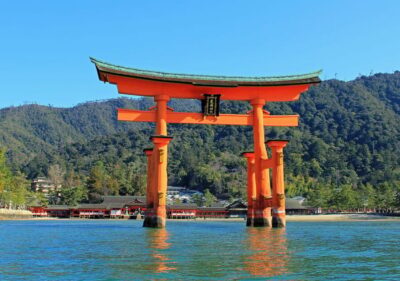 ★ 4.9Hiroshima: Hiroshima and Miyajima UNESCO Sites 1-Day TourFrom $1228 hours
 ★ 5.0Hiroshima / Miyajima Full-day Private Tour with Government Licensed GuideFrom $202
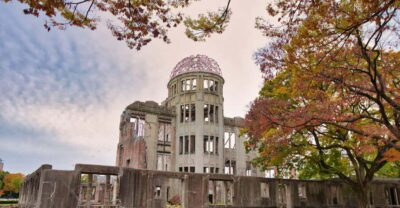 ★ 4.7Osaka/Kyoto: Hiroshima Miyajima Bus Tour & Shinkansen TicketFrom $27712 hours
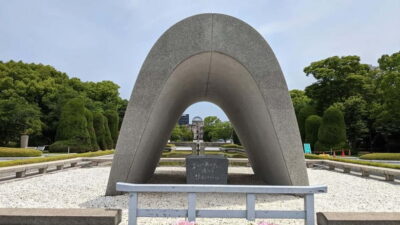 ★ 4.8Hiroshima Historical Walking Tour – Why A-Bomb was DroppedFrom $352h 30m
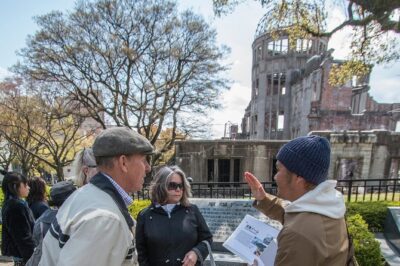 ★ 5.0Hiroshima Peace (Heiwa) Walking Tour at World Heritage SitesFrom $94
