
Reviewed · MIYAJIMA TOURS
Full Day Hiroshima and Miyajima Tour
Hiroshima packs several very different experiences into one day: a quiet strolling garden, the remains of a feudal castle, the sobering Peace Memorial Museum, and the island beauty of Miyajima. I like the way this tour links them by public transport and ferry, so you do not have to build a complicated day around separate tickets and timetables. The World Heritage Sea Route ferry is also more than a transfer, giving you time on the water before Miyajima.
I especially like the useful mix of places and the small group limit of 15 people. Guides such as Isabella Melendez bring energy and clear explanations to a day that could otherwise feel like a string of sites. The main caution is simple: this is a long, active day with plenty of walking, and the Peace Memorial Museum can be emotionally demanding.
In This Review
- Key points at a glance
- Why this Hiroshima day works well
- Starting at Hiroshima Station
- Shukkeien, Hiroshima’s quiet opening
- Hiroshima Castle and the city before 1945
- The Peace Memorial Museum requires time and care
- The 45-minute World Heritage Sea Route ferry
- Senjokaku and its unfinished character
- Itsukushima Shrine and the famous torii
- What the guide adds to the day
- Price, pace, and who gets good value
- Should you book the Hiroshima and Miyajima day?
- FAQ
- How long does the tour last?
- What time should I arrive?
- Where does the tour begin?
- Where does the tour end?
- Is transportation to Miyajima included?
- Is the ferry ride part of the tour?
- Are admission fees included?
- Is lunch included?
- How large is the group?
- Is the tour conducted in English?
- Can I cancel for a full refund?
Key points at a glance
- Six major stops in about eight hours: You see Hiroshima’s garden, castle ruins, peace museum, river route, and two important Miyajima sights.
- A 45-minute ferry ride to Miyajima: The water crossing is part of the sightseeing, not just a way to get from one place to another.
- Entry fees are included: You do not need to buy separate tickets for the listed tour locations.
- A maximum of 15 people: The group size should allow you to stay close to the guide without the feel of a large coach tour.
- English-speaking guidance throughout: Isabella Melendez is one named guide associated with the experience, praised for her energy and clear explanations.
- Plan for walking and an early start: Meet at Hiroshima Station at 8:40 a.m. for the 9:00 a.m. beginning.
Why this Hiroshima day works well
Hiroshima is easy to visit badly. You can spend too much time figuring out transport, miss Miyajima, or rush through the Peace Memorial Museum because the island ferry leaves at the wrong time. This outing solves much of that planning problem by putting the city and island together in a fixed route.
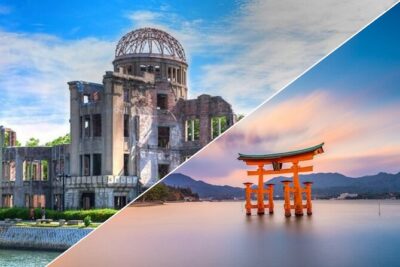
The day also gives you a more rounded picture of Hiroshima. Shukkeien shows refined Japanese garden design. Hiroshima Castle points to the city’s earlier political and military role. The Peace Memorial Museum brings you face to face with the human cost of the atomic bombing. Miyajima then changes the mood with shrine buildings, sea views, and a slower island setting.
That range is the chief value. You are not paying only for admission to a few sites. You are paying for a guide who explains how the pieces fit, plus the ferry and train connections between them. At $165.19 per person, the price is not cheap, but it can make sense if you have only one full day and would rather not manage the route yourself.
The tradeoff is pace. You have roughly eight hours to cover a lot of ground, and the scheduled portions leave little room for wandering off on your own. If you prefer long café stops, photography breaks, or quiet time at each shrine, you may find the schedule tight.
A few more Hiroshima tours and experiences worth a look

Starting at Hiroshima Station
Your meeting point is the Hiroshimaekiminamiguchichikahiroba Information Center, at 9-1 Matsubaracho in Minami Ward. The more detailed meeting instructions direct you to Hiroshima Station, by the Shinkansen Gates under the Tourist Information sign, with an arrival time of 8:40 a.m.
That early meeting matters. Hiroshima Station is a practical place to begin because it is near public transportation, but stations can still take a few minutes to navigate, especially if you arrive by Shinkansen. I would aim to be in the station before 8:40, not walking through the doors at that time.
Your guide leads you out of the station and provides initial orientation before the first stop. The activity ends back at the meeting point, which is useful if you have luggage stored nearby or need to continue by train after the tour.
The group can contain up to 15 people. That is a good middle ground: large enough to keep the price below that of a private outing, but small enough for a guide to address the group without shouting across a bus.
Shukkeien, Hiroshima’s quiet opening
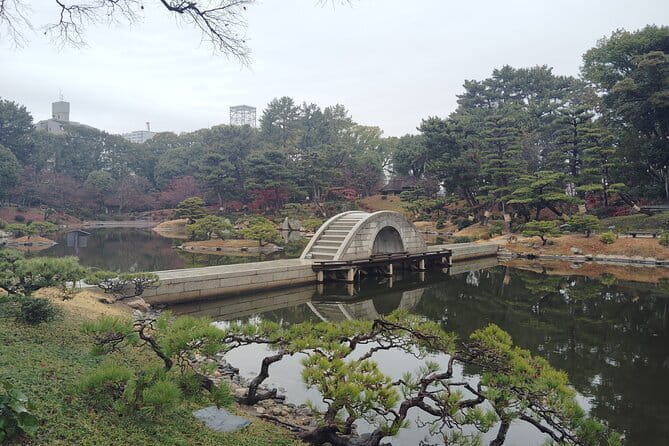
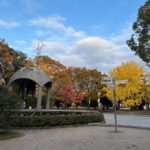
The first stop is Shukkeien, a Japanese strolling garden, with about an hour set aside and admission included. After meeting at the station, beginning in a peaceful garden is a smart choice. You get a gentle introduction to Hiroshima before the day turns to heavier subjects.
Shukkeien offers a change of pace from the station and city streets. Its paths, planting, and water features are designed for movement and changing views rather than one grand vista. Your guide can give context about the garden’s purpose and design, helping you notice details you might otherwise pass without a second thought.
One hour is enough for an introduction, but not for lingering at every corner. If gardens are your main interest, you may wish the visit were longer. On a day that also includes Miyajima, though, the time limit keeps the larger route moving.
Wear shoes you can comfortably walk in. The tour’s first hour may feel easy, but the total day is much more demanding once you add the castle, museum, ferry connections, and island walking.
Hiroshima Castle and the city before 1945
The group then walks to Hiroshima Castle, with about 90 minutes planned for the castle ruins. The word ruins is important here. You are not visiting an untouched medieval stronghold. The stop focuses on the remaining grounds and the main locations within them, where the guide explains their history, purpose, and significance.
This part of the tour gives you a needed wider frame. Hiroshima is often introduced only through the atomic bombing, but the city had an important life long before 1945. The castle site helps you understand the political and military setting that shaped the area.
The walk from Shukkeien makes this feel like a connected city tour rather than a series of isolated attractions. It also adds to the day’s physical demands. The first two stops involve walking before you reach the museum, and you still have Miyajima ahead.
Admission to the castle stop is included. Since the information supplied describes the visit as the castle ruins, you should not assume that the schedule includes every possible indoor area or a long independent exploration. The value here is the guide’s explanation of the site and its place in Hiroshima’s past.
The Peace Memorial Museum requires time and care
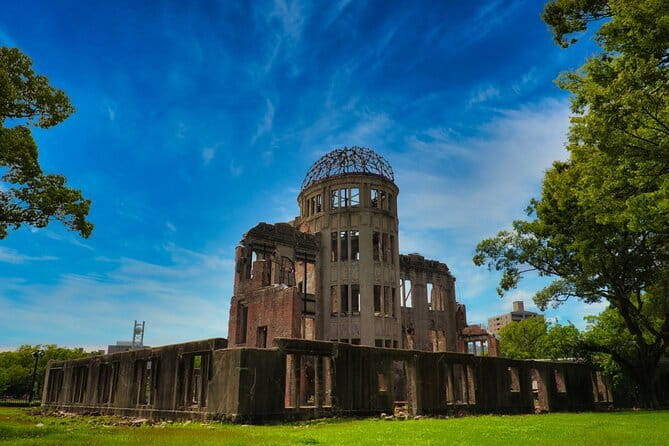
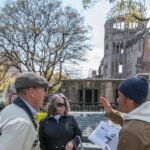
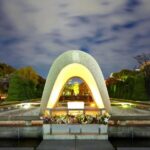
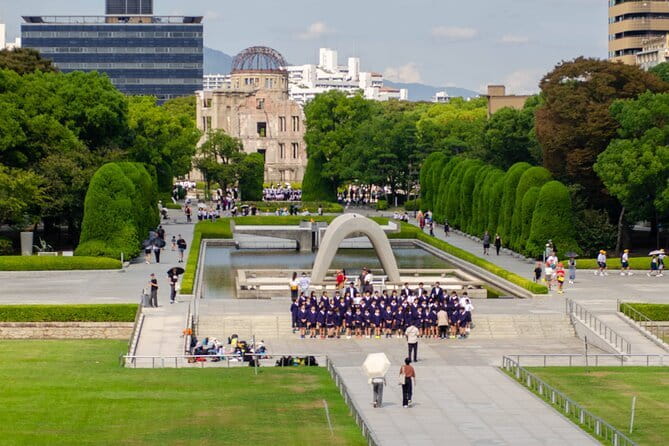
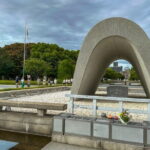
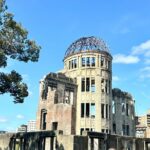
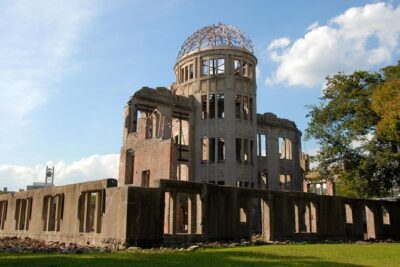
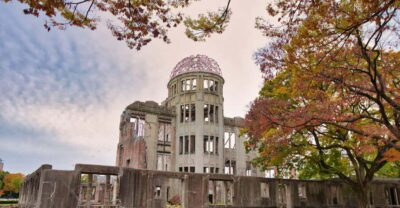
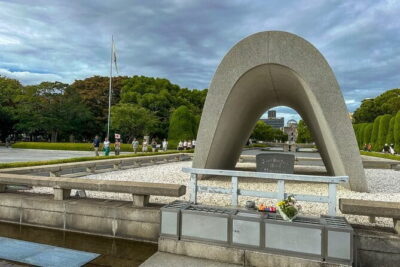
The Peace Memorial Museum receives about 90 minutes, and it is the emotional center of the city portion. The exhibits include personal belongings left behind by people killed in the atomic bombing. Those objects give the history a human scale that dates and statistics cannot provide.
I would not treat this as a quick photo stop. The museum asks for attention, and some displays may be difficult to see. Your guide helps explain the setting and significance, but you will also need quiet time to absorb what is in front of you.
Ninety minutes gives you a substantial introduction, though you may not see every display at length. If the museum is your top priority, a separate visit could allow more time. On this tour, the fixed schedule is a compromise that lets you experience both Hiroshima and Miyajima in one day.
The order also works well. You first see the city’s garden and castle, then confront the event that reshaped Hiroshima, before leaving the mainland by water. That sequence gives the day a clear emotional arc without reducing the city to one chapter of its past.
A few more Hiroshima tours and experiences worth a look

The 45-minute World Heritage Sea Route ferry
After the museum, you walk to a nearby pier and board the ferry to Miyajima. The ride takes about 45 minutes, and your guide points out relevant places along the route.
This is one of the tour’s most appealing practical features. The ferry is not merely a necessary connection. It gives you a pause between the museum and the island, with time to sit, look back toward the mainland, and shift into a different part of the day.
The ferry and train transportation to and from Miyajima are included. That removes one of the common hassles of a day trip, especially when you are trying to coordinate a shrine visit with a return connection.
Do keep the timing in mind. The ferry is scheduled as part of the group route, so you will not have unlimited freedom to wait for a later departure or stop for a long meal before boarding. Lunch is not included, and the schedule does not list a dedicated lunch stop. You should plan to manage your appetite around the day’s fixed movements.
Senjokaku and its unfinished character
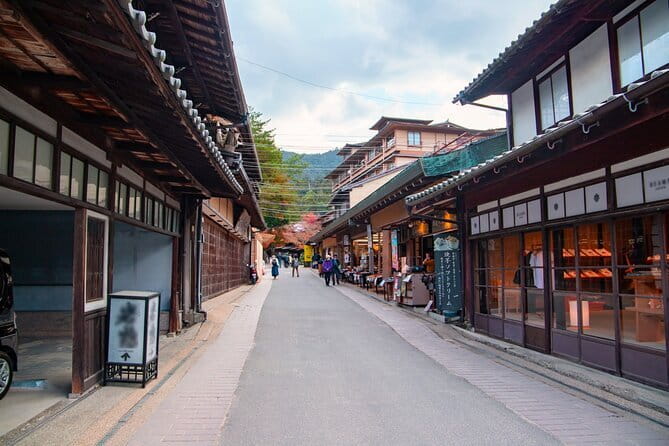
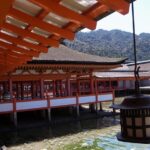
On Miyajima, the next stop is Senjokaku Pavilion, with about 30 minutes set aside. Senjokaku is a shrine building that was never completed. Its unfinished state is exactly what makes it unusual.
The pavilion’s broad, open character offers a break from the denser shrine areas. Your guide explains why the building matters and what its incomplete form tells you about its place on the island. Thirty minutes is a short visit, but it works as an introduction before the longer time at Itsukushima Shrine.
This stop may appeal most to you if you enjoy places that do not look polished or perfectly finished. It is less about checking off a grand monument and more about seeing an odd, incomplete religious structure within Miyajima’s scenic setting.
The island portion is where the walking can catch up with you. You have already covered the garden, castle, and museum, then crossed by ferry. Keep your pace steady rather than racing early in the day.
Itsukushima Shrine and the famous torii

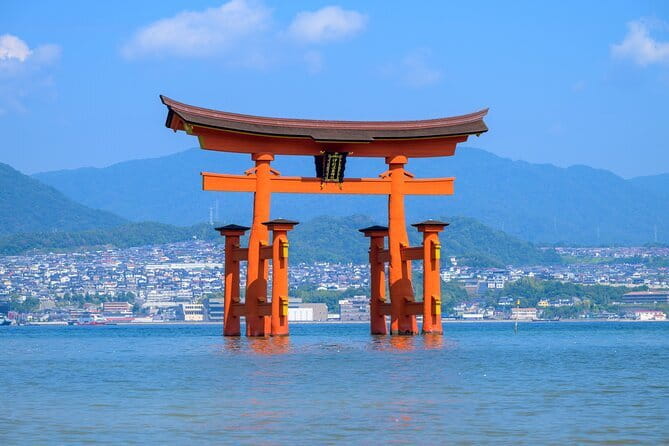
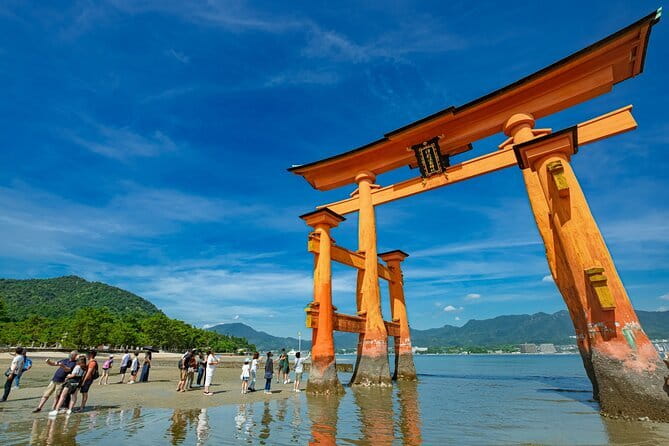
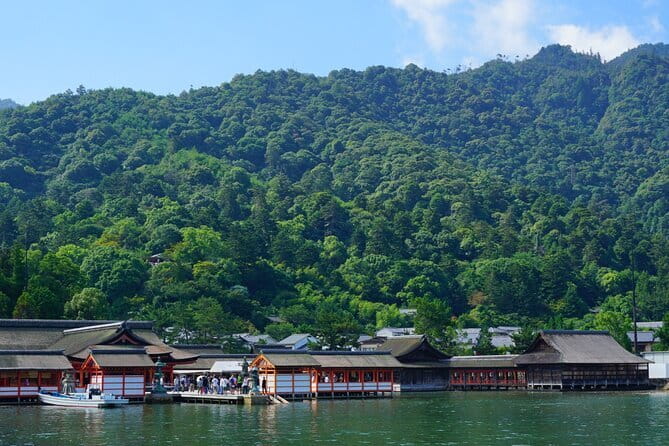
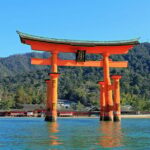
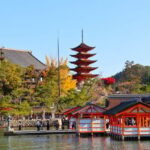
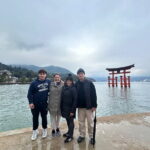
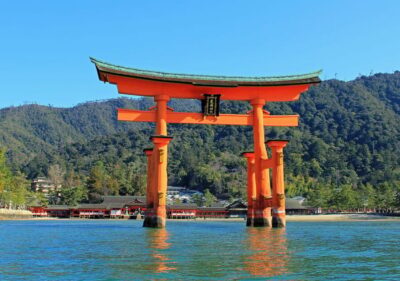
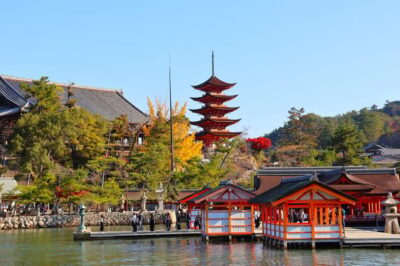
The final major stop is Itsukushima Shrine, including its torii, with about two and a half hours planned. This is the longest part of the itinerary, and rightly so. The shrine is Miyajima’s defining sight, and the guide uses the visit to explain Shinto, Japan’s indigenous religion, along with the shrine’s history.
You move through the temple area while learning how the buildings and religious practices relate to the island. The extended time allows for a more useful visit than a quick stop for one photograph. You can listen to the guide, observe the shrine structures, and take in the relationship between the complex and the surrounding setting.
The torii is the image most associated with Miyajima, but the shrine itself deserves attention. A guided visit helps you look beyond the familiar view and understand why the site matters within Shinto tradition.
The information provided does not specify conditions such as tide levels or how the torii will appear on your particular date. Do not book this day solely on the promise of one exact photograph. The shrine visit remains worthwhile, but the visual details can vary with conditions.
Two and a half hours is generous compared with the other stops, though it includes movement through the shrine area and the island portion of the tour. You should still expect to stay with the group rather than wander independently for most of that time.
What the guide adds to the day
The guide is the main reason to choose this outing over arranging the same sites alone. Hiroshima and Miyajima are not impossible to visit independently, but the combination requires planning, ticket handling, and attention to departure times.
An English-speaking guide explains the purpose of each place, not just its name. At Hiroshima Castle, that means connecting the ruins to the city’s earlier role. At the museum, it means providing context for the exhibits. On Miyajima, it means explaining Shinto and the shrine rather than leaving you with only a scenic photograph.
Isabella Melendez is specifically associated with the tour and is described as friendly, energetic, accommodating, and clear in her explanations. Those qualities matter here. The route has several shifts in mood, so a guide who can keep the group moving while remaining attentive makes a real difference.
The tour provider is Snow Monkey Resorts Tours, operated by Machinovate Japan Ltd. The group limit is 15, and entry fees at all tour locations are included.
Price, pace, and who gets good value
At $165.19 per person, this is best understood as a convenience and interpretation package rather than a bargain sightseeing pass. You receive an English-speaking guide, admissions at the listed locations, and ferry and train transportation to and from Miyajima.
The price makes the most sense for you if:
- You have one day for Hiroshima and want both the city and Miyajima.
- You prefer a planned route to working out several connections yourself.
- You want historical and religious context at the sites.
- You are comfortable walking for most of the day.
- You value a small group more than complete freedom.
I would hesitate if you want a slow, self-directed day. Lunch is not included, accommodation is not included, and transportation to the meeting point is your responsibility. You also need to be ready at the station early and accept the group’s timing.
The tour is often booked well ahead, with an average booking time of 48 days in advance. That does not guarantee a particular date will sell out, but it is a good reason to reserve early if your Hiroshima schedule is fixed.
Free cancellation is available if you cancel at least 24 hours before the local start time. Changes or cancellations inside that window are not accepted for a refund.
Should you book the Hiroshima and Miyajima day?
Book this tour if you want a well-organized first look at Hiroshima and Miyajima and have only one full day. The combination of garden, castle, museum, ferry, and shrine gives you a useful sense of both places, while the included admissions and transport reduce the small costs and decisions that add up during a busy day.
Skip it if you want to spend half a day at the Peace Memorial Museum, linger over lunch, or explore Miyajima at your own pace. The day is active and tightly arranged, but for a first visit, its range is its strength. You see the solemn heart of Hiroshima, then cross the water to a very different island setting before returning to the station.
FAQ
How long does the tour last?
The tour lasts approximately eight hours.
What time should I arrive?
You should arrive at the meeting point at 8:40 a.m. The tour begins at 9:00 a.m.
Where does the tour begin?
It begins at the Hiroshimaekiminamiguchichikahiroba Information Center near Hiroshima Station, at 9-1 Matsubaracho, Minami Ward, Hiroshima. Detailed instructions direct you to meet by the Shinkansen Gates under the Tourist Information sign.
Where does the tour end?
The activity ends back at the meeting point.
Is transportation to Miyajima included?
Yes. Ferry and train transportation to and from Miyajima are included.
Is the ferry ride part of the tour?
Yes. The Hiroshima World Heritage River Cruise ferry to Miyajima takes about 45 minutes, and the guide points out relevant places during the ride.
Are admission fees included?
Yes. Entry fees at all tour locations listed for the activity are included.
Is lunch included?
No. Lunch is not included in the tour price.
How large is the group?
The tour has a maximum of 15 participants.
Is the tour conducted in English?
Yes. An English-speaking guide leads the experience. Isabella Melendez is one guide associated with this tour.
Can I cancel for a full refund?
Yes, if you cancel at least 24 hours before the experience start time. Cancellations or changes made less than 24 hours in advance are not accepted for a refund.
More Full-Day in Hiroshima

More Hiroshima City Tours in Hiroshima
More Miyajima Tours in Hiroshima
More tours in Hiroshima we've reviewed



Miyajima Tours, compared.
 ★ 5.0Peaceful Hiroshima & Miyajima UNESCO 1 Day Bus TourFrom $129
 ★ 4.9Hiroshima: Hiroshima and Miyajima UNESCO Sites 1-Day TourFrom $1228 hours
 ★ 5.0Hiroshima / Miyajima Full-day Private Tour with Government Licensed GuideFrom $202
 ★ 4.7Osaka/Kyoto: Hiroshima Miyajima Bus Tour & Shinkansen TicketFrom $27712 hours
 ★ 4.7From Hiroshima: Hiroshima & Miyajima 1 Day Tour with LunchFrom $1168 hours
 ★ 5.0Hiroshima and Miyajima Day Trip with Itsukushima Shrine & FerryFrom $45
