
Reviewed · TEA CEREMONY & KIMONO EXPERIENCES
Japanese Tea Ceremony Private Experience
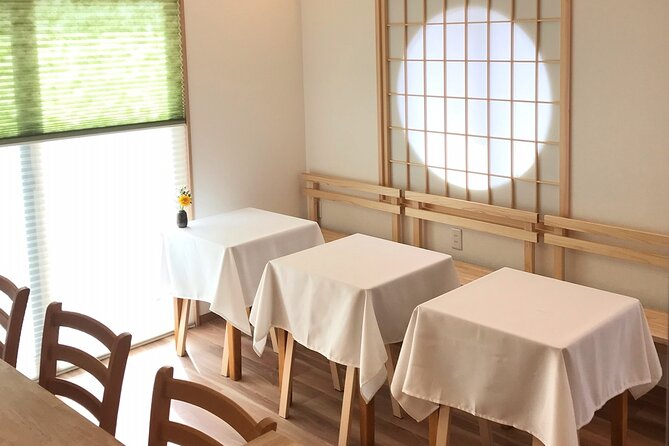
A qualified tea master leads this private tea ceremony in a traditional tea room in Kurashiki, explaining the gestures, tools, and etiquette as the matcha is prepared in front of you. You are not expected to arrive knowing the rules. The whole point is to learn by watching, listening, and trying.
I like the friendly format for two reasons: your group has the room to itself, and everything needed for the ceremony is provided, so you do not need special clothing or equipment. The main consideration is the traditional seating. The host takes care with your feet, but anyone uncomfortable sitting in a tea room should keep that in mind.
In This Review
- Key Points
- A Quiet Hour in Kurashiki
- What Happens When You Arrive
- Watching the Tea Master Prepare Matcha
- Learning the Etiquette Without Feeling Stiff
- Sitting Comfortably in a Traditional Tea Room
- Matcha, Japanese Sweets, and the Pace of the Visit
- Why the Private Format Helps Families
- Is $50 Good Value for One Hour?
- Timing, Transport, and Booking Details
- Who Should Book This Kurashiki Tea Ceremony?
- Should You Book It?
- FAQ
- Where does the Japanese tea ceremony take place?
- How long does the tea ceremony last?
- Is this a private experience?
- Do I need special clothes or belongings?
- Is the ceremony suitable for first-timers?
- What is the cancellation policy?
Key Points
- Private tea room: Only your own group takes part, making it easier to ask questions and follow the ceremony at your own pace.
- Qualified tea master: Learn how to use the utensils and why each part of the etiquette matters.
- Fresh matcha and seasonal sweets: Watch the tea being made in front of you, then enjoy it with Japanese confections.
- Good for first-timers: You do not need prior knowledge, special clothes, or prepared belongings.
- Kurashiki setting: The salon is at 2-chōme-16-11 Achi, close to public transportation and the old town area.
- Short and easy to fit in: The experience lasts about one hour and returns you to the same meeting point.
A Quiet Hour in Kurashiki
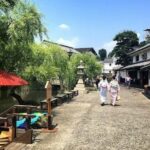
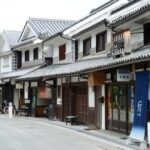
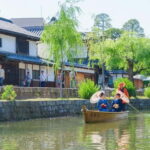
Kurashiki is known for its old town streets, and this tea ceremony gives you a calm cultural stop within that setting. The activity takes place at 月と花 Japanese Tea Ceremony Salon, at 2-chōme-16-11 Achi, Kurashiki, Okayama 710-0055.
The location matters because a tea ceremony works best when it is not rushed. You are not being hurried from one photo stop to the next. Instead, you spend about an hour in a traditional tea room, watching a careful sequence unfold and learning what you are seeing.
The experience ends at the same place where it begins. That makes it simple to pair with a walk around Kurashiki before or after the ceremony. The meeting point is near public transportation, though the supplied details do not specify the exact station or walking time.
A few more Kurashiki tours and experiences worth a look
What Happens When You Arrive
You meet at the salon, where the tea room and the necessary items are prepared for you. There is no need to bring special clothing or belongings for the ceremony. That is useful if you are sightseeing with a day bag or have come directly from exploring the town.
The host explains how the experience will work before the formal preparation begins. This introduction is important for first-timers. Japanese tea ceremony etiquette can look mysterious if you only watch from a distance, but the explanations give each movement a clear purpose.
You can expect guidance about how to sit, how to receive the tea, and how to use the utensils. The host also explains the meaning behind the etiquette rather than presenting it as a list of stiff rules. That helps you take part respectfully without worrying about making a small mistake.
The private format makes a real difference here. If your group has a question, you can ask it without interrupting a large class. Parents can also help younger participants follow along. One family booked the experience with children aged 14 and 11, and the format worked well for them. The children learned about the ceremony and enjoyed both the matcha and the sweets.
Watching the Tea Master Prepare Matcha
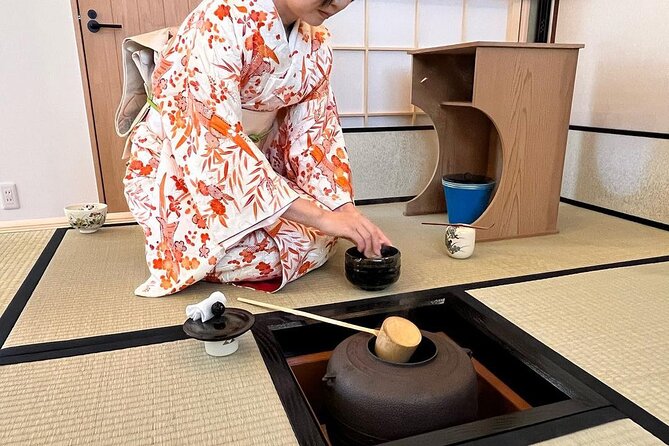
The central part of the hour is watching the qualified tea master prepare matcha in front of you. The preparation is deliberate, with attention given to the utensils and the order of the movements.
You are not simply handed a cup of tea. You see how the drink is made, hear about the tools, and learn how to approach the finished bowl. This gives the matcha a cultural setting that you would miss if you only ordered it at a café.
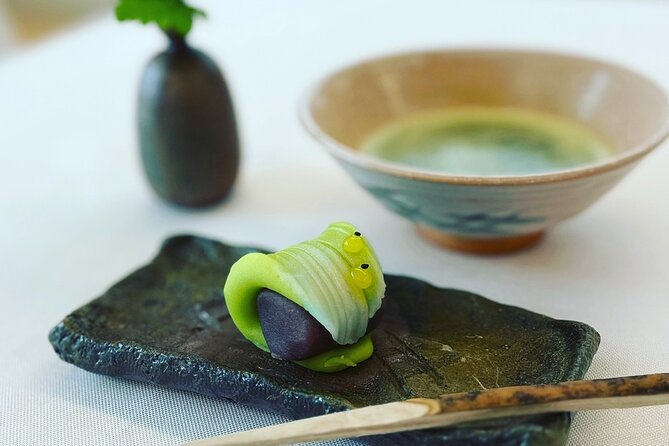
Matcha has a strong, grassy flavor that may be unfamiliar if you usually drink black tea or coffee. Here it is served as part of a formal tea experience, alongside Japanese sweets that provide a pleasant contrast. The sweets are described as seasonal, so their appearance and flavor may vary with the time of year.
The seasonal element is a small but meaningful part of the ceremony. Japanese tea culture pays close attention to the time of year, and the sweets help connect the experience to that idea. You get something attractive to look at and something practical to eat before or with the matcha.
The available information does not specify the particular tea utensils, the style of tea ceremony, or the names of individual tea masters. Do not book expecting a named guide or a particular seasonal sweet. Book it for the chance to see a full ceremony and receive clear instruction in a private setting.
Learning the Etiquette Without Feeling Stiff
Tea ceremony etiquette can seem formal, but this experience is designed for people who have never tried it. The host carefully explains what to do and why it is done.
That teaching is one of the strongest reasons to choose this activity. You gain more than a taste of matcha. You learn how respect, attention, hospitality, and seasonal awareness are expressed through small actions.
You will probably be shown how to handle the tea and utensils, how to appreciate the bowl, and how to follow the rhythm of the ceremony. The exact sequence is not provided, so I would avoid expecting a detailed lesson in every school of tea. This is a practical introduction rather than an academic course.
The tone also sounds casual enough for families and curious beginners. You are not required to arrive in traditional dress, and no special preparation is needed. That makes it an easy addition to a day of sightseeing.
Still, casual does not mean hurried. A full-fledged tea ceremony needs quiet attention. Put your phone away during the main preparation, listen to the explanations, and allow the hour to unfold at its own pace. You will get more from the experience if you treat it as a cultural activity rather than a quick refreshment stop.
Sitting Comfortably in a Traditional Tea Room
The tea room is traditional, so seating may require you to sit in a way that is less familiar than a chair and table. The host takes care to reduce strain on your feet, but the information does not promise chair seating.
This is the one practical point I would consider before booking. If you have difficulty sitting on the floor or getting up from a low position, contact the provider before reserving if possible. The experience may still work for you, but the available details do not explain what seating alternatives can be arranged.
For most people, the seating is part of the setting. It helps you understand that the room itself, the placement of the utensils, and the movement of the host are all part of the ceremony. You are not just watching a performance from a regular dining seat.
Wear something comfortable. There is no stated dress code, and the host provides what you need, but comfort still matters when sitting quietly for about an hour. You do not need to rent a kimono or buy special socks for this activity.
Other private tours in Kurashiki


Matcha, Japanese Sweets, and the Pace of the Visit
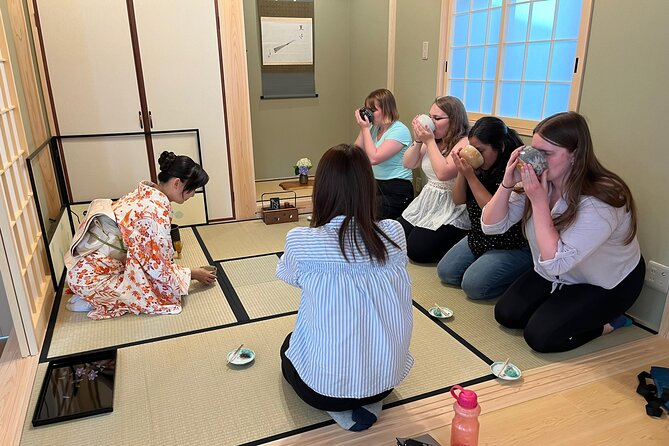
The tea and sweets are not an afterthought. They give the ceremony a pleasant shape and help you understand how food and drink fit into the experience.
First, you watch the preparation and listen to the explanation. Then you enjoy the matcha with beautiful Japanese sweets. The sweets are seasonal, so they may change depending on when you visit. That variety gives repeat visitors a reason to return, although the provider does not specify the exact items in advance.
The matcha is made for you in the tea room rather than poured from a machine or served as a packaged drink. That makes the preparation part of the value. You see the skill involved and gain a better sense of why the utensils and gestures receive so much attention.
I would not choose this activity only because you want a sweet drink. The main appeal is the ceremony and the cultural explanation. If you dislike matcha, have dietary restrictions, or need specific ingredients avoided, the supplied details do not say what substitutions are available. Ask the provider before booking if this is important to you.
Why the Private Format Helps Families
A private booking means only your group participates. That gives the experience a relaxed feel and makes it especially useful for families, couples, or small groups with different levels of interest.
Children can ask questions and watch from close by without worrying about disturbing strangers. The experience has already suited a family with children aged 14 and 11, and the combination of learning, sweets, and matcha gives younger participants something concrete to enjoy.
The private format also helps if you are nervous about Japanese etiquette. You can make a mistake, receive a correction, and continue without the pressure of a large audience. That is valuable because beginners often spend too much energy worrying about the correct gesture and too little noticing the ceremony itself.
There is also a practical advantage for a small group that wants a shared cultural memory. Everyone sees the same preparation and hears the same explanation. The experience is more personal than attending a large demonstration, though it is naturally less suited to someone who prefers anonymity or a busy group atmosphere.
Group discounts are available, but the exact discount and group size are not provided. Check the total price for your party when booking rather than assuming the advertised rate will apply unchanged to every group.
Is $50 Good Value for One Hour?
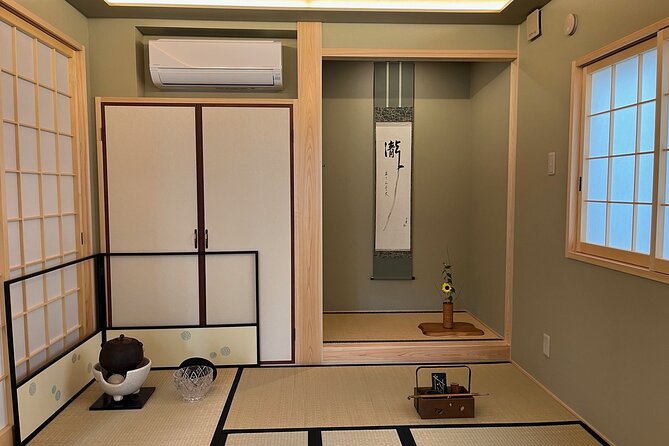
At $50, this is not the cheapest way to drink matcha in Japan. You can find tea in cafés for much less. That is the wrong comparison, though. The price covers a private cultural lesson, a traditional tea room, a qualified tea master, the preparation of matcha in front of you, seasonal sweets, and the chance to ask questions.
For a first introduction to tea ceremony, I consider that a fair price, particularly if two or more people are sharing the experience. The private setup gives you more attention than a public demonstration, and the group discount may improve the value for families or small parties.
The one-hour length is also practical. You get a focused cultural experience without giving up an entire afternoon. That makes it easy to schedule before or after exploring Kurashiki’s old town area.
The price may feel high if you already have extensive tea ceremony experience or only want to taste matcha. It makes more sense if you want context, instruction, and a quiet activity that everyone in your group can share.
Timing, Transport, and Booking Details
The meeting point is 月と花 Japanese Tea Ceremony Salon, 2-chōme-16-11 Achi, Kurashiki, Okayama 710-0055, Japan. The salon is near public transportation, which should make it manageable to reach, though no precise transit directions are supplied.
Plan to arrive with enough time to find the address. Tea ceremony depends on a calm start, and arriving late could reduce the time available for explanations and preparation. The activity finishes back at the meeting point, so you do not need to arrange a separate return transfer.
A mobile ticket is available, which is convenient when you are moving around Japan without a printed itinerary. Confirmation is normally sent at booking. If you reserve within two days of the experience, confirmation may take up to 48 hours and depends on availability.
Free cancellation is available until 24 hours before the start time. Cancel at least a full day ahead for a refund. Cancellations or changes made within 24 hours are not accepted for a refund, and cut-off times follow local time in Japan.
Who Should Book This Kurashiki Tea Ceremony?
I would recommend this experience to you if you want a gentle introduction to Japanese culture rather than a long lecture. It suits first-timers, families with older children, couples, and small groups who want an activity they can share.
It is also a good choice if you are already visiting Kurashiki and want something quieter than walking the old streets. The old town provides the setting, while the tea room gives you a focused look at one part of Japanese cultural life.
You may want to skip it if you dislike matcha, have difficulty with traditional seating, or want a large group demonstration with lots of social energy. The experience is deliberately small and calm. Its value comes from attention to detail, not speed or spectacle.
Should You Book It?
Book this tea ceremony if you want to understand what you are seeing, not merely take a photograph of a tea bowl. The qualified tea master explains the etiquette and utensils, prepares matcha before you, and serves seasonal Japanese sweets in a traditional room.
The strongest reasons to choose it are the private format, the first-timer-friendly instruction, and the chance to include children in a meaningful cultural activity. At $50, it is best viewed as a one-hour private lesson with refreshments, not as a simple tea tasting.
Before booking, consider your comfort with traditional seating and ask about any dietary or mobility needs that are not covered in the available details. If those points work for you, this is a practical and personal way to add Japanese culture to a day in Kurashiki.
FAQ
Where does the Japanese tea ceremony take place?
The experience takes place at 月と花 Japanese Tea Ceremony Salon, 2-chōme-16-11 Achi, Kurashiki, Okayama 710-0055, Japan.
How long does the tea ceremony last?
The activity lasts approximately one hour.
Is this a private experience?
Yes. Only your group participates in the activity.
Do I need special clothes or belongings?
No. The experience provides everything you need, and no special clothing is required.
Is the ceremony suitable for first-timers?
Yes. The tea master explains the etiquette, the meaning of the customs, and how to use the utensils, so no previous experience is needed.
What is the cancellation policy?
You can cancel up to 24 hours before the start time for a full refund. Cancellations or changes made less than 24 hours before the experience are not accepted for a refund.
More Private Tours in Kurashiki
More Tea Ceremony & Kimono Experiences in Kurashiki
More tours in Kurashiki we've reviewed




Tea Ceremony & Kimono Experiences, compared.
 ★ 5.0Hiroshima Local guided Hiking Tour&Open-air Tea CeremonyFrom $109
 ★ 5.0Kimono and Tea Ceremony in MiyajimaFrom $85
 ★ 5.0An Amazing set of Cultural experience: Kimono, Tea Ceremony and CalligraphyFrom $132
 ★ 4.8Hiroshima: Morning Hiking Tour with Open-air Tea CeremonyFrom $1063 hours
 ★ 5.0Cultural Activities :Kimono, tea ceremony, Calligraphy and AmuletFrom $171
 ★ 5.0Experience the Soul of Hiroshima: A Peaceful Koto WorkshopFrom $501h 30m
