

Reviewed · MIYAJIMA TOURS
3 Departures: Hiroshima & Miyajima Trip with Indian Lunch
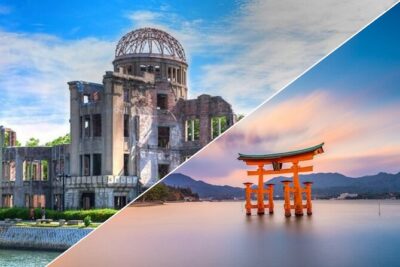
The most powerful part of this day is the contrast between Hiroshima’s quiet memorials and Miyajima’s bright red torii gate, which appears to float in the sea. I like that the tour gives the A-Bomb Dome and Peace Memorial Museum enough time to matter, then changes pace with a ferry ride and island visit. I also like the included Indian curry, a welcome break from the usual Japanese tour lunch.
The main drawback is the length. Depending on your starting point, you may spend a long day on trains, buses, ferries, and guided visits. The Osaka and Kyoto plans include round-trip bullet train tickets, but you should plan any later Shinkansen trip after 6:30 PM.
In This Review
- Key points at a glance
- Why this Hiroshima and Miyajima pairing works
- Starting from Shin-Osaka, Kyoto, or Hiroshima Station
- The A-Bomb Dome and Hiroshima Peace Memorial Park
- One hour inside the Peace Memorial Museum
- Indian curry gives the day a welcome change
- Crossing Hiroshima Bay by ferry
- Itsukushima Shrine and the great red torii
- One hour of free time on Miyajima
- What the $116 price really covers
- The guide can shape the whole day
- Who should book this day trip?
- Should you book the Hiroshima and Miyajima trip?
- FAQ
- Where can I start the tour?
- Is transportation from Kyoto or Osaka included?
- Is the ferry to Miyajima included?
- Are the Hiroshima museum and Itsukushima Shrine admission fees included?
- What food is served for lunch?
- What happens if the Peace Memorial Museum is closed?
- How late should I schedule a Shinkansen after the tour?
Key points at a glance
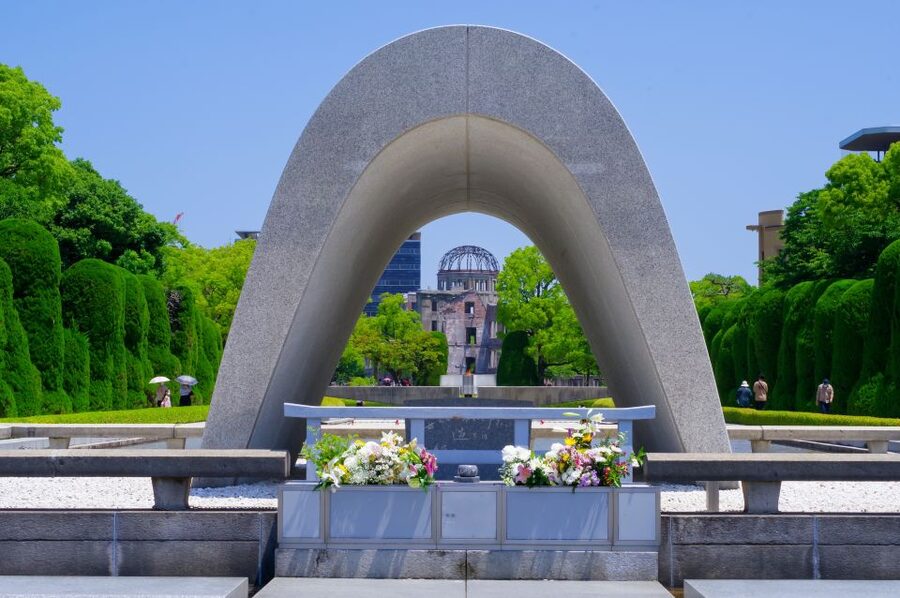
- Three departure cities: Start from Shin-Osaka, Kyoto, or Hiroshima Station, depending on the plan you choose.
- Two essential Hiroshima memorials: Visit the A-Bomb Dome and Hiroshima Peace Memorial Museum with an English-speaking guide.
- Ferry to Miyajima: Cross Hiroshima Bay by boat, with the return ferry included.
- UNESCO-listed Itsukushima Shrine: See the famous red O-Torii, known for its appearance over the water.
- Indian curry lunch: Vegetarian options are available, but menu changes cannot be made on the day.
- Guides who add personal context: Guides named Joe and Miyuki received special praise for clear explanations and warm service.
Why this Hiroshima and Miyajima pairing works
Hiroshima and Miyajima make a strong one-day combination because they offer two very different experiences. Hiroshima asks you to slow down and think about the human cost of war. Miyajima brings you to a sacred island setting with a famous shrine and sea views.
The order matters. You first visit the places connected to the atomic bombing, then travel out across Hiroshima Bay. That change gives the day a natural rhythm. The memorial sites are serious and emotionally demanding. The ferry and island visit offer fresh air and a little breathing room without turning the day into a shallow sightseeing loop.
I like this format for a first visit because it removes much of the planning work. You do not need to work out the connection between Hiroshima, the ferry terminal, and Miyajima on your own. The transportation, museum admission, shrine admission, and ferry ticket are bundled together.
Still, this is not a slow, flexible visit. You follow a set schedule, and the available free time on Miyajima is listed as about one hour. If you want a long meal, a relaxed walk around the island, or time for extra sights, you may find the pace tight.
A few more Hiroshima tours and experiences worth a look
Starting from Shin-Osaka, Kyoto, or Hiroshima Station
You can choose among three starting points: Shin-Osaka Station, Kyoto Station, or Hiroshima Station. The Osaka and Kyoto options include round-trip bullet train tickets, which is a major part of the value for anyone based in Kansai.
From Hiroshima, the day is more local and avoids the long train connection. The Hiroshima plan is useful if you are already staying in the city or arriving there independently. Be careful when booking, since the meeting point changes with the selected departure plan.
The tour lasts between eight and twelve hours. That wide range reflects the starting city and the transport involved. From Kyoto or Osaka, expect the day to feel especially full. You should arrive ready for a structured outing rather than an easy half-day trip.
For the return journey, book a later Shinkansen or other onward train after 6:30 PM if you are using the Osaka or Kyoto option. That buffer is practical. A full day with several transfers can run longer than you expect, and a tight connection would add needless stress.
The A-Bomb Dome and Hiroshima Peace Memorial Park
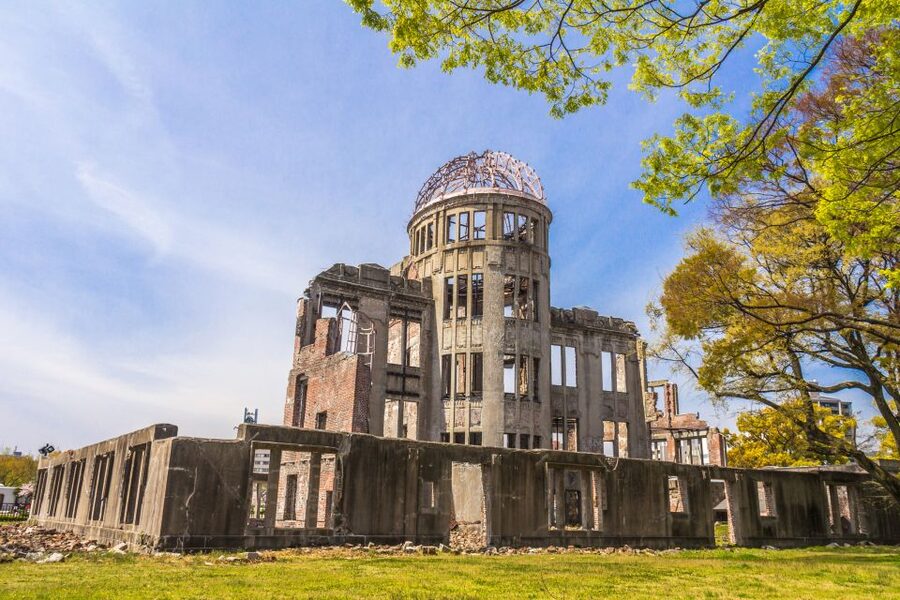
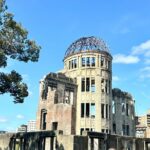
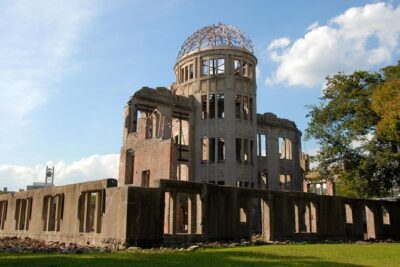
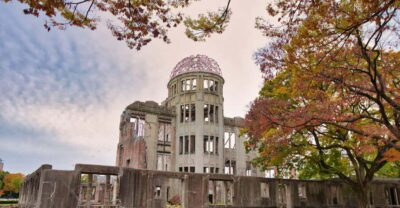
The first major stop is the A-Bomb Dome, visited for about an hour. The ruined building is one of Hiroshima’s most recognizable memorials. Its damaged frame remains visible, giving the bombing a physical presence that photographs alone cannot provide.
This is a place for quiet attention. Your English-speaking guide explains what happened and why the site matters. One guide, Joe, was singled out for sharing deeper information about Hiroshima and a personal family connection involving his mother’s sister. That sort of human detail can make the history feel less distant, though the tone remains serious.
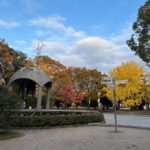
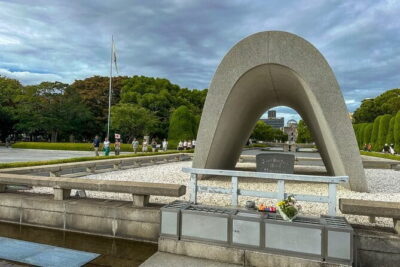
The wider Peace Memorial Park gives you space to reflect after seeing the dome. The experience is not presented as a war story reduced to dates and military facts. Its focus is the suffering caused by nuclear warfare and the need for peace.
You should expect emotional weight here. The hour at the dome is not simply a photo stop, and the next museum visit continues the same subject. Families with children may want to prepare them in advance, since the material can be difficult.
One hour inside the Peace Memorial Museum
The Hiroshima Peace Memorial Museum visit also lasts about an hour. Admission is included, so you do not need to arrange a separate ticket or decide how to fit the museum into your route.
An hour gives you a meaningful introduction, but it is not enough for every display and written explanation. If you read every panel carefully, you may wish for more time. On the other hand, the fixed visit keeps the day moving and prevents the museum from taking over the entire excursion.
The museum is the part of the day where a guide can help most. Joe and Miyuki were both praised for the way they explained Hiroshima, local culture, and the events behind the memorials. The guide does not replace the museum itself, but a clear introduction can help you understand what you are seeing.
If the Peace Memorial Museum is closed, the substitute visit is the Hiroshima National Peace Memorial Hall for the Atomic Bomb Victims. That keeps the day focused on remembrance, though it is not the same museum experience.
Indian curry gives the day a welcome change
Lunch is Indian curry in Hiroshima, with vegetarian options available. This is an unusual choice on a Japan sightseeing day, and I see the appeal. After a serious morning, a familiar, filling meal can be easier than navigating an unfamiliar restaurant under time pressure.
The lunch lasts about 45 minutes. That is enough for a straightforward meal, but not a long restaurant stop. Drinks are not included, and you should not bring your own food or drinks into the restaurant.
Menu changes cannot be made on the day. If you have dietary needs beyond the stated vegetarian option, check the details before booking rather than expecting adjustments at the table.
The food received some of the strongest praise, with one recent booking calling the Indian meal amazing. That does not make it the reason to choose the tour, but it is a useful bonus. You get a planned lunch without giving up valuable sightseeing time.
A few more Hiroshima tours and experiences worth a look


Crossing Hiroshima Bay by ferry

After Hiroshima, the tour heads to Miyajima by ferry. The return ferry ticket is included, so you can enjoy the crossing without sorting out another fare or route.
The boat ride is one of the day’s best transitions. Hiroshima’s memorial district is urban and reflective. The crossing opens the view and signals a change to a sacred island setting. You are still following a group schedule, but the ferry gives you a brief break from museums and city streets.
The coach and ferry connections are arranged as part of the tour. That matters because Miyajima requires more than simply taking a train from central Hiroshima. The ferry is not an optional add-on here. It is part of the experience and included in the price.
Weather can affect transport. In the event of a natural disaster such as a typhoon, the tour is canceled and fully refunded. That policy is especially relevant for a day involving both road and sea travel.
Itsukushima Shrine and the great red torii
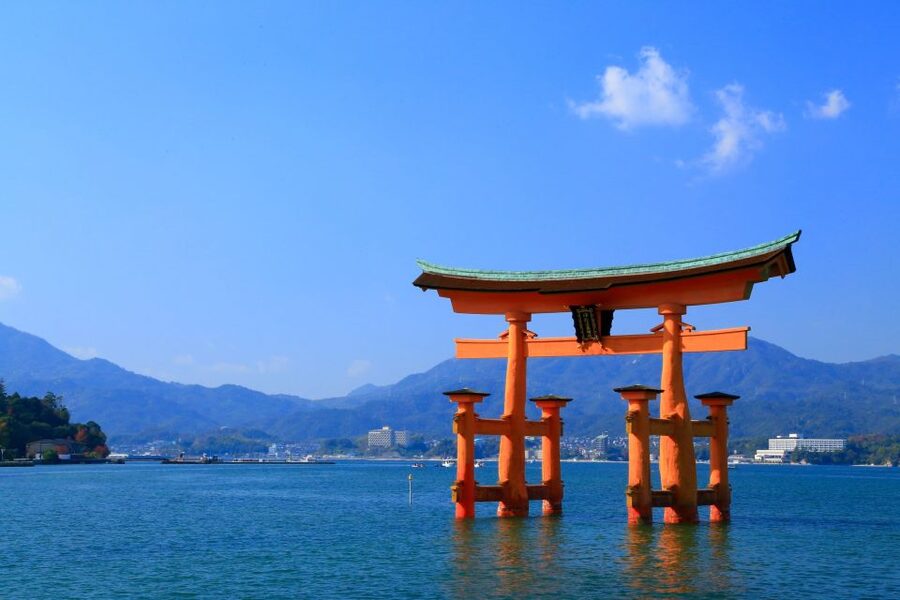
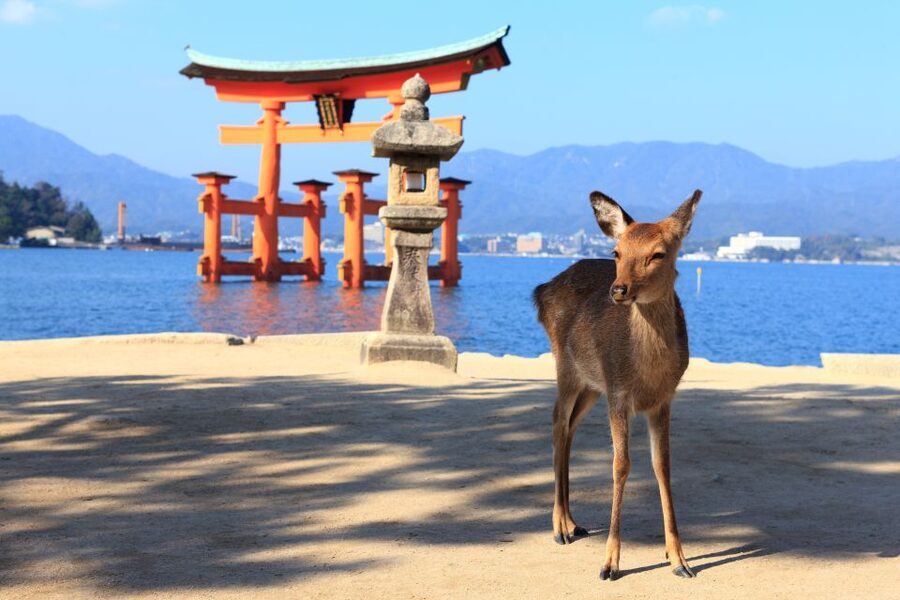
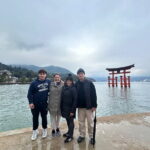
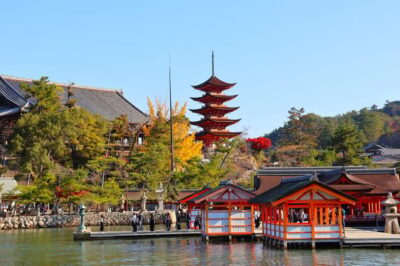
On Miyajima, you visit Itsukushima Shrine for about an hour. The shrine is a national treasure and a UNESCO World Heritage site, making it one of the main reasons to include the island in a Hiroshima trip.
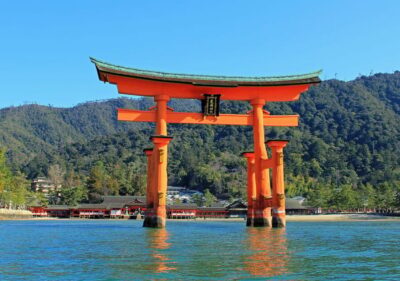
The famous O-Torii, also called the Grand Torii Gate, is the visual star. It is known for appearing to float in the sea, creating one of Japan’s most recognizable views. The gate gives the visit an instant sense of place, but the shrine itself is just as important. The setting links Shinto worship with the water around the island.
The included shrine admission is a small convenience that adds up over a full day. You can enter with the group rather than pausing to buy a ticket.
One practical point: the tour description does not promise a specific water level or viewing condition for the gate. You will see the celebrated gate, but the exact way it appears from the shore can vary with the conditions. The schedule gives you about an hour at the shrine, so use that time carefully.
One hour of free time on Miyajima
After the shrine, you have about one hour of free time on Miyajima. This is your chance to look around at your own pace rather than stay with the guide at every moment.
The time is enough for a short independent wander, a few photos, or a closer look at the island surroundings. It is not enough to treat Miyajima as a full separate day. The tour does not list extra activities or a longer island walk, so keep your plans modest.
I like having even this brief free period. Guided sightseeing can become a string of fixed stops, and a little unscheduled time helps you absorb the place. You can decide how to use it instead of following another explanation.
The trade-off is clear. If Miyajima is your main reason for visiting Hiroshima, you may want a separate island visit with more time. If you want the major shrine and torii gate as part of a wider day, this hour works well.
What the $116 price really covers
At $116 per person, the price needs to be judged by the departure city. For the Hiroshima option, the cost covers the air-conditioned coach transport, museum admission, shrine admission, return ferry, and Indian curry lunch. For Osaka and Kyoto departures, round-trip bullet train tickets are also included.
Those train tickets can make the Kansai plans good value. Buying the train journey, ferry, admissions, and lunch separately would require more planning and could produce a similar total, depending on the train fare and your chosen schedule. The tour also gives you an English-speaking guide for the day.
The price does not include drinks, hotel pickup, or hotel drop-off. You need to reach the designated station meeting point yourself. That is normal for a station-based day trip, but it means you should allow time to find the exact meeting area.
The best value comes when you want structure. You pay for a clear route, prearranged transport, and a guide who links the memorial sites with Miyajima. The value is weaker if you already have a rail pass, prefer to plan independently, or want to spend a full day at just one site.
The guide can shape the whole day
The guide is especially important on this experience because Hiroshima requires more than basic directions. The strongest guide feedback focused on clear explanations, warmth, and personal stories.
Joe received praise for discussing both Hiroshima’s history and local culture, while Miyuki was described as a wonderful guide. Another guide was praised for making the entire day special through knowledge and kindness. Those comments point to the human element of the trip: the route is fixed, but the quality of the explanation can change how much you take from it.
The tour is offered in English. It is intended for international travelers, and Japanese nationals cannot join. That restriction is unusual, so check it before booking if it affects your group.
The guide also helps with timing. You move from the dome to the museum, lunch, the ferry, the shrine, and free time without having to monitor every connection. The cost of that ease is less independence.
Who should book this day trip?
I would choose this tour if you are staying in Kyoto or Osaka and want to see Hiroshima without arranging the bullet train, ferry, and admissions yourself. It is also a good fit for a first Hiroshima visit when you want the two major memorial sites and Miyajima’s shrine in one day.
It suits you especially well if:
- You want an English-speaking guide to explain the memorial sites.
- You value included transport and admissions.
- You enjoy a clear schedule with little route planning.
- You want a substantial lunch with vegetarian availability.
- You have only one day for Hiroshima and Miyajima.
I would look elsewhere if you want long museum time, a slow Miyajima visit, or complete control over your meals and schedule. The fixed lunch, one-hour free period, and long overall duration may feel restrictive to independent sightseers.
Free cancellation is available up to 24 hours before departure, and you can reserve now and pay later. Those terms help if your Japan plans are still changing, but the more important decision is choosing the right starting city and leaving enough time after the tour.
Should you book the Hiroshima and Miyajima trip?
Book it if you want the major Hiroshima memorials and Miyajima in one organized day, especially from Kyoto or Osaka. The included bullet train, ferry, admissions, lunch, and English guide create a practical package for a first visit.
Skip it if your priority is a slow, personal encounter with either destination. Hiroshima deserves thought, and Miyajima rewards extra time. For many people, though, this tour offers a sensible first look, with serious history in the morning, a ferry crossing, and one of Japan’s most famous shrine views to finish the day.
FAQ
Where can I start the tour?
You can start from Shin-Osaka Station, Kyoto Station, or Hiroshima Station, depending on the option you book.
Is transportation from Kyoto or Osaka included?
Yes. The Osaka and Kyoto options include round-trip bullet train tickets, along with air-conditioned bus transportation during the Hiroshima portion.
Is the ferry to Miyajima included?
Yes. A return ferry ticket to Miyajima Island is included.
Are the Hiroshima museum and Itsukushima Shrine admission fees included?
Yes. Entry to the Hiroshima Peace Memorial Museum and Itsukushima Shrine is included.
What food is served for lunch?
The included meal is Indian curry. Vegetarian options are available, but menu changes cannot be made on the day.
What happens if the Peace Memorial Museum is closed?
You visit the Hiroshima National Peace Memorial Hall for the Atomic Bomb Victims instead.
How late should I schedule a Shinkansen after the tour?
If you plan to use the Shinkansen for your return or next trip, book a departure after 6:30 PM.
More Lunch Experiences in Hiroshima
More Hiroshima City Tours in Hiroshima
More Miyajima Tours in Hiroshima
More tours in Hiroshima we've reviewed


Miyajima Tours, compared.
 ★ 5.0Peaceful Hiroshima & Miyajima UNESCO 1 Day Bus TourFrom $129
 ★ 4.9Hiroshima: Hiroshima and Miyajima UNESCO Sites 1-Day TourFrom $1228 hours
 ★ 5.0Hiroshima / Miyajima Full-day Private Tour with Government Licensed GuideFrom $202
 ★ 4.7Osaka/Kyoto: Hiroshima Miyajima Bus Tour & Shinkansen TicketFrom $27712 hours
 ★ 4.7From Hiroshima: Hiroshima & Miyajima 1 Day Tour with LunchFrom $1168 hours
 ★ 5.0Hiroshima and Miyajima Day Trip with Itsukushima Shrine & FerryFrom $45
