
Reviewed · MIYAJIMA TOURS
The Peace Memorial to Miyajima : Icons of Peace and Beauty
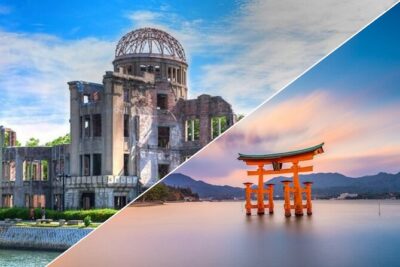
Hiroshima’s most powerful sights and Miyajima’s famous red torii gate make an unlikely but meaningful pair. This eight-hour small-group tour moves from the human cost of August 6, 1945, to an island of deer, shrines, maple trees, and sea views.
I like the limited group size, capped at eight, because it gives guides such as Ken, Kensuke, and Yuka room to answer questions and adjust the pace. I also like that tram, bus, and ferry fares are included, which takes some of the guesswork out of Hiroshima’s public transport.
The trade-off is time spent getting between sites by public transit. At $167.44 per person, this is not a cheap sightseeing day, and the value depends heavily on how much you want a guide to explain Hiroshima rather than simply show you the sights.
In This Review
- Key points to know before booking
- Hiroshima’s difficult morning at Peace Memorial Park
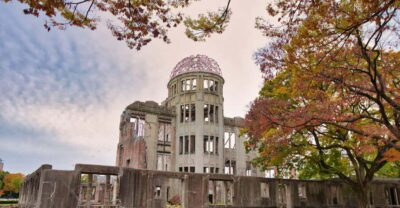
- The Atomic Bomb Dome and its uneasy silence
- One focused hour at the Peace Memorial Museum
- Public transport from the city to Miyajima
- Miyajima’s deer, streets, and sea views
- Inside Itsukushima Shrine
- What the small group changes
- Is $167.44 good value?
- Who should book this Hiroshima day?
- Practical details that affect the day
- Should you book it?
- FAQ
- How long is the Peace Memorial to Miyajima tour?
- Where does the tour start?
- Where does the tour end?
- What transportation is included?
- Is lunch included?
- How large is the group?
- What happens if bad weather cancels the tour?
Key points to know before booking
- Two very different sides of Hiroshima: You spend the morning with the city’s wartime past, then head to Miyajima for shrines, scenery, deer, and traditional streets.
- Small group, maximum eight: The size makes it easier to hear the guide, ask questions, and keep the day personal.
- English-speaking local guides: Ken and Kensuke receive especially strong praise for clear explanations and local perspective. Yuka is also named as an excellent guide.
- Public transport is part of the day: Tram, bus, and ferry fares are covered, but the transfers add travel time and walking.
- A serious, physical outing: Expect a good deal of walking, along with an eight-hour day that begins at 8:30 a.m.
- Lunch is not included: Plan to buy food during the day, particularly before or during the Miyajima portion.
Hiroshima’s difficult morning at Peace Memorial Park
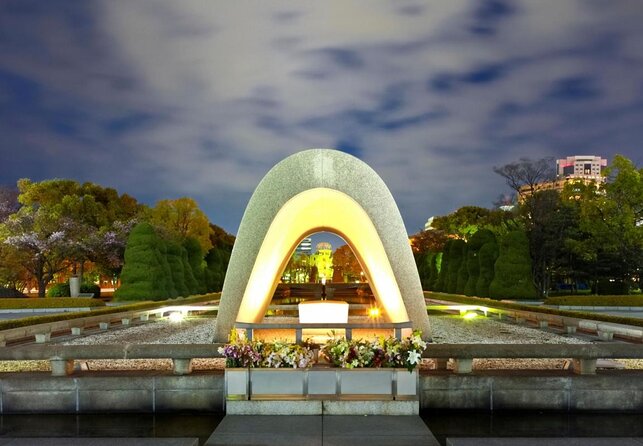
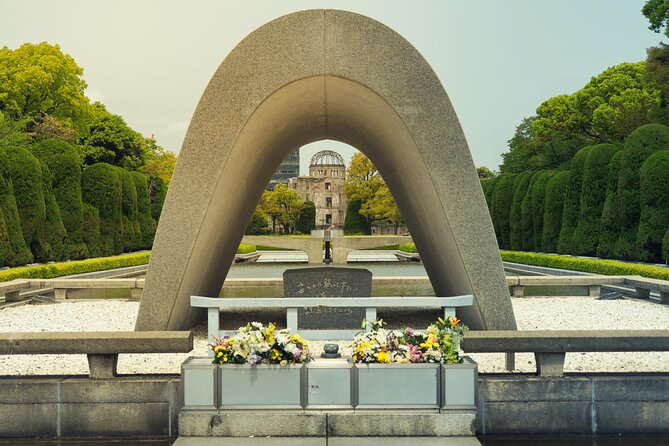
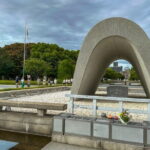
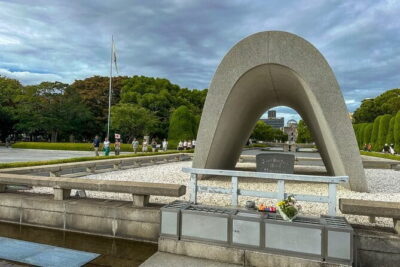
The day begins at 8:30 a.m. outside the 7-Eleven Hiroshima Motoyasubashi East Store, near the Peace Memorial Park. From there, your guide leads you through a calm setting of lawns, trees, and water while explaining what happened on August 6, 1945.
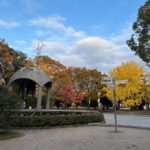
This part of Hiroshima is quiet, but it is not an easy place. The park asks you to slow down and pay attention. A guide is useful here because the memorials can otherwise blur together, especially if you are trying to cover the park, the museum, and the Atomic Bomb Dome in one morning.
You have about two hours in the Peace Memorial Park. That is enough time for an orientation walk and for the guide to explain the main monuments, but it is not unlimited. If you prefer to linger at every memorial, read every plaque, and pause often, you may find the schedule brisk.
Ken and Kensuke are repeatedly praised for explaining the sites clearly and answering questions. Ken is also described as conversational in English and attentive to the pace of a small group. That personal guidance matters here. Hiroshima is not a place where a quick photo and a few facts do justice to what you are seeing.
A few more Hiroshima tours and experiences worth a look

The Atomic Bomb Dome and its uneasy silence
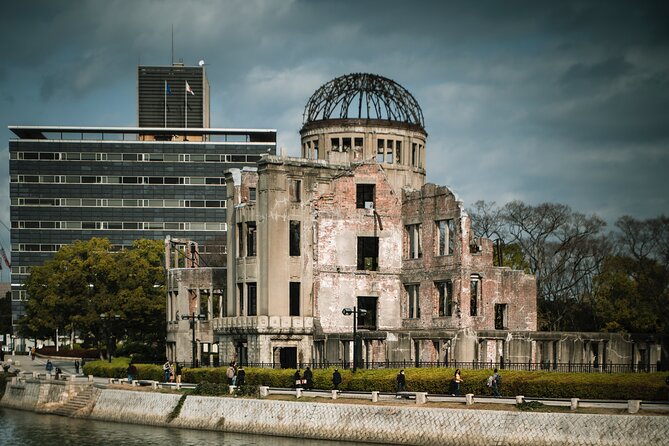
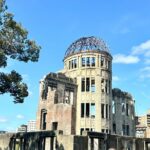
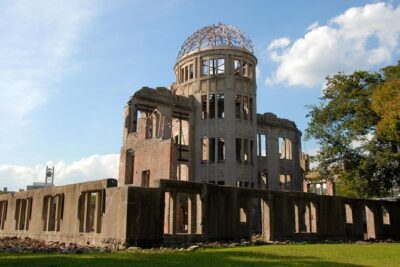
The Atomic Bomb Dome receives a separate stop of about 20 minutes. Admission is free, and the building is viewed from outside.
The skeletal structure is one of Hiroshima’s most recognizable sights, but its power comes from its location and condition rather than from any elaborate presentation. The remains are a direct reminder of the blast and of the decision to preserve the building as a memorial.
Twenty minutes is enough for the guide to explain the site and for you to take in the view. It is not enough for a long independent visit, though the surrounding park gives you a wider setting for understanding the Dome’s place in the city.
I would treat this stop as part of the park walk rather than a separate attraction. The value comes from seeing the Dome in context, with the river, memorial grounds, and museum all close by.
One focused hour at the Peace Memorial Museum
The Peace Memorial Museum gets about one hour, with admission included. This is the most emotionally demanding stop of the day.
The museum presents the events of August 6, the destruction that followed, and the personal effects and accounts connected to the bombing. The material is direct and often painful. You should allow yourself some quiet time afterward, because the visit is not simply another item to check off.
One hour gives you a useful introduction, especially when the guide has already provided context in the park. It does not permit a slow reading of every display. If the museum is your main reason for visiting Hiroshima, you may want to return on your own for more time.
The schedule also creates a practical tension. The tour must leave the museum in time to reach Miyajima, and public transport is involved. One account found the transfer process too slow and felt a direct sightseeing boat near the museum would have made better use of the morning. That is a fair concern, particularly if you want the museum to receive the largest share of your day.
Public transport from the city to Miyajima

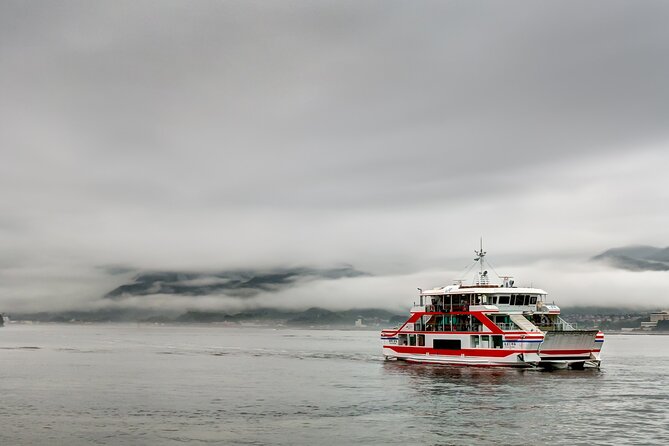
Tram, bus, and ferry fares are included in the tour price. This is convenient, but the transportation is not merely a short ride between attractions. You will spend part of the day following Hiroshima’s public transit system and walking between connections.
That can be a positive feature if you like seeing how a city works. Guides such as Ken are praised for knowing the rail system well and helping groups move through it. One guide even assisted with Shinkansen ticket questions, a useful extra if you are continuing your trip by train.
It can also feel inefficient. The route from the Peace Memorial area to the ferry connection takes time, and the tour’s duration includes all transit. A private vehicle would reduce transfers, but private tours generally cost much more. Large bus tours may be cheaper, but they usually give you less flexibility and less contact with the guide.
The choice is really between price and convenience. At $167.44, you are paying for a guide-led day with covered fares and a small group, not for a private car or a nonstop route between sights.
Miyajima’s deer, streets, and sea views
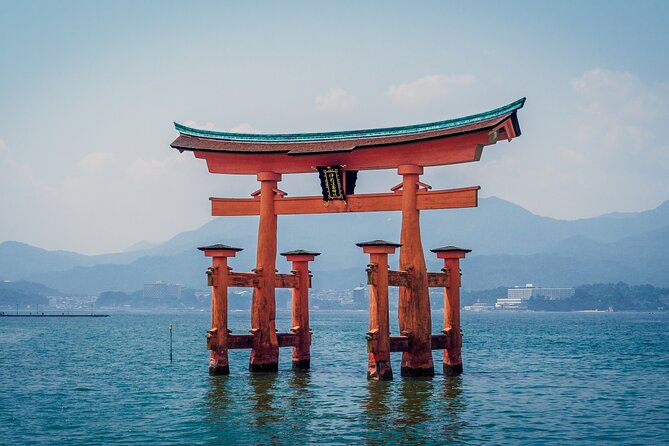
The Miyajima portion lasts about two hours, followed by around 90 minutes at Itsukushima Shrine. Together, these stops give the day a sharp change of mood.
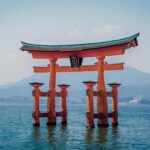
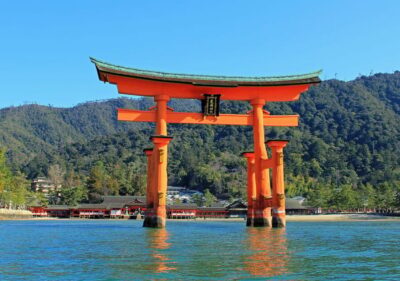
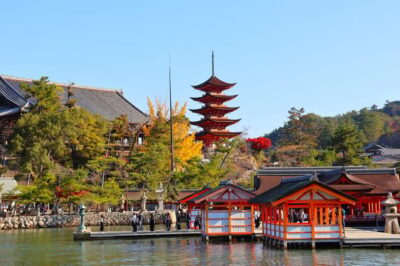
Miyajima is known for its floating red torii gate, traditional buildings, maple trees, and deer. The island gives you a chance to walk without the heavy emotional weight of the Peace Memorial sites. The contrast is one of the tour’s best ideas: first, you confront Hiroshima’s past, then you see the cultural and natural beauty that continues around it.
The general island visit is free, though food and personal purchases are not included. You might find local dishes, snacks, and desserts around the streets, but the schedule does not promise a restaurant meal. Bring money for lunch and do not assume the tour will stop for a long dining break.
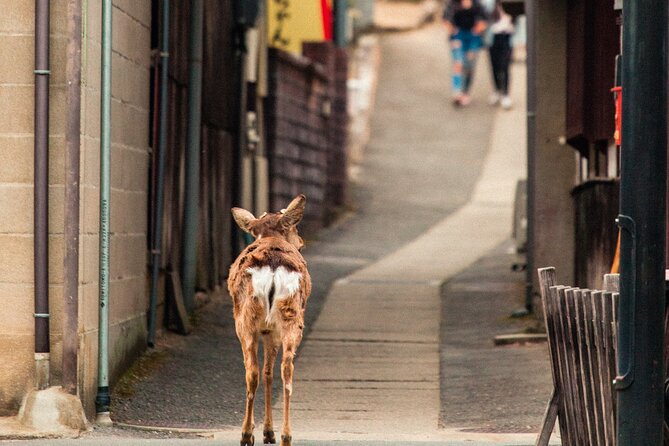
The deer add a light, memorable touch, but this is not a wildlife tour. They are part of the island’s public spaces, and the main focus remains the scenery, architecture, and shrine.
Miyajima can feel crowded at popular viewing areas, though no exact crowd pattern is promised for this tour. Your experience will also change with the tide and weather, especially around the torii gate and shoreline.
A few more Hiroshima tours and experiences worth a look


Inside Itsukushima Shrine
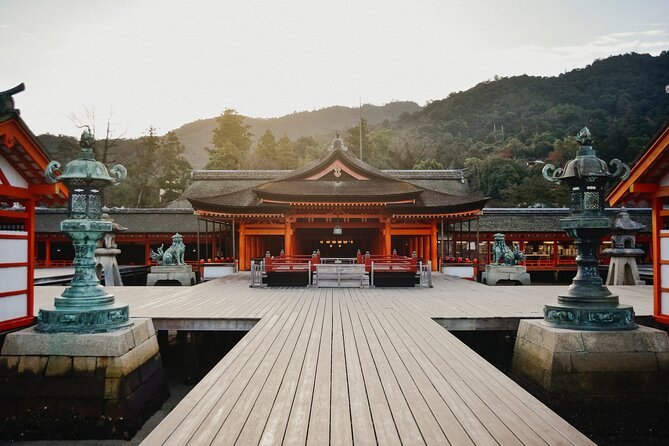
The tour includes admission to Itsukushima Shrine and allows about 90 minutes for the visit. This is the cultural centerpiece of Miyajima.
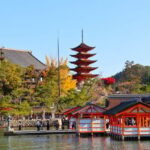
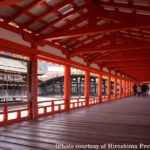
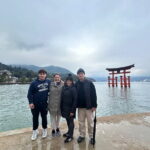
The shrine’s buildings sit over the water, creating the famous impression that the complex floats at high tide. The red gates, walkways, and mountain backdrop make this one of Japan’s most recognizable sacred sites. Your guide can explain what you are looking at, rather than leaving you to see it only as a photogenic structure.
The shrine is worth taking slowly. Look beyond the torii gate and notice how the buildings, water, and surrounding island work together. The experience changes depending on the tide, so the exact view can differ during your visit.
Ninety minutes is a useful amount of time for the shrine and its immediate setting. It may feel short if you also want a long meal, extensive shopping, or a separate temple visit. The tour is designed to give you a broad introduction to Miyajima, not to cover every corner of the island.
What the small group changes
The maximum group size is eight. That is a real advantage in Hiroshima, where the subject matter often leads to questions and quiet discussion.
A small group lets the guide keep people together without shouting across a crowd. It also makes it easier to adjust the pace within reason. Ken is praised for responding to the needs of a group of four, while another account describes him guiding seven people around the park at their own pace.
Do not expect a fully private tour. You still follow a set route, use public transport, and keep to the day’s timing. But eight people is small enough to feel more personal than a standard coach excursion.
The guide can make or break this format. Ken and Kensuke receive strong praise for their English, warmth, and explanations. Yuka is also singled out for her grasp of local culture and for making Miyajima especially enjoyable. One poor experience involved a guide whose English did not meet the participant’s expectations, so I would recognize that guide quality can vary by date.
Is $167.44 good value?
The price is easiest to justify if you have one day in Hiroshima and want both major areas handled for you. You receive an English-guided route, admission to the Peace Memorial Museum and Itsukushima Shrine, and public transportation fares. The small group is more valuable than the included fares, since transit tickets themselves are only one part of the cost.
The price is harder to justify if you are comfortable arranging trains, trams, ferries, and admissions yourself. Independent visitors can spend more time at the museum, choose their own lunch, and decide how long to stay on Miyajima.
You are also paying for interpretation. Hiroshima’s memorial sites benefit from context, and Miyajima benefits from knowing what you are seeing. If you want a guide’s perspective on Hiroshima today, that can make the cost worthwhile.
The tour is booked about 36 days ahead on average, which suggests planning early is sensible. Group discounts may be available, so check the price for your party rather than assuming the per-person rate is fixed.
Who should book this Hiroshima day?
I would recommend this tour to a first-time visitor with limited time in Hiroshima. It covers the city’s central memorial sites and Miyajima in one long day, which is efficient when your schedule is tight.
It also suits people who prefer a small group to a large bus. The strongest guide experiences come from the personal contact, especially with Ken or Kensuke, and from being able to ask questions along the way.
You should be comfortable walking, changing public transport, and staying out for about eight hours. The tour specifically calls for moderate physical fitness, and the duration includes travel time.
I would be more cautious if you want an unhurried museum visit, a private vehicle, or a long meal. The route is full, and the public ferry connection can make the day feel more like a transit exercise than a relaxed sightseeing outing.
The photographer-guide option may appeal if you want help composing images while learning about the sites. The available information does not identify the photographer by name, so confirm that detail before booking.
Practical details that affect the day
The tour starts at 8:30 a.m. at the 7-Eleven Hiroshima Motoyasubashi East Store, at 1-chōme-5-20 Ōtemachi. It ends at Hiroshima Station, with drop-off in central Hiroshima.
Lunch is not included. Plan for your own meal and carry water, especially in warm weather. You will be walking through memorial grounds, transit connections, Miyajima streets, and the shrine area.
Mobile tickets are offered, and confirmation arrives when you book. The experience requires good weather. If poor weather causes cancellation, you can choose another date or receive a full refund.
Free cancellation is available up to 24 hours before the start time. Changes or cancellations within 24 hours are not accepted for a refund.
Should you book it?
Book this tour if you want Hiroshima’s memorial sites and Miyajima in one carefully guided day, and you value a group of no more than eight. The guides can add meaning to the Peace Memorial Park and make the rail and ferry connections less confusing.
Skip it if the museum deserves several hours for you, or if $167.44 feels too high for a day that uses public transport. For the right visitor, this is a thoughtful way to connect Hiroshima’s painful past with Miyajima’s enduring beauty. Just bring patience for the transfers, money for lunch, and enough energy for a full day on foot.
FAQ
How long is the Peace Memorial to Miyajima tour?
The tour lasts approximately eight hours, including travel time between Hiroshima and Miyajima.
Where does the tour start?
It starts at 8:30 a.m. at the 7-Eleven Hiroshima Motoyasubashi East Store, 1-chōme-5-20 Ōtemachi, Naka Ward, Hiroshima.
Where does the tour end?
Drop-off is at Hiroshima Station in central Hiroshima.
What transportation is included?
Public transportation fares for the tram, bus, and ferry are included in the tour price.
Is lunch included?
No. Lunch is not included, so you should plan to pay for your own food.
How large is the group?
The tour has a maximum of eight participants.
What happens if bad weather cancels the tour?
You will be offered a different date or a full refund if the experience is canceled because of poor weather.
More Peace Memorial Tours in Hiroshima
More Miyajima Tours in Hiroshima
More tours in Hiroshima we've reviewed


Miyajima Tours, compared.
 ★ 5.0Peaceful Hiroshima & Miyajima UNESCO 1 Day Bus TourFrom $129
 ★ 4.9Hiroshima: Hiroshima and Miyajima UNESCO Sites 1-Day TourFrom $1228 hours
 ★ 5.0Hiroshima / Miyajima Full-day Private Tour with Government Licensed GuideFrom $202
 ★ 4.7Osaka/Kyoto: Hiroshima Miyajima Bus Tour & Shinkansen TicketFrom $27712 hours
 ★ 4.7From Hiroshima: Hiroshima & Miyajima 1 Day Tour with LunchFrom $1168 hours
 ★ 5.0Hiroshima and Miyajima Day Trip with Itsukushima Shrine & FerryFrom $45
