
Reviewed · PEACE MEMORIAL TOURS
Tea Ceremony Experience near Atomic Bomb Dome
Five minutes from Hiroshima’s Atomic Bomb Dome, this one-hour experience connects matcha, handmade sweets, and postwar history in a setting that feels personal rather than staged. At Takaki, a local confectionery shop damaged by the atomic bombing, guide Yurie explains the tea ceremony and the shop’s road back to business.
I like two things right away: you choose your own seasonal confectionery, and the ceremony uses a table and chairs instead of requiring you to kneel on tatami. The small group, limited to six people, also gives you time to ask questions and make your own tea. The main consideration is timing: one hour passes quickly, and the experience is more about cultural understanding than a long formal ceremony.
- A short walk from the Atomic Bomb Dome: Easy to pair with Hiroshima’s central sights.
- Choose a seasonal Japanese sweet: Your selected confectionery is served with matcha.
- Visit a working tea room: You can see the tatami room used for local tea gatherings.
- Learn by doing: Yurie prepares matcha, then shows you how to make your own.
- Hear the shop’s bombing and rebuilding story: The setting adds a distinctly Hiroshima layer.
- Small, English-speaking group: With no more than six participants, the pace stays calm and conversational.
In This Review
- A Tea Lesson Beside Hiroshima’s Most Important Memorial
- Choosing a Seasonal Sweet at Takaki
- Stepping Into a Real Tatami Tea Room
- Matcha Served at a Table, Not on the Floor
- Yurie’s Personal Touch and the Value of a Small Group
- The Hiroshima Story Behind the Sweets
- Shopping for Japanese Confectionery After the Ceremony
- Is $45 a Fair Price?
- Getting There From the Atomic Bomb Dome
- Who Should Book This One-Hour Experience?
- Should You Book the Tea Ceremony Near the Atomic Bomb Dome?
- FAQ
- How long does the tea ceremony experience last?
- How much does the experience cost?
- How far is the venue from the Atomic Bomb Dome?
- Is the experience conducted in English?
- Who is the guide?
- What is included in the price?
- Can I make matcha myself?
- Do I need to bring socks?
- Can I buy more Japanese sweets after the ceremony?
A Tea Lesson Beside Hiroshima’s Most Important Memorial
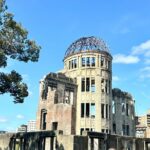
Hiroshima offers plenty of historic places, but the Atomic Bomb Dome can leave you needing a quieter hour afterward. This tea ceremony provides that change of pace without sending you across town. Takaki is about a five-minute walk from the dome, so you can fit the activity before or after the Peace Memorial Park.
The location matters. This is not a tea demonstration in an anonymous hotel room. It takes place in a confectionery shop with a connection to Hiroshima’s wartime destruction and postwar recovery. The shop suffered major damage in the atomic bombing, and part of the session explains how it recovered.
That story is brief, but it gives the tea ceremony a stronger sense of place. You are not only learning how to whisk matcha. You are hearing how a local business continued after one of the worst events in modern history.
The experience lasts one hour, so expect a focused introduction rather than a full study of tea culture. That is a good fit for most visitors. You can learn the main ideas, taste the tea and sweet, and still have time for the Peace Memorial Museum, the Atomic Bomb Dome, or a meal nearby.
Choosing a Seasonal Sweet at Takaki
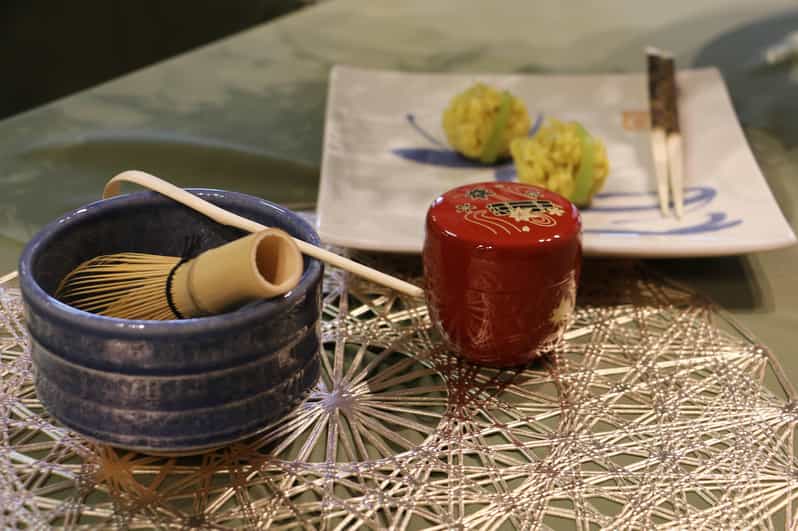
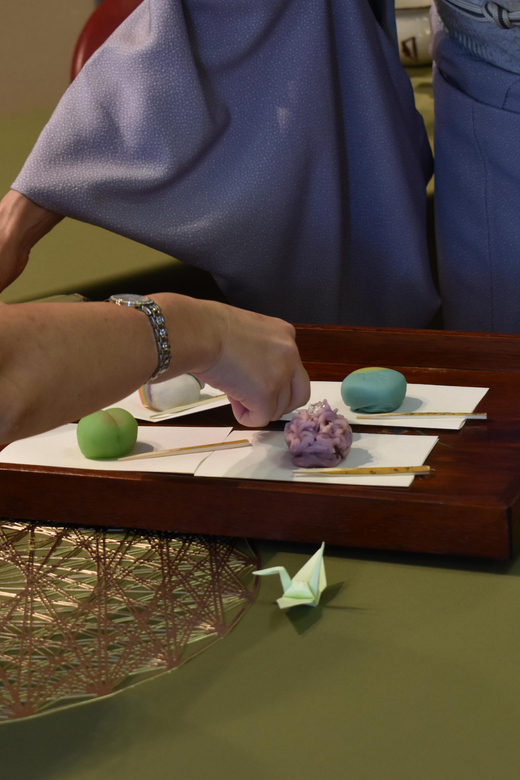
The experience begins with a choice. You select one confectionery from a collection of seasonal Japanese sweets made by artisans. This small decision makes the ceremony feel more personal, and it introduces an important part of Japanese tea culture.
Japanese confectionery is not simply a sugary snack. Shape, color, and seasonal design often matter as much as flavor. A sweet may suggest a flower, a leaf, or another sign of the time of year. The exact selection changes with the season, so you will not know every option in advance.
You receive one piece as part of the experience. That sweet is meant to be eaten before the matcha, helping balance the tea’s strong, grassy taste. If you enjoy what you see, the first floor is also a shop where you can buy additional traditional confectionery to take away.
This is one of the better parts of the activity for food-minded visitors. You get a guided introduction, then the freedom to browse without needing to arrange a separate shopping stop. The limitation is simple: extra sweets and drinks are not included in the $45 price.
A few more Hiroshima tours and experiences worth a look

Stepping Into a Real Tatami Tea Room
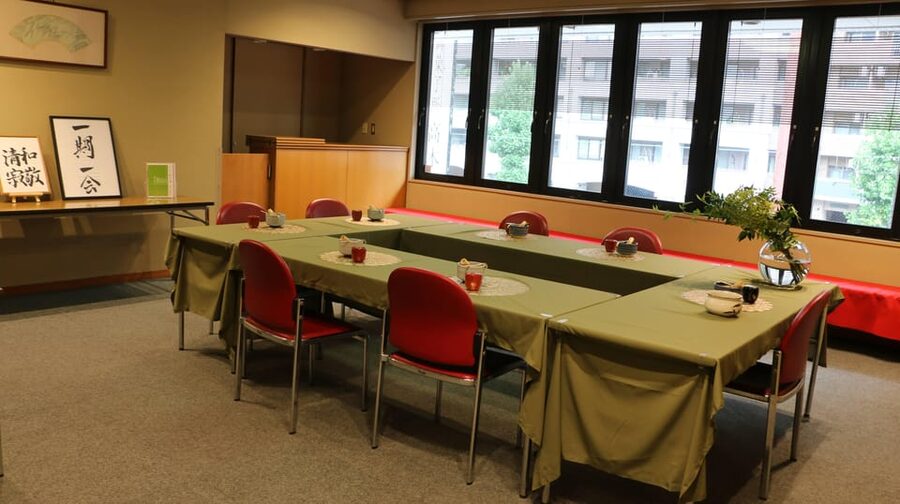
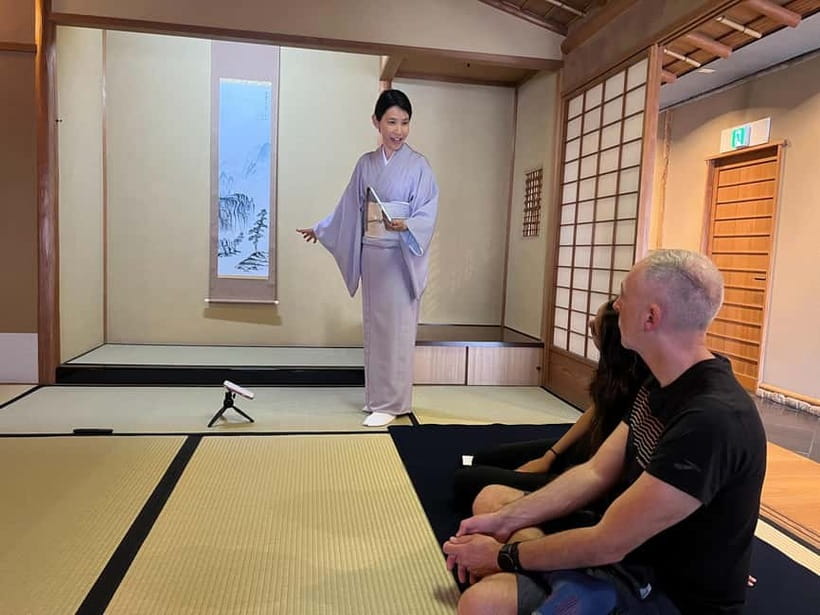
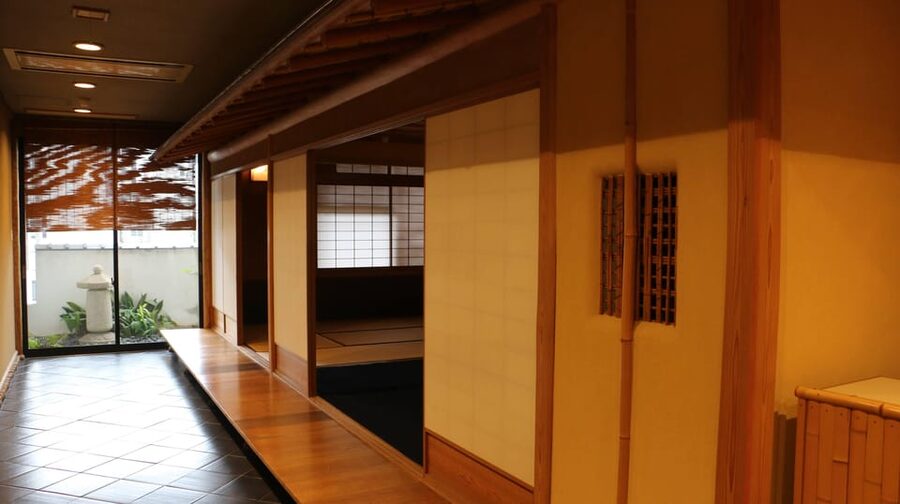
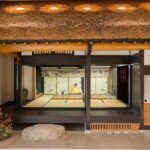
You then have the chance to visit a tea room used by locals for tea gatherings. The room offers a look at the physical setting behind the ceremony, including the tatami floor and the restrained layout that helps focus attention on the host, the guest, the tea, and the seasonal sweet.
Shoes cannot be worn on the tatami. You also cannot step onto it barefoot, which is why socks are required. Bring a clean pair, though borrowed socks are available if needed.
This detail sounds minor, but it is worth handling before you arrive. If you are wearing sandals, bring socks in your bag rather than trying to find some at the last minute. The tea room visit is a request-based part of the experience, so you should make your interest clear when you arrive.
The formal room is useful even if the actual tea gathering happens at a table. You can see the traditional environment without having to sit in a kneeling position for the full session. That makes the activity more approachable for people who want cultural context but do not want a physically demanding ceremony.
Matcha Served at a Table, Not on the Floor
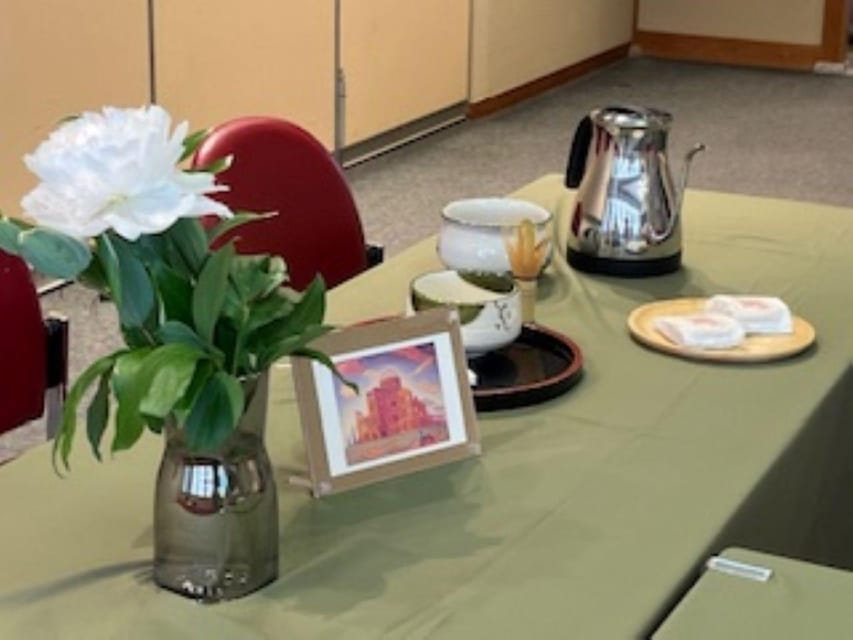
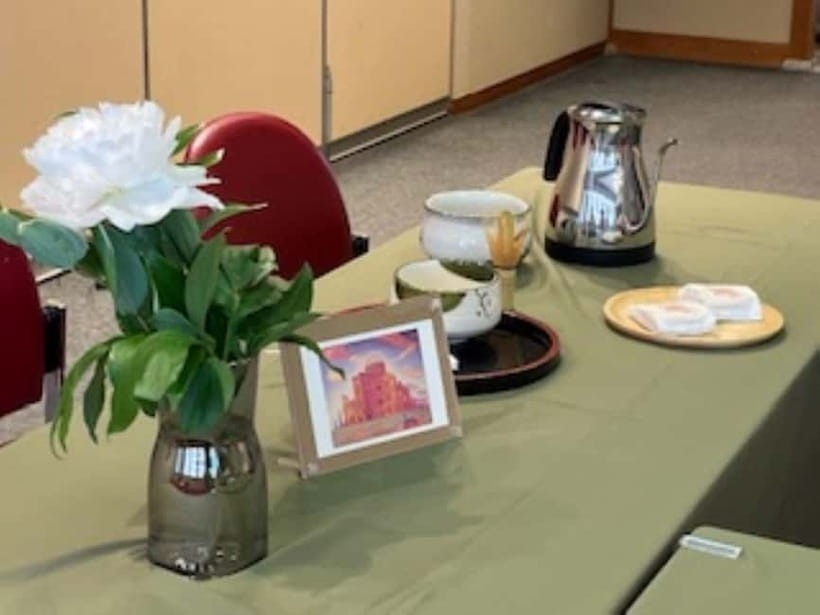
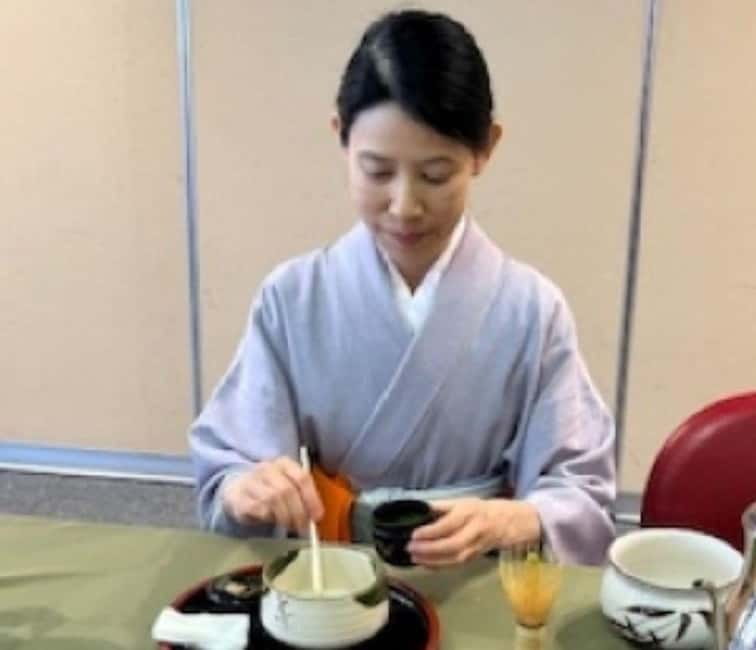
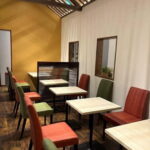
The main gathering uses a table-style format. Yurie prepares matcha for you and explains the spirit and customs of tea ceremony in English. You receive two cups of matcha in total and one piece of confectionery.
This casual arrangement is a major selling point. Traditional tea ceremonies can involve sitting in seiza, the formal kneeling posture, which is uncomfortable for many people, especially after a full day of sightseeing. Here, you can focus on the taste, gestures, and meaning without worrying about your legs.
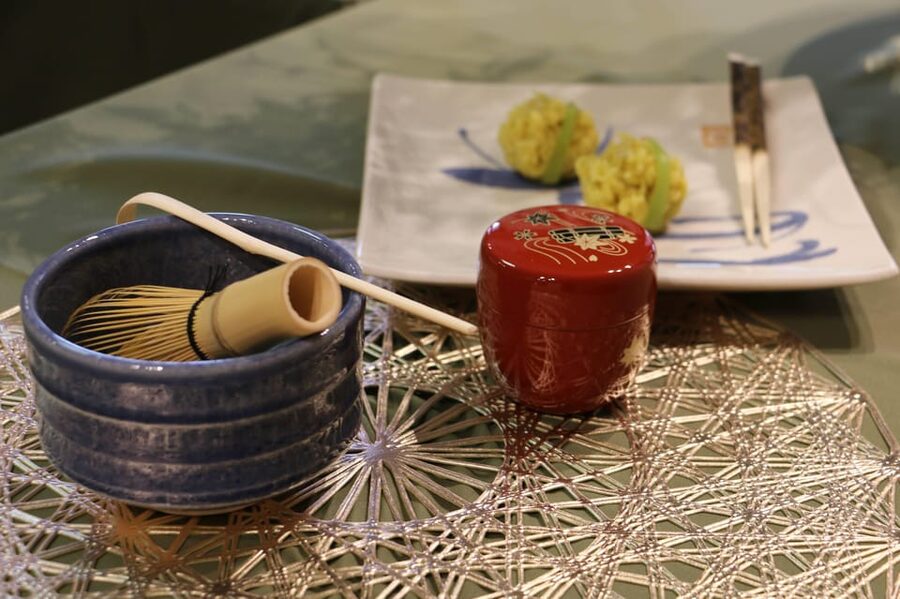
You first watch the preparation, then have a chance to make tea yourself. The hands-on portion gives you a better sense of the work involved: measuring the powder, adding hot water, and whisking it into a smooth drink. You do not need previous experience, and the small group allows room for patient instruction.
The tea itself may taste stronger and more bitter than the green tea served in many Japanese restaurants. That is normal. The confectionery helps soften the flavor, and the ceremony shows you why the sweet and matcha are served together.
The activity is not designed to turn you into a tea master in an hour. Instead, you leave with a practical understanding of the basic movements and etiquette, plus a better idea of how tea functions as a social and artistic practice in Japan.
Yurie’s Personal Touch and the Value of a Small Group
The guide, Yurie, is a key part of the experience. She explains the shop’s history, the tea traditions, and the area around Hiroshima. Her approach comes across as warm and patient, with time for conversation as well as instruction.
That matters because tea ceremony can feel difficult to understand if every gesture is presented as a strict rule. A good guide explains what is essential, what is symbolic, and what visitors simply need to do in the moment. Yurie also helps make the activity accessible to people who are new to matcha and Japanese customs.
The group is limited to six participants. That is small enough for everyone to see the preparation and take a turn making tea. It also keeps the room quieter than a large demonstration, which suits the calm tone of the activity.
A small group does not guarantee a private booking, so you may share the session with other participants. Still, six people is a practical limit. You should have a chance to ask questions without turning the ceremony into a lecture.
The Hiroshima Story Behind the Sweets
The shop’s history gives this experience its most distinctive feature. Takaki was badly damaged by the atomic bombing, yet it recovered and continued operating. During the session, Yurie explains the shop’s experience before and after the bombing.
You should not expect a long museum-style presentation. The history is one part of the hour, not the entire focus. That balance works well after visiting the Atomic Bomb Dome, because it adds a personal business story to the larger history of Hiroshima.
A confectionery shop may seem like an unexpected place to discuss post-bomb reconstruction. That is precisely why the connection is useful. Hiroshima’s story is not only about memorials and statistics. It is also about local shops, families, work, and the effort to rebuild daily life.
For many people, this will be the most memorable part of the activity. The matcha gives you a hands-on cultural lesson, while the shop’s story ties that lesson to the city you are exploring.
A few more Hiroshima tours and experiences worth a look
Shopping for Japanese Confectionery After the Ceremony
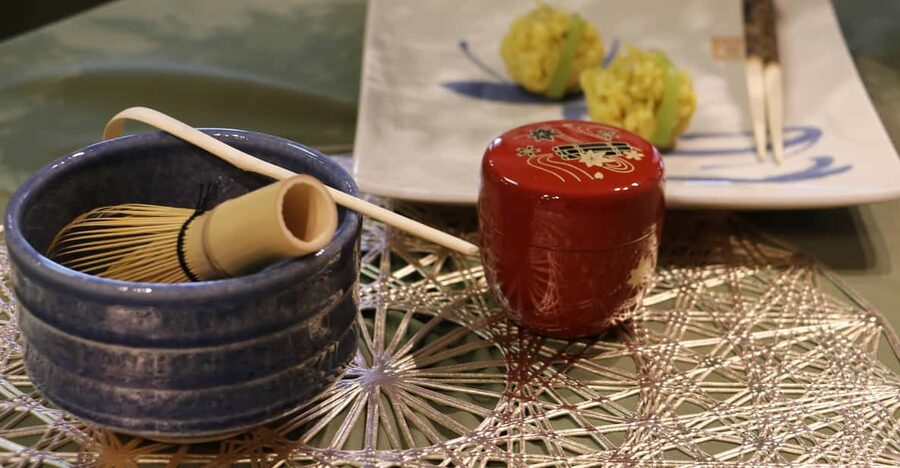
After the tea session, you can return to the first floor and shop for traditional Japanese sweets. This is a convenient finish, especially if you want gifts that are more specific to Hiroshima than standard souvenirs.
The selection is seasonal, so the items available will vary. You can ask for help choosing treats, particularly if you are unsure which sweets travel well or which flavors suit your taste. Additional food and drinks cost extra.
I like this shopping option because it follows the tasting. You have already tried one confectionery and can make a more informed choice. It also prevents the activity from feeling like a sales pitch at the beginning. The cultural experience comes first, and shopping comes afterward.
Keep in mind that Japanese sweets can be delicate. If you are buying them as gifts, ask about handling and storage before leaving. The supplied details do not specify shelf life or packing, so you should confirm those points in the shop.
Is $45 a Fair Price?
At $45 per person, the experience is not the cheapest way to drink matcha in Hiroshima. You are paying for more than two cups of tea, though. The price includes a guided lesson in English, one seasonal confectionery, access to the tea room, an explanation of the shop’s history, and time to prepare matcha yourself.
The value is strongest if you want context and personal guidance. Buying matcha and a sweet on your own would cost less, but it would not show you the etiquette, the tea room, or the shop’s connection to Hiroshima’s recovery.
The small group also helps justify the cost. With a maximum of six participants, this is not a quick crowd demonstration where you watch from the back. You get direct instruction and a chance to practice.
I would call it fair value for visitors who are interested in Japanese culture and want a short activity near the Atomic Bomb Dome. It is less compelling if you only want a drink or if you already have detailed tea ceremony experience.
Getting There From the Atomic Bomb Dome
From the Atomic Bomb Dome, cross Aioi Bridge and continue past Honkawa-cho Station and the Lawson Hiroshima Hongawa-cho Store. Takaki is on the left side of the next block.
If you are arriving from Hiroshima Station, take the Hiroshima Electric Railway Miyajima Line and get off at Honkawa-cho Station. Cross toward the Lawson, continue to the right, and Takaki will be on your left.
The address is Hiroshima, Naka Ward, Tōkaichimachi, 1-chōme 4-26. Enter the shop and take the stairs on the right to the second floor.
The meeting directions include stairs, while the activity information describes the venue as wheelchair accessible. If you need step-free access, contact the provider before booking and confirm the route. That is a practical point to settle in advance rather than assume the directions cover every access need.
Transportation to and from the venue is not included. In practice, the short walk from the Atomic Bomb Dome and nearby tram access make this easy to add to a day in central Hiroshima.
Who Should Book This One-Hour Experience?
I would recommend it to you if you want a calm, compact activity between major Hiroshima sights. It suits first-time visitors who have never tried matcha, couples looking for a quieter cultural stop, and families or older visitors who prefer a seated format.
It is also a good choice for anyone who wants more than a standard tea tasting. The seasonal sweet, working tea room, hands-on preparation, and shop history give the hour several layers.
You may want to skip it if you are looking for a long, highly formal ceremony with elaborate rituals. The format here is casual and designed for newcomers. That is a strength for most people, but it will feel introductory to someone already familiar with tea ceremony.
The activity is offered in English, and free cancellation is available up to 24 hours before the start time. You can also reserve now and pay later, which helps if your Hiroshima schedule is still shifting.
Should You Book the Tea Ceremony Near the Atomic Bomb Dome?
Book this experience if you want to connect Hiroshima’s difficult history with an everyday Japanese art. The setting, the seasonal confectionery, and Yurie’s patient instruction give the hour a clear sense of place.
I especially like the combination of table-style comfort and hands-on learning. You can visit a genuine tatami tea room, then sit at a table for the ceremony and prepare your own matcha. The chance to shop for sweets afterward is useful rather than forced.
At $45, it earns its price through the guide, the small group, and the historical setting. Just bring socks, allow time to find the entrance, and remember that additional sweets are not included. For a one-hour cultural stop five minutes from the Atomic Bomb Dome, this is an easy recommendation for curious first-time visitors.
FAQ
How long does the tea ceremony experience last?
The experience lasts one hour.
How much does the experience cost?
The price is $45 per person.
How far is the venue from the Atomic Bomb Dome?
The venue is about a five-minute walk from the Atomic Bomb Dome.
Is the experience conducted in English?
Yes. The experience includes an English-speaking live guide.
Who is the guide?
The guide is named Yurie.
What is included in the price?
The price includes the tea ceremony experience, two cups of matcha, and one piece of confectionery.
Can I make matcha myself?
Yes. After Yurie prepares matcha, you have an opportunity to learn how to prepare it yourself.
Do I need to bring socks?
Yes. You need socks to enter the tatami tea room because shoes cannot be worn on the tatami and bare feet are not permitted. Socks can also be borrowed.
Can I buy more Japanese sweets after the ceremony?
Yes. Traditional Japanese confectionery is available for purchase on the first floor after the tea ceremony. Additional food and drinks are not included.
More Tea Ceremony & Kimono Experiences in Hiroshima
More Peace Memorial Tours in Hiroshima


More tours in Hiroshima we've reviewed


Peace Memorial Tours, compared.
 ★ 4.8Hiroshima Historical Walking Tour – Why A-Bomb was DroppedFrom $352h 30m
 ★ 5.0Hiroshima Peace (Heiwa) Walking Tour at World Heritage SitesFrom $94
 ★ 4.9Hiroshima: Miyajima Peace Memorial Icons of Peace and BeautyFrom $1638 hours
 ★ 5.0Hiroshima Walking Tour Why A Bomb was dropped to HiroshimaFrom $28
 ★ 5.0Hiroshima 2hr Peace Cycling Tour with Local GuideFrom $59
 ★ 4.8Hiroshima: Peace Cycling Tour with Local GuideFrom $522 - 3 hours
