
Reviewed · OKAYAMA & KURASHIKI TOURS
Okayama Full-Day Private Trip with Government-Licensed Guide
Okayama’s best sights fit neatly into a six-hour private outing, with Korakuen Garden and crow-black Okayama Castle providing the essential first look. You can also trade the standard pair for Kurashiki’s old quarter, rural Kibiji, or a city canal walk.
I like the freedom to choose three or four stops instead of following a fixed route. I also like the human touch: guides such as Sato, Yoshiko, and Naoki have helped visitors with photos, local food, rail directions, and plans for places such as Kibitsu Shrine and Naoshima.
The main catch is cost control. At $153.11 per person, the guide fee is only part of your budget. You must also pay for transport, admission, lunch, and personal expenses, and the tour moves on foot rather than by private vehicle.
In This Review
- Key points to know before booking
- Why this private Okayama format works
- Korakuen Garden, Okayama’s main appointment
- Okayama Castle and the crow-black exterior
- Kurashiki for traditional streets and canals
- Kibiji and the Kibi Plain
- Handayama Botanical Garden for seasonal color
- Nishigawa Canal Park for a light city stroll
- What the $153.11 price really covers
- Walking, timing, and practical planning
- Who should book this Okayama day?
- Should you book the private Okayama tour?
- FAQ
- How long is the Okayama private tour?
- How many places can I visit?
- Which attractions can I choose?
- Is the guide included in the price?
- Are transportation and admission fees included?
- Is this a private activity?
- Is pickup available?
- Can I cancel for a full refund?
Key points to know before booking
- Choose three or four sights: Build your day from six possible stops rather than trying to see everything.
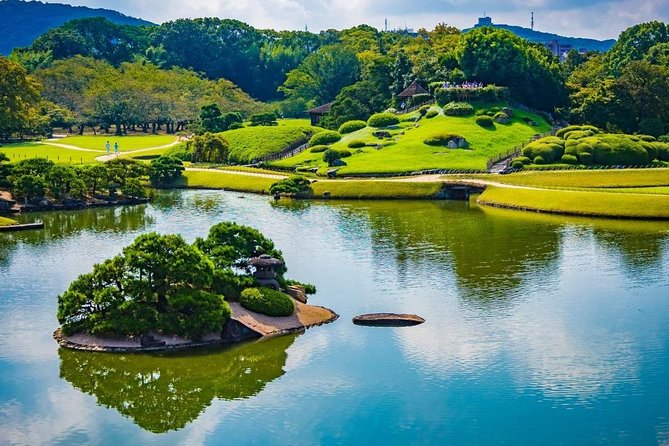
- Korakuen is the star: Japan’s famous garden offers seasonal flowers, maple color, ponds, lawns, and views toward Okayama Castle.
- Kurashiki changes the mood: A short train ride leads to a preserved quarter of traditional houses and canals.
- Your guide shapes the day: The private format allows time for photos, questions, food help, and onward travel advice.
- Budget for extras: Admissions, rail or other transport, lunch, and personal costs are not included.
- Walking is central: Pickup takes place on foot within a designated Okayama area, so comfortable shoes matter.
Why this private Okayama format works
Okayama is easy to use as a base, but its attractions are spread across different corners of the city and nearby region. Korakuen and the castle sit close enough for a natural pairing. Kurashiki lies about 20 minutes away by train. Kibiji offers a more rural setting, while Handayama and Nishigawa serve different kinds of city breaks.
That spread makes a private guide useful. You are not locked into a single sightseeing script. You can focus on gardens and architecture, add a little countryside, or use the six hours to reach Kurashiki.
The tour lasts about six hours and is designed around three or four places. That is a sensible limit. The six possible stops each receive roughly an hour in the sample plan, but trying to visit all six would not fit comfortably into the stated duration.
I would treat this as a planning service as much as a sightseeing tour. A guide can help you decide which places belong together, explain local history and customs, and adjust the pace for your group. The private setup also means you are not sharing the day with strangers.
The guide team is government licensed and multilingual, with English-speaking guides included. Named guides connected with this experience include Sato, Yoshiko, and Naoki. You should not assume a particular guide unless the booking process confirms one, but the personal style can vary from careful photo help to detailed route advice.
A few more Okayama tours and experiences worth a look
Korakuen Garden, Okayama’s main appointment
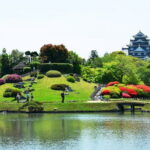
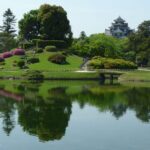
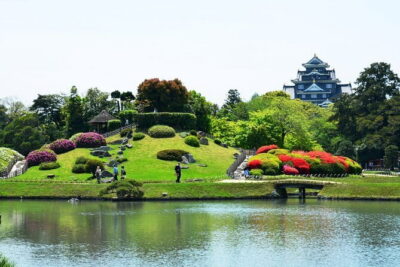
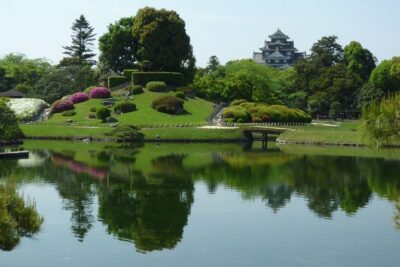
Korakuen is the place I would protect first on the schedule. It is counted among Japan’s three best gardens, alongside Kenrokuen in Kanazawa and Kairakuen in Mito. Its appeal comes from open views, carefully placed trees, water, paths, and a calm sense of space.
Season matters here. Cherry blossoms bring pink color in spring, while maple trees turn the garden red, orange, and gold in autumn. The garden remains worth seeing outside those periods, but spring and fall give you the most obvious seasonal payoff.
An hour gives you time to see the main features without turning the visit into a long garden study. Your guide can point out how the garden relates to the castle and explain the ideas behind Japanese strolling gardens. If you enjoy photography, ask for time at the best viewpoints rather than rushing straight to the next stop.
Korakuen is also a good choice for families. One family praised guide Sato for making sure everyone had photos in attractive parts of the garden. That detail matters because a guide who notices those moments can make the visit easier for parents and children.
Admission is not included. The guide’s entry fee is covered only for sights listed under the tour’s included sightseeing options, while your own admission still costs extra. Confirm the current entrance arrangements when booking so you know exactly what your group will pay.
Okayama Castle and the crow-black exterior
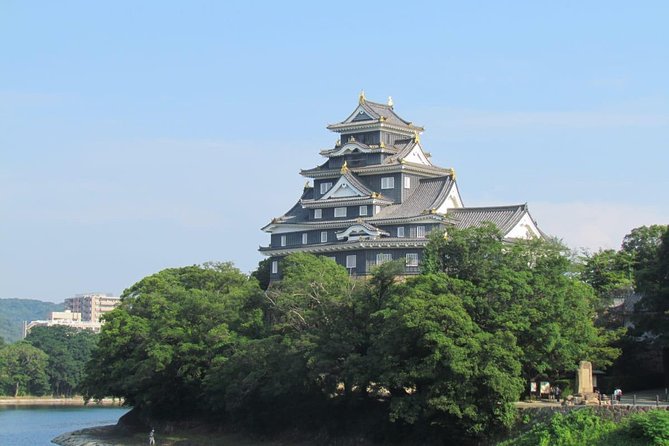
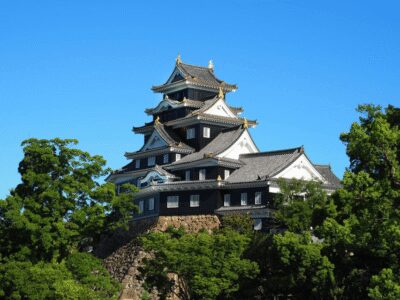
Okayama Castle gives the garden a strong visual partner. Built in 1597 in the Azuchi-Momoyama style, it is also called Crow Castle because of its dark exterior. The color makes it easy to recognize and gives the building a different character from the pale or stone-heavy castles you may see elsewhere in Japan.
The original castle was destroyed in the final year of World War II, so what you see today is not the untouched original structure. Still, the castle remains an important part of Okayama’s identity, and its appearance works especially well from the garden side.
Plan on about an hour here. That allows time for the outside, interior displays, and an explanation of the castle’s role in the city. If castles are your main interest, you may want to give it more attention and skip one of the smaller city stops.
The castle and Korakuen are the most efficient combination in this tour. They are close enough to reduce wasted movement, and together they give you Okayama’s clearest mix of architecture, power, gardening, and seasonal beauty.
A guide can also make the castle more than a quick photo stop. The experience has earned praise for clear explanations of Okayama’s culture and past, especially when the castle and garden are visited together. I would choose both if this is your first time in the city.
Kurashiki for traditional streets and canals
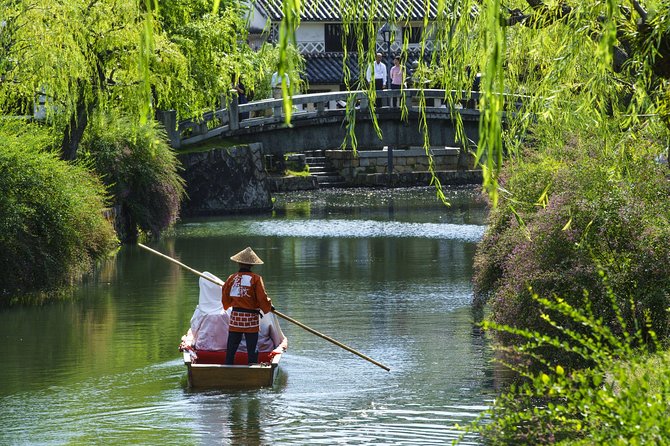
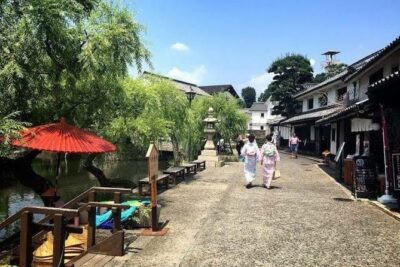
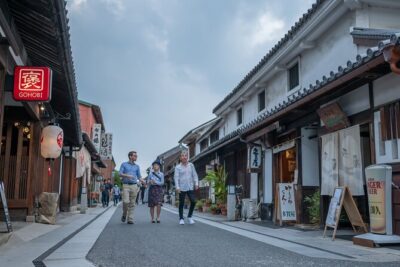
Kurashiki is the strongest alternative to a second Okayama City attraction. It is the area’s most popular day trip and takes about 20 minutes by train from Okayama. The draw is the Bikan Historical Quarter, known for traditional Japanese houses and a preserved canal setting.
This stop changes the pace. Instead of a formal garden or castle, you get old streets, canals, and a more compact historic district. The listed admission cost for Kurashiki is free, but your train fare is not included, so remember that the tour price does not cover the journey.
The standard plan gives Kurashiki about an hour, which is enough for an introduction but not a full exploration of every street, museum, or shop. If you want a slower visit, use two of your selected stops here in spirit by trimming another destination. Ask your guide what can fit before the day begins.
Kurashiki is a good choice if you have already seen major Japanese castles and gardens. It is also useful for repeat visitors to Japan who want a town with a different feel from central Okayama.
The private arrangement helps with the rail connection. Naoki, one of the named guides, has also helped with onward directions for Kibitsu Shrine and Naoshima Island. That kind of advice can be valuable if Okayama is one part of a longer trip.
Kibiji and the Kibi Plain
The Kibi Plain offers a quieter option outside the city center. This rural flatland is dotted with shrines, temples, fields, and small groups of farmhouses. It is a better fit for you if you want open countryside and local scenery instead of a concentrated set of major sights.
The itinerary information pairs this area with the Kibiji Museum of Literature. Allow about an hour for the stop. The visit may appeal to readers, history fans, and anyone who wants a break from urban sightseeing.
This is not the choice for a packed first visit if Okayama Castle and Korakuen are still on your must-see list. It takes the place of one of the city’s headline attractions. On the other hand, the private format makes it possible to choose Kibiji when its quieter character matches your interests.
A guide can help connect the museum and the surrounding plain, giving the area context rather than treating it as an isolated building. The experience is particularly useful if you want help understanding how rural places fit into the wider Okayama region.
Other guided tours in Okayama
Handayama Botanical Garden for seasonal color
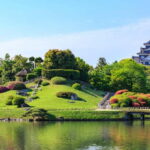
Handayama Botanical Garden is a hillside garden with views over Okayama City. It is especially appealing during cherry blossom season, when roughly 1,000 cherry trees create a major display across the grounds.
The hillside position gives this stop a different view from Korakuen. Korakuen is a formal garden with castle connections. Handayama is more about flowers, elevation, and city views. If blossoms are your main reason for visiting Okayama, ask your guide about choosing Handayama instead of one of the less seasonal stops.
You should allow about an hour. The garden may require more walking than a compact urban attraction, and the slope is worth keeping in mind when choosing your day’s pace. The tour is described as a walking experience, so this is not the place to wear shoes that punish you after a few minutes.
Outside cherry blossom season, the garden may still suit plant lovers, but the information provided gives its strongest appeal to spring visitors. I would rank it below Korakuen for a first visit outside blossom time, and near the top for a spring trip.
Nishigawa Canal Park for a light city stroll
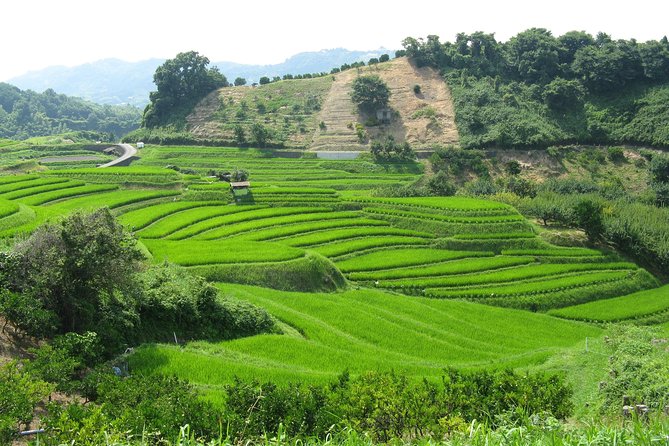
Nishigawa Canal Park is the most relaxed option. It is not one of Okayama’s major headline sights, but the canal provides a pleasant route for a walk or jog through the city. Flowers and cherry trees line parts of the canal, making spring the best season for its visual appeal.
Choose this stop if you want a simple break between larger attractions or if your group prefers an easy stroll. It also works for repeat visitors who have already seen the castle and garden.
The tradeoff is clear: an hour here gives you atmosphere rather than a major monument, museum, or formal garden. I would not select it over Korakuen or Okayama Castle on a first visit unless you specifically want a gentler day.
What the $153.11 price really covers
The listed price is $153.11 per person. That can be fair for a private six-hour guide, especially for a small group that wants help shaping the day instead of joining a fixed schedule. Group discounts may also improve the per-person value when several people book together.
Still, the price is not an all-in sightseeing cost. Transportation fees, entrance fees, lunch, and other personal expenses are separate. Private transport is not included either, so you should expect to walk and use public transport when the route requires it.
The value comes from flexibility and local assistance. A good guide can help you avoid wasting time, explain what you are seeing, take family photos, and assist with food choices. One guide even helped a visitor find vegetarian food, while another carefully wrote down directions for later stops.
I would compare the cost with the size of your group and your confidence using local trains. For one or two people, it is a bigger outlay. For a family or small group, the private format can make more sense, especially if you want a customized day.
Walking, timing, and practical planning
Pickup is offered on foot within a designated area of Okayama. This is not a hotel-to-sight transfer in a private car. You meet the guide, then move around the city and nearby areas using walking and, where needed, public transport at your own cost.
The tour is near public transportation, and most people can participate. Service animals are allowed. The most important practical concern is heat, since one past outing took place on a very hot day and involved a lot of walking.
Wear comfortable shoes and carry water. Keep your plan realistic, particularly if you select Handayama, Kurashiki, or the rural Kibiji area. The guide can adjust the day, but six hours still passes quickly once travel and entrance procedures are counted.
You can state your must-see places before the tour. The available choices are Okayama Castle, Korakuen Garden, Kibiji Museum of Literature, Handayama Botany, Nishigawa Canal Park, and Kurashiki. The tour is meant to include three or four of these, not all six.
The experience is private, so only your own group participates. You cannot combine multiple tour groups. That is helpful for families and friends who want their own rhythm, but it also means you should not expect the lower price or social atmosphere of a large shared coach tour.
Who should book this Okayama day?
I would recommend it most strongly to first-time visitors who want an efficient introduction without planning every train, walking route, and sightseeing stop themselves. It also suits families, since the guide can help with photos and adjust attention to children.
Repeat visitors may find more value by selecting Kurashiki, Kibiji, or Handayama instead of focusing only on the central pair. The tour also works well for anyone who wants practical advice for the next leg of a Japan trip, including routes toward Kibitsu Shrine or Naoshima.
Independent visitors who already understand Okayama’s transport system may find the price harder to justify. You still pay extra for transport and admission, and the guide cannot provide private vehicle service. If you mainly want to stroll Korakuen and see the castle, arranging those two places yourself may cost less.
Guide quality can vary. The strongest accounts describe friendly, adaptable help, solid local explanations, and careful attention to photos and onward plans. One account raised concerns about weak English, limited local knowledge, and a rushed pace. That is a real reason to clarify your interests and language needs before booking.
Free cancellation is available up to 24 hours before the start time for a full refund. Changes or cancellations inside that window are not accepted or refunded, based on the local start time.
Should you book the private Okayama tour?
Book it if you want a flexible, human-led day that combines Okayama’s castle and garden with a choice of countryside, blossoms, canal scenery, or Kurashiki. The guide’s help can be especially useful when you are traveling with family, need vegetarian food advice, or plan to continue toward other regional sights.
Skip it if your priority is the lowest possible cost or a car-based tour. The $153.11 fee is only the guide portion, and much of the day is on foot.
For most first visits, I would request Okayama Castle, Korakuen, and Kurashiki, then use the fourth choice for Handayama in cherry blossom season or Kibiji for a rural change of pace. That combination gives you the clearest sense of what makes Okayama worth a stop.
FAQ
How long is the Okayama private tour?
The tour lasts approximately six hours.
How many places can I visit?
The customized tour includes three or four sites chosen from the available options.
Which attractions can I choose?
Choices include Okayama Castle, Okayama Korakuen Garden, Kibiji Museum of Literature, Handayama Botany, Nishigawa Canal Park, and Kurashiki.
Is the guide included in the price?
Yes. A licensed local English-speaking guide is included.
Are transportation and admission fees included?
No. Transportation fees, entrance fees, lunch, and personal expenses are not included. Private transportation is also not provided.
Is this a private activity?
Yes. Only your own group participates, and multiple tour groups cannot be combined.
Is pickup available?
Yes, but pickup is on foot within the designated area of Okayama. This is a walking tour.
Can I cancel for a full refund?
Yes, if you cancel at least 24 hours before the experience start time. Cancellations or changes made less than 24 hours before the start time are not refunded or accepted.
More Private Tours in Okayama
More Guided Tours in Okayama
More Okayama & Kurashiki Tours in Okayama
More tours in Okayama we've reviewed
Okayama & Kurashiki Tours, compared.
 ★ 3.9Okayama Castle Admission TicketFrom $21 day
 ★ 4.5Kurashiki Private Romantic Night in the Observatory ReclinersFrom $29
 ★ 5.0[From Okayama] Okayama & Kurashiki Full Day TourFrom $163
 ★ 5.0Kurashiki Half-Day Private Tour with Government-Licensed GuideFrom $107
 ★ 5.0Half-Day Shared Tour at Kurashiki with Local GuideFrom $86
 ★ 5.0Okayama Half-Day Private Trip with Government-Licensed GuideFrom $107
