
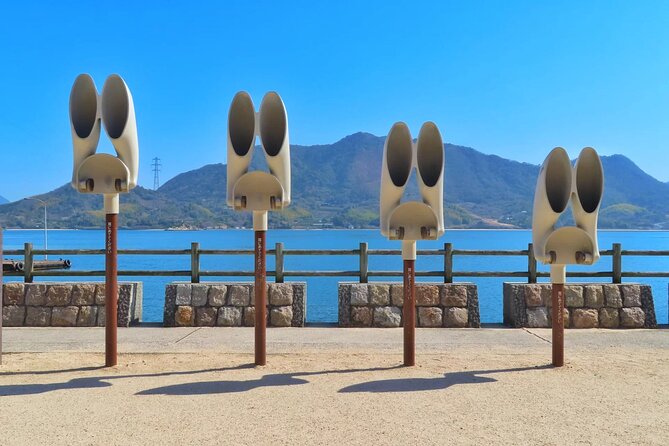
Reviewed · ISLAND HOPPING & FERRIES
Takehara Historical Townscape & Rabbit Island
Takehara and Okunoshima make an unlikely pair: one offers quiet Edo-period streets, the other offers rabbits, abandoned ruins, and a sobering wartime story. Together, they give you two very different views of Hiroshima prefecture beyond the city.
I like the way the tour joins local town life with difficult history, and I like that the $166.31 price includes public transport, ferry fare, entry fees, a guide, and one bag of rabbit food. The main drawback is the early start and long nine-hour day, with lunch and transport before or after the tour left to you.
In This Review
- Key points to know before booking
- Why this day trip works so well
- Meeting at Hiroshima Station at 8:00 AM
- Takehara’s Edo-era streets and old family homes
- What makes Takehara worth the detour
- Taking the ferry to Okunoshima
- Rabbits, ruins, and the island’s darker past
- How the island walk may feel
- Is $166.31 a fair price?
- Who will enjoy this tour most
- Booking, cancellation, and group size
- Should you book Takehara and Rabbit Island?
- FAQ
- Where does the tour begin?
- What time does the tour start?
- How long does the experience last?
- Is transportation included?
- Is lunch included?
- Is rabbit food included?
- What places do you visit in Takehara?
- What do you see on Okunoshima?
- How many people can join the tour?
- Is cancellation free?
Key points to know before booking

- Takehara’s preserved main street includes old family homes, Edo-period temples, and the Okakae Jizō statue.
- Okunoshima combines cute rabbits with serious history, including a power station and poison gas storehouse ruins.
- Isabella may be your guide, and she has led a climb to the top of the island in addition to the coastal walk.
- One bag of rabbit food is included, with extra food available for purchase at the port.
- The group is capped at 15 people, small enough for questions and easier movement between transport connections.
- The tour begins at 8:00 AM and ends back at Hiroshima Station, with lunch not included.
Why this day trip works so well
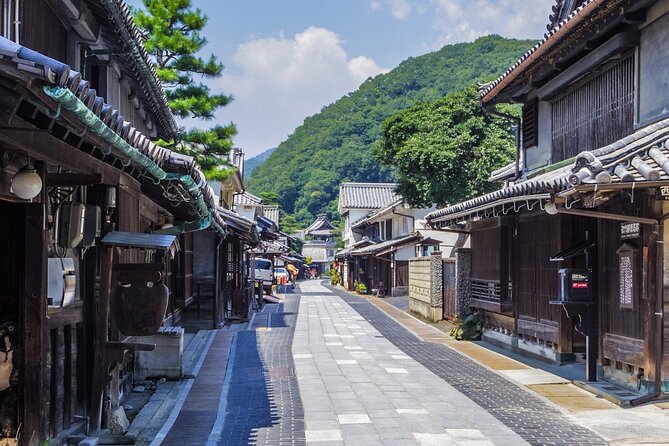
Many day trips from Hiroshima focus on one famous sight. This one gives you two smaller places that feel far removed from the city center. Takehara is calm and architectural. Okunoshima is playful at first glance, then increasingly unsettling as you learn what happened there.
That contrast is the heart of the experience. You can spend the morning looking at wooden homes and temple gates, then reach an island where rabbits roam around concrete ruins tied to Japan’s military past. The shift is sharp, but useful. It keeps the day from becoming a simple photo stop.
You also get a guide for the full outing. That matters here because Takehara’s buildings may look lovely without being easy to understand, while Okunoshima’s ruins need context. The guide connects what you see with the town’s sake and salt industries, and with the island’s role during Japan’s armed conflicts.
The group limit of 15 is another practical plus. You will still be moving as part of a group, but this is not a large coach outing. A smaller group also gives you a better chance to ask about a particular building, statue, or ruin.
A few more Hiroshima tours and experiences worth a look
Meeting at Hiroshima Station at 8:00 AM
Your day begins at the Hiroshimaekiminamiguchichikahiroba Information Center, near the Shinkansen Gates and under the Tourist Information sign. The start time is 8:00 AM, so allow enough time to find the correct station area before the guide arrives.
Transportation between the stops uses public transport, and the ferry to Okunoshima is included. This keeps the outing tied to ordinary local travel rather than placing you inside a private vehicle all day. It also means you should expect a day with movement, waiting points, and some walking.
The meeting point is convenient if you are already staying near Hiroshima Station or arriving by train. Your own transport before the tour is not included, and the activity ends back at the same meeting point, so you can make evening plans from there.
The early start is worth considering carefully. It gives you time to reach both Takehara and Okunoshima, but it may not suit you if you prefer slow mornings or late nights. This is a full day, not a quick side trip.
Takehara’s Edo-era streets and old family homes
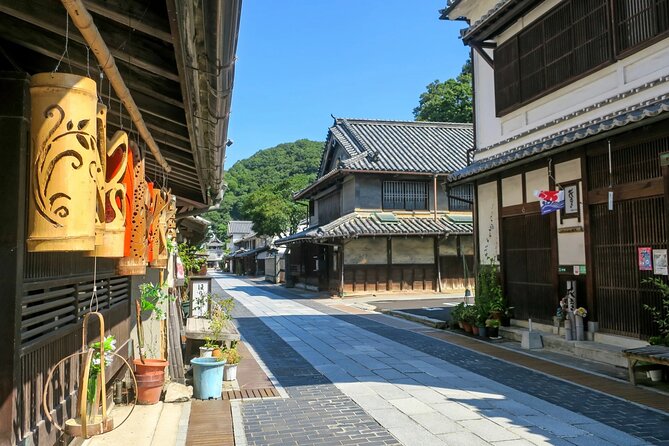
The first major stop is the Takehara Townscape Preservation Area. You spend about 90 minutes walking through the main street with the guide, stopping to learn about the buildings and people connected with the town.
Takehara grew as a port town on the Seto Inland Sea. Sake and salt production brought wealth, and some of the town’s old residences remain in good enough condition to show how that prosperity shaped the streets. The appeal is not one grand monument. It is the steady rhythm of wooden facades, narrow lanes, temples, and preserved homes.
I like this kind of sightseeing because it asks you to slow down. You are not rushing from one famous building to another. Instead, the guide points out details that can easily pass unnoticed, such as the form of a family residence or the setting of a temple within the old town.
Takehara is sometimes called the Little Kyoto of Aki. That nickname may set your expectations too high if you picture Kyoto’s major temples and crowds. The better comparison is the old-fashioned feel of the streets. Takehara is smaller and quieter, with a more local pace.
The Okakae Jizō Statue is one of the stops. The statue is connected with local religious tradition and gives the walk a focus beyond architecture. Your guide will explain the places you visit, which is especially helpful if you do not read Japanese signs.
The 90-minute visit is long enough to get a clear sense of the town, but not so long that it takes over the day. If you are fascinated by traditional buildings, you may wish for more free time. The schedule has to leave room for the ferry and the island walk, so Takehara is an introduction rather than a full-day study.
What makes Takehara worth the detour
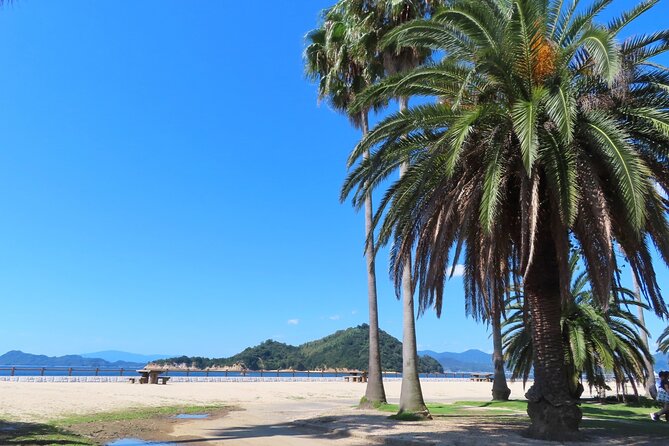
Takehara gives you a side of Hiroshima prefecture that is easy to miss if you stay only in the city. The setting by the Seto Inland Sea helped shape its trade, while the surviving buildings show what a successful regional port once looked like.
The town also provides a gentler start to the day. You begin with streets, homes, temples, and local industry before moving to Okunoshima’s harder subject matter. That order feels sensible. You have time to settle into the pace of the tour before the island asks you to think about war and chemical weapons.
You should not book this part expecting a large museum or a long guided lecture. The experience is a short stroll with several stops. Its value comes from the combination of place and explanation.
For photographers, the preserved streets offer a change from Hiroshima’s modern station area. For visitors who enjoy architecture, the family residences and Edo-period temples are the main reason to come. For everyone else, the town helps make the day feel broader than a rabbit encounter alone.
Taking the ferry to Okunoshima
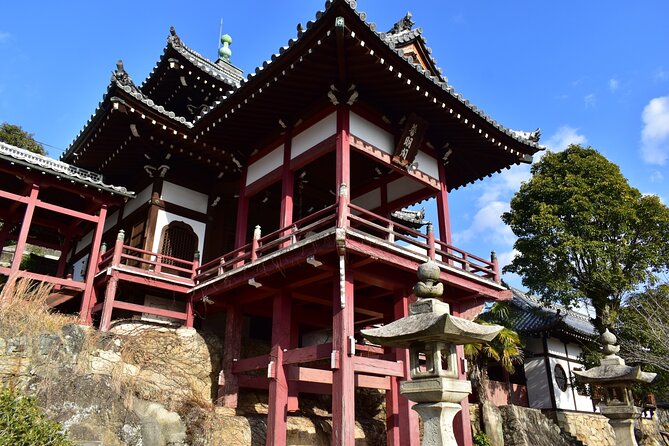
After Takehara, the tour continues toward the port and then by ferry to Okunoshima. Ferry travel is included in the price, as is public transportation between the activities.
At the port, you can buy souvenirs or more food for the rabbits. One bag of rabbit food is included, which is enough to take part without an extra purchase. You may also bring your own fresh produce, a practice specifically noted for visitors heading to the island.
It is useful to think of the rabbit food as one small part of the outing, not its whole purpose. The rabbits are a memorable feature, but the island also has ruins and a difficult past that the guide explains during the walk.
The ferry adds a clear sense of separation from the mainland. You are leaving the historic town and heading to an island with a very different identity. Since the journey is part of the scheduled transport, you do not need to arrange it yourself, but you should remain attentive to the group and the timing.
Other historical tours in Hiroshima

Rabbits, ruins, and the island’s darker past
Okunoshima is known for its large rabbit population. Feeding the animals is likely to be a highlight, especially if you enjoy close encounters with wildlife. The included food lets you join in without first searching for a shop.
The island should not be treated as a simple petting stop, though. Your guide leads a coastal walk and explains the ruins along the way. The Power Station Ruins and Nagaura Poison Gas Storehouse Ruins are among the places included.
These remains give the island a serious tone. You learn about its role during Japan’s different armed conflicts and the production or storage of poison gas. The contrast between friendly rabbits and abandoned military structures can feel strange. That discomfort is part of what makes the visit worth your time.
I especially like that the tour does not separate the fun part from the historical part. You are not simply handed rabbit food and sent off on your own. The guide frames the island as a real place with a complicated past.
The scheduled island visit lasts about three hours. That gives you time for the coastal walk, explanations at the ruins, and rabbit feeding. The exact balance may depend on the group and the guide. One account describes Isabella leading a hike to the top of the island, so if she is guiding your departure, ask whether that option fits the day’s schedule and your pace.
How the island walk may feel
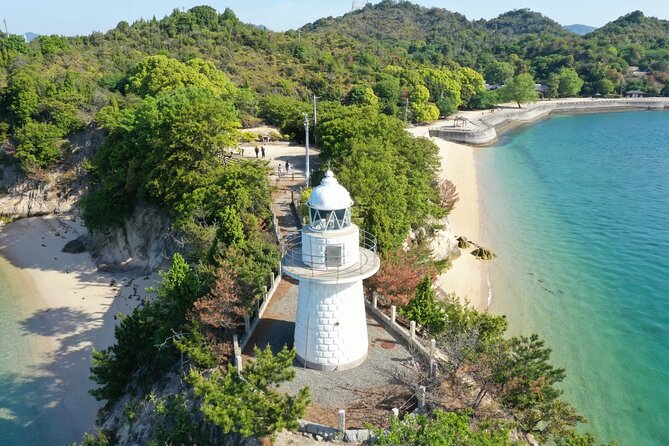
The island portion is more active than the Takehara stroll. You will walk along the coast and stop at several ruins, so comfortable shoes are a sensible choice. The available details do not specify the total walking distance or the difficulty of the route, so ask the provider if you need precise information before booking.
The guide’s role is important here. Concrete ruins can be hard to interpret on your own, and the subject matter deserves more than a quick photograph. A guide can explain why these structures matter and how the island’s military use fits into Japan’s wartime story.
At the same time, this is not a museum-based history tour. You are seeing remains outdoors, alongside the island’s natural setting and rabbit population. If you prefer polished exhibits, labels, and a tightly arranged presentation, this may feel informal.
The reward is a more direct encounter with the past. You are standing near the buildings rather than only reading about them. That can make the subject more immediate, even when the setting looks peaceful.
Is $166.31 a fair price?

At $166.31 per person, this is not a budget outing. The price makes more sense when you add up what is covered: an English-speaking guide, entry fees at all tour locations, public transport between activities, the ferry, and one bag of rabbit food.
You still need to pay for lunch, and you must arrange your own transport to Hiroshima Station before the tour and after it ends. Those costs are easy to overlook when comparing day trips. The tour returns to the starting point, which helps keep the final transport simple if you are staying in Hiroshima.
The strongest part of the value is the guiding. You could potentially visit the area independently, but you would need to plan the route, handle the public transport and ferry connections, find the preserved sites in Takehara, and make sense of the island ruins. The tour bundles those moving parts into one day.
It is also a reasonable choice if you want more than a single attraction. You receive a historic town, temples, old residences, a ferry crossing, rabbits, and wartime sites. That range helps justify the cost for a visitor who wants a full day outside central Hiroshima.
If your main goal is simply to feed rabbits, the price may feel high. If you value context and want both Takehara and Okunoshima without building the day yourself, the package is more convincing.
Who will enjoy this tour most
I would recommend this outing to people who enjoy small historic towns, guided walks, public transport, and sites with a serious story behind them. It suits you especially well if you want to see a less familiar part of Hiroshima prefecture.
Families may like the rabbits, though adults should be ready to discuss the island’s wartime past. Couples can expect a varied day rather than a purely romantic excursion. The preserved streets in Takehara offer a calm shared walk, while Okunoshima adds something memorable and unusual.
History-minded visitors should get the most from the island ruins. You do not need specialist knowledge, since the guide supplies the setting and explanations, but you should be comfortable with the subject of poison gas and armed conflict.
The tour may be less suitable if you want lots of free time. The schedule covers two destinations in nine hours, and public transport adds structure to the day. You also may not enjoy it if you prefer to avoid outdoor walking or if the early start is a problem.
Most people can participate, and the tour is near public transportation. Still, the available information does not provide detailed route or mobility notes, so ask for more specifics if you have access needs.
Booking, cancellation, and group size
The tour is often booked about 59 days ahead, which suggests you should not leave it until the last moment if the date matters to you. Confirmation is received at booking, and the group can include up to 15 people.
You receive a mobile ticket, which is handy when moving through a busy station. Keep the meeting instructions available on your phone, especially the reference to the Shinkansen Gates and Tourist Information sign.
Free cancellation is available up to 24 hours before the 8:00 AM start time for a full refund. Cancellations or changes made within 24 hours are not accepted for a refund. The provider also notes that activities depend on availability and may require changes, with contact promised if an adjustment is needed.
Should you book Takehara and Rabbit Island?
Book it if you want a well-organized day that joins quiet local architecture and difficult wartime history with the fun of feeding rabbits. The included ferry, transport, admissions, guide, and rabbit food make the cost easier to defend, particularly if you would otherwise struggle to plan both destinations.
Skip it if you want a relaxed morning, a cheap rabbit visit, or plenty of time to explore one place on your own. The day starts early and stays active for around nine hours.
For the right reader, this is one of the more distinctive day trips from Hiroshima. Takehara gives you the old streets. Okunoshima gives you the rabbits and ruins. The two together create a day that is enjoyable, thoughtful, and far more memorable than a standard sightseeing loop.
FAQ
Where does the tour begin?
The tour begins at the Hiroshimaekiminamiguchichikahiroba Information Center, at 9-1 Matsubarachō in Hiroshima’s Minami Ward. The guide meets you by the Shinkansen Gates under the Tourist Information sign.
What time does the tour start?
The start time is 8:00 AM.
How long does the experience last?
The tour lasts approximately nine hours and ends back at the original meeting point.
Is transportation included?
Public transportation between the activities is included, as is the ferry to Okunoshima. Transportation before the tour and after it ends is not included.
Is lunch included?
No. Lunch is not included in the tour price.
Is rabbit food included?
Yes. One bag of rabbit food is included. You can purchase more at the port or bring your own fresh produce.
What places do you visit in Takehara?
You visit the Takehara Townscape Preservation Area, including its main street, historical family residences, Edo-period temples, and the Okakae Jizō Statue.
What do you see on Okunoshima?
The island visit includes a coastal walk, the Power Station Ruins, and the Nagaura Poison Gas Storehouse Ruins. The guide also explains the island’s role during Japan’s armed conflicts.
How many people can join the tour?
The tour has a maximum of 15 travelers.
Is cancellation free?
You can cancel up to 24 hours before the start time for a full refund. Cancellations or changes made less than 24 hours before the start time are not accepted for a refund.
More Historical Tours in Hiroshima
More Island Hopping & Ferries in Hiroshima


More tours in Hiroshima we've reviewed






Island Hopping & Ferries, compared.
 ★ 5.0Hiroshima and Miyajima Day Trip with Itsukushima Shrine & FerryFrom $45
 ★ 5.0Hiroshima and Miyajima by Bike and BoatFrom $142
 ★ 4.9Hiroshima to Miyajima: Private Custom Tour with Ferry RideFrom $2936 hours
 ★ 5.0Dinner Cruise on HANAIKADA (Raft-Type Boat) with Scenic View of MiyajimaFrom $95
 ★ 5.0Hiroshima: City and Miyajima Bike and Boat TourFrom $1387h 30m
 ★ 4.5Okunoshima Rabbit Island Cycling Tour with Local GuideFrom $59
