
Reviewed · HIROSHIMA CITY TOURS
Hiroshima Private Custom Walking Tour
Hiroshima is a city where the past demands attention, yet the day can also include gardens, castle views, island scenery, and a sizzling plate of okonomiyaki. This private tour lets you shape that balance with a local guide instead of following a fixed route.
I like the personal planning, especially the early contact that guides such as Eiji have made to tailor the day. I also like the choice of focus: Miyu, another guide assigned on this experience, has helped explain temples, shrines, food, and local culture in a way that connects the sights.
The main catch is time. You cannot sensibly see every listed stop in eight hours, especially if you add Miyajima to the city sites. Transport and the ¥3,000 per-person fee are extra, so ask for a clear cost and route before you set the plan.
In This Review
- Key points to know before booking
- Why a private Hiroshima day can work so well
- Hiroshima Peace Memorial Park and the Atomic Bomb Dome
- The Peace Memorial Museum requires time and care
- Miyajima, Itsukushima Shrine, and the island’s famous gate
- Mt. Misen for views and a sacred mountain setting
- Hiroshima-style okonomiyaki at Okonomimura
- Hiroshima Castle and Shukkeien Garden
- Orizuru Tower for a modern Hiroshima view
- Saijo for sake, if you have extra time
- What the $173.44 price really covers
- Pickup, walking, and the right pace
- Who should book this private tour?
- FAQ
- How long does the Hiroshima Private Custom Walking Tour last?
- Can the tour include both Hiroshima and Miyajima?
- Is private transportation included in the price?
- Are admission tickets included?
- Who participates in the tour?
- What is the cancellation policy?
- Should you book it?
Key points to know before booking
- Miyajima and Hiroshima city require careful planning: An eight-hour day can include both, but only with a selective route and realistic expectations.
- The itinerary is built around your interests: Choose peace and history, gardens and castles, food, sake, or island scenery.
- Guides can shape the day in advance: Eiji and Miyu are examples of guides who have led this experience.
- Okonomiyaki adds a welcome local break: Okonomimura gives you a chance to eat Hiroshima-style okonomiyaki during the tour.
- The price is not fully all-inclusive: Private transportation, admissions in many places, and ¥3,000 in fees per person are not included.
- You get a private group experience: Only your own party participates, with pickup offered.
Why a private Hiroshima day can work so well
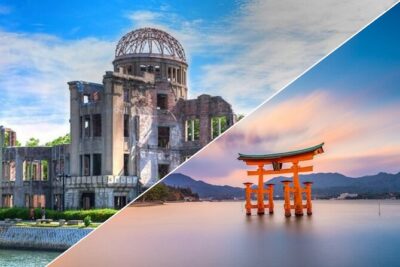
Hiroshima is easy to reduce to a few famous names: the Peace Memorial Museum, the Atomic Bomb Dome, and Miyajima’s torii gate. Those places matter, but they do not all tell the same story. A private tour gives you room to decide how much time you want for difficult history and how much energy you have left for food, gardens, or views.
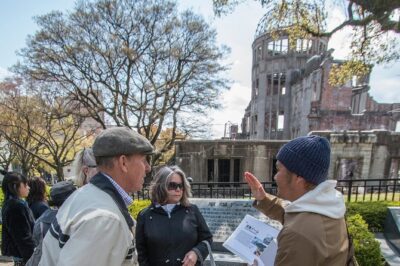
The guide is the key part. You are not simply being driven between photo stops. An English-speaking guide can help explain why a place matters, point out differences between shrines and temples, and adjust the pace when a museum visit takes more out of you than expected.
I would use the planning stage carefully. Tell the guide if you want a serious history day, a gentler cultural outing, a food-focused route, or a combination. The more specific you are, the more useful the customization becomes.
The tour lasts about eight hours and is private, so you avoid the stop-and-go rhythm of a large group. That is especially helpful at the Peace Memorial Museum, where you may want quiet time rather than a guide rushing you onward.
A few more Hiroshima tours and experiences worth a look
Hiroshima Peace Memorial Park and the Atomic Bomb Dome
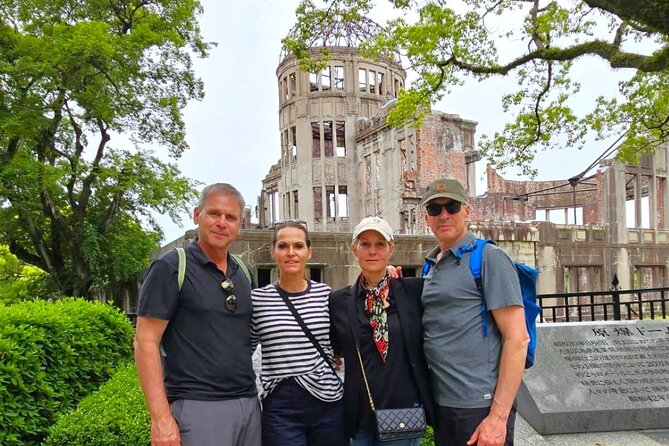
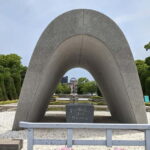
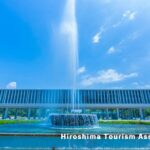
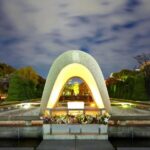
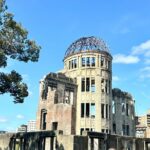
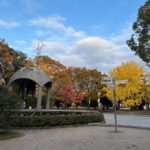
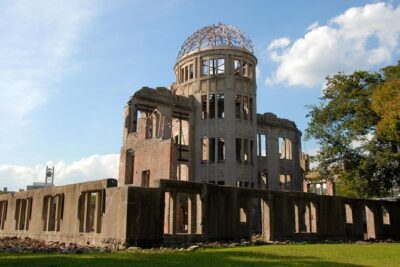
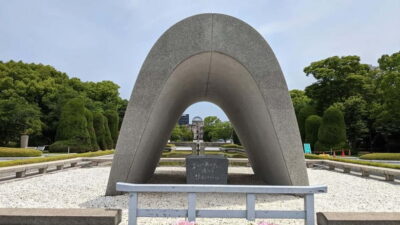
For most first visits, the Peace Memorial area should come first. The park is a calm, open space dedicated to people who died in the 1945 atomic bombing. Its monuments and memorials give the museum context, while the Atomic Bomb Dome provides one of the city’s most direct reminders of what happened.
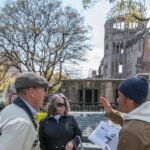
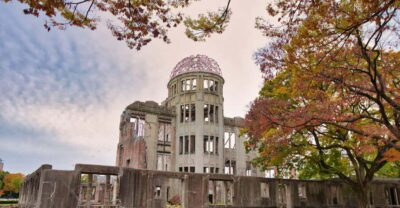
The Atomic Bomb Dome was preserved in the condition left after the bombing. You do not enter expecting a grand architectural visit. Its power comes from the exposed remains and the setting beside the river. A guide can help you understand the site without turning it into a quick photo stop.
The park itself rewards a slower pace. You might spend time at several memorials, then walk toward the museum with a better sense of the area’s purpose. This is not light sightseeing, and I would avoid squeezing it into the final rushed hour of a long day.
The listed schedule gives roughly 30 minutes at each stop, but that is only a planning guide. Thirty minutes can be enough for an outside look at the Dome, but it may feel short for the museum. Tell your guide if you prefer fewer places with more time at each one.
The Peace Memorial Museum requires time and care
The Hiroshima Peace Memorial Museum documents the bombing through personal stories, artifacts, and accounts of its effects. It is direct, upsetting, and important. A guide can frame the visit, but you should still have space to process what you see.
I would place the museum early in the day, when your attention is strongest. Pairing it with the park and Dome creates a clear sequence: the site of remembrance, the preserved building, and the museum’s human stories.
The tour data lists admission as not included. Confirm the current admission arrangements and any guide entry cost before departure. The provider also notes that you may need to cover a guide’s admission or transportation fees for certain higher-cost attractions or destinations.
Miyajima, Itsukushima Shrine, and the island’s famous gate
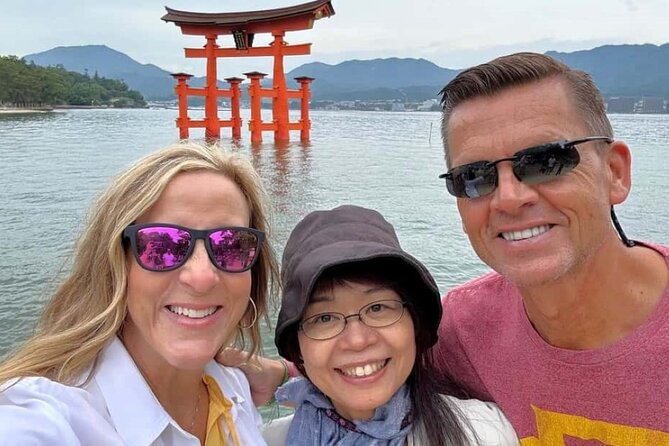
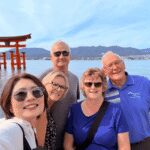
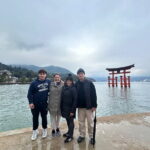
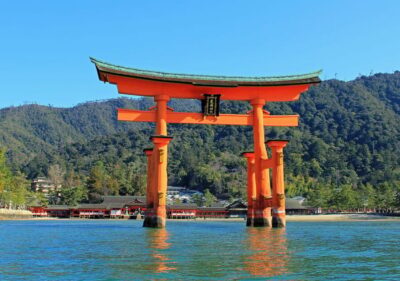
Miyajima, also called Itsukushima, brings a very different mood. The island combines sea views, wooded slopes, shrines, and friendly deer. Its best-known image is the large torii gate associated with Itsukushima Shrine, appearing to float at high tide.
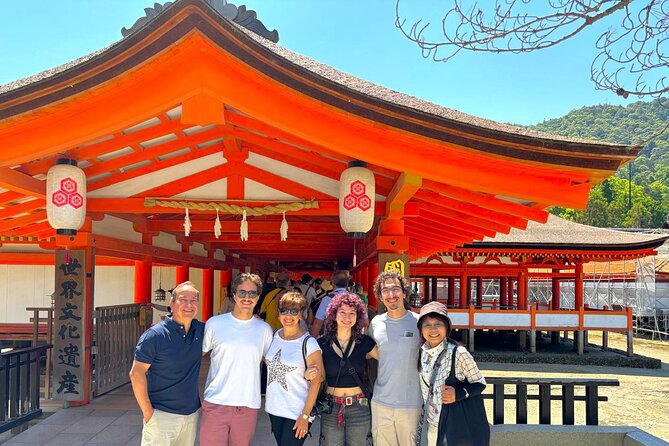
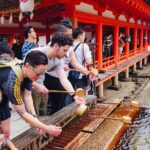
Itsukushima Shrine is a UNESCO World Heritage site built over the sea. The view changes with the tide, so ask your guide how the timing fits your day. A short visit can show you the shrine’s setting, but the island deserves more than a hurried walk if scenery and culture are your main reasons for booking.
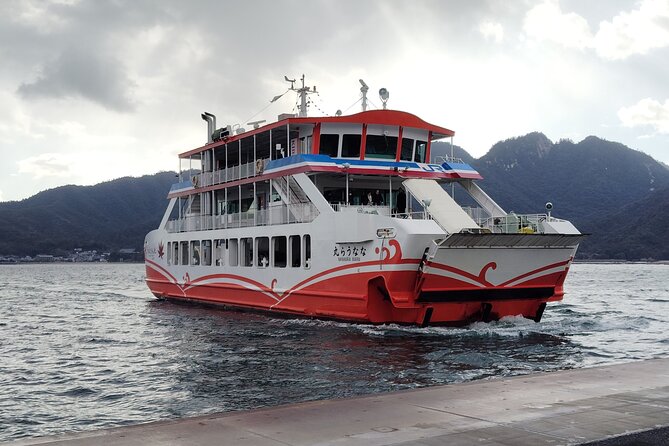
Miyajima is one of the tour’s biggest strengths, but also one of its biggest time problems. Getting between central Hiroshima and the island takes planning, and the island itself offers more than one quick stop. If you want the shrine, Mt. Misen, and city highlights on the same day, your guide will need to cut several city sights.
The four-hour version cannot cover both the Miyajima area and Hiroshima city area. The longer, approximately eight-hour option is the sensible choice for both, though you still need to choose priorities.
Mt. Misen for views and a sacred mountain setting
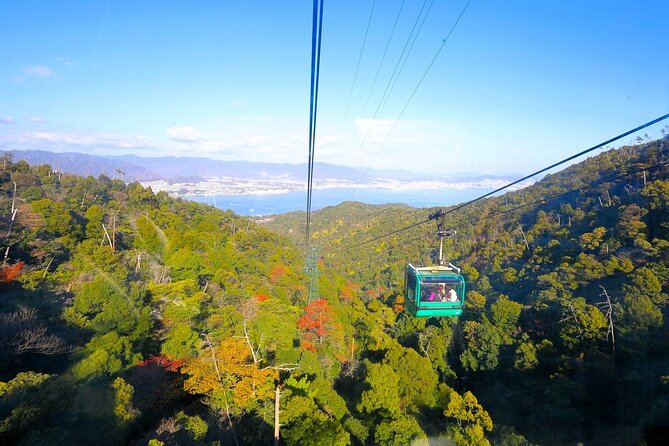
Mt. Misen is Miyajima’s highest peak, with broad views across the Seto Inland Sea. You can reach it by hiking trails or ropeway, and the mountain is also linked with ancient temples, wild deer, and a quiet religious atmosphere.
This stop suits you if scenery matters as much as historical sites. It can also be the most physically demanding part of the day. The tour asks for a moderate fitness level, and you should tell the guide about your comfort with walking and hills before finalizing the route.
The itinerary gives Mt. Misen about 30 minutes, which is enough for a brief visit if the ropeway timing works well. It is not enough for a leisurely hike. Decide if you want a viewpoint-focused visit or a longer mountain outing, then let the guide build the rest of the day around it.
Admission costs are not included. Ask which Mt. Misen access costs apply to your chosen plan.
Other walking tours we've reviewed in Hiroshima

Hiroshima-style okonomiyaki at Okonomimura
Okonomimura is one of the best ways to add local flavor to a serious Hiroshima day. This food center brings together multiple stalls serving Hiroshima-style okonomiyaki, the layered savory pancake cooked with ingredients such as noodles, cabbage, and other fillings.
The appeal is not just the meal. You can watch the cooking and compare the character of different stalls, since each vendor puts its own spin on the dish. The experience includes admission, though your food costs and exact meal arrangements should be confirmed with the guide.
I like this stop because it gives the day a human scale. After the museum and memorials, sitting down for a local specialty lets you see Hiroshima as a living city, not only as a place defined by 1945.
If food is a major reason for your trip, tell the guide in advance. You may want to give Okonomimura more than the standard 30-minute planning slot.
Hiroshima Castle and Shukkeien Garden
Hiroshima Castle, also called Carp Castle, offers a different look at the city before and after the war. The original castle dates to the 16th century, and the present structure was reconstructed after World War II. Its moat, traditional design, and museum provide a useful counterpoint to the Peace Memorial sites.
You should choose the castle if you want Japanese history beyond the atomic bombing. It is also a reasonable choice for a shorter cultural stop, though admission is not included.
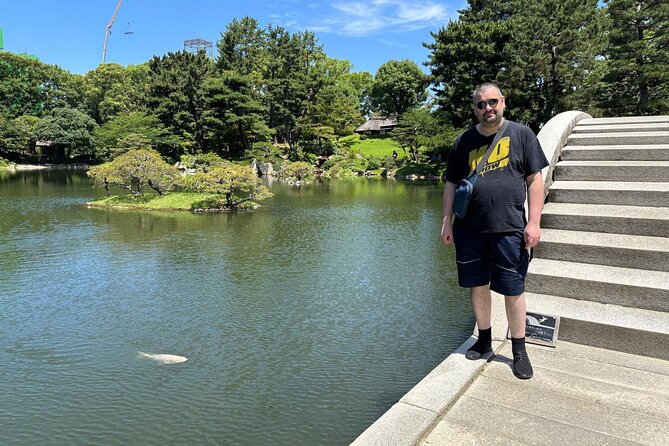
Nearby Shukkeien Garden is a calmer option. Designed in 1620, it uses miniature valleys, mountains, rivers, ponds, and seasonal flowers to create a carefully arranged walking garden. Koi-filled ponds and winding paths make it a good place to slow the pace.
I would not try to force both the castle and Shukkeien into a tight Miyajima day unless you are happy with brief visits. The garden works best when you have time to walk rather than simply enter, look around, and leave.
Orizuru Tower for a modern Hiroshima view
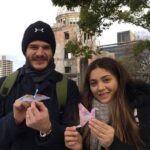
Hiroshima Orizuru Tower offers rooftop views toward the city and the Atomic Bomb Dome. Its orizuru, or paper crane, activity adds a hands-on element: you fold a paper crane and place it into a symbolic glass wall.
This is a useful stop for people who want a city view without committing to a long excursion. It also connects with the crane as a widely recognized symbol of peace. Admission is listed as free, though you should confirm the exact arrangements when planning your day.
The tower can work well before or after the Peace Memorial area. I would see it as an optional addition rather than a must-do if the museum and Dome are your main goals.
Saijo for sake, if you have extra time
Saijo lies in eastern Hiroshima and is known for sake brewing. Historic breweries line Sakagura-dori, or Sake Brewery Street, where you can learn about the area’s brewing tradition and taste premium sake.
This is an appealing choice for a repeat visit or a longer custom day. It is not a natural fit with a packed Miyajima schedule because it takes you away from central Hiroshima. The provider notes that destinations far from central Hiroshima may require extra guide transportation or admission costs.
Choose Saijo when sake is a firm priority. Otherwise, keep the day closer to the city and Miyajima, where you will get more value from your available hours.
What the $173.44 price really covers
The listed price is $173.44 per person, with group discounts offered. For a private eight-hour day and an English-speaking guide, that can be fair value, particularly for couples, families, or a small group that wants control over the pace.
It is not an all-in price. Private transportation is not included, and there is an additional ¥3,000 per person in fees and taxes. Admissions are also excluded at most stops. Okonomimura admission is included, and Orizuru Tower is listed as free, but the museum, castle, garden, shrine, Mt. Misen, and other paid activities may add to the total.
The value depends on how much planning help you need. If you already know Hiroshima well and only want transportation between a few places, a standard sightseeing option may cost less. If you want an English-speaking guide to connect the history, culture, food, and practical timing, the private format earns its keep.
Ask for a written outline of transport, entrance fees, and the guide’s costs before the day begins. This matters most if you select Miyajima, Mt. Misen, Saijo, or another destination outside central Hiroshima.
Pickup, walking, and the right pace
Hotel pickup is offered, which makes the morning easier, especially if you do not know Hiroshima’s transport system. The overview also refers to private transport, while the inclusions state that private transportation is not included. Treat that as a cost question to settle before booking rather than assuming a vehicle is part of the base price.
You need a moderate level of physical fitness. The city sights involve walking, and Mt. Misen may involve hiking or ropeway access. The tour is private, so you can ask to slow down, remove a stop, or spend longer at a site, but the total day still has limits.
The most practical plan is usually four to six meaningful stops, not all eleven. For example:
- Peace Memorial Museum, Peace Memorial Park, and the Atomic Bomb Dome
- Okonomimura for lunch
- Hiroshima Castle or Shukkeien Garden
- Miyajima and Itsukushima Shrine, with Mt. Misen only if time and energy allow
That combination gives you the city’s essential history, a local meal, and a taste of the island without pretending Hiroshima fits into a checklist.
Who should book this private tour?
I would recommend it for first-time visitors who want help handling Hiroshima’s serious historical sites. It also suits couples, families, and small groups with different interests, since one person can prioritize the museum while another asks for gardens, food, or scenery.
The tour is especially useful if you have one full day and do not want to spend it working out transport, timing, and the order of stops. The early planning contact associated with guides such as Eiji and the cultural explanations provided by Miyu are exactly the sort of personal help that can make a custom tour worthwhile.
I would hesitate if your budget cannot absorb extra transport and admission costs. I would also avoid booking it with an unrealistic goal of seeing every stop. Hiroshima rewards attention, and the Peace Memorial Museum should not be treated as one more item between a castle and a food hall.
You can cancel for a full refund up to 24 hours before the start time. Changes or cancellations made less than 24 hours ahead are not accepted for a refund.
FAQ
How long does the Hiroshima Private Custom Walking Tour last?
The experience lasts approximately eight hours. A four-hour option is also referenced, but that shorter format cannot cover both the Miyajima area and the Hiroshima city area.
Can the tour include both Hiroshima and Miyajima?
Yes, the longer tour can be planned around both areas, but you will need to select your priorities. The four-hour option cannot cover both areas.
Is private transportation included in the price?
No. Private transportation is listed as not included, even though pickup is offered and private transport may be arranged. Confirm the transport plan and added cost before the tour.
Are admission tickets included?
Most admission fees are not included. Okonomimura admission is included, and Hiroshima Orizuru Tower is listed as free. The museum, shrine, Mt. Misen, castle, garden, and other attractions may require separate payment.
Who participates in the tour?
This is a private activity, so only your own group participates.
What is the cancellation policy?
You can cancel at least 24 hours before the local start time for a full refund. Cancellations or changes made less than 24 hours before the start time are not accepted for a refund.
Should you book it?
Book this tour if you want a flexible Hiroshima day shaped around your interests, and if you value having an English-speaking guide beside you at places that benefit from context. It is a strong choice for combining the Peace Memorial sites with one or two cultural or food stops.
Before paying, ask for a precise route and a full estimate covering transportation, admissions, and the ¥3,000 per-person fee. If you do that, keep your stop list realistic, and allow proper time for the museum, this private experience can give you a thoughtful first look at Hiroshima rather than a rushed collection of famous names.
More Private Tours in Hiroshima


More Walking Tours in Hiroshima
More Hiroshima City Tours in Hiroshima
More tours in Hiroshima we've reviewed


Hiroshima City Tours, compared.
 ★ 5.0Peaceful Hiroshima & Miyajima UNESCO 1 Day Bus TourFrom $129
 ★ 4.9Hiroshima: Hiroshima and Miyajima UNESCO Sites 1-Day TourFrom $1228 hours
 ★ 5.0Hiroshima / Miyajima Full-day Private Tour with Government Licensed GuideFrom $202
 ★ 4.7Osaka/Kyoto: Hiroshima Miyajima Bus Tour & Shinkansen TicketFrom $27712 hours
 ★ 4.8Hiroshima Historical Walking Tour – Why A-Bomb was DroppedFrom $352h 30m
 ★ 5.0Hiroshima Peace (Heiwa) Walking Tour at World Heritage SitesFrom $94
