
Reviewed · PEACE MEMORIAL TOURS
Hiroshima: Peace Memorial Park and Atomic Bomb Dome Tour
The most powerful part of this Hiroshima tour is not simply seeing the Atomic Bomb Dome. It is learning how the park’s monuments, bridges, fountains, and quiet paths fit together, and how each one carries a different human story. A PhD scholar leads the walk, with guides including Syed and Hussain.
I like the tour’s careful balance of large historical questions and individual lives. I also like the small details, such as the story behind the Children’s Peace Monument and the Korean Atomic Bomb Victims Cenotaph. The main consideration is physical: two hours on foot, often in sun or rain, is not suitable for wheelchair users or people with mobility limitations.
In This Review
- Key points
- Why a guided walk matters in Hiroshima
- Starting at the Gates of Peace
- The Prayer Fountain and the need for water
- Reading the park instead of just crossing it
- The Flame of Peace and a continuing message
- Sadako and the Children’s Peace Monument
- Remembering Korean victims
- The Peace Bell and a moment to participate
- Aioi Bridge and the route toward the Dome
- Seeing the Atomic Bomb Dome with context
- Ending at the hypocenter monument
- The guides and the style of the walk
- Is $23 a good value?
- Who should book this Hiroshima walking tour?
- Should you book it?
- FAQ
- How long does the Hiroshima Peace Memorial Park tour last?
- How much does the tour cost?
- Where does the tour meet?
- Where does the tour finish?
- Which languages are available?
- Does the tour include food?
- What should I bring?
- Is the tour suitable for wheelchair users?
Key points
- A history lesson with a human scale: Learn why Hiroshima was chosen as the primary target, then hear about people affected by the blast.
- More than the Atomic Bomb Dome: The route includes the Prayer Fountain, Peace Bell, memorials, the Aioi Bridge, and the bombing’s hypocenter.
- Guides who keep the walk conversational: Syed and Hussain are praised for clear English, warmth, enthusiasm, and answering questions.
- A useful first visit: The tour gives you context before you explore the Peace Memorial Museum or the park on your own.
- A low-cost introduction: At $23 per person, this is a strong value if you want meaning and orientation without booking a full-day excursion.
- Plan for the weather: Bring water, sunscreen, a hat, and comfortable shoes. The tour runs in all weather.
Why a guided walk matters in Hiroshima
Hiroshima Peace Memorial Park can look straightforward on a map. You see broad paths, lawns, memorials, the river, and the unmistakable skeleton of the Atomic Bomb Dome. But the meaning is not always obvious when you first arrive.
A guide helps connect the pieces. You learn why the park was designed as a place of remembrance and peace, why certain memorials are placed where they are, and how the city’s prewar center was transformed after the atomic bombing. That context changes the way you see the site.
I especially like the route because it does not rush straight to the Dome. It begins at the Gates of Peace and moves through several places of prayer and remembrance before reaching the Aioi Bridge and the Atomic Bomb Dome. The final stop, the Hiroshima Atomic Bomb Hypocenter Monument, brings the story back to the point where the blast occurred.
The tone is serious, as it should be, but the walk also looks at Hiroshima today. You hear about reconstruction, local customs, food, and the city’s modern life. That keeps Hiroshima from being treated only as a place frozen in 1945.
A few more Hiroshima tours and experiences worth a look
Starting at the Gates of Peace
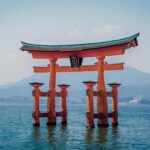
The meeting point is at the Gates of Peace, on the front side of the Italian restaurant Mario. This is a practical starting place because it brings you directly into the memorial area without hotel pickup or a long transfer.
The opening guided talk lasts about 20 minutes. Here, your guide sets out the basic story: the international situation before the bombing, Hiroshima’s role during the war, the choice of target, and the destruction that followed.
This background is important. Without it, the later monuments can blur together. With it, you have a framework for understanding both the military decision and the human cost.
Guides such as Syed have been praised for making this opening clear and engaging, while still treating the subject with care. Hussain is also described as articulate and attentive to the whole group. If you have questions, this is a good time to ask them, before the walk grows quieter and more reflective.
The Prayer Fountain and the need for water
The Prayer Fountain is a brief stop, but it carries a heavy meaning. Your guide explains its connection to people who suffered from thirst after the bombing and to the act of offering water in prayer.
This is also where the practical advice begins to matter. Hiroshima’s memorial park is outdoors, and the tour operates in all weather. In summer, heat can make even a short walking tour tiring. Carry your own water, since no food or drinks are provided.
You should also bring sunscreen and a hat. Comfortable shoes are essential, not optional. The route is not described as suitable for wheelchair users or people with mobility impairments, so anyone with walking concerns should choose a different way to visit the park.
Reading the park instead of just crossing it
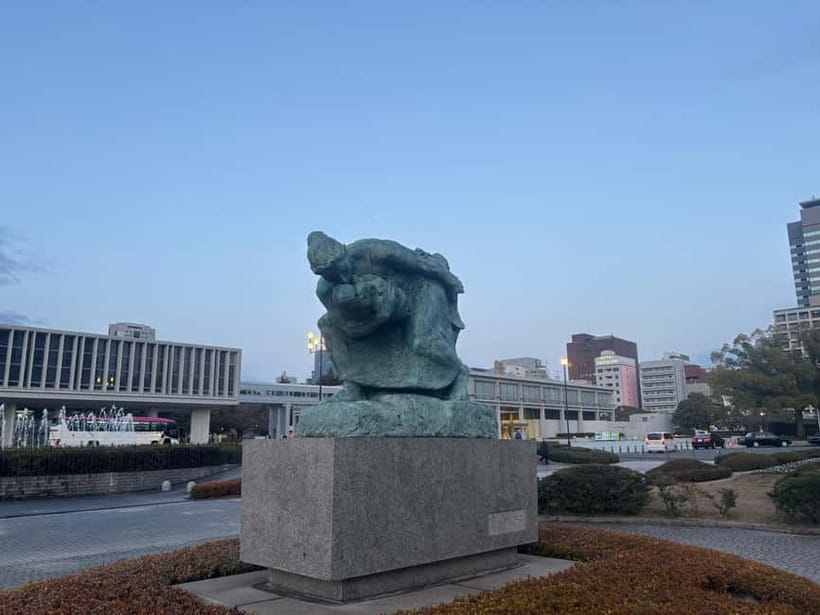
The central Peace Memorial Park section takes about 40 minutes. This is the longest portion of the walk, and rightly so. It gives you time to look around, listen, and understand how the park functions as both a memorial and a public place.
The park is not only a collection of monuments. It is a place where people come to remember family members, reflect on war, and express hope for a world without nuclear weapons. Your guide explains the purpose behind the memorials and points out details you might otherwise pass without noticing.
You also learn how Hiroshima rebuilt after the bombing. The city was not left as a permanent ruin. It rebuilt its streets, schools, businesses, and civic life, while preserving places that remind the world what happened. That tension between recovery and remembrance is one of the tour’s most useful themes.
I would not expect a full museum visit during these two hours. The walk gives you a strong introduction, not every detail of Hiroshima’s wartime and postwar history. It works best as a companion to extra time at the Peace Memorial Museum and the park’s indoor memorial sites.
The Flame of Peace and a continuing message
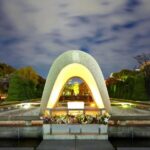
The Flame of Peace receives about 20 minutes of attention. Its purpose is tied to the hope that nuclear weapons will be eliminated and that the flame will remain lit until that goal is reached.
This stop gives the tour a wider focus. The bombing was a local disaster, but the message of Hiroshima is international. You are encouraged to think not only about what happened to one city, but also about the choices governments make and the consequences carried by ordinary people.
The guide’s role matters here. A list of dates can make a memorial feel distant. Personal stories bring it closer, without turning the visit into spectacle. The best guides, including Syed and Hussain, are praised for speaking with passion while allowing time for questions and reflection.
A few more Hiroshima tours and experiences worth a look

Sadako and the Children’s Peace Monument
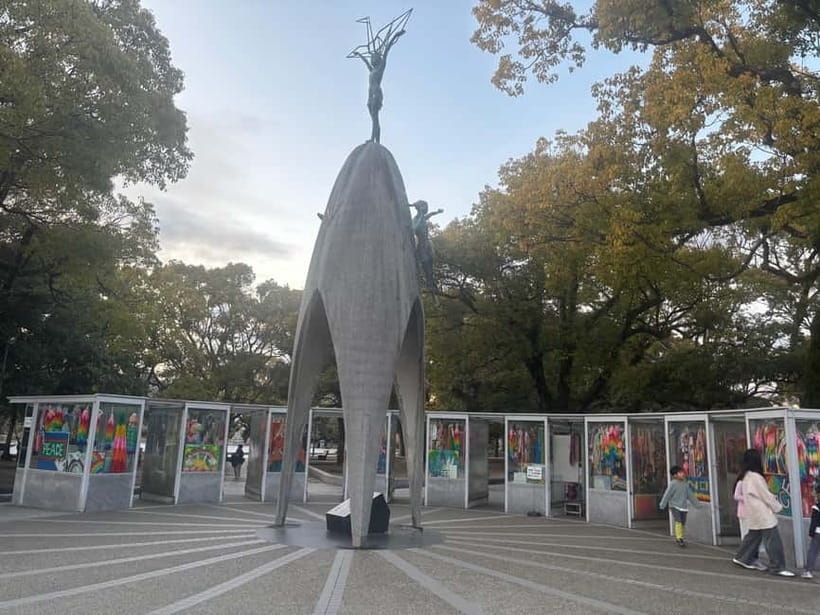
The Children’s Peace Monument is one of the most recognizable stops in the park. Here you learn the story of Sadako Sasaki and the thousand paper cranes.
This part of the tour is especially helpful for families and younger visitors because it gives the larger history a clear personal focus. It also explains why paper cranes have become linked with peace and remembrance in Hiroshima.
Do not expect the monument to be treated as a quick photo stop. Its meaning comes from the story behind it and from the many children affected by the bombing and its aftermath. Photography is allowed, but you should be respectful in all memorial areas. That means keeping your voice low, avoiding disruptive poses, and giving people space to pray or pay their respects.
Remembering Korean victims
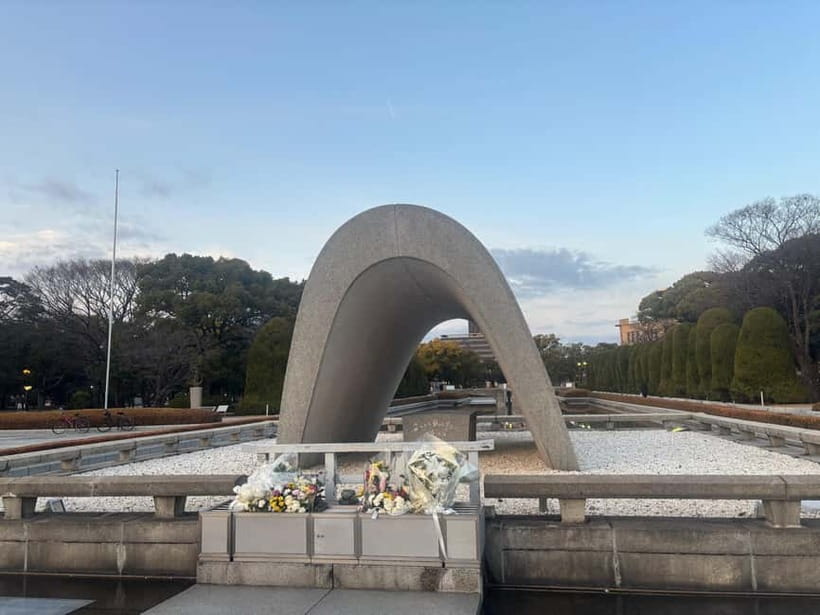
The Korean Atomic Bomb Victims Cenotaph adds a perspective that is easy to miss when you explore alone. Your guide explains that Koreans were among those affected by the bombing and that their experiences form an important part of Hiroshima’s story.
This stop broadens the tour beyond a single national narrative. It reminds you that wartime populations were displaced, controlled, and caught up in decisions far beyond their control. For many visitors, this is one of the most valuable additions to the route because it introduces a memorial they might not have understood without explanation.
The tour also includes references to the Dr. Marcel Junod Memorial, the Norman Cousins Memorial, and the Hiroshima National Peace Memorial Hall. Not every listed place receives the same length of stop, but together they show that Hiroshima’s remembrance work includes aid workers, peace advocates, victims, survivors, and later efforts to preserve testimony.
The Peace Bell and a moment to participate
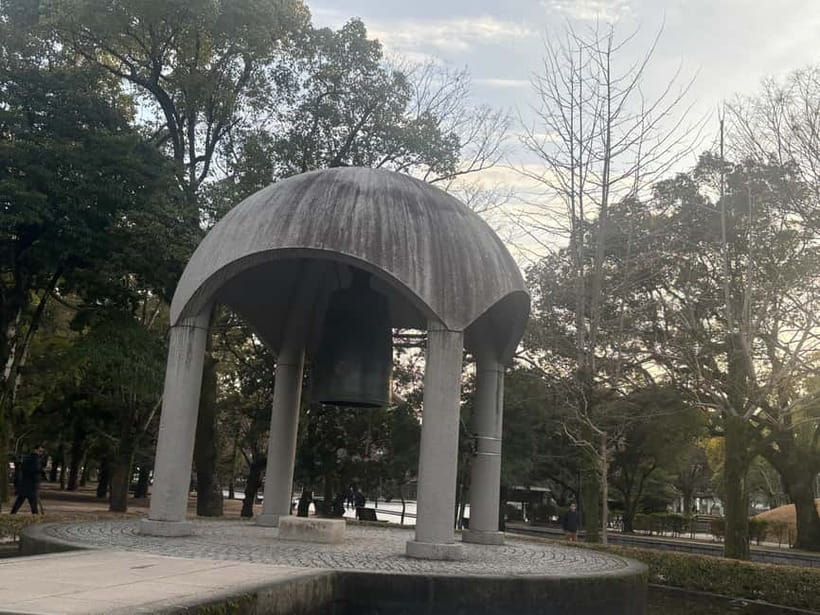
At the Peace Bell, you have a chance to take part rather than simply watch. Ringing the bell is presented as a symbol of hope and world peace.
That small action can feel more personal than standing behind a barrier and reading a plaque. Still, treat it as a memorial, not an attraction. Listen to your guide about when and how to ring it, and be aware of other people using the space for quiet reflection.
The sequence of the tour works well here. After learning about victims and the effects of the bombing, you are given a simple way to express a wish for peace. It is direct, but not forced.
Aioi Bridge and the route toward the Dome
The walk then reaches Aioi Bridge, a key visual point in the area. Your guide explains its connection to the bombing and why it mattered when the attack took place.
This is a useful stop for understanding the geography of Hiroshima. The river, bridge, park, and Dome are close together, but their positions are easier to grasp when someone explains how they relate. A guide can also show you how to orient yourself for a later visit to the museum and surrounding memorials.
By this stage, you have covered a fair amount of ground. The route is manageable for people comfortable with ordinary city walking, but it is not a sit-down tour. Pace can vary by group, weather, and questions. One reported experience lasted about 90 minutes rather than the advertised two hours, while most descriptions emphasize a two-hour format. If your schedule is tight, allow some flexibility.
Seeing the Atomic Bomb Dome with context
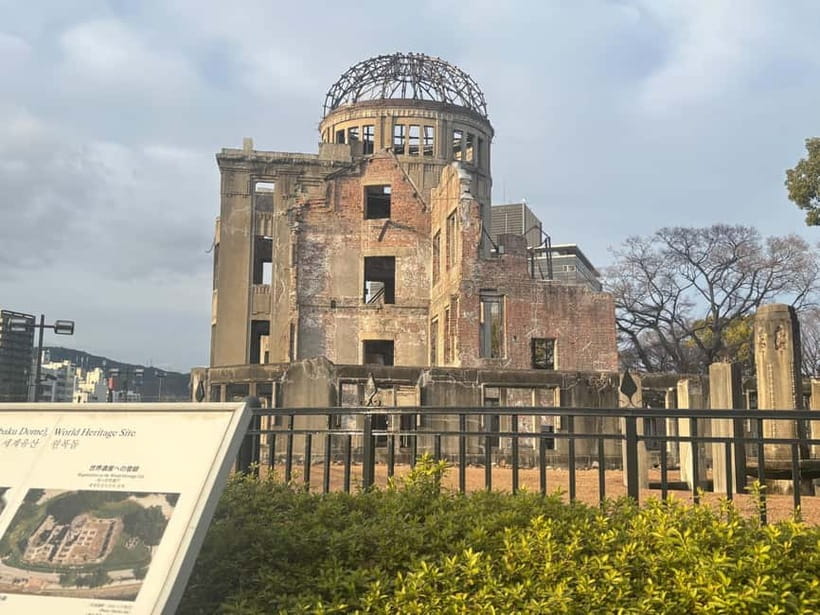
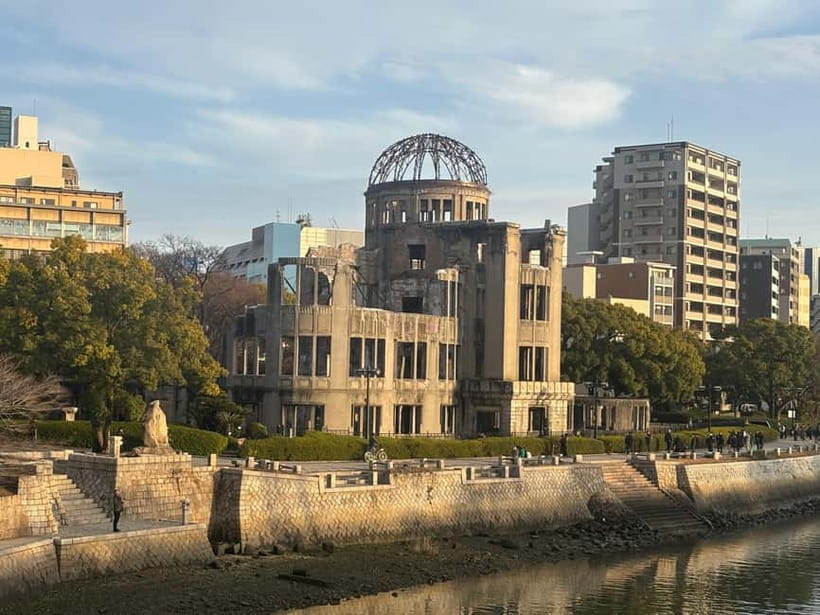
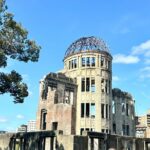
The Atomic Bomb Dome is the visual centerpiece of Hiroshima. Its damaged frame is stark, familiar, and difficult to forget.
The structure was once the Hiroshima Prefectural Industrial Promotion Hall. It remained standing near the hypocenter, while much of the surrounding area was destroyed. Today it is a UNESCO World Heritage Site and a symbol of the bombing, the dangers of war, and Hiroshima’s appeal for peace.
I prefer seeing the Dome after the earlier memorials. You arrive with a human and geographic context instead of treating it as an isolated ruin. Your guide explains why the building was preserved and how the city came to use it as a reminder of what happened.
The Dome itself is viewed from outside. This is not a tour of an interior, and the experience is not designed around lengthy photography. The value lies in the explanation and in understanding what you are looking at.
Ending at the hypocenter monument
The tour ends at the Hiroshima Atomic Bomb Hypocenter Monument. This is a fitting close because it identifies the point directly associated with the blast.
After walking through memorials dedicated to victims, children, Korean victims, peace, and international remembrance, the final location brings the history back to a precise place. The effect is quiet and sobering.
You may want time afterward before moving on. Some people will be ready for the Peace Memorial Museum. Others may prefer a meal, a slower walk, or a break. Several guides, including Syed, have offered local lunch suggestions, especially okonomiyaki. That is useful because Hiroshima-style okonomiyaki is one of the city’s best-known local foods, and a guide’s recommendation can help you continue the day in a more ordinary, local setting.
The guides and the style of the walk
The provider is Hussain, and the experience is offered with live guides in English, Urdu, and Hindi. Named guides in the feedback include Syed, Hussain, Khan, Aaze, and Shah, so the exact guide may depend on the date and assignment.
The strongest pattern is the teaching style. Guides are described as friendly, enthusiastic, clear in English, and willing to answer questions. Syed is completing a PhD and is praised for connecting broad history with stories of people who survived or died in the bombing. Several comments also point to his ability to keep the group engaged while walking.
That does not mean every departure will feel identical. Group size can change the mood, and one small group found the interaction especially easy. A larger group may mean fewer questions at each stop. One guide also had to deal with a start-time mix-up, though the situation was handled well.
An evening departure can be a smart choice. One visitor found that the park was quieter after the crowds had gone. In warm months, evening may also be more comfortable, though you should check the available start time and dress for the forecast.
Is $23 a good value?
At $23 per person, this is inexpensive for a two-hour guided introduction to Hiroshima’s most important memorial area. You are paying for interpretation, not transportation, food, or entry to a separate museum.
The value is strongest if you would otherwise walk past monuments without knowing their purpose. The guide points out places such as the Korean cenotaph, Peace Bell, Prayer Fountain, and memorials to people involved in international relief and peace work. That extra context can make a short visit far more meaningful.
It is less suitable if you want a long, academic lecture or a private guide who will stay with you all day. It also does not replace the Peace Memorial Museum. Think of it as a clear orientation to the outdoor memorials, followed by independent time inside the museum or elsewhere in Hiroshima.
Free cancellation up to 24 hours before the start and reserve-now, pay-later booking make it easier to fit into a changing Japan itinerary. No hotel pickup is included, and you cover your own personal costs. Animals are not allowed, smoking is not allowed, and no food is served.
Who should book this Hiroshima walking tour?
I would recommend it for a first visit to Hiroshima, especially if you want an explanation of the park before exploring it alone. It suits history-minded adults, families who want the Children’s Peace Monument explained, and anyone who prefers personal stories to a self-guided audio track.
It is also a good choice if you have only part of a day in Hiroshima. Two hours gives you the main outdoor sites without committing to a full-day program. You can then visit the museum, eat okonomiyaki, or continue to another part of the city.
You should think twice if you dislike walking, have mobility limitations, or want guaranteed shelter from the weather. The route is outdoors and runs in rain or shine. Bring water, a hat, sunscreen, a camera if you want one, and shoes that can handle steady walking.
Should you book it?
Book this tour if you want meaningful context for the Peace Memorial Park at a modest price. The guide-led format helps you notice memorials that are easy to overlook, and the mix of historical background, personal accounts, reconstruction, and present-day Hiroshima gives the visit a useful shape.
I would schedule it early in your Hiroshima stay, or in the evening when the park may be quieter. Then leave time for the museum and for a meal afterward. Skip it only if you already have a private historian-led visit arranged or if walking outdoors for two hours is not practical for you.
FAQ
How long does the Hiroshima Peace Memorial Park tour last?
The advertised duration is two hours. The pace can vary with the group, weather, and time spent answering questions.
How much does the tour cost?
The price is $23 per person.
Where does the tour meet?
The meeting point is at the Gates of Peace, on the front side of the Italian restaurant Mario.
Where does the tour finish?
The tour finishes at the Hiroshima Atomic Bomb Hypocenter Monument.
Which languages are available?
The live tour is available in English, Urdu, and Hindi.
Does the tour include food?
No. Food is not served, and personal food and drink costs are not included.
What should I bring?
Bring comfortable shoes, a hat, sunscreen, water, and a camera if you wish to take photographs.
Is the tour suitable for wheelchair users?
No. The tour is not suitable for wheelchair users or people with mobility impairments, and it involves a significant amount of walking.
More Hiroshima City Tours in Hiroshima
More Peace Memorial Tours in Hiroshima


More tours in Hiroshima we've reviewed


Peace Memorial Tours, compared.
 ★ 4.8Hiroshima Historical Walking Tour – Why A-Bomb was DroppedFrom $352h 30m
 ★ 5.0Hiroshima Peace (Heiwa) Walking Tour at World Heritage SitesFrom $94
 ★ 4.9Hiroshima: Miyajima Peace Memorial Icons of Peace and BeautyFrom $1638 hours
 ★ 5.0Hiroshima Walking Tour Why A Bomb was dropped to HiroshimaFrom $28
 ★ 5.0Hiroshima 2hr Peace Cycling Tour with Local GuideFrom $59
 ★ 4.8Hiroshima: Peace Cycling Tour with Local GuideFrom $522 - 3 hours
