
Reviewed · MIYAJIMA TOURS
Hiroshima/Miyajima: UNESCO Highlights Small-Group Day Tour
Hiroshima’s story is best understood in two places: the solemn Peace Memorial Park and the sea-facing island of Miyajima. This seven-hour tour links both, using trams, trains, and a ferry while guides such as Kaku and Erna add local food stops and personal insight along the way.
I especially like the thoughtful balance between serious history and everyday culture. You get time at the Peace Memorial Museum, Hiroshima-style okonomiyaki, a freshly fried age-momiji maple cake, and quiet island lanes beyond the main sights. The main consideration is cost: at $135, you still pay separately for transport, entry fees, lunch, and drinks.
In This Review
- Key points at a glance
- Why this Hiroshima and Miyajima pairing works
- Starting outside Hiroshima Station
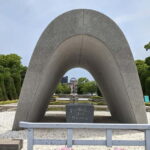
- Two hours at Hiroshima Peace Memorial Park
- Hiroshima-style okonomiyaki at a local teppan restaurant
- The ferry view toward Miyajima
- Miyajima’s shrine and back lanes
- Daishoin Temple and optional local tastes
- What the guide adds
- Is $135 a fair price?
- Practical details before you book
- Should you book this Hiroshima day tour?
- FAQ
- Where does the tour meet?
- How long does the tour last?
- Which languages are available?
- Is lunch included?
- What food is served at lunch?
- Is the age-momiji snack included?
- Are transport tickets included?
- Are museum and shrine admission fees included?
- Does the tour operate in bad weather?
- Can I cancel or pay later?
Key points at a glance
- Two major Hiroshima sights in one day: Visit Peace Memorial Park and Miyajima without arranging the tram, train, ferry, and walking route yourself.
- A guide-led history visit: Learn about the bombing, the A-Bomb Dome, local sea culture, samurai trade routes, and modern island life.
- Lunch with a local focus: Share a table at a teppan restaurant for Hiroshima-style okonomiyaki, with vegetarian choices available.
- A freshly fried island treat: Try complimentary age-momiji, a maple-shaped cake served hot from the fryer.
- Flexible local stops: Depending on group interest, you might taste local sake or climb the lantern-lit steps at Daishoin Temple.
- Good wet-weather planning: The tour runs in rain, with an indoor cultural alternative available during heavy rain.
Why this Hiroshima and Miyajima pairing works
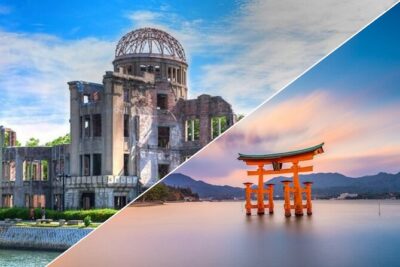
Many Hiroshima day plans force you to choose between the city’s memorial sites and Miyajima’s famous shrine. This tour gives you both, and the order makes sense. You begin in the city, where the historical weight requires quiet attention, then move toward Miyajima’s sea views, food, temples, and older streets.
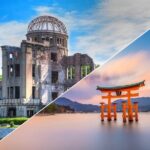
The shift in mood is one of the day’s strengths. Peace Memorial Park is not a quick photo stop. You walk tree-lined paths, see the A-Bomb Dome, and spend time inside the Peace Memorial Museum at your own pace. Later, the ferry opens the view toward the Seto Inland Sea and the vermilion O-torii Gate.
That contrast does not make the morning less serious. It gives you a fuller sense of Hiroshima as a living city, not only a place defined by one terrible event.
The listed duration is seven hours, which is enough for the main sights but not enough for an unhurried visit to every corner of Miyajima. If you want long museum reading time, a full shrine visit, a mountain hike, and extended shopping, you will need more time on the island afterward.
A few more Hiroshima tours and experiences worth a look
Starting outside Hiroshima Station
The meeting point is the Starbucks outside the Shinkansen Exit at Hiroshima Station, specifically the Starbucks Minamoa Hiroshima 2nd Floor store. Meet in front of the café entrance, on the outdoor chairs directly outside the shop.
This is a practical starting point if you arrive by bullet train or are staying near the station. Still, allow a few extra minutes to find the correct café entrance. Hiroshima Station has several levels and exits, so do not assume the first Starbucks you see is the right one.
Your guide then leads you onto a Hiroden tram. The roughly 20-minute ride is more than a transfer. It lets you see Hiroshima at street level while your guide explains the events that changed the city. A tram is slower than a taxi, but that is part of its value here. You get a simple introduction to the city before reaching the memorial area.
All transport costs are paid separately. Bring cash for the tram, JR train, and ferry, along with lunch, drinks, and admission fees.
Two hours at Hiroshima Peace Memorial Park
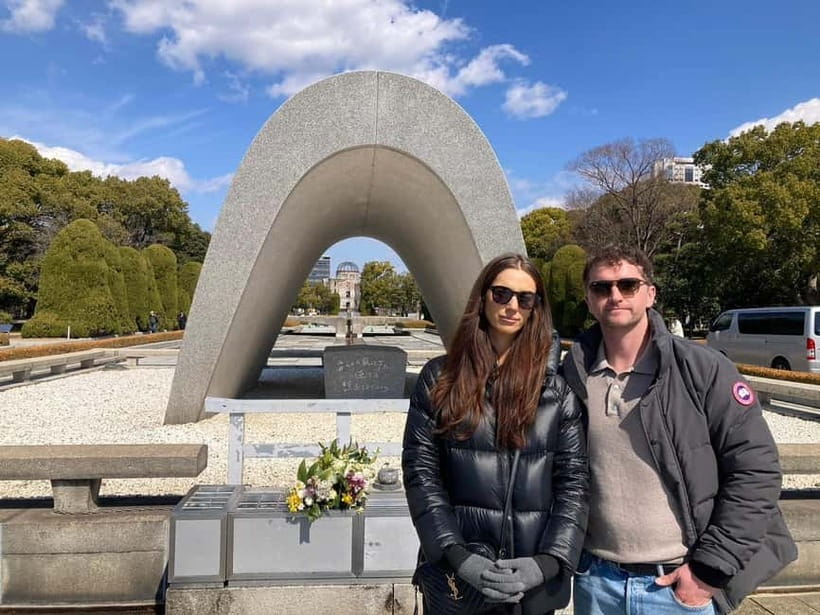
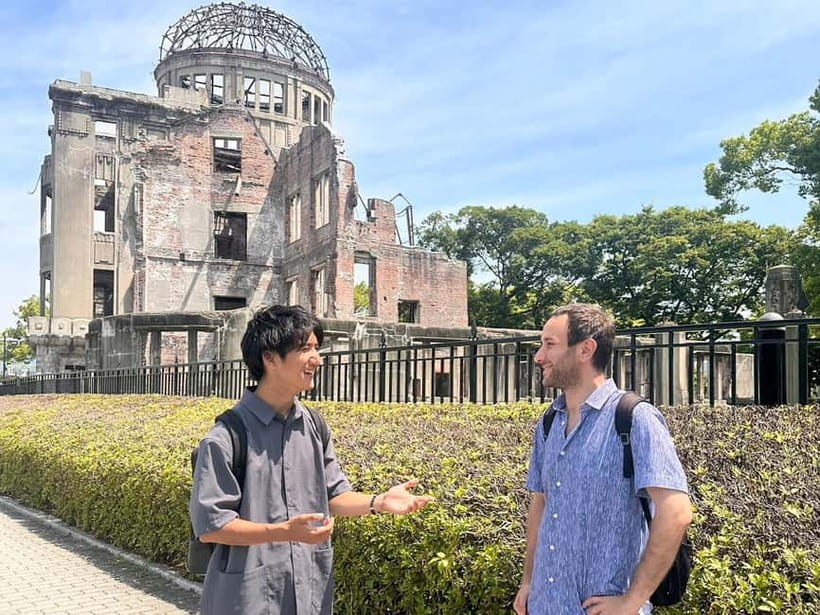
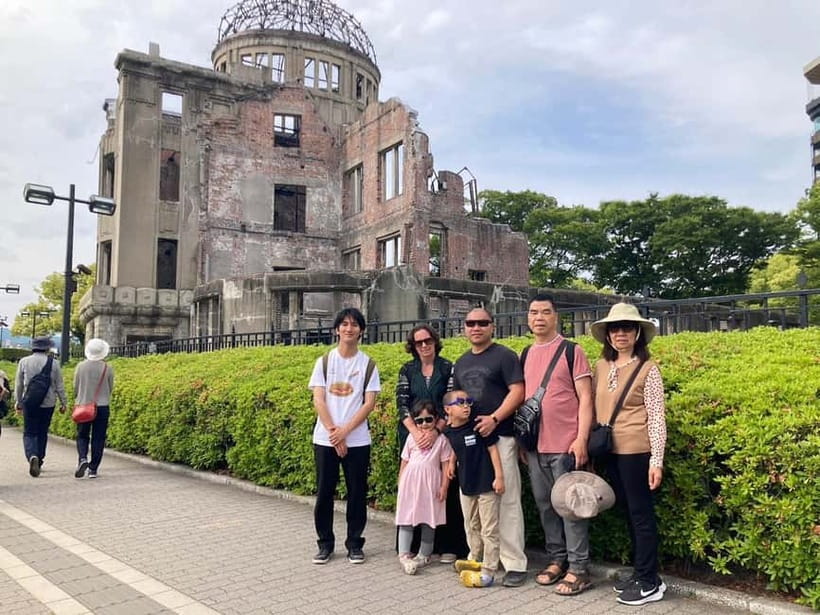
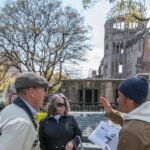
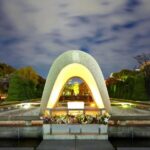
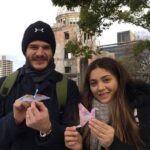
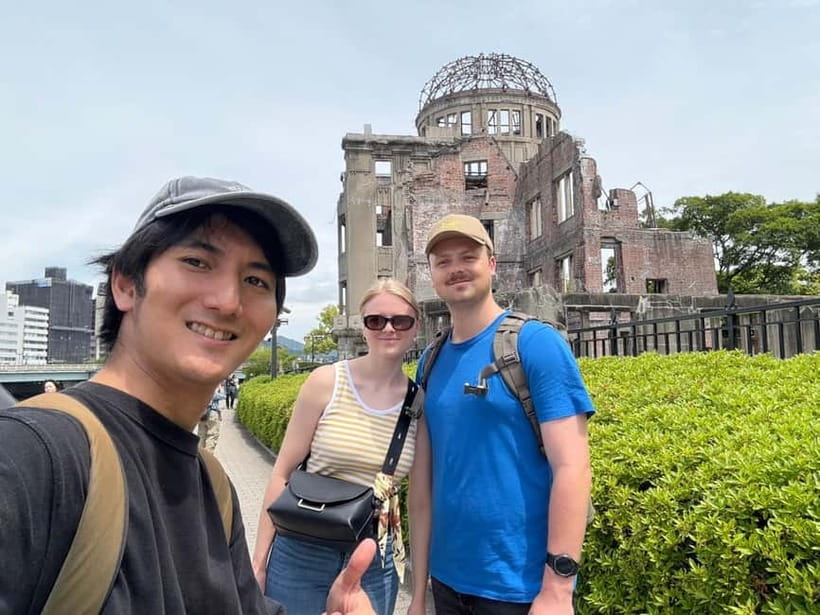
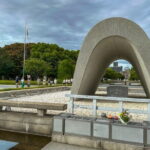
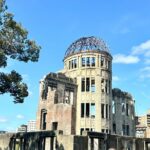
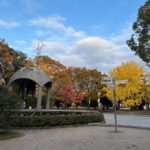
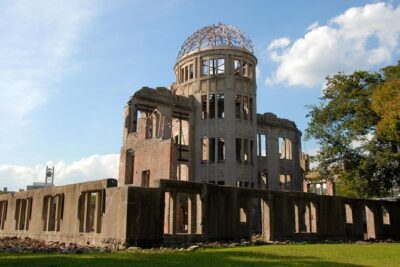
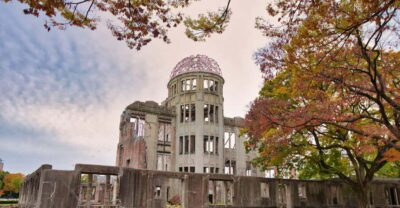
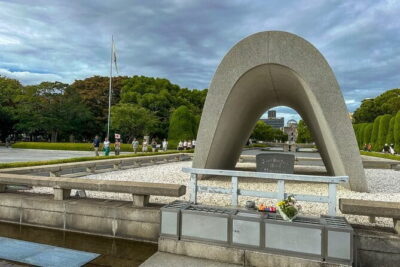
The Peace Memorial Park is the emotional center of the tour. You walk among trees and open paths, with the A-Bomb Dome providing the most recognizable reminder of August 6, 1945.
A guide can help connect the visible memorials to the wider story, but you also receive time to look and think without constant commentary. That balance matters at a place where too much talking can feel intrusive. Kaku’s tours, in particular, have included extra historical stops connected with the atomic bombing, including a basement near the epicenter where someone survived. Such additions are not listed as guaranteed parts of every tour, so treat them as possible guide-led extras rather than promised stops.
The Peace Memorial Museum is visited at your own pace. This is useful because people respond to it differently. You may want to read every display, while someone else in your group may need to move through more quickly. The two-hour park visit includes the museum, but the exact time available for exhibits can vary with the day’s pace.
I recommend wearing comfortable shoes and bringing a camera, though photography should never replace attention at the memorial sites. The subject matter is difficult, and the museum is not a light sightseeing stop. This tour suits you best if you are willing to give the morning the respect it requires.
Hiroshima-style okonomiyaki at a local teppan restaurant
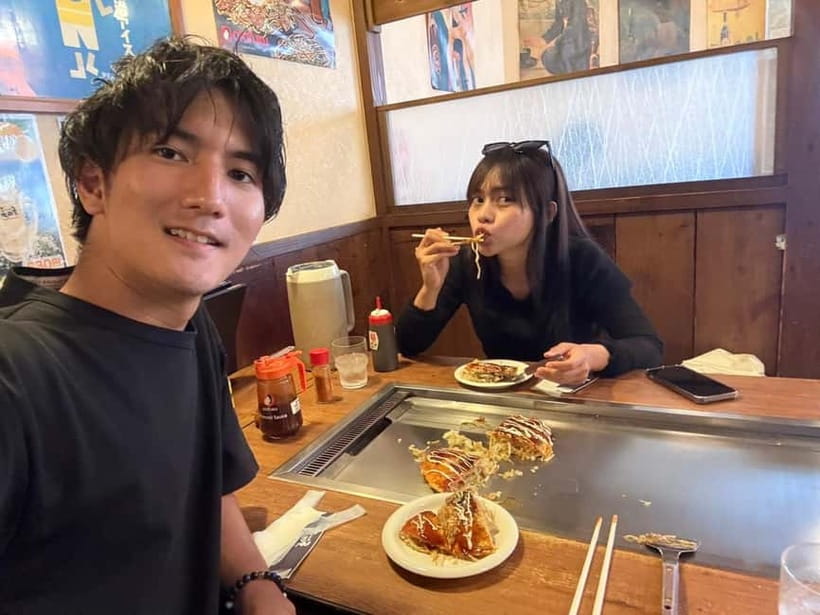
After Peace Memorial Park, the group rides the tram and JR train toward Miyajimaguchi. Lunch takes place at a local teppan restaurant, where Hiroshima-style okonomiyaki is prepared as a layered savory pancake on a hot grill.
The restaurant is selected by the guide, and lunch is paid for on the day. That arrangement gives the guide room to choose a useful local stop, but it also means you should carry enough cash and allow for a separate food bill. Personal drinks are also excluded.
Vegetarian options are available, which is helpful, though you should tell the guide about your needs early. The tour description does not specify the exact menu or price, so do not book this expecting a fixed lunch cost.
I like this part of the day because food gives you a break after the museum and adds something specific to Hiroshima. Guides Kaku and Erna have been especially attentive to regional dishes. Kaku has also pointed people toward other local foods and dinner suggestions, while Erna has shown participants local foods around Miyajima.
The ferry view toward Miyajima
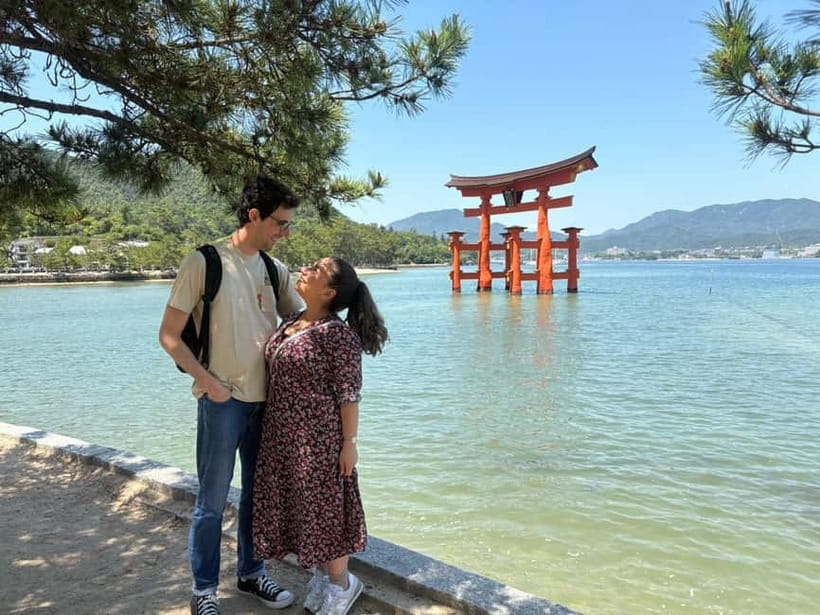
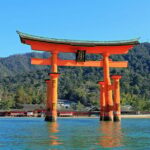
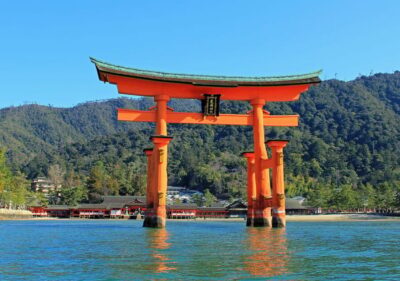
From Miyajimaguchi, you take a ferry across to Miyajima. The crossing changes the pace again. Instead of moving through city streets, you approach the island across the Seto Inland Sea, with the O-torii Gate becoming the obvious visual prize.
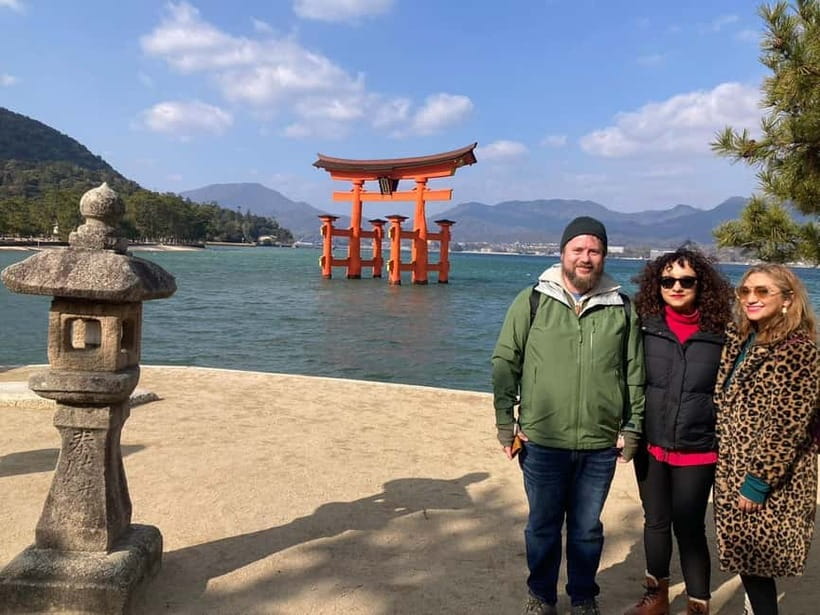
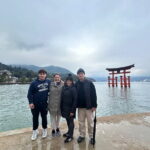
The gate appears to float at high tide, though its appearance changes with the water level. Your guide points out good photo angles at both high and low tide and explains the Shinto traditions connected with Itsukushima Shrine. That tide information is useful because the same gate can look dramatically different depending on when you visit.
The ferry portion is listed as one hour in the schedule, while the actual crossing itself is shorter than that. Think of this as the ferry segment, including the transfer and time around the waterfront, rather than an hour spent continuously on the boat.
Transportation is not included, so budget for the ferry as well as the earlier tram and train rides. The ferry is simple public transport, not a private sightseeing cruise.
A few more Hiroshima tours and experiences worth a look
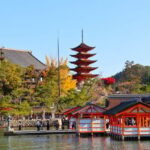

Miyajima’s shrine and back lanes
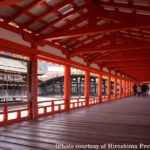
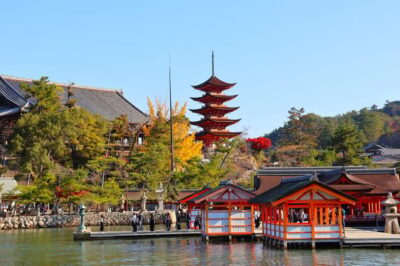
Miyajima’s main draw is Itsukushima Shrine, with its vermilion structures and famous gate facing the sea. The tour includes a photo stop, a visit, and guided context about the island’s Shinto beliefs.
You should expect other people around the shrine, especially near the best-known viewpoints. The guide’s value here is not just leading you to the gate. It is helping you understand why the shrine is tied so closely to the sea and how the island’s religious identity shaped its buildings and customs.
The route also moves away from the most crowded streets. In the back lanes, your guide can point out smaller local details and share stories about sea culture, samurai trade routes, and present-day island life. These quieter stretches are often where a guided walk feels most useful, since you are less likely to notice the context on your own.
You also receive a complimentary age-momiji maple cake, served straight from the fryer. It is a small but memorable touch: warm, sweet, and tied to Miyajima’s local food scene. The snack is included, unlike lunch and transport.
Shopping time is part of the island visit, but this is not a dedicated shopping tour. If you want to browse every food stall or craft shop, you may need to return independently after the tour.
Daishoin Temple and optional local tastes
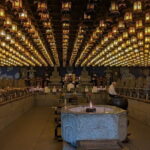
Daishoin Temple adds a quieter religious setting to the Miyajima visit. The route includes a guided visit and photo stop, with a lantern-lit stairway that gives the temple a different mood from the waterfront shrine.
The schedule allows about an hour for this portion, but the day is flexible enough for the guide to respond to group interest. You might taste a local sake, or you might spend more time at Daishoin. This is a benefit if you enjoy a human-paced tour rather than a rigid checklist.
It is also a reason to communicate clearly. If sake tasting matters to you, say so. If you prefer temples and history, ask for more time at Daishoin. The guides have shown a willingness to tailor the day, with Kaku helping participants pursue personal interests such as a custom stamp and local specialty stops.
Do not assume every optional stop is guaranteed. Weather, timing, group preferences, and the pace at the Peace Memorial Museum can affect what fits.
What the guide adds
The guide is the main reason to choose this experience instead of visiting both places independently. The route itself is possible to organize on your own, but the transfers require attention and the historical context takes research.
Kaku has been praised for warm, personal guiding and for adjusting the day to individual interests. His style can include more than the headline sights: a sweet shop, a tea house with a history lesson, a knife shop, a local juice stand, and a small historical site near the bombing’s epicenter. These are examples of the kind of local additions that may appear, not fixed promises.
Erna has also led the route, with a focus on Hiroshima’s history and Miyajima’s food and viewpoints. The listed guide languages are English and Indonesian, so confirm the available guide language when booking if that choice matters to you.
The experience is described as small-group, but the exact group size is not provided. On one date, a participant received a private one-on-one tour because no group space was available. That shows the format can vary, but you should not book expecting a private tour.
Is $135 a fair price?
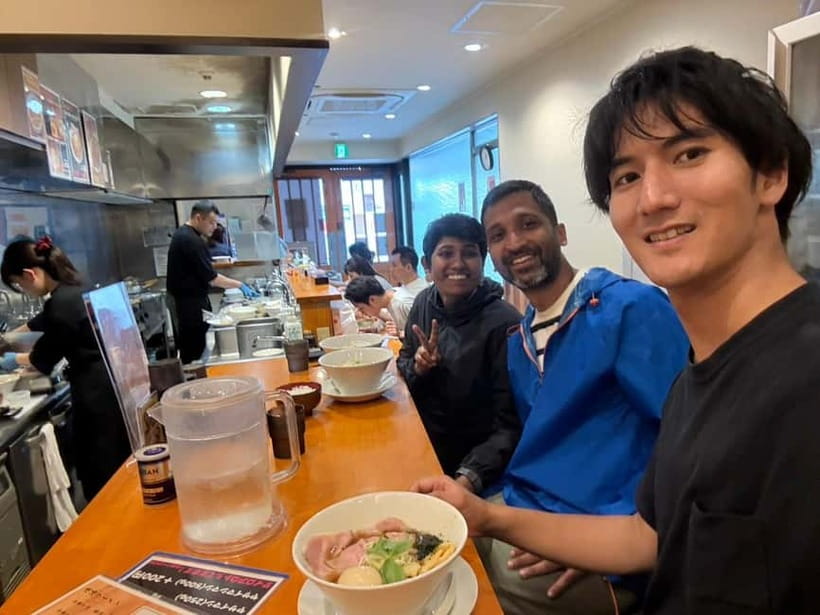
The $135 price is reasonable if you place a high value on explanation, route planning, and local food guidance. It is not an all-inclusive day pass. You still pay for the tram, JR train, ferry, museum and shrine admission, lunch, and personal drinks.
For a solo visitor or first-time visitor to Hiroshima, the price can make sense. You avoid working out a multi-stop route, and you receive a bilingual guide who can place the memorial sites and island traditions in context. The value is strongest if you want to ask questions and enjoy flexible local stops.
For two confident planners, the cost may feel high because the public transport is straightforward and both destinations can be visited independently. You may prefer self-guided sightseeing if you want complete control over museum time, lunch, shopping, or the island schedule.
The listed rating is 5 out of 5 from 10 reviews, with repeated praise for Kaku’s friendliness, historical explanations, food advice, and willingness to tailor the day. That is a small sample, so I would treat it as encouraging rather than final proof. The strongest pattern is clear: the guide’s personal service matters more than the mechanics of getting from one stop to the next.
Practical details before you book
Wear comfortable shoes. You will walk through the park, museum, shrine area, back lanes, and temple grounds, with stairs at Daishoin.
Bring cash because transport, lunch, drinks, and entry fees are separate. A camera is useful for the A-Bomb Dome, ferry views, and O-torii Gate, while weather-appropriate clothing matters because parts of the route are outdoors.
The tour operates rain or shine. In heavy rain, an indoor cultural alternative is offered. Wheelchair access is available, though the combination of public transport, ferry boarding, old lanes, and temple steps makes it sensible to confirm the details for your needs before booking.
You can cancel up to 24 hours in advance for a full refund. A reserve-now, pay-later option is also available, which helps if your Japan schedule is still moving around.
Should you book this Hiroshima day tour?
Book it if you want Hiroshima’s memorial sites and Miyajima in one organized day, and if a bilingual guide’s explanations matter to you. It is particularly suitable for first-time visitors, solo visitors, food-focused sightseers, and anyone who likes a guide who can adjust the day around local interests.
Think twice if you want a slow museum visit, a long Miyajima hike, or several hours of independent shopping. The schedule covers a lot in seven hours, and the extra costs add up.
My practical advice is to choose this tour for the guide-led connection between the sites, not simply for transportation. Ask about the available guide, mention food or mobility needs early, carry cash, and keep the evening flexible in case you want to stay on Miyajima longer or follow the guide’s dinner suggestions.
FAQ
Where does the tour meet?
Meet at Starbucks Minamoa Hiroshima 2nd Floor outside Hiroshima Station’s Shinkansen Exit. Wait in front of the café entrance, on the outdoor chairs directly outside the store.
How long does the tour last?
The experience lasts seven hours, with availability depending on the selected starting time.
Which languages are available?
Live guiding is available in English and Indonesian.
Is lunch included?
No. Lunch is paid for separately at the local teppan restaurant.
What food is served at lunch?
The planned lunch is Hiroshima-style okonomiyaki. Vegetarian options are available.
Is the age-momiji snack included?
Yes. A complimentary age-momiji maple cake is included and is served fresh from the fryer.
Are transport tickets included?
No. You pay separately for the Hiroden tram, JR train, and ferry.
Are museum and shrine admission fees included?
No. Entry to the Peace Memorial Museum and Itsukushima Shrine is not included.
Does the tour operate in bad weather?
Yes. It operates rain or shine, and an indoor cultural alternative is offered during heavy rain.
Can I cancel or pay later?
You can cancel up to 24 hours in advance for a full refund. A reserve-now, pay-later option is available.
More Hiroshima City Tours in Hiroshima
More Miyajima Tours in Hiroshima
More tours in Hiroshima we've reviewed


Miyajima Tours, compared.
 ★ 5.0Peaceful Hiroshima & Miyajima UNESCO 1 Day Bus TourFrom $129
 ★ 4.9Hiroshima: Hiroshima and Miyajima UNESCO Sites 1-Day TourFrom $1228 hours
 ★ 5.0Hiroshima / Miyajima Full-day Private Tour with Government Licensed GuideFrom $202
 ★ 4.7Osaka/Kyoto: Hiroshima Miyajima Bus Tour & Shinkansen TicketFrom $27712 hours
 ★ 4.7From Hiroshima: Hiroshima & Miyajima 1 Day Tour with LunchFrom $1168 hours
 ★ 5.0Hiroshima and Miyajima Day Trip with Itsukushima Shrine & FerryFrom $45
