
Reviewed · OKAYAMA & KURASHIKI TOURS
Half-Day Shared Tour at Kurashiki with Local Guide
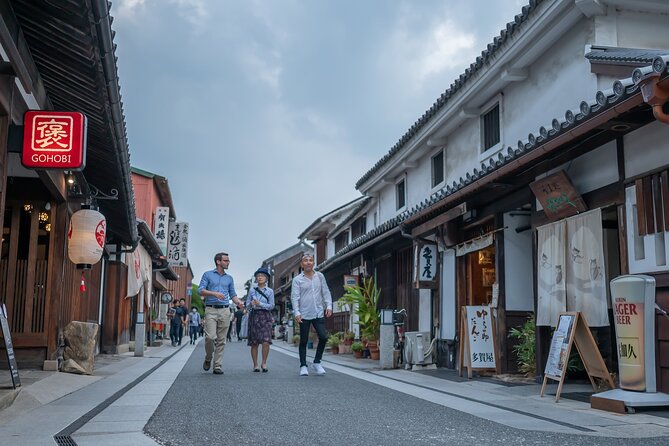
Kurashiki reveals itself best through the people who have lived there for generations. On this three-hour walk, Hiroyuki Hara shares the story of his family’s 400 years in the city, while an interpreter helps connect local history with the places around you. You get more than pretty canals and white-walled storehouses.
I like the family connection, which gives the walk a personal edge, and I like the final stop at Cafe Ueda, where you can talk with Hara over one included drink. The main drawback is pace: nine stops in about three hours means some places receive only a short explanation, and admission to the Ohara Museum of Art is not included.
In This Review
- Key points to know before you book
- Why this Kurashiki walk feels different
- Starting at Mukaimatsu Dorm
- Kanryuji Temple and the samurai connection
- Achi Shrine and a quieter side of Kurashiki
- Tsurugatayama Park and the 1927 tunnel
- The Bikan lanes and the stories behind them
- Kurashiki Ivy Square and the Ohara family
- The Ohara Museum area without the museum ticket
- Finishing at Cafe Ueda
- Is $86 a fair price?
- Timing, group size, and practical limits
- Who should book this experience?
- Should you book the Kurashiki local guide tour?
- FAQ
- How long does the Kurashiki tour last?
- Where does the tour begin?
- Where does the tour end?
- What is the maximum group size?
- Is an interpreter included?
- Is the Ohara Museum of Art admission included?
- Is a drink included?
- Can I cancel for a full refund?
Key points to know before you book
- A local family story: Hiroyuki Hara represents a family that lived in Kurashiki for about 400 years, giving the tour a direct link to the city’s past.
- A small group setting: The maximum group size is 10 people, useful for questions and easier movement through narrow streets.
- Nine stops in three hours: You visit temples, a shrine, a tunnel, historic lanes, Ivy Square, Yurinso, the Ohara Museum area, and Cafe Ueda.
- Coffee with the guide: The tour ends with one included coffee or tea at Cafe Ueda, a local cafe established in 1972.
- An interpreter is included: The guide is accompanied by an interpreter, making the historical explanations more accessible to international visitors.
- A souvenir and flexible cancellation: A small gift is included, and you can cancel for a full refund up to 24 hours before the start time.
Why this Kurashiki walk feels different
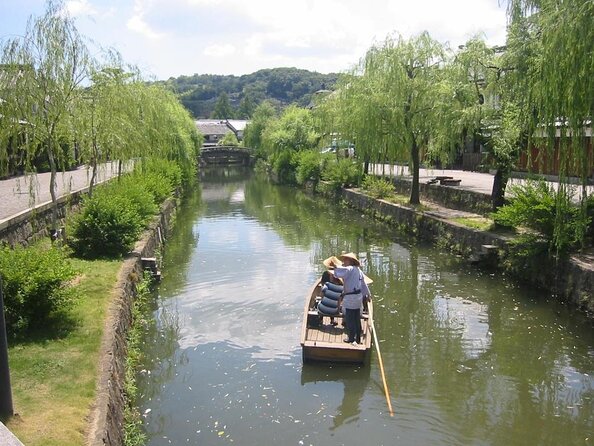
Kurashiki’s Bikan Historical Quarter is easy to admire on your own. Its canals, willow trees, storehouses, and quiet lanes make fine photographs even if you know nothing about the city. But the buildings can begin to blur together without context.
This tour tries to fix that. Instead of treating the quarter as a collection of photogenic streets, it links the area to the families, merchants, religious sites, wartime stories, and local customs that shaped it. Hara’s family connection is especially useful here. He is not simply repeating a few dates beside a landmark. He is presenting Kurashiki through stories passed down in a family with long roots in the city.
The tour also has a pleasant rhythm. You begin outdoors, move through historic and religious sites, walk the older lanes, and finish in a cafe. That final pause matters. You can ask questions that did not fit into the walk, offer your thoughts, and have a drink without needing to rush straight back to the station.
The experience is best for you if you want history explained in plain language and prefer a personal walking tour to a large sightseeing group. It is less suited to anyone hoping to spend a long time inside the Ohara Museum of Art or photograph every corner at leisure.
A few more Kurashiki tours and experiences worth a look

Starting at Mukaimatsu Dorm
The meeting point is in front of Mukaimatsu Dorm at 2-chome-5-1 Tsurugata. This opening section lasts about 30 minutes and sets up the story of Kurashiki before you enter the main sights.
That beginning is more useful than it may sound. Kurashiki is not only an old quarter preserved for sightseeing. It is a city shaped by trade, local families, religious institutions, and changing periods of Japanese history. The guide explains the city’s origin and how the Bikan area fits into that larger story.
Hiroyuki Hara is the central local voice, and an interpreter accompanies the tour. Some tour arrangements also identify the guide and interpreter as Hero with Kaiko, or Hara with Misa-san, so the exact staff pairing may vary. What matters for you is that the experience is designed around a local guide and language support rather than a self-guided audio track.
You should arrive ready to walk and listen. The meeting point is near public transportation, and the tour ends at a different address in Achi, so plan to continue your day from Cafe Ueda rather than returning to the starting point.
Kanryuji Temple and the samurai connection
Kanryuji Temple is the next major stop, with about 20 minutes set aside for the visit. The temple is described as more than 1,000 years old and closely connected to Kurashiki’s past.
The detail that makes this stop especially interesting is the reference to the remains of a samurai battlement. That gives the site a practical link to the city’s defensive and political past. You are not just looking at a quiet temple courtyard. You are learning how religious buildings and samurai-era structures could share the same local setting.
Admission is included, since the tour does not charge a separate ticket for the temple. The time is short, though, so expect an explanation and a focused look rather than a long, unhurried temple visit. If you want to linger for photographs or study architectural details, you may need to return later on your own.
Achi Shrine and a quieter side of Kurashiki
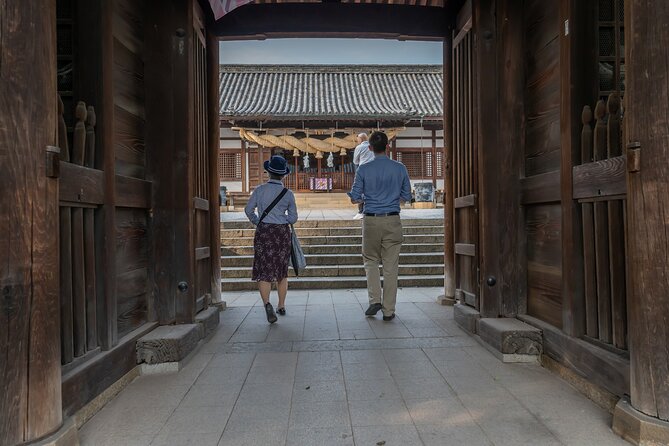
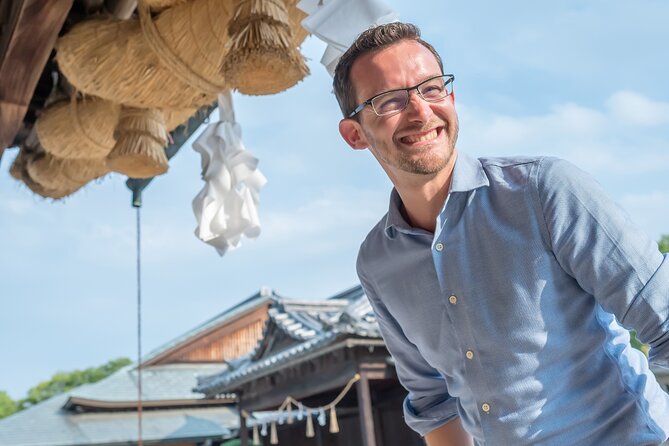
Achi Shrine receives about 40 minutes, making it one of the longer stops. The shrine protects the peace of Kurashiki and includes a zodiac sanctum.
This is a useful change of mood after the opening history and temple visit. The shrine offers a place connected to local belief and everyday spiritual life, not simply a famous photo stop. The tour explains what the shrine means to Kurashiki and how it fits into the city’s traditions.
You will also have a chance to learn about the small payment offered at a shrine prayer. The tour does not include this offering, called saisen. The listed amount is 10 yen per prayer, so carry a few coins if you would like to take part.
Achi Shrine may appeal to you if you are tired of rows of souvenir shops and want a more reflective setting. The tour’s explanation helps you see the shrine as part of the community rather than as a decorative stop between attractions.
Tsurugatayama Park and the 1927 tunnel
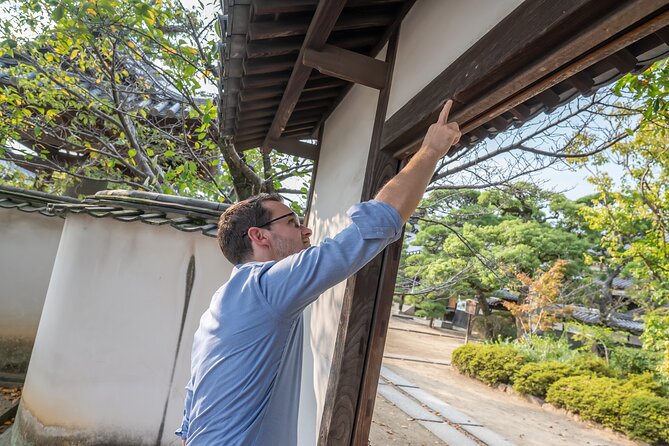
The walk continues toward Tsurugatayama Park and the Tsurugatayama Tunnel, with roughly 20 minutes allotted here. The tunnel was built in 1927 and passes under Tsurugata Mountain, linking the Bikan Historical Quarter with the area to the north.
The tunnel also has an association with Emperor Showa, adding another layer to its story. This is the kind of detail that can easily disappear if you only follow the most famous streets. A guide helps you notice how infrastructure, royal connections, and the shape of the city meet in one ordinary-looking route.
Do not expect this to be a long park excursion. The time is meant for a concise explanation as you move through the area. The value comes from understanding why the tunnel exists and how it relates to Kurashiki, not from spending an hour in the park.
Other guided tours in Kurashiki

The Bikan lanes and the stories behind them
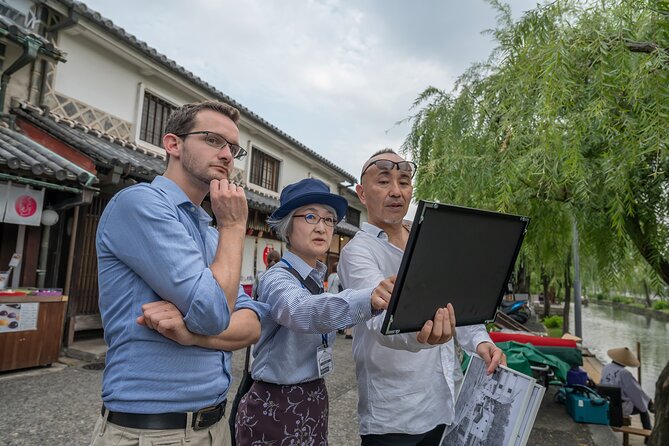
Only about 10 minutes is listed for the Bikan Historical Quarter itself, but this section links the stops together. The guide talks about the alleys, including stories connected with World War II.
That focus is important. The Bikan quarter can look frozen in time, yet its streets have continued through modern events and national upheaval. Hearing about the war years keeps the area from becoming a simple old-town display.
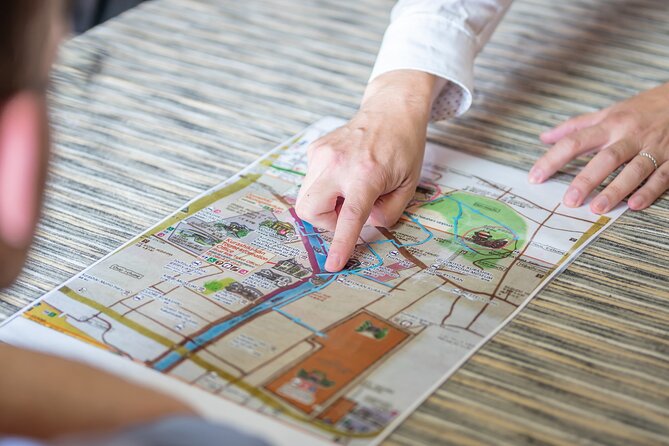
The short timing also calls for realistic expectations. You will not cover every lane or receive a full architectural lecture on each warehouse. Instead, you get a guided introduction that points out how to read the quarter. You can then return later to explore the canals and streets at your own speed.
This is one reason I would schedule the tour early in your Kurashiki visit. Afterward, the quarter should make more sense, and you will know which places deserve a second look.
Kurashiki Ivy Square and the Ohara family
Kurashiki Ivy Square receives about 20 minutes. The complex is now a hotel, but its importance comes from its connection with Kurashiki’s industrial and family history.
The guide explains Ivy Square in relation to the city’s development. That helps you see the complex as part of a larger story rather than merely a pleasant place for photos or a hotel courtyard. The stop also gives the walking route a different setting from the shrines and narrow lanes.
The tour then moves to Yurinso Villa, where about 10 minutes is spent discussing its link to the Ohara family. Magosaburo Ohara, founder of the Ohara Museum of Art, built the villa for his sickly wife. That personal detail makes the building easier to remember and shows how private family life can shape a city’s cultural landmarks.
The brief stop at Yurinso is about context. You should not expect a full interior visit based on the information provided. The guide’s explanation connects the villa to the Ohara family and prepares you for the next stop.
The Ohara Museum area without the museum ticket
The Ohara Museum of Art receives about 10 minutes of explanation, and admission is not included in the tour price. The museum was Japan’s first private museum of Western art and is closely tied to Magosaburo Ohara and Kurashiki’s cultural identity.
For many people, this will be the point where the tour raises a practical choice. If you are interested in art, you may want to return after the walk and buy your own admission. The tour provides historical context, but it is not a substitute for time inside the galleries.
If your main goal is the museum collection, plan your schedule carefully. The walking tour gives you only a short introduction here. If your priority is the story of Kurashiki and its families, that brief explanation may be enough, especially if you have limited time before a train.
The lack of admission is not unusual for a walking tour, but it affects the value calculation. You are paying for the guide, interpreter, route, coffee, insurance, and souvenir. Museum entry is an extra cost if you choose to visit.
Finishing at Cafe Ueda
The last stop is Cafe Ueda at 2-chome-25-43 Achi. You spend about 20 minutes there with Hiroyuki Hara, and the cost of one coffee or tea is included.
Cafe Ueda was established in 1972 and has been loved locally for decades. Ending in a long-running neighborhood cafe gives the tour a more human finish than stopping at a major attraction. You can ask about anything you noticed, clarify a historical point, or talk about Kurashiki beyond the formal route.
This is also where the small group size matters most. With a maximum of 10 people, conversation should be easier than on a large coach tour, though the exact feel depends on the group that day. The cafe stop is not a full meal. Snacks and any additional food or drinks cost extra, and you should tell the provider in advance about allergies or food restrictions.
A small souvenir is also provided at the end. It is not a major part of the value, but it is a pleasant reminder of a tour built around local memory rather than a standard checklist.
Is $86 a fair price?
At $86 per person, this is not the cheapest way to walk through Kurashiki. You can enter the Bikan Historical Quarter on your own, visit public streets, and choose a cafe without paying a tour fee.
The comparison changes once you count what is included. You receive a three-hour guided route, an interpreter, one drink at Cafe Ueda, insurance, and a small gift. More important, you receive access to local family stories and explanations that are difficult to gather from signs alone.
The price makes the most sense for a first visit, a short stay, or a traveler who wants cultural context without arranging several separate visits. Group discounts may improve the value if you are booking for more than one person.
I would not choose this tour solely for the included drink or souvenir. Those are extras. The real question is how much you value a personal explanation of Kurashiki’s history and a chance to speak with someone tied to the city.
Timing, group size, and practical limits
The tour lasts about three hours and has a maximum of 10 participants. That is a manageable size for narrow historic streets and questions at the stops.
The route includes walking between temples, a shrine, a park, historic lanes, Ivy Square, the Ohara Museum area, and the cafe. Most people can participate, and the meeting point is near public transportation. Specific accessibility details are not provided, so you should ask the provider if you have mobility needs.
Confirmation is sent within 48 hours of booking, subject to availability. The tour is often reserved about 70 days ahead, so you should not leave it until the last minute if your Kurashiki dates are fixed.
Free cancellation applies until 24 hours before the start time. Cancel at least a day ahead for a full refund. Late cancellations and changes within 24 hours are not accepted for a refund, with cut-off times based on local time.
Who should book this experience?
I would choose this tour if you want to understand Kurashiki rather than simply photograph it. It suits first-time visitors, history fans, people with a few hours between train connections, and anyone who values a small group with time for questions.
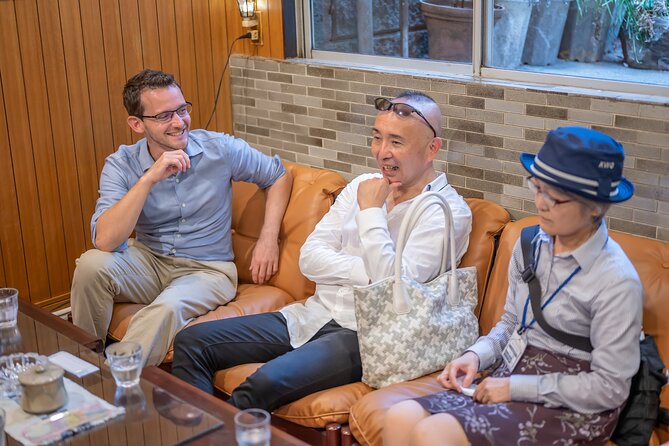
It is also a good choice if you enjoy meeting local people. The presence of Hiroyuki Hara and an interpreter gives the experience a personal structure, and the Cafe Ueda conversation adds something you do not get from a standard route.
You may want a different plan if you dislike walking, need a slow photography schedule, or mainly want extended time at the Ohara Museum of Art. The route covers many stops, so the explanations are focused rather than long.
Should you book the Kurashiki local guide tour?
Book it if you want the Bikan Historical Quarter to feel like a lived-in city, not just a preserved postcard. The family stories, Kanryuji Temple, Achi Shrine, wartime alley history, Ivy Square, Yurinso, and the Ohara connection give you a useful framework for seeing Kurashiki.
Skip it if you prefer complete independence or already know the city’s history. For most first visits, though, the combination of a 10-person limit, interpreter, local guide, and Cafe Ueda conversation makes the $86 price reasonable. I would take the tour early, then return to the Bikan lanes or Ohara Museum with your new context.
FAQ
How long does the Kurashiki tour last?
The tour lasts approximately three hours.
Where does the tour begin?
The meeting point is in front of Mukaimatsu Dorm, at 2-chome-5-1 Tsurugata, Kurashiki, Okayama 710-0056, Japan.
Where does the tour end?
The tour ends at Ueda, 2-chome-25-43 Achi, Kurashiki, Okayama 710-0055, Japan.
What is the maximum group size?
The tour accepts a maximum of 10 participants.
Is an interpreter included?
Yes. An interpreter accompanies the local guide.
Is the Ohara Museum of Art admission included?
No. Admission to the Ohara Museum of Art is not included in the tour price.
Is a drink included?
Yes. The price includes one coffee or tea at Cafe Ueda. Snacks and any additional food or drinks cost extra.
Can I cancel for a full refund?
Yes. You can cancel for a full refund up to 24 hours before the experience start time. Cancellations or changes made less than 24 hours before the start time are not accepted for a refund.
More Half-Day in Kurashiki
More Guided Tours in Kurashiki
More Okayama & Kurashiki Tours in Kurashiki

More tours in Kurashiki we've reviewed

Okayama & Kurashiki Tours, compared.
 ★ 3.9Okayama Castle Admission TicketFrom $21 day
 ★ 4.5Kurashiki Private Romantic Night in the Observatory ReclinersFrom $29
 ★ 5.0[From Okayama] Okayama & Kurashiki Full Day TourFrom $163
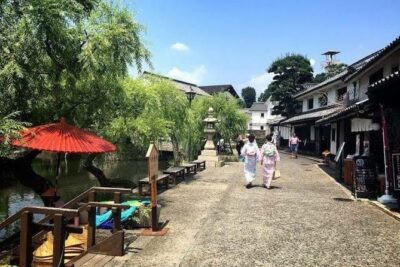 ★ 5.0Kurashiki Half-Day Private Tour with Government-Licensed GuideFrom $107
 ★ 5.0Okayama Half-Day Private Trip with Government-Licensed GuideFrom $107
 ★ 4.5Okayama Full-Day Private Trip with Government-Licensed GuideFrom $153
