
Reviewed · MIYAJIMA TOURS
Hiroshima: Miyajima Island & Peace Park Guided Tour
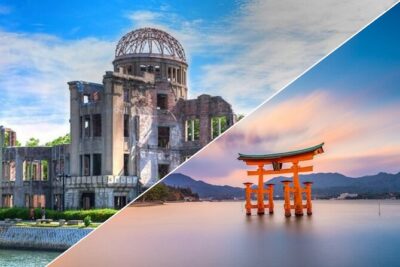
Miyajima and Hiroshima’s Peace Memorial Park make a powerful pair: one offers sacred island scenery and centuries-old Buddhist and Shinto traditions, while the other asks you to face the human cost of war. This six-hour private tour links them by train, ferry, and tram, so you can focus on the day rather than sorting out each ticket and transfer.
I like the smooth transport plan and the time given to Daishō-in Temple, which is often rushed or skipped by people visiting Miyajima alone. I also like the thoughtful route through the Peace Park, from the Atomic Bomb Dome to the museum and memorials. The main drawback is the pace: there is a fair amount of walking, and the island and Peace Park both deserve more time than one half-day can offer.
In This Review
- Key points to know before booking
- Why this Miyajima and Peace Park combination works
- Meeting at Hiroshima Station and riding to the island
- Approaching the floating torii gate
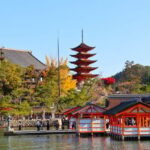
- Itsukushima Shrine in a focused half-hour
- Daishō-in, the quieter temple stop
- Omotesando Shopping Street and local bites
- Returning by ferry and crossing Hiroshima by tram
- Entering Peace Memorial Park
- The Peace Memorial Museum with time for questions
- How Shah’s guiding style affects the day
- Walking, weather, and what to carry
- Who will get the most from this tour
- Is $137 a fair price?
- Should you book the Miyajima and Peace Park tour?
- FAQ
- How long does the tour last?
- Where does the tour begin?
- Where does the tour finish?
- Which languages are available?
- Are train, ferry, and tram tickets included?
- Is food included?
Key points to know before booking
- Two major Hiroshima sights in one day: Combine Miyajima Island with the Peace Memorial Park and Museum without arranging separate transport.
- Local transport is part of the experience: Ride a JR train, ferry, and Hiroshima tram rather than staying inside a private vehicle.
- Daishō-in receives real attention: The temple visit lasts about 30 minutes and includes cultural details that can be easy to miss on your own.
- Private guiding with Shah: The English or Hindi-speaking guide can adjust explanations and answer questions within a private group.
- A serious final section: The Peace Memorial Museum and memorial sites call for quiet attention, not a quick photo stop.
- Bring water and good shoes: Food is not included, and the route includes walking on Miyajima and around the park.
Why this Miyajima and Peace Park combination works
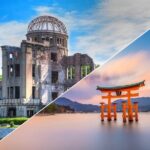
Miyajima and the Peace Memorial Park present very different sides of Hiroshima. Miyajima is calm, spiritual, and visually striking, with Itsukushima Shrine facing the sea and Daishō-in offering a quieter Buddhist setting. Peace Memorial Park is solemn and direct, built around remembrance after the atomic bombing.
I like the contrast because it gives the day shape. You begin with religious buildings, island paths, local sweets, and ferry views. You finish with testimony, memorials, and time for questions. The change in mood is sharp, but it helps you understand Hiroshima as more than a single historic event.
The tour costs $137 per person. That is not a bargain-priced outing, but the fee covers the local guide, JR train to Miyajimaguchi, ferry to Miyajima, tram to Peace Memorial Park, and guided visits to the main sites. You are also paying for a private group, which matters if you want to ask questions freely or keep the day moving at a pace that suits your party.
Food, drinks, and personal purchases are extra. Plan on buying your own lunch or snacks, especially since momiji manju and Miyajima oysters are mentioned as optional tastes rather than included items.
A few more Hiroshima tours and experiences worth a look
Meeting at Hiroshima Station and riding to the island
The day starts at the Hiroshima Station Shinkansen Exit. This is a practical meeting point if you have arrived by bullet train or are staying near the station, but give yourself enough time to find the correct exit and meet Shah without a rush.
The JR train ride to Miyajimaguchi takes about 45 minutes. I see this as useful sightseeing time rather than dead time. Your guide can explain the plan, answer early questions, and help you settle into the day before the island visit begins.
From Miyajimaguchi, you board a ferry for roughly 10 minutes to Miyajima Island. The ferry crossing is short, but it changes the feel of the outing. You leave the city behind and approach a place known for religious importance and coastal views.
Because the tour uses public transport, expect some movement between platforms, ferry areas, streets, and temple paths. That is part of its appeal, but it also means this is not a sit-back-and-watch-the-country excursion.
Approaching the floating torii gate
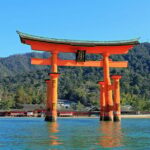
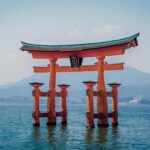
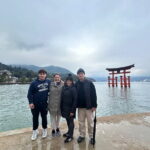
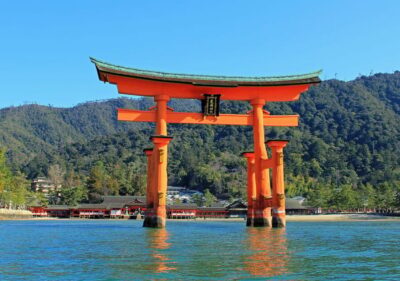
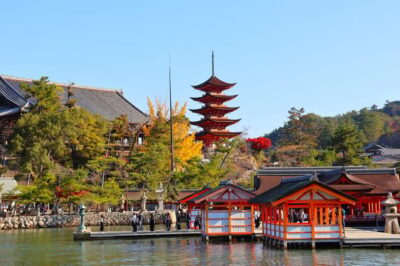
The floating torii gate is the visual centerpiece of Miyajima. Its position in the water gives Itsukushima Shrine its famous appearance, though the exact view depends on conditions at the shore. The schedule allows about 30 minutes for a guided look at the gate.
Your guide can help explain why the shrine was built beside the water and how its setting connects to the island’s spiritual role. That context makes the gate more than a scenic backdrop. It helps you read the site as a place of worship, not simply a famous photograph.
Photography is allowed, but you should keep your behavior respectful around sacred buildings and worshippers. The tour information does not provide a tide schedule, so you should not book this day expecting one exact version of the floating gate view. The atmosphere and appearance can change with the water and weather.
Itsukushima Shrine in a focused half-hour
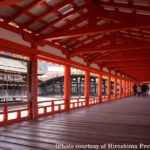
The guided visit to Itsukushima Shrine also lasts about 30 minutes. That is enough for a clear introduction to the major spaces and the relationship between the shrine buildings, the sea, and the island.
I would pay attention to the details Shah points out rather than trying to photograph every angle. The value of a guide here is interpretation: you get help understanding the site’s spiritual meaning and the customs that make respectful behavior important.
The short time is also the limitation. Itsukushima Shrine is a place where you could easily linger, study architectural details, or wait for a changing view. A 30-minute visit keeps the full day on schedule, but you should accept that this is an overview rather than a slow, independent exploration.
Daishō-in, the quieter temple stop
Daishō-in is the part of the Miyajima visit I find most appealing for people who have already seen the shrine in photographs. The tour gives the temple about 30 minutes, and one past visit with Shah was praised for covering the temple’s cultural details and historical points in unusual depth.
That makes Daishō-in a strong reason to choose this tour instead of simply taking a ferry to Miyajima and following the main shopping street. You can expect a guided introduction to Buddhist culture and a short path leading up to the temple.
The walk is manageable but still part of the day’s physical effort. Comfortable shoes matter, particularly if the path is wet or the weather changes. The tour is marked wheelchair accessible, though the route includes a short climb to Daishō-in, so you should confirm how the access arrangements fit your specific needs when booking.
The temple also provides a useful change of rhythm. After the open water and grand shrine setting, Daishō-in feels more intimate and reflective. It is a place to slow down, look carefully, and ask questions.
A few more Hiroshima tours and experiences worth a look


Omotesando Shopping Street and local bites
The group then spends about 20 minutes on Miyajima Omotesando Shopping Street. This is where the island’s tourist energy replaces the quiet of the religious sites, with opportunities to see local food and browse for small purchases.
Your guide can point you toward momiji manju, a maple-leaf-shaped sweet associated with Miyajima. Oysters are another local option, but they are optional and not included in the price. If you have food allergies, dietary restrictions, or a strong preference about seafood, plan to handle those choices yourself.
Twenty minutes is enough for an introduction, not a full shopping session. I would keep purchases small and avoid letting the snack stop eat into the temple and shrine time. Food and drinks are not included, so bring water and consider carrying a snack for the longer transfer later in the day.
Returning by ferry and crossing Hiroshima by tram
After Miyajima, you take the ferry back to Miyajimaguchi and board a tram through Hiroshima. The tram portion is listed at about one hour, making it one of the longer stretches of the day.
This is a good choice for seeing the city as people use it, rather than transferring in a private car. It also creates a natural pause before the Peace Park visit. You can rest your feet, look out at the city, and let the mood of the morning settle.
The tradeoff is time. A six-hour tour with a 45-minute train ride, two ferry crossings, and a one-hour tram journey leaves limited room for lingering. The schedule is efficient, but you should not expect a leisurely island day followed by a separate, slow museum visit. You are choosing breadth and guidance over unhurried exploration.
Entering Peace Memorial Park
The Peace Memorial Park section receives about two hours, followed by a guided hour inside the Peace Memorial Museum. The park includes several sites that deserve attention, not just quick photographs.
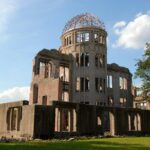
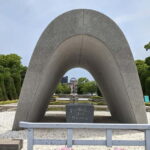
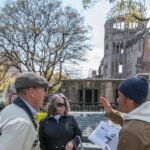
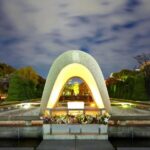
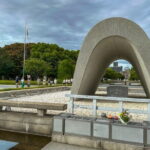
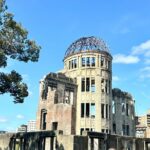
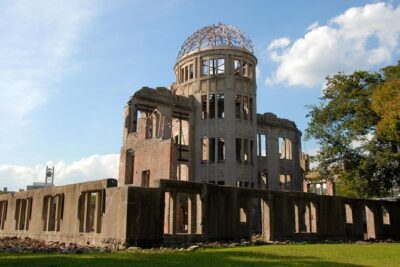
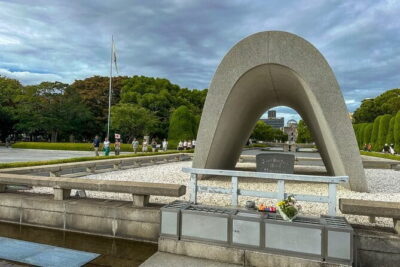
You will see the Atomic Bomb Dome, the Flame of Peace, the Hiroshima Victims Memorial Cenotaph, and the Children’s Peace Monument. The route gives each site a short guided explanation, with roughly 10 minutes listed for several of the stops.
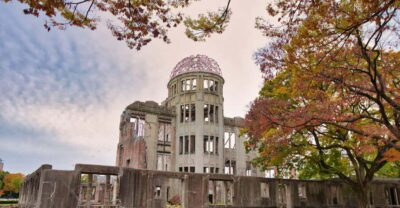
The Atomic Bomb Dome is especially direct in its effect. Its damaged structure remains a physical reminder of the bombing, and your guide can place it within the wider story of the city and the park. The Cenotaph and Flame of Peace shift the focus toward remembrance and the hope of ending nuclear weapons.
The Children’s Peace Monument brings a different kind of emotion. It connects the wider tragedy to children and to the continuing work of memory. If you have younger members in your group, the guide’s explanation may help them understand why paper cranes and children’s names are associated with the site, though the supplied tour details do not promise a specific activity.
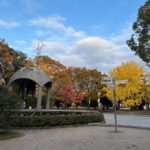
The park is open and spacious, but the subject matter is heavy. I recommend leaving room for quiet. You do not need to fill every pause with conversation or photographs.
The Peace Memorial Museum with time for questions
The guided visit to the Peace Memorial Museum lasts about one hour. This is the most emotionally demanding part of the day, with stories of survival, loss, memory, and peace.
A guide can help you approach the exhibits with context, but no explanation can make the material easy. The museum is not a casual attraction, and the best way to visit is with patience and respect. You may want to take a short pause afterward before continuing through the park.
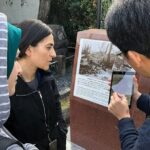
The tour includes time for questions and answers. I consider that important because the museum may raise difficult questions about Hiroshima, civilian life, war, and the meaning of remembrance. Shah’s role is not only to move you from one display to the next, but also to help you process what you have seen.
The museum visit is listed after the park stops, though the exact order may be adjusted by the guide. The key point is that you receive a guided hour inside the museum, rather than being left to find it on your own.
How Shah’s guiding style affects the day
The most specific praise attached to this experience concerns Shah. Jon described him as a superb host who knew a lot, handled the transportation, and coordinated the day well. Ritsuko also praised his friendly and polite manner, careful pacing, and detailed attention to the temples on Miyajima.
Those comments point to the main practical benefit of booking privately. The day includes several transport changes, and a calm guide can prevent small delays from becoming stressful. Good pacing matters even more here because the route shifts from island paths to a city tram and then to serious museum material.
The tour is offered in English or Hindi. Since it is a private group, you can ask for clarification, return to a topic, or raise questions about religious customs and Hiroshima’s history without worrying about holding up a large coach group.
The information does not promise a particular guide every day, but Shah is the named guide in the detailed experiences provided. If having him specifically is important to you, ask when booking rather than assuming.
Walking, weather, and what to carry
Bring comfortable shoes. The route includes Hiroshima Station, a 45-minute train, ferry terminals, Miyajima streets, a short path to Daishō-in, the shopping street, another ferry, a long tram ride, and extensive walking in Peace Memorial Park.
Water and snacks are worth carrying because food and drinks are not included. You can buy local items on Miyajima, but the day is structured around sightseeing rather than a set meal.
Weather can change quickly, so a light jacket or umbrella is sensible. The ferry and outdoor park sections are exposed to conditions, while the temple path may feel different in wet weather.
Bring a camera if you want one, but use it thoughtfully. Photography is allowed, yet sacred places call for restraint. At the museum and memorial sites, I would put the camera away when the material calls for attention.
The tour is listed as wheelchair accessible, which is useful, but the presence of walking routes and a short climb means you should discuss the exact needs of your group before arrival.
Who will get the most from this tour
This experience suits you if you have one day in Hiroshima and want a structured introduction to its two major cultural stops. It is especially useful for first-time visitors who would rather have transport and interpretation arranged than spend the day checking train, ferry, and tram connections.
It also suits couples, families, or small private groups who want to ask questions without a large group setting. The English and Hindi language options widen its appeal.
I would be more cautious if you want long stretches of free time. Miyajima alone can fill a day, and the Peace Memorial Museum deserves careful attention. You may prefer separate visits if you want to browse Omotesando slowly, spend longer at Daishō-in, or read every museum display at your own speed.
The day also carries an emotional shift that some people may find tiring. You move from scenic and spiritual Miyajima to Hiroshima’s most painful memories. That contrast is meaningful, but it is not light sightseeing from start to finish.
Is $137 a fair price?
For $137 per person, the value rests on the guide and the transport rather than on admission savings or included food. JR rail, two ferry legs, and the tram are covered, and you receive guided visits at the shrine, temple, park, and museum.
For an independent visitor comfortable with Japanese public transport, the same route may cost less to arrange. You would need to manage the timing, understand the sites without the same level of explanation, and keep the day moving across several transfers.
The private format makes the price easier to justify. You are paying for coordination, cultural context, and the chance to ask questions throughout the day. If your priority is maximum free time, the price may feel less attractive. If your priority is seeing both Miyajima and the Peace Park in one organized outing, it is a reasonable convenience fee.
Should you book the Miyajima and Peace Park tour?
Book this tour if you want a well-organized first look at Hiroshima, value local transport as part of the day, and prefer a private guide to explain both Buddhist and Shinto sites and the city’s wartime memory.
The strongest reasons are the careful attention to Daishō-in, Shah’s reported pacing and transport coordination, and the combination of Miyajima with the Peace Memorial Museum. Skip it if you want to spend a full day on the island or need long, quiet museum time.
For most first visits, I think the balance works. Wear good shoes, carry water, allow for a serious mood after lunch, and treat the six hours as a focused introduction rather than the final word on Hiroshima.
FAQ
How long does the tour last?
The tour lasts six hours. Starting times vary, so you need to check availability for the date you want.
Where does the tour begin?
It begins at the Shinkansen Exit of Hiroshima Station.
Where does the tour finish?
The tour finishes at Hiroshima Peace Memorial Park.
Which languages are available?
The live guide is available in English and Hindi.
Are train, ferry, and tram tickets included?
Yes. The JR train ticket to Miyajimaguchi, ferry ticket to Miyajima Island, and tram ticket to Peace Memorial Park are included.
Is food included?
No. Food and drinks are not included. You should bring water and snacks, and optional local foods such as momiji manju and oysters can be purchased separately.
More Hiroshima City Tours in Hiroshima
More Peace Memorial Tours in Hiroshima
More Miyajima Tours in Hiroshima
More tours in Hiroshima we've reviewed


Miyajima Tours, compared.
 ★ 5.0Peaceful Hiroshima & Miyajima UNESCO 1 Day Bus TourFrom $129
 ★ 4.9Hiroshima: Hiroshima and Miyajima UNESCO Sites 1-Day TourFrom $1228 hours
 ★ 5.0Hiroshima / Miyajima Full-day Private Tour with Government Licensed GuideFrom $202
 ★ 4.7Osaka/Kyoto: Hiroshima Miyajima Bus Tour & Shinkansen TicketFrom $27712 hours
 ★ 4.7From Hiroshima: Hiroshima & Miyajima 1 Day Tour with LunchFrom $1168 hours
 ★ 5.0Hiroshima and Miyajima Day Trip with Itsukushima Shrine & FerryFrom $45
