
Reviewed · HIROSHIMA CITY TOURS
Hiroshima: History and Hidden Gems Tour
Hiroshima’s story is best understood on foot, moving from the Peace Memorial Museum and Atomic Bomb Dome to quieter memorials that many independent visitors miss. This tour connects those places with Hiroshima Castle and Shukkeien Garden, giving you both the city’s painful modern story and its older cultural roots.
I like the way the route combines major sights with smaller stops such as the Korean Atomic Bomb Victims Cenotaph and Atomic Bomb Memorial Burial Mound. I also like the guide’s flexibility, especially Awais’s habit of adjusting the pace, sheltering people in bad weather, and offering suggestions for the rest of your time in Hiroshima.
The main consideration is the amount of walking and the tight three-hour schedule. The museum alone deserves unhurried attention, and some bookings run longer when the group has questions or adds the castle and garden.
In This Review
- Key points at a glance
- Why this Hiroshima walking tour works
- Starting with the Peace Memorial Museum
- Walking through Peace Memorial Park
- Seeing the Atomic Bomb Dome in context
- Hiroshima Castle and the city before 1945
- Shukkeien Garden as the quiet finish
- What Awais adds to the experience
- Walking level, timing, and practical value
- Who should book this tour?
- Should you book the Hiroshima History and Hidden Gems Tour?
- FAQ
- How long is the Hiroshima History and Hidden Gems Tour?
- Where does the tour begin?
- Is the tour conducted in English?
- Which major sights are included?
- Is the tour wheelchair accessible?
- Can I cancel or pay later?
Key points at a glance
- A serious, well-connected route: Move from the museum and Peace Memorial Park through several memorials before reaching the Atomic Bomb Dome.
- Awais leads in clear English: He explains difficult history with care, answers questions, and adapts the route to your interests.
- Small details matter: The Korean Atomic Bomb Victims Cenotaph, burial mound, and Aioi Bridge add meaning beyond the headline sights.
- The tour reaches older Hiroshima: Hiroshima Castle and Shukkeien Garden bring in the city’s prewar architecture, gardens, and cultural past.
- Plan for a real walk: Wear comfortable shoes, bring sun protection, and dress for the weather.
- Good value at $57: You get a local guide for three hours, skip-the-line access is advertised, and the route can save you from missing important sites.
Why this Hiroshima walking tour works
Hiroshima is not a one-theme city. The atomic bombing is central to any first visit, but the city existed long before 1945 and continues as a living Japanese city today. This tour makes that contrast its main strength.
You begin at the Hiroshima Peace Memorial Museum, then walk through the surrounding park and memorial sites. Later, the focus shifts to Hiroshima Castle and Shukkeien Garden, where the mood changes from remembrance to older Japanese history and design.
I find that order useful. The museum gives you the facts and personal accounts. The outdoor stops let you place those stories in the city itself. The castle and garden then widen the picture, reminding you that Hiroshima is more than a memorial destination.
The tour costs $57 per person and lasts three hours. That is a fair price if you want context at the sites rather than simply taking photographs and reading signs. It is less attractive if you prefer to spend several hours inside the museum at your own pace, since the schedule covers many locations.
The English-speaking guide is Awais. His approach, based on the details available for this experience, is personal rather than rigid. He has shortened museum time for people who wanted more outdoor stops, changed routes when guests had already seen another memorial hall, and adjusted the pace for tired walkers or heavy rain.
A few more Hiroshima tours and experiences worth a look

Starting with the Peace Memorial Museum
The starting point is the Hiroshima Peace Memorial Museum, and the tour includes time for a visit, a guided introduction, and some self-guided viewing. This is an important distinction: a guide can explain the setting and point out what matters, but you will also need quiet time with the exhibits.
The museum presents the bombing through objects, photographs, survivor accounts, and personal stories. The subject is painful, and the material can be hard to absorb. Awais is praised for handling the history in a compassionate, non-biased way, which matters when discussing wartime decisions, the human cost, and the continuing effects of nuclear weapons.
Ask questions as you go. The value of having Awais with you is not only the information he gives in a prepared talk. It is also the chance to ask about details that leave you uncertain or about the connection between the museum and the outdoor memorials.
You should not expect a long, slow museum study session within the advertised three hours. Several people have found the tour ran beyond the stated time, especially when the group wanted detailed explanations or extra stops. If you have a train, ferry, meal reservation, or another timed activity afterward, leave a buffer.
Walking through Peace Memorial Park
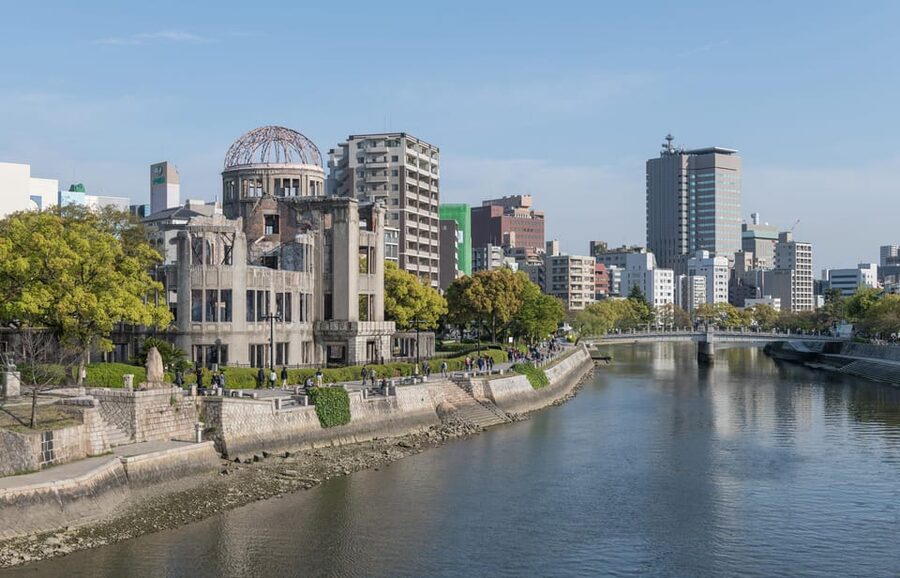
After the museum, the route moves through Peace Memorial Park. This broad green area contains the main memorials and offers a clear view of how Hiroshima has marked the bombing and honored those who died.
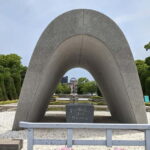
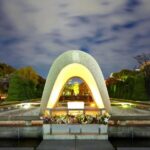
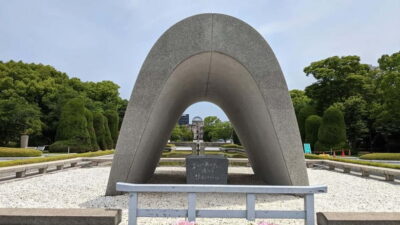
The Hiroshima National Peace Memorial is one of the key stops. The Children’s Peace Monument adds another emotional layer, particularly through its connection with young victims and the paper crane tradition associated with peace.
You also visit the Atomic Bomb Memorial Burial Mound. It is easy to pass by smaller memorials when you visit alone, especially when your attention is fixed on the Atomic Bomb Dome. Having a guide point out these places helps you understand that remembrance in Hiroshima is spread across the park, not contained in one building.
The Korean Atomic Bomb Victims Cenotaph is another worthwhile stop. Its presence broadens the story beyond Hiroshima’s local population and points to the many communities affected by the bombing. This is the kind of detail that gives the outdoor walk more weight.
Aioi Bridge is included as well. The bridge is tied to the bombing’s geography and helps you understand the area around the museum and dome. On a map, these locations may look close together. On foot, with explanations at each point, their relationship becomes much clearer.
The park itself can feel calm, but do not mistake calm for lightness. This portion of the route is reflective. Your guide’s job is to give the facts without turning the experience into a rushed checklist.
Seeing the Atomic Bomb Dome in context
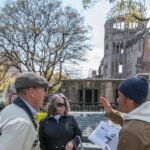
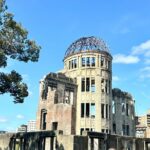
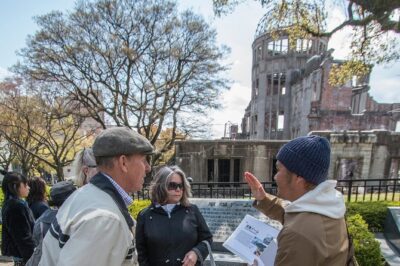
The Atomic Bomb Dome is Hiroshima’s best-known surviving structure from the bombing. Photographs are powerful, but the building makes a stronger impression when you understand where it sits in relation to the bridge, river, park, and museum.
The tour approaches the dome as part of a connected route rather than treating it as an isolated photo stop. That is useful because the surrounding memorials explain different parts of the event and its aftermath.
You will have time for photos, but this is not a photography-first outing. The focus is history, architecture, and remembrance. Awais is also described as making sure people have enough time to take pictures, so you can ask for a pause if you want a closer look.
Rain is worth planning for. One person described heavy rain during the walk and found that Awais adjusted the sequence and kept the group sheltered where possible. Still, bring weather-appropriate clothing rather than relying on luck. An umbrella, hat, sunscreen, and comfortable shoes are sensible additions depending on the forecast.
Hiroshima Castle and the city before 1945
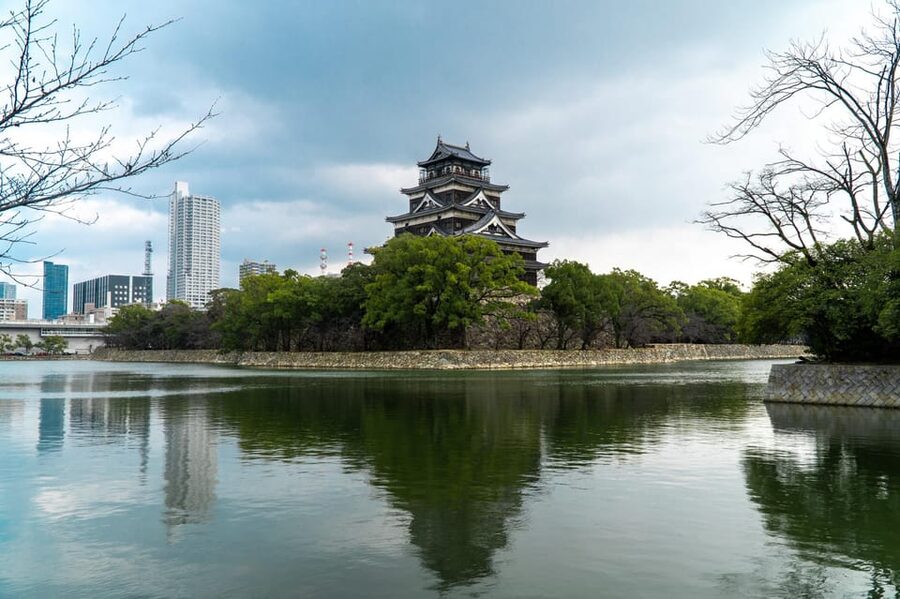
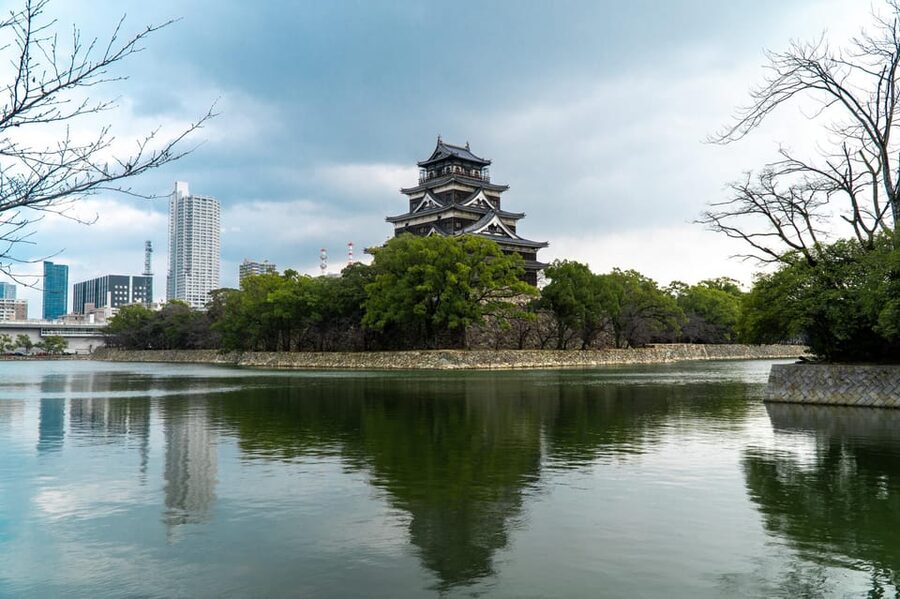
The move to Hiroshima Castle changes the subject. The castle tells you about the city’s older political and architectural life, before the wartime destruction and later rebuilding.
The available information describes Hiroshima Castle as one of the city’s best-known historical castles, with the option to go inside rather than wait in a ticket line. The exact amount of time here depends on the route and group interests. If you care most about the atomic bomb memorials, the castle may receive a shorter explanation. If you want a wider picture of Hiroshima, it is an important addition.
This is also where the three-hour limit can feel tight. The museum, park, several memorials, castle, and garden make a generous program for one morning or afternoon. Some people have extended the experience beyond three hours, and Awais has sometimes stayed longer to show additional sights.
If you need to keep firmly to schedule, tell the guide at the start. You can ask for a shorter museum visit, fewer interior stops, or more time outdoors. The experience is advertised as flexible, but flexibility works best when you explain your priorities early.
Other historical tours in Hiroshima
Shukkeien Garden as the quiet finish
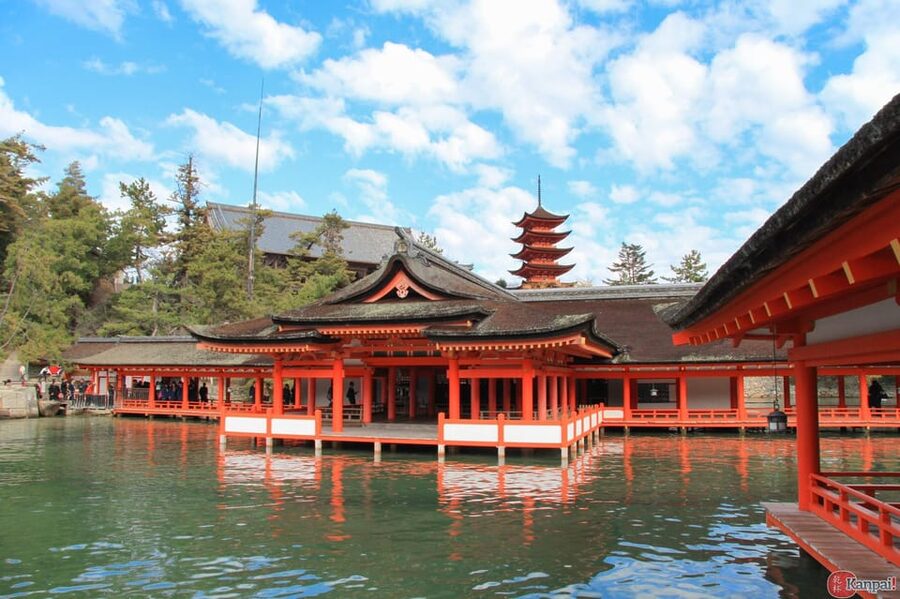
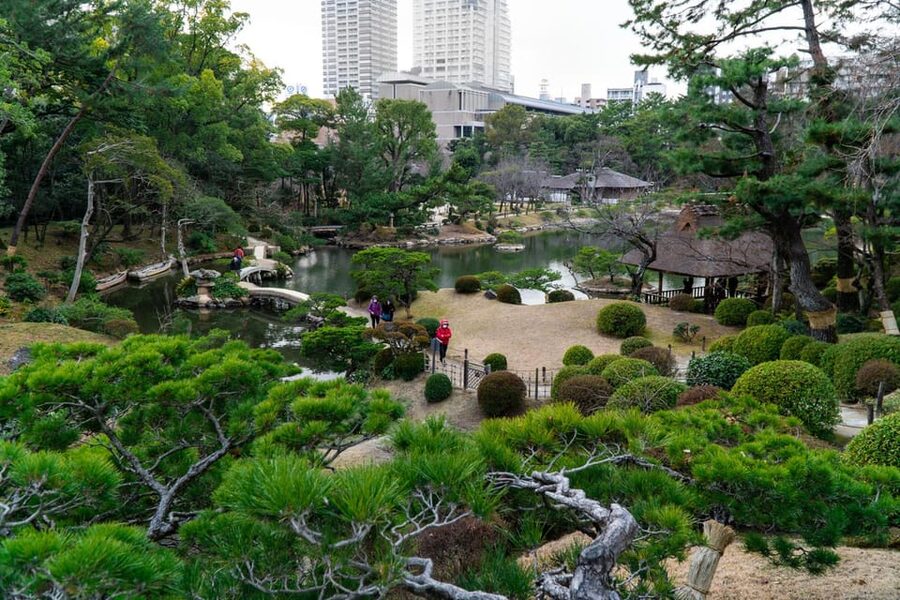
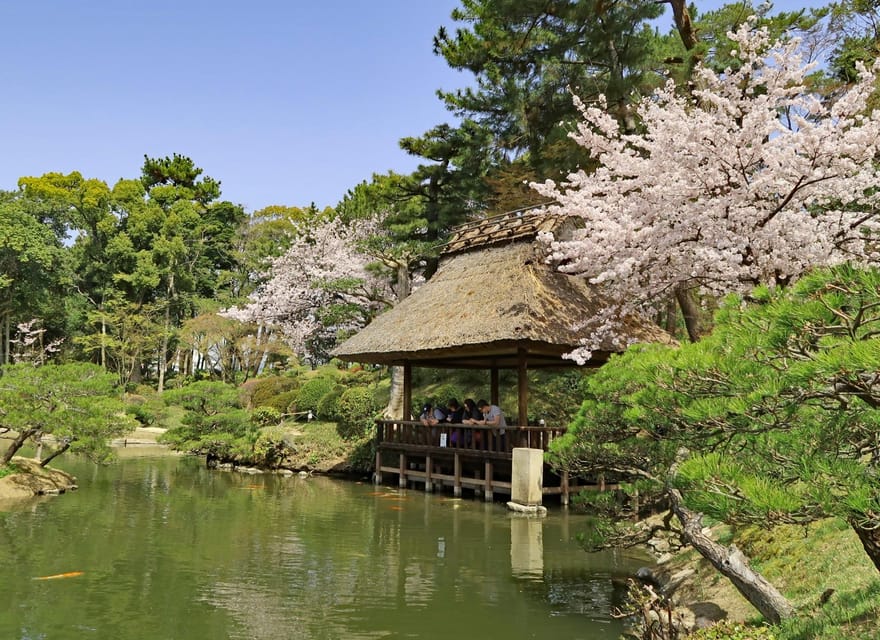
Shukkeien Garden offers the tour’s gentlest ending. Described as a sixteenth-century garden and the oldest garden in Hiroshima, it gives you a look at Japanese garden design and the city’s long cultural past.
Expect carefully arranged scenery, changing views, and a slower atmosphere than the memorial park. The garden’s value is not simply visual. It provides a useful counterpoint to the museum and memorials, showing that Hiroshima’s story includes art, gardens, architecture, and everyday culture as well as wartime tragedy.
For some people, Shukkeien is the tour’s highlight. It can also be the most easily skipped place if the group spends extra time at the museum. If the garden matters to you, say so when you meet Awais.
The listed drop-off locations are Shukkeien Garden and the Hiroshima Peace Memorial Museum. That gives you a practical choice: continue exploring near the garden or return toward the museum area. The meeting point is normally the Peace Memorial Museum, but you can request another meeting point. Confirm the exact arrangement in advance, especially in poor weather.
What Awais adds to the experience
The strongest feature here is the guide. Awais is repeatedly described as clear in English, polite, patient, and well informed about Hiroshima’s history, World War II, the bombing, and present-day issues.
That matters because the subject can become either too general or too academic. A good guide gives you enough background to understand the sites, then listens to your questions. Awais has adjusted the tour for couples, families, older walkers, and people with different interests.
You can also expect local suggestions at the end. Awais has given recommendations for places to visit afterward, and one booking finished with a courtesy coffee at a small local spot. These extras are not guaranteed parts of the three-hour program, so think of them as possible benefits of a flexible guide rather than promised inclusions.
The group size is not specified. Some bookings have effectively felt private when only one couple or a very small group attended. Do not assume every departure will be private, but the route appears suited to conversation and questions rather than a large coach group.
Walking level, timing, and practical value
This is a walking tour, and you should prepare for plenty of time on your feet. The pace has been described as manageable, and Awais can accommodate breaks or offer a taxi option if walking becomes difficult. The activity is listed as wheelchair accessible, but it is still wise to discuss your needs and the exact route before booking.
Three hours is enough for a strong orientation, not a leisurely study of every site. You will see the major memorial locations, hear the story behind them, and get an introduction to the castle and garden. You may not have time for a long museum visit, extensive castle interiors, and a slow garden stroll all in the same session.
At $57, the value depends on what you want from Hiroshima. For a first visit, the price is sensible because the route links places that are easy to treat as separate stops. The guide’s explanations also help you notice smaller memorials that you might otherwise miss.
The published inclusions are the Hiroshima historical tour and an English-speaking guide. Skip-the-line access is advertised. Souvenir shop stops are not included, and the information does not clearly list admission tickets as a standard inclusion. One booking description says museum and garden entry were included, but policies can vary, so confirm ticket coverage before you pay.
Free cancellation up to 24 hours before the tour and a reserve-now, pay-later option make this easier to fit into a changing Japan itinerary. Those terms are useful if your Hiroshima day depends on train timing or weather.
Who should book this tour?
I would choose this tour if you are visiting Hiroshima for the first time, want historical context, and prefer to ask questions as you walk. It suits couples, families with older children, solo visitors, and anyone who wants more than the main photo stops.
It is especially useful for people who want a balanced view of the city. You get the Peace Memorial Museum and Atomic Bomb Dome, but also the Korean victims’ cenotaph, burial mound, Aioi Bridge, Hiroshima Castle, and Shukkeien Garden.
I would be more cautious if you want complete independence or several hours inside the museum. You may prefer to visit the museum alone, take your time, and hire a guide only for the park. I would also avoid scheduling something immediately afterward because the tour can run over when conversation and extra stops take hold.
Should you book the Hiroshima History and Hidden Gems Tour?
Book it if you want a thoughtful walking introduction to Hiroshima and value a guide who can adapt the route. Awais’s clear English, care with difficult subject matter, and willingness to adjust for weather, walking ability, and personal interests are the main reasons to choose it.
Before booking, decide what matters most: museum time, memorials, the castle, or Shukkeien Garden. Tell the guide at the start and leave at least some spare time afterward. At $57, this is a strong choice for an informed first look at Hiroshima, provided you accept that three hours is an outline rather than a leisurely full-day visit.
FAQ
How long is the Hiroshima History and Hidden Gems Tour?
The advertised duration is three hours. Some bookings have taken longer when the group asked many questions, added stops, or spent extra time at the castle and Shukkeien Garden.
Where does the tour begin?
The standard starting point is the Hiroshima Peace Memorial Museum. You may request a different meeting point, but confirm the arrangement ahead of time, especially if weather affects the meeting location.
Is the tour conducted in English?
Yes. The activity includes an English-speaking live guide, and Awais is the named guide associated with the experience.
Which major sights are included?
The route includes the Peace Memorial Museum, Peace Memorial Park, Hiroshima National Peace Memorial, Children’s Peace Monument, Atomic Bomb Memorial Burial Mound, Aioi Bridge, Korean Atomic Bomb Victims Cenotaph, Atomic Bomb Dome, Hiroshima Castle, and Shukkeien Garden.
Is the tour wheelchair accessible?
The activity is listed as wheelchair accessible. Because it includes a walking route and several different sites, discuss your particular access needs before booking.
Can I cancel or pay later?
You can cancel up to 24 hours in advance for a full refund. A reserve-now, pay-later option is also available, allowing you to hold a place without paying immediately.
More Historical Tours in Hiroshima
More Hiroshima City Tours in Hiroshima
More tours in Hiroshima we've reviewed



Hiroshima City Tours, compared.
 ★ 5.0Peaceful Hiroshima & Miyajima UNESCO 1 Day Bus TourFrom $129
 ★ 4.9Hiroshima: Hiroshima and Miyajima UNESCO Sites 1-Day TourFrom $1228 hours
 ★ 5.0Hiroshima / Miyajima Full-day Private Tour with Government Licensed GuideFrom $202
 ★ 4.7Osaka/Kyoto: Hiroshima Miyajima Bus Tour & Shinkansen TicketFrom $27712 hours
 ★ 4.8Hiroshima Historical Walking Tour – Why A-Bomb was DroppedFrom $352h 30m
 ★ 5.0Hiroshima Peace (Heiwa) Walking Tour at World Heritage SitesFrom $94
