
Reviewed · HIROSHIMA CITY TOURS
Hiroshima: Hiroshima Highlights Guided Tour
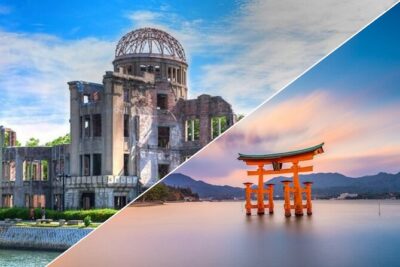
The most moving part of this Hiroshima tour is the sharp change in mood: you begin at the A-Bomb Dome and Peace Memorial Museum, then cross to Miyajima and its graceful Itsukushima Shrine. It gives you both the painful story of August 6, 1945, and the quiet beauty of one of Japan’s sacred places.
I like the way the guide handles the practical work, too. Train and ferry tickets are included, and guides such as Amy, Gordon, and Miyu have been praised for clear explanations, patience, and taking care of the details. The main drawback is time: the museum deserves attention, while the journey to Miyajima takes about an hour each way.
In This Review
- Key points to know before booking
- Starting at the A-Bomb Dome
- Two hours inside the Peace Memorial Museum
- Making the trip to Miyajima
- Visiting Itsukushima Shrine on Miyajima
- How the timing affects the experience
- What the $128 price includes
- The guides and the human side of the tour
- Shoes, weather, and respectful behavior
- Who should book this Hiroshima tour?
- Should you book it?
- FAQ
- How long does the Hiroshima Highlights Guided Tour last?
- What language is the tour offered in?
- Where does the tour meet?
- Is hotel pickup included?
- Are train and ferry tickets included?
- Is admission to the Peace Memorial Museum included?
- Does the tour visit the A-Bomb Dome?
- Does the tour visit Itsukushima Shrine?
- Can the four-hour option visit both Hiroshima and Miyajima?
- What should I bring?
Key points to know before booking
- A powerful two-part day: Pair Hiroshima’s memorial sites with Miyajima’s Itsukushima Shrine.
- About 5.5 hours in practice: The listed tour range is 4 to 8 hours, depending on the option you choose.
- Transport is handled for you: Train and ferry tickets to Miyajima are included.
- The museum gets serious time: The guided visit is planned for about two hours.
- English-speaking guidance: Private and small-group formats are available.
- Four hours is not enough for everything: The shortest option cannot cover both Hiroshima city and Miyajima.
Starting at the A-Bomb Dome
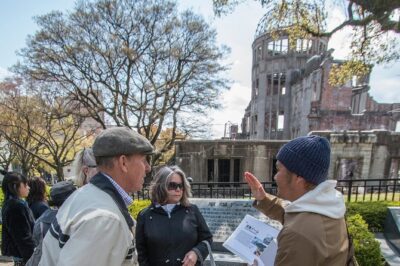
Your day begins at the meeting point in front of the Seven-Eleven Hiroshima Otemachi 1-chome, unless you select an option with pickup. Look for a guide holding a yellow DeepExperience sign. This is a simple setup, but it matters in a busy city when you want to begin without wasting time.
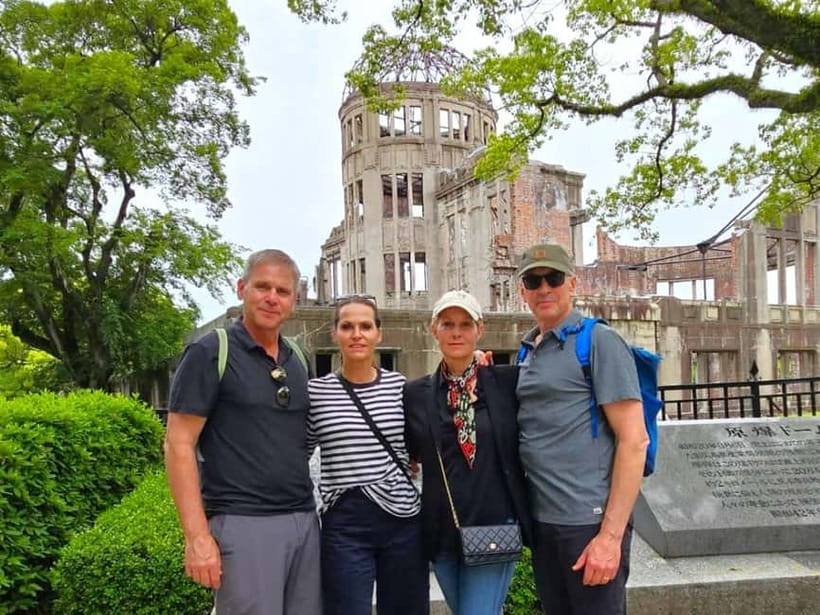
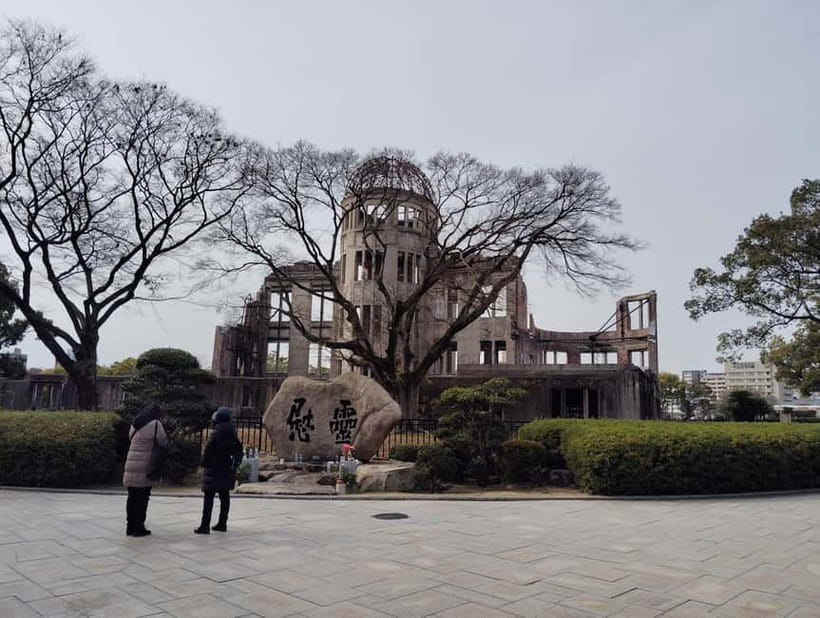
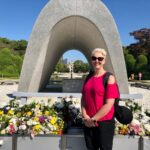
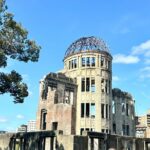
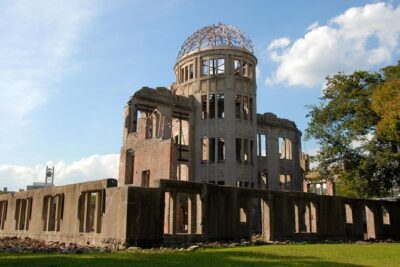
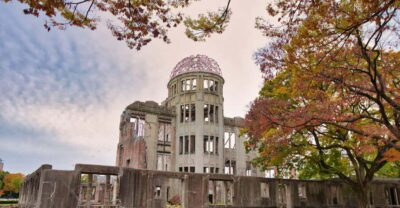
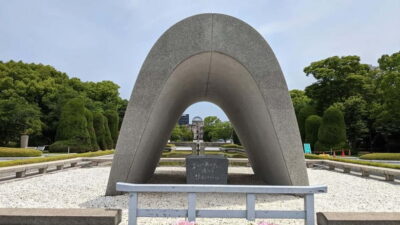
The A-Bomb Dome is not a polished monument. Its damaged walls and exposed framework are the point. The building was directly affected by the atomic bomb on August 6, 1945, yet part of the structure remained. Today, it faces the Peace Memorial Park as a reminder of destruction, survival, and Hiroshima’s long peace message.
You have about 20 minutes here with the guide. That is enough to understand what you are looking at and to place the building within the story of the city. It is not enough for a slow, private period of reflection, so take your own quiet moment if the group moves on quickly.
Photography is allowed, but this is a memorial area. I recommend keeping your camera work restrained and paying attention to the setting rather than treating the Dome as just another photo stop.
A few more Hiroshima tours and experiences worth a look
Two hours inside the Peace Memorial Museum
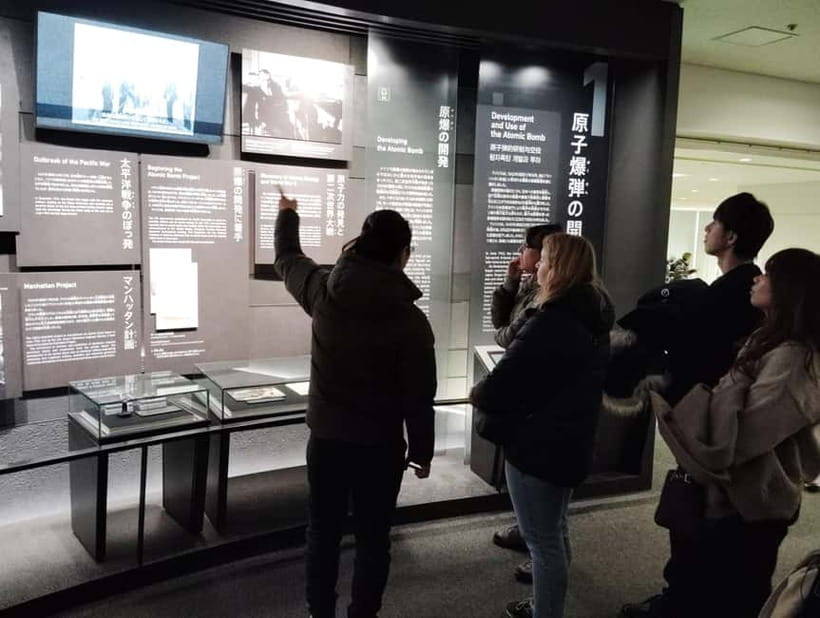
The museum is the emotional center of the Hiroshima portion. You will see artifacts, photographs, and documents connected to the bombing and its effect on the people of the city. The exhibits are designed to make the event personal, not simply historical.
Plan for about two hours with guided commentary. That length gives you time to take in the displays without rushing through every room. The material can be difficult, so the guide’s role is useful here. You can ask questions, get context, and better understand how the bombing affected Hiroshima and its residents.
I like that this tour does not treat the museum as a quick box to tick. The A-Bomb Dome gives you a stark outdoor symbol, but the museum supplies the human detail. Together, the two stops help you understand both the physical destruction and the suffering behind it.
The visit also explains Hiroshima’s focus on peace and recovery. You should not expect a light morning, but the experience is meant to leave you thinking about survival and hope as well as tragedy. One participant described the afternoon on Miyajima as a good balance after the difficult morning, and that is a useful way to view the schedule.
Making the trip to Miyajima
After the city sites, you travel toward Miyajima by bus, train, and ferry. The planned transport includes about 15 minutes by bus, 20 minutes by train, and 20 minutes by ferry. The return ferry is listed at about 30 minutes, ending at the Miyajima Ferry Terminal.
The change of pace is part of the appeal. You leave Hiroshima’s memorial district and move across the Seto Inland Sea toward an island known for its spiritual setting. The trip is not a private transfer, so allow for normal public transport timing and changing conditions. Comfortable shoes will help, since the day includes moderate walking as well as several changes in transport.
The included tickets remove one common source of stress. You do not need to work out the train and boat connection on your own while also keeping up with the schedule. Your guide organizes this part and provides the tickets, which is especially helpful if you are visiting Hiroshima for only a short stay.
Still, transport takes time. The 5.5-hour version has a fairly tight rhythm once you count the bus, train, ferry, walking, and return trip. If you want a slower visit at Miyajima, ask about the longer option before booking.
Visiting Itsukushima Shrine on Miyajima
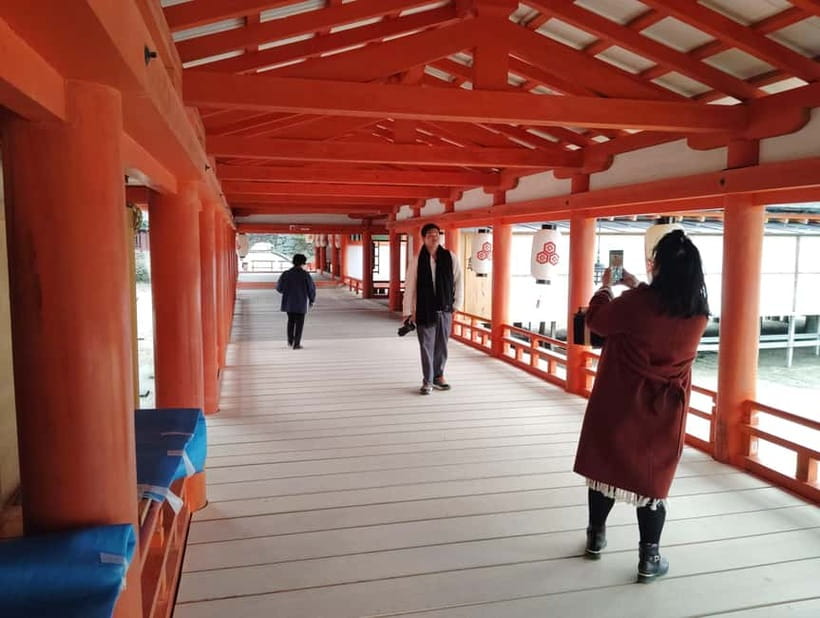
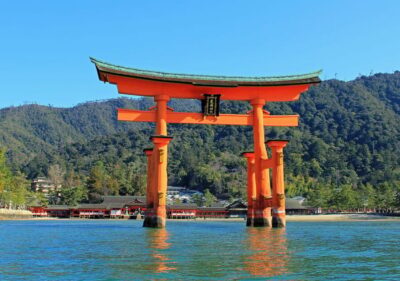
Itsukushima Shrine is the spiritual and visual change that makes this tour work. Built at the edge of the Seto Inland Sea, the shrine is known for its architecture, its connection to Shinto practice, and its famous torii gate, which can appear to float on the water at high tide.
You have about 50 minutes for a guided visit. Your guide will explain the shrine’s importance and point out the relationship between the buildings, sea, and surrounding mountains. The setting is not separate from the religious meaning. Nature is part of the experience here, and the water gives the shrine its distinctive character.
The visit is short enough that you should keep your expectations sensible. You will see the main setting and receive an introduction, but you may not have time for a long, unhurried exploration of every part of Miyajima. The tour finishes at the Miyajima Passenger Terminal, so the structured visit ends there rather than returning you to Hiroshima city.
That arrangement can be useful if Miyajima is your next stop. It is less convenient if you need to return to a Hiroshima hotel immediately, so check the ending point before you commit to your day’s plans.
How the timing affects the experience
The main advertised duration runs from 4 to 8 hours, with the standard plan described as about 5.5 hours. That range likely reflects different options, including custom or longer arrangements. Check the exact duration and starting time when you select your booking.
The four-hour version cannot cover both the Hiroshima city area and the Miyajima area. You must choose one side. This is important because the headline combination of the A-Bomb Dome, museum, and Itsukushima Shrine only works with a longer option.
The itinerary gives the museum two hours, the A-Bomb Dome 20 minutes, and Itsukushima Shrine 50 minutes. Add the public transport, and there is not much spare time. One German participant found that time pressure was the main concern, even while praising the guide’s effort. That is a fair warning for anyone who likes to linger.
If you prefer a brisk, organized day, the pace should suit you. If you want extended museum reading time, a relaxed shrine visit, or time for other Miyajima sights, choose the longest available option or plan a separate visit.
Other guided tours in Hiroshima

What the $128 price includes
The listed price is $128 per person. That is not a bargain-basement city walk, but the value depends on how much help you want with the two-site logistics.
The price includes a professional English-speaking guide, admission to the Peace Memorial Museum, and train and boat tickets to Itsukushima Shrine. It also covers the guided visits to the A-Bomb Dome and the shrine. You are paying for interpretation and coordination, not just transportation.
That can be worthwhile in Hiroshima. The subject matter at the museum has layers that are easy to miss if you rush through on your own, and the train-ferry connection adds planning to a short day. The guide also keeps the group moving, which helps you see both areas in one outing.
Meals, drinks, personal expenses, and hotel transportation are not included. The custom four or eight-hour option has its own fees and taxes, so confirm the final cost rather than assuming the base figure covers every choice.
Private and small-group formats are available. A private option may offer more flexibility, while a small group can keep the price more reasonable. The best value comes if you want both Hiroshima and Miyajima in one day and do not want to manage the connections yourself.
The guides and the human side of the tour
The guide is a major part of this experience. The feedback attached to this tour points to several strong examples: Amy made a serious effort despite the tight schedule, Gordon was praised for kindness, patience, and useful advice, and Miyu was described as informative and attentive to the practical details.
The common thread is not flashy performance. It is having someone explain the sites, answer questions, organize the route, and notice what the group needs. That matters more at the Peace Memorial Museum than it does at a simple sightseeing stop.
You should also know that the experience depends on the individual guide and the group’s pace. Some participants found the schedule well balanced and flexible, while another felt that time pressed in. Ask questions early, especially if there is a specific museum section or shrine feature you care about.
English is the stated tour language. The option is available as a private tour or for a small group, though the exact group arrangement depends on the selection you make.
Shoes, weather, and respectful behavior
Wear comfortable shoes. You will walk through the memorial area and museum, change between bus, train, and ferry, and tour the shrine precinct.
Weather can affect the outdoor portions and boat ride, so bring an umbrella or raincoat if the forecast looks uncertain. The experience includes time outside at both the A-Bomb Dome and Itsukushima Shrine, and the ferry is part of the route rather than an optional extra.
Photography is permitted, but use good judgment in the memorial areas. The museum and Dome ask for attention and respect. I would keep the phone away at times and let the guide’s explanations and the setting do their work.
Who should book this Hiroshima tour?
I would recommend this tour to a first-time Hiroshima visitor who wants the city’s two major themes in one organized day: the peace memorial sites and Miyajima’s sacred scenery.
It also suits you if you are arriving by cruise, have a short stay, or do not want to work out the train and ferry connection. The guide gives you historical context, and the included tickets make the transition easier.
Families and mixed-age groups may like the structure, especially when one person in the group wants history and another wants scenery. The museum content can be heavy, so prepare younger members in advance for difficult exhibits.
I would be more cautious if you dislike fixed schedules or want a deep museum visit. The short version cannot include both areas, and even the standard day moves at a brisk pace. Choose a longer option if you want breathing room.
Should you book it?
Book this Hiroshima Highlights Guided Tour if you want an efficient first look at Hiroshima and Miyajima, with the difficult history explained by an English-speaking guide and the public transport handled for you. The strongest features are the two-hour museum visit, the useful combination of city and island sites, and guides who focus on care, patience, and clear information.
Skip it, or select a longer format, if you want to linger at the museum, explore more of Miyajima, or travel at your own slow pace. Before paying, confirm the exact duration, pickup choice, ending point at Miyajima’s ferry terminal, and whether your selected option covers both areas.
FAQ
How long does the Hiroshima Highlights Guided Tour last?
The available duration is listed as 4 to 8 hours. The standard experience is described as about 5.5 hours, depending on the option and schedule you select.
What language is the tour offered in?
The tour is offered in English with a live guide.
Where does the tour meet?
The meeting point is in front of the Seven-Eleven Hiroshima Otemachi 1-chome. The guide will hold a yellow sign with the DeepExperience logo.
Is hotel pickup included?
Hotel pickup and drop-off are not included in the standard inclusions. Pickup is available as an optional choice for some arrangements.
Are train and ferry tickets included?
Yes. Train and boat tickets for the trip to Itsukushima Shrine are included.
Is admission to the Peace Memorial Museum included?
Yes. Admission to the Hiroshima Peace Memorial Museum is included.
Does the tour visit the A-Bomb Dome?
Yes. The tour includes a guided visit to the A-Bomb Dome, with about 20 minutes planned at the site.
Does the tour visit Itsukushima Shrine?
Yes. The tour includes a guided visit to Itsukushima Shrine on Miyajima, with about 50 minutes planned there.
Can the four-hour option visit both Hiroshima and Miyajima?
No. Because of time limits, the four-hour option cannot cover both the Hiroshima city area and the Miyajima area. You need a longer option to visit both.
What should I bring?
Wear comfortable shoes and prepare for weather changes with an umbrella or raincoat if needed. Photography is allowed, but you should be respectful in memorial areas.
More Guided Tours in Hiroshima
More Hiroshima City Tours in Hiroshima
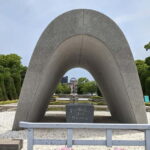
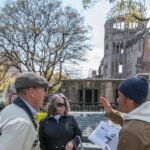
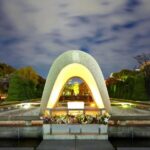
More tours in Hiroshima we've reviewed
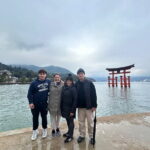


Hiroshima City Tours, compared.
 ★ 5.0Peaceful Hiroshima & Miyajima UNESCO 1 Day Bus TourFrom $129
 ★ 4.9Hiroshima: Hiroshima and Miyajima UNESCO Sites 1-Day TourFrom $1228 hours
 ★ 5.0Hiroshima / Miyajima Full-day Private Tour with Government Licensed GuideFrom $202
 ★ 4.7Osaka/Kyoto: Hiroshima Miyajima Bus Tour & Shinkansen TicketFrom $27712 hours
 ★ 4.8Hiroshima Historical Walking Tour – Why A-Bomb was DroppedFrom $352h 30m
 ★ 5.0Hiroshima Peace (Heiwa) Walking Tour at World Heritage SitesFrom $94
