
Reviewed · MIYAJIMA TOURS
Hiroshima: Itsukushima Shrine and Miyajima Summit Tour
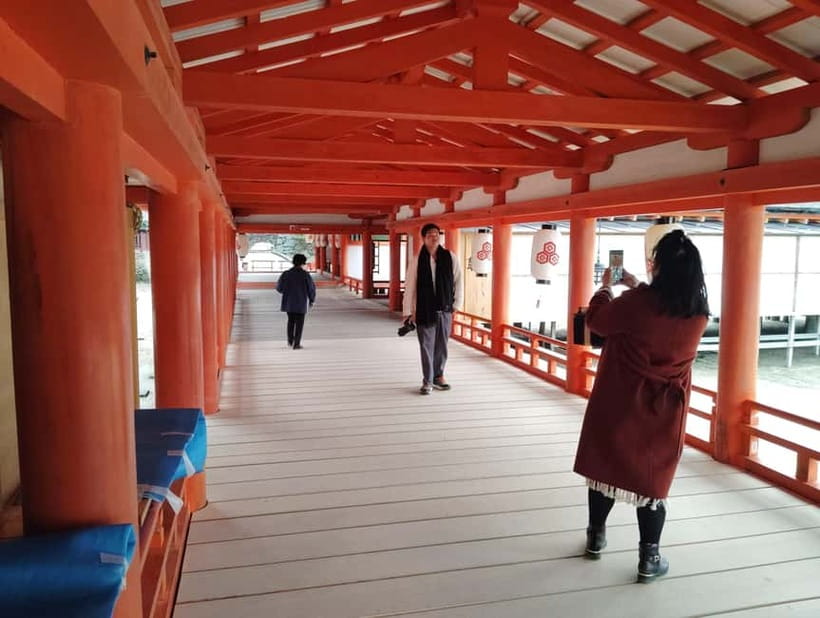
Miyajima makes an unusual promise: you get a sea shrine and a mountain pilgrimage in the same half-day. The tour begins with Itsukushima Shrine, built over the water, then heads uphill by ropeway and on foot for broad views across the Seto Inland Sea.
I especially like the contrast between the shrine’s calm tidal setting and the rougher mountain paths. I also like the chance to hear about Shugendo, the old practice of mountain discipline that ties Buddhism, Shinto, and nature together. Guides such as Gordon Michasiw and Hine add a personal, cultural layer rather than simply pointing at buildings.
The main caution is the walking. The final climb to the summit takes about 30 minutes on foot and can feel strenuous, especially in summer or after time spent sightseeing below. The schedule may also feel tight near the end, so this is best for people who want a focused day rather than a leisurely island wander.
In This Review
- Key Points
- Why Miyajima Feels Different From a Standard Shrine Visit
- Meeting at Miyajima-guchi and Setting the Pace
- Itsukushima Shrine: Start With the Sea
- Riding the Ropeway Toward Miyajima’s Sacred Heights
- The Summit and the Meaning of Shugendo
- Senjokaku Pavilion and the Five-Story Pagoda
- What the $179 Price Really Buys You
- The Walking, Weather, and Accessibility Questions
- Who Will Enjoy This Miyajima Tour Most
- Should You Book It?
- FAQ
- How long does the Miyajima tour last?
- Where does the tour meet?
- Where does the tour finish?
- Is the ropeway included?
- Is Itsukushima Shrine admission included?
- Is this tour suitable for wheelchair users?
Key Points
- Sea and mountain worship in one outing: See how Itsukushima’s shrine traditions connect with Miyajima’s sacred peaks.
- A private English-speaking guide: The format allows room for questions and personal explanations, with Gordon Michasiw and Hine among the guides associated with the experience.
- Ropeway access to the mountain: You save energy on the steepest lower section, then continue on foot toward the summit.
- A 5.5-hour route with several major sights: The day covers the shrine, summit area, Senjokaku Pavilion, and Itsukushima Jinja Gojunoto.
- Strong views, but real walking: Comfortable shoes, water, a hat, and sunscreen are not optional extras here.
- Good value for a private experience: At $179 per person, the price makes the most sense if you want focused guiding and a serious look at Miyajima’s religious traditions.
Why Miyajima Feels Different From a Standard Shrine Visit
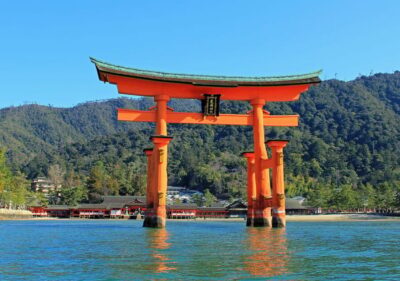
Miyajima is famous for the large torii gate that appears to float in the sea, but the island asks for more attention than a quick photograph. Its importance comes from the way sea and mountain beliefs meet in one place.
The island has been treated as sacred for centuries. Itsukushima Shrine was built on stilts over the water, helping preserve the holiness of the land while allowing worshippers to approach by sea. The setting is not just pretty decoration. Water, shore, forest, and mountain all play a part in the shrine’s meaning.
That connection becomes clearer once you leave the lower shrine grounds. The tour takes you from the sea-facing buildings up toward Miyajima’s summit, where mountain worship and Shugendo become the focus. You are not simply ticking off two unrelated attractions. You are following the island’s spiritual logic from the water to the heights.
I like this structure because it gives the day a clear story. You first see how the shrine relates to the sea, then learn why the mountain matters. That is more satisfying than visiting the torii gate, taking a few pictures, and moving on.
A few more Hiroshima tours and experiences worth a look

Meeting at Miyajima-guchi and Setting the Pace
You meet in front of the Miyajima-guchi Tourist Information Center. Look for the guide holding the yellow DeepExperience sign. The tour ends at the Miyajima ferry terminal, so you should have a straightforward point from which to continue your island visit or return across the water.
The advertised duration is 330 minutes, or five and a half hours. That is enough time for a serious introduction to Miyajima, but it is not an open-ended exploration. Several stops have set blocks of time, and the route includes transfers, a ropeway ride, walking, and guided visits.
Because this is a private group, you should be able to ask questions that would be difficult to fit into a large group tour. That matters here. The religious background can be complicated, and a good guide can explain the difference between shrine customs, Buddhist influence, and mountain ascetic practice in plain language.
The guide is part of the value. Gordon Michasiw is specifically associated with the experience, and Hine has also been praised for being helpful and attentive, including assisting a participant who was walking with difficulty after a fall. That does not turn the route into an accessible tour, but it suggests that the guide can adjust the pace when conditions allow.
Itsukushima Shrine: Start With the Sea
The first major stop is Itsukushima Shrine, with about 30 minutes for a guided visit. The shrine’s most striking feature is its position above the water. Its buildings sit on stilts, creating a visual link between the sacred island and the sea around it.
This is the right place to begin because the design makes more sense when you know the island itself was revered. Building over the water helped worshippers approach the shrine without treating the sacred ground like an ordinary settlement. The architecture also changes with the tide and weather, so the same view can feel quite different from one visit to the next.
Your guide can help you look beyond the famous gate. The value of a guided visit is not only identifying the main buildings. It is understanding why the shrine is arranged as it is, why the island was protected from ordinary use, and how nature became part of the religious setting.
Thirty minutes is enough for an introduction, but it is not a long, unhurried shrine visit. If you want extensive time for photographs or a quiet look at every detail, you may wish the schedule allowed more room here. The tradeoff is that the tour also reaches the mountain, which most basic Miyajima visits skip.
Riding the Ropeway Toward Miyajima’s Sacred Heights
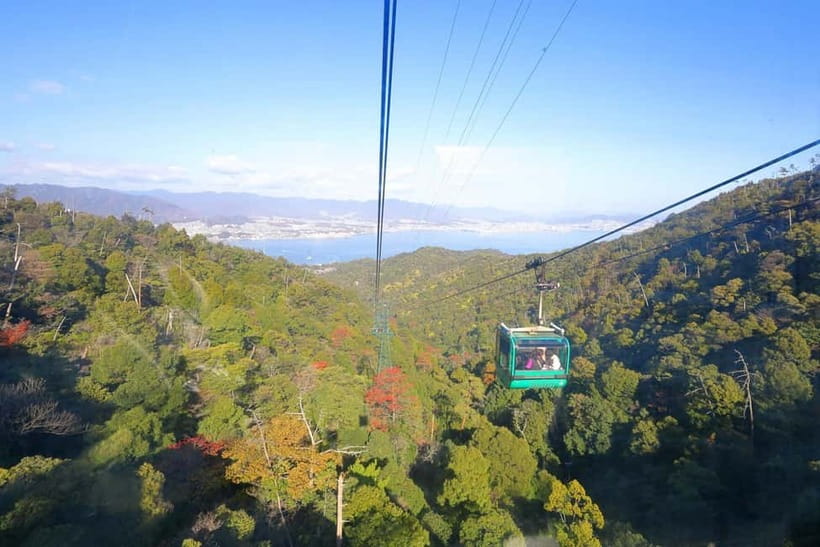
The cable car or ropeway section takes about 30 minutes. This is an important practical feature because it reduces the amount of uphill walking required before the summit portion.
The ride also changes your view of Miyajima. At the shrine, you are close to the water and wooden structures. Higher up, the island opens out around you, and the surrounding Seto Inland Sea becomes part of the experience. The contrast helps explain why Miyajima supports both sea worship and mountain practice.
Do not read ropeway into an entirely easy outing. The ropeway gets you partway up, but the tour still includes a walk of about 20 minutes and a summit visit lasting roughly 75 minutes. One comment puts the climb itself at about 30 minutes on foot and calls it somewhat tiring. That is useful advice, especially if you are planning this in August or have already spent the morning walking around Hiroshima.
Wear shoes with a firm sole. Bring water, sunscreen, and a hat. The tour specifically warns that you should expect a moderate amount of walking, and the summit section is not suitable for people with mobility impairments or wheelchair users.
The Summit and the Meaning of Shugendo
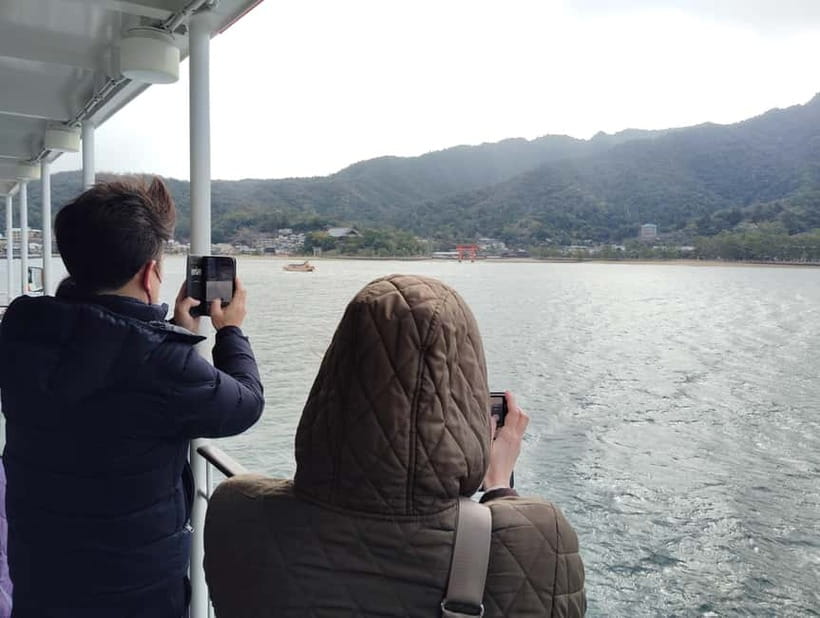
The summit section is the heart of the experience. You have around 75 minutes for a guided visit, followed by more walking. Here, the tour moves from scenic sightseeing to the beliefs that shaped Miyajima’s mountain paths.
Shugendo is a form of Japanese mountain asceticism that combines elements of Buddhism, Shinto, and demanding practice in nature. The mountain is not merely a place to look out over the sea. It is a setting where walking, effort, isolation, and attention can carry religious meaning.
Your guide explains how pilgrims gradually began traveling across the island rather than worshipping only from a distance. That change matters. The island’s paths became part of the act of devotion, and the summit became a place connected with discipline and spiritual seeking.
The views are a major reward. From the high ground, you can see the surrounding area and the Seto Inland Sea, with forests and open water replacing the close-up shrine architecture below. On a clear day, this should be one of the strongest parts of the tour. The conditions matter, though. Weather can affect visibility, and the climb remains physical even when the views are excellent.
This is also where a private guide can earn the fee. A basic excursion can get you to a viewpoint. A strong guide helps you understand why people climbed these mountains in the first place and how Japanese religious traditions often overlap rather than fit into neat categories.
A few more Hiroshima tours and experiences worth a look
Senjokaku Pavilion and the Five-Story Pagoda
After the mountain section, the route continues on foot for about 20 minutes to Senjokaku Pavilion. You receive around 15 minutes with a guide here.
Senjokaku is associated with Toyotomi Hideyoshi and is known for its large, open interior. The name suggests a hall large enough for a thousand tatami mats, though the tour information does not promise a full architectural lecture. Your guide can place the pavilion within Miyajima’s wider religious and historical setting, which is useful after the mountain discussion.
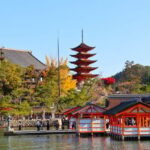
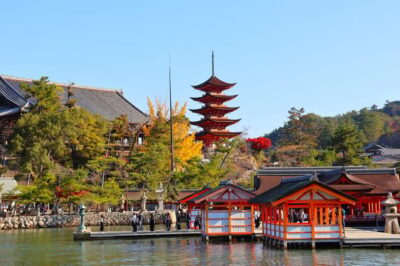
The next stop is Itsukushima Jinja Gojunoto, the five-story pagoda, with about 10 minutes of guided time. Its height and layered rooflines make it one of Miyajima’s most recognizable structures, and it gives you another chance to see how Buddhist and Shinto elements have existed side by side on the island.
These shorter stops are valuable because they broaden the visit beyond the shrine and torii gate. The limitation is time. Fifteen minutes at the pavilion and ten minutes at the pagoda allow an introduction, not a slow architectural study.
The final guided visit and free time lasts about 15 minutes before the tour finishes at the ferry terminal. One participant found the ending rushed. I would keep that in mind and avoid planning an important connection immediately after the tour. The route covers a lot, and the final section may move quickly.
What the $179 Price Really Buys You
At $179 per person, this is not the cheapest way to see Miyajima. You are paying for a private English-speaking guide, admission to Itsukushima Shrine, the ropeway fee, and a route that links the shrine with the summit and several other sites.
The price makes more sense if you care about interpretation. Miyajima’s main sights are easy to photograph, but the relationship between sacred land, sea worship, mountain practice, Buddhism, and Shinto is harder to grasp without help. The guide gives the day a theme rather than leaving you with a string of attractive stops.
You are also avoiding some of the planning work. The ropeway, walking route, shrine visit, summit section, and closing sights are arranged into one half-day. A private format can be especially useful for couples, families with older children, or small groups who want to ask questions and set a manageable pace.
The value is weaker if you only want the torii gate and shrine. You could spend less by visiting the lower island sights independently, especially if you do not care about Shugendo or the summit. You also do not receive hotel pickup, drop-off, or meals, so those costs and arrangements remain yours.
A quiet tea house lunch was part of one particularly positive day with guide Hine, but lunch is not included in the tour. Treat that as a possible suggestion from the guide, not as part of the package. Plan your own meal budget and do not assume the tour price covers food.
The Walking, Weather, and Accessibility Questions
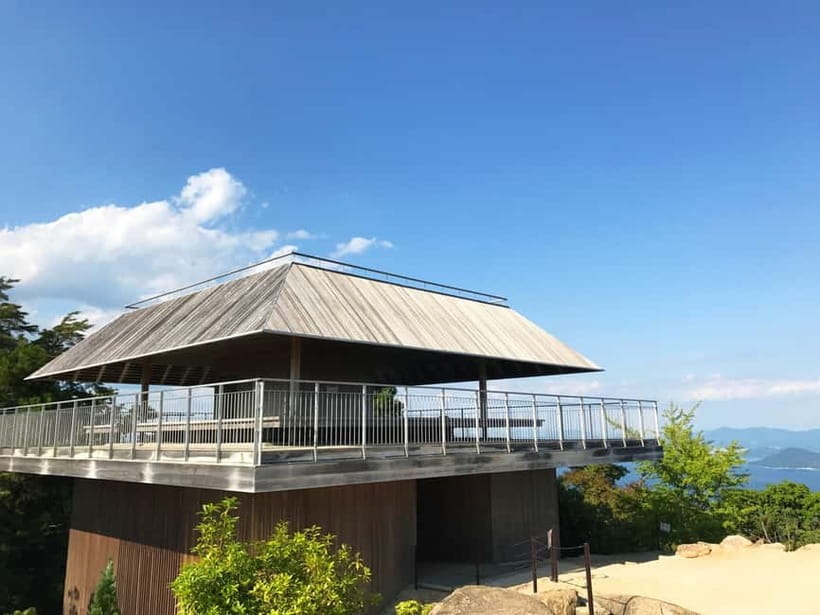
This is a walking tour with a ropeway assist, not a fully easy sightseeing circuit. You should be comfortable walking between sites and handling the uphill section toward the summit.
The experience is not suitable for wheelchair users or people with mobility impairments. If you have a temporary injury, recent fall, or trouble with stairs and uneven paths, contact the provider before booking. A guide may be considerate and helpful, but the route itself still includes mountain walking.
Summer can make the climb feel harder, so water, sunscreen, and a hat deserve priority. Comfortable shoes are essential. Smoking is not allowed during the activity.
The weather also affects the payoff. Clear conditions should give you the best views of the sea and surrounding area, while poor visibility can reduce the summit’s scenic reward. The cultural explanations still matter in cloudy weather, but you should choose the tour for the complete experience, not only for a postcard view.
Who Will Enjoy This Miyajima Tour Most
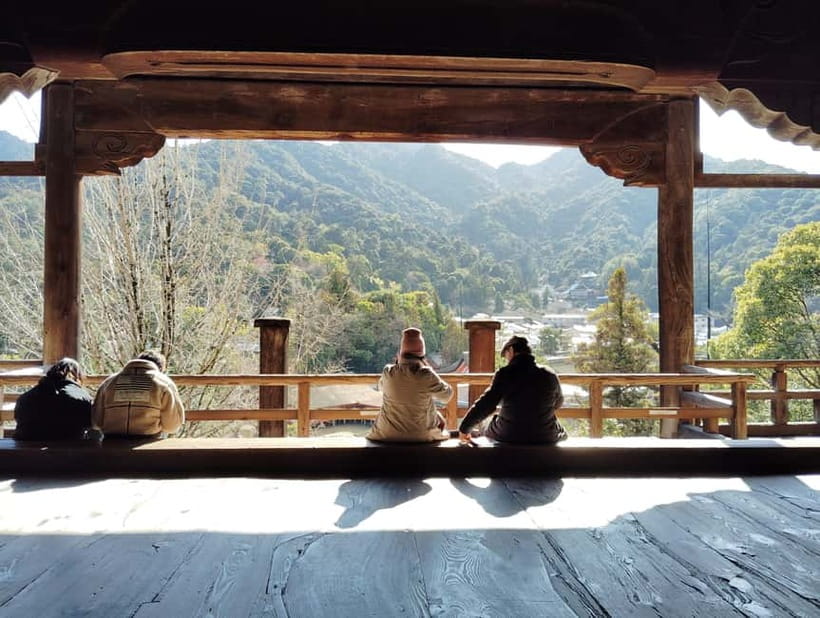
I would recommend this for someone who has enough time in the Hiroshima area and wants more than a quick shrine stop. It suits people who enjoy cultural context, moderate walking, mountain views, and questions about Japanese religious traditions.
It is also a good choice for a private group that wants a guide who can explain everyday customs as well as major sights. Catherine’s experience with Gordon Michasiw included discussion of Japanese life, culture, and customs beyond the island itself. That kind of conversation can make the tour feel more personal than a standard monument visit.
The tour is less suitable if you want to move slowly, spend a long time taking photographs, or devote most of the day to shopping and food. The schedule is active, and the final stops receive limited time.
The overall rating is 4.9 from seven reviews, with especially strong praise for the guides, the views, the ropeway, and the mix of shrines, temples, and walking trails. One four-star assessment found the activity good but rushed near the end, which matches the practical warning I would give: enjoy the route, but keep your expectations realistic about free time.
Should You Book It?
Book this tour if you want Miyajima explained as a sacred island shaped by both sea and mountain worship. The combination of Itsukushima Shrine, ropeway, summit, Shugendo background, Senjokaku Pavilion, and pagoda gives you a fuller picture than a shrine-only visit.
Skip it if you have limited mobility, dislike uphill walking, or want a relaxed day with plenty of unplanned time. At $179 per person, the best value comes from using the guide’s insight. If that cultural layer interests you, the private format and included ropeway and shrine admission make the price reasonable. If you only want the famous gate, save your money and explore the lower island at your own pace.
FAQ
How long does the Miyajima tour last?
The tour lasts 330 minutes, or five and a half hours. It includes guided sightseeing, the ropeway, walking to the summit, and time at several major sites.
Where does the tour meet?
Meet in front of the Miyajima-guchi Tourist Information Center. Your guide will hold a yellow sign with the DeepExperience logo.
Where does the tour finish?
The activity finishes at the Miyajima ferry terminal.
Is the ropeway included?
Yes. The ropeway fee is included in the tour price.
Is Itsukushima Shrine admission included?
Yes. Admission to Itsukushima Shrine is included.
Is this tour suitable for wheelchair users?
No. The tour is not suitable for wheelchair users or people with mobility impairments because it includes a moderate amount of walking and an uphill route toward the summit.
More Hiroshima City Tours in Hiroshima
More Miyajima Tours in Hiroshima
More tours in Hiroshima we've reviewed

Miyajima Tours, compared.
 ★ 5.0Peaceful Hiroshima & Miyajima UNESCO 1 Day Bus TourFrom $129
 ★ 4.9Hiroshima: Hiroshima and Miyajima UNESCO Sites 1-Day TourFrom $1228 hours
 ★ 5.0Hiroshima / Miyajima Full-day Private Tour with Government Licensed GuideFrom $202
 ★ 4.7Osaka/Kyoto: Hiroshima Miyajima Bus Tour & Shinkansen TicketFrom $27712 hours
 ★ 4.7From Hiroshima: Hiroshima & Miyajima 1 Day Tour with LunchFrom $1168 hours
 ★ 5.0Hiroshima and Miyajima Day Trip with Itsukushima Shrine & FerryFrom $45
