
Reviewed · HIROSHIMA CITY TOURS
Private Hiroshima Matcha & Wagashi Experience Tour
This is a hands-on introduction to Japanese tea culture, not a formal ceremony. With Sachi guiding you, you browse Hiroshima shops for matcha utensils, choose your own tea and wagashi, then sit down and make the drink yourself.
I like the personal choice built into the tour. You do not simply receive a prepared cup. You select the matcha and sweets that suit you, then learn how the two work together. I also like the small, private format, since only your group takes part and Sachi can explain each step at a comfortable pace.
The main thing to consider is that this is not a tatami-room tea ceremony. You will sit at a table with chairs in a rental space, and the location can change depending on availability. The route covers about 1.2 kilometers, mostly through covered shopping arcades, but the activity still requires good weather.
In This Review
- Key points at a glance
- A practical introduction to Hiroshima tea culture
- Choosing tea utensils on Ebisu-dori
- Selecting wagashi on Urabukuro Shopping Street
- Whisking your own matcha at a table
- What the private format changes
- Walking through covered shopping arcades
- Is $55.60 a fair price?
- Who should book this experience?
- Final decision: book it for a hands-on lesson
- FAQ
- Where does the Hiroshima matcha experience begin?
- What time does the tour start?
- Where does the activity finish?
- Is this a private tour?
- Is this a formal Japanese tea ceremony?
- How much walking is involved?
- Can I cancel for a full refund?
Key points at a glance
- Choose your own matcha: Browse a tea utensil and matcha shop before selecting the tea you will prepare.
- Pick traditional wagashi: Select Japanese sweets from a local confectionery shop, in the style of treats served with tea.
- Learn by doing: Sachi shows you how to whisk matcha, serve it gracefully, and make it taste good.
- Private for your group: You do not share the session with strangers, making questions and conversation easy.
- Useful in poor heat or rain: Much of the walking takes place under covered shopping arcades.
- Take home a small souvenir: Any leftover matcha becomes yours to keep.
A practical introduction to Hiroshima tea culture
Hiroshima is often visited for its Peace Memorial Park, museum, and ferry trip to Miyajima. Those are essential experiences, but they can also leave you looking for something slower and more personal. This two-hour tour gives you a short break from major sights and lets you take part in a familiar Japanese ritual at a beginner-friendly level.
The tour begins at the Starbucks Coffee on Hiroshima Hondori, at 9-1 Hondori in Naka Ward. The start time is 10:30 a.m., and the activity finishes back at the same meeting point. That makes it fairly easy to fit into a morning schedule, though you should allow enough time afterward if you have a fixed lunch reservation or a train to catch.
Sachi is the guide and the person leading the tea lesson. The experience is private, so the pace belongs to your group. If you are new to matcha, that matters. You can ask basic questions without feeling that you are slowing down a larger class.
The session is designed for casual enjoyment rather than ceremony practice. You will learn about tea, tools, sweets, and preparation, but you are not expected to know formal etiquette in advance. One first-time participant found the movements more difficult than they looked on television, which is useful to know. Whisking matcha takes a little control, and serving it gracefully involves more than simply stirring a green powder into water.
That small challenge is part of the appeal. You are not watching a demonstration from a distance. You are trying the technique yourself, making mistakes, and learning why the steps matter.
A few more Hiroshima tours and experiences worth a look

Choosing tea utensils on Ebisu-dori
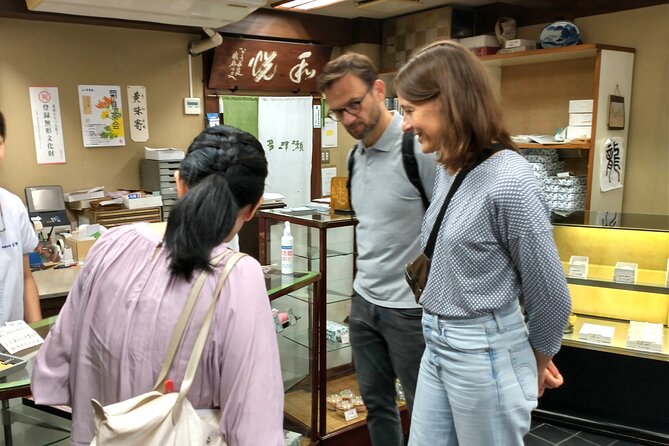
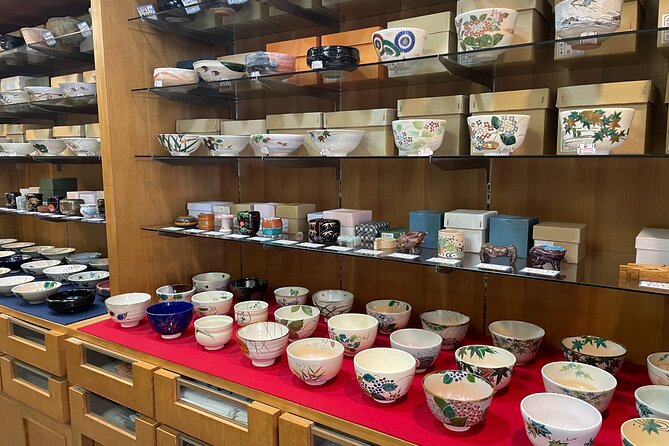
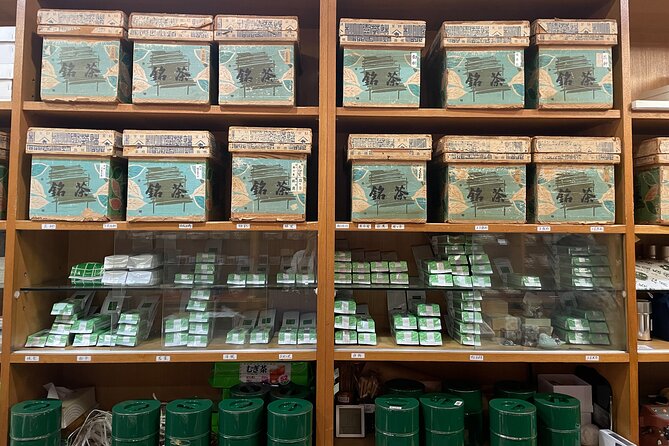
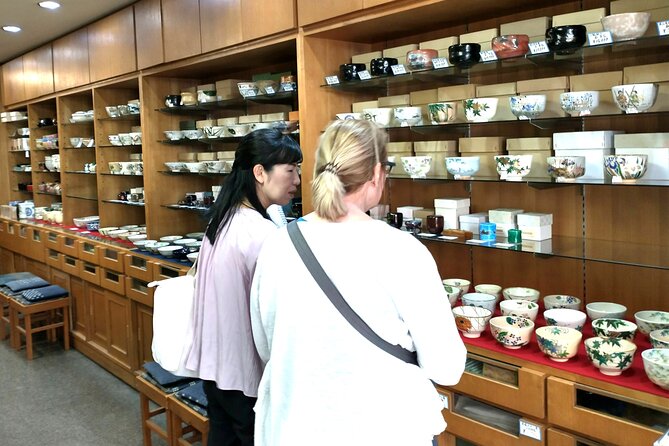
The first stop is Ebisu-dori Shopping Street, known here for a shop specializing in tea ceremony utensils and matcha. You have about 30 minutes to look through the selection and choose the matcha you will use later.
This stop gives the drink some context. Matcha is not only a powder sold in a packet. The bowl, whisk, scoop, and other tools all affect how the tea is prepared and served. You do not need to buy a complete tea set, but seeing the equipment before your lesson helps you understand the movements you will soon practice.
The chance to choose your tea is a useful touch. Matcha can differ in taste, and choosing for yourself makes the final cup feel more connected to the experience. The supplied information does not specify the available brands, grades, or tasting notes, so do not arrive expecting a guided comparison of named teas. The strength here is the personal selection, not a formal tea evaluation.
You may also find the shop interesting even if you have no intention of buying anything. Traditional tea utensils are compact, carefully made objects, and they show how much attention Japanese tea culture gives to preparation. Sachi can explain the basic purpose of the tools before moving on.
The stop is listed as free admission. Your tour price includes the activity, while you select the matcha you will use. Any matcha left after the session is given to you as a souvenir. That gives the purchase a practical purpose rather than leaving you with something chosen at random.
Selecting wagashi on Urabukuro Shopping Street
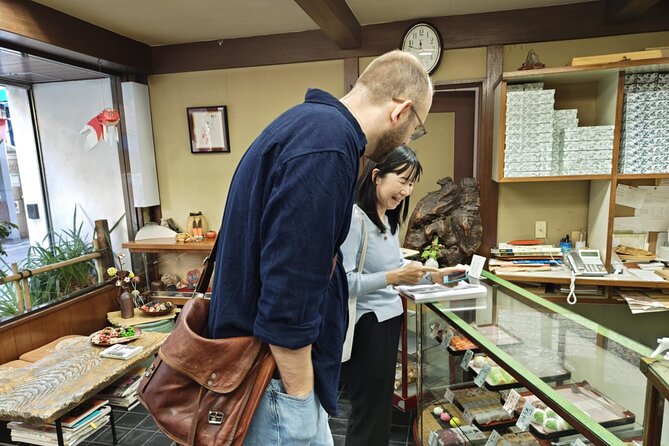
The second 30-minute stop takes you to Urabukuro Shopping Street and a local Japanese confectionery shop. Here you select wagashi, traditional sweets commonly served alongside tea.
Wagashi is not simply a sugary snack. Its sweetness helps balance matcha, which can have a bitter or grassy edge. This pairing is one of the most enjoyable lessons in the experience. A sweet bite prepares your palate for the tea, and the tea keeps the confection from feeling too heavy.
You choose the sweets yourself, just as you chose the matcha. That makes this part approachable for people who are unsure about Japanese confectionery. Rather than receiving an unfamiliar item without explanation, you can look at the choices and ask Sachi what might work well with your tea.
The tour describes the sweets as the type served at formal tea gatherings, but the setting remains relaxed. You will not be expected to dress formally or behave as if you are attending a ceremony. The point is to understand the connection between tea and wagashi while enjoying both.
The 30-minute timing should be enough for a focused visit, but it is not a long confectionery workshop. You select the sweets, rather than making them yourself. If you want to learn how wagashi is produced, this tour does not promise that kind of lesson.
Still, this stop adds a real local-shopping element. You are not only sitting in a room with a prepared tea kit. You are walking into shops and making choices that shape the next part of the experience.
Whisking your own matcha at a table
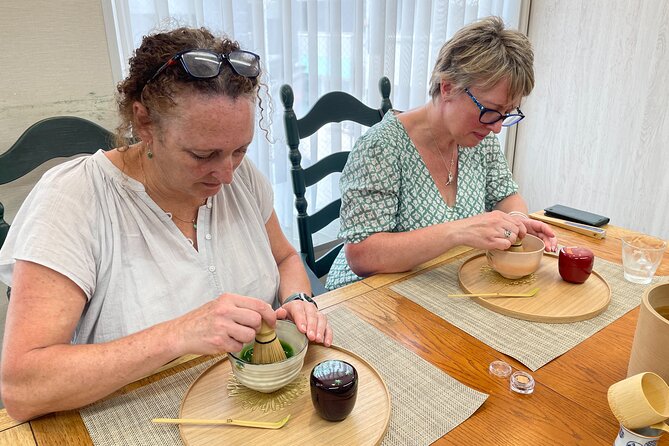
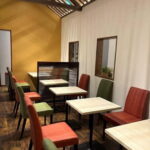
The final section lasts about one hour and takes place in a rental space in Nakanotana Shopping Street. The setup uses ordinary tables and chairs, not a tatami floor. That difference is important when deciding if this experience matches what you want.
The relaxed setup is likely easier for many people. You can sit normally, focus on the whisk, and listen to Sachi without worrying about kneeling or copying complex formal movements. It also makes the activity more accessible to someone who wants a cultural introduction without committing to a full tea ceremony.
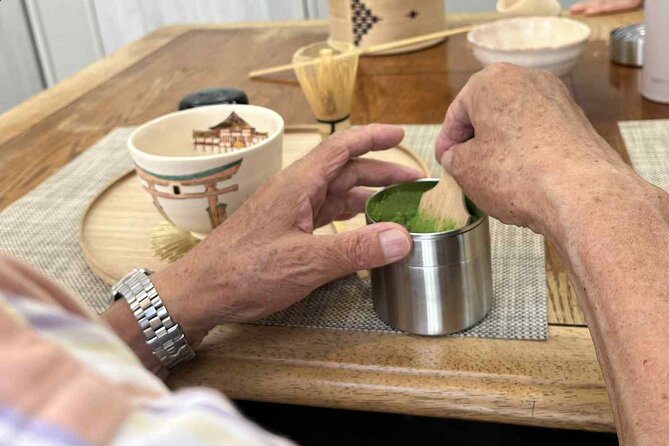
Sachi teaches the basics of making matcha, including tips for getting a good result and graceful serving etiquette. The exact steps are not listed, so you should think of this as a beginner lesson rather than an advanced class. You will learn enough to prepare the tea yourself and understand the main ideas behind the process.
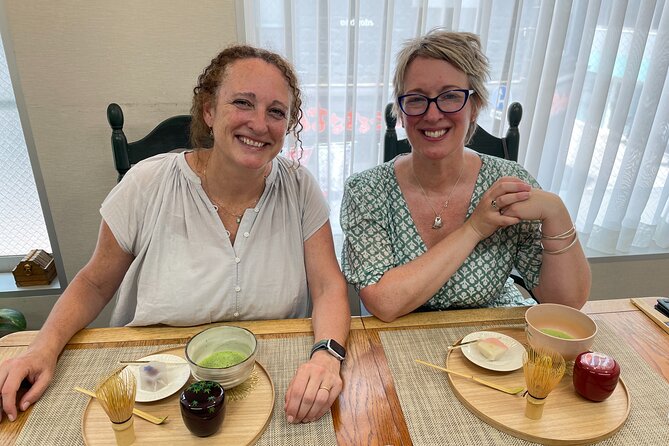
The hands-on element is the heart of the tour. You handle the tools, whisk the tea, and taste the result with the wagashi you selected earlier. The process can look easy until you try it, but that is useful. It helps you notice the care involved in what might otherwise seem like a simple drink.
One participant described this as a first tea ceremony experience and found that the preparation was surprisingly difficult. The key lesson was not perfection. Sachi explained each step carefully, making the activity enjoyable even for someone starting from zero.
You also learn serving etiquette. This does not turn the session into a full formal ceremony, but it gives you a sense of why the order of actions and the way you present the bowl matter. If you later visit a tea house or buy matcha in Japan, you will recognize more of what you are seeing.
The leftover matcha is yours to take home. That is a small but worthwhile benefit. You can try making it again after the tour, though the experience does not state that a whisk or other equipment is included as a souvenir.
What the private format changes
This is a private activity, meaning only your group takes part. For a subject that involves unfamiliar movements and etiquette, I see that as a major advantage.
You can ask Sachi to repeat an instruction, take extra time with the whisk, or talk about the tea and sweets that catch your attention. You do not have to match the pace of a large class. The arrangement also suits couples, families, or friends who want a shared cultural activity without joining a larger crowd.
The private format does not mean the tour is fully customized in every detail. The route and rental space follow the local arrangements, and the location may change if the space is unavailable. Still, the basic structure remains clear: choose matcha, select wagashi, then prepare and serve the tea.
The personal side also comes through in Sachi’s approach. The experience is built around her own interest in tea utensils and Japanese sweets. One especially useful part of the feedback was the sense of conversation across cultures. Sachi was pleased not only that the participant enjoyed the tea, but also that the meeting allowed both sides to learn about each other’s culture.
That kind of exchange is hard to schedule into a major sightseeing stop. Here, the conversation is part of the activity.
Other private tours in Hiroshima


Walking through covered shopping arcades
The route covers about 1.2 kilometers, or roughly 0.75 miles. Most of the walk is through covered shopping arcades, including Ebisu-dori, Urabukuro, and Nakanotana.
This makes the tour a practical choice on a hot day or in light rain. You still need to walk between the stops, but you are not spending the entire activity outdoors. The route also gives you a look at Hiroshima beyond its best-known historic sites.
The tour information says the experience requires good weather, even though much of the route is covered. If poor weather causes a cancellation, you are offered another date or a full refund. It is worth keeping that condition in mind when planning a tightly packed Hiroshima itinerary.
The walking distance is modest for most visitors who are comfortable with ordinary city walking. However, the activity does not provide a separate accessibility description, so you should ask the operator directly if your group has specific mobility needs. The rental location may change, and the supplied details do not confirm step-free access or seating arrangements beyond the use of tables and chairs.
The covered arcades also help with navigation. You meet at a clear public location near public transportation, then move through established shopping streets rather than heading to a remote venue. The route ends where it began, which simplifies the rest of your day.
Is $55.60 a fair price?
At $55.60 per person, this is not the cheapest way to drink matcha in Hiroshima. You are paying for more than a cup of tea. The price covers a private guide, visits to three areas, help choosing the tea and sweets, and a personal preparation lesson.
I think the value is strongest if you want context and participation. A café can give you a matcha drink and a wagashi, but it will not normally take you to a tea utensil shop, explain the choices, and coach you through whisking your own cup.
The price is less compelling if you only want to taste matcha or see a formal ceremony. This is not a performance, and it does not promise an elaborate tatami setting. It is a compact lesson with shopping stops and a casual seating arrangement.
The leftover matcha adds a little value because you receive something to continue using after the tour. The tour does not state that the chosen wagashi or tea utensils are additional purchases included in the price, so you should view the shopping stops as selection opportunities rather than an unlimited shopping allowance.
For a private two-hour cultural activity in central Hiroshima, the cost is reasonable for people who want instruction and conversation. Solo visitors may find the per-person price harder to justify, while couples or small groups can get more from the private format.
Who should book this experience?
I would recommend it if you are trying matcha for the first time, enjoy Japanese sweets, or want a calm activity between Hiroshima’s larger sights. It also suits anyone curious about tea tools and etiquette but not ready for a formal ceremony.
Families may appreciate the hands-on format, provided everyone in the group can manage the walking and sit comfortably at a table. The private setting gives younger participants more room to ask questions and try the whisk without pressure.
Food-focused visitors will enjoy choosing the wagashi and learning why sweets are served with tea. The tour is also a good fit for people who like small shops and local shopping streets more than large attractions.
I would look elsewhere if your main goal is a historic tea house, tatami seating, elaborate formal gestures, or a long explanation of tea production. The experience is intentionally casual. Its strength is that you can learn by doing, not that it recreates a full traditional ceremony.
The 10:30 a.m. start works well for a morning cultural activity. Since the tour returns to the Starbucks meeting point, you can continue toward lunch or another central Hiroshima sight afterward. Just leave room for weather-related changes if your schedule is strict.
Final decision: book it for a hands-on lesson
Book this tour if you want to choose, whisk, taste, and discuss your way through a small piece of Japanese culture. Sachi’s careful explanations make it suitable for beginners, and the private format gives the lesson a friendly pace.
Skip it if you are looking for a formal ceremony in a tatami room or a workshop devoted to making wagashi. For everyone else, the combination of local shops, personal choices, covered-arcade walking, and a take-home matcha souvenir makes this a useful two-hour addition to Hiroshima.
Free cancellation is available until 24 hours before the 10:30 a.m. start time. Changes or cancellations inside that window are not accepted for a refund, so check your plans early.
FAQ
Where does the Hiroshima matcha experience begin?
It begins at Starbucks Coffee, Hiroshima Hondori, 9-1 Hondori, Naka Ward, Hiroshima, 730-0035, Japan.
What time does the tour start?
The start time is 10:30 a.m.
Where does the activity finish?
The activity ends back at the original meeting point.
Is this a private tour?
Yes. Only your group participates in the activity.
Is this a formal Japanese tea ceremony?
No. The session takes place in a rental space with tables and chairs, not in a traditional tatami room. It is designed as a casual introduction to matcha and wagashi.
How much walking is involved?
The route covers about 1.2 kilometers, or approximately 0.75 miles. Most of the walk is through covered shopping arcades.
Can I cancel for a full refund?
Yes, if you cancel at least 24 hours before the experience start time. Cancellations or changes made less than 24 hours in advance are not refunded or accepted. If poor weather causes the activity to be canceled, you are offered another date or a full refund.
More Private Tours in Hiroshima
More Hiroshima City Tours in Hiroshima

More tours in Hiroshima we've reviewed


Hiroshima City Tours, compared.
 ★ 5.0Peaceful Hiroshima & Miyajima UNESCO 1 Day Bus TourFrom $129
 ★ 4.9Hiroshima: Hiroshima and Miyajima UNESCO Sites 1-Day TourFrom $1228 hours
 ★ 5.0Hiroshima / Miyajima Full-day Private Tour with Government Licensed GuideFrom $202
 ★ 4.7Osaka/Kyoto: Hiroshima Miyajima Bus Tour & Shinkansen TicketFrom $27712 hours
 ★ 4.8Hiroshima Historical Walking Tour – Why A-Bomb was DroppedFrom $352h 30m
 ★ 5.0Hiroshima Peace (Heiwa) Walking Tour at World Heritage SitesFrom $94
