
Reviewed · HIROSHIMA CITY TOURS
Hiroshima Lacquer Studio Tour & Workshop With a Gift
Hiroshima’s lacquer story reaches far beyond household bowls. At this small studio, master artisan Naoya Takayama shows you the careful work behind pieces made for leaders at the 2023 G7 Hiroshima Summit, then guides you through your own lacquer painting practice.
I like the direct contact with a working craftsperson, and I like the thoughtful link between modern Hiroshima and an old Japanese art. Interpreter Kazumi helps make the session accessible in English. The main drawback is the price: $309 per person for two hours is a serious outlay, especially if hands-on art is not a major part of your trip.
In This Review
- Key points to know before you book
- Why this Hiroshima workshop feels different
- Meeting Naoya Takayama at the studio
- The studio tour and the story of lacquer
- Practicing lacquer painting on wood
- The G7 connection adds real meaning
- The included gift and what it means
- Is $309 a fair price for two hours?
- Fitting the workshop into your Hiroshima day
- Who will enjoy this most?
- What the experience does not promise
- My advice on booking
- FAQ
- Where does the Hiroshima lacquer workshop meet?
- How long does the activity last?
- How far is the studio from Hiroshima Station?
- Who teaches the workshop?
- What will I learn during the workshop?
- Is a souvenir included?
- How many people can join the group?
- Is the workshop wheelchair accessible?
- Can I cancel the booking?
Key points to know before you book
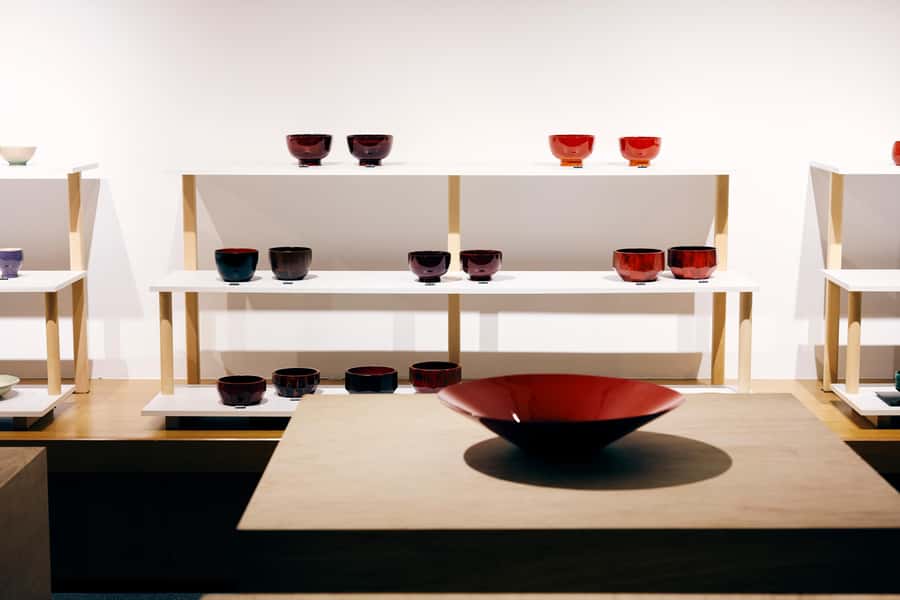
- Meet a G7 gift artist: Naoya Takayama created lacquerware presented to heads of state and their spouses at the 2023 Hiroshima Summit.
- See a working studio: You tour the artist’s own space, including his materials, methods, and original creations.
- Try urushi lacquer painting: With guidance, you mix the elements used for a lacquer layer and practice spreading it across a wooden base.
- Get a master-made souvenir: Your included gift is crafted by Takayama, not simply a shop purchase.
- Keep the group intimate: A maximum of six participants allows time for questions and personal instruction.
- Reach it easily: The studio is less than 15 minutes from Hiroshima Station by public transportation.
Why this Hiroshima workshop feels different
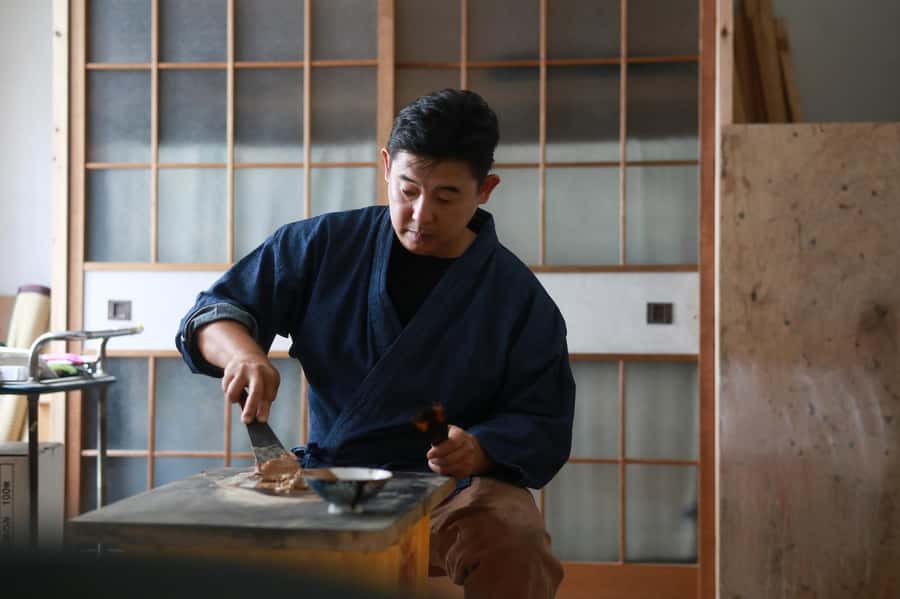
Many cultural activities let you look at finished objects behind glass. This one takes you into the maker’s world. You see the studio, hear how the craft developed, examine the materials, and then handle lacquer under the artist’s direction.
That change from spectator to participant matters. Lacquerware can look simple when finished: a smooth bowl, a restrained color field, a clean silhouette. The surface hides the time and control needed to create it. Here, you begin to understand that each layer is part of a long process, not a quick decorative coating.
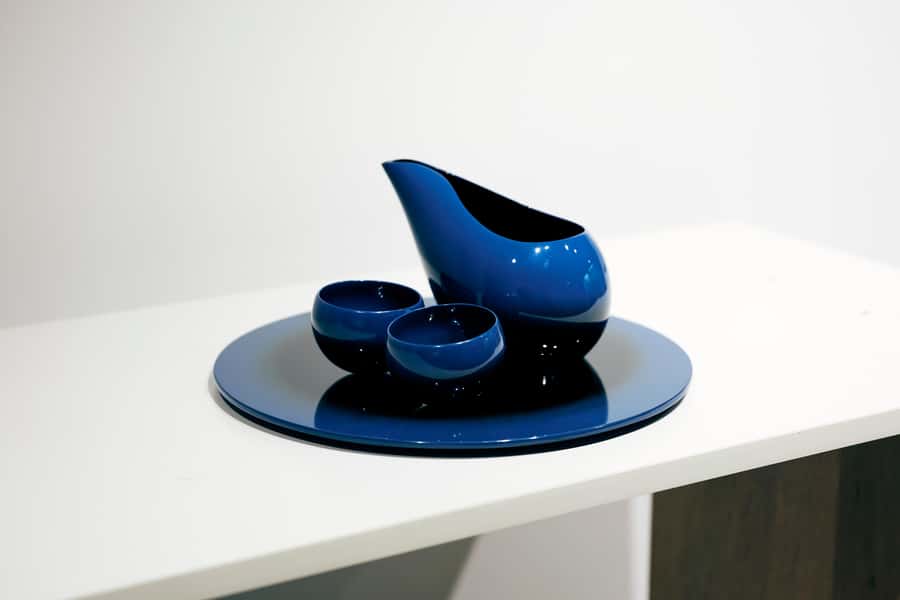
Takayama’s work also gives the workshop a strong Hiroshima connection. He was commissioned to create gifts for dignitaries attending the G7 Summit in 2023. The mayor of Hiroshima offered a sake drinking set with a dove-shaped vessel, a peace symbol covered in lacquer designed to change color over time. The set drew inspiration from the Seto Inland Sea.
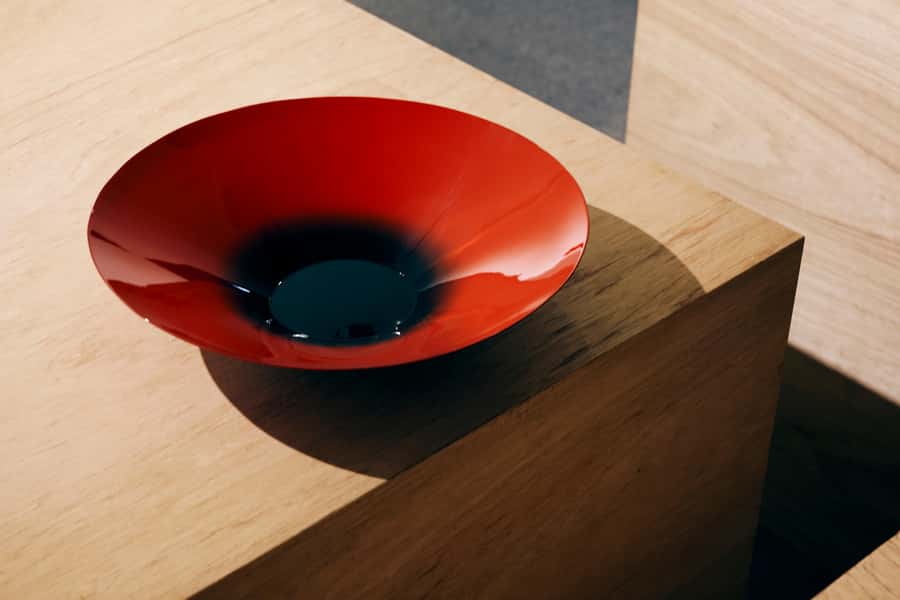
Another commission, called Akebono, used red and black gradations to suggest dawn and the beginning of a new day. These pieces connect craft with place and occasion. They are not generic souvenirs made for a tourist shelf.
A few more Chugoku Region tours and experiences worth a look

Meeting Naoya Takayama at the studio
Your meeting point is the entrance to the lacquer store at postal code 730-0033. Look for the large sign reading 仏壇 高山清, or Butsudan Takayama-kiyoshi. The activity begins and ends at this same location, which keeps the outing simple to fit around Hiroshima sightseeing.
Takayama comes from a family with several generations of Buddhist altar artisans. That background gives useful context to his work. Buddhist altar craftsmanship demands precision, patience, and respect for materials, while Takayama has taken those skills in a more contemporary direction.
He studied Kyoto lacquer painting techniques and developed original pieces using roiro, described here as wax color. His work is known for sleek forms and delicate coatings, and he has received multiple awards in Japan.
You are not simply visiting a historic workshop with old tools. You are meeting an active artist who continues to shape his own style. That makes the studio tour more personal and more relevant to anyone interested in how traditional Japanese craft changes over time.
The group is limited to six people. I consider that one of the strongest practical features. A large class could turn the lesson into a demonstration from the back of the room. With six participants, you have a better chance to see the materials clearly, ask questions, and receive help while working.
The studio tour and the story of lacquer
The first part of the two-hour session introduces Japanese lacquerware and Takayama’s approach to it. You learn about the craft’s history and cultural role, then see his original creations and the materials used to make them.
The central material is urushi, Japanese lacquer. The workshop information does not promise that you will complete an entire finished vessel in two hours, and you should not expect that. The craft is slow. One piece can take many weeks to create and paint.
That time scale is important. Your practical work gives you a small look at the process, but it does not reproduce the full career of a master in one afternoon. You learn to spread a lacquer layer over wood, while Takayama explains how the real work continues through repeated stages of coating and finishing.
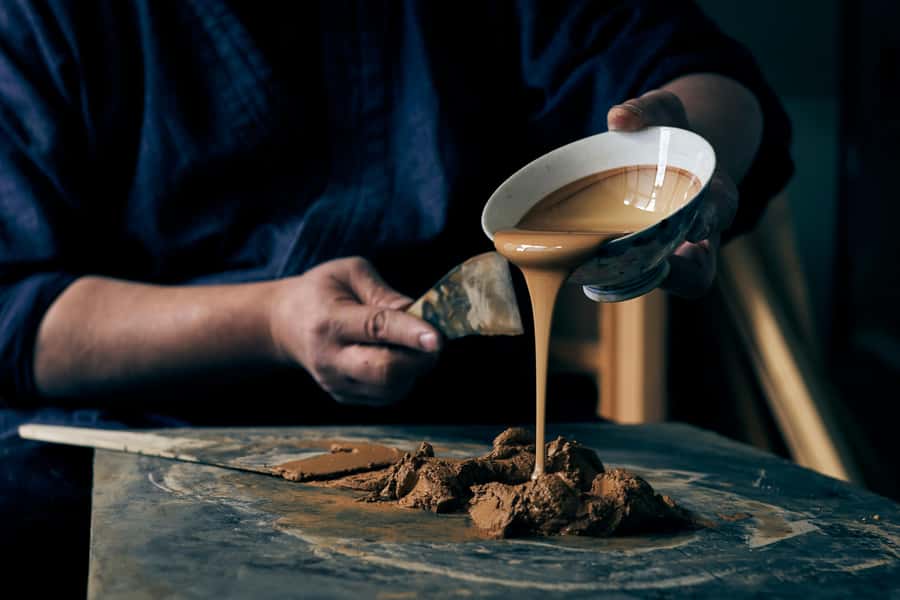
One especially interesting part of the lesson is preparing the mixture for a lacquer layer. You can see how separate elements come together before the material reaches the wooden base. Then, with instruction, you practice spreading it across the surface.
The process may sound straightforward. It is not. A smooth finish depends on touch, pressure, and an even hand. This is where the activity earns its place as a workshop rather than a simple studio visit.
Practicing lacquer painting on wood
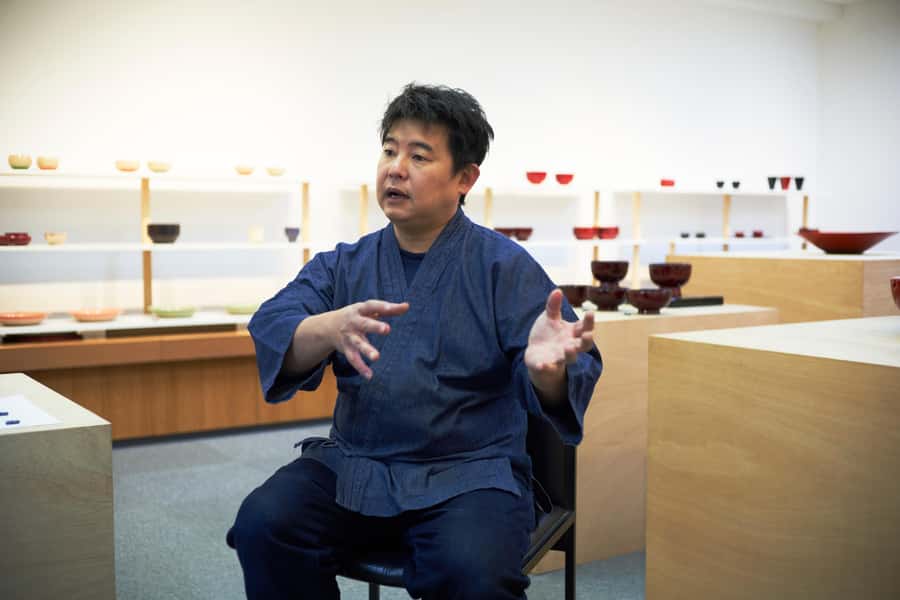
Takayama guides you as you mold and spread lacquer. The available information describes the exercise as a lacquer painting experience using tools and materials supplied as part of the fee.
You should approach this as a first lesson, not as a chance to produce a flawless art object. Lacquer work takes patience and repeated practice. The value comes from feeling the material and understanding the steps, not from matching the master’s finish.
You may also learn that your work does not end when the two hours finish. The lacquer layer prepared during the session can become part of a finished item for other people to enjoy, according to the workshop experience described by a participant. That is a nice reminder that craft is often a chain of careful contributions rather than one quick act.
The session has an appealing balance. You receive instruction from Takayama, but you also get room to explore your own artistic ability. If you enjoy making things with your hands, this will likely be more memorable than another short lecture.
English-language support comes through a live guide and interpreter. Kazumi is identified as the English interpreter for the session and helps convey Takayama’s explanations and demonstrations. Japanese is also available.
The G7 connection adds real meaning
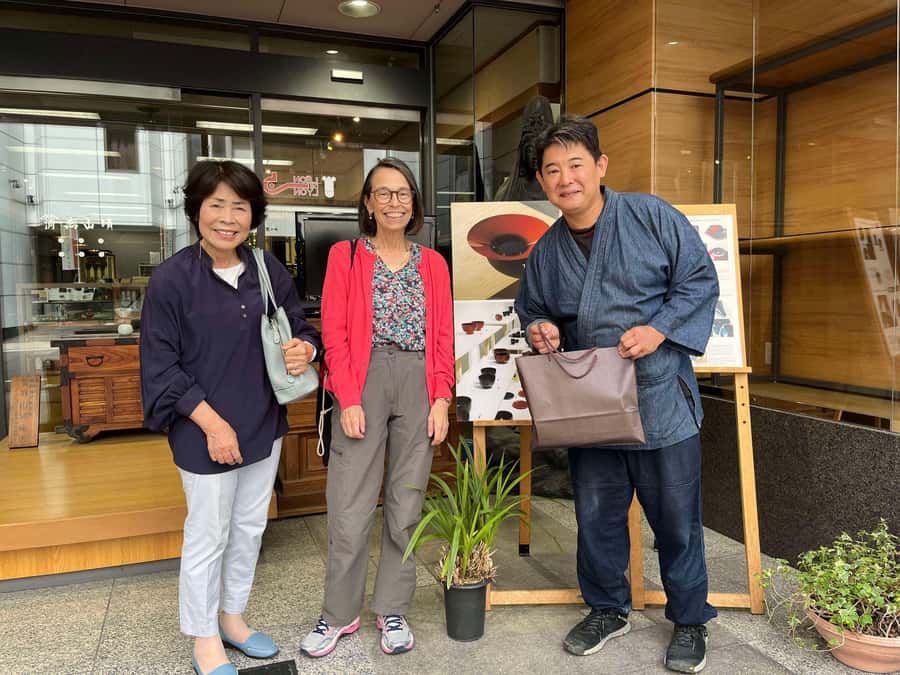
The G7 connection is not just a marketing detail. It shows the level of trust placed in Takayama’s craft and gives you a way to understand his design choices.
The dove-shaped sake vessel reflects Hiroshima’s role as a city associated with peace. Its lacquer patina is intended to vary in color over time, echoing the changing tones of the Seto Inland Sea. That is a subtle idea: the object changes as it ages instead of trying to remain frozen in its first state.
The Akebono bowls use a red and black gradation to suggest the break of dawn. Their name and color scheme point toward a new day. These are small design decisions, but they show how Japanese lacquerware can carry a message without loud decoration.
Seeing such work in the same studio where the artist developed his methods gives the session a stronger sense of place. Hiroshima is not only the setting. The city’s identity appears in the objects themselves.
The included gift and what it means
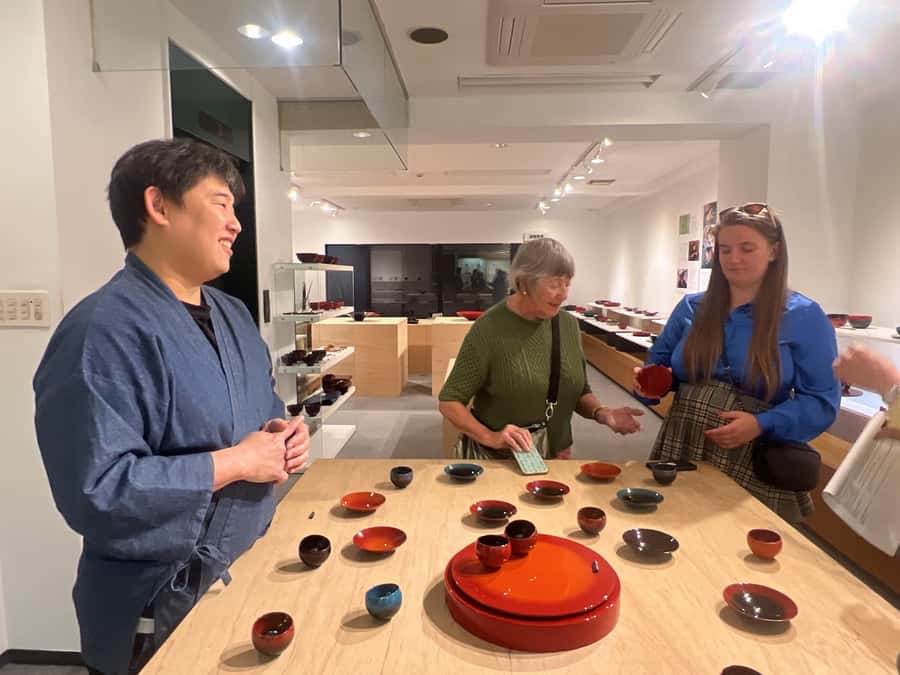
A special gift made by Takayama is included in the price. This is an important distinction. You are not merely receiving a discount coupon or a mass-produced souvenir selected by the tour company.
The exact gift design is not specified, so you should not book expecting one of the G7 pieces or a particular bowl, vessel, or color. Still, a small work made by the artist gives you something tangible to remember the studio and the lesson.
I like this arrangement because your souvenir carries a connection to the person you met. It also solves a common problem with craft workshops: you may enjoy the activity but leave without a usable result because the piece needs long drying or finishing time.
Additional purchases are available at the studio. Since prices and specific items are not provided, ask about them on site if you want to buy more. Treat the included gift as part of the experience’s value, but do not assume it represents the full market value of Takayama’s larger works.
Is $309 a fair price for two hours?
At first glance, $309 is high. You are paying far more than you would for a basic museum entry, a group craft class, or a short souvenir-making activity.
The calculation changes if you place value on direct access to a respected master, private-scale instruction, interpretation, studio access, materials, insurance, and a handmade gift. The group size is capped at six, and the fee includes the lacquerware materials and tools rather than asking you to buy supplies separately.
I would recommend this for someone who has a serious interest in Japanese craft, design, or hands-on cultural activities. It may also suit a special-occasion splurge, particularly if you want an experience that feels distinct from the usual Hiroshima sightseeing route.
I would hesitate if you are mainly looking for a low-cost activity or a fast introduction to Hiroshima. Two hours is short, and the price will feel hard to justify if you do not care about lacquerware. The workshop is valuable because of its depth and personal contact, not because it offers a long list of attractions.
The G7 commission and the artist’s family background strengthen the value, but they do not make the activity right for everyone. Compare the cost with what else you want to do in Hiroshima before reserving.
Fitting the workshop into your Hiroshima day
The studio is less than 15 minutes from Hiroshima Station by public transportation, according to the activity details. That makes it practical before or after a day around the city center, though you should check the selected start time and allow enough time to reach the shop entrance.
Because the activity returns to the same meeting point, you do not need to arrange a separate end location. That is useful when planning around trains, meals, or other scheduled visits.
The meeting sign uses the Japanese store name, Butsudan Takayama-kiyoshi. Keep that name and the Japanese characters handy on your phone so you can identify the entrance without confusion.
The session lasts two hours. That is enough time for a guided introduction, a studio tour, a demonstration, and practical work, but it leaves little room for a slow, open-ended art class. If you prefer a relaxed pace, do not stack a tight appointment immediately afterward.
The activity is wheelchair accessible, stroller accessible, and close to public transportation. The transportation and surfaces are described as wheelchair accessible, and most people can participate. These details make it a practical choice for many visitors, though you can still confirm your individual needs when booking.
Free cancellation is available up to 24 hours in advance for a full refund. You can also reserve and pay later, which helps if your Hiroshima schedule is still shifting.
Who will enjoy this most?
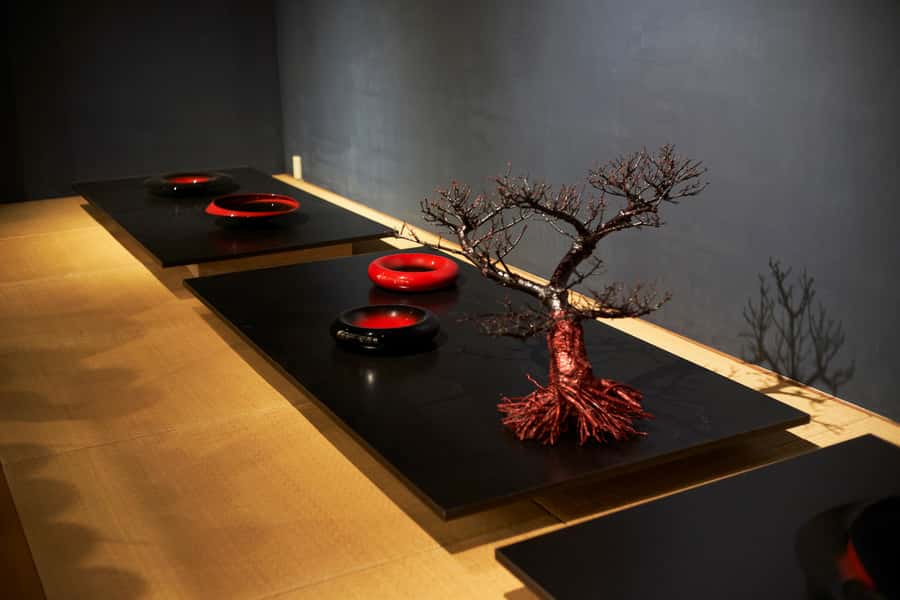
I would put this near the top of the list for:
- People who enjoy Japanese art and traditional crafts
- Visitors looking for a personal Hiroshima experience beyond memorial sites
- Couples or families seeking a small-group activity
- Anyone curious about how a finished lacquer surface is built
- Travelers who value a handmade souvenir over a standard purchase
- Design-minded visitors interested in contemporary forms using old techniques
It is especially useful if you want to explore another side of Hiroshima. The city’s wartime history deserves attention, but it is not the whole story. A joyful workshop with a living local artisan gives you a different way to understand the city and its creative culture.
Children and beginners may be able to participate because most people can take part, but the supplied details do not specify a minimum age or special children’s program. If you are booking for young children, confirm that the pace and lacquer work suit them.
What the experience does not promise
You should not expect to leave with a completed bowl or vessel that you made from start to finish. Lacquerware requires many weeks of work, and the activity offers a guided sample of the process rather than a full production course.
You also should not assume that the master-made gift is the object you create. The included souvenir is crafted by Takayama, while your own practice helps you understand the technique.
The studio tour is intimate, but it is not described as a full city tour or a visit to several craft locations. Everything centers on one artist, one studio, and one material. That focus is a strength if you want depth, but a limitation if you prefer a broader sightseeing program.
The published rating is five out of five from two reviews, including a detailed account that praised the inspiring, hands-on lesson and the explanation of urushi techniques. That is encouraging, but the sample is small. I would base your decision on your interest in the subject and the price, not on the rating alone.
My advice on booking
Book this workshop if you want personal contact with a Hiroshima artisan and you are willing to pay for a small, specialized experience. The strongest reasons are Takayama’s G7 connection, the chance to enter his studio, the careful urushi demonstration, English interpretation by Kazumi, and the master-made gift.
Skip it if your budget is tight, your schedule is packed, or you want a longer craft course with a finished object made entirely by you. For the right person, this is a meaningful way to spend two hours. For everyone else, $309 is likely too much for a short introduction.
FAQ
Where does the Hiroshima lacquer workshop meet?
Meet at the entrance of the lacquer store at postal code 730-0033. Look for the large store sign reading 仏壇 高山清, or Butsudan Takayama-kiyoshi.
How long does the activity last?
The guided studio tour and workshop last two hours. Check availability for the available starting times.
How far is the studio from Hiroshima Station?
The studio is less than 15 minutes from Hiroshima Station by public transportation.
Who teaches the workshop?
The workshop is taught by lacquerware master Naoya Takayama. English interpretation is provided by Kazumi, and Japanese is also available.
What will I learn during the workshop?
You will learn about Japanese lacquerware, see Takayama’s creations, methods, and materials, and practice lacquer painting with supplied tools and materials. The practical work includes spreading a lacquer layer across a wooden base.
Is a souvenir included?
Yes. The price includes a special gift crafted by Naoya Takayama. Additional purchases are available at the studio.
How many people can join the group?
The activity has a maximum of six participants.
Is the workshop wheelchair accessible?
Yes. The activity, surfaces, and transportation are described as wheelchair accessible. It is also stroller accessible, and most people can participate.
Can I cancel the booking?
Yes. You can cancel up to 24 hours in advance for a full refund. Reserve now and pay later is also available.
More Hiroshima City Tours in Chugoku Region
More tours in Chugoku Region we've reviewed
Hiroshima City Tours, compared.
 ★ 5.0Peaceful Hiroshima & Miyajima UNESCO 1 Day Bus TourFrom $129
 ★ 4.9Hiroshima: Hiroshima and Miyajima UNESCO Sites 1-Day TourFrom $1228 hours
 ★ 5.0Hiroshima / Miyajima Full-day Private Tour with Government Licensed GuideFrom $202
 ★ 4.7Osaka/Kyoto: Hiroshima Miyajima Bus Tour & Shinkansen TicketFrom $27712 hours
 ★ 4.8Hiroshima Historical Walking Tour – Why A-Bomb was DroppedFrom $352h 30m
 ★ 5.0Hiroshima Peace (Heiwa) Walking Tour at World Heritage SitesFrom $94
