
Reviewed · MIYAJIMA TOURS
Miyajima Island Tour with Certified Local Guide
Miyajima’s great appeal is the way sacred buildings and sea views share the same small island. With certified local guide Pancho, you visit the UNESCO-listed Itsukushima Shrine, see the famous torii setting, and have time for Daisho-in Temple and the Five-Storied Pagoda. I especially like the private format and Pancho’s practical help with Hiroshima’s train system and the ferry. The main tradeoff is pace: four hours is enough for the highlights, but not for a leisurely island day.
I also like that the tour does not pretend every attraction requires an indoor visit. You see Senjokaku Pavilion and the pagoda from the street, which saves time while still giving you a strong architectural view. Keep in mind that the $207.58 price covers the guide only, so you pay separately for transport, shrine admission, food, and optional entries.
In This Review
- Key points at a glance
- Why Miyajima works so well in four hours
- Meeting Pancho at Hiroshima Station
- The walk toward Itsukushima Shrine
- Itsukushima Shrine and its sea setting
- Daisho-in Temple, stairs and a quieter mood
- Senjokaku Pavilion and the Five-Storied Pagoda
- The return to Hiroshima by JR train
- What the $207.58 price really buys you
- Who should book this Miyajima tour
- Practical details before you go
- Should you book it?
- FAQ
- How long does the Miyajima Island tour last?
- Where does the tour begin and end?
- Who is the guide?
- Is admission to Itsukushima Shrine included?
- Are meals and private transportation included?
- Can I cancel the tour for a full refund?
Key points at a glance
- Pancho, also known as Tetsuo: A certified local, English-speaking guide who explains both Miyajima and Hiroshima.
- A private four-hour outing: Your group receives the guide’s full attention rather than following a large crowd.
- Itsukushima Shrine: Allow about 50 minutes to see the UNESCO World Heritage site, with a separate ¥300 adult admission fee.
- Daisho-in Temple: A photogenic stop with a 40-minute visit and stairs, especially appealing in autumn.
- Helpful transport guidance: Pancho can help you understand the train system and choose a good ferry position for photographs.
- Extra costs to plan for: Private transport, meals, shrine entry, and the optional ¥100 Senjokaku admission are not included.
Why Miyajima works so well in four hours
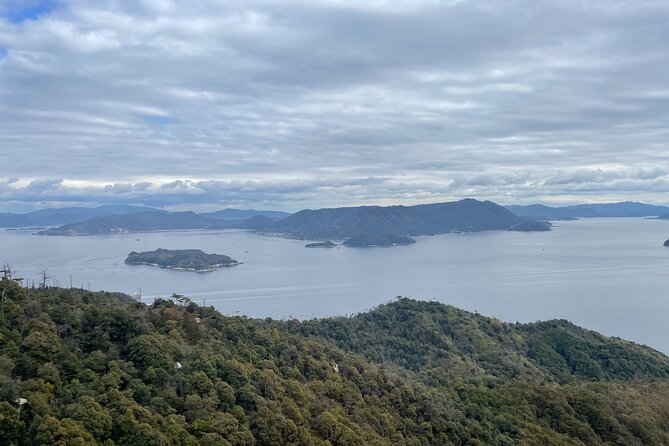
Miyajima, also called Itsukushima, is one of Japan’s most memorable day-trip destinations from Hiroshima. The island brings together a sea-facing shrine, Buddhist temples, wooded slopes, pagodas, and open views across the water. Even a short visit gives you several distinct sides of Japanese culture.
The tour is built around that contrast. You begin with the practical business of getting there, then walk roughly 15 minutes toward Itsukushima Shrine. From there, the schedule moves to Daisho-in Temple, followed by a street-level view of Senjokaku Pavilion and the Five-Storied Pagoda. You return to Hiroshima by JR local train.
I think this structure suits you if you want context as you go, not just directions between photo stops. Pancho can explain the meaning of the shrine and temple, answer questions, and help you make sense of the transport connections. That matters in Japan, where an otherwise simple outing can involve several tickets, platforms, and transfers.
The four-hour length also keeps the outing manageable. You get a clear introduction without committing a full day. But you should set your expectations correctly: this is a highlights tour, not a slow exploration of every lane, temple, and viewpoint on Miyajima.
A few more Hiroshima tours and experiences worth a look

Meeting Pancho at Hiroshima Station
The listed meeting point is at the Shinkansen exit of Hiroshima Station, at 1-2 Matsubaracho in Minami Ward. A hotel meeting option is also available, so confirm the exact arrangement after booking. The activity finishes back at Hiroshima Station, at the South Exit Chikagai Hiroba Information Center area.
This station-based plan is useful if you are already arriving in Hiroshima by bullet train or staying nearby. One of the strongest practical features of the experience is the early help with the train system. If Japan’s rail signs and station layout feel confusing, having a local guide beside you at the beginning can remove a lot of friction.
You should not assume that private transport is included. The guide fee is included, but private transportation is not. The return is described as a JR local train ride, and food and drinks are also your responsibility.
The meeting point deserves your attention because Hiroshima Station has more than one exit and several underground areas. Read the meeting instructions carefully and allow time to locate the right exit. A mobile ticket is provided, which is convenient, but it does not replace checking the meeting details.
The walk toward Itsukushima Shrine
Once you reach Miyajima, the walk to Itsukushima Shrine takes about 15 minutes. That approach is part of the experience. You are not simply dropped beside the shrine gate, then rushed inside. The walk gives your guide time to point out details and helps you shift from city travel to the island’s quieter, sacred setting.
Pancho’s role is particularly useful here. He can explain the island itself, the shrine’s place in Japanese culture, and the connection between the buildings and the sea. The tour’s appeal is not only the number of places you see. It is the explanation that links those places together.
The exact amount of free time can vary because the whole outing lasts about four hours. You may have room for brief personal pauses, but this is not designed around long shopping breaks or an extended meal. If you want oysters, sweets, or a sit-down lunch, you will need to plan around the tour or visit independently afterward.
Itsukushima Shrine and its sea setting
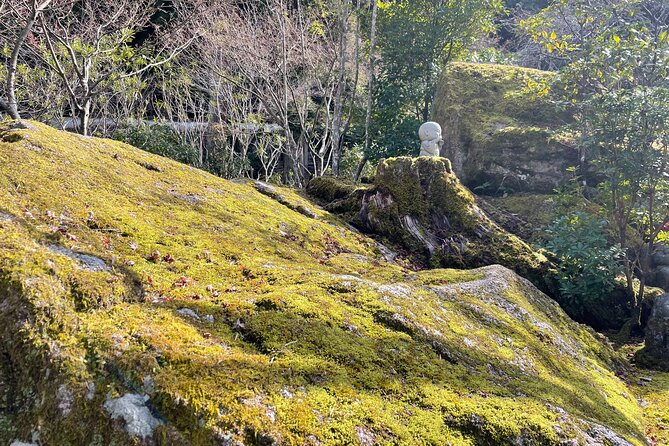
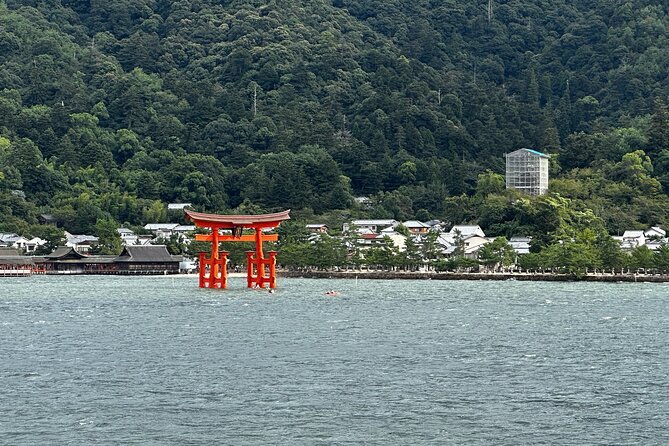
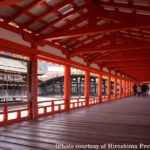
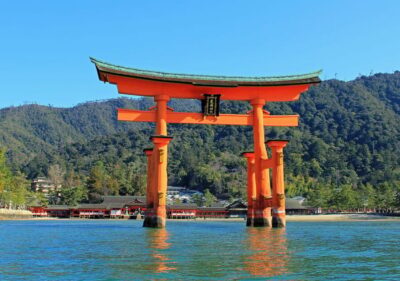
Itsukushima Shrine is the central stop. Built in 1168, it is a Japanese heritage site and UNESCO World Heritage site. Its buildings are famous for their relationship with the water, creating the impression that the shrine floats above the sea.
That setting is the reason this stop feels different from a standard temple visit. You are not looking only at gates, halls, and religious objects. You are also watching how the shrine changes the view toward the water and surrounding island.
The planned visit lasts about 50 minutes. That is enough for a guided look at the main shrine area, especially if you want historical and cultural explanation rather than a long independent wander. Pancho has been praised for covering the torii gate, shrine, and island in both historical and current terms, while answering questions along the way.
Admission costs ¥300 per adult and is not included. This is a small extra charge compared with the tour price, but you should carry a payment method suitable for the attraction. The shrine is the one stop you should treat as essential. If time becomes tight, this is not where I would cut minutes.
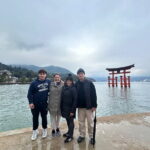
The great torii is an important part of the visual experience, but the tour description does not promise a separate long stop there. Ask Pancho how the current conditions and timing affect your view. The island’s water level and access conditions can shape how the shrine looks on the day.
Daisho-in Temple, stairs and a quieter mood
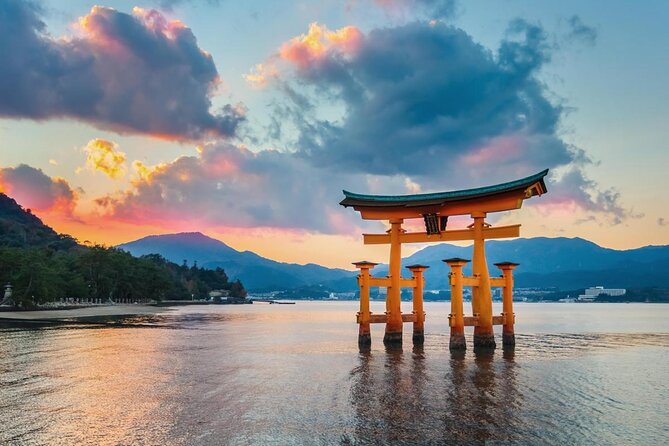
Daisho-in Temple offers a different experience from Itsukushima Shrine. Instead of a famous sea-facing structure, you get a photogenic Buddhist setting with spiritual details and a more intimate feel. The scheduled visit lasts about 40 minutes.
There are stairs, so you need moderate physical fitness. This is not a good choice if you need a completely level route. The temple is also noted as a good autumn-leaf location, which may add seasonal color if your visit falls at that time of year. No entry fee is listed for Daisho-in.
I like this stop because it keeps the tour from becoming only a shrine-and-photo outing. The temple gives you a second way to understand Miyajima, with Buddhist traditions alongside the shrine’s Shinto setting. A guide can make small details more meaningful, especially if you ask questions about what you are seeing.
The 40-minute limit is both useful and restrictive. It gives you enough time for an introduction without letting one stop consume the outing. If you want to linger on stairs, take many photographs, or explore every corner, you may wish you had more time.
Other guided tours in Hiroshima


Senjokaku Pavilion and the Five-Storied Pagoda
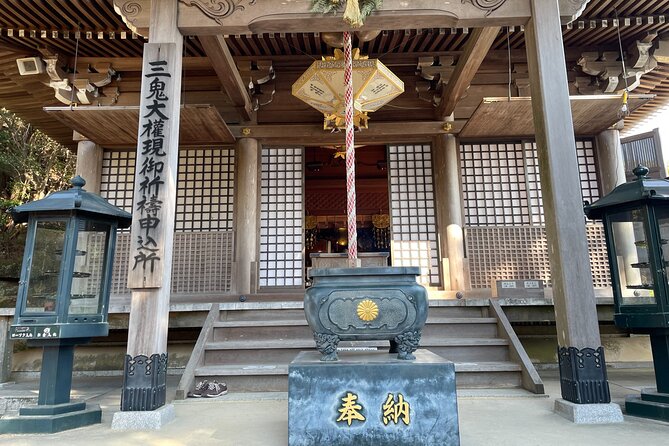
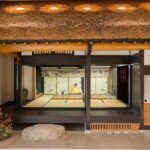
The tour offers a street view of Senjokaku Pavilion and the Five-Storied Pagoda rather than making a full visit the center of the schedule. This is a smart choice for a short outing. You still get to see the scale and shape of these landmarks, while avoiding an overly crowded program.
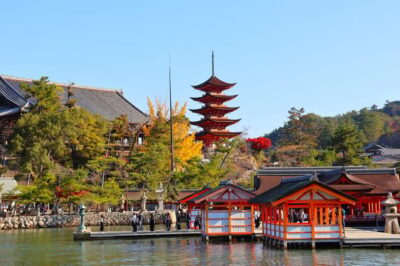
Senjokaku, also known as the Hall of a Thousand Mats, is an important architectural sight, and the nearby Five-Storied Pagoda makes a striking pair in photographs. The viewpoint from the street helps you appreciate how the pagoda rises above the surrounding buildings.
If you choose to enter Senjokaku, the admission charge is ¥100 per adult. That fee is not included. The schedule allows about 15 minutes for this part, so think of it as a brief architectural stop, not a long visit.
This is one place where your guide’s judgment helps. Pancho can show you the best angle from the street and explain what you are looking at. You should not expect a private viewing area or an extended photography session, but the stop rounds out the island’s major sights nicely.
The return to Hiroshima by JR train
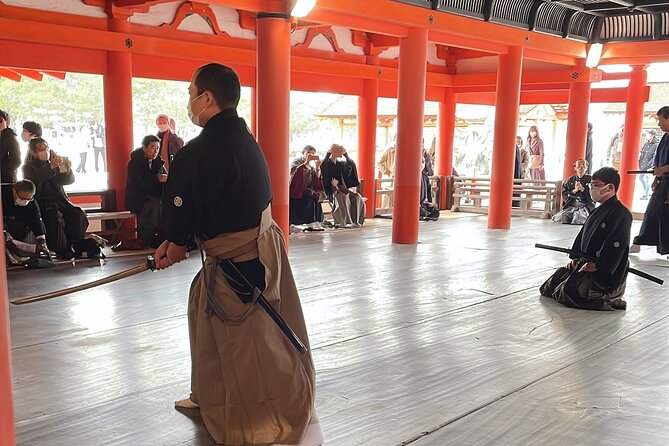
The return portion takes about an hour and uses a JR local train. This gives the tour a clear finish back at Hiroshima Station rather than leaving you to work out the route on your own.
The train ride is also part of the practical value. Pancho’s help with the rail system can be especially useful if this is your first day in Hiroshima or your first time handling Japanese train connections. You can ask questions as you return, rather than trying to decode the route alone.
Remember that the guide fee does not include private transportation. The information provided does not state that all public transport fares are included, so you should clarify how train and ferry costs are handled before departure. This is a small but important budgeting point.
What the $207.58 price really buys you
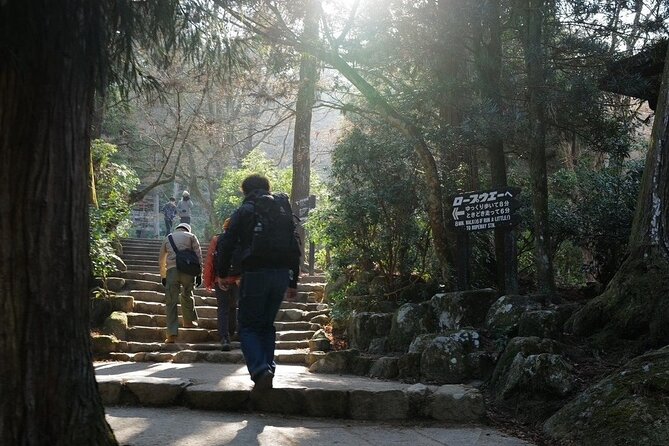
At $207.58 per person, this is not a budget way to visit Miyajima. The price makes more sense if you value a private guide, English-language explanation, and help with the complete journey from Hiroshima Station and back.
You are paying for guidance rather than a bundle of admissions or meals. The included item is the guide fee. You still need to budget for the ¥300 Itsukushima Shrine admission, the optional ¥100 Senjokaku entry, transport, and anything you eat or drink.
For one person, the cost may feel high beside an independent train-and-ferry visit. If you are comfortable navigating Hiroshima, reading signs, and researching the shrine and temple yourself, you can visit the island more cheaply. The tour earns its price through personal attention and structure.
For a private group, the calculation can look better, especially if the per-person cost is shared across several people. It also suits a first visit when you want to ask many questions. The guide can adjust the conversation and explain details that a printed guidebook cannot respond to.
The strongest value comes from the combination of logistics and interpretation. You are not merely buying access to Miyajima. You are buying a four-hour framework that helps you use limited time well.
Who should book this Miyajima tour
I would recommend it most strongly to first-time visitors to Hiroshima who want a guided introduction to Miyajima without giving up a private setting. It is also a good fit for people who want help with trains and ferries, or who prefer asking questions as they go.
The tour suits you if you can walk for 15 minutes to the shrine and manage stairs at Daisho-in Temple. You need moderate physical fitness, and you should wear footwear suitable for walking.
It is less suitable if you want a full-day island visit, a long lunch, extensive shopping, or time to explore at your own speed. Independent visitors may prefer to stay longer and add more stops. The four-hour schedule is efficient, but efficiency always means making choices.
The experience is also a good match for anyone interested in both Shinto and Buddhist sites. Itsukushima Shrine gives you the famous sea setting, while Daisho-in provides a different spiritual atmosphere. That pairing makes the tour more rewarding than a single-monument visit.
Practical details before you go
The tour is private, and only your group participates. That is a major advantage if you want the guide to slow down for questions or adjust attention between the shrine and temple. The guide is Pancho, also identified as Tetsuo, and the experience is conducted in English.
Confirmation is sent within 48 hours of booking, subject to availability. Service animals are allowed, and the meeting point is near public transportation.
The activity offers free cancellation up to 24 hours before the local start time. Cancellations or changes made less than 24 hours before departure are not accepted for a refund, so check the timing carefully.
Bring a plan for food because lunch is not included. Also keep the admission fees and transport costs separate from the headline price. A mobile ticket makes the booking easier to manage, but you still need to arrive at the correct station meeting point.
Should you book it?
Book this tour if you want a focused, private introduction to Miyajima and value a guide who can explain the shrine, temple, island, and transport system in one outing. Pancho’s patient answer-to-every-question approach is a real strength, and the route includes the island’s most important cultural sights.
Skip it if your priority is saving money or spending a full day at your own pace. You can visit Miyajima independently, stay longer, and decide your own order. At $207.58, this experience is best viewed as a personal guiding service, not an all-inclusive sightseeing ticket.
For a first visit from Hiroshima, I find the balance appealing: Itsukushima Shrine receives proper attention, Daisho-in adds depth, and the pagoda and Senjokaku views fill out the picture without overloading a short day.
FAQ
How long does the Miyajima Island tour last?
The tour lasts approximately four hours, including the journey from Hiroshima Station to Miyajima and the return to Hiroshima Station by JR local train.
Where does the tour begin and end?
The listed start point is at the Hiroshima Station Shinkansen Exit, at 1-2 Matsubaracho, Minami Ward. The activity ends back at Hiroshima Station, near the South Exit Chikagai Hiroba Information Center. A hotel meeting option is also available.
Who is the guide?
The guide is Pancho, also identified as Tetsuo. He is a certified local guide and conducts the private tour in English.
Is admission to Itsukushima Shrine included?
No. Admission to Itsukushima Shrine costs ¥300 per adult and is not included in the guide fee.
Are meals and private transportation included?
No. Food, drinks, and private transportation are excluded. The return journey is described as a JR local train ride.
Can I cancel the tour for a full refund?
Yes, if you cancel at least 24 hours before the experience start time. Cancellations or changes made less than 24 hours before the local start time do not qualify for a refund.
More Guided Tours in Hiroshima
More Miyajima Tours in Hiroshima
More tours in Hiroshima we've reviewed


Miyajima Tours, compared.
 ★ 5.0Peaceful Hiroshima & Miyajima UNESCO 1 Day Bus TourFrom $129
 ★ 4.9Hiroshima: Hiroshima and Miyajima UNESCO Sites 1-Day TourFrom $1228 hours
 ★ 5.0Hiroshima / Miyajima Full-day Private Tour with Government Licensed GuideFrom $202
 ★ 4.7Osaka/Kyoto: Hiroshima Miyajima Bus Tour & Shinkansen TicketFrom $27712 hours
 ★ 4.7From Hiroshima: Hiroshima & Miyajima 1 Day Tour with LunchFrom $1168 hours
 ★ 5.0Hiroshima and Miyajima Day Trip with Itsukushima Shrine & FerryFrom $45
