
Reviewed · SAKE BREWERY TOURS
Visit behind the Scenes: Hiroshima Saijo Sake Brewery Tour
Saijo’s sake tradition comes alive through three very different stops: a shrine devoted to the sake deity, a museum-style shop, and working brewery spaces. The most unusual part comes at Sanyotsuru, where you use the same spring water found in the brewing process to grind ink and create your own sake label.
I like the small maximum of five people, which should make it easier to ask questions and follow the guide through compact brewery spaces. I also like the balance between tasting, history, production, and hands-on craft. You are not simply moving from shop to shop with a cup in hand.
The main consideration is timing. The tour lasts about three hours, but each stop is fairly focused, and the afternoon schedule leaves little room for lingering. Sake tasting is included only in part, and anyone under 20 or unable to drink alcohol should notify the operator when booking.
In This Review
- Key details before you book
- Why Saijo is a good place to learn about sake
- Mitate Shrine, where Saijo’s brewers begin
- Kamotsuru’s museum shop and the sake-making process
- Hakubotan and the Tenpo Brewery visit
- Sanyotsuru’s spring water and calligraphy
- What the tasting adds to the afternoon
- Is three hours enough for Saijo’s breweries?
- Group size, communication, and comfort
- Who will get the most from this tour?
- What the $117.27 price means
- Should you book the Hiroshima Saijo sake tour?
- FAQ
- Where does the Hiroshima Saijo sake tour start?
- What time does the tour begin?
- How long does the experience last?
- How many breweries do you visit?
- Is Mitate Shrine included?
- What happens at Hakubotan Brewery?
- What is the calligraphy activity at Sanyotsuru?
- Is sake tasting included?
- Can someone under 20 join?
- What is included in the price?
Key details before you book
- Three brewery experiences in one afternoon: Visit Kamotsuru, Hakubotan, and Sanyotsuru, each with a different focus.
- A shrine tied to Saijo’s brewers: Mitate Shrine honors the deity of sake and remains part of the local brewing tradition.
- A working brewery visit: Hakubotan includes access to the Tenpo Brewery, an area not usually open for casual visits.
- Your own handmade label: At Sanyotsuru, use sumi ink and local spring water to make a personal sake label.
- A five-person maximum: The small group suits people who want room for questions and close attention.
- A three-hour afternoon: The tour begins around 2 p.m. and returns to the starting point near Saijo Station.
Why Saijo is a good place to learn about sake
Sake can seem simple until you see how many local factors shape it. Water, rice, weather, equipment, timing, and the habits of a brewing community all affect the final drink. This tour gives you a useful local frame before the tasting begins.
Saijo’s breweries are tied to Mount Ryuo spring water and to a community tradition that reaches beyond individual businesses. The visit to Mitate Shrine makes that connection clear. The shrine is dedicated to the sake deity, and representatives from Saijo’s seven breweries gather there to pray.
That first stop matters because it gives the afternoon a cultural starting point. You begin with the beliefs and customs surrounding sake, then move into production and tasting. I prefer this order to a tour that serves drinks first and explains the setting later.
The tour also gives you a look at hospitality as part of the experience. At Sanyotsuru, the calligraphy activity links the drink to paper, ink, handwriting, and personal expression. You leave with something you made, not just something you bought.
A few more Hiroshima tours and experiences worth a look
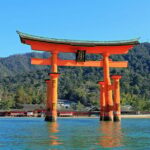

Mitate Shrine, where Saijo’s brewers begin
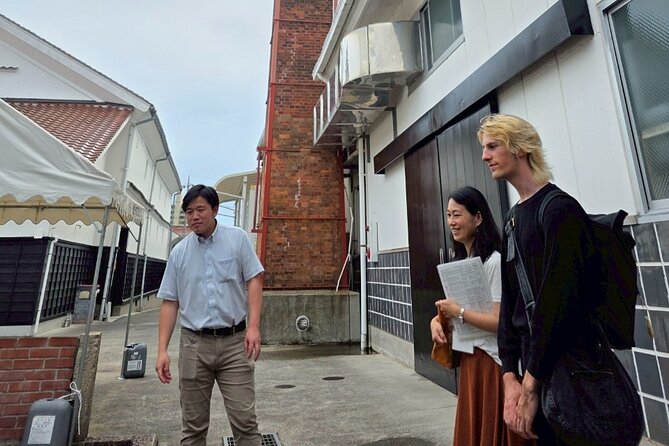
The tour starts at Mitate Shrine from about 2:05 to 2:30 p.m. Admission is free, and the stop lasts roughly 25 minutes. The shrine is close to the meeting point in Saijo, at 12-3 Saijohommachi, Higashihiroshima.
You will learn why sake brewers have cared about this shrine for generations. The connection is practical as well as spiritual. Brewing depends on nature, especially water, and the shrine represents the respect Saijo’s brewers give to the forces behind their work.
I would pay close attention here even if you are more interested in production than religion. The short introduction helps you understand why the breweries are not presented as isolated factories. They belong to a local network, with shared traditions and a common sense of place.
Because this is the first stop, it also helps you get oriented. The tour moves on quickly afterward, so arrive ready to begin at the stated meeting time. The experience ends back at the starting point, but transportation to the meeting point is not included.
Kamotsuru’s museum shop and the sake-making process
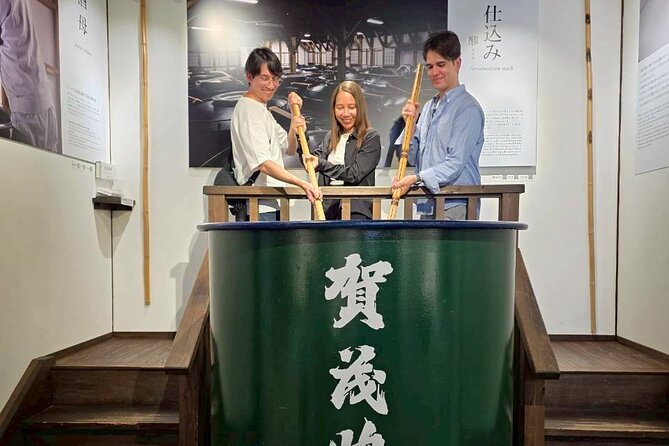
From about 2:30 to 3 p.m., the group visits Kamotsuru Sake Brewing Co. Ltd. The focus here is the sake museum shop, where displays and exhibits explain how sake is made.
This is a useful early stop because it gives you the basic vocabulary and sequence before the more specialized visit at Hakubotan. You can expect to see brewing tools and interpretive material that make the process easier to picture. A guide explains how the work fits together, and the tour’s previous feedback specifically praised the way Japanese history and sake were connected.
The half-hour format keeps the visit moving, but it also means you should not expect a long technical seminar. If you already know a great deal about sake, you may find this section introductory. For most people, that is a fair trade, since the later stops add more direct contact with brewery spaces.
The shop setting may also be useful for comparing bottles and labels. The supplied information does not promise a full purchase session or a particular number of tastings here, so I would treat shopping as an option rather than the central purpose.
Hakubotan and the Tenpo Brewery visit
The group reaches Hakubotan Brewery at about 3:10 p.m., after a short gap in the schedule. The visit lasts 50 minutes, making it the longest stop of the afternoon.
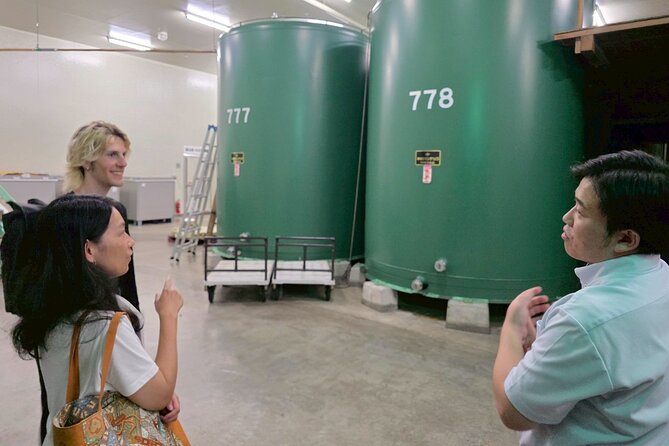
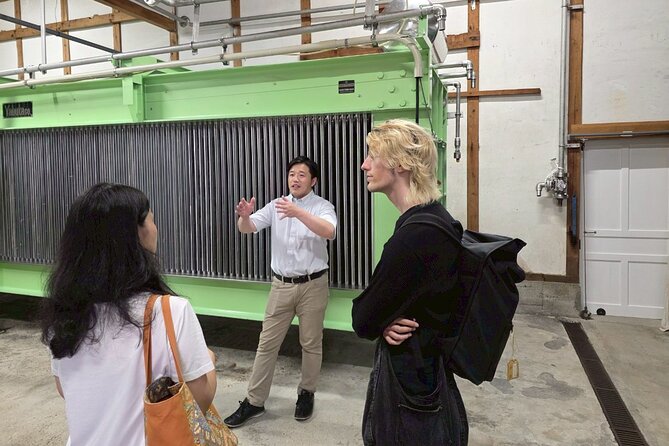
Hakubotan has operated for more than 350 years. That age gives the visit a sense of continuity, but the more important detail for you is access to the Tenpo Brewery. Brewery staff provide a special factory tour there, and the area is not normally open for casual public visits.
This is likely the strongest stop for anyone who wants to understand the physical work behind a bottle of sake. You can see the tools used in production and hear explanations from the brewery side rather than only reading display panels. One highly praised part of the experience was the explanation of the process by the owner, so listen for those practical details.
The factory tour also makes the tasting more meaningful. Instead of judging a drink only by sweetness or aroma, you can connect what is in the glass with the equipment, water, and methods discussed earlier.
There are limits. The exact brewing stages shown can vary, and the tour does not promise access to every room or every step of production. You should also expect an operating brewery environment, not a polished museum designed for long visits. For me, that is part of the appeal, but visitors seeking a broad historical exhibition may prefer the Kamotsuru stop.
Sanyotsuru’s spring water and calligraphy
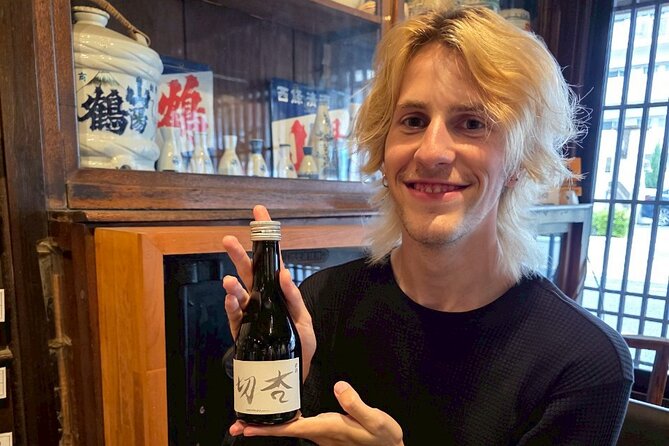
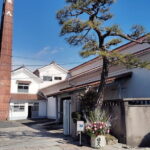
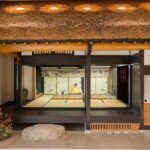
The final stop runs from about 4:15 to 5 p.m. at Sanyotsuru Brewery. Its traditional interior sets the tone for the most personal activity of the afternoon.
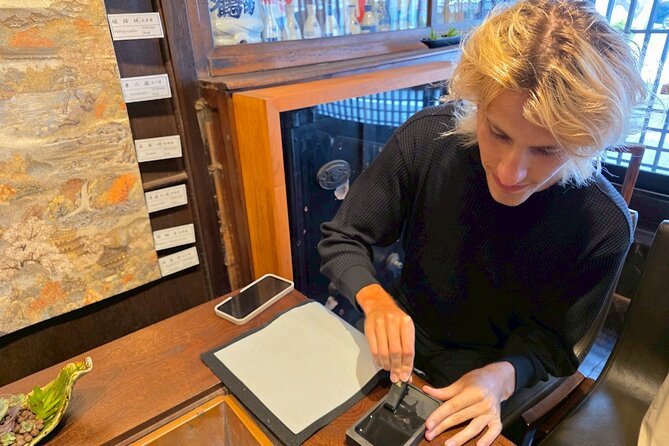
You will use spring water from Mount Ryuo and sumi ink for a calligraphy session. The ink is ground by hand, and you create your own sake label on special paper normally used for authentic sake labels. This is more than a souvenir photo opportunity. It gives you a quiet way to connect the craft of brewing with Japanese writing and design.
You do not need to be an accomplished calligrapher to benefit from the activity. The point is the process and the personal result. Your finished label becomes an original memento of Saijo, and it will mean more than a standard shop purchase because you made it during the tour.
This stop also gives the schedule a welcome change of pace. The earlier portions focus on places, tools, and explanations. Here, you slow down and make something. I like that the activity uses the same spring water associated with brewing, since it ties the hands-on session back to the main theme.
The 45-minute visit includes sake tasting and comparisons, but the supplied details do not specify the number or names of the pours. If you do not drink alcohol, tell the operator when you book so the tasting portion can be handled appropriately.
Other sake brewery and tasting tours in Hiroshima


What the tasting adds to the afternoon
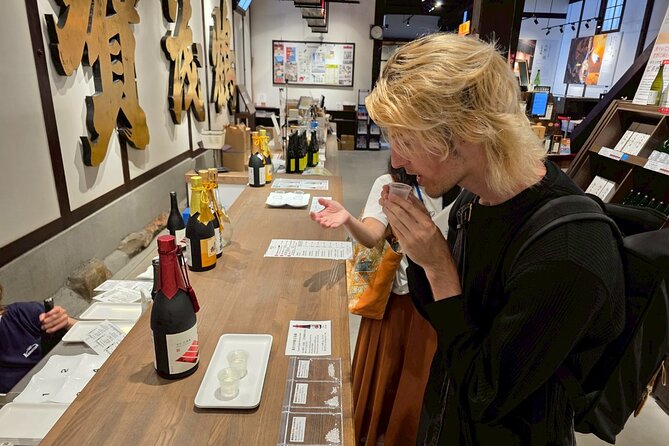
Sake tasting works best when you have more than one example to compare. This tour includes tasting and comparisons, allowing you to notice differences between breweries rather than treating sake as one uniform drink.
The three brewery visits provide a natural structure for that comparison. Kamotsuru introduces the process through displays, Hakubotan places you near production, and Sanyotsuru adds the calligraphy activity and a traditional setting. The changing surroundings help you connect each pour with a particular maker.
The tasting fees are only partly included, so I would read the booking details carefully if you are budgeting tightly. The tour price is $117.27 per person, which is not a small afternoon expense. Its value depends on how much you want the guided access and the hands-on elements, rather than on the amount of alcohol served.
If you are mainly looking for inexpensive samples, this is probably not the best fit. If you want a compact introduction to Saijo that combines culture, production, comparison, and a take-home craft, the price is easier to justify.
Is three hours enough for Saijo’s breweries?
The schedule is efficient:
- Mitate Shrine, about 25 minutes
- Kamotsuru, about 30 minutes
- Hakubotan, about 50 minutes
- Sanyotsuru, about 45 minutes
There are short transitions between stops, and the full experience runs approximately three hours. You will not have much unplanned time, but that can be useful if you have only one afternoon in Saijo.
I would choose this tour for structure. A first-time visitor may not know which breweries welcome casual visitors, how the shrine fits into local brewing, or where to begin with sake. The guide connects those pieces and keeps the afternoon moving.
I would not choose it if you want a slow, open-ended brewery crawl. The schedule is fixed, and each stop has a clear purpose. You will need to stay with the group and be ready to move on when the next appointment begins.
The start time is listed as 2 p.m., while the first scheduled stop begins at 2:05. I would arrive at the meeting point a little early rather than cutting it close. The tour ends at the same meeting point, and public transportation is nearby.
Group size, communication, and comfort
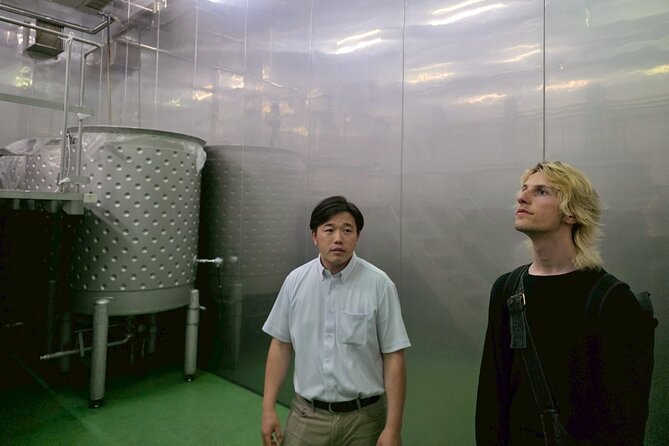
The maximum group size is five people. That is a real advantage in brewery settings, where narrow rooms, equipment, and staff explanations can make a large group awkward.
A small group also gives you a better chance to ask about the process, the shrine, or the tasting differences. A prior participant singled out the guide’s explanation of Japanese history and sake’s connection to it, which suggests that the human storytelling is an important part of the experience.
No guide names are provided, so you should not book this expecting a particular host. You can expect a guided format with brewery staff involved at Hakubotan and an owner explaining production details as part of the visit.
Most people can participate, and the tour is near public transportation. The supplied details do not give specific information about step-free access, seating, or mobility accommodations, so contact the operator if those points matter to you.
Who will get the most from this tour?
I would recommend it most strongly to:
- First-time sake drinkers who want context before tasting
- Visitors interested in Japanese religious and community traditions
- People who enjoy small-group tours and direct explanations
- Travelers who want access to a brewery space not normally open to the public
- Anyone who likes making a personal souvenir instead of buying one
- Visitors with an afternoon available in Saijo
Families should check the alcohol rules carefully. Anyone under 20 or unable to drink alcohol must tell the operator at booking. The tour can still have cultural and craft value for a non-drinker, but the tasting element is part of the experience, and alternatives are not specified.
The tour is also a good match for people who value an authentic setting over a glossy attraction. The traditional interior at Sanyotsuru, the shrine visit, the brewery tools, and the working factory create a more grounded afternoon than a simple tasting counter would.
What the $117.27 price means
At $117.27 per person, this is a premium half-day activity. The cost includes experience fees, some sake tasting fees, souvenirs, and insurance, but transportation to the meeting point is not included.
The value comes from the combination. You are paying for a guide, access to three breweries, a factory visit at Hakubotan, tastings and comparisons, and the Sanyotsuru calligraphy label. If you tried to arrange every stop independently, you might save money, but you could also miss the explanations and special access.
The price is less attractive if you plan to spend most of the afternoon shopping or drinking. It is more attractive if you want the story behind the drink and a small group that can move through the breweries without the feel of a large bus tour.
Free cancellation is available up to 24 hours before the start time. Changes or cancellations made less than 24 hours ahead are not accepted for a refund, so keep the local cut-off time in mind.
Should you book the Hiroshima Saijo sake tour?
I would book this tour if you want a focused introduction to Saijo that goes beyond tasting. The shrine, museum shop, factory access, brewery staff, comparative pours, and handmade label give the afternoon several layers.
I would skip it if you want a long, relaxed crawl with generous drinking time or if the price is high for your budget. The schedule is compact, some tasting fees are only partly covered, and the tour’s value rests on cultural context and access rather than volume.
For most visitors with a free afternoon in Hiroshima Prefecture, this is a thoughtful choice. The small group, the Tenpo Brewery visit, and the calligraphy label make it especially appealing to anyone who wants to understand how sake connects with place, work, and local customs.
FAQ
Where does the Hiroshima Saijo sake tour start?
The meeting point is 12-3 Saijohommachi, Higashihiroshima, Hiroshima 739-0011, Japan.
What time does the tour begin?
The listed start time is 2 p.m. The first scheduled stop at Mitate Shrine begins at about 2:05 p.m.
How long does the experience last?
The tour lasts approximately three hours and ends back at the meeting point.
How many breweries do you visit?
You visit three breweries: Kamotsuru Sake Brewing Co. Ltd, Hakubotan Brewery, and Sanyotsuru Brewery Inc.
Is Mitate Shrine included?
Yes. The tour includes a visit to Mitate Shrine, where the deity of sake is enshrined. Admission is free.
What happens at Hakubotan Brewery?
Brewery staff provide a special factory tour of the Tenpo Brewery. This area is usually not open for ordinary public visits.
What is the calligraphy activity at Sanyotsuru?
You grind sumi ink and create your own sake label on special paper used for authentic sake labels. The activity uses spring water from Mount Ryuo.
Is sake tasting included?
Sake tasting and comparisons are included, but the tasting fees are only partly covered by the tour price.
Can someone under 20 join?
The tour information says that anyone under 20, or anyone unable to consume alcohol, should inform the operator when booking.
What is included in the price?
Experience fees, partial sake tasting fees, souvenirs, and insurance are included. Transportation to the meeting point is not included.
More Sake Brewery Tours in Hiroshima
More Sake Brewery Tours in Hiroshima
More Hiroshima City Tours in Hiroshima
More tours in Hiroshima we've reviewed

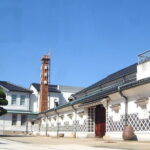

Sake Brewery Tours, compared.
 ★ 5.0Hiroshima Saijo Sake Tasting Tour with visit to 7 BreweriesFrom $50
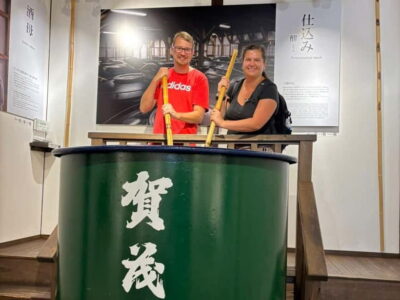 ★ 4.8Hiroshima: Saijo Sake Tasting at 7 Breweries Guided TourFrom $902 hours
Hiroshima Saijo Sake Tasting Tour with visit to 3 BreweriesFrom $35
★ 4.8Hiroshima: Saijo Sake Tasting at 7 Breweries Guided TourFrom $902 hours
Hiroshima Saijo Sake Tasting Tour with visit to 3 BreweriesFrom $35
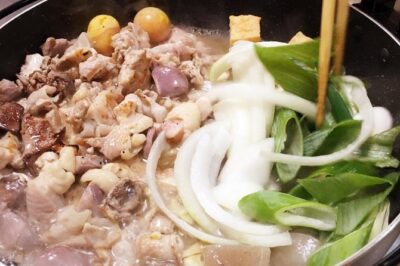 ★ 5.0Sake Town Tour in Saijo HiroshimaFrom $209
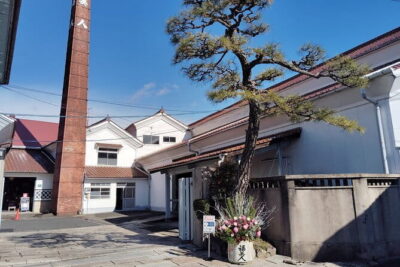 ★ 5.0Hiroshima Saijo Sake Tasting Guided Tour – 7 Breweries in 2 HoursFrom $73
 ★ 5.0Hiroshima Saijo Sake Tasting Calligraphy and Dinner Private TourFrom $286
