
Reviewed · MIYAJIMA TOURS
Miyajima Highlights: Itsukushima Shrine & Island Nature
Miyajima is more than a giant torii gate photographed from a ferry. This private tour gives you the island’s spiritual setting, local traditions, and quieter corners with a Hiroshima-born guide such as Masa, Aya, or Yuka. You travel by train and ferry, then walk between Itsukushima Shrine, Daisho-in, Senjokaku Pavilion, and the old shopping street.
I like the personal connection guides bring to the island, especially when they explain how Hiroshima’s past still shapes local life. I also like the flexible pace, which lets you lean toward history, photography, nature, or quiet conversation. The main drawback is simple: five hours goes quickly, and transportation fees, the Miyajima visitor tax, food, and optional activities cost extra.
In This Review
- Key points to know before you book
- Why a private guide changes Miyajima
- The one-hour journey from Hiroshima to Miyajima
- Arriving on Miyajima and finding the island’s rhythm
- The floating torii gate and the tide question
- Itsukushima Shrine, Miyajima’s spiritual center
- Daisho-in, the tour’s richest cultural stop
- Senjokaku Pavilion and the view back toward the shrine
- Omotesando Shopping Street, with time for local flavor
- What the $138 price really buys you
- Weather, pace, and practical planning
- Who should book this Miyajima tour?
- FAQ
- How long does the Miyajima tour last?
- How do I get from Hiroshima to Miyajima during the tour?
- Is transportation included in the $138 price?
- Can the tour pick me up at my hotel?
- Will I see the floating torii gate surrounded by water?
- Is Mt. Misen included?
- Is the tour wheelchair accessible?
- Should you book it?
Key points to know before you book
- A private tour with a local Hiroshima guide: Guides including Masa, Masayo, Aya, and Yuka bring family stories and local context to the sights.
- Train and ferry travel are part of the outing: Allow about one hour each way between central Hiroshima and Miyajima.
- Itsukushima Shrine and Daisho-in lead the visit: You see the island’s best-known sacred sites with explanations of their symbols and traditions.
- The floating torii depends on the tide: The gate may be surrounded by water or accessible from the shore, depending on timing.
- The route includes both famous sights and quieter corners: Your guide can adjust the pace and emphasis within the five-hour visit.
- The $138 price covers the guide, not every cost: Public transportation, the island tax, meals, and optional workshops or direct boats are separate.
Why a private guide changes Miyajima
Miyajima can be easy to visit on your own. The ferry is straightforward, the main street is well marked, and Itsukushima Shrine is hard to miss. What is less easy is understanding what you are looking at and why the island has been treated as sacred for centuries.
That is where this tour earns its keep. Your guide does not simply point out the floating torii gate and name the buildings. You learn about the island’s spiritual traditions, the relationship between shrine and temple, and the meaning behind the places you pass.
The strongest part is the human connection. Guides such as Masa, also known as Masayo Kobayashi, have shared stories about growing up in Hiroshima and living with the memory of the bombing. Aya, Yuka, and other local guides bring their own ties to the area. Those details can make the visit feel less like a checklist of monuments and more like a conversation with someone who cares about preserving the city and island.
You also get a private group rather than a fixed crowd. That matters if your family includes children, older relatives, photographers, or people who prefer a slower pace. One guide handled a large family group with ease, while another prepared parasols and neck coolers during an unusually hot day. That kind of practical care is useful when the weather turns tough.
A few more Hiroshima tours and experiences worth a look
The one-hour journey from Hiroshima to Miyajima
The outing begins with a walking pickup from a central Hiroshima hotel or another agreed location. Listed pickup points include Hotel Granvia Hiroshima, Sheraton Grand Hiroshima Hotel, Hilton Hiroshima, RIHGA Royal Hotel Hiroshima, Hotel Intergate Hiroshima, the Hiroshima Peace Memorial Museum, Hiroshima Station, and other central hotels.
From there, you travel by train for about 45 minutes, followed by a ferry ride of roughly 15 minutes. The transportation is not included in the $138 price, so budget for those fares and the Miyajima visitor tax. A taxi can be used if you prefer, but that also adds to the cost.
The journey is worth treating as part of the day rather than dead time. Your guide can explain the plan, answer questions, and help you keep the schedule moving. Still, be realistic about the clock. The trip takes about an hour each way, leaving roughly three hours on Miyajima for the main sightseeing and shopping stops.
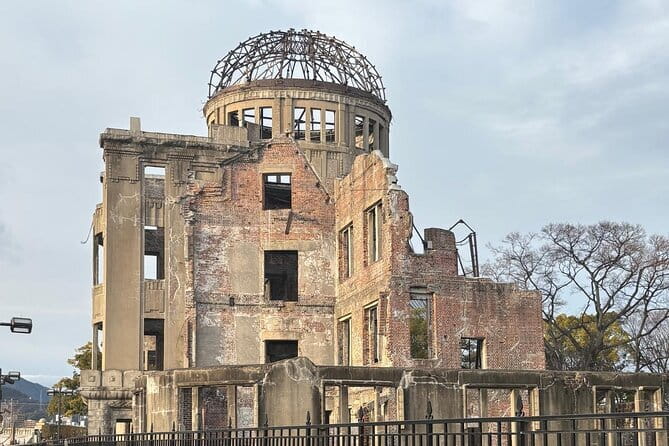
This is not the right tour for combining a full Miyajima visit with the Peace Memorial Museum. The tour information clearly warns that trying to do both can leave you rushing through each. Plan Miyajima as the main event. If Hiroshima’s peace sites are also on your list, give them their own block of time.
Arriving on Miyajima and finding the island’s rhythm
After the ferry, you begin with a guided walk around Miyajima. This first stretch helps you get your bearings before the major shrine stops. It also gives your guide room to point out details that can be easy to miss when you are focused on the torii gate ahead.
The tour is not limited to the standard route. Your guide can take you toward quieter areas, natural scenery, and parts of the island connected with everyday local life. The exact balance depends on your interests and the day’s pace.
I would tell you to use this opening walk to say what you want. If you care most about religious symbolism, say so early. If you want photos, nature, or less time in shops, your guide can shape the visit around that preference. A private tour is most valuable when you use its flexibility instead of following it passively.
The floating torii gate and the tide question
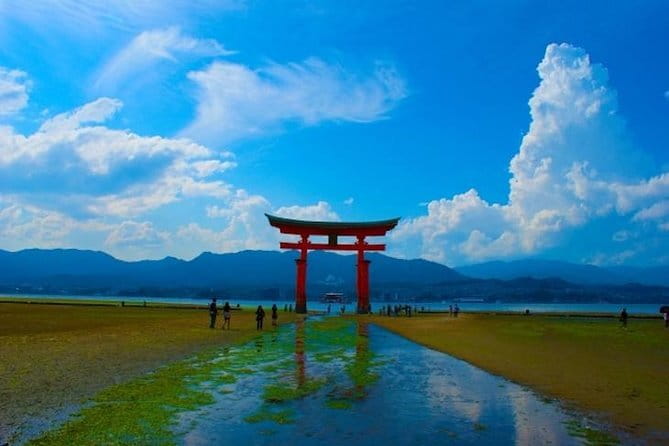
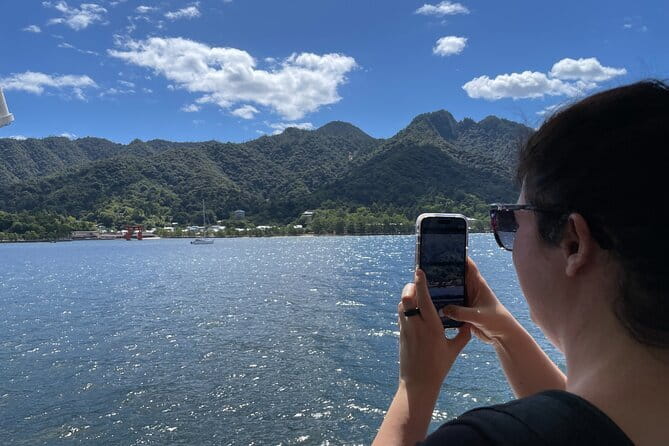
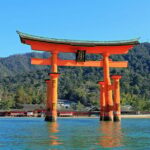
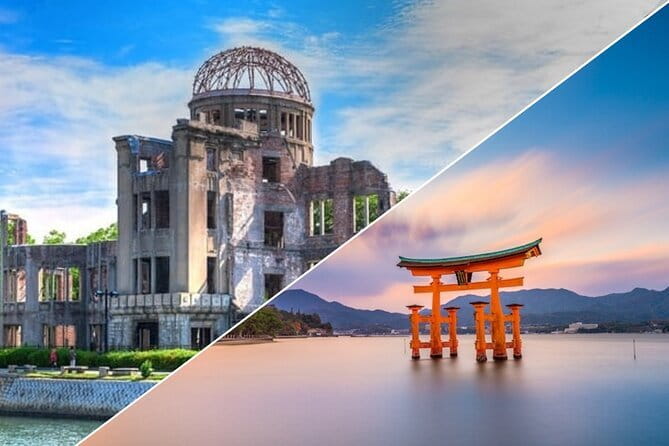
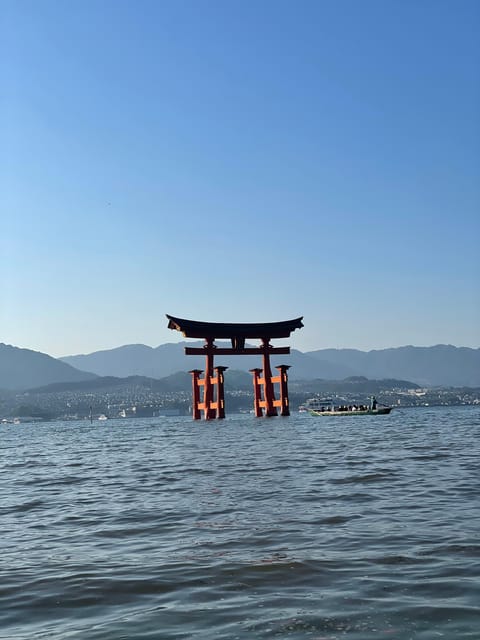
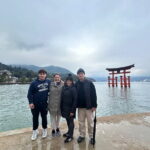
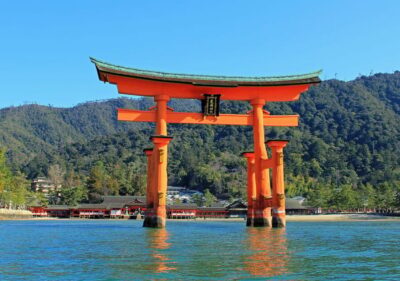
The Itsukushima Floating Torii Gate is the image most associated with Miyajima. It appears to float offshore when the tide is high, creating the view that draws so many people to the island.
The tide can change the scene completely. At low tide, the water may retreat and the gate may no longer appear to float. The tour makes a serious effort to see it, but no guide can control the tide. If this view is your top priority, check the tide timing before booking and share that concern in advance.
The planned photo stop lasts about 10 minutes. That is enough for a look and some pictures, but not a long photography session. Your guide can explain the gate’s role and symbolism, while also helping you understand why the shrine complex was built beside the water.
Do not judge the stop only by whether the gate is surrounded by water. Its setting, scale, and link to the shrine remain important at any tide. The realistic approach is to enjoy the view you get, rather than treating one exact water level as the measure of the day.
Itsukushima Shrine, Miyajima’s spiritual center
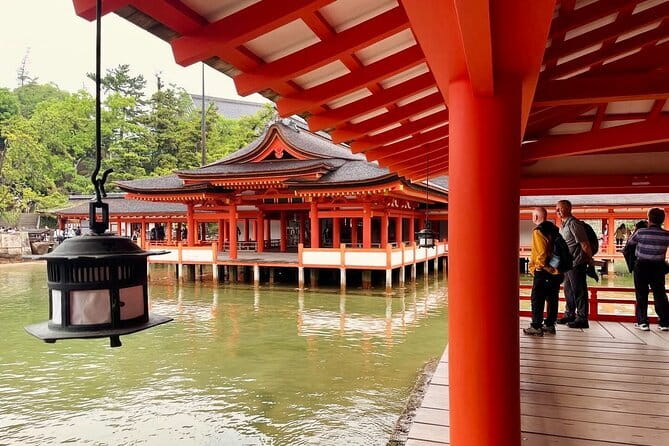
Itsukushima Shrine receives about 30 minutes of sightseeing time. The UNESCO World Heritage Site is the historical and spiritual anchor of the visit, and your guide gives the buildings more meaning than a quick walk through would provide.
The key lesson is that Miyajima has long been regarded as sacred. The shrine’s placement beside the water is not a random scenic choice. Your guide explains the island’s religious traditions, the symbolism of the torii gate, and how the shrine fits into the wider character of Miyajima.
Thirty minutes is enough for an introduction, but it may feel short if you want to linger over every structure or take many photographs. That is one of the trade-offs of fitting several major stops into five hours. Tell your guide if the shrine is your priority, and expect less time elsewhere if you slow down here.
The setting also rewards attention to small details. Rather than racing toward the best-known view, listen for the stories behind the buildings and ceremonies. That cultural context is the main reason to pay for a guide instead of simply visiting on your own.

Daisho-in, the tour’s richest cultural stop
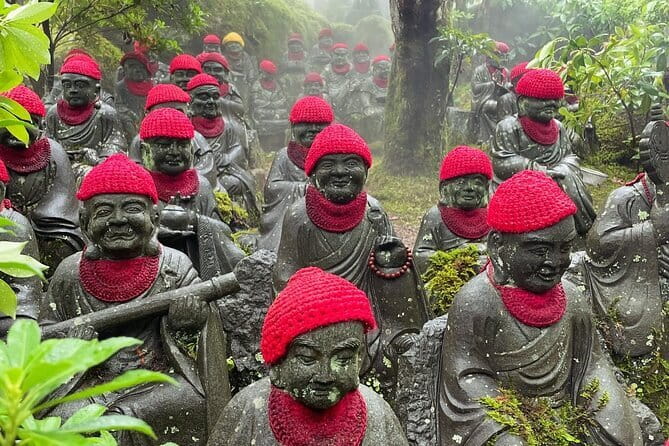
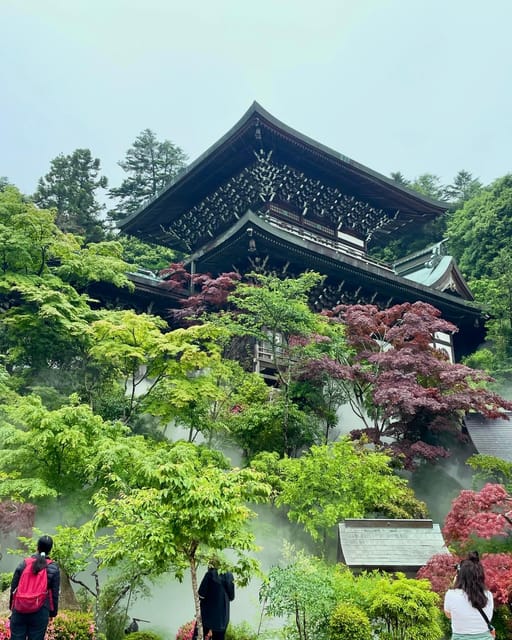
The visit to Daisho-in lasts about an hour, making it the longest stop on the route. That extra time gives the temple room to breathe, and it is likely to be the most rewarding part for anyone interested in Buddhist tradition, architecture, and symbolism.
Your guide explains the temple’s history and the meaning of what you see. The tour includes time for photographs, but this is not just a camera stop. Daisho-in offers a different religious setting from Itsukushima Shrine, and seeing both helps you understand Miyajima as a place shaped by more than one tradition.
This is also where the guide’s storytelling matters most. A good explanation can turn unfamiliar objects and religious features into part of a connected picture. Past visitors have valued guides who answered questions clearly and explained how the shrines and temples were built.
The route involves walking, steps, and outdoor sightseeing, although the activity is listed as wheelchair accessible. If someone in your party has specific mobility needs, communicate those details before the tour so the guide can plan the most practical route.
Senjokaku Pavilion and the view back toward the shrine
Senjokaku Pavilion is a brief 10-minute photo stop. Its name is often associated with a large wooden hall, and the visit gives you another perspective on Miyajima’s religious architecture and surroundings.
Do not expect a long guided session here. The stop is designed to fit between the longer visits to Daisho-in and the shrine. It works well as a short pause for photographs and a final piece of cultural context before you head toward the shopping street.
If you are especially interested in architecture or views, tell your guide. A private group can usually spend a little more time at one location, but the total tour still has to account for the return ferry and train.
Omotesando Shopping Street, with time for local flavor
The tour allows about 40 minutes on Miyajima Omotesando Shopping Street. This is the least quiet part of the route, but it gives you a chance to see the island’s commercial side and pick up food or souvenirs if you wish.
The street is useful for a break after the shrine and temple visits. You might look for local snacks, browse small shops, or ask your guide what is worth buying. Food and drinks are not included, so this is the natural place to make your own purchases.
Forty minutes is enough to browse without letting shopping swallow the entire visit. If you prefer nature and sacred sites, keep the stop focused. If your group needs a snack or wants gifts, this part adds practical value.
The contrast is important. Miyajima is not only a preserved religious setting. It is also a living community with shops, residents, and daily routines. The guide helps connect those two sides.
What the $138 price really buys you
At $138 per person, this is not the cheapest way to see Miyajima. You still pay for transportation, the Miyajima visitor tax, food, and optional extras. Workshops such as making momiji manju by hand, or a direct boat between the Peace Memorial area and Miyajima, are not part of the standard price.
The value comes from the private guide and the time saved figuring out the island yourself. You receive walking pickup, an English or Japanese guide, advance communication, and photographs delivered as data. You also get a plan that covers the shrine, temple, pavilion, shopping street, and ferry connections in one organized outing.
I think the price makes the most sense for couples, families, and small groups who want cultural explanation rather than simple transport. It is also useful if you have limited time in Hiroshima and want someone to manage the train, ferry, route, and timing.
It makes less sense if you are happy exploring independently, already know Miyajima well, or want a full-day hike. Mt. Misen is not included in the standard route, and you must request hiking or other optional activities ahead of time.
Weather, pace, and practical planning
Miyajima can involve a fair amount of outdoor walking. Hot weather may make the route tiring, though guides have shown thoughtful preparation with parasols and neck coolers. Bring comfortable shoes, water, and clothing suited to the forecast.
The pace is described as relaxed and flexible, but the schedule is still tight enough that delays matter. A five-hour tour includes two train rides, two ferry rides, and several major stops. If you want long photo sessions, extended shopping, or a slow temple visit, discuss that before setting out.
The activity is available as a private group, with English and Japanese guiding. It is also listed as wheelchair accessible. Pickup is on foot from central Hiroshima, and if your hotel or Airbnb is not on the listed locations, you can request pickup by email if you are staying in central Hiroshima City.
Free cancellation is available up to 24 hours before the tour, and you can reserve now and pay later. Those policies help if your Hiroshima schedule is still changing, but the more important planning point is the tide and your decision to focus on Miyajima rather than split the day with the Peace Memorial area.
Who should book this Miyajima tour?
I would choose this tour if you want to understand the meaning behind Itsukushima Shrine and Daisho-in, not just photograph them. The guides’ personal ties to Hiroshima are especially valuable for visitors who want cultural memory and local life included in the day.
Families should find the private format helpful. Your guide can adjust the pace, offer practical advice for the rest of your Japan trip, and keep the group together through the train, ferry, and island walks.
It also suits a first visit to Miyajima when you have only half a day. You see the essential sights without trying to cover the entire island. If you want Mt. Misen, a baking workshop, or a boat from the Peace Memorial area, request it in advance and confirm what must be removed from the regular route.
FAQ
How long does the Miyajima tour last?
The tour lasts five hours, including travel from central Hiroshima to Miyajima and the return journey.
How do I get from Hiroshima to Miyajima during the tour?
You travel by train for about 45 minutes and then by ferry for about 15 minutes. The same transportation is used for the return journey.
Is transportation included in the $138 price?
No. Transportation fees are separate, as is the visitor’s tax to Miyajima.
Can the tour pick me up at my hotel?
Walking pickup is available from listed central Hiroshima hotels and locations. If your hotel or Airbnb is not listed, you can request pickup by email if you are staying in central Hiroshima City.
Will I see the floating torii gate surrounded by water?
The guide will make every effort to show you the gate, but the tide may be low. The gate’s appearance depends on the tide at the time of your visit.
Is Mt. Misen included?
No. Hiking Mt. Misen is not part of the standard itinerary. You need to tell the tour provider in advance if you want to add it.
Is the tour wheelchair accessible?
The activity is listed as wheelchair accessible. It is still sensible to share your specific mobility needs ahead of time because the route includes train, ferry, and walking sections.
Should you book it?
Book this tour if you want Miyajima explained by someone connected to Hiroshima, with time for both major landmarks and less obvious corners. The strongest reasons are the private format, the local stories, and the guides’ thoughtful care in difficult heat or with larger family groups.
Skip it if you prefer complete independence, want to hike Mt. Misen, or need a full day split between Miyajima and the Peace Memorial sites. For the right visitor, the $138 fee buys more than directions. It gives you a calmer, more informed way to see one of Japan’s most famous islands.
More Miyajima Tours in Hiroshima
More tours in Hiroshima we've reviewed


Miyajima Tours, compared.
 ★ 5.0Peaceful Hiroshima & Miyajima UNESCO 1 Day Bus TourFrom $129
 ★ 4.9Hiroshima: Hiroshima and Miyajima UNESCO Sites 1-Day TourFrom $1228 hours
 ★ 5.0Hiroshima / Miyajima Full-day Private Tour with Government Licensed GuideFrom $202
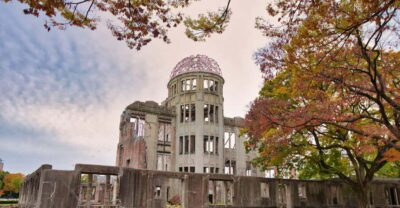 ★ 4.7Osaka/Kyoto: Hiroshima Miyajima Bus Tour & Shinkansen TicketFrom $27712 hours
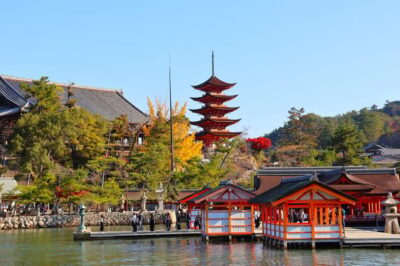 ★ 4.7From Hiroshima: Hiroshima & Miyajima 1 Day Tour with LunchFrom $1168 hours
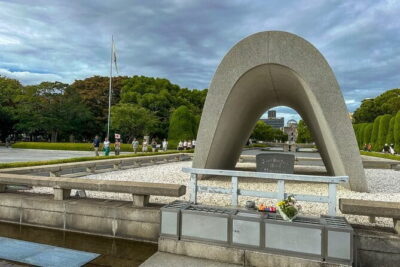 ★ 5.0Hiroshima and Miyajima Day Trip with Itsukushima Shrine & FerryFrom $45
