
Reviewed · SAKE BREWERY TOURS
Hiroshima Saijo Sake Tasting Tour with visit to 3 Breweries
Saijo’s best sake experience is compact and focused: in 90 minutes, you walk from the station to three of seven breweries, hear the story behind each maker, and taste five different sake styles. The route is built for curious beginners, not brewing specialists.
I like the clear English explanation and the chance to try premium daiginjo, junmai sake, Hiroshima genshu, and plum wine in one short visit. I also like the weekday access, since some breweries do not offer tastings on their own during the week. The main drawback is simple: you do not watch sake being brewed. This is a tasting tour, not a production tour.
In This Review
- Key points to know before booking
- Why Saijo is a smart place for a sake tasting
- Starting at Saijo Station at 10:30
- Kamotsuru and the 10-minute sake film
- Fukubijin, the Saijo brewing school
- Hakubotan and Hiroshima genshu
- What the tasting teaches you about sake
- Price, pace, and who gets the best value
- Practical planning for the morning
- Is this Saijo sake tour right for you?
- FAQ
- Where does the Hiroshima sake tour begin?
- What time does the tour start?
- How long does the experience last?
- How many breweries does the tour visit?
- How many sake samples are included?
- Can I see sake being brewed?
- Can people under 20 join?
- Can I cancel for a full refund?
Key points to know before booking
- Three breweries in 90 minutes: The walking route covers Kamotsuru, Fukubijin, and Hakubotan, with the order subject to change.
- Five sake samples included: Expect a mix of daiginjo, junmai sake, Hiroshima genshu, and umeshu, depending on the day’s arrangements.
- Kamotsuru adds useful context: A 10-minute film explains sake making before you taste Daiginjo Gold Kamotsuru.
- Fukubijin offers a seasonal touch: Its junmai sake may be served warm during winter.
- Small group format: The maximum is 10 people, making questions easier than on a large coach tour.
- Strict age and timing rules: Everyone must be at least 20, and arriving more than 15 minutes late counts as a cancellation.
Why Saijo is a smart place for a sake tasting
Saijo is one of Japan’s three major sake-producing regions. Its brewery district sits within easy walking distance of Saijo Station, which makes it unusually practical for a short introduction to local sake.
You do not need to build a full day around the experience. Meet at 10:30 a.m. in front of the Higashihiroshima City Tourist Information Centre, directly outside the ticket gate at Saijo Station. From there, the group walks between three breweries and returns to the meeting point at the end.
I like this setup because it removes the usual guesswork. You do not need to compare brewery opening hours, work out which tasting rooms welcome walk-ins, or worry about choosing only one producer. For $35.93 per person, the tour gives you an organized route, an English-speaking guide, and five alcoholic samples.
The value is strongest if you are new to sake. A good tasting should help you notice differences in aroma, sweetness, weight, and finish without making you decode a complicated menu. The guide’s role matters here. The experience has been praised for giving a concise but detailed explanation of how sake is made and why more premium styles cost more.
This is not a formal lecture, though. The tone is meant to be friendly and social, with a guide who can explain the basics while keeping the pace moving. The small maximum of 10 people is another plus. You should have a reasonable chance to hear the explanation and ask a question without competing with a full busload of people.
A few more Hiroshima tours and experiences worth a look
Starting at Saijo Station at 10:30
The meeting point is the Higashihiroshima City Tourist Information Centre, at 12-3 Saijōhonmachi, directly outside the Saijo Station ticket gate. This is one of the easiest parts of the experience, but do not treat the start time casually.
Arriving more than 15 minutes late is treated as a cancellation, with no refund. I would plan to reach the station early enough to find the information centre, use the restroom, and get settled before 10:30.
The tour ends back at the same meeting point. That makes it easy to continue exploring Saijo afterward or catch your train without arranging a separate pickup. The route is near public transportation, and most people can take part.
The tour lasts about an hour and a half. That is enough time for three brewery visits and five tastes, but it also means the schedule is fairly tight. You should expect short stops rather than a slow afternoon spent at each brewery. The order may change based on the number of groups visiting that day, so keep a flexible attitude.
Kamotsuru and the 10-minute sake film
Kamotsuru is the first planned stop, though the order can change. The brewery is known as a pioneer in ginjo sake brewing, so it is a useful place to begin a discussion of refined, aromatic sake.
At the Kamotsuru Visitor Room, you watch a roughly 10-minute film introducing the sake-making process. This is the closest the tour comes to a brewing lesson. It gives you a visual outline of the work behind the bottle before you move on to the tasting.
That film is helpful because sake production can seem mysterious if you have never learned the basic steps. Rice, water, yeast, and careful fermentation all affect the final drink, while polishing the rice more heavily helps create premium styles such as daiginjo. The guide adds the explanation in English, so you are not left to guess what the film is showing.
The tasting here is Daiginjo Gold Kamotsuru. Daiginjo is a premium category, and this sample gives you a chance to compare a more polished style with the junmai and fuller-bodied sake later in the route.
You should not expect to walk through an active brewing floor at Kamotsuru. The film and visitor room provide background, then the focus shifts to drinking. If your main goal is to see tanks, workers, or a live production line, this tour will feel limited. If your goal is to understand what you are tasting, the short film earns its place.
Fukubijin, the Saijo brewing school
The next stop is Fukubijin Sake Brewery. Fukubijin is associated with Saijo’s tradition of training skilled master brewers, and the brewery has been called the Saijo Brewing School.
This stop adds a different angle from Kamotsuru. Instead of focusing mainly on a premium ginjo example and a film, the tasting centers on Fukubijin Junmai-shu. Junmai sake is made without added distilled alcohol, and it is often a useful comparison for people who have only tried light, polished sake.
The guide can help you notice how this style differs from the daiginjo tasted earlier. You might find it fuller, more savory, or more direct, though the exact impression depends on your palate and the pour served that day.
During winter, Fukubijin may offer warm sake. That seasonal detail changes the experience in a pleasant way. Warm sake can feel softer and more rounded, and it gives you another reason to pay attention to serving temperature rather than thinking of sake as one fixed style.
The stop is listed at about 15 minutes, so you will not have unlimited time to linger. I suggest asking your questions as you go rather than waiting until the end. The guide’s explanation is one of the strongest parts of the tour, and a short tasting becomes much more useful when you connect the drink to the brewery that made it.
Hakubotan and Hiroshima genshu
Hakubotan is one of Hiroshima Prefecture’s oldest sake breweries, founded in 1675. That date gives the final stop a strong sense of place, especially after you have already tasted products from two other Saijo makers.
Here, you have the chance to taste Hiroshima genshu and plum wine made with daiginjo sake. Genshu is undiluted sake, so it can offer a more concentrated impression than standard sake. It may taste stronger or fuller, which makes it a good contrast with the lighter, more polished daiginjo sample at Kamotsuru.
The plum wine is a welcome change of pace. It shows that the tasting is not limited to one narrow style of sake and gives you a sweeter option before the tour ends. If straight sake is not your favorite, this may be the sample you enjoy most.
The Hakubotan stop also helps you compare producers rather than simply sampling a list of drinks. Kamotsuru gives you a premium daiginjo reference, Fukubijin brings in junmai, and Hakubotan adds genshu and daiginjo-based umeshu. By the end, you have tasted five different examples across several categories.
The exact sequence can change, and part of the course may be adjusted on the day. That is normal for a working brewery district, but it means you should not book the tour expecting every stop to happen in a fixed order.
Other sake brewery and tasting tours in Hiroshima
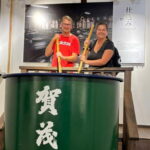
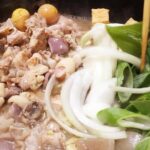
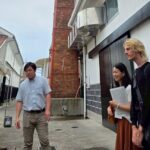
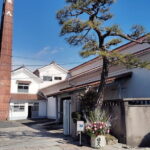
What the tasting teaches you about sake
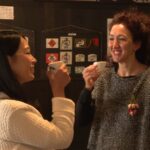
The tour’s greatest strength is comparison. One sake sample on its own can be hard to judge. Five samples from different styles and producers give you a much clearer starting point.
You can begin by noticing whether a sake feels light or full. Then consider its sweetness, acidity, aroma, and finish. You do not need expert vocabulary. Simply deciding which sample you prefer, and why, is enough to make the tasting worthwhile.
Daiginjo shows the premium side of the category. Junmai gives you a different expression of rice and fermentation. Genshu lets you try a more concentrated style, while plum wine offers a sweeter drink built with daiginjo sake.
The English guide is important because these distinctions are not always obvious from the labels. A well-paced explanation can turn a series of small pours into a lesson you remember when ordering sake later in Japan.
The experience has earned a 4.9 rating from 12 ratings, with the strongest praise focused on the guide’s enthusiasm, clear teaching, and ability to give both a concise and detailed introduction. That balance is worth noting. The tour does not try to cover every technical point, but it gives you enough structure to understand what is in your glass.
Price, pace, and who gets the best value
At $35.93, this is a reasonable price for an English-guided tasting that includes five alcoholic samples at three breweries. You are paying for more than the drinks. The fee also covers route planning, interpretation, brewery access, and a short introduction to sake production.
The price makes the most sense for visitors who have limited time in Hiroshima or Saijo. You can finish the activity before lunch and still have the rest of the day for other plans. It is also useful if you are visiting on a weekday, when some breweries may not offer independent tastings.
The value is less clear if you already know a great deal about sake or want a long, technical visit inside one brewery. The tour moves quickly and does not include a production-floor visit. You may prefer a slower specialist experience if your priority is brewing equipment, fermentation rooms, or a detailed discussion of rice varieties and water sources.
You also pay the full fee even if you decide not to drink alcohol. That is important for anyone considering the tour with a non-drinking companion. Every participant must be at least 20 under Japanese law, and infants are not allowed to join.
Because the tour includes alcohol, you should think about your plans afterward. The experience provider does not accept responsibility for injuries or theft during the tour, so sensible drinking and attention to personal belongings are part of the bargain.
Practical planning for the morning
The activity is mobile-ticket friendly, and booking confirmation is normally issued at once. If you book within nine days of the date, confirmation may take up to 48 hours and remains subject to availability.
The tour is booked, on average, 38 days ahead. That does not guarantee that every date sells out, but it suggests you should reserve early if your Hiroshima schedule is fixed.
Wear shoes suitable for a short walking route between breweries. The tour is near public transportation and most people can participate, but the provided information does not promise a specific accessibility setup. If you need a particular arrangement, ask before booking.
Spanish-speaking guides may be arranged if requested in advance. The standard format is in English, and the group maximum is 10 people.
Bad weather or another sudden problem can lead to cancellation. If that happens, the operator says it will contact you at your registered email by 5 p.m. the day before. For your own cancellation, you can receive a full refund if you cancel at least 24 hours before the 10:30 a.m. start. Changes or cancellations inside that window are not accepted for a refund.
Is this Saijo sake tour right for you?
I would book this experience if you want an efficient first look at Saijo’s brewery district, especially if you are new to sake or are visiting on a weekday. The three-producer format gives you useful contrasts, and the five samples provide enough range to help you find a style you actually like.
I would also choose it if you value clear English guidance more than a long behind-the-scenes brewery visit. The guide, short Kamotsuru film, and side-by-side tasting do a good job of making sake less intimidating.
I would skip it if you are under 20, do not want any alcohol, or mainly want to watch sake being brewed. The fee stays the same for non-drinkers, and there is no production-process viewing.
For most curious drinkers, this is a well-priced, tightly planned introduction to one of Hiroshima’s key sake regions. Just arrive early, keep an open mind about the brewery order, and remember that the real lesson is in comparing the five pours.
FAQ
Where does the Hiroshima sake tour begin?
The tour begins at the Higashihiroshima City Tourist Information Centre, directly outside the ticket gate at Saijo Station in Higashihiroshima, Hiroshima.
What time does the tour start?
The start time is 10:30 a.m. Arriving more than 15 minutes late is treated as a cancellation, and the payment is not refunded.
How long does the experience last?
The tour lasts approximately one hour and 30 minutes and ends back at the meeting point.
How many breweries does the tour visit?
The route visits three breweries from Saijo’s group of seven walkable breweries: Kamotsuru, Fukubijin, and Hakubotan. The order may change on the day.
How many sake samples are included?
Five different types of sake tasting are included. The samples may include daiginjo, junmai sake, Hiroshima genshu, and plum wine made with daiginjo sake.
Can I see sake being brewed?
No. This is a tasting tour, not a brewing-process tour. At Kamotsuru, you watch a film of about 10 minutes introducing sake making.
Can people under 20 join?
No. Japanese law sets the legal drinking age at 20, and all participants must be at least 20. Infants are not allowed to join.
Can I cancel for a full refund?
Yes. You can cancel for a full refund up to 24 hours before the local start time. Cancellations or changes made less than 24 hours before the experience are not refunded or accepted.
More Sake Brewery Tours in Hiroshima
More Sake Brewery Tours in Hiroshima
More Hiroshima City Tours in Hiroshima
More tours in Hiroshima we've reviewed

Sake Brewery Tours, compared.
 ★ 5.0Hiroshima Saijo Sake Tasting Tour with visit to 7 BreweriesFrom $50
 ★ 4.8Hiroshima: Saijo Sake Tasting at 7 Breweries Guided TourFrom $902 hours
 ★ 5.0Visit behind the Scenes: Hiroshima Saijo Sake Brewery TourFrom $117
 ★ 5.0Sake Town Tour in Saijo HiroshimaFrom $209
 ★ 5.0Hiroshima Saijo Sake Tasting Guided Tour – 7 Breweries in 2 HoursFrom $73
 ★ 5.0Hiroshima Saijo Sake Tasting Calligraphy and Dinner Private TourFrom $286
