
Reviewed · TEA CEREMONY & KIMONO EXPERIENCES
Hiroshima: Kimono, Koto, and Simple Tea Ceremony Experience
Hiroshima’s most personal cultural experience may be found not in a museum, but in a Japanese home where Kazuko Mensing dresses you in kimono, places a koto in your hands, and explains the meaning behind a simple tea ceremony. I like the private setting and the chance to try several traditions in one visit. I also like that Kazuko has lived in Hiroshima all her life, studied koto for 40 years, and speaks fluent English.
The main consideration is time. Ninety minutes goes quickly when you are dressing, taking photos, playing music, drinking matcha, and trying traditional games. You will need to climb stairs, and the experience is not suitable for wheelchair users.
In This Review
- Key points at a glance
- From Toukaichi Station to a Japanese home
- Choosing and wearing your kimono
- Hearing the koto and trying it yourself
- A simple tea ceremony with matcha
- Go, shogi, origami, and Japanese writing
- Meeting a Hiroshima host with a personal story
- What $76 buys you in 90 minutes
- Who will enjoy this Hiroshima activity
- Practical tips for making the most of it
- Should you book this experience?
- FAQ
- How long does the kimono, koto, and tea ceremony experience last?
- How much does the experience cost?
- Where do I meet the host?
- How far is the activity from the Atomic Bomb Dome?
- Is the activity available in English?
- Is the experience suitable for wheelchair users?
- Can I cancel the booking for a refund?
Key points at a glance
- Meet Kazuko Mensing near Toukaichi Station: Find her outside the FamilyMart by Toukaichi Station. She wears a short black kimono jacket.
- Wear a traditional kimono: Kimono are available for men and women, making this a good choice for couples and families.
- Play the koto with an expert teacher: Kazuko has studied this traditional Japanese instrument for 40 years.
- Learn through hands-on activities: Depending on your pace, you can try matcha, go or shogi, origami cranes, Japanese writing, and the koto.
- Take distinctive photos: Hold a Japanese katana or umbrella while dressed in kimono.
- Visit a Hiroshima home with a personal story: Kazuko is a second-generation atomic bomb survivor and has spent her life in the city.
From Toukaichi Station to a Japanese home
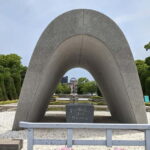
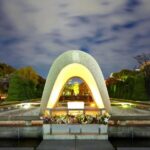
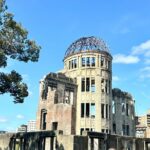
The meeting point is easy to use. Go to the FamilyMart right by Toukaichi Station and look for Kazuko in her short black kimono jacket. The home is about a 15-minute walk from the Atomic Bomb Dome, so you can pair this activity with a visit to Hiroshima’s Peace Memorial area.
That location matters. You can spend the morning at the dome and nearby memorial sites, then shift from public history to private family life without a long ride across town. The experience does not replace a visit to the Peace Memorial Museum or the Atomic Bomb Dome, but it adds a very different side of Hiroshima.
You will climb stairs to reach the home. The activity is described as disability-friendly in general, but the stairs mean it is not suitable for wheelchair users. If stairs are difficult for you, ask before booking rather than relying on the broad accessibility label.
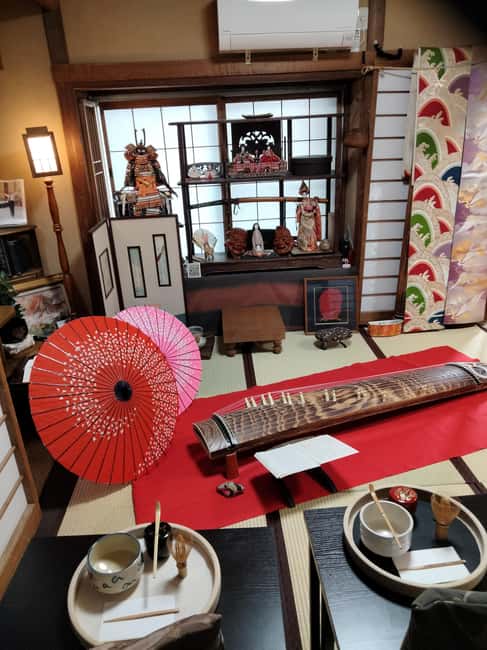
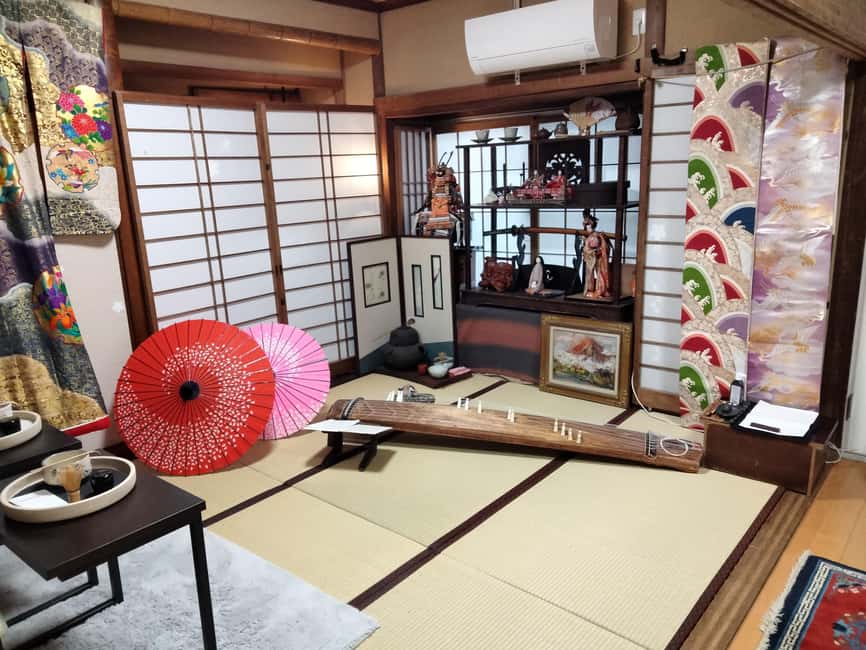
Inside, expect a Japanese-style home decorated with cultural masks, statues, and other traditional objects. This is not a large performance venue or a themed studio. The home setting gives the visit a relaxed, conversational feel, though it also means the experience is more intimate and less structured than a standard group tour.
The group is private, so you do not have to perform in front of strangers. That helps if you feel awkward trying a musical instrument or wearing formal clothing for the first time.
A few more Hiroshima tours and experiences worth a look

Choosing and wearing your kimono
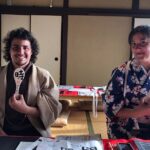
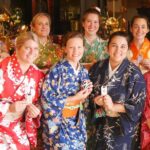
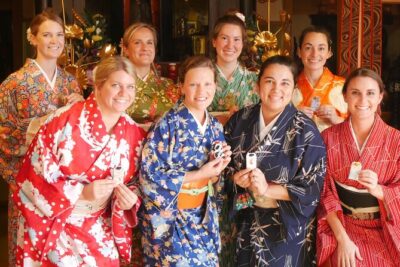
The kimono dressing is the first major part of the visit. Traditional clothing changes the way you experience the room. Even a short visit feels different when you are sitting, walking, and posing in clothing with such a distinct shape and presence.
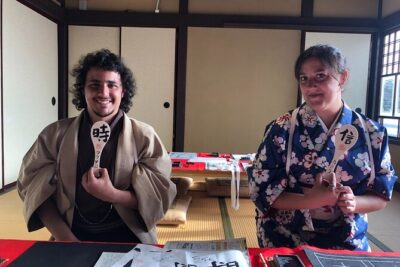
Kimono are available for both men and women. That makes the activity suitable for couples, friends, and families with different tastes. A parent and child can also take part together. One nine-year-old visitor enjoyed the child-friendly go game and connected well with Kazuko, which suggests that the experience can work for children who like hands-on activities.
The dressing itself takes time, so you should not expect a long list of separate activities at full length. The 90-minute schedule is better understood as a compact sampler. You will get a taste of several customs rather than a full lesson in each one.
Once dressed, you can take photos holding a Japanese katana or umbrella. These are photo props for the experience, and they offer more character than a simple portrait in formal clothing. The umbrella gives you a classic pose, while the katana creates a more theatrical image.
I would plan your clothing underneath with care. The supplied information does not specify changing-room arrangements or the exact dressing process, so modest, comfortable clothing is the sensible choice. Since you will be handling a musical instrument and sitting for parts of the visit, avoid anything that makes movement difficult.
Hearing the koto and trying it yourself
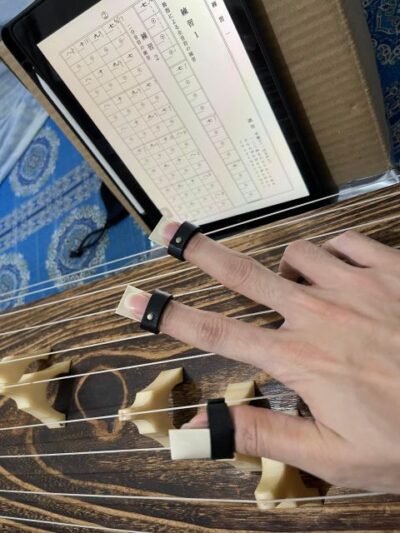
The koto is one of the strongest reasons to book this activity. Kazuko has studied the instrument for 40 years, so you are not simply looking at an unfamiliar object and taking a picture. You can hear an explanation, watch how it is played, and try it yourself.
For many people, the koto is the part that makes this activity feel different from a basic kimono photo session. Clothing gives you a visual connection to Japan. The koto adds sound, touch, and a small challenge. You do not need to arrive with musical training. The point is to try the instrument in a friendly setting.
You may also play together with Kazuko. That shared moment is especially helpful if you are nervous about making a mistake. The experience is designed around participation, not a polished concert where you sit quietly and watch.
The available information does not promise a long concert or a formal music class, so set your expectations correctly. You are getting an introduction and a chance to play, not professional instruction. Still, Kazuko’s long relationship with the instrument gives this part real substance.
I would put the koto near the top of your priorities when you arrive. If you spend too long on photos at the beginning, you may have less time for music, tea, and games. Tell Kazuko what interests you most. The visit is private, which makes it easier to shape the balance around your group.
A simple tea ceremony with matcha
The tea portion introduces the meaning of tea ceremony without requiring a long formal ritual. You will drink matcha and learn why the ceremony matters in Japanese culture. The word simple is important here. This is an accessible introduction, not an advanced lesson in every rule of tea preparation and etiquette.
That makes it a good fit if you want cultural context without committing to a long ceremony. You can ask questions in English or Japanese, and Kazuko can explain the customs in a direct, personal way.
Matcha can be an acquired taste. If you have never tried it, expect a strong green flavor rather than a sweet café drink. The tea is part of the cultural lesson, so the value comes from understanding the practice as well as tasting the drink.
The tea segment also gives the visit a slower rhythm. After the movement and adjustment of kimono, sitting in the home with a bowl of matcha lets you take in the decorations and talk with your host. I like that contrast. The activity is not just a string of photo opportunities.
Go, shogi, origami, and Japanese writing
The traditional games offer a useful change of pace. You can try igo, known widely as go, or shogi, Japanese chess. The information provided does not promise a complete game or a detailed strategy lesson, so beginners should treat these as an introduction.
For children, the game portion may be the key to keeping the visit engaging. A child-friendly version of go was a hit with one nine-year-old, who enjoyed it greatly. If you are visiting Hiroshima with children, mention their ages and interests when arranging the experience.
The visit can also include simple creative activities. One family folded origami cranes and later left them at the memorial connected with Sadako Sasaki, and also practiced writing Japanese characters. These details give the activity a personal connection to Hiroshima’s peace story, though you should confirm which optional activities fit into your particular visit.
Origami cranes carry special meaning in Hiroshima because of Sadako Sasaki and the city’s peace memorial tradition. Folding one during a home visit is a small act, but it can help connect the hands-on activity with the places you see around the Atomic Bomb Dome.
Japanese writing offers another short lesson in form and patience. You will not become fluent in written Japanese during a 90-minute visit, but trying a character can make the script feel less distant. I would especially recommend it if you want a souvenir that is more personal than another photograph.
Because the schedule has several possible activities, you may not have time for everything. Ask early if you want to prioritize go, writing, origami, or the koto. The experience works best when you choose a few things rather than trying to rush through every option.
A few more Hiroshima tours and experiences worth a look


Meeting a Hiroshima host with a personal story
Kazuko’s background gives the experience a serious layer. She is a second-generation atomic bomb survivor and has lived in Hiroshima her entire life. That does not turn the activity into a formal peace tour, but it gives your conversation a direct link to the city’s past.
You should still visit Hiroshima’s dedicated memorial sites separately. The Atomic Bomb Dome and Peace Memorial Museum provide the historical record and public context. Kazuko’s home offers something different: a conversation with someone whose family story is tied to Hiroshima.
Her English fluency is a major practical benefit. Cultural activities can lose some of their value when you cannot ask simple follow-up questions. Here, you can discuss the koto, tea, clothing, games, and Hiroshima life without needing a translator.
The atmosphere is described as warm and open, and the private format supports that. A visit can feel more like being welcomed into someone’s home than attending a formal class. That is a strength if you enjoy conversation. If you prefer a tightly timed tour with constant instruction, the informal style may feel less predictable.
The host’s husband is an American historian, and one visitor was able to arrange a separate two-hour tour with him after another city tour was cancelled. That extra arrangement is not part of the standard 90-minute activity, and you should not assume it is included. It does show that the household may offer broader conversation about Hiroshima and Japan when schedules allow.
What $76 buys you in 90 minutes
At $76 per person, this is not the cheapest way to take a photograph in kimono. You are paying for more than the clothing. The price covers a private visit, dressing, koto playing, tea ceremony, games, photo opportunities, and time with an English-speaking host in her home.
The value depends on how much you use the personal side of the activity. If you only want a quick kimono portrait, a photo studio may be a better match. If you want several short cultural introductions and the chance to ask questions, the private format makes the price easier to justify.
Families should consider the price carefully. A child who enjoys music, games, origami, or Japanese writing may get a lot from the visit. A child who dislikes sitting, dressing up, or trying unfamiliar activities may find 90 minutes less appealing.
The private group format is also important for value. You are not sharing the host’s attention with a large busload of people. Your group can spend more time on the koto, tea, or games that matter most to you, although the exact balance depends on your pace.
Free cancellation is available up to 24 hours before the activity for a full refund. You can also reserve now and pay later, which helps if your Hiroshima schedule is still shifting. Starting times vary, so check availability before planning your day around it.
Who will enjoy this Hiroshima activity
I would recommend this experience most strongly to people who want conversation and participation, not just sightseeing. It suits first-time visitors who want a gentle introduction to several Japanese traditions in one sitting.
It is especially useful for:
- Families with children: The games, kimono, origami, and writing give children several ways to take part.
- Couples and friends: You can dress together and take photos without joining a large group.
- Visitors interested in Hiroshima beyond the memorial sites: Kazuko’s personal connection adds a human dimension to the city.
- People who want an English-friendly activity: Kazuko is fluent in English, and the listed languages are English and Japanese.
- Photographers and culture-minded visitors: The kimono, umbrella, katana, home decorations, and koto create varied pictures and memories.
- LGBTQ visitors: The experience is LGBTQ-friendly.
I would be cautious about booking if you use a wheelchair, since stairs are required. I would also think twice if you want a full-length tea ceremony, an expert koto lesson, or a detailed lesson in go or shogi. This activity gives you an introduction to each, not a specialist course.
Practical tips for making the most of it
Reserve enough time around the appointment to walk from the Atomic Bomb Dome area. The home is about 15 minutes from the dome, but the meeting point is outside the FamilyMart by Toukaichi Station, so follow the stated meeting instructions rather than heading directly to the home.
Arrive ready to choose priorities. Before the kimono dressing begins, decide whether your group cares most about the koto, tea, games, writing, origami, or photos. You can ask Kazuko to help balance the visit.
If you are bringing a child, explain that the activity is hands-on but still includes sitting and listening. The child-friendly go experience worked well for one young visitor, and the host was able to connect with a nine-year-old, but every child has different interests.
Bring a phone or camera if you want photos. You can hold a katana or umbrella while wearing kimono, but the supplied information does not state that professional photography is included. Plan to take your own pictures.
Leave room for conversation. Kazuko’s lifelong connection to Hiroshima and her 40 years with the koto are not details to rush past. The personal stories and questions may become the most memorable part of the visit.
Should you book this experience?
Book it if you want a small, personal encounter with Japanese culture and like trying things yourself. The best parts are the private home, Kazuko’s long experience with the koto, her fluent English, the kimono dressing, and the link to Hiroshima’s personal history.
At $76, the activity offers good value when you take part in several elements rather than treating it as a quick photo stop. It is less suitable for wheelchair users, people seeking a formal full-length ceremony, or anyone who dislikes flexible schedules.
For a family, couple, or solo visitor with an open mind, this is a thoughtful way to spend 90 minutes near the Peace Memorial area. Just choose your priorities early, because the koto, tea, games, origami, writing, and photos can easily fill the clock.
FAQ
How long does the kimono, koto, and tea ceremony experience last?
The experience lasts 90 minutes.
How much does the experience cost?
The price is $76 per person.
Where do I meet the host?
Meet outside the FamilyMart right by Toukaichi Station. Kazuko will be wearing a short black kimono jacket.
How far is the activity from the Atomic Bomb Dome?
The location is about a 15-minute walk from the Atomic Bomb Dome.
Is the activity available in English?
Yes. The listed languages are English and Japanese, and Kazuko is fluent in English.
Is the experience suitable for wheelchair users?
No. The activity requires participants to go up stairs, so it is not suitable for wheelchair users.
Can I cancel the booking for a refund?
Yes. You can cancel up to 24 hours in advance for a full refund. You can also reserve now and pay later.
More Tea Ceremony & Kimono Experiences in Hiroshima
More Hiroshima City Tours in Hiroshima

More tours in Hiroshima we've reviewed



Tea Ceremony & Kimono Experiences, compared.
 ★ 5.0Hiroshima Local guided Hiking Tour&Open-air Tea CeremonyFrom $109
 ★ 5.0Kimono and Tea Ceremony in MiyajimaFrom $85
 ★ 5.0An Amazing set of Cultural experience: Kimono, Tea Ceremony and CalligraphyFrom $132
 ★ 4.8Hiroshima: Morning Hiking Tour with Open-air Tea CeremonyFrom $1063 hours
 ★ 5.0Cultural Activities :Kimono, tea ceremony, Calligraphy and AmuletFrom $171
 ★ 5.0Experience the Soul of Hiroshima: A Peaceful Koto WorkshopFrom $501h 30m
