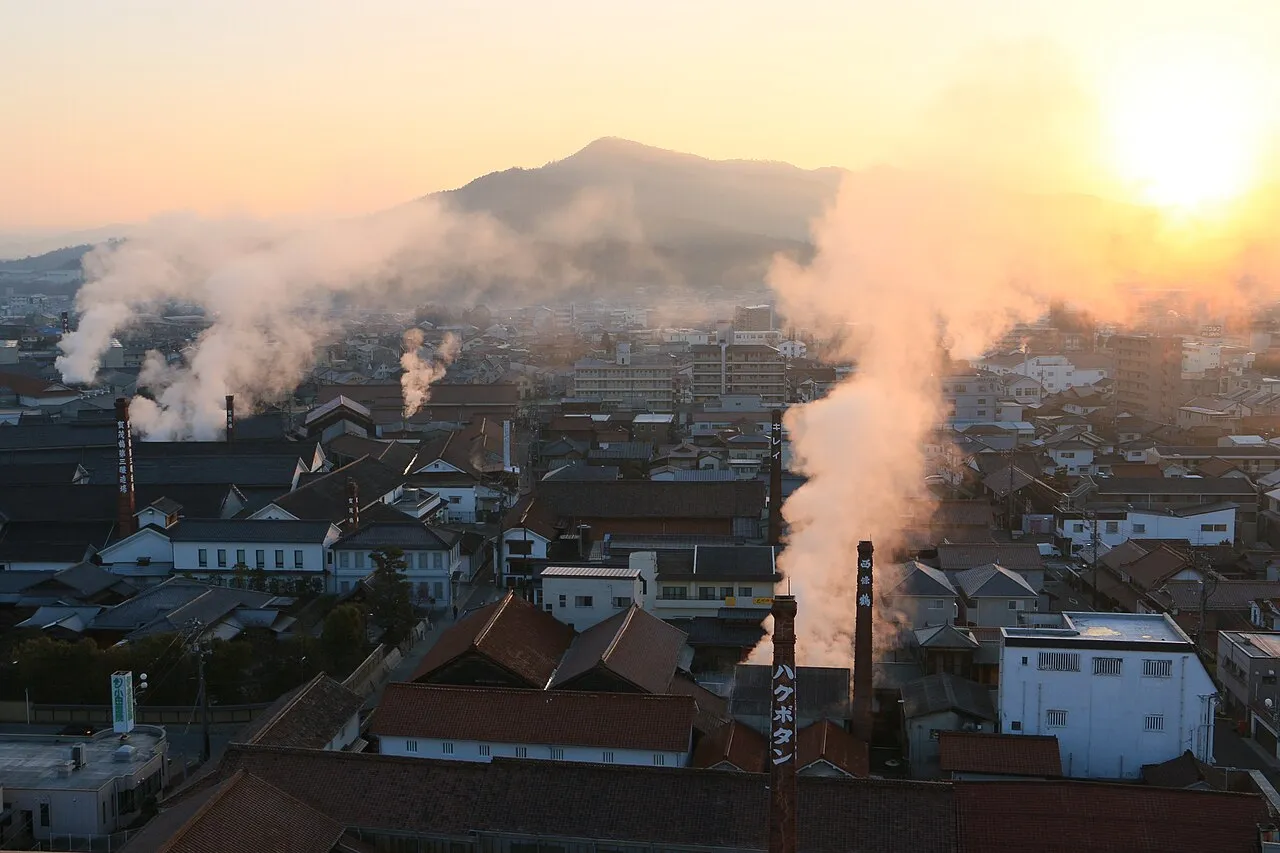

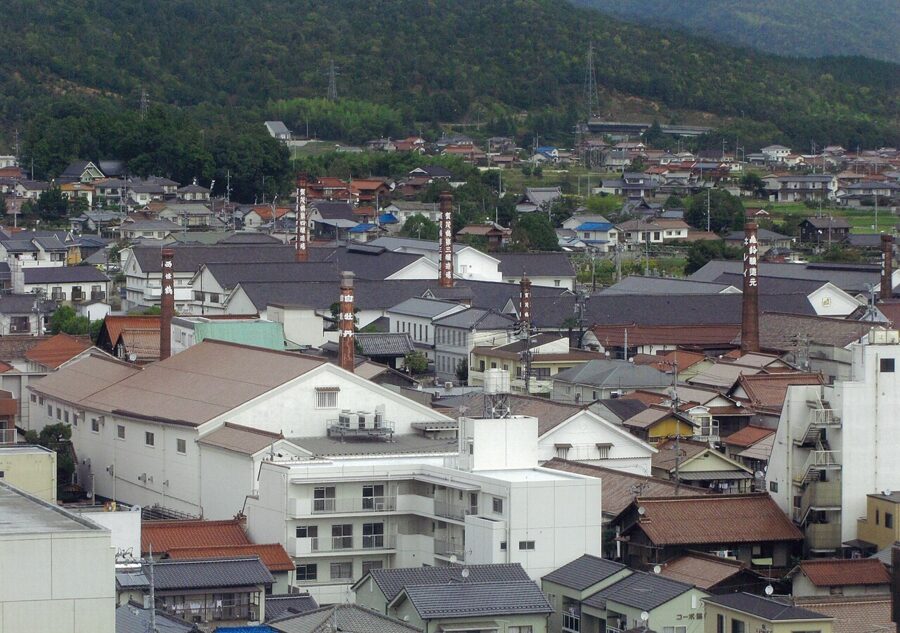
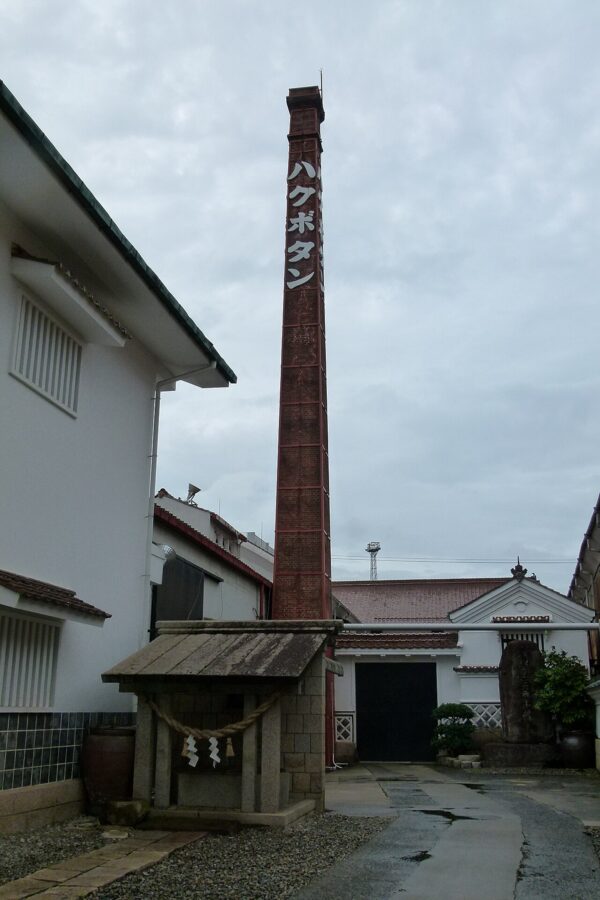
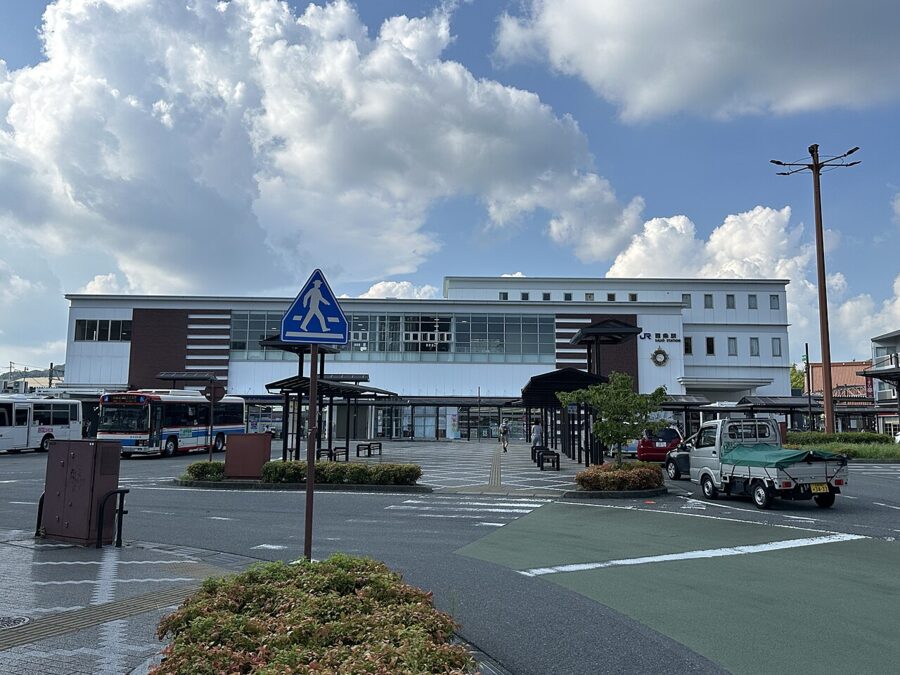
Step out of the south exit at JR Saijō and the first brick chimney is already in view, lettered top to bottom with a brewery’s name. Seven sake breweries stand within about a kilometre of that exit, most of them on one old highway now called Sakagura-dōri (酒蔵通り), the brewery street. The local train from Hiroshima takes 35 to 40 minutes and costs ¥590 (about US$4) each way.
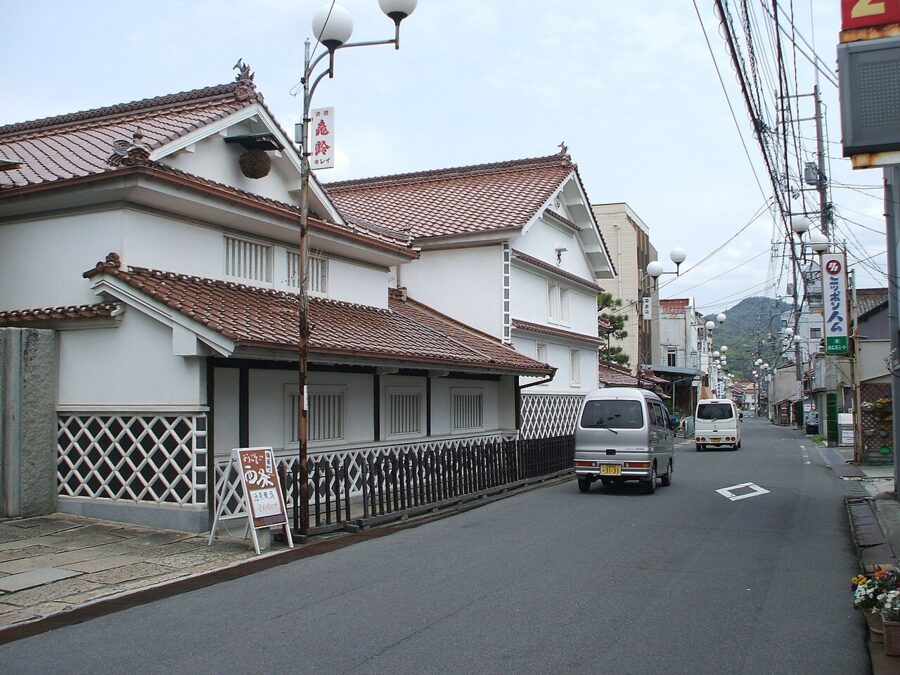
That is the whole trick of Saijō. Elsewhere in Japan a brewery visit means a taxi to one storehouse in the rice fields; here you walk from tasting counter to tasting counter, past white plaster walls latticed in black tile, and drink the same well water the sake is made from at taps along the way. At Kamotsuru, three 30ml cups of its sake cost ¥500 (about US$3).
Saijō is ranked with Nada in Kobe and Fushimi in Kyoto as one of Japan’s three great sake towns, and it is the easiest of the three to see on foot. Give it a half day from Hiroshima, pick your day of the week with care, and decide early whether you want the town quiet or packed with 220,000 people in October.



The short version: when to go and how long to stay
Half a day is right. Two hours on the street covers a slow walk and three or four tastings; add lunch and a look at the shrine north of the station and you are back in Hiroshima by mid-afternoon. Most brewery shops close at 16:00 or 17:00, so this is a late-morning trip, not an evening one.
Saturday is the best day. In the tourist authority’s weekly opening table for late November 2026, all seven breweries were open with tastings on Saturday, though Fukubijin and Sanyōtsuru only from 13:00. On Sunday, Saijōtsuru and Sanyōtsuru were shut. On weekdays Kamoizumi, Fukubijin, Kirei and Hakubotan closed for lunch from 12:00 to 13:00, Kamoizumi served from its head office rather than its café, and Hakubotan and Fukubijin listed no tastings.
So the plan that works: arrive on a Saturday around 11:00, start at Kamotsuru, which opens daily from 10:00, eat between 12:00 and 13:00, and do the smaller houses in the afternoon. The brewery opening table is updated every week, and the hours do shift, so check it the night before.
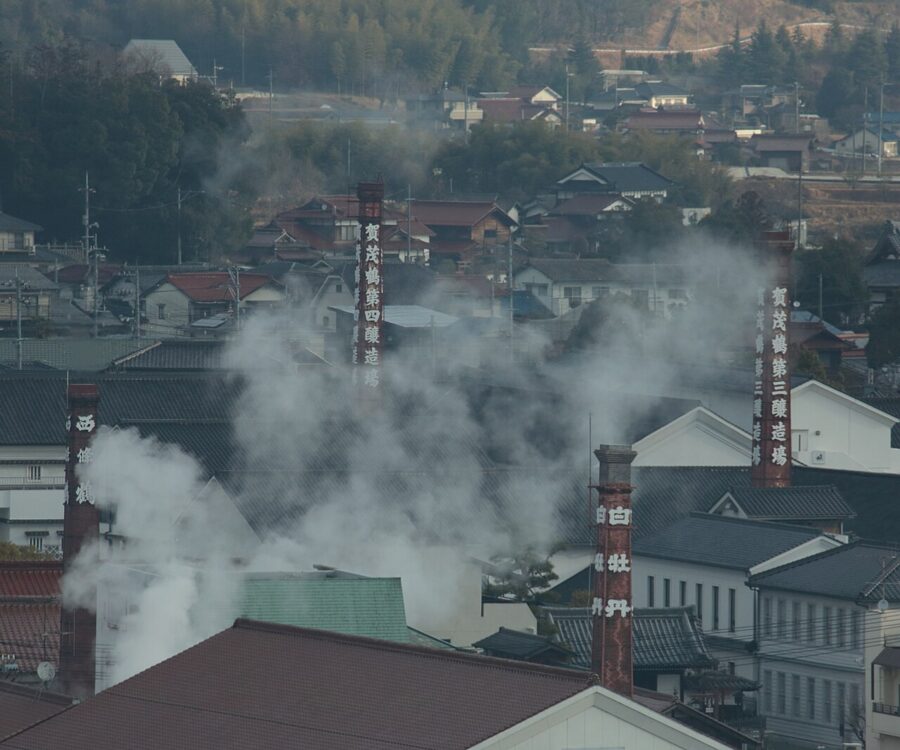
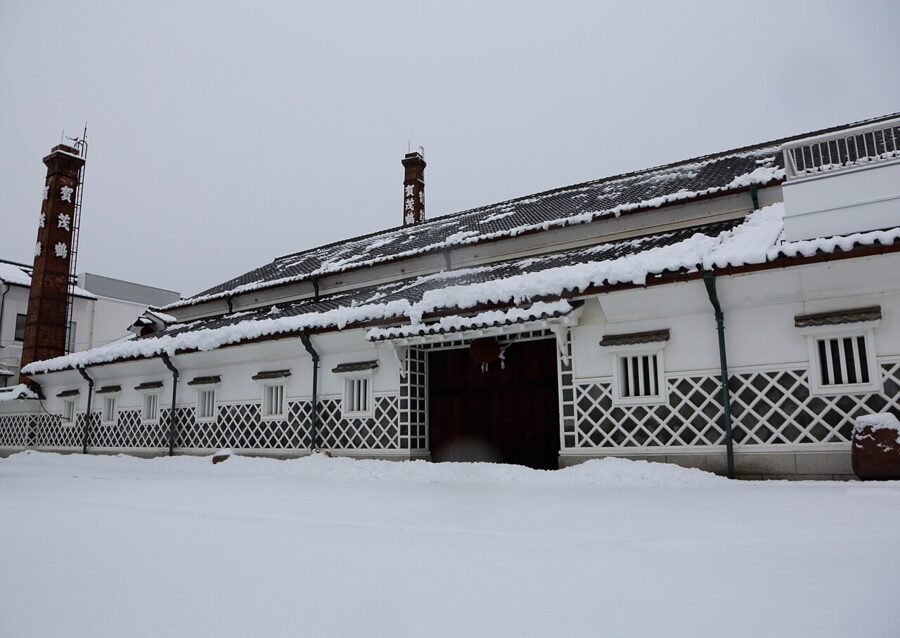
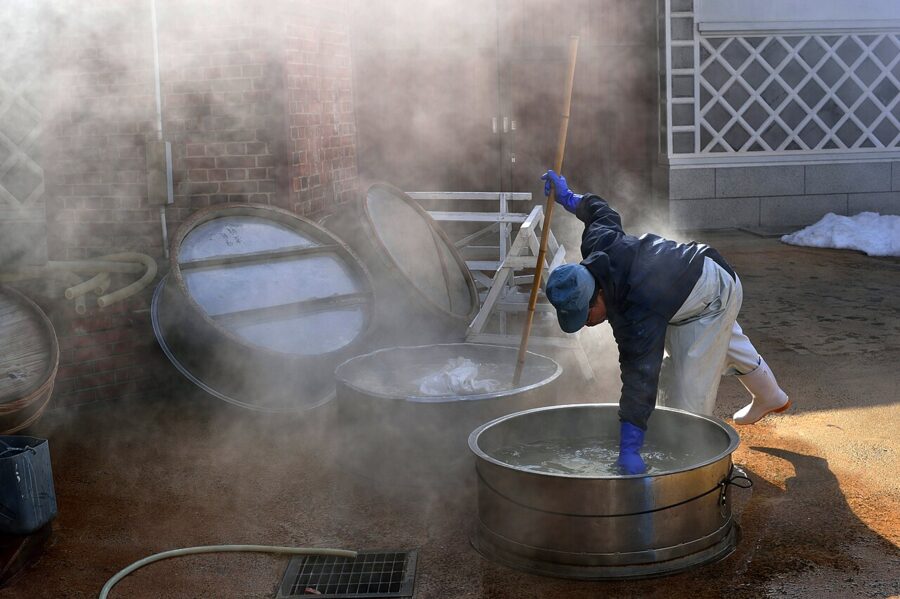
Season changes the feel more than the opening hours. From late autumn to early spring the breweries are working: steam pours off the rice-steaming rooms on cold mornings, fresh cedar balls (sugidama) hang over the doors, and Kamotsuru runs its brewhouse tours. Summer is hotter and quieter, and the street has little shade. The second weekend of October belongs to the Sake Festival, which is a different trip altogether (more on that below).

Why Saijō makes sake
Saijō sits high in an inland basin. Winters are cold enough for slow, clean fermentation, and the groundwater is plentiful. For most of the Edo period, though, it was a small post town on the highway with a couple of brewers making sake for the inns, and the big names in Hiroshima sake were on the coast.
Three things changed that in the 1890s. The Sanyō Railway reached Saijō in 1894, and sake that had left Hiroshima by ship could now go by rail, which pulled the trade inland. Satake Riichi, born in Saijō, built Japan’s first power-driven rice polisher in 1896, Kamotsuru installed one in 1898, and his later grinding polisher, developed partly at the request of Kamotsuru’s founder Kimura Wahei, could mill rice down to 60 percent. And a brewer on the coast worked out how to make good sake from Hiroshima’s water.
Miura Senzaburō and the soft-water method
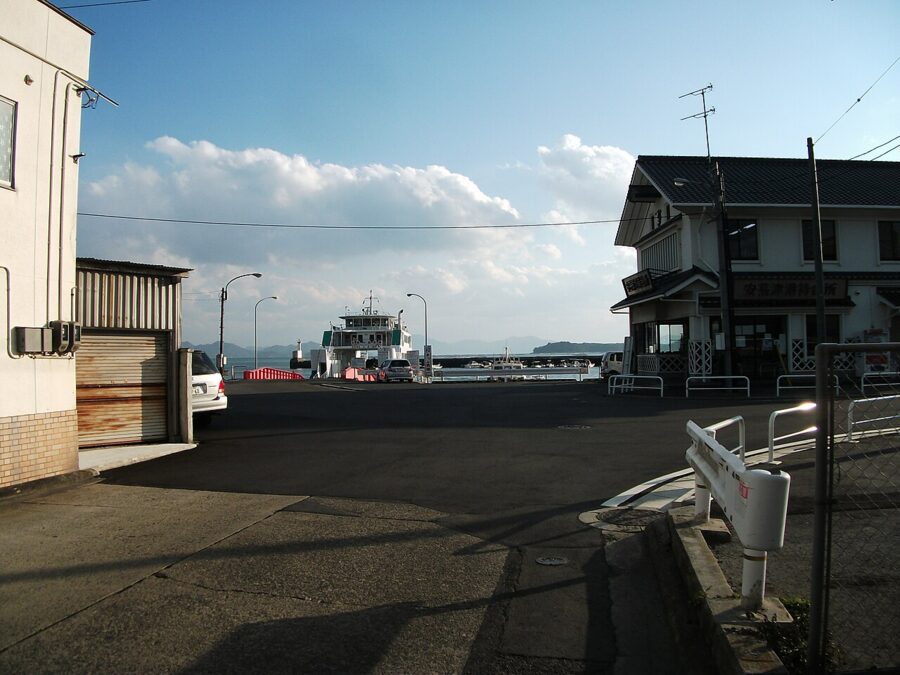
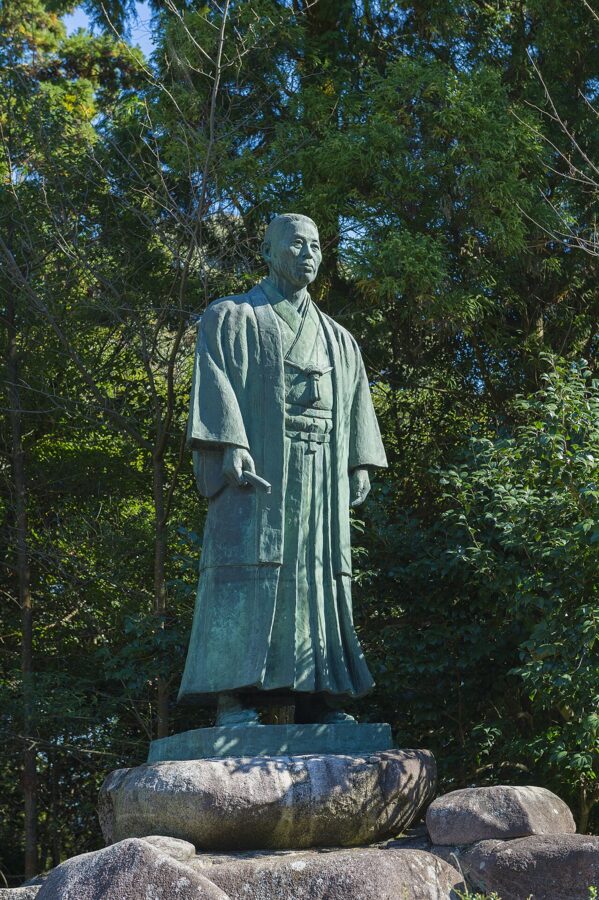
Miura Senzaburō started brewing in Mitsu, today’s Akitsu, about 14km south of Saijō, in 1876, and spent years losing batches to spoilage. Reading and visiting Nada, he learned that water comes hard or soft, and that the soft water of the Hiroshima coast ferments weakly and spoils easily. The famous sake of Nada was brewed with hard water, and methods that worked there failed with Hiroshima’s wells.
His answer was method rather than magic: measured temperatures, thermometers and clocks, scrupulously clean tubs, and a better-built room for growing kōji, the mould that turns rice starch into sugar. In 1898 he published his notes as Kaijōhō Jissenroku and gave them to every brewer who wanted them, which is the generous part of the story.

It worked. At the first national sake competition in 1907, Hiroshima’s brewers took the top prizes ahead of Nada and Fushimi.
The soft-water method gave Hiroshima the soft, slightly sweet style it is still known for, and Miura’s way of brewing, spread by the brewers of Akitsu, came to be called ginjō-zukuri, the root of today’s ginjō sake. As rail took over from ships, the centre of Hiroshima brewing moved inland to Saijō, and the town took the nickname it still uses on its signs: shuto, the sake capital.

The chimneys and the walls
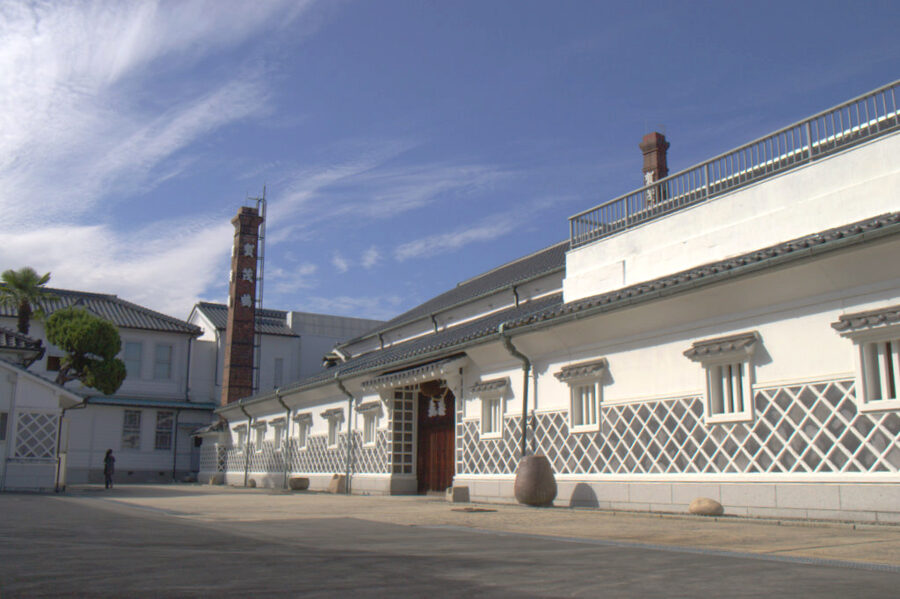
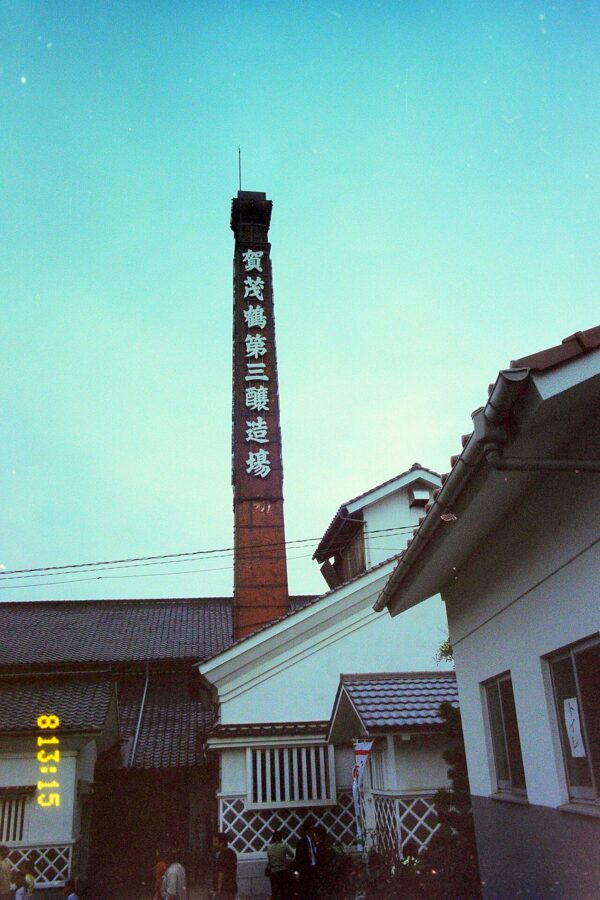
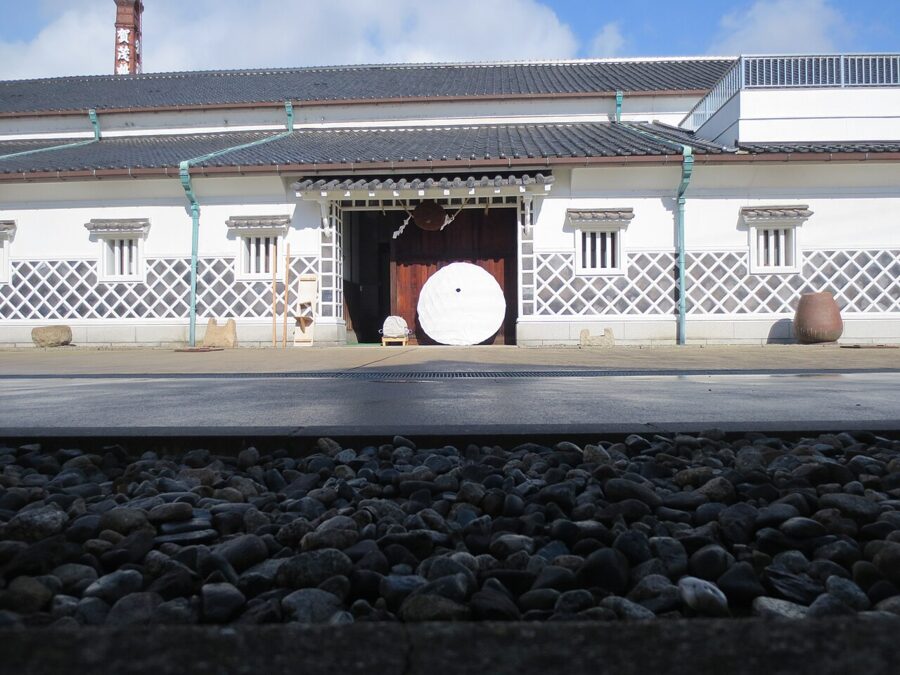
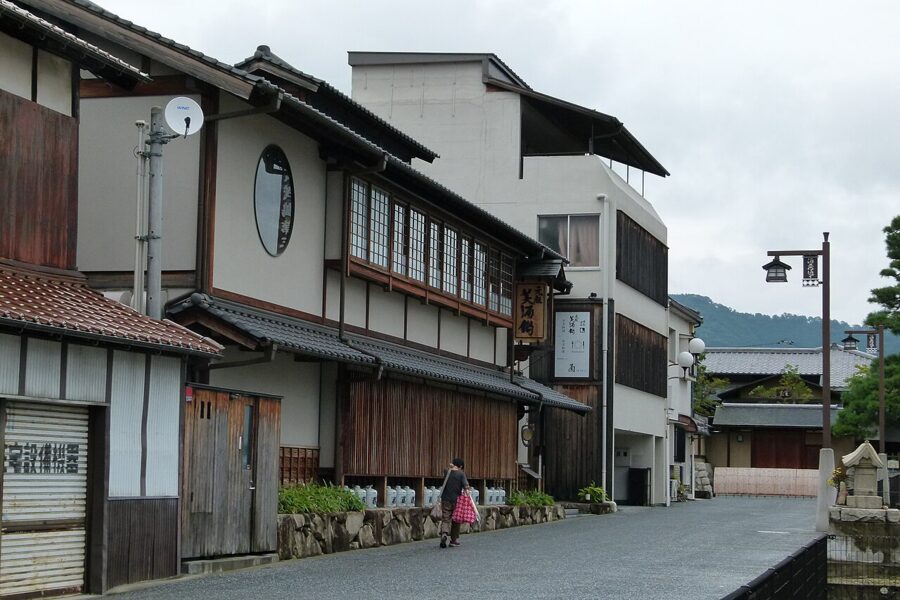
Most of the brewery buildings you see went up between the 1890s and the early Shōwa years, when Saijō’s output boomed. The red-brick chimneys served the boilers; the white plaster storehouses with their black namako-kabe tile lattice kept the sake cool. Fukubijin’s chimney on its Ebisu storehouse is the tallest, at 25 metres.
In 2017 the Japanese committee of ICOMOS put the Saijō brewing buildings on its list of twenty 20th-century heritage sites in Japan, alongside the Tōkaidō Shinkansen and the Hiroshima Peace Memorial Park. In February 2024 four of the buildings were designated a National Historic Site, the Saijō Sakaguragun: Hakubotan’s Enpō storehouse, Kamotsuru’s No. 1 storehouse, the former prefectural brewing laboratory now used by Kamoizumi, and Fukubijin’s Daikoku storehouse. The city notes it was the first time sake breweries had been given that status anywhere in Japan.

Brewing water you can drink
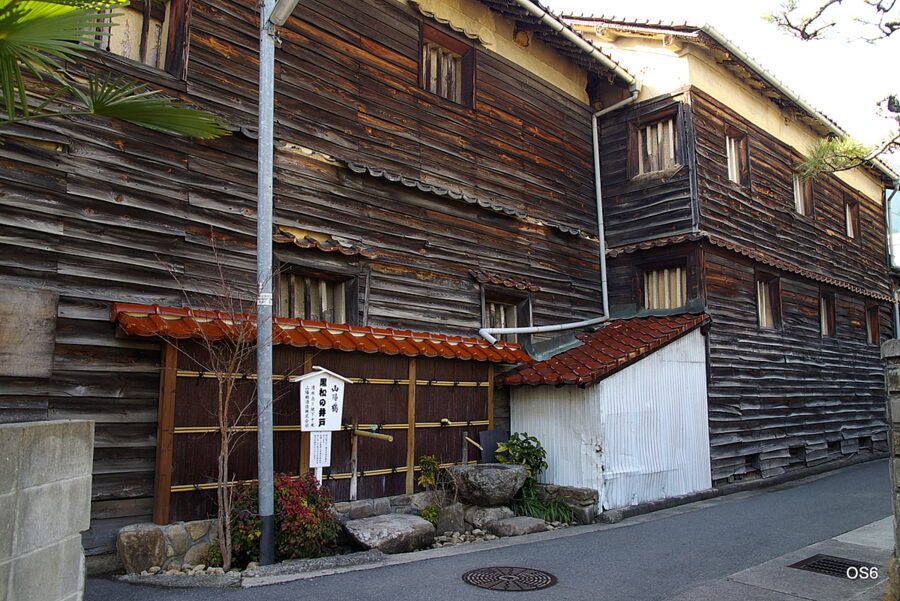
The breweries have opened their wells and taps of brewing water to the public, and filling a bottle is part of the walk. Look for the Bijin well at Fukubijin, the Tenpō well at Saijōtsuru (said to date from the 1830s), the Kuromatsu well at Sanyōtsuru and the Enpō well beside Hakubotan’s chimney. Kamoizumi’s water comes from a spring on the old highway called Myōga Shimizu.
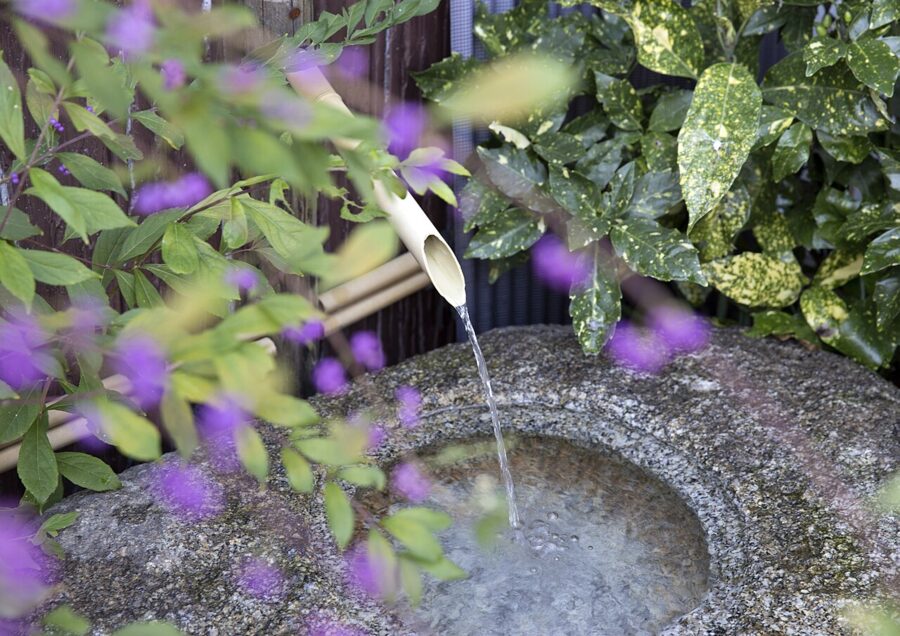
Between tastings, drink it. It is the cheapest hangover cure on the street, and it is interesting to taste side by side, because the brewers here care about the differences.

The seven breweries, one by one
Kamoizumi sits at the eastern end of the street and Sanyōtsuru on its own at the western end, past the station crossing; the other five, Kamotsuru, Hakubotan, Kirei, Saijōtsuru and Fukubijin (a block north), are packed into the few hundred metres between. Entry is free everywhere; you pay for tastings, usually in cash. The table shows the hours the tourist authority listed for the weekend of 28–29 November 2026 and the weekdays around it.
| Brewery | Saturday | Sunday | Weekdays | Cards |
|---|---|---|---|---|
| Kamotsuru (賀茂鶴) | 10:00–18:00 | 10:00–18:00 | 10:00–18:00 | Shop yes, tasting cash |
| Hakubotan (白牡丹) | 10:30–16:00, closed 12:00–13:00 | 10:30–16:00 | 10:30–16:00, closed 12:00–13:00, no tasting listed | No |
| Saijōtsuru (西條鶴) | 10:00–16:00 | Closed | 10:00–16:00 | Shop yes, tasting cash |
| Kirei (亀齢) | 10:30–16:00 | 10:30–16:00 | 09:00–16:00, closed 12:00–13:00 | Yes |
| Fukubijin (福美人) | 13:00–16:00 | 10:00–16:00, closed 12:00–13:00 | 10:00–16:00, closed 12:00–13:00, no tasting listed | No |
| Kamoizumi (賀茂泉) | 10:00–17:00 (Shusenkan) | 10:00–17:00 (Shusenkan) | 08:30–17:00 (head office), closed 12:00–13:00 | Yes |
| Sanyōtsuru (山陽鶴) | 13:00–17:00 | Closed | 10:00–15:00 | Shop yes, tasting cash |
Hours as of late November 2026; card details from the tourist authority’s visitor FAQ. Bring cash regardless. At the smaller houses staff are not always at the counter, and a sign asks you to ring the intercom.
If you would rather have the vocabulary explained as you go, a guide earns their fee here, because the difference between two pours is easy to miss without one. The two-hour guided tasting walk in Saijō visits all seven breweries in a group of up to six (my review of the seven-brewery walk covers how the stops are split).
Kamotsuru (賀茂鶴)
Kamotsuru is the big name, founded in 1873 and named for the old Kamo district and the crane. It was early to polish rice hard, and its Tokusei Gold Kamotsuru, launched in 1958 with flakes of gold leaf in the bottle, was one of the first daiginjō on general sale. In 2014 it was served when President Obama dined with Prime Minister Abe.
The visitor shop is the No. 1 storehouse, a warehouse from the early 1870s that reopened in 2019 after renovation and is now part of the National Historic Site. Allow about 15 minutes for the exhibits: brewing tools, a film on the process in Japanese with English subtitles, and a trick-art photo corner. At the bar, cash only, three 30ml cups cost ¥500, a 30ml pour of the Gold is ¥100, and the menu changes with the season.
It is open 10:00–18:00 daily (last entry 17:45), closing over Obon, New Year and the days before the festival. Kamotsuru also runs an hour-long brewhouse tour led by a tōji, the head brewer, at 14:00 on set dates; the current list has most Thursdays and some Saturdays from late November 2026 to mid-March 2027. It costs ¥2,000 (about US$13) in cash, takes 15 people, is in Japanese only and needs booking through the brewery’s form; you leave with a 180ml bottle of the Gold, and children of primary-school age and under cannot go in.


Hakubotan (白牡丹)
Hakubotan is the oldest house in Saijō, founded in 1675. Family tradition has it that the founder’s grandfather was a son of Shima Sakon, the general who fought for the losing side at Sekigahara, and that he fled west and settled here. The name, “white peony”, came from the crest of a Kyoto noble family and was granted to the brewery in 1839.
The novelist Natsume Sōseki was a fan, and the woodblock artist Munakata Shikō made prints and labels for the brewery, which you can see in the exhibition room at the head office. The Enpō storehouse, by tradition as old as the company, is part of the National Historic Site but not open inside. Hakubotan takes no cards, and its style is the classic Hiroshima one: aromatic and gently sweet, with a clean finish.

Saijōtsuru (西條鶴)
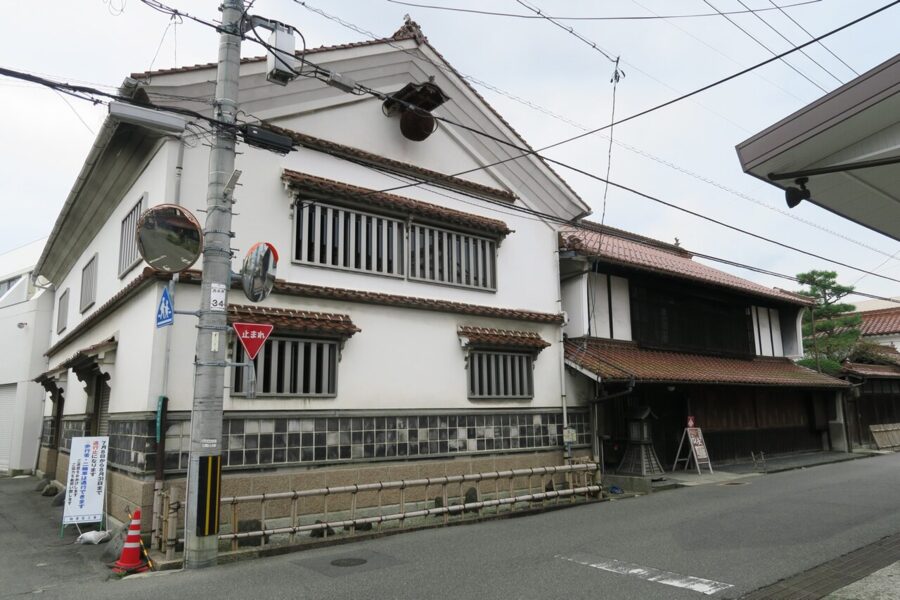
Saijōtsuru is the small, careful one, founded in 1904 and still brewing in its original buildings: a three-storey wooden storehouse with black latticework from the late Meiji era and the main house, both registered as Tangible Cultural Properties in 2016. It brews with water from the Tenpō well, said to have been dug in the 1830s, and local rice. A stained-glass door leads into the shop.
Look for Shinzui, an undiluted junmai daiginjō with a run of Monde Selection gold medals, and the junmai daiginjō gelato. Some staff speak English, though not at all hours. Saijōtsuru also runs a brewery tour on Thursdays, Fridays and Saturdays for ¥2,200 (about US$14), paid by credit card only, for over-20s, with tasting extra; the house rules ask you not to eat nattō, the fermented soybeans, the day before or the day of the tour, since its bacteria are bad news in a brewery.
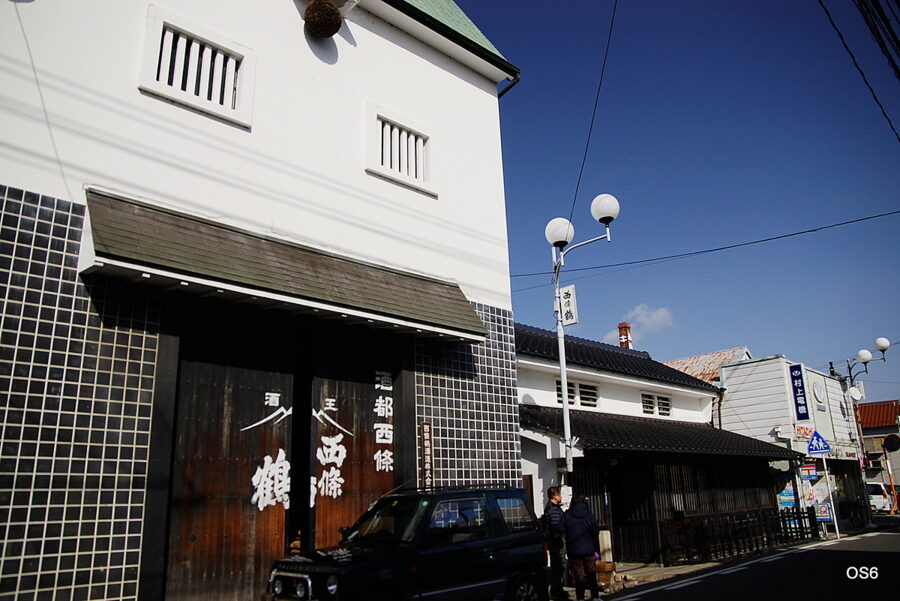

Kirei (亀齢)
Kirei was founded in the 1880s, and its name comes from the saying that the crane lives a thousand years and the turtle ten thousand. In a prefecture known for soft, sweetish sake, Kirei goes the other way: crisp and dry. In 1917 it won its first honorary award at the national sake competition, and it still works with a seasonal tōji who comes in for the brewing months.
The shop sells sake you will not find outside the brewery, beans coated in sake lees, the local Jōkamachi udon noodles and a soap made with sake. The white-walled storehouse carries the crest of the samurai clan that once ruled the area, and it is one of the better photographs on the street.
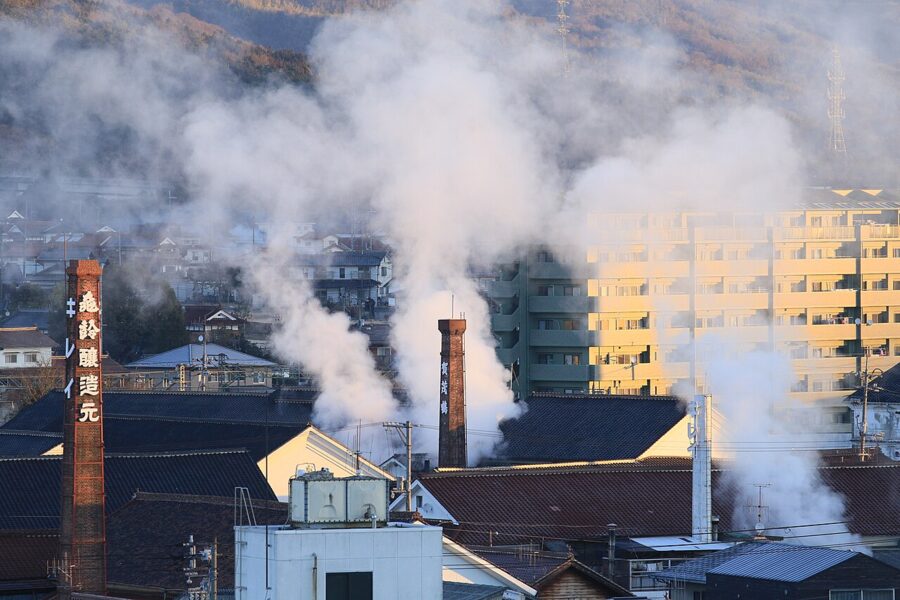

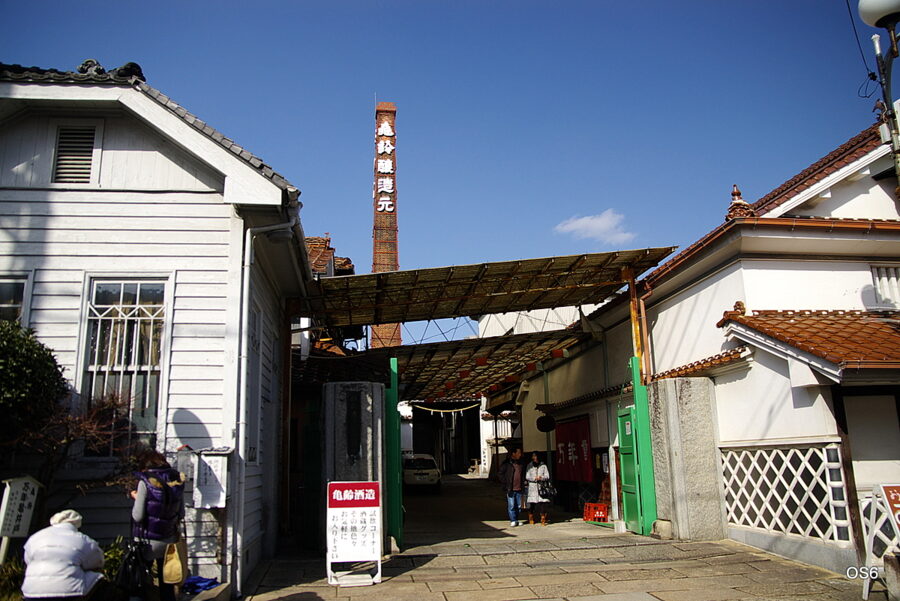

Fukubijin (福美人)
Fukubijin was set up in 1917 as a joint-stock company backed by brewers from across western Japan. It became known as the Saijō Brewing School, training master brewers and fermentation engineers for decades. The name joins the old local place name Fukujin with bijin, “a beauty”, for a sake meant to be plump and gentle.
It brews with water from the Bijin well on the site. The shop in the Ebisu storehouse, under that 25-metre chimney, displays a barrel used to collect donations when the Hiroshima Carp baseball team was founded, and calligraphy reading “national sake” signed by prime ministers. No cards, and in late 2026 it only opened at 13:00 on Saturdays.
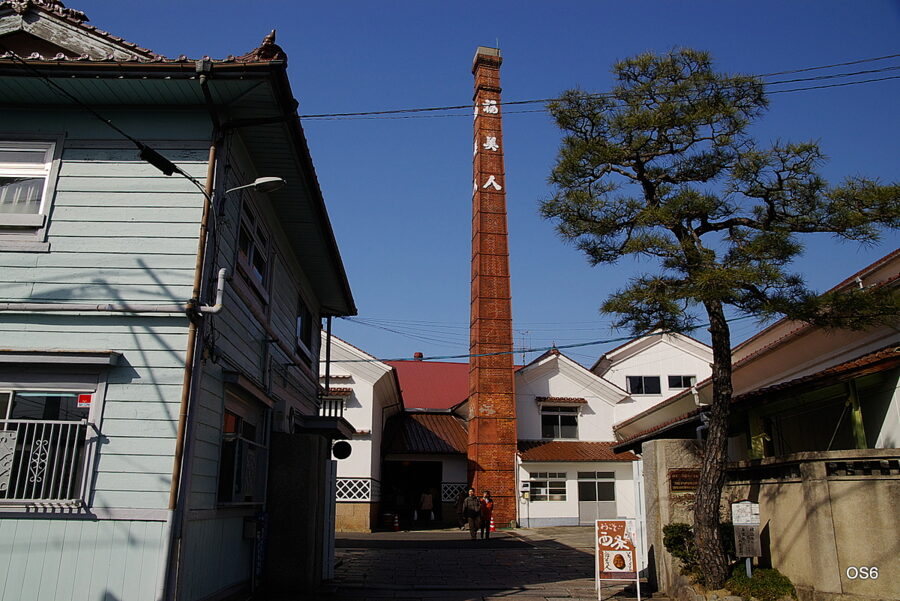

Kamoizumi (賀茂泉)
Kamoizumi was founded in 1912 as the Maegaki brewery and was one of the first breweries in Japan to go back to junmai, sake made from rice, kōji and water with no added alcohol. It is now one of Hiroshima’s leading junmai makers, and its sake is rich and full, with a golden-yellow colour.
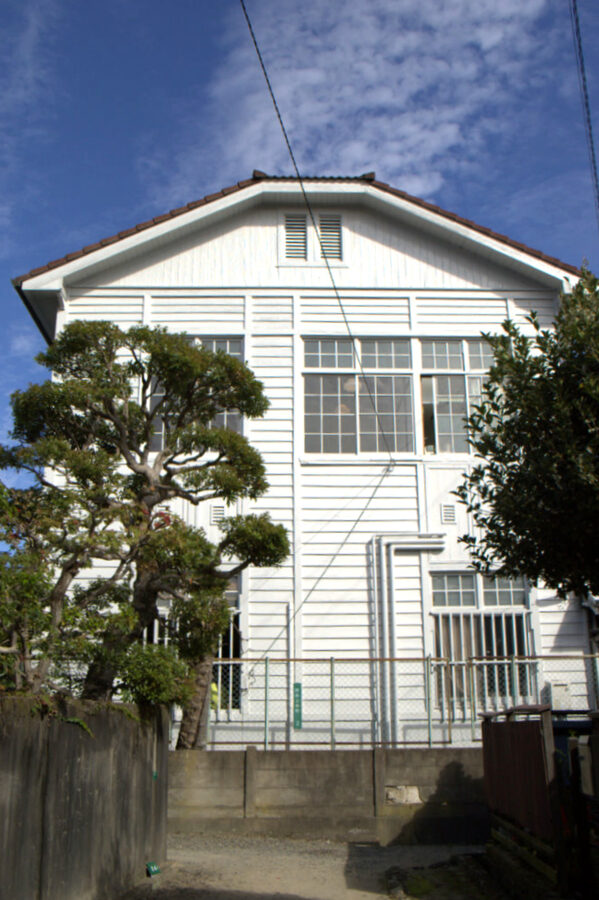
On weekends and holidays the place to go is Shusenkan, a wooden Western-style building from the early Shōwa years that once housed the prefecture’s brewing laboratory. Inside you can taste, eat sake-flavoured sweets and drink coffee or matcha made with the brewing water. On weekdays tastings move to the head office shop, and the brewery’s Aisenkan workshop offers indigo dyeing.


Sanyōtsuru (山陽鶴)
Sanyōtsuru, founded in 1912, sits on its own at the western end of the brewery district in Okamachi, about five minutes on foot from the station. Its name pairs the pine trees that once lined the old Sanyō road with the crane, and the brand on the label is Kuromatsu Sanyōtsuru, “black pine”. The brewery aims for a sake that tastes full even in a small cup, which suits a tasting day.
The shop sells brewery-only bottles and has a capsule-toy machine with a red sake cup as the prize everyone wants. The brewery’s own restaurant, Kappō Shinsuke, serves Japanese food in a converted storehouse (more below). Sanyōtsuru was closed on Sundays and holidays in late 2026 and opened only in the afternoon on Saturdays.

Other stops on the walk
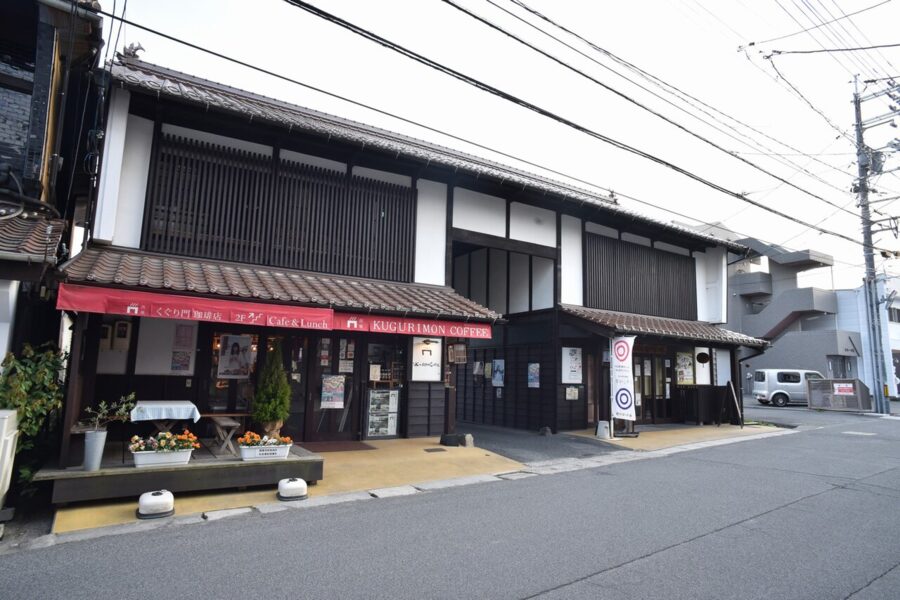
Start at the tourist office on the second floor of JR Saijō Station, open 09:00–18:00, where staff speak English and hand out the walking map. On the street itself, the Sakagura-dōri tourist office in the Kugurimon building is open 10:00–16:00 (closed the first and third Wednesdays) and tells you which breweries are open that day; the café in the other half of the building, Kugurimon Coffee, makes its coffee with brewing water and is closed on Tuesdays. Volunteer guides lead free walks from the station office on set days; ask there what is running.
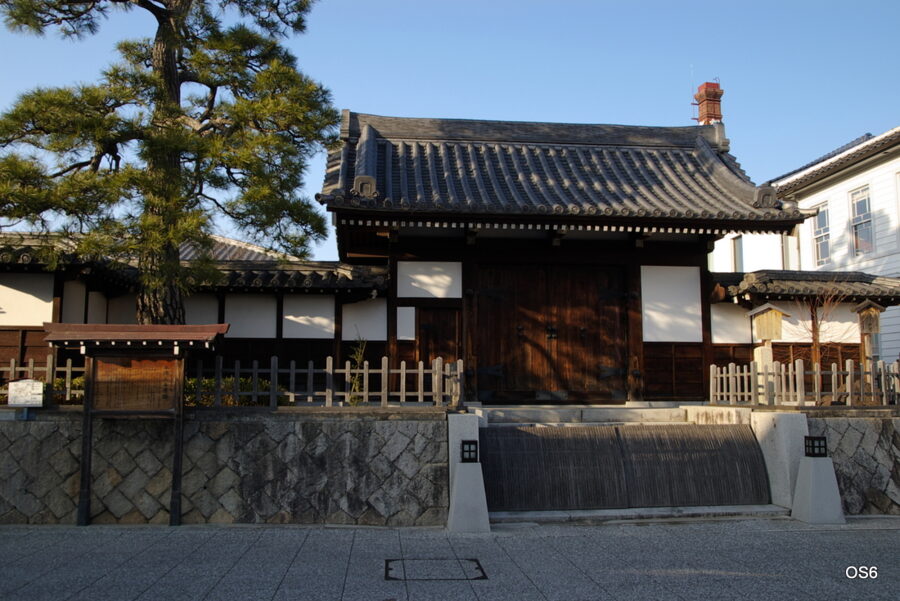
Near Kamotsuru, a rebuilt gate marks the site of the honjin, the official inn where feudal lords stayed when Yokkaichi was a post town. The Saijō Honmachi Historical Square, beside Hakubotan’s Enpō storehouse, has a painted brewery scene underfoot and is a good place to photograph the chimneys.


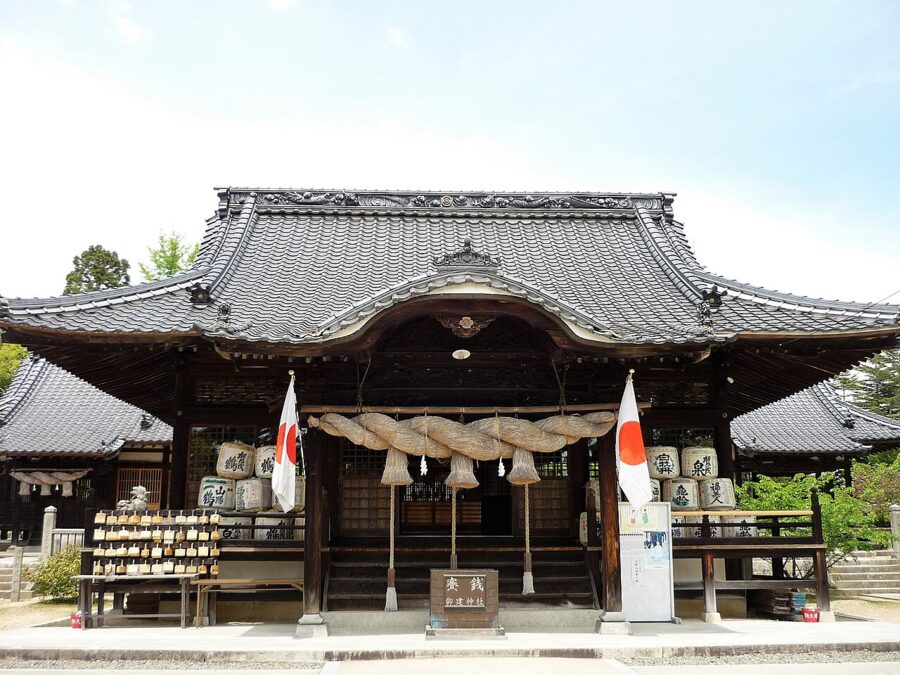
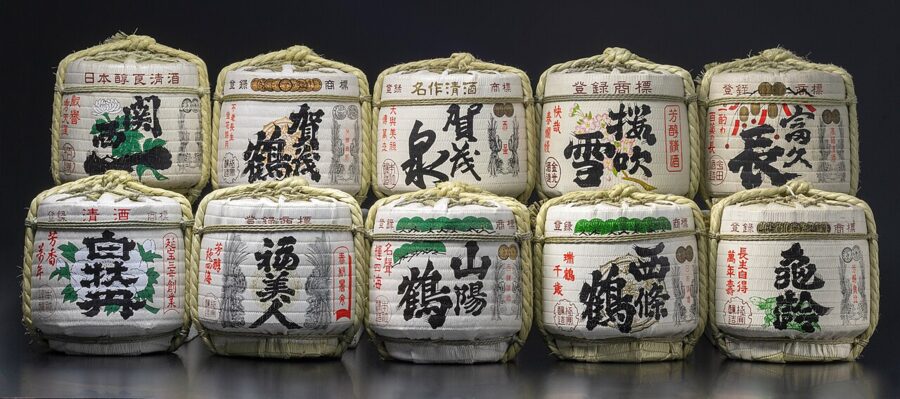
North of the station, Mitate Shrine is Saijō’s guardian shrine, and its subsidiary shrine honours the deity of brewing, so the breweries stack barrels of their sake in front of the hall. Nearby sits Nonta Daimyōjin, a statue of the town’s mascot, who is said to listen to every kind of confession, from a night of over-drinking to love trouble.

From 1 December 2026 to 8 March 2027 (not 28 December to 4 January) the town sells Horoyoi Sanpo coupons, a booklet of 11 coupons for ¥2,200 (about US$14) that you trade for tastings, sweets and snacks at all seven breweries and a handful of shops and restaurants. Buy them at the street tourist office or at five of the seven breweries. If you plan to taste at four or five houses in winter, they are good value.

The Sake Festival in October
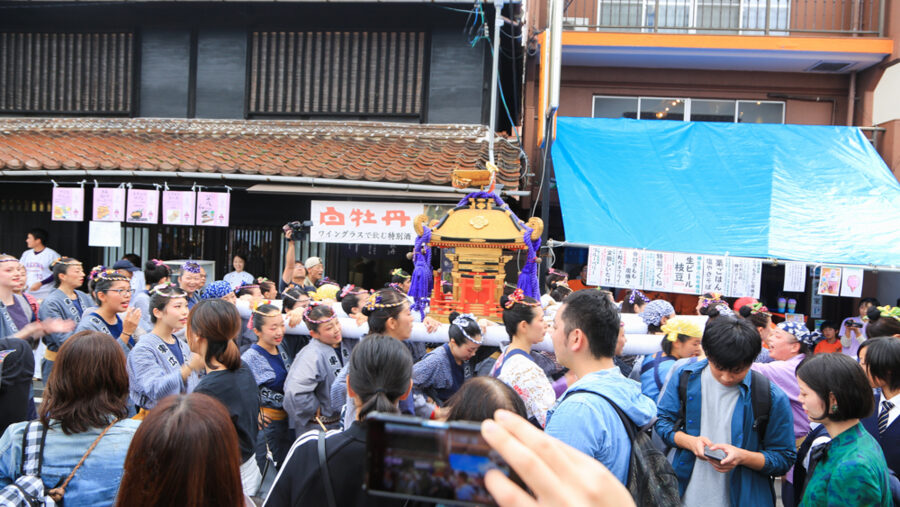
For one weekend a year the quiet street becomes one of the biggest drinking events in Japan. The Sake Matsuri (酒まつり) fills the whole area south of the station, the breweries run their own events, and portable shrines and drum bands parade through the crowds. The 37th festival, on 10–11 October 2026, drew about 220,000 people over two days, by the local press count.
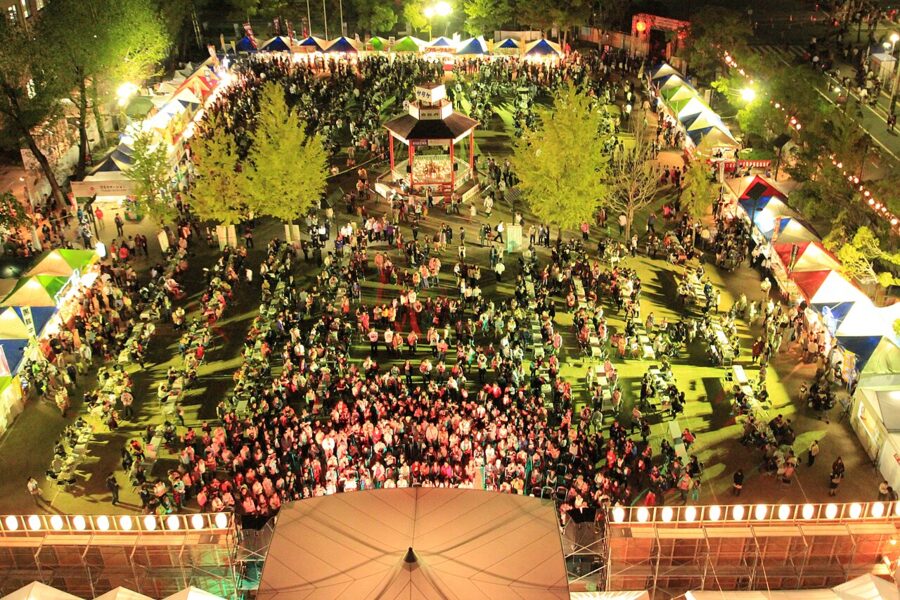
The centrepiece is the Sake Hiroba, an outdoor tasting ground with sake from all over Japan: 801 brands in 2026. Entry cost ¥5,000 (about US$32) at the gate, for a souvenir cup, a bottle of water and eight tasting tickets, and extra points sold at ten for ¥1,000, three to a pour. Sessions run for two and a quarter hours with no re-entry (three on the Saturday, two on the Sunday), advance tickets are sold through Ticket Pia, and the gate only sells for sessions that have not sold out.
The other ticket worth knowing about is the bishu-nabe hall, a giant seated hotpot party. Tables for two (¥9,900, about US$64) or four (¥17,600) came with the hotpot for that number, and every session in 2026 sold out in advance. Under-20s may not drink anywhere, and the organisers ask everyone to come by public transport.

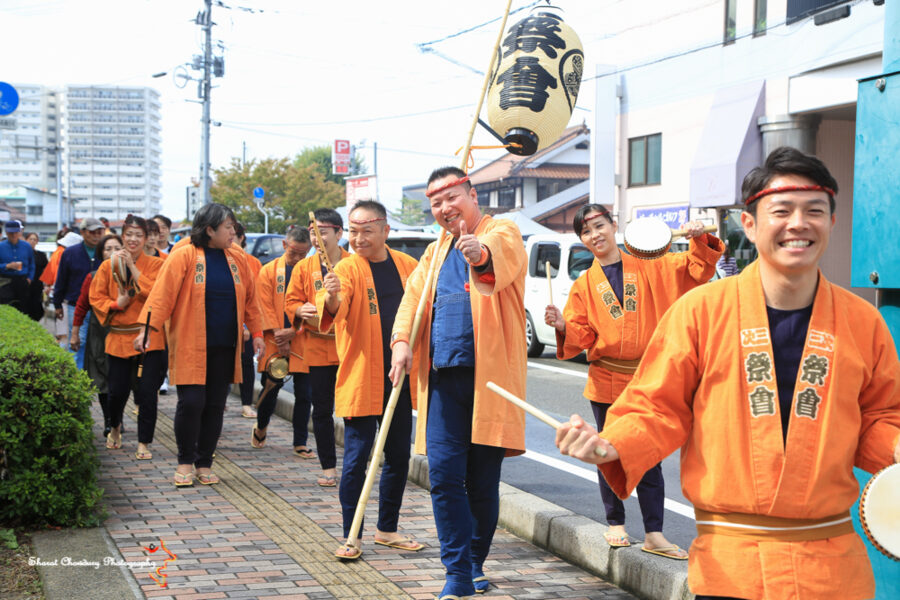

The festival has fallen on the second weekend of October in recent years (11–12 October in 2025, 10–11 October in 2026), but the 2027 dates had not been published when I checked, so wait for the official site before booking. Saijō has few hotels for a crowd that size, so sleeping in Hiroshima and taking the train is easier (for a base, the station area in where to stay in Hiroshima is the one to pick). If you are not going, avoid that weekend for a normal visit; Kamotsuru and Kamoizumi warn that they may close in the days before.

Bishu-nabe and where to eat
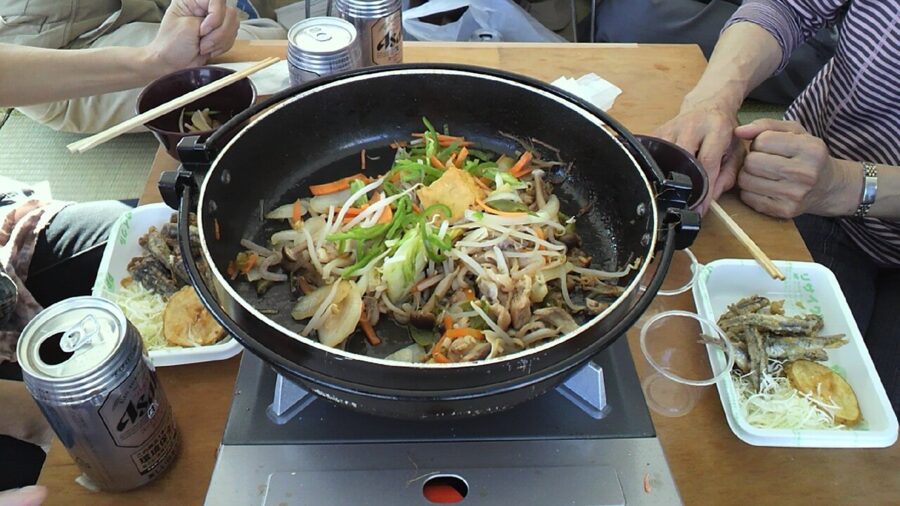
Saijō’s own dish is bishu-nabe (美酒鍋), “fine-sake hotpot”, once the staff meal the brewery workers cooked in the brewing season. The tourist association’s version starts with garlic fried in the pot, then chicken, gizzards, konnyaku and a heap of vegetables (Chinese cabbage, onion, carrot, leek, green pepper), seasoned with nothing but sake, salt and pepper. The festival hall adds pork belly, fried tofu and shiitake. The alcohol cooks off, and the sake brings out the flavour of everything else, which is why it was plain enough for brewers who had to keep their palates clean.
More than ten restaurants around the station serve it. Furansuya, run by Kamotsuru on the brewery street, calls its version the original. The ground-floor dining room serves lunch from 11:30 (last orders 14:00) and dinner from 17:00 (last orders 21:00); it closes on Thursdays and the second and fourth Mondays, and the private rooms upstairs take only set courses booked three days ahead (Furansuya’s own site keeps the holiday calendar).

Kappō Shinsuke, Sanyōtsuru’s restaurant in a converted brewery storehouse, serves a bishu-nabe set meal at 11:00–14:00 and 17:00–21:00 and is closed on Sundays and on Mondays that fall on public holidays. For an evening, Chūshingura on the brewery-street side of the station does pork-wrapped vegetable skewers with local sake and keeps bishu-nabe and Hiroshima oysters on the menu (winter is oyster season).
.jpg)
For something sweet, the breweries sell sake gelato and pudding, and Saijōtsuru makes one from junmai daiginjō. Kamoizumi’s Shusenkan does sake-flavoured pastries on weekends, and the station end of the street has ramen counters if you want a fast bowl before the train.
Getting there and back
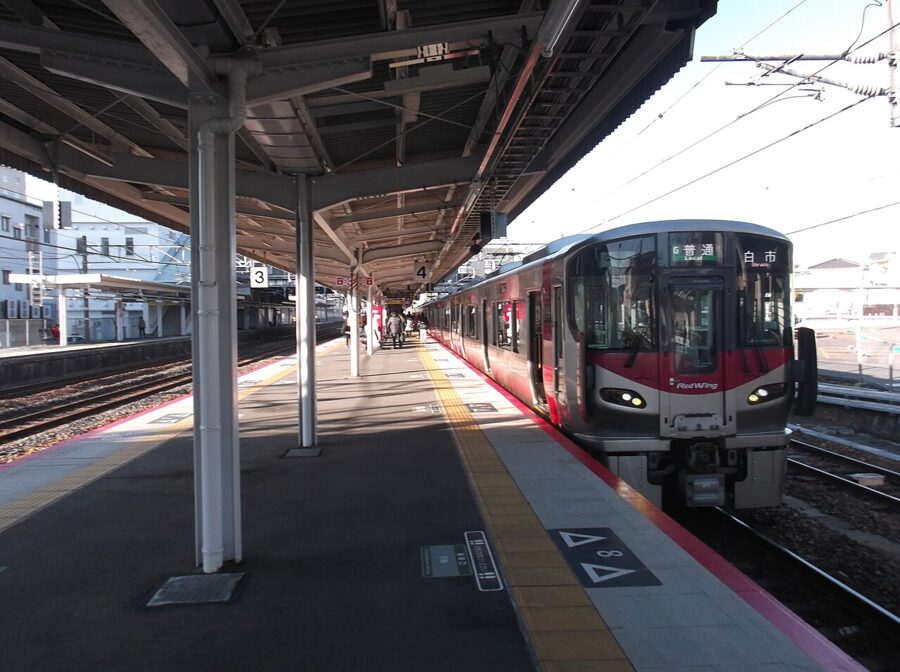
From Hiroshima Station, take any eastbound local on the JR Sanyō Line (trains are signed for Saijō, Shiraichi or Itozaki). The ride takes 35 to 40 minutes, there are several trains an hour through the day, and the fare is ¥590 each way; ICOCA and other IC cards work at the gates, and the JR Pass covers it. From Miyajima, the tourist authority puts the trip at about 70 minutes by the ferry and the same JR line.
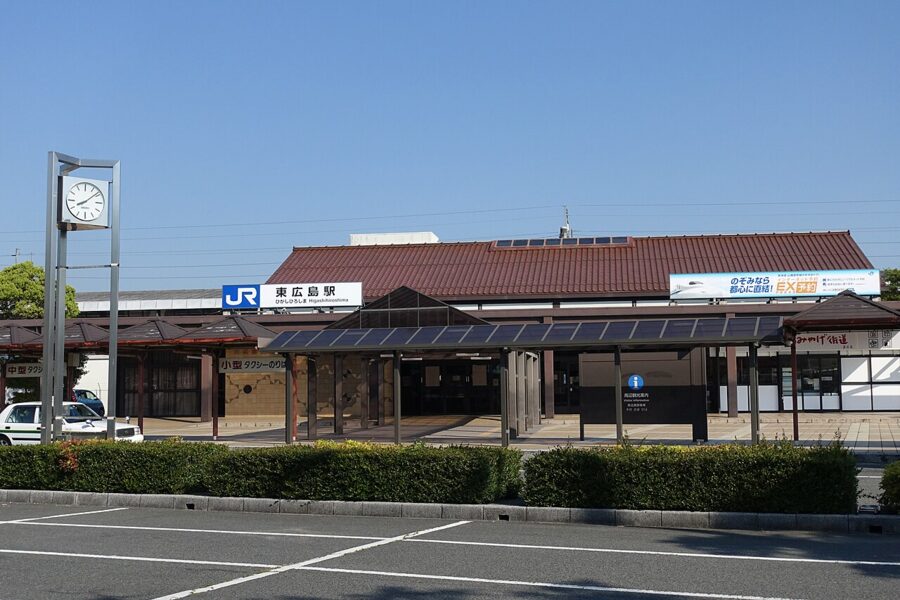
Do not book a Shinkansen to Higashi-Hiroshima. That station is a different place, served only by Kodama trains, about 20 minutes from Saijō by bus or taxi, as the festival’s access page warns. The breweries are on the south side of JR Saijō; coin lockers are on the station’s second floor, and there is no bicycle rental by the station.


Hiroshima Airport is closer to Saijō than to Hiroshima: the limousine bus from the north exit of the station takes about 25 minutes, and you pay on board. That makes Saijō an easy last stop on the way to a flight, if you are careful with liquids in your hand luggage. Going east, the same line continues to Mihara and its castle ruins, and the coast south of Saijō has two more days out: Takehara, an old merchant town with sake breweries of its own, and Kure, the naval port.
If you want the trains and timing handled, the half-day Saijō tour from Hiroshima meets at Hiroshima Station at 12:45, travels by public transport and lasts about four and a half hours (my review of the half-day tour has the details). It costs far more than the ¥590 train fare, so it is worth it mainly for the explanation.

Drinking well on a tasting day
The pours are small, 30ml at most counters, but seven breweries’ worth adds up. Pick three or four, ask what is seasonal, and drink the brewing water in between. Eat at lunchtime, not after the last brewery.
Carry cash; several breweries take cards for bottles but not for tastings, and Hakubotan and Fukubijin take none at all. The legal drinking age in Japan is 20. Saijōtsuru will not pour on its tour for anyone driving a car or bicycle, or pregnant or breastfeeding, which is a sensible rule for the whole street.
Buy the bottle at the brewery that surprised you. Many sell sake only available at the brewery, and Kamotsuru will ship within Japan if you would rather not carry glass back to the hotel.

So: a Saturday, the 10:00 hour on the Sanyō Line from Hiroshima, out of the south exit, and Kamotsuru’s counter first, while the steam is still coming off the roofs.