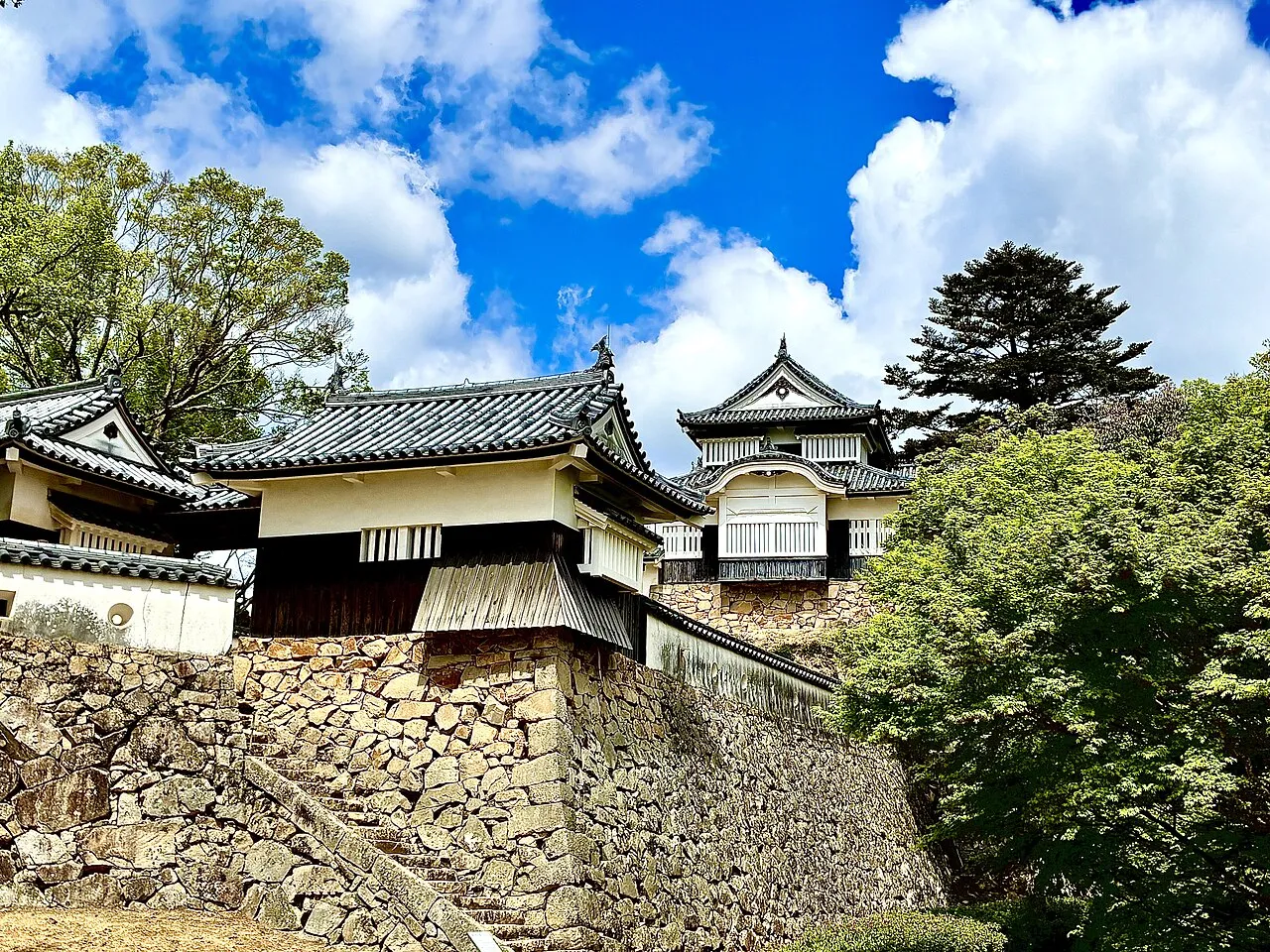
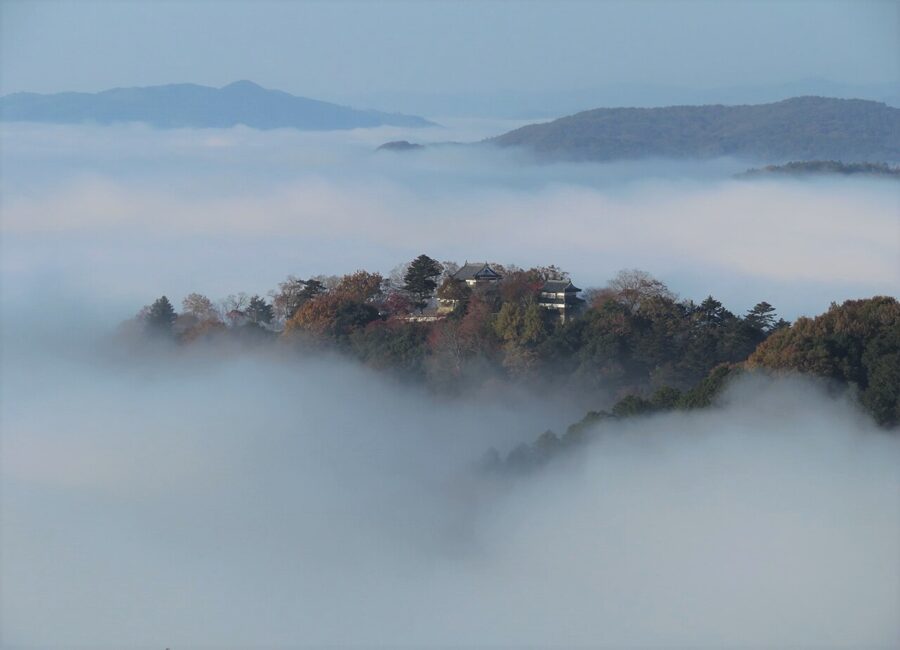
The photograph that made Bitchū Matsuyama Castle (備中松山城) famous cannot be taken from the castle. It is taken from a wooden deck on the next ridge to the east, usually before 08:00, when the cloud still fills the Takahashi valley and only the castle’s hilltop sticks out of it. The castle gates open at 09:00, by which time the show is normally over.
So a visit here is really two trips in one. The first is a short, steep walk up Gagyūzan (臥牛山) to the highest of Japan’s twelve original castle keeps, 430 metres up and the only one of the twelve that stands on a true mountain. The second is a dawn drive or taxi ride to the Unkai viewpoint, in the right season and on the right morning, for the castle floating on a sea of cloud.
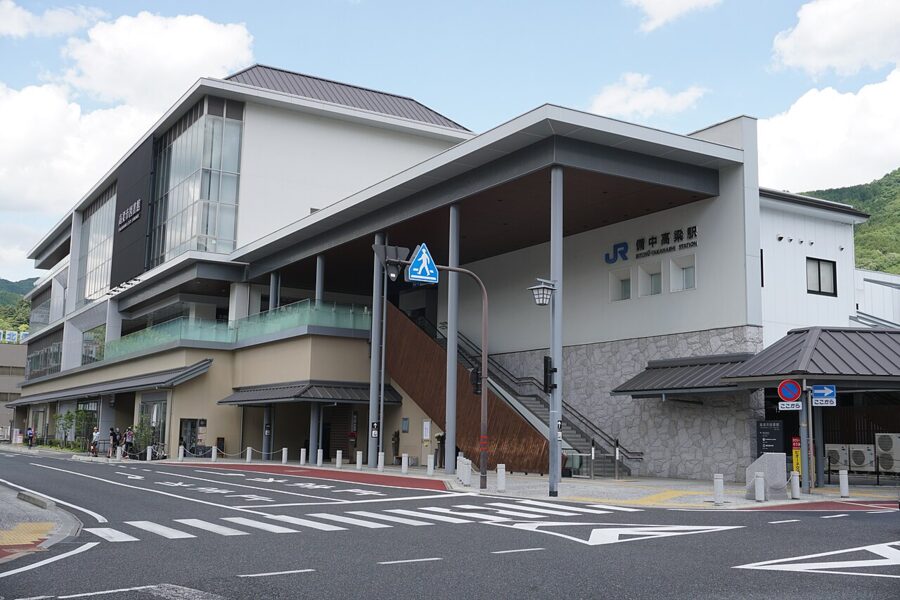
Both start from Bitchū-Takahashi, a quiet castle town 35 minutes north of Okayama on the Yakumo. You can do the castle as a half-day trip; the cloud needs an early start or a night in town.

Half a day, a short climb and a cloud season
Allow about two hours for the castle itself, which is the official estimate for the round trip on foot from the car park at Fuigo Pass plus time inside. Add the walk or ride from the station, and another two or three hours if you want the samurai street and the Raikyū-ji garden in town, and the whole thing fits comfortably between a morning train out of Okayama and an afternoon train back.
The climb is short but real. From the eighth-station car park it is roughly 700 metres and 20 minutes on an earth path with stone steps, uneven in places and slippery when wet. Trainers are fine; heels and leather soles are a bad idea, and there is no way up for a wheelchair.
The sea of clouds runs from late September to early April, and it is thickest from late October to early December. That is also when the maples around the old main gate turn red against the rock, and when the castle is at its busiest: in 2026 the shuttle bus ran almost every day from early October to early December. If you can choose, a weekday in late spring or early summer is the quiet option, with the bonus that you can usually drive right up to the eighth station.
If you are touring Okayama Prefecture, this pairs well with a night in Kurashiki, which is on the same line 25 minutes south. Castle collectors heading north can carry on to Matsue, home to another of the twelve original keeps, on the same train.
The castle on Gagyūzan
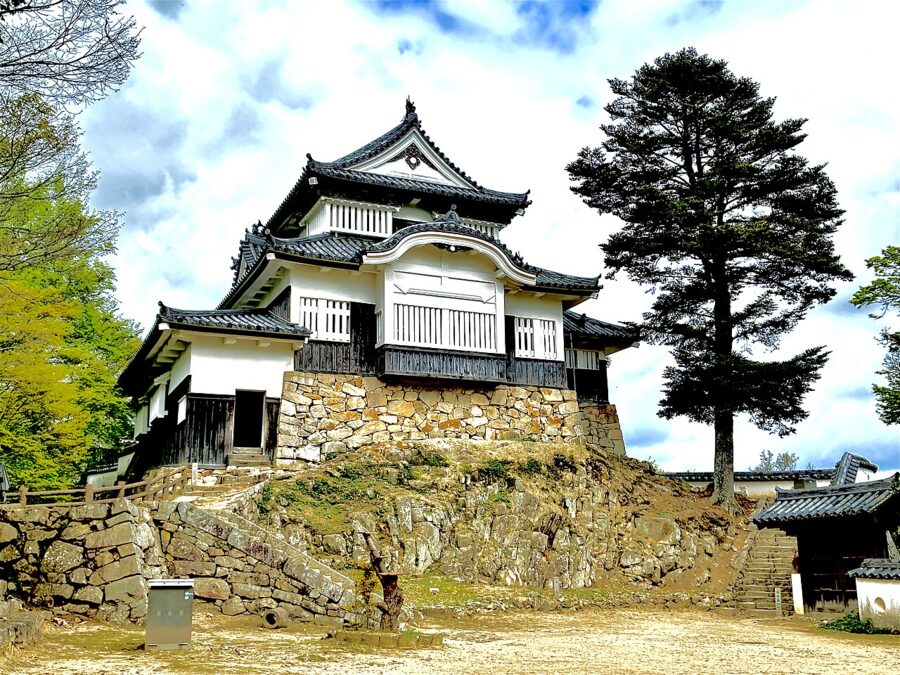
Gagyūzan, the “mountain of the resting ox”, is four peaks in a row at the northern edge of Takahashi, and people in town still call it simply oshiroyama, castle mountain. The first fort went up on the northernmost peak, Ōmatsuyama, in 1240, built by a local steward named Akiba Shigenobu. Over the next three centuries the centre of the castle moved south to the lower Komatsuyama peak, where the keep stands today.
The site controlled the road between the Inland Sea coast and the San’in, so it changed hands often. In the Bitchū war of 1574 and 1575 its lord, Mimura Motochika, defended the whole mountain with a ring of forts against the Mōri; the castle fell after a siege and the Mōri held it until their defeat at Sekigahara in 1600. The shogunate then sent Kobori Enshū, better known now as a garden designer and tea master, to govern the province, and he worked from a temple in town while the castle was repaired.
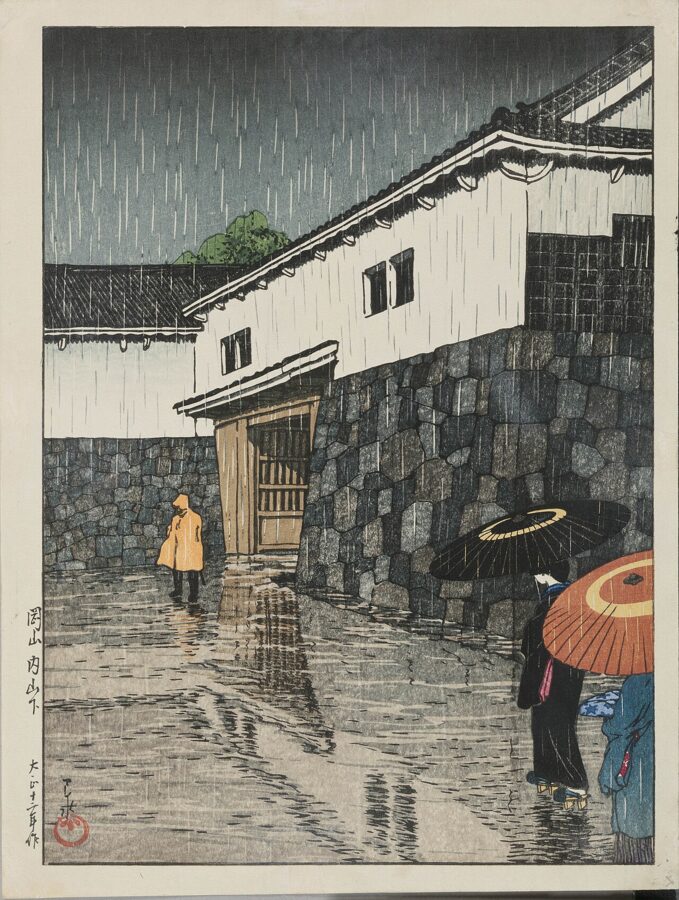
The castle you see is the work of Mizunoya Katsumune, who spent three years rebuilding it between 1681 and 1683. After the Mizunoya line died out, the man sent in 1694 to take over the castle was Ōishi Kuranosuke, later the leader of the 47 rōnin, and he stayed on for about a year as castle warden. A stone on the path up from the town is still pointed out as the one he sat on to rest.
The last chapter is the one that saved it. In 1868 the domain’s chief adviser, the scholar Yamada Hōkoku, chose to surrender to the new imperial army without a fight. When the Meiji government ordered castles demolished in 1873, the lord’s house at the foot of the mountain was pulled down, but the buildings on top were simply too awkward to bother with and were left to rot. It was also the new government that renamed the town: Matsuyama became Takahashi, which is why the station and the castle have different names.
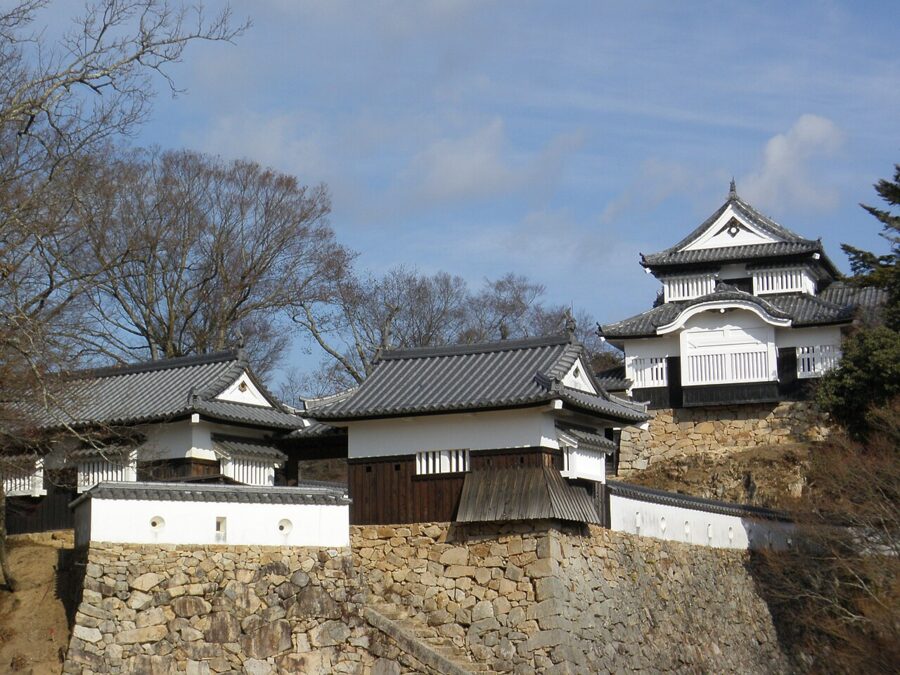
By the early Shōwa years, around 1930, the keep was close to collapse. A history teacher at the local middle school, Nobuno Tomoharu, climbed the mountain again and again to measure and record it, and his book started a campaign that led to a full repair in 1939 and 1940, with local schoolchildren carrying about 20,000 roof tiles up the path. The keep, the two-storey turret and a stretch of earthen wall became national treasures in 1941 and are now Important Cultural Properties; the gates and smaller turrets around the keep were rebuilt in 1997.
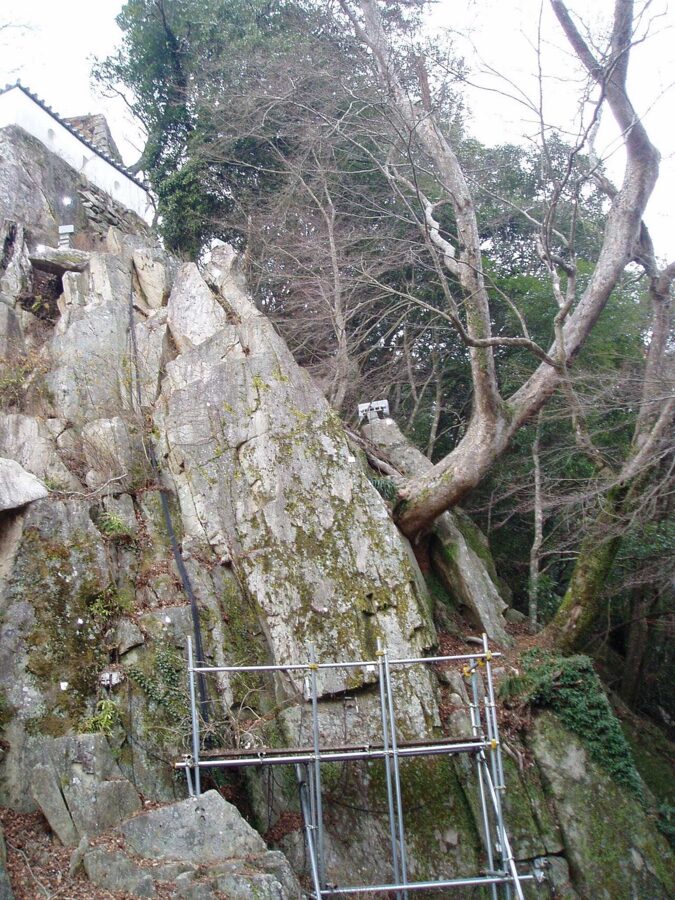

The keep, the turret and the wall
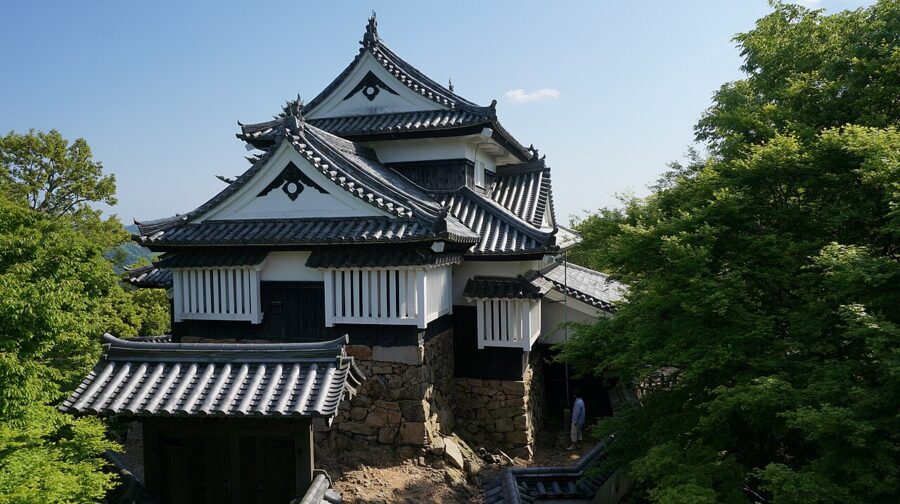
Old records call the keep a three-storey tower, but inside it has two floors. On the ground floor there is a long sunken hearth, built for cooking and warmth during a siege. A raised room at one end, the shōzoku-no-ma, was for the lord alone, and upstairs a shrine room once held three sacred swords. Twenty minutes is enough inside, and the views back over the town from the windows are the reward for the climb.

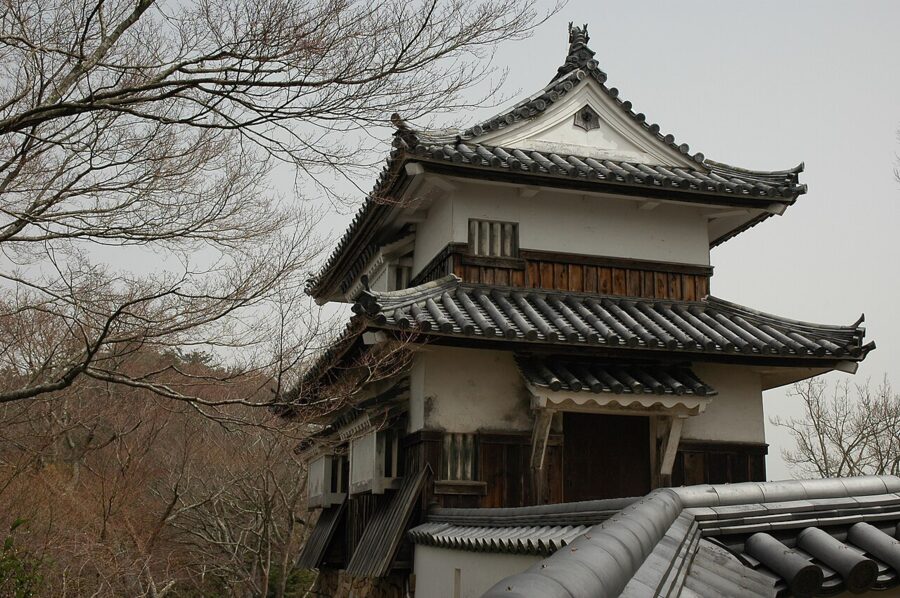
Walk round behind the keep for the Nijū-yagura (二重櫓), the castle’s only other two-storey building and probably its second most important. You normally see it from outside only; the city opens the interior a few times a year, most recently on 1 and 3 November 2026, with staff from the board of education on hand to explain it.

The third original piece is easy to miss: a length of earthen wall facing you just inside the old main gate. Surviving castle walls of this kind are very rare in Japan. The rebuilt section to its right copies the original, loopholes and all, and a small step in the top marks where old becomes new.
Tickets and hours as of 2026
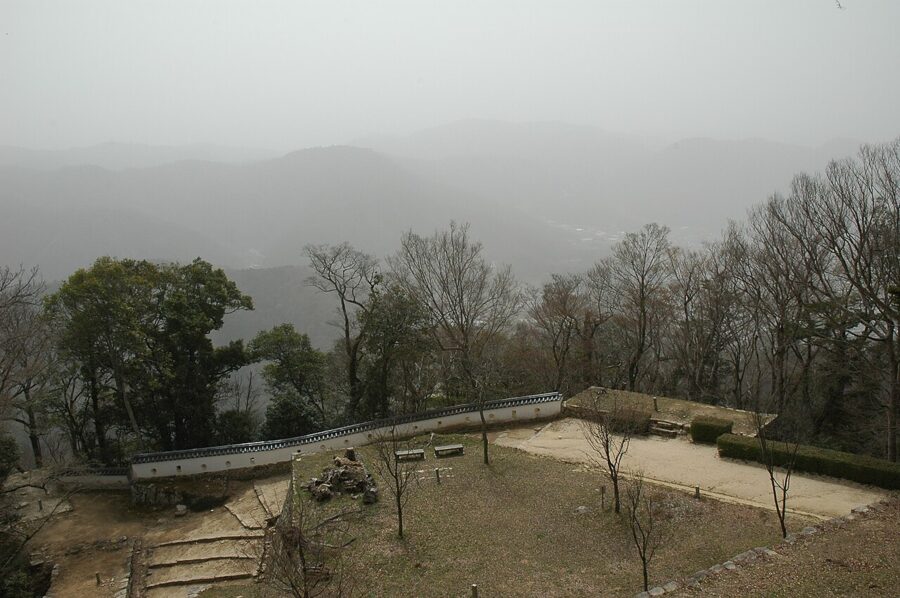
You can walk as far as the Ni-no-maru, the terrace just below the keep, for free; the ticket is checked at the gate into the honmaru, the top enclosure. The Ni-no-maru is technically open around the clock, but the city asks people not to climb in the dark.
| What | Details (as of 2026) |
|---|---|
| Opening hours | April to September 09:00 to 17:30 (last entry 17:00); October to March 09:00 to 16:30 (last entry 16:00) |
| Closed | 29 December to 3 January, and at short notice for typhoons or snow |
| Admission | ¥500 (about US$3) adults, ¥200 elementary and junior high school pupils |
| Three-site ticket | ¥1,000 (about US$6): castle, the two samurai houses and the Raikyū-ji garden |
| Five-site ticket | ¥1,500 (about US$9): the above plus the Folk Museum and the Yamada Hōkoku Memorial Museum |
| Shuttle bus | ¥600 (about US$4) adults, ¥300 children, return only |
The Japan 100 Castles stamp is kept at the keep, and so are the gojōin (御城印), the paper castle seals that collectors buy as souvenirs. The castle’s opening hours and ticket prices are updated by the Takahashi tourist association, which runs the site.
Getting up to the keep
Cars cannot go all the way. The road climbs to two car parks: Shiromibashi Park, at the fifth station, with 110 spaces next to the Shiromachi Station information centre, and Fuigo Pass (ふいご峠), at the eighth station, with only 14. Everyone walks the last stretch from Fuigo Pass.
On busy days a shuttle bus runs between the two, every 15 minutes or so from 08:45, taking five minutes each way. The last bus up leaves at 16:30 from April to September and 15:30 from October to March. The fare went up to ¥600 for adults in September 2026, and there are no one-way tickets. While the shuttle bus calendar shows it running, private cars are not allowed beyond Shiromibashi Park.
The bus runs on weekends and holidays through most of the year and every day in the peak weeks; in 2026 that meant almost daily from early October to early December, but weekends only in June and July, and in January and February. On non-shuttle days you can drive straight up to Fuigo Pass, which has charged ¥1,000 per car, cash only, since September 2026. You can also skip the bus and walk up from Shiromibashi Park in about 50 minutes.

From the station
A taxi from Bitchū-Takahashi Station takes about ten minutes and will go to Fuigo Pass whether or not the shuttle is running. The tourist association puts the fare at about ¥1,500 up and ¥2,000 down. On your own, the cheaper choice is the shared sightseeing taxi: ¥1,000 per person each way, leaving the station at 10:00, 11:30, 13:00 and 14:20, and coming back from Fuigo Pass at 11:50, 13:20, 14:40 and 16:10.
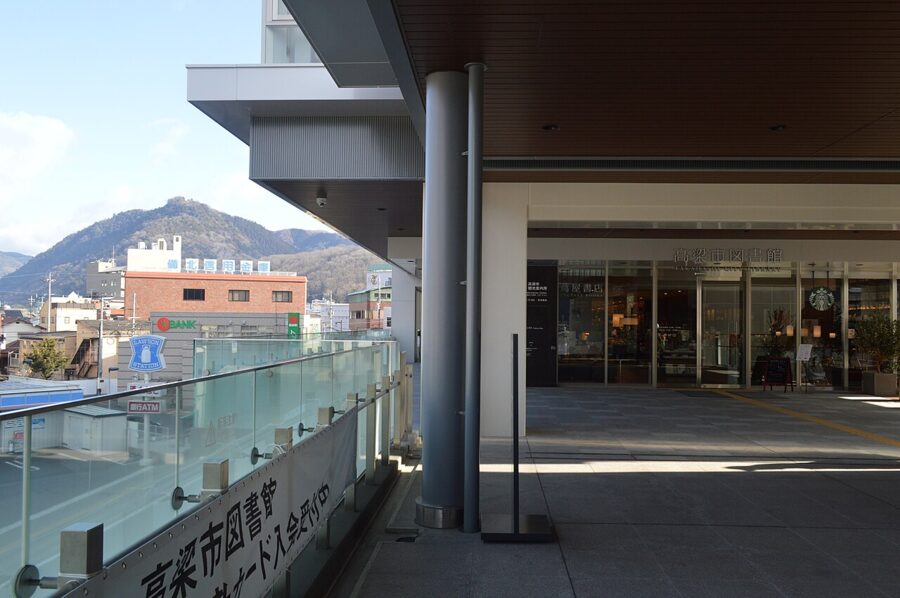
The shared taxi runs every day, but you must book by 17:00 the day before, at the tourist information centre in the library next to the station or online; the shuttle and shared taxi page has the details and links. The town loop bus from the station drops you at the Matsuyama-jō Tozanguchi stop, about 50 minutes on foot from the keep, and the whole walk from the station takes around an hour and a half.
The walk from Fuigo Pass
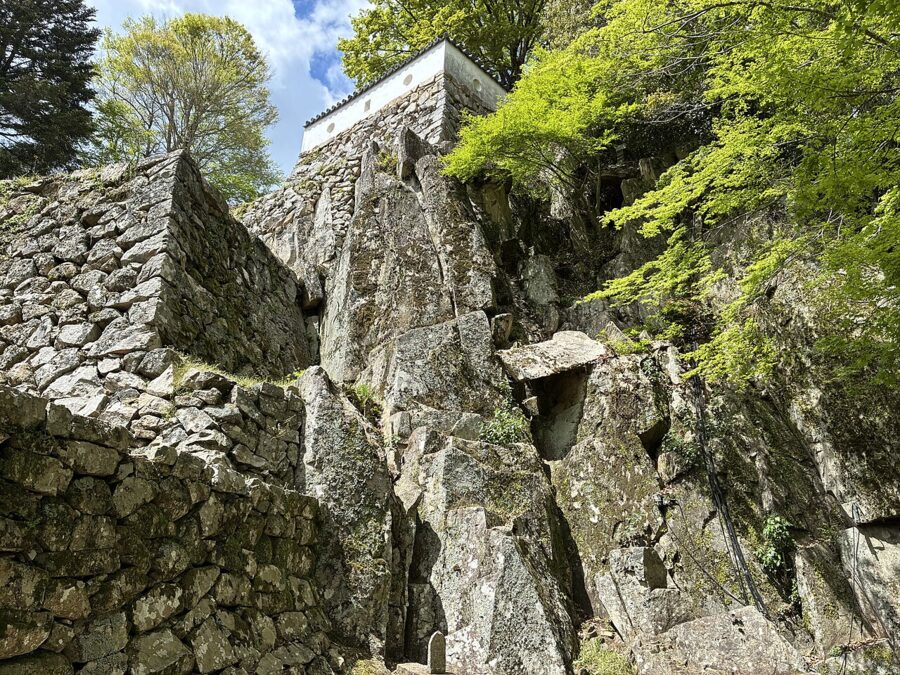
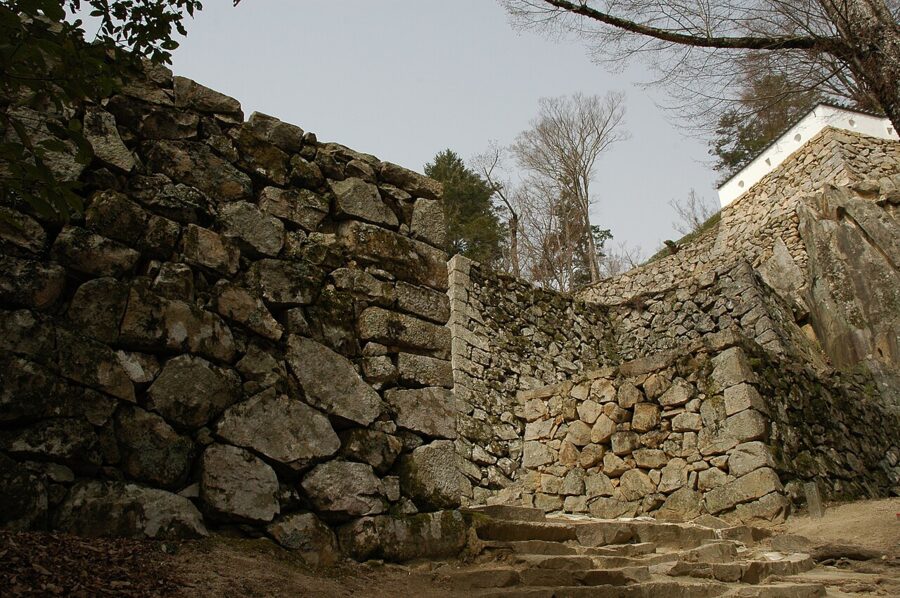
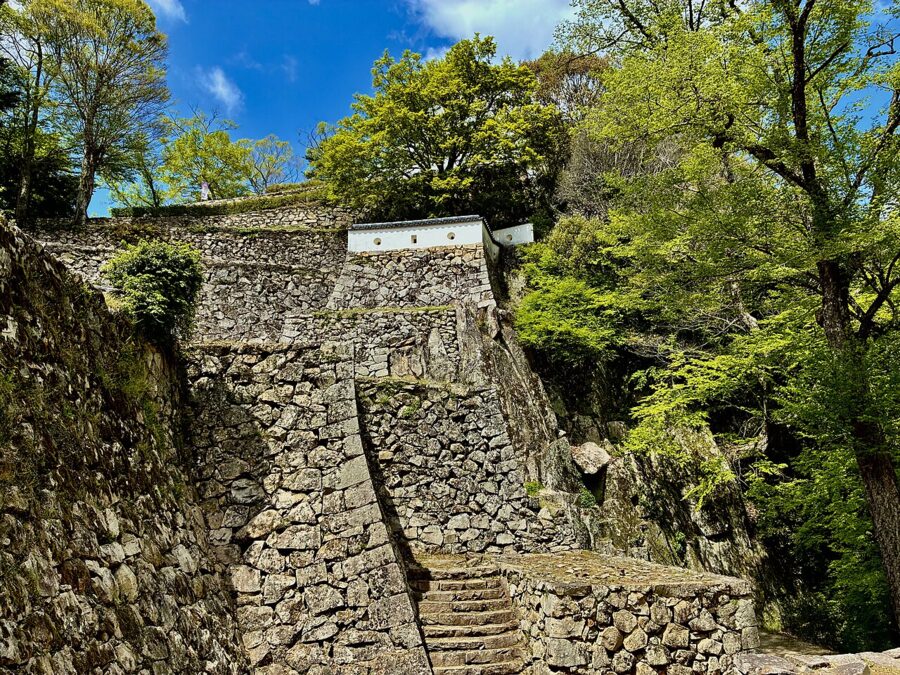
The path climbs through woods, and halfway up you reach the stone base of the Naka-taiko-yagura, a drum tower that has long gone. Stop here: it is the best place to catch your breath and the first clear view down over the town and the bend of the river. Then come the rock walls of the main gate and the earthen wall, and a series of terraces stepping up the ridge.

Past the San-no-maru there is a small building that looks like part of the castle and is actually the toilet, the only one inside the castle. Just beyond it, on the left, is the oldest stonework on the mountain: rough, unshaped boulders piled up in the nozura-zumi style, thought to be the one section built under the Mōri. A last left turn brings you onto the Ni-no-maru with the keep straight ahead.
With time and energy to spare, you can carry on north along the ridge from the Nijū-yagura to the medieval earthworks of Ōmatsuyama, where the first fort stood, about ten minutes on; further on are Tenjin-no-maru, the highest point of the mountain at 480 metres, a stone-lined reservoir and a small suspension bridge about 30 minutes from the keep. The path is rougher than the main route. The castle’s volunteer guides also lead walks from Fuigo Pass, at 10:10 and 13:10, for ¥500 per person with a minimum of two; they need a week’s notice.
Sanjūrō, the cat lord
The castle’s most photographed resident arrived in the summer of 2018. After the heavy rains and floods that hit western Japan that July, a ginger and white cat wandering the mountain turned up at the castle and settled in. Visitor numbers had dropped after the floods, and the cat’s sudden fame helped bring them back; on 16 December 2018 he was formally installed as the castle’s neko-jōshu, cat lord.
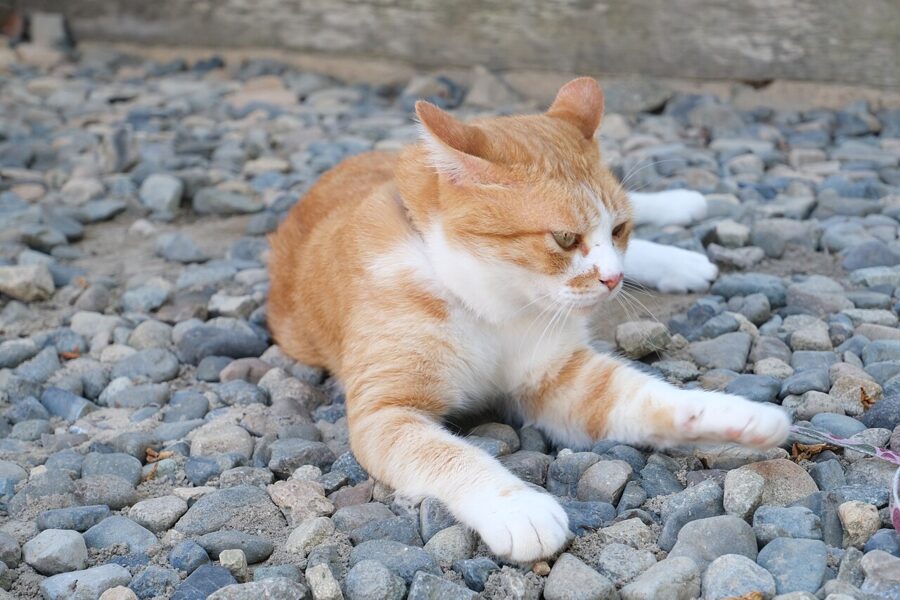

Sanjūrō is about eleven now and usually does a round of the castle at 10:00 and 14:00, which is your best chance of meeting him, though the route is up to him and he is sometimes away at the vet. His keepers ask for no flash, since his left eye is already damaged and they want to protect the right, and no treats: he is on a special diet. If you miss him, the official Sanjūrō page keeps fans up to date, and there is a small museum about him in town.
The sea of clouds from the Unkai viewpoint
The Unkai viewpoint is not on the castle mountain. It sits on a separate summit to the east, reached by a different road, and it looks across at the keep from the side. People who drive to Shiromibashi Park expecting the cloud view are the most common casualty here. Set your navigation for the viewpoint itself, signposted where the city road to Narai leaves National Route 484.
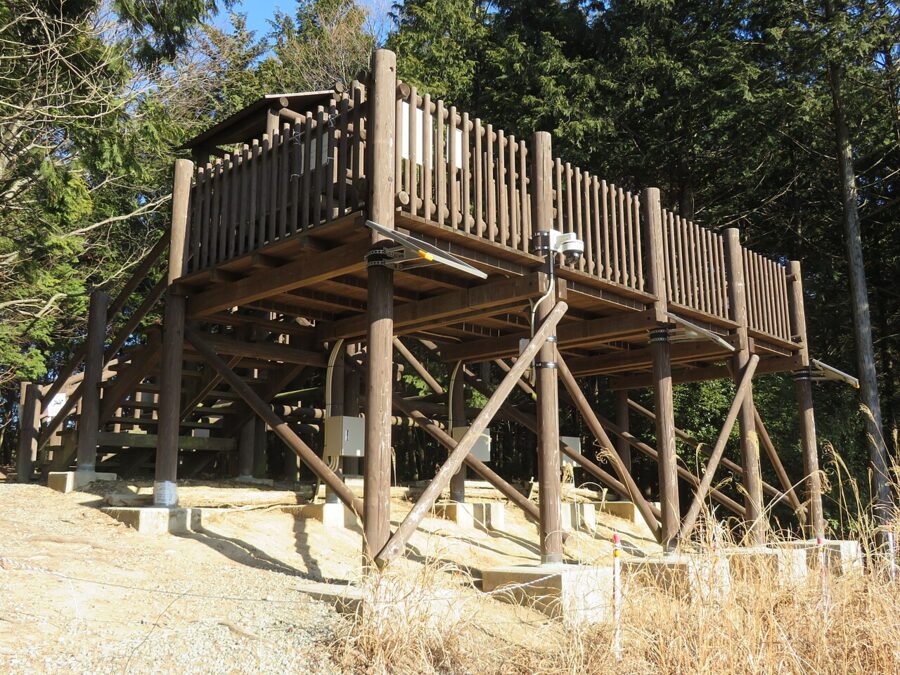

The cloud forms from late September to early April, from first light until about 08:00, and is most reliable from late October to early December; the city announced the start of the 2026 season on 13 October. It needs a clear, still night and a big drop in temperature after a warm day. It never appears on a rainy morning, and some say the second or third morning after rain is the best bet. Too thin and you see the whole town; too thick and the castle disappears too.
Check before you set the alarm. The city’s Unkai viewpoint page links to an AI forecast run by a professor at Okayama University of Science, which this year looks a week ahead, and to a weekend forecast from Mitsubishi Motors. The city also streams the view live on YouTube from 04:00 to 23:00, which tells you in seconds whether today is the day.
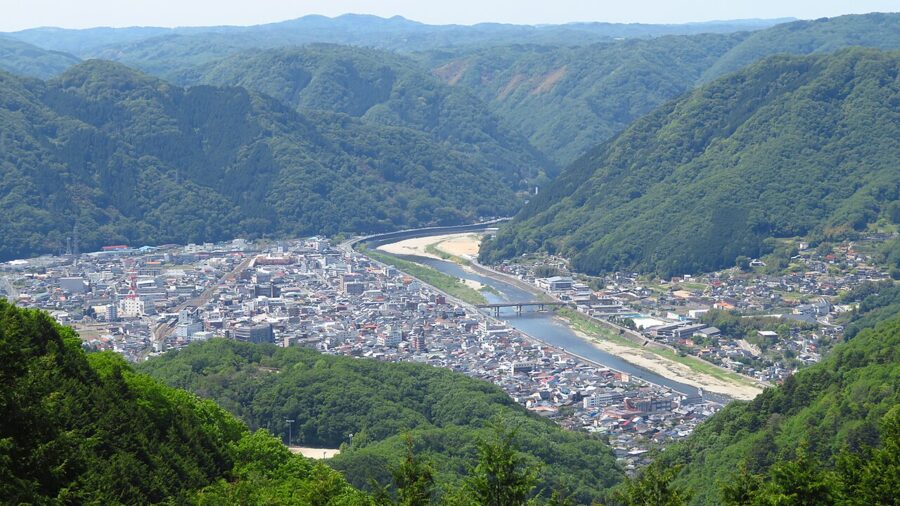

Without a car, the easiest way up is the cloud-viewing shared taxi, which runs from 1 October to 31 March. It leaves Bitchū-Takahashi Station at 07:30 and 08:00, waits at the viewpoint and is back about 70 minutes later, for ¥3,000 (about US$19) per person return; book by 17:00 the day before, as for the castle taxi. On foot it is about three hours and 12 kilometres from the station, which the city does not recommend.
The first Yakumo from Okayama reaches Bitchū-Takahashi at 07:40, in time for the 08:00 run but late for the best of the cloud. If the sea of clouds is the point of the trip, stay the night in Takahashi and take the 07:30 taxi, or a regular taxi earlier still. Keen walkers can then follow the trekking path from the viewpoint along the ridge to the keep, about 55 minutes, and arrive as the gates open.
Dress warmly: the deck is cold at dawn, the roads around it can be icy between December and February, and snow is possible. The mountain is also home to wild monkeys, protected as a natural monument. Keep food and paper bags out of sight, close the car windows, avoid eye contact and never feed them.
Takahashi, the town below the castle
The lords of Matsuyama lived at the foot of the mountain, not on it, and the town they laid out is still easy to read. The best of it is a short walk from the station, and the three-site ticket covers the main stops.
Ishibiya-chō samurai street
Ishibiya-chō (石火矢町) was the samurai quarter, and for about 250 metres it still looks the part: white plaster walls, tiled gatehouses and stone bases on both sides of a narrow lane under the castle mountain. Two of the houses are open. The Former Orii house was home to a mounted guard on a stipend of 160 koku of rice and dates from the 1830s or 1840s, with its garden pond and stepping stones almost unchanged and a small museum of domain relics.
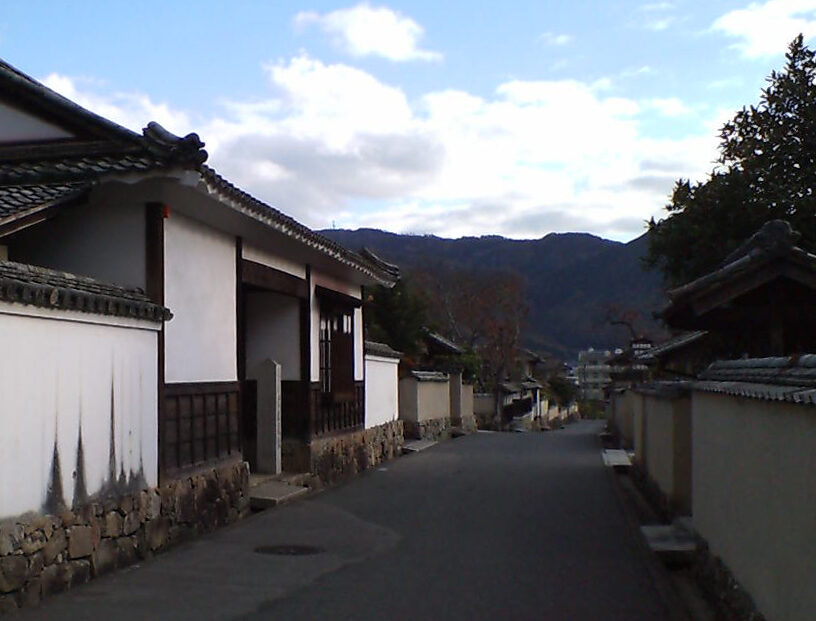
The Former Haibara house, a few doors along, belonged to a family of officials and borrows touches from temple and teahouse architecture, which is unusual for a samurai home; it is a city-designated cultural property. Its annexe has held the Sanjūrō Ashiato-kan, a little museum of the cat lord’s life, since March 2024. A joint ticket for both houses is ¥500, and they open 10:00 to 17:00 from April to September and 10:00 to 16:00 from October to March. Both close over the New Year.
Raikyū-ji and its garden
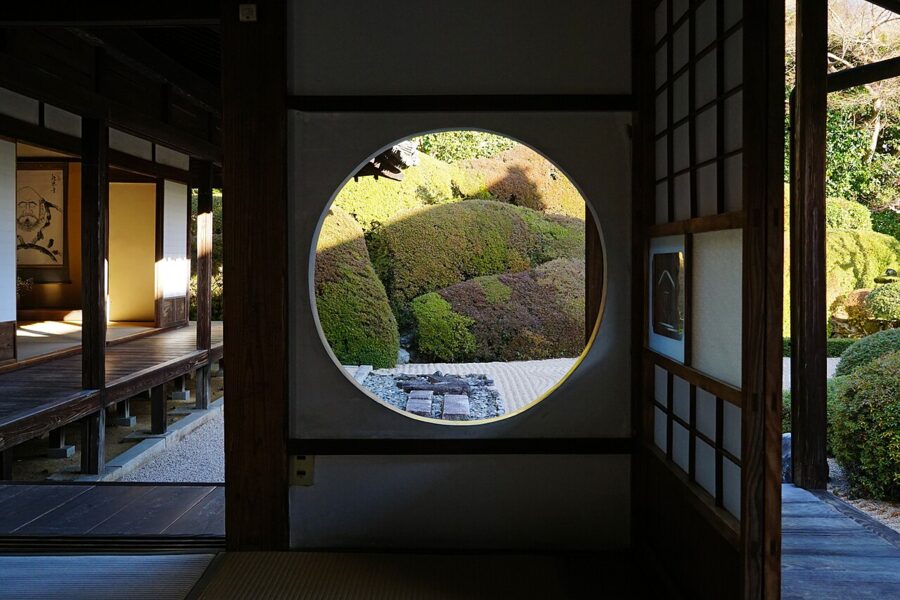
Raikyū-ji (頼久寺) was founded in 1339 as one of the Ankoku-ji temples that Ashikaga Takauji ordered in every province. Its garden is the reason to come. Kobori Enshū laid it out around 1605, while he was running the province from the temple, and it is one of the finest early Edo gardens in Japan and a national Place of Scenic Beauty.
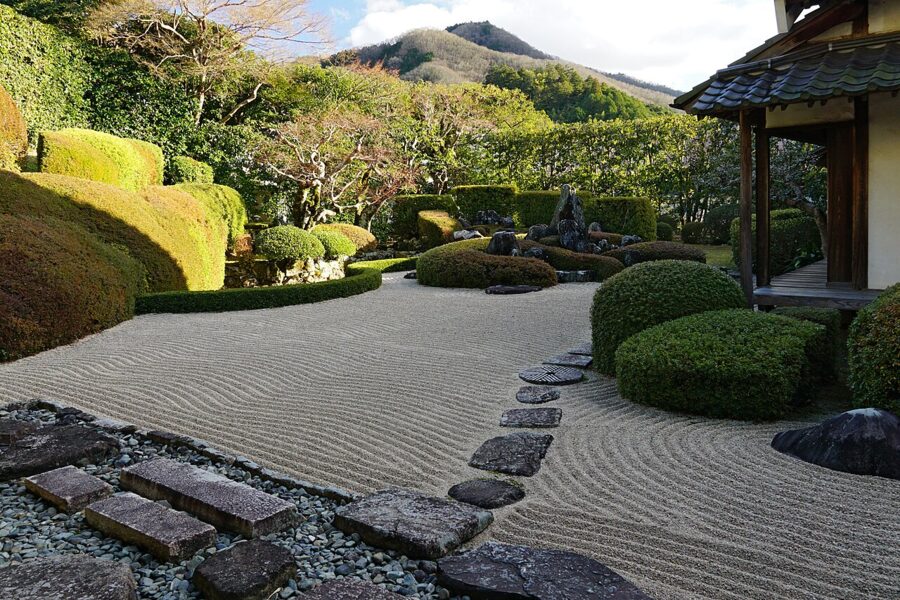

It is a garden for sitting rather than walking: you look at it from the veranda of the temple building. The famous season is when the satsuki azaleas flower at the start of summer, and the autumn maples are the other. Entry is ¥400 for adults or part of the three-site ticket, and the temple’s garden hours are 09:00 to 17:00, every day.

Konyagawa and the old streets
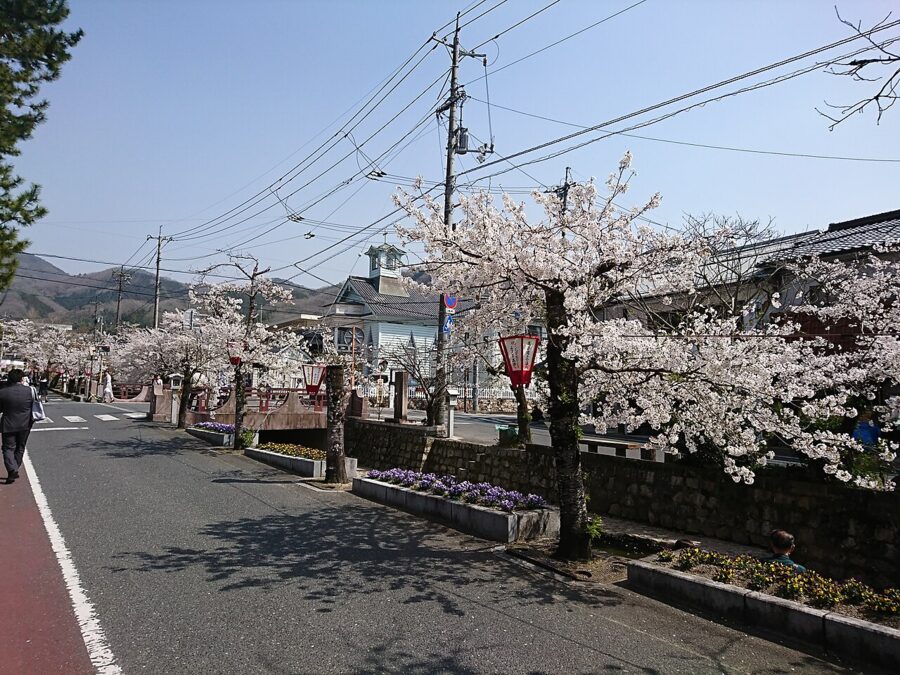
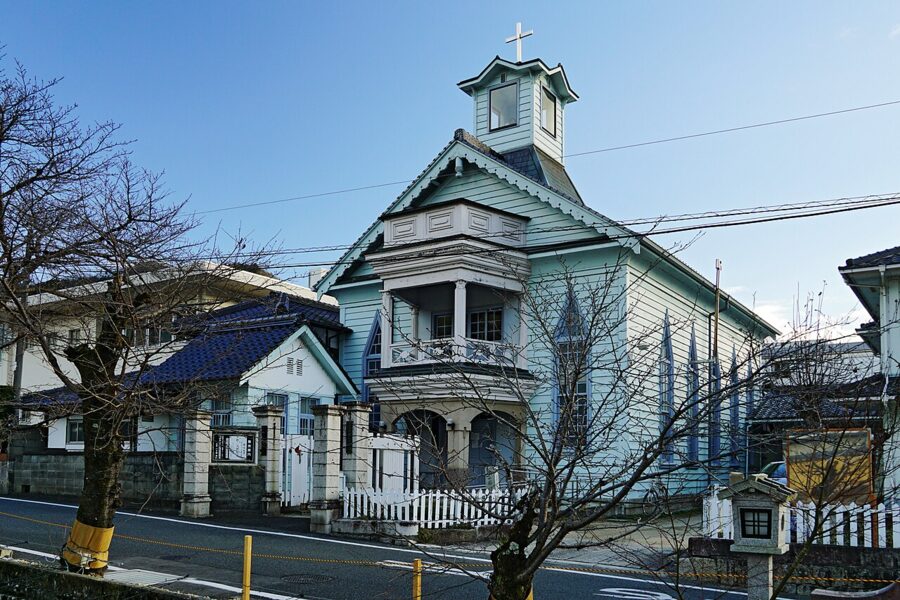
The Konyagawa, a small river that once served as the castle’s outer moat, runs through the centre of town lined with cherry trees and willows. Along it are the site of the domain school, Yūshūkan, and the Takahashi Christian Church, built in 1889 and the oldest surviving church in Okayama Prefecture. The church grew quickly after a visit by Niijima Jō, founder of Dōshisha University, in 1880; it opens from 09:00 to 17:00, except on Sunday mornings.

Honmachi, said to be the first street laid out in the castle town, still has a row of old merchant houses; the Ikegami house, built by a family that grew rich on soy sauce and the river boats, is open as a free rest stop from 10:00 to 16:00. Fans of Yamada Hōkoku, the scholar who saved the castle, will find a museum to him by the Folk Museum, both included in the five-site ticket.

Getting between them is easy on foot, and the loop bus stops near both the samurai houses and Raikyū-ji. The tourist information centre at the station also rents ordinary and electric-assist bikes, which make the climb from the samurai street to the shuttle stop at Shiromachi Station much less work.
Getting there on the Yakumo
Bitchū-Takahashi is on the Hakubi line, and every limited express Yakumo between Okayama and Izumo stops there. From Okayama the trip takes 35 minutes, with trains roughly hourly: under the timetable in force since 14 March 2026 the first leaves at 07:05 and most of the rest at 13 minutes past the hour, from platform 2. Coming back, Yakumo trains leave Bitchū-Takahashi for Okayama about once an hour until 21:01.
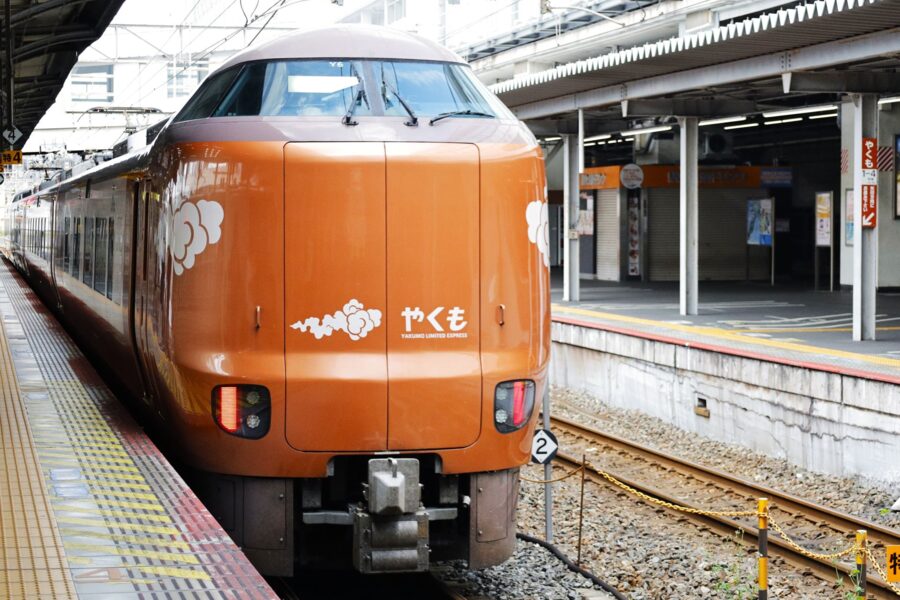
The Yakumo has been all-reserved since 2024, so book a seat before you board. A one-way trip from Okayama costs ¥2,150 (about US$14) with a regular-season reserved seat as of autumn 2026, a little more at peak times. Local Hakubi line trains cost ¥860 and take about 50 minutes.
Heading north, sit on the left for the Takahashi River, and if you have time, stay on board: the Yakumo’s run over the mountains is one of the great train rides of western Japan. JR West posts the current Yakumo timetable as a PDF.

From Kurashiki the Yakumo takes about 25 minutes, and from Yonago in the San’in about an hour and 40 minutes. From further afield, Okayama is a stop on the Shinkansen between Osaka and Hiroshima, and the Yakumo is covered by several of the JR West rail passes. By car, the nearest exit is Kayō on the Okayama Expressway, about 30 minutes from Shiromibashi Park.

Another fine castle town in northern Okayama, Tsuyama, makes a good contrast: huge stone walls, no keep at all. But for the full picture of how a mountain castle worked, nothing in the region beats Gagyūzan.
For the castle alone, take a morning Yakumo from Okayama, book the 10:00 shared taxi to Fuigo Pass and keep the afternoon for Ishibiya-chō and Raikyū-ji. For the photograph, spend the night in Takahashi, be on the deck across the valley before 08:00, and watch the castle come up out of the cloud an hour before its gates open.