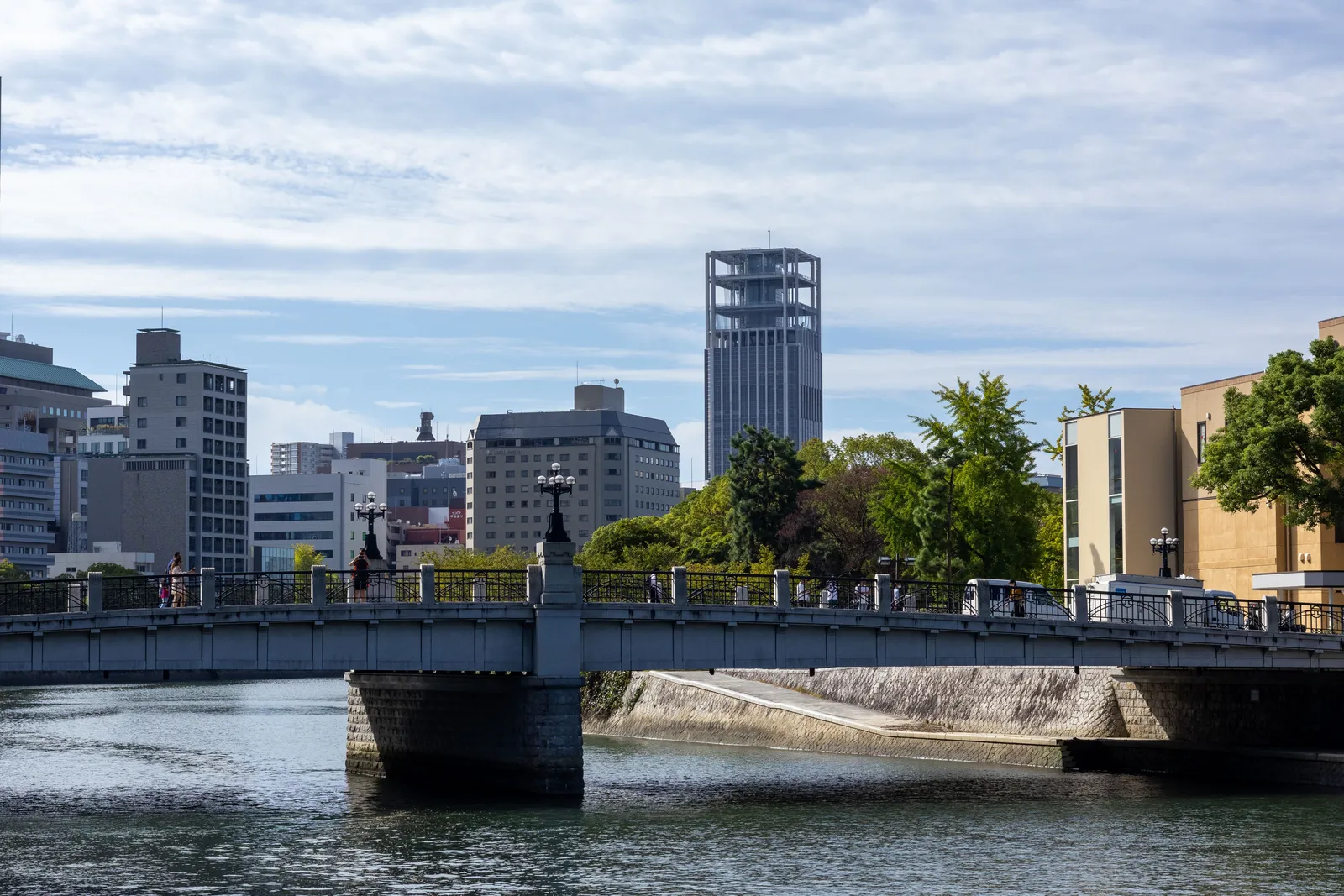
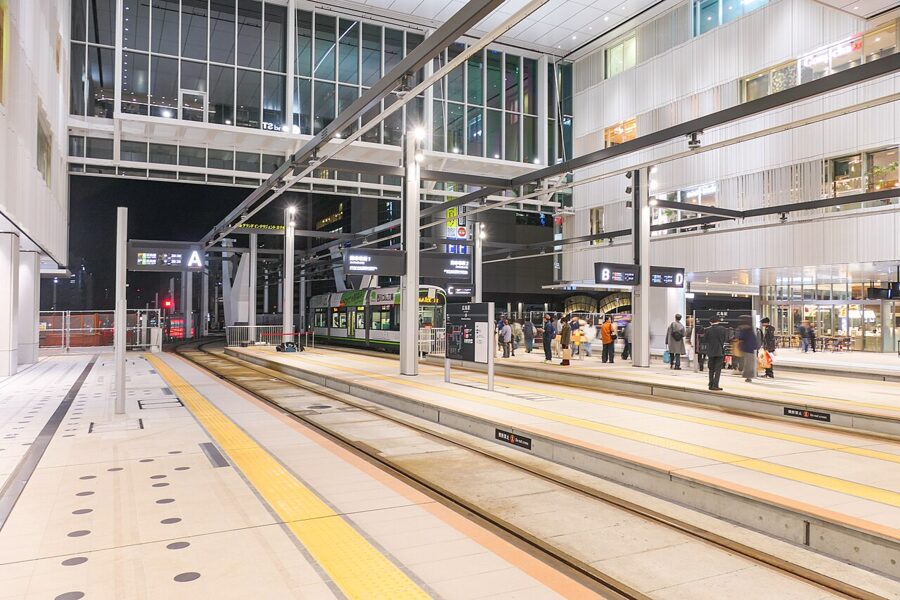
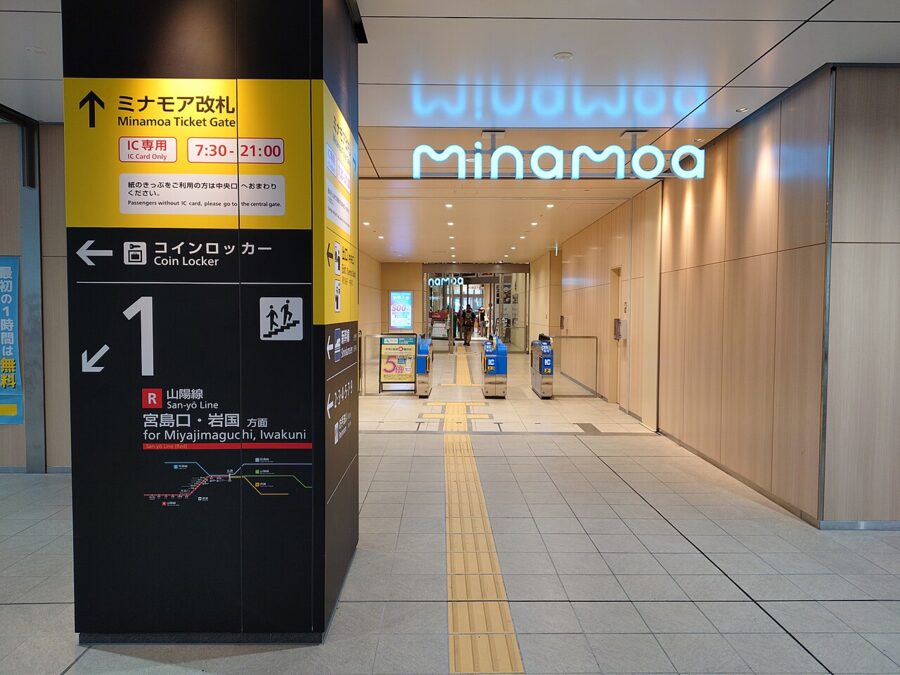
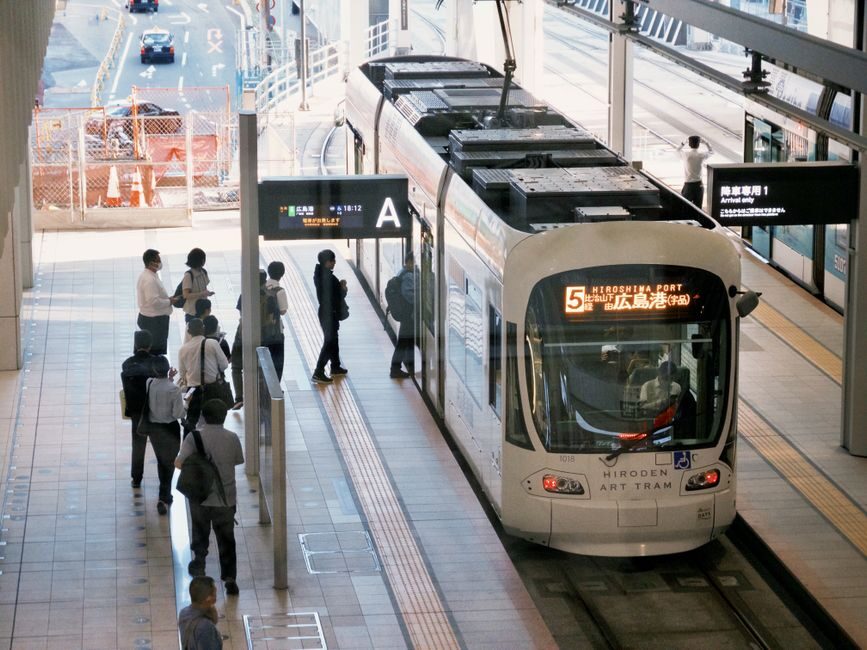
Since August 2025 the trams have left from inside Hiroshima Station. You come through the JR ticket gates, walk straight ahead on the same floor, and the Hiroden platforms are waiting on the second level of the new station building. Ten minutes later you are at Kamiya-chō, in the middle of the city, for a flat ¥240 (about US$1.50).
That short ride is the key to choosing a base. Hiroshima is a compact city on a river delta, and almost everything a first-time visitor wants (the Peace Memorial Park, the Hondōri arcade, the okonomiyaki counters, the castle grounds) sits within a twenty-minute walk of the Kamiya-chō and Hatchōbori tram stops. The station is the gateway, but downtown is where the evenings are.
So here is the decision in one line: for a first visit of two or three nights, stay between Hatchōbori and Kamiya-chō. Choose the station area if you are catching early trains or using Hiroshima as a base for day trips, and add a night on Miyajima if you can. Everything below is about when to break that rule, and which hotels make it easy.
On this page11 stops
- The short answer, area by area
- What a room costs in 2026
- Around Hiroshima Station and the new station building
- Hatchōbori and Kamiya-chō: the downtown pick
- Near the Peace Park
- Nagarekawa, for late nights
- Ujina and Hiroshima Port
- Staying on Miyajima, or at Miyajimaguchi
- Ryokan and hot springs in and near the city
- When to book early
- Getting from the station to each area


The short answer, area by area
Hiroshima’s hotels cluster in a handful of districts, and they suit different trips. This is the whole guide in a table; the sections after it give the hotels and the reasons.
| Area | What it is like | From the station | Best for |
|---|---|---|---|
| Hatchōbori and Kamiya-chō | Department stores, the Hondōri arcade, restaurants on every side street | About 10 minutes by tram | First visits, two or three nights, walking everywhere |
| Around Hiroshima Station | New station building, big hotels, shopping and food inside the station | On the doorstep | Early trains, day trips, one-night stops |
| Near the Peace Park | Riverside, calm, wide Peace Boulevard | About 15 minutes by tram | An early museum visit, families, a quieter night |
| Nagarekawa | The region’s biggest nightlife district, bars and late kitchens | About 10 minutes by tram, then a short walk | Late dinners and bars |
| Ujina and Hiroshima Port | Waterfront, ferries, a bay hotel | About 30 minutes by tram | Island ferries, cyclists, a resort-style stay |
| Miyajima or Miyajimaguchi | The shrine island and the ferry town opposite | About 30 minutes by JR, then a 10-minute ferry | Ryokan nights, the torii after dark |
If you are only passing through on a rail pass, one night by the station is perfectly sensible. If Hiroshima is the main event, two nights downtown and one on the island is the pattern I would book. It also answers the question of how long to stay: two full days covers the Peace Park, the city and a Miyajima day, and the third night is what lets you see the island when the day crowds have gone.
What a room costs in 2026
Hiroshima is still cheaper than Kyoto, but it is no longer the bargain it was. Prices have climbed as overseas visitors have grown and new, pricier hotels have opened. Listed prices tracked across about 130 hotels in the city give a useful picture for a double room shared by two, on the cheapest plan.
- Business hotels (compact rooms, often a big bath upstairs): roughly ¥10,000 to ¥17,000 (about US$65 to US$110) a night for the room, depending on the month.
- Full-service city hotels: roughly ¥12,000 to ¥25,000 (about US$80 to US$160) in an ordinary month.
- Peak nights: Saturdays in November and the Golden Week holidays in early May can push the middle of the market past ¥30,000 (about US$195).
- Cheapest nights: June, December to February, and Sunday or Monday nights.
Two smaller things. The station side (Minami-ku) has run about ¥1,000 to ¥2,500 (about US$6 to US$16) a night dearer than downtown Naka-ku in most months, so the “convenient” choice costs a little more. And since 1 April 2026 Hiroshima Prefecture charges a ¥200 accommodation tax (about US$1.30) per person per night where the room-only rate is ¥6,000 (about US$40) or more. Most hotels collect it at the desk, even if you booked online.
Around Hiroshima Station and the new station building
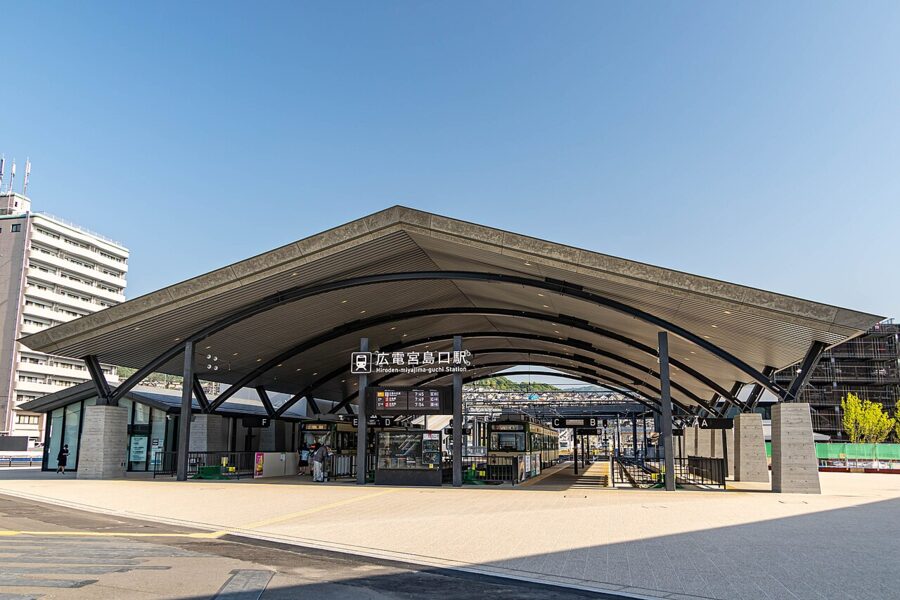
The station changed more in 2025 than in the previous forty years. The new south-side building, minamoa, opened on 24 March 2025 with shops, restaurants and a hotel on the south side, and in August the trams moved inside. The south exit now feels like a small town under one roof, which matters on a wet evening.
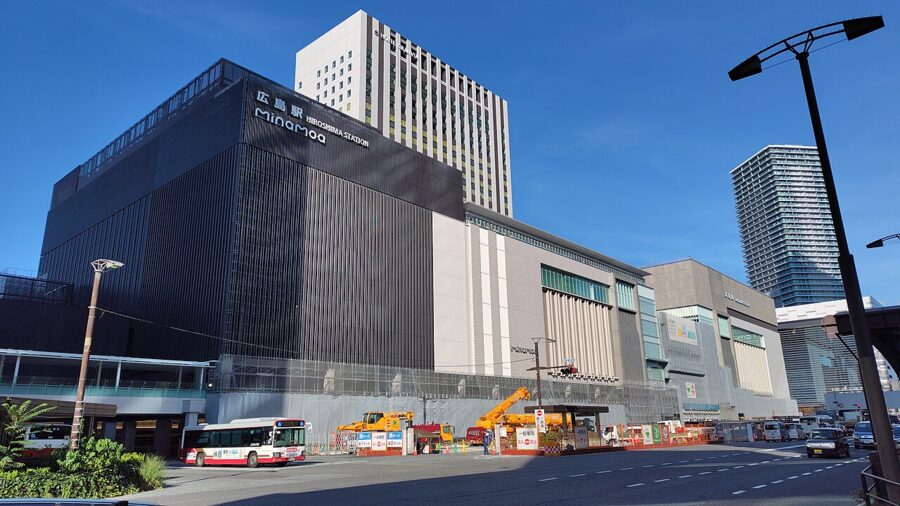
Staying here makes sense in a few situations. If you arrive late on a Shinkansen and leave early, you lose nothing. If you are using Hiroshima as a base for day trips east or west (Onomichi, Kure, the sake breweries at Saijō, or Iwakuni and its bridge), the JR lines all start here. And the airport buses run to the station, about fifty minutes from Hiroshima Airport.
The downside is the evening. The good okonomiyaki counters, bars and side-street restaurants are downtown, so you will be riding the tram back after dinner. It is a short ride, but it is a ride.
Hotels by the station
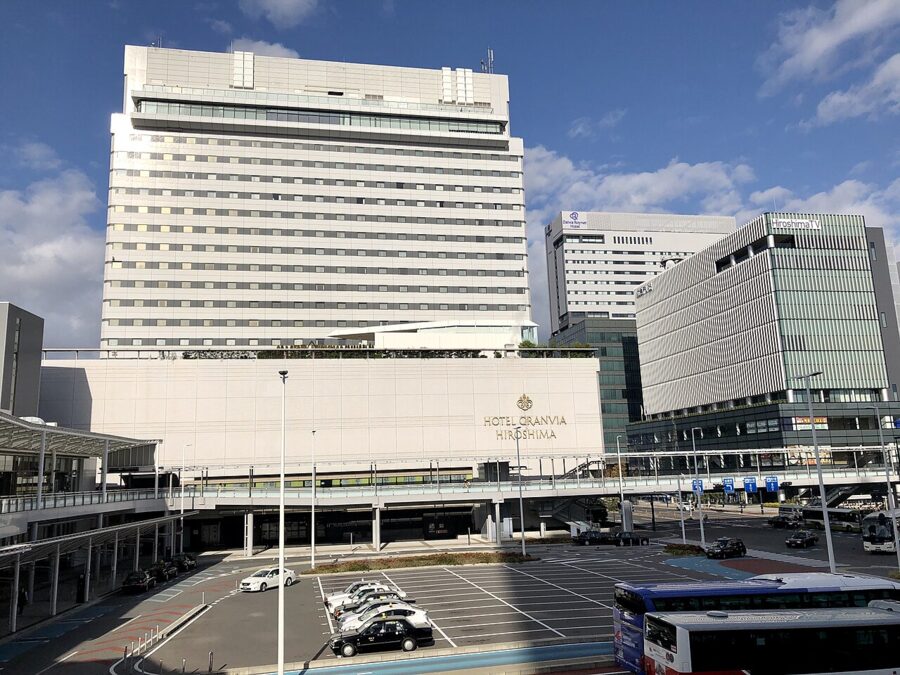
- Hotel Granvia Hiroshima South Gate opened with minamoa on 24 March 2025 and is the most convenient bed in the city: lobby on the 7th floor, lockers and suitcase holders on the same floor for the hours before check-in, and the tram platforms a lift ride away. Every room has a separate toilet, washbasin and bath.
- Hotel Granvia Hiroshima is the older sister on the north (Shinkansen) side, joined to the station by the pedestrian deck. One date to know: it is closing for a statutory inspection on 17 and 18 February 2027.
- Sheraton Grand Hiroshima Hotel sits on the same north side, connected to the station and opposite the Granvia, and was the first Sheraton in the Chūgoku and Shikoku regions.
- Daiwa Roynet Hotel Hiroshima Ekimae, open since 2019, is about three minutes on foot from the north exit, a good mid-price choice if you want the station without the big-hotel bill.
Hatchōbori and Kamiya-chō: the downtown pick
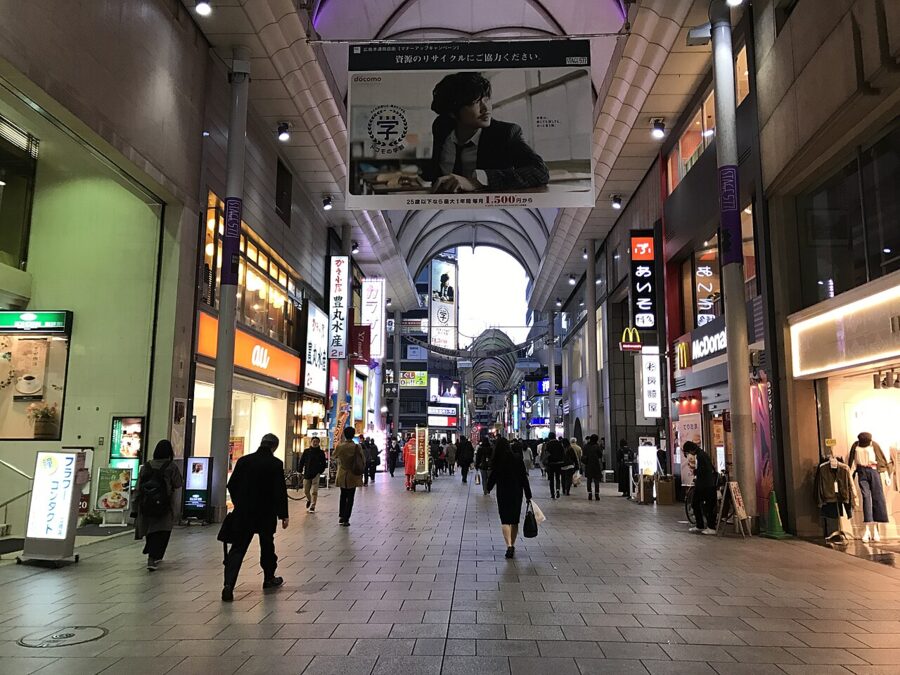
Hatchōbori (八丁堀) is the eastern end of downtown, a crossroads of department stores and tram lines. Kamiya-chō (紙屋町), about ten minutes’ walk west along Aioi-dōri, is the western hub, with the bus centre and the underground Shareo mall beneath the junction. Between them runs the Hondōri arcade, and south of it lie the backstreets where most of the city’s restaurants are.
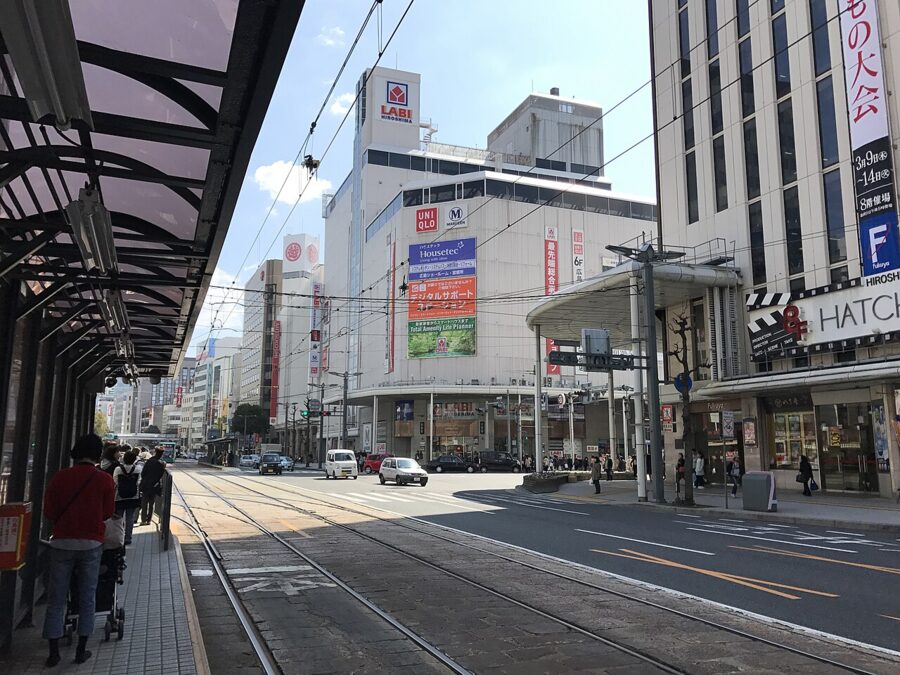

This is the area I would choose for a first visit. You can walk to the Peace Park in the morning, come back for a rest in the afternoon, and walk out again for dinner without checking a timetable. Hiroshima Castle is a short walk north, though the 1958 concrete keep closed for good on 22 March 2026 because of its age; you can still walk the moats and see it from outside. For more on what to see and eat once you are here, the Hiroshima city guide covers it.
If you want someone to steer you through the food, the evening Best of Hiroshima food tour starts near the Orizuru Tower and works through four downtown stops, including layered okonomiyaki on the griddle and local sake. I have written it up in my review of the Hiroshima food tour; it is not cheap, but it fixes the first-night problem of not knowing where to sit down.
Hotels downtown
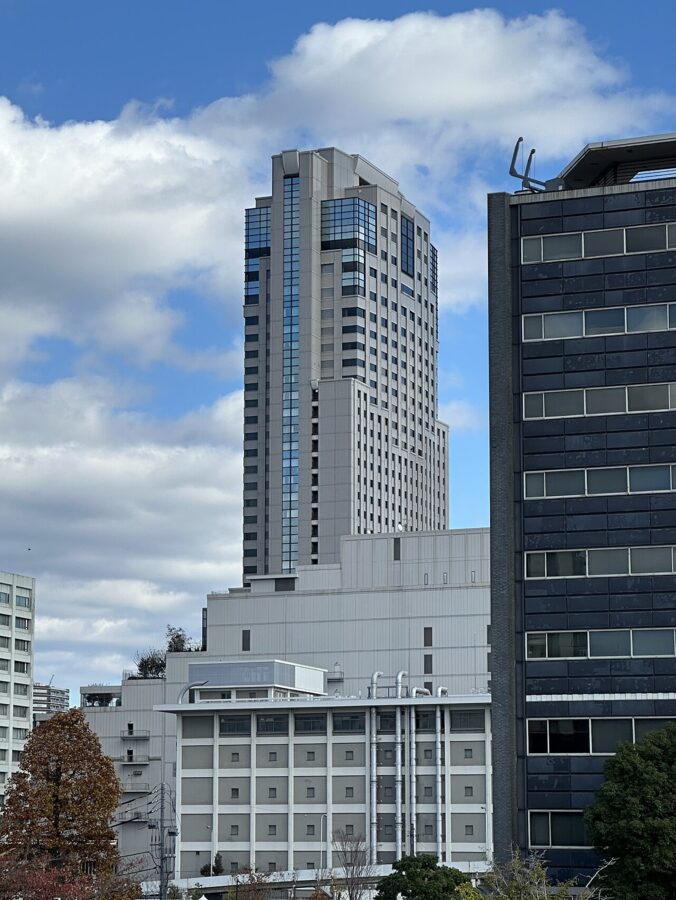
- RIHGA Royal Hotel Hiroshima is the tall tower at Kamiya-chō, right beside the bus centre where the airport buses also stop. The Peace Park and the castle are both walkable, and the upper floors look out over the city.
- Candeo Hotels Hiroshima Hatchobori is about two minutes from the Hatchōbori tram stop and has a rooftop Sky Spa with an indoor bath, open-air bath and sauna. After a day on your feet, that matters more than the room size.
- KIRO Hiroshima by THE SHARE HOTELS, opened in 2021, is a design hotel in Mikawa-chō about six minutes’ walk from Hatchōbori, with a guest lounge and shared kitchen. It suits couples and small groups who like a bit of character.
- Mitsui Garden Hotel Hiroshima sits on the southern side of downtown near Shirakami-sha shrine, about ten minutes from the station on the Eki-machi Loop bus and an easy walk to the Peace Park.

Near the Peace Park
The hotels along Peace Boulevard (Heiwa-ōdōri) and on the streets south and west of the park are a few minutes closer to the museum and noticeably calmer at night. The boulevard is very wide and lined with trees, and in early May it becomes the stage for the Flower Festival.
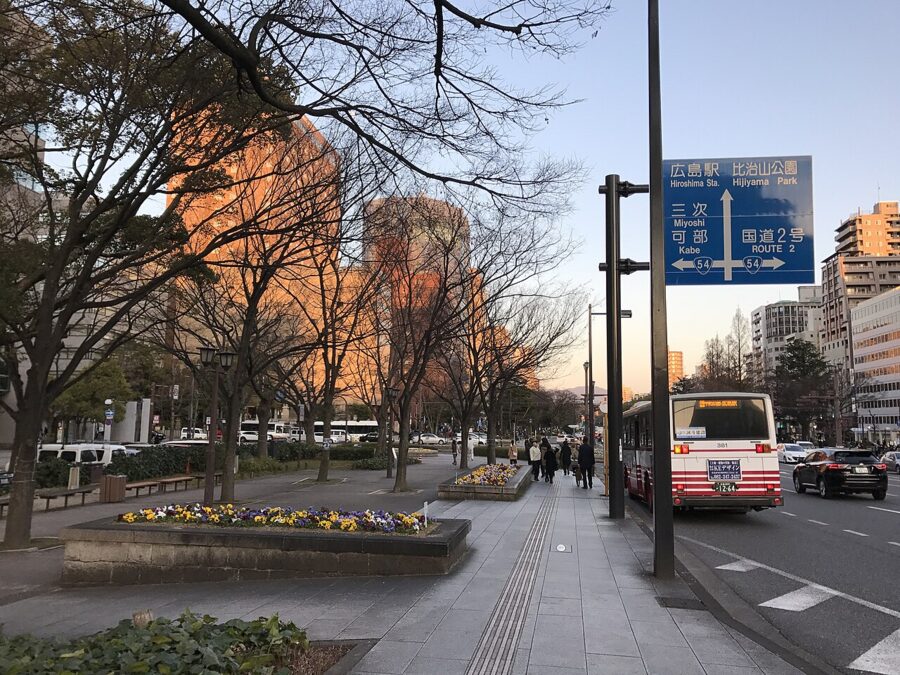

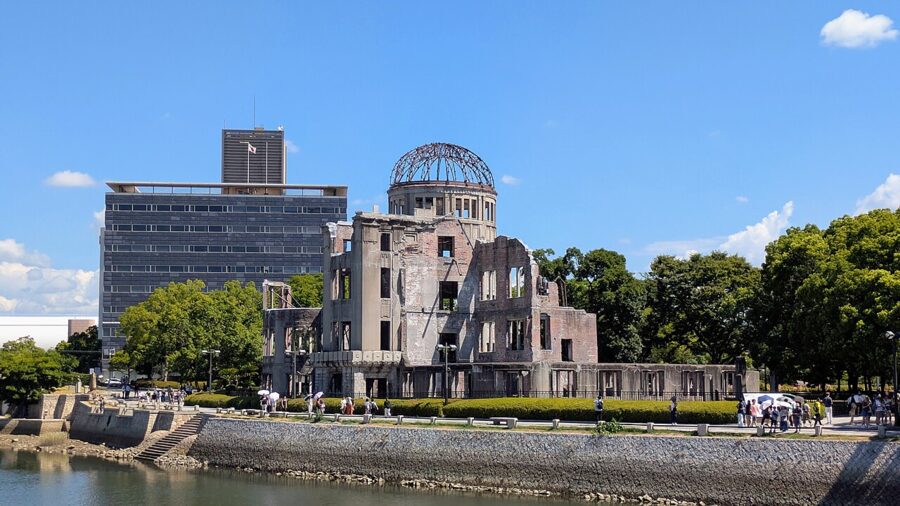
Choose this area if the Peace Memorial Museum is the reason you came and you want to be there when the doors open, or if you are travelling with children and want a quieter base. The museum is a heavy visit, and many people find they want a short walk back to a calm room afterwards rather than a busy shopping street. The guide to visiting the Peace Memorial Park and Museum has the hours and the route through the park.
If you would like context from a guide, the two-hour private morning tour of the Peace Memorial Park starts beside the Atomic Bomb Dome and includes an hour in the museum; my review of the private morning tour explains the trade-offs. Staying nearby means you can walk to the meeting point.
Hotels by the park
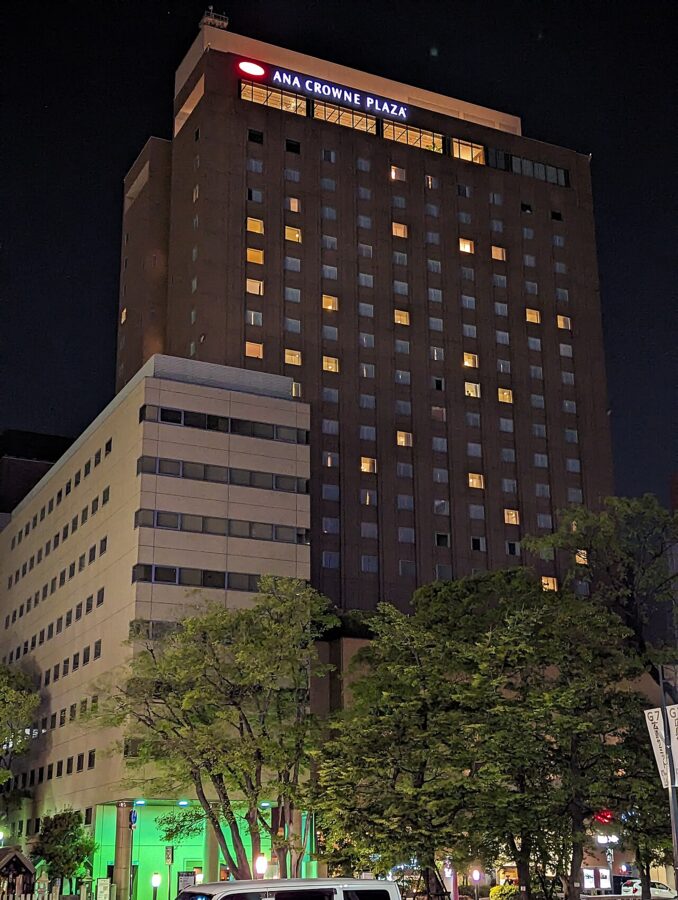
- ANA Crowne Plaza Hiroshima faces Peace Boulevard, about three minutes’ walk east of the Peace Park and the International Conference Center. The pier for the boat to Miyajima from the park is also close.
- Grand Base Hiroshima Peace Memorial Park, built in 2021, is about five minutes from the park, and every unit has a kitchen, bath and washing machine. For a family or a group of friends staying several nights it is often better value than two hotel rooms.
- Hotel MyStays Hiroshima Peace Park stands across the Motoyasu River from the park, and the river-facing rooms look straight over it.
Nagarekawa, for late nights
Nagarekawa-chō (流川町) and the neighbouring Yagenbori (薬研堀) streets, just south-east of Hatchōbori, make up the largest nightlife district in the Chūgoku region. Expect small bars stacked six floors high, izakaya that serve until late, karaoke and hostess clubs side by side. It is lively rather than rough, but it is loud on Friday and Saturday nights.
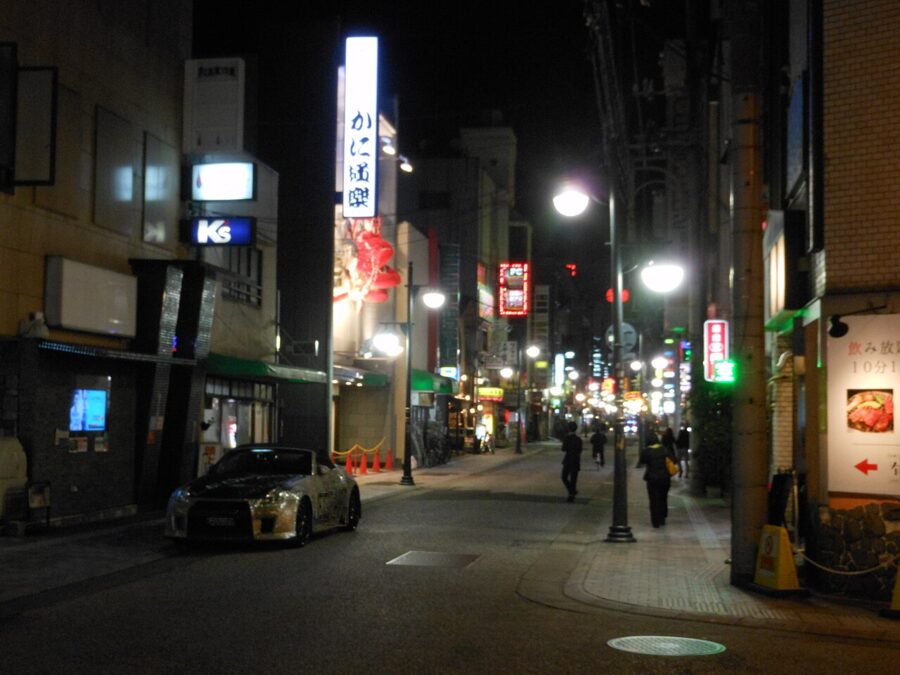

If evenings out are a big part of your trip, staying on the edge of Nagarekawa means walking home rather than counting on the last tram. The trick is to stay on its southern edge, along Peace Boulevard, where the big hotels are and where the noise stops at the front door. The Ebisu-chō and Hatchōbori tram stops are on the district’s northern side.
Hotels on the Nagarekawa side
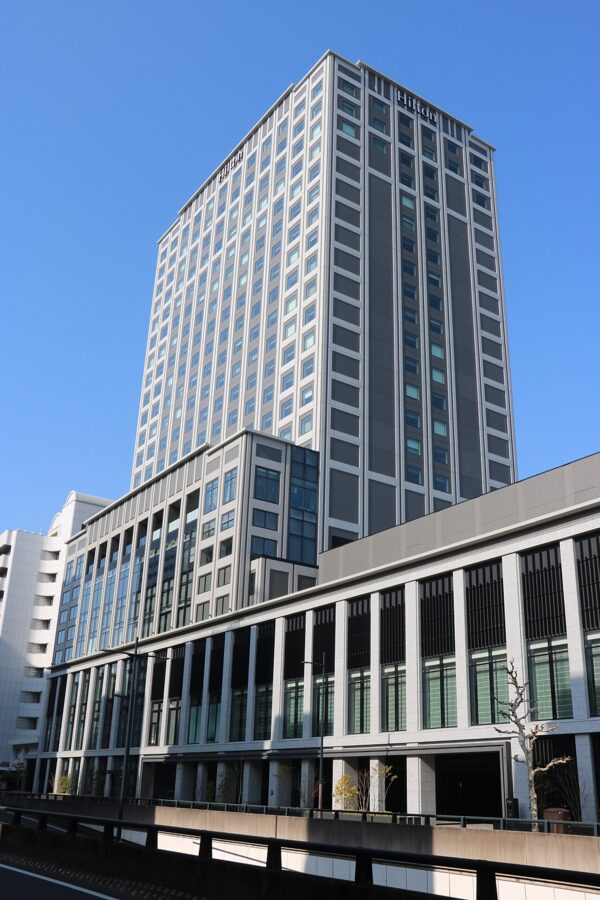
- Hilton Hiroshima opened in Fujimi-chō in September 2022 with 420 rooms, a spa and a pool, the first Hilton in the region. It is on Peace Boulevard, about fifteen minutes’ walk east of the park and five from the Nagarekawa bars.
- Oriental Hotel Hiroshima stands in Tanaka-machi where Peace Boulevard meets the Nagarekawa streets, about five minutes from the station by taxi. It has been here since 1993 and recently added a guest laundry.
- Dormy Inn Hiroshima ANNEX, also in Tanaka-machi, has a natural hot-spring bath and sauna on the top floor. Business-hotel rooms, but that bath is why people come back.
One to watch: a Courtyard by Marriott is being built in Mikawa-chō, beside the district, and is due to open in 2027.


Ujina and Hiroshima Port
Ujina (宇品) is the old port district at the southern end of the delta, where the ferries leave for Kure, Etajima, Matsuyama and the islands of the bay. It is not where I would send a first-timer: it is half an hour from downtown and quiet at night. But it suits three kinds of trip very well.
The first is a resort-style night by the water. The second is island-hopping, when an early ferry is the whole plan. The third is cycling: the new hotel here is built for riders heading out to the Shimanami Kaidō or the bay islands.
Hotels by the port
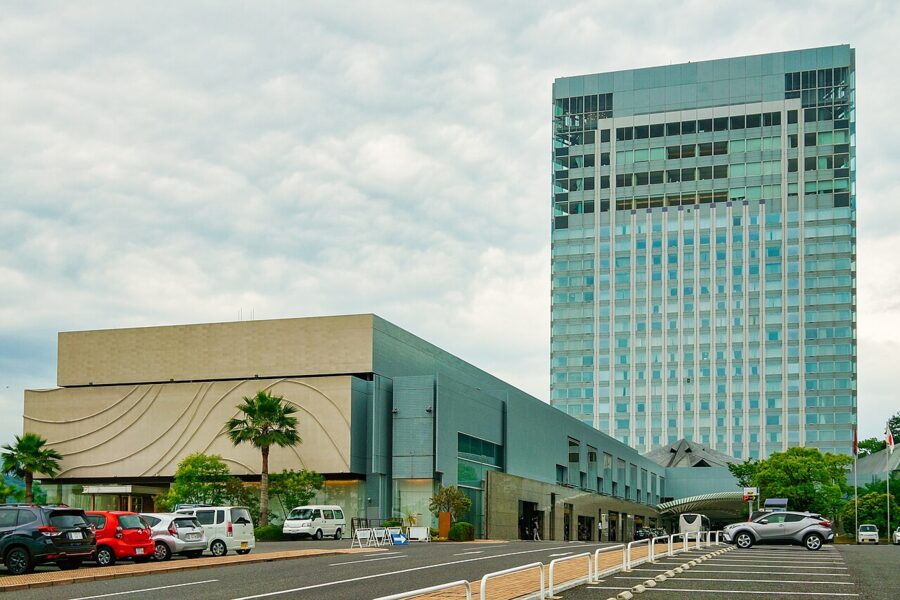
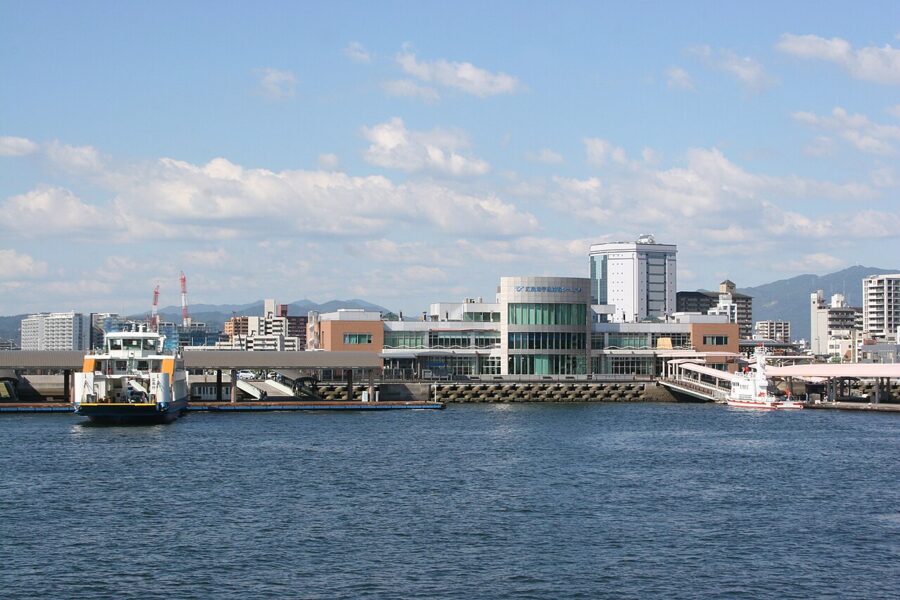
- Grand Prince Hotel Hiroshima stands on the Motoujina peninsula, right by the sea. Its guests-only Seto-no-yu hot-spring bath is a draw, and so is the pier next door, where Setonaikai Kisen’s high-speed boats to Miyajima call. The crossing takes about 26 minutes and costs ¥2,500 (about US$16) one way as of September 2026, plus the island’s ¥100 (well under US$1) visitor tax; booking ahead is advised.
- Setouchi Cycle Stays Hiroshima Ujina opened in April 2026 inside Urban Cycle Parks Hiroshima, home of the city’s velodrome. All 123 rooms take bikes, and the station is about 25 minutes away by tram.


Staying on Miyajima, or at Miyajimaguchi
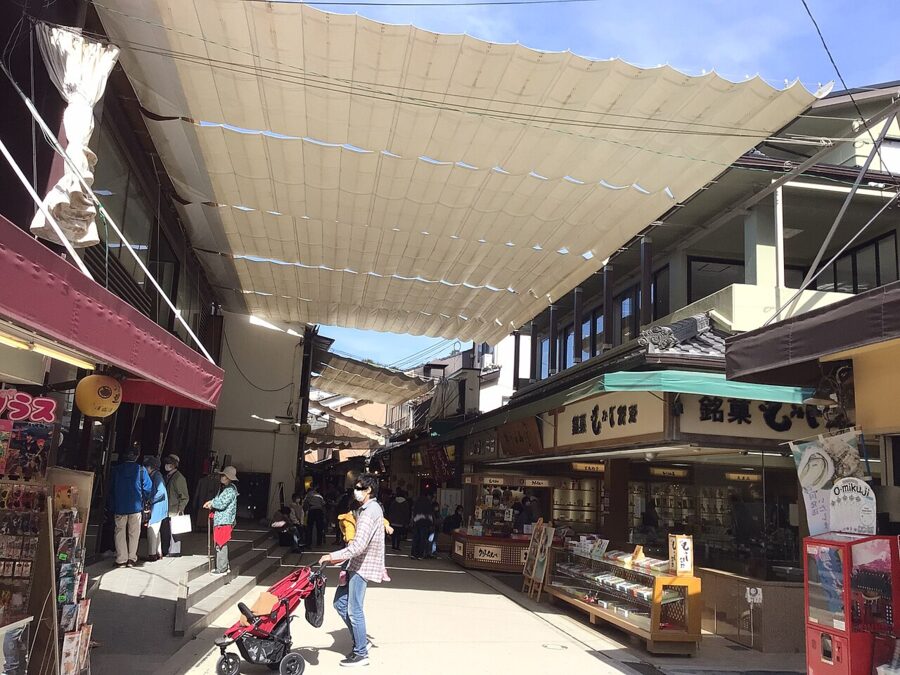
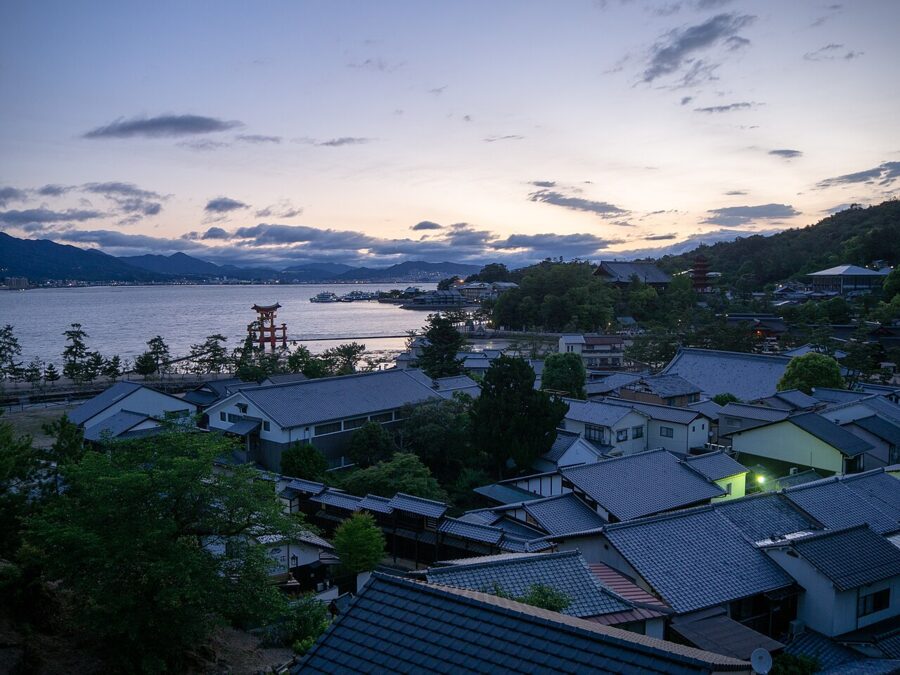
Most people see Miyajima on a day trip, and that works. But the island changes completely once the day visitors have caught the evening ferries back. The shopping street goes quiet, the deer settle down on the sand, and the great torii is lit after sunset with almost nobody watching it.
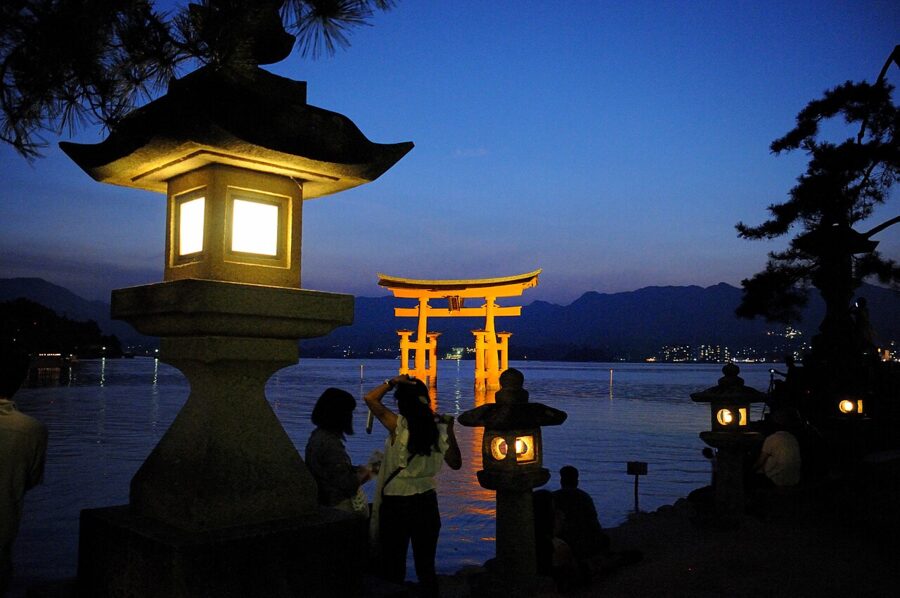

A night on Miyajima is a ryokan (traditional inn) night for most people: dinner and breakfast included, often with the island’s oysters on the menu in season (the guide to Hiroshima oysters has more). It costs more than a city business hotel, so treat it as the splurge of the trip and keep the other nights simple. Then use the morning: the shrine and the ropeway are calm before the first big ferries arrive.

Ryokan and hotels on the island
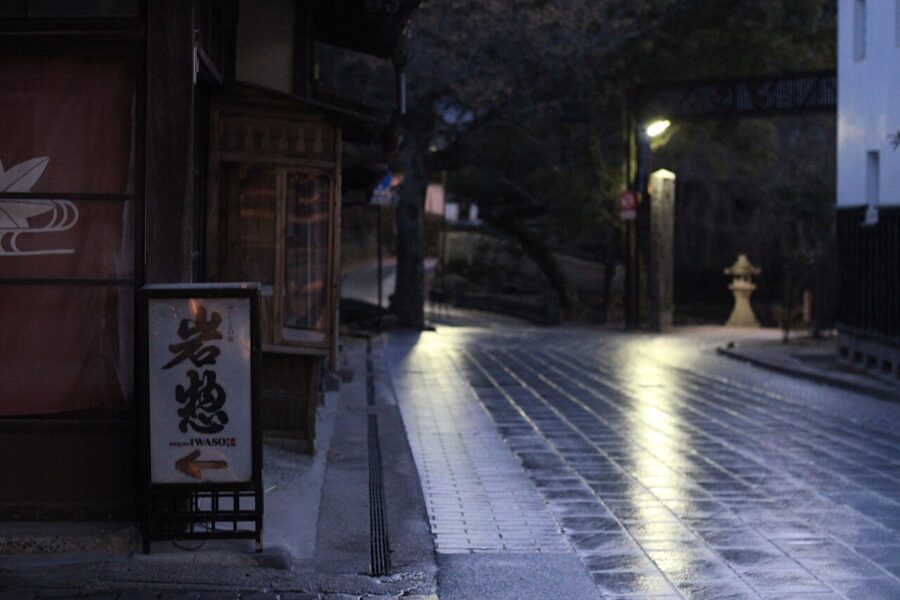
- Iwaso began in 1854 as a teahouse beside the stream in Momijidani (紅葉谷), the maple valley, and became an inn early in the Meiji era; the entrance building dates from 1892. It has 38 rooms, including four detached cottages, about fifteen minutes’ walk from the ferry pier. The G7 leaders held a working dinner here in May 2023.
- Kinsuikan, founded in 1902, is about five minutes from the pier and three from the shrine, with its own Miyajima Shioyu hot-spring baths. The same family runs Hotel Miyajima Villa nearby, a smaller and more casual option.
- Miyajima Grand Hotel Arimoto traces its roots back more than four centuries and stands about three minutes from both the shrine and the Momijidani entrance. It runs an evening walk with a licensed Miyajima guide most nights.
- Itsukushima Iroha reopened after a renovation in March 2024 and is about seven minutes’ walk from the shrine, with views of the torii and Mount Misen.


Getting there, and the Miyajimaguchi option
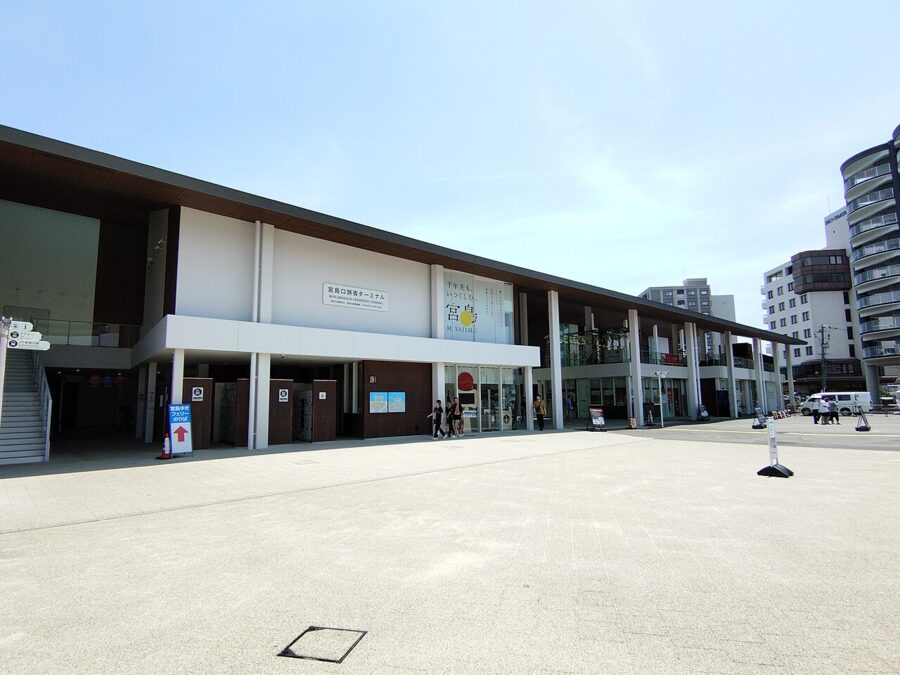
From Hiroshima Station, JR Sanyo Line trains reach Miyajimaguchi in about half an hour for ¥420 (about US$2.70). Hiroden’s Route 2 tram goes all the way too, for the same ¥240 flat fare, but takes about 70 minutes. At Miyajimaguchi two companies, the JR ferry and Matsudai, cross to the island in about ten minutes; the JR ferry costs ¥200 (about US$1.30) each way, and everyone landing pays the ¥100 Miyajima visitor tax. The JR boats leaving Miyajimaguchi between 09:10 and 16:10 swing out past the torii.
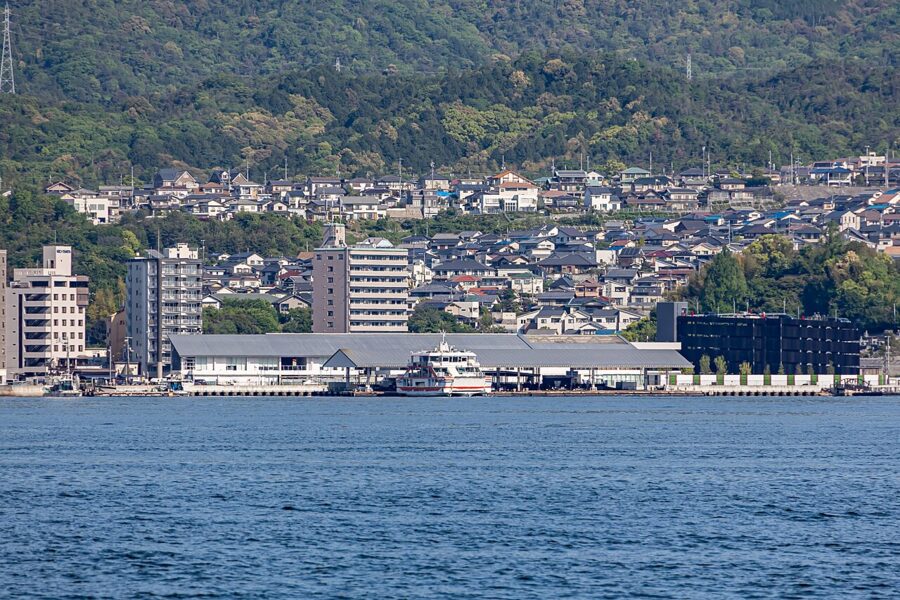

Staying at Miyajimaguchi (宮島口) itself, on the mainland side, is a good compromise if island ryokan are full or beyond budget. You can catch an early ferry before the crowds, and the trains to Hiroshima and Iwakuni leave from the same station. The newest place to stay is HOTEL FORK & KNIFE MIYAJIMA, which opened in 2026: 34 rooms designed by the architect Fumihiko Sano, and hot-spring baths filled with water from nearby Miyahama Onsen. Bigger changes are coming: Hilton’s luxury Umiuta Hiroshima, LXR Hotels & Resorts, broke ground in July 2026 by the ferry terminal and is due in 2028.

Ryokan and hot springs in and near the city
Hiroshima is a modern city and most of its beds are in hotels, but you do not have to go to Miyajima for tatami and a proper bath. There are a few options at every distance.
In the city. Aioi, a traditional Japanese-style inn that has been running for about 75 years, stands right beside the Peace Park, and some rooms look across at the Atomic Bomb Dome. Ikawa Ryokan, also close to the park, has tatami rooms and a guest dining room, and works well for groups. If it is the bath rather than the futon you are after, the Dormy Inn ANNEX’s rooftop hot spring and the Grand Prince’s Seto-no-yu are the two natural hot-spring baths I would pick in town.
Miyahama Onsen. Just west of Miyajimaguchi, Miyahama is the hot-spring village closest to the island. Its best-known inn, Sekitei, has just twelve rooms arranged around a garden, and was awarded two MICHELIN Keys in September 2026. It is the place to book for a special occasion, with Miyajima a short hop away.
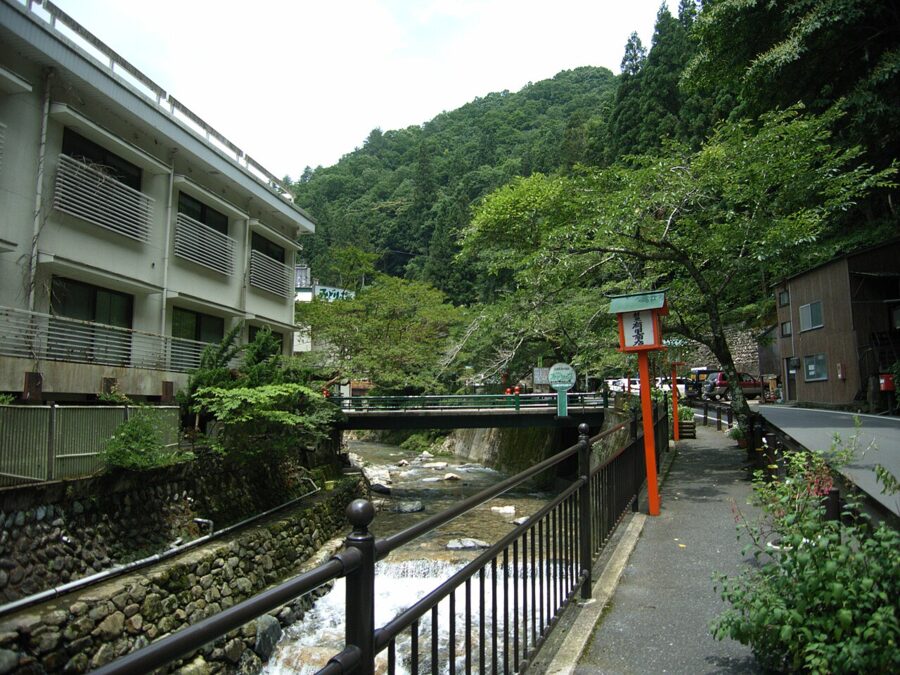
Yuki Onsen. In the hills of Saeki-ku, about an hour from the city centre by car, Yuki Onsen is Hiroshima’s own mountain spa town. The city-run Yuki Lodge has a free-flowing hot-spring bath fed straight from the source, and legend has it the spring was found 1,500 years ago. It is a quiet, unglamorous night away, and a cheap one.

When to book early
For most of the year you can find a decent room a few weeks out. Listed prices barely move between about six weeks and three weeks before the date, and they often dip a little in the final days. The catch is choice: by the day before, a fifth to a third of hotels can show no double rooms at all, and in a busy October week it is closer to half. These are the dates that fill the city.
Golden Week and the Flower Festival
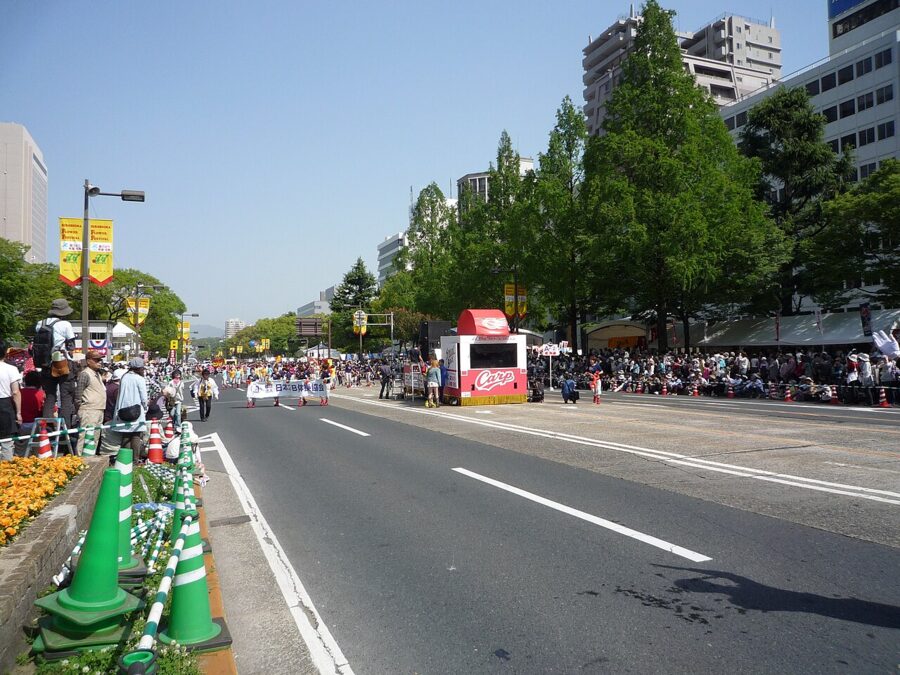
The Hiroshima Flower Festival (ひろしまフラワーフェスティバル) fills Peace Boulevard and the Peace Park on 3, 4 and 5 May every year, right in the middle of the Golden Week holidays. It is one of the city’s biggest events, with parades, stages and food stalls, and 3 May was the dearest night of spring 2026. Book as early as you can, and if you stay near the park, expect closed roads and crowds outside the door.

6 August
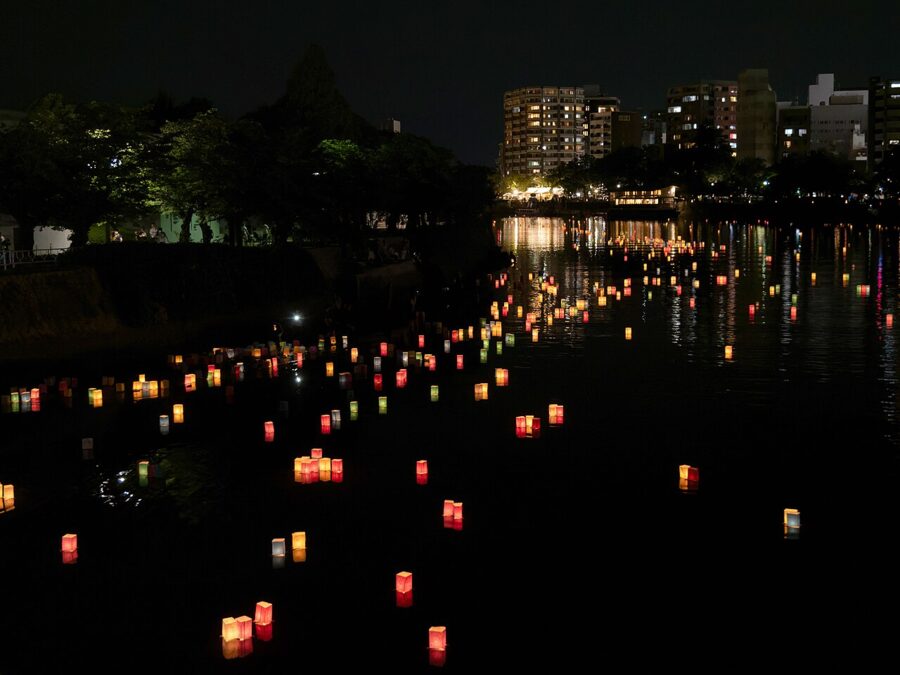
The anniversary of the bombing is the most important day in Hiroshima’s year. The Peace Memorial Ceremony is held in the park in the morning, with a minute’s silence at 08:15, and the evening before and the evening itself bring memorial events along the Motoyasu River, including the lantern floating opposite the Atomic Bomb Dome. The ceremony is open to the public, with general seats unreserved.
Two practical points if you plan to be there. Hotels near the park and downtown fill months ahead, so book as soon as your dates are fixed. And the park itself is closed to ordinary visitors from 05:00 to 09:00 on the day, with bag checks for those attending from 06:00.
Autumn leaves
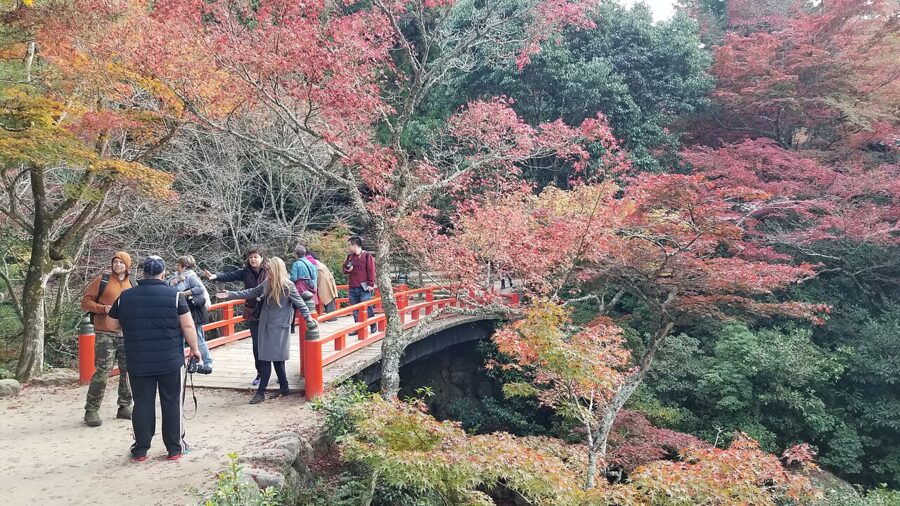
October and November are the dearest months for hotels in Hiroshima, and November Saturdays were the most expensive nights of the whole of 2026. The maples in Momijidani on Miyajima usually peak from mid to late November, the gardens in the city turn at the same time, and the island ryokan sell out first. In 2026 the Miyajima tourist association’s leaf reports had Momijidani past its best by 26 November, with Daishō-in still at its peak.

Cherry blossom
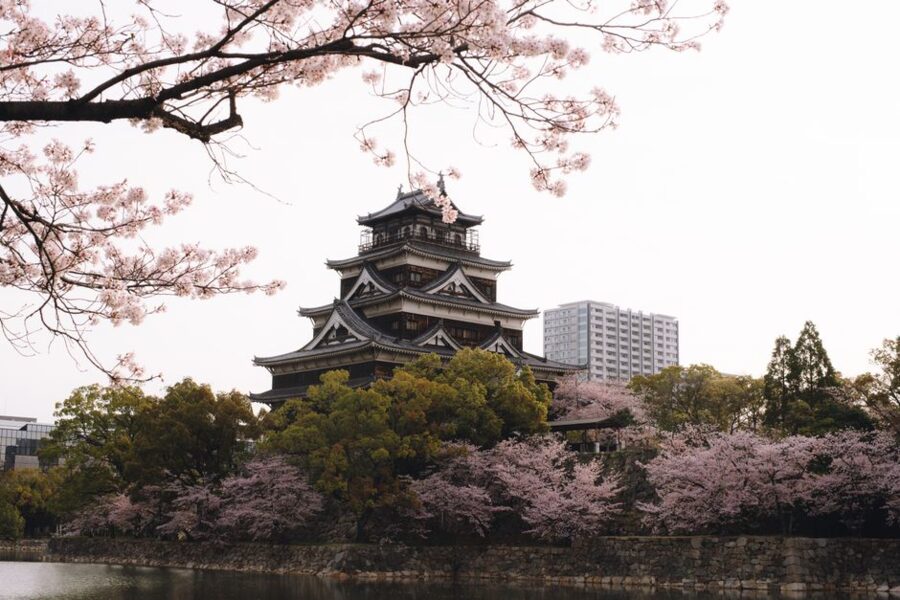
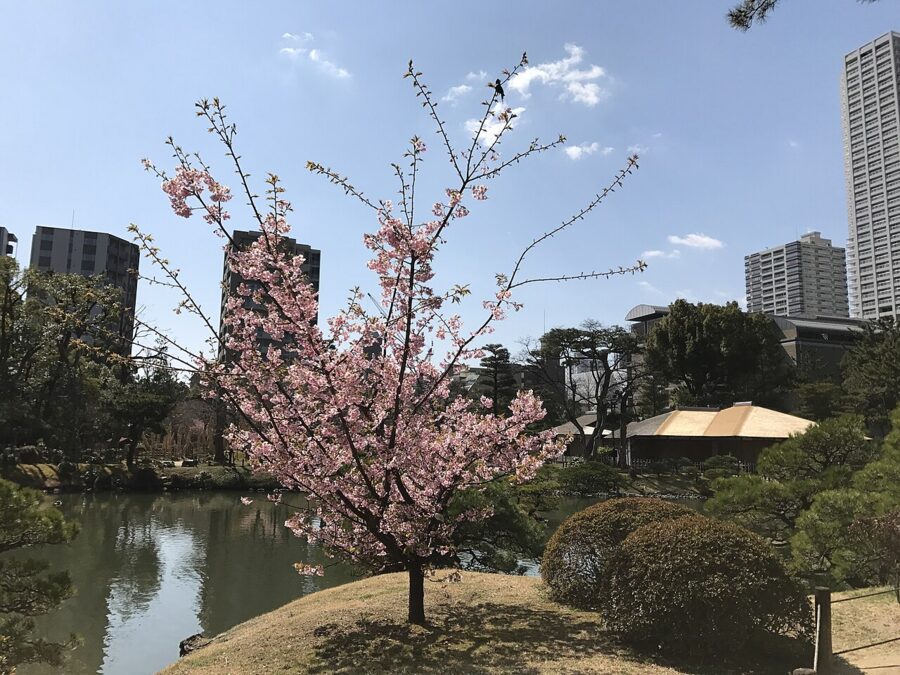
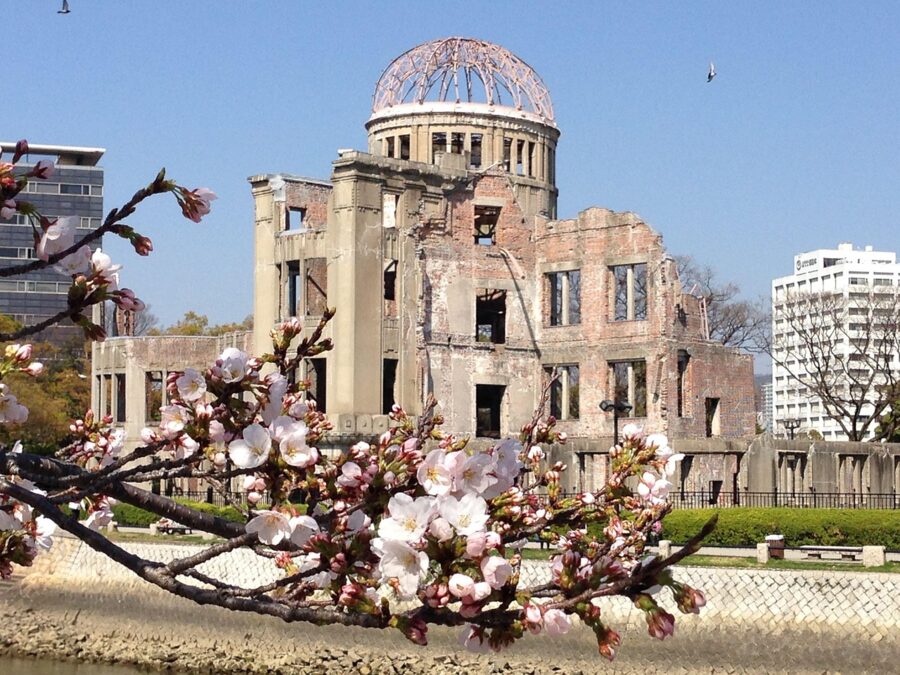
The cherry trees in Hiroshima normally open around 25 March and reach full bloom around 3 April, though 2026 was early, with the first flowers on 19 March. The Peace Park, the castle moats and Shukkeien garden are the main spots, and the weekends at peak bloom are busy. Prices are higher than in the quiet months, but rooms are easier to find than in early May or November.

The quiet times
If you are flexible, June and the weeks from December to February bring the lowest prices of the year, and Sunday or Monday nights are cheapest of all. Even then, a big concert or sports weekend can fill the downtown hotels for a night or two, so check before assuming a winter date will be empty.
Getting from the station to each area
Almost everyone arrives at Hiroshima Station. Here is how to reach each base from the new tram platforms or the JR gates, as of 2026. The tram fare is ¥240 per ride anywhere on the Hiroden network, and IC cards work.
| To | How | Time |
|---|---|---|
| Hatchōbori, Kamiya-chō | Tram Route 1, 2 or 6 | About 10 minutes to Kamiya-chō-higashi |
| Peace Park | Tram Route 2 or 6 to Genbaku-Dome-mae | A few minutes beyond Kamiya-chō |
| Nagarekawa | Tram to Ebisu-chō or Hatchōbori, then walk south | About 10 minutes plus the walk |
| Ujina, Hiroshima Port | Tram Route 5 (via Hijiyama-shita) or Route 1 (via the centre) | About 32 to 34 minutes on Route 5 |
| Miyajimaguchi | JR Sanyo Line, or tram Route 2 | About 30 minutes by JR (¥420); about 70 minutes by tram |
| Miyajima | Either of the above, then the JR or Matsudai ferry | About 10 minutes on the ferry |
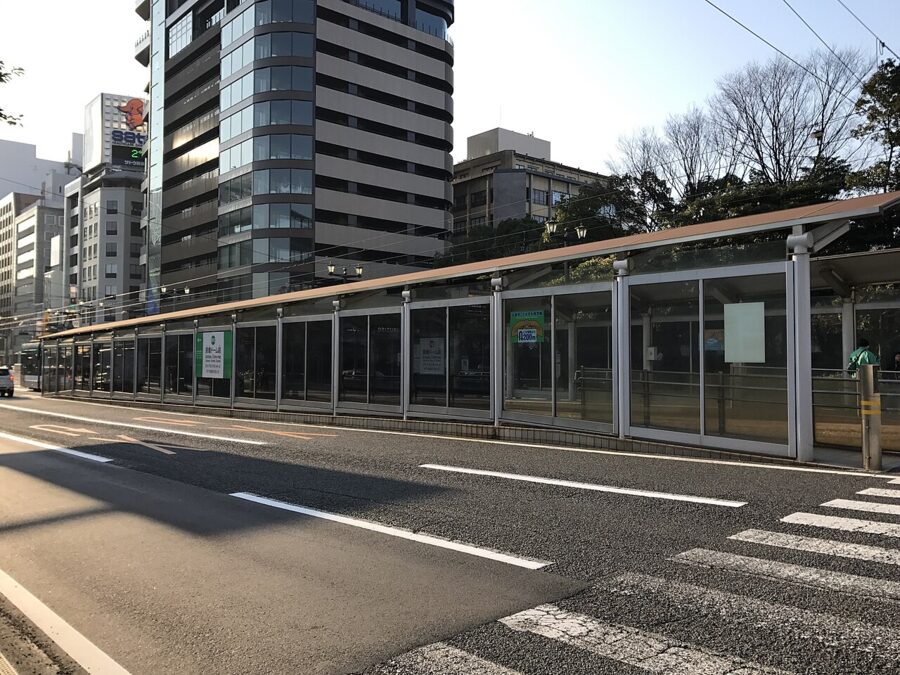

Taxis wait at both exits, and with luggage a taxi to a downtown hotel is quick and not expensive between two people. Late at night the trams thin out, so if you are staying at the station and eating in Nagarekawa, check the last departure before your second drink.
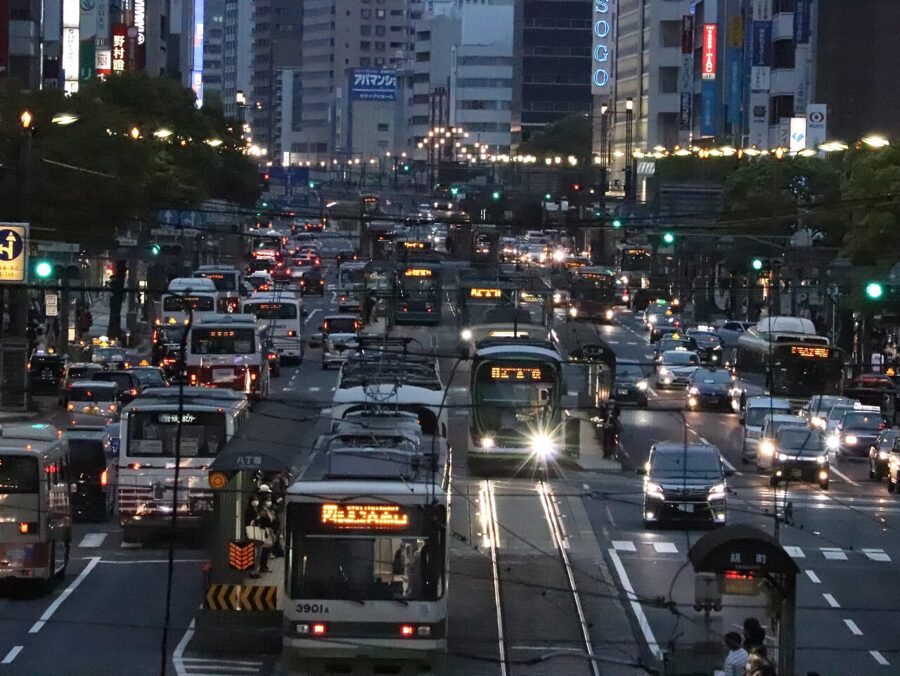

For a first trip, it comes back to that short ride. Walk through the gates, take Route 2 or 6 from the second floor, get off at Kamiya-chō or Hatchōbori, and leave a night free at the end for the last ferry across to Miyajima.