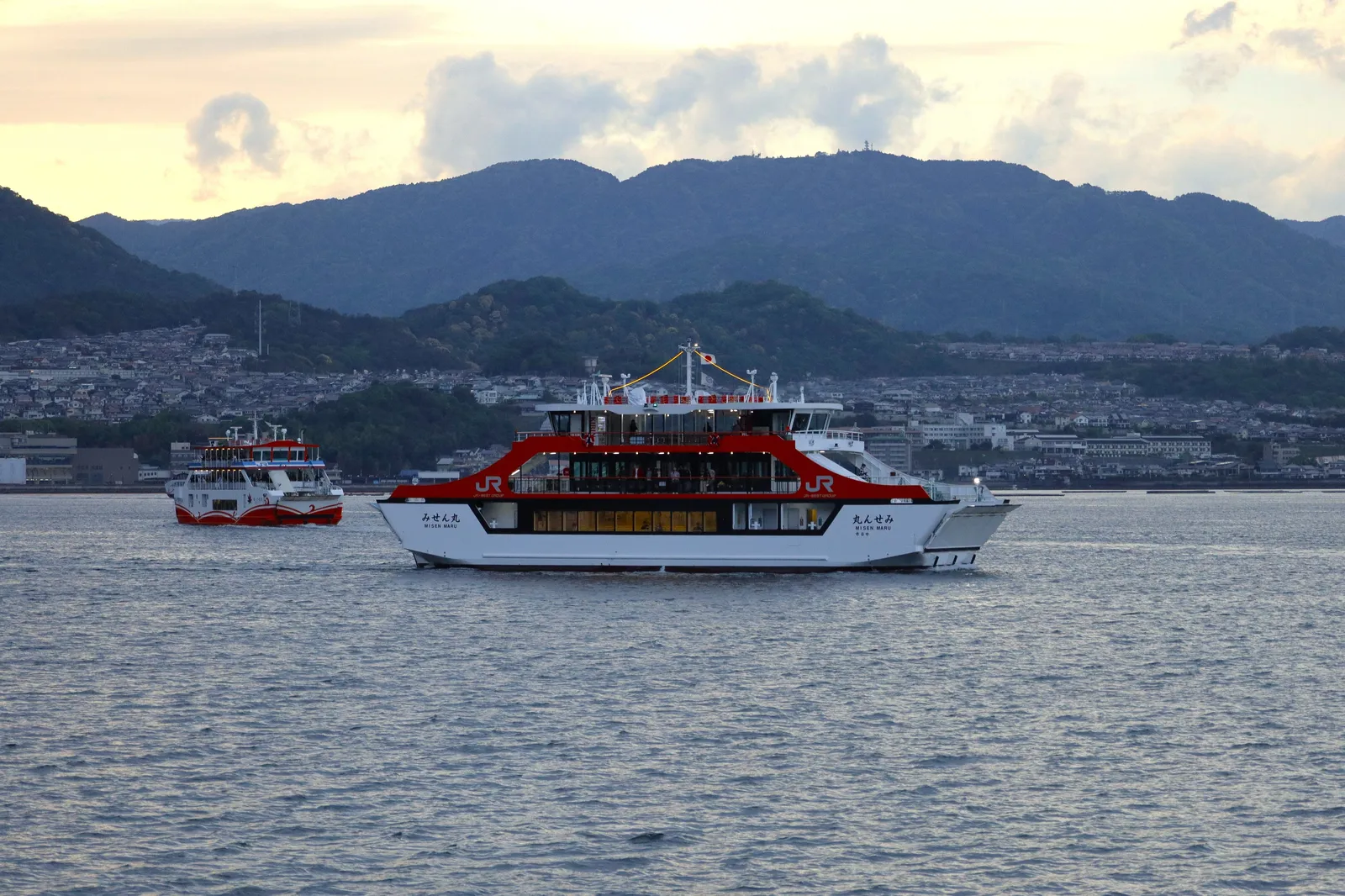
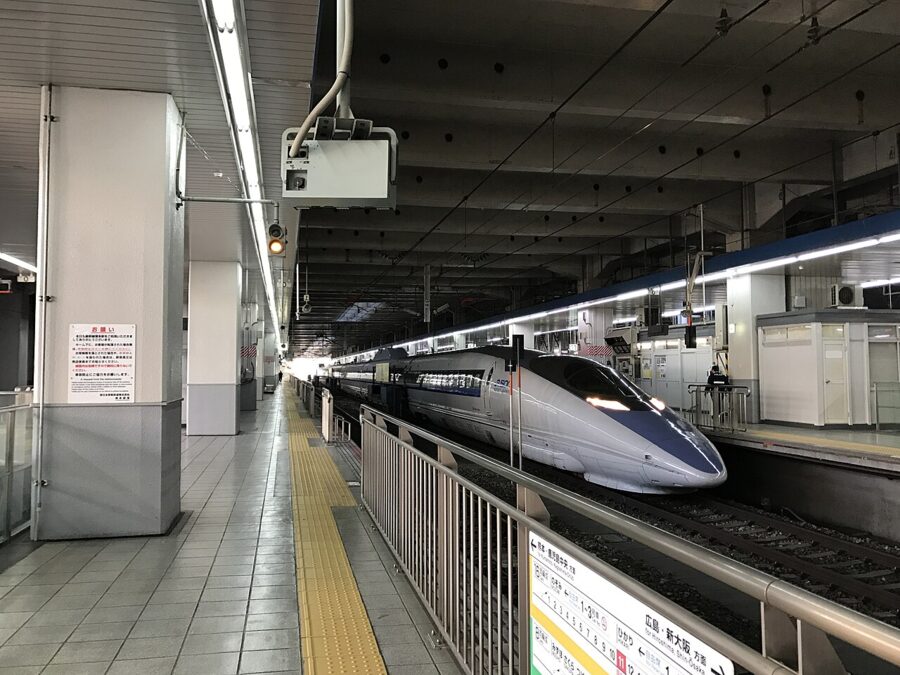
A reserved seat on the Nozomi from Shin-Osaka to Hiroshima costs ¥10,950 (about US$70) each way in regular season, according to JR West’s own fare search. Ride it there and back and you have spent ¥21,900 (about US$140). That is ¥4,900 more than a five-day pass that also covers every local JR train around Hiroshima and the ferry to Miyajima.
That gap is the whole case for JR West’s regional passes. The nationwide Japan Rail Pass costs ¥50,000 (about US$320) for seven days and will not put you on a Nozomi without an extra ticket. Most of JR West’s own passes cost a third to a half as much, and they take you on any Sanyo Shinkansen train inside their area, the Nozomi and Mizuho included.
JR West sells well over ten passes, though, with overlapping maps and names that blur together. Below are the ones that matter for Hiroshima, Okayama, Shimane, Tottori and Yamaguchi, each priced against real fares, along with the trips where no pass is worth the money. Every price comes from JR West or the JR Group, as of November 2026.
The short answer: which pass to buy
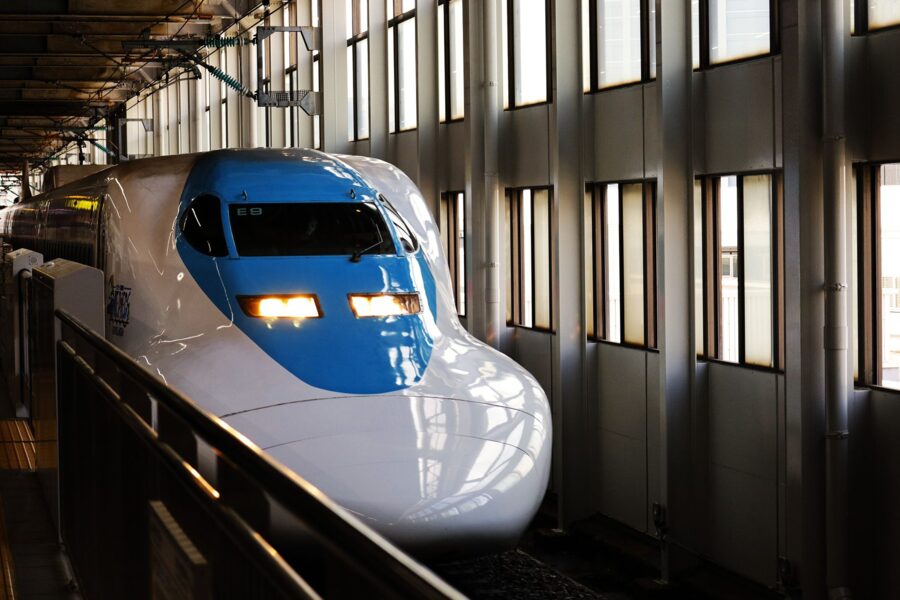
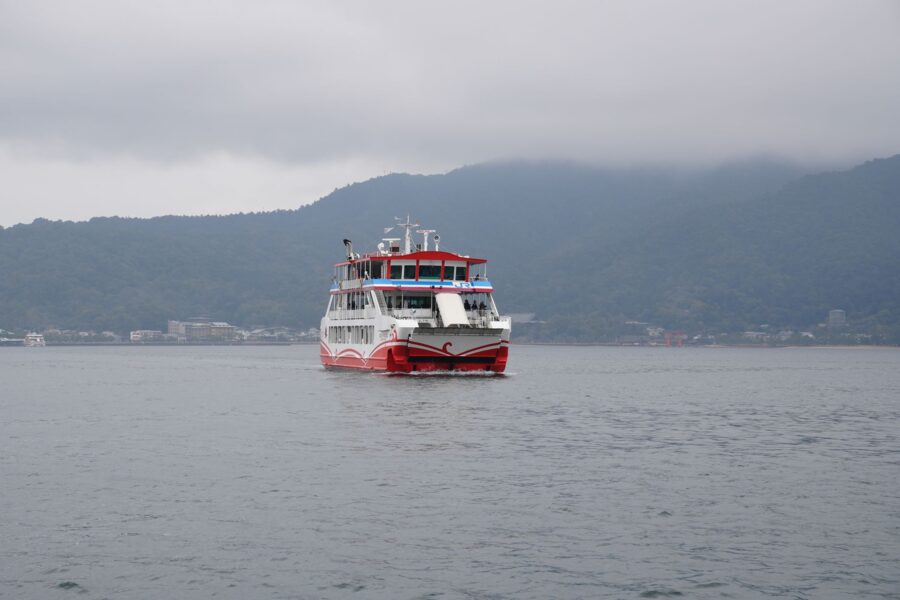
If your trip runs Osaka or Kyoto to Hiroshima and Miyajima and back, buy the Kansai-Hiroshima Area Pass: five days for ¥17,000 (about US$110). A single return on the Shinkansen already costs more than the pass, and everything you do around Hiroshima on JR is free on top.
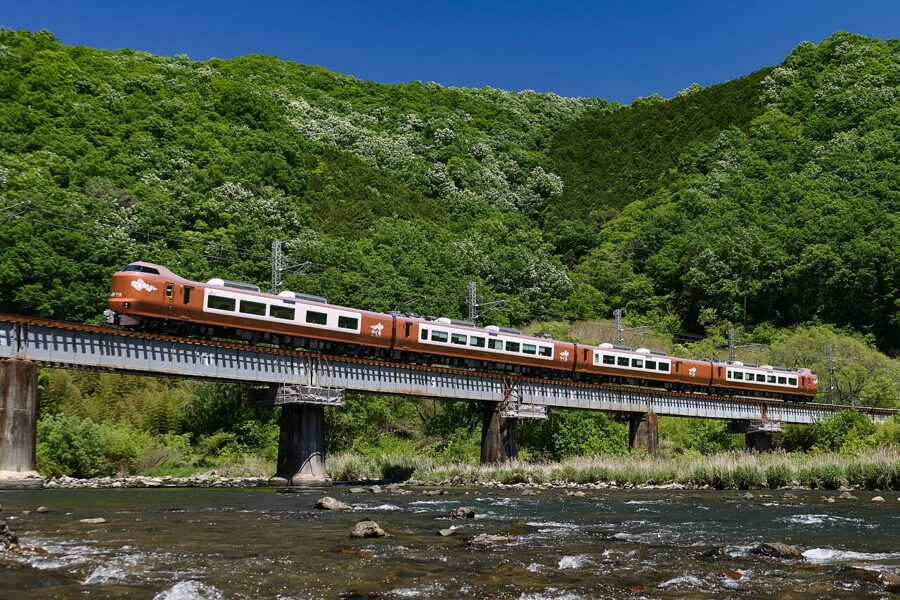
If the trip also crosses the mountains to the Sea of Japan side, to Matsue, Izumo or Tottori, buy the Sanyo-San’in Area Pass: seven days for ¥23,000 (about US$145), with the whole Sanyo Shinkansen from Shin-Osaka to Hakata. It is the one pass that covers nearly every journey this site writes about, and it is the pass I would buy for a first week in the region.
Skip passes altogether if you are staying in Hiroshima and only going to Miyajima, if most of your days are on the Shimanami Kaido or the island ferries, or if you are making one return trip with no stops. For that last case JR West sells a cheaper discounted one-way Shinkansen ticket, covered in the last section.
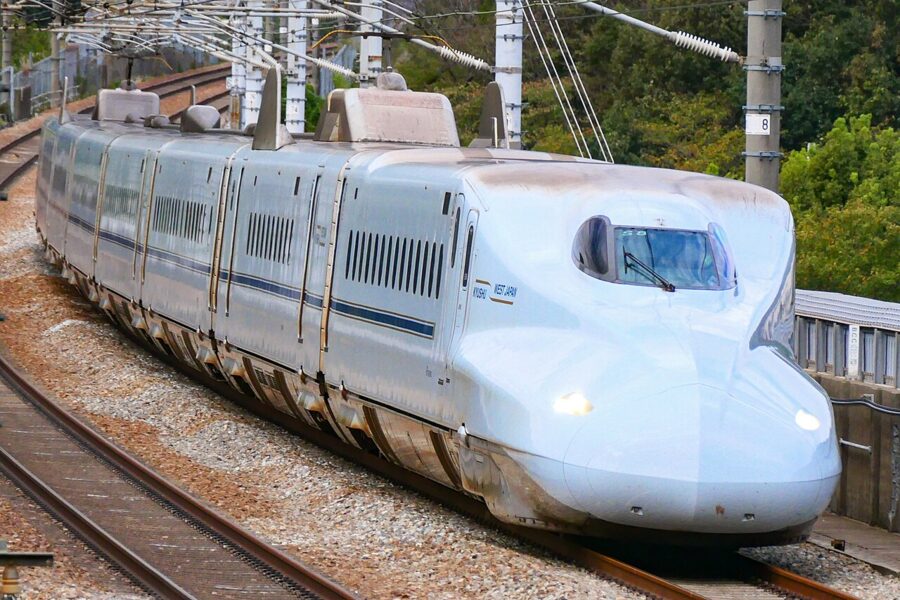

The passes one by one, as of 2026
All of JR West’s passes work the same way. You need a passport issued by a foreign government and “Temporary Visitor” entry status, so Japanese citizens cannot use them even if they live abroad. They run on consecutive days from 00:00 on the first day to 24:00 on the last, and they include unlimited reserved seats in ordinary cars. Children aged 6 to 11 pay half, and each pass holder can bring up to two children aged 1 to 5 free, as long as the small ones do not take a reserved seat of their own.
| Pass | Days | Adult | Child | Shinkansen covered |
|---|---|---|---|---|
| Kansai-Hiroshima Area Pass | 5 | ¥17,000 | ¥8,500 | Shin-Osaka–Hiroshima |
| Sanyo-San’in Area Pass | 7 | ¥23,000 | ¥11,500 | Shin-Osaka–Hakata |
| Okayama-Hiroshima-Yamaguchi Area Pass | 5 | ¥17,000 | ¥8,500 | Okayama–Hakata |
| Hiroshima-Yamaguchi Area Pass | 5 | ¥15,000 | ¥7,500 | Mihara–Hakata |
| Kansai-San’in Area Pass | 7 | ¥18,000 | ¥9,000 | Shin-Osaka–Okayama |
| Setouchi Area Pass | 7 | ¥22,000 | ¥11,000 | Shin-Osaka–Hakata |
| Tottori-Matsue Pass | 3 | ¥4,000 | ¥2,000 | None |
| JR-WEST All Area Pass | 7 | ¥26,000 | ¥13,000 | Shin-Osaka–Hakata, plus the Hokuriku Shinkansen |
| Japan Rail Pass, ordinary car, bought online | 7 | ¥50,000 | ¥25,000 | All lines, but not the Nozomi or Mizuho |
Kansai-Hiroshima Area Pass
Five days, ¥17,000 for adults and ¥8,500 for children. The Kansai-Hiroshima Area Pass covers the Sanyo Shinkansen between Shin-Osaka and Hiroshima, JR lines across Kansai and west to Iwakuni, the Haruka from Kansai Airport, and the JR Miyajima ferry. On the Okayama side it reaches Kurashiki, Tsuyama and the Marine Liner across to Takamatsu.
It stops at Hiroshima on the Shinkansen, so Shin-Yamaguchi and Hakata are out, and it does not cover the Yakumo into Shimane. Like every JR West pass it is no use on the Tokaido Shinkansen between Kyoto and Shin-Osaka, so from Kyoto take the JR Special Rapid to Shin-Osaka, which it does cover. For the train-by-train version of that journey, see Osaka to Hiroshima.
Sanyo-San’in Area Pass
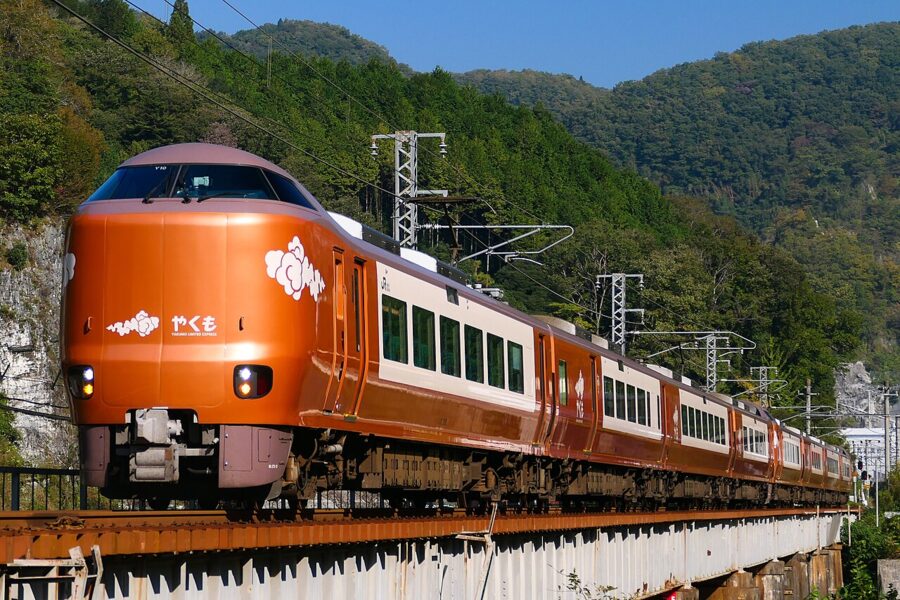
Seven days, ¥23,000 for adults and ¥11,500 for children. The Sanyo-San’in Area Pass is the widest of the regional passes: the entire Sanyo Shinkansen from Shin-Osaka to Hakata, the Yakumo, the Super Hakuto and Super Inaba (including the private Chizu Express section they run over), and the San’in line all the way from Tottori past Matsue and Izumo to Hagi and Shimonoseki.
It also covers the Kisuki line with its switchbacks, the Yamaguchi line to Tsuwano, JR Bus Chugoku’s Super Hagi express bus between Shin-Yamaguchi and Hagi, and the JR Miyajima ferry. The trains on the region’s most scenic lines are all inside it, though the Green-class sightseeing trains still need a Green ticket on top.
Okayama-Hiroshima-Yamaguchi Area Pass
Five days, ¥17,000 for adults and ¥8,500 for children. The Okayama-Hiroshima-Yamaguchi Area Pass is the Inland Sea pass: the Shinkansen between Okayama and Hakata, JR lines through Okayama, Hiroshima and Yamaguchi prefectures, the Marine Liner to Takamatsu, the JR Miyajima ferry, and JR Bus Chugoku routes including the Super Hagi. It suits anyone flying into Fukuoka or arriving from Shikoku who wants Okayama, Fukuyama, Hiroshima and Yamaguchi but not Kansai.
Its little sibling, the Hiroshima-Yamaguchi Area Pass, costs ¥15,000 (about US$95) for five days and covers the Shinkansen only from Mihara to Hakata. Local JR trains on it run as far east as Onomichi, and it includes Hagi, the Super Hagi bus and the Miyajima ferry. That is enough for Hakata to Hiroshima and back with Iwakuni thrown in, but Fukuyama and Okayama are outside it.

Kansai-San’in Area Pass
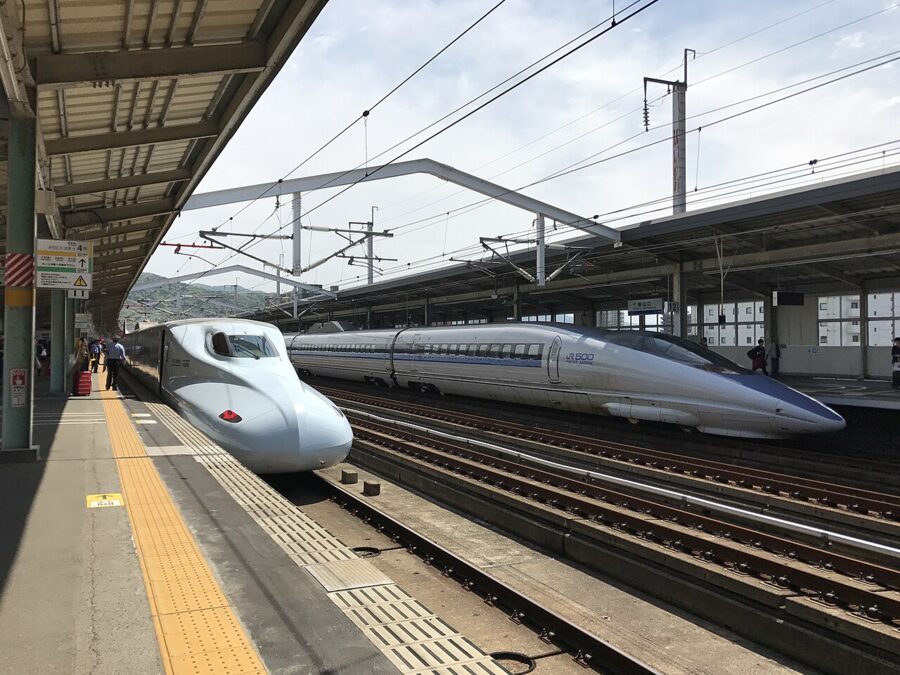
Seven days, ¥18,000 for adults and ¥9,000 for children. The Kansai-San’in Area Pass covers the Shinkansen only as far as Okayama, but beyond that it has the Yakumo, the Super Hakuto and Super Inaba over the Chizu Express, Kinosaki Onsen and Amanohashidate, and the San’in coast from Tottori through Yonago, Matsue and Izumo to Hagi.
It is the cheaper choice for a loop from Kansai to the Sea of Japan coast that never goes near Hiroshima. Once Hiroshima or Miyajima is on the list, the extra ¥5,000 for the Sanyo-San’in pass pays for itself on the first Okayama to Hiroshima Shinkansen ride, which is ¥6,460 on its own.
Setouchi Area Pass
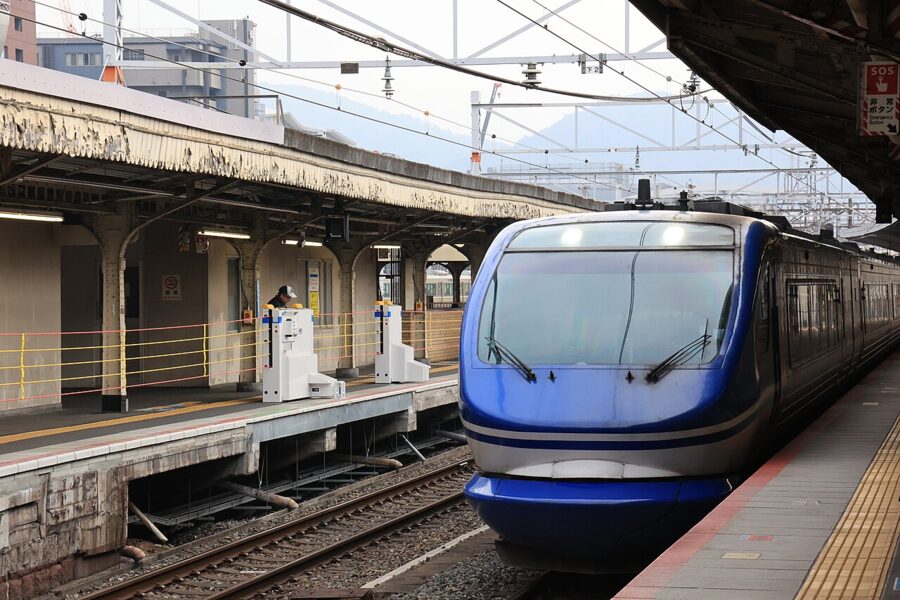
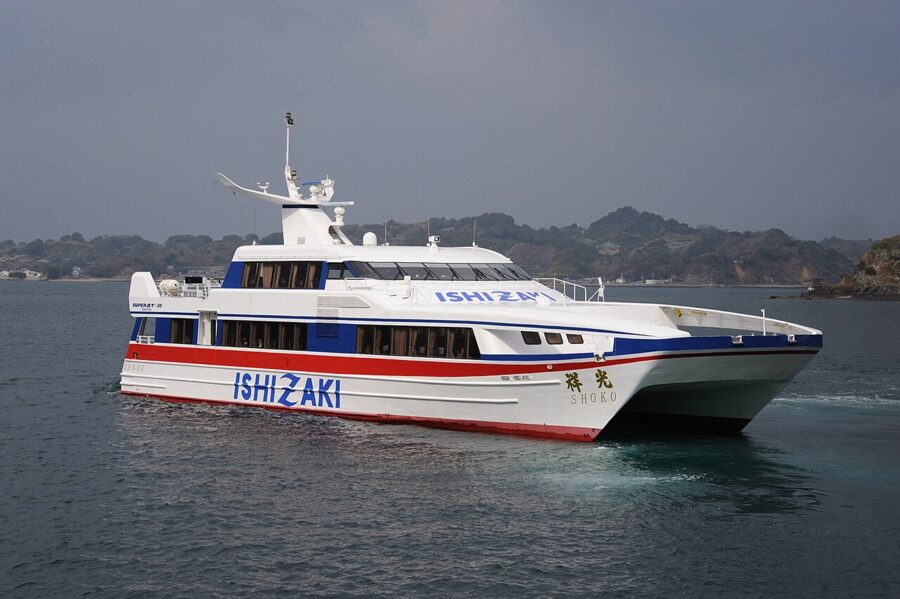
Seven days, ¥22,000 for adults and ¥11,000 for children. The Setouchi Area Pass is the only one with real boats in it. Along with the whole Sanyo Shinkansen (Nozomi and Mizuho included) and JR Shikoku lines to Takamatsu, Kotohira and Matsuyama, it covers the Ishizaki Kisen and Setonaikai Kisen services from Hiroshima Port via Kure to Matsuyama, and the Ryobi and Shodoshima ferries from Shin-Okayama Port to Tonosho and from Tonosho to Takamatsu.
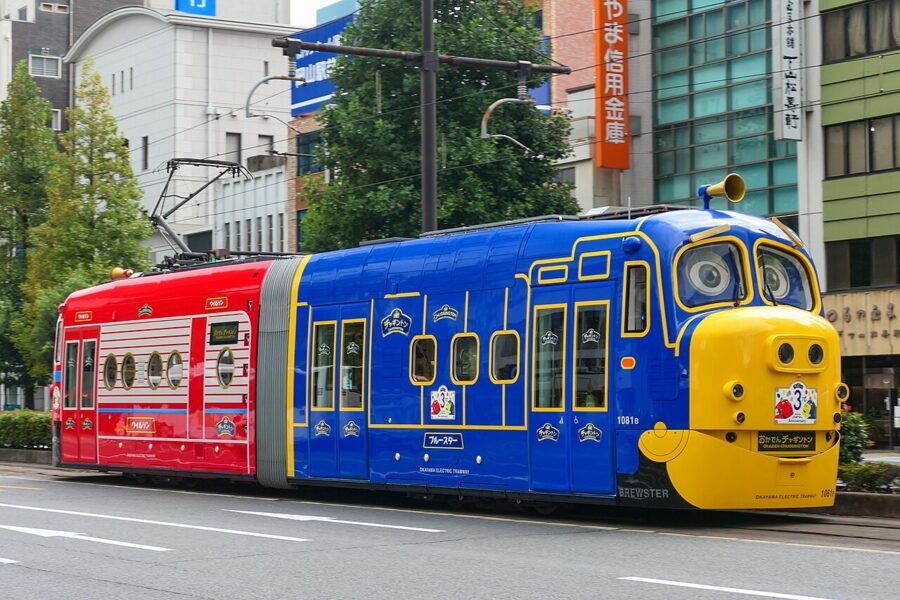
It also includes the Okayama trams and Okaden buses, Hiroshima’s Meipuru-pu sightseeing loop bus and the JR Miyajima ferry. The Shodoshima high-speed boats are excluded, and no pass covers the ferries to Naoshima. For a week that runs Osaka, Okayama, Shodoshima, Takamatsu, Matsuyama and then the boat to Hiroshima, nothing else comes close.


Tottori-Matsue Pass
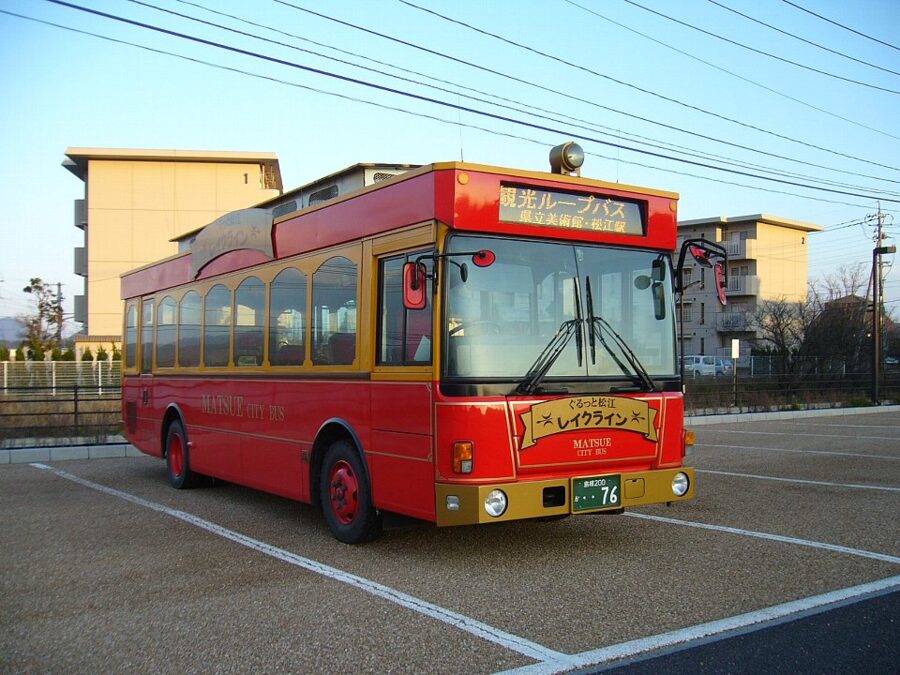
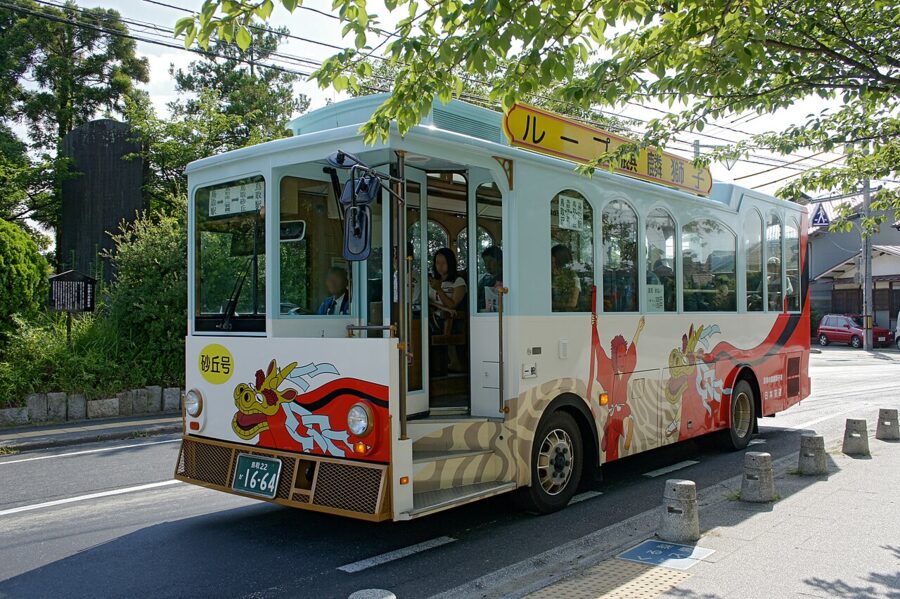
Three days, ¥4,000 (about US$25) for adults and ¥2,000 for children. The Tottori-Matsue Pass covers JR lines from Higashihama east of Tottori to Izumoshi in the west, with the branches to Sakaiminato, Koge, Neu and Kisuki, including reserved seats on the limited expresses inside that zone, such as the Yakumo, Super Inaba and Super Hakuto. It also covers two sightseeing buses: the Gurutto Matsue Lake Line in Matsue and the Loop Kirinjishi in Tottori.
Two things trip people up. It is sold only outside Japan, as an e-ticket from an overseas agent: JR West’s Japanese ticket listing says it is not sold in Japan or on JR-WEST ONLINE TRAIN RESERVATION. And if you fly into Yonago, you have to go to Yonago or Sakaiminato station to exchange it, not the airport.


JR-WEST All Area Pass
Seven days, ¥26,000 (about US$165) for adults and ¥13,000 for children. The JR-WEST All Area Pass is everything the Sanyo-San’in pass covers plus Hokuriku: the Thunderbird to Tsuruga, the Hokuriku Shinkansen from Tsuruga to Joetsu-Myoko, and Kanazawa and Toyama. For western Japan alone it costs ¥3,000 more for nothing, but if your week is Kanazawa, Kyoto and Hiroshima, it is the one to buy.
The Japan Rail Pass
The nationwide Japan Rail Pass costs ¥50,000 for seven days, ¥80,000 for 14 and ¥100,000 for 21 in ordinary class when bought on the official website. From an overseas agent it costs more: ¥53,000 (about US$340) for seven days. It covers every JR line in the country, the JR Miyajima ferry and local JR buses, but not the Nozomi or Mizuho on the Tokaido, Sanyo and Kyushu Shinkansen.
To ride those you buy a special Nozomi and Mizuho ticket for each trip: ¥4,170 (about US$27) from Shin-Osaka to Hiroshima, or ¥6,500 from Tokyo. Its rules on private lines also mean you pay extra for the Chizu Express stretch between Kamigori and Chizu on the Super Hakuto and Super Inaba. For a trip that stays in the west, a JR West pass is cheaper and covers more.
Worked examples: when each pass pays off
The fares below come from JR West’s My Dia fare search for a regular-season Friday in December 2026, adult, reserved seat, fastest train. Seat charges move about ¥200 up or down in JR’s peak and off-peak seasons, so treat them as a guide.
Osaka, Hiroshima and Miyajima in four days
- Shin-Osaka to Hiroshima by Nozomi: ¥10,950
- Hiroshima to Miyajimaguchi and back: ¥840, plus ¥400 for the JR ferry both ways
- A day trip to Iwakuni for the Kintai-kyō bridge: ¥1,540 return
- Hiroshima to Shin-Osaka by Nozomi: ¥10,950
That comes to ¥24,680 at normal fares against ¥17,000 for the Kansai-Hiroshima Area Pass, a saving of ¥7,680. Drop Iwakuni and it is still ¥23,140. The pass also lets you change plans on the day, stop at Himeji or Okayama on the way, and use the Haruka from Kansai Airport if day one is your arrival day.

Kansai to the Sea of Japan coast in a week
- Shin-Osaka to Okayama by Nozomi: ¥6,460
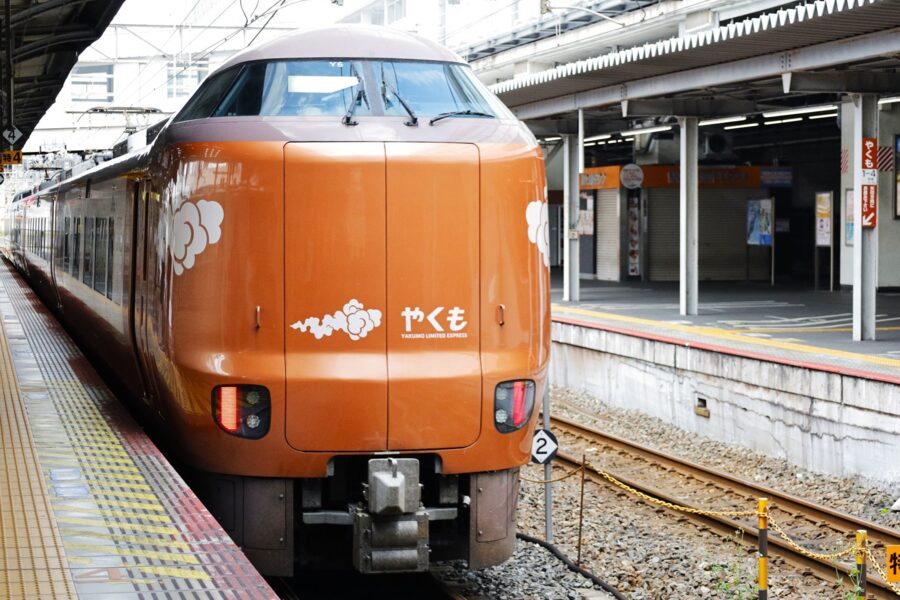
- Okayama to Matsue on the Yakumo: ¥6,140
- Matsue to Izumoshi and back by local train, for Izumo: ¥1,180
- Matsue to Tottori, local to Yonago then the Super Matsukaze: ¥4,040
- Tottori to Osaka on the Super Hakuto: ¥7,520
Total ¥25,340, against ¥18,000 for the Kansai-San’in Area Pass: ¥7,340 saved, and the Chizu Express on the way home is included. The Sanyo-San’in pass would cover this too, but at ¥23,000 it only makes sense if you add Hiroshima.
The big western loop
Put the two trips together: Shin-Osaka to Hiroshima (¥10,950), Miyajima (¥1,240), Hiroshima to Okayama by Nozomi (¥6,460), then the Yakumo to Matsue, Izumo, Tottori and the Super Hakuto home (¥18,880 from the list above). That is ¥37,530 at normal fares. The Sanyo-San’in Area Pass costs ¥23,000 for the same seven days, so it saves ¥14,530, more than any other example here.

Fukuoka in, Okayama out
Hakata to Hiroshima by Nozomi is ¥9,630, Miyajima ¥1,240, Iwakuni ¥1,540 and Hiroshima to Okayama ¥6,460. That adds up to ¥18,870 against ¥17,000 for the Okayama-Hiroshima-Yamaguchi Area Pass, a modest ¥1,870 saving. Leave out Iwakuni and the gap shrinks to ¥330.
This is the closest call of the lot. Add a day trip to Shimonoseki, Yamaguchi or Fukuyama and the pass wins comfortably; ride straight through and the discounted one-way ticket described below may come out cheaper.

Three days around Matsue and Tottori
Yonago to Matsue on the Yakumo is ¥1,800, Matsue to Izumoshi and back by local train ¥1,180, and Matsue to Tottori ¥4,040. That is ¥7,020 by train alone, against ¥4,000 for the Tottori-Matsue Pass, before you count the Lake Line and Loop Kirinjishi buses. If you can buy it before you leave home, it is the easiest saving in western Japan.
Tokyo to Hiroshima on the national pass
A Nozomi from Tokyo to Hiroshima costs ¥19,760 each way, so a straight return is ¥39,520: ¥10,480 short of what the seven-day Japan Rail Pass costs. It starts to pay once you add Kyoto, a side trip from Hiroshima and a few more long rides in the same week. Even then you will be on the Hikari and Sakura, changing at Shin-Osaka or Okayama, or paying ¥6,500 each way for the Nozomi ticket.
Buying and picking up a pass
There are three ways to buy a JR West pass, and they all end with your passport at a JR station.
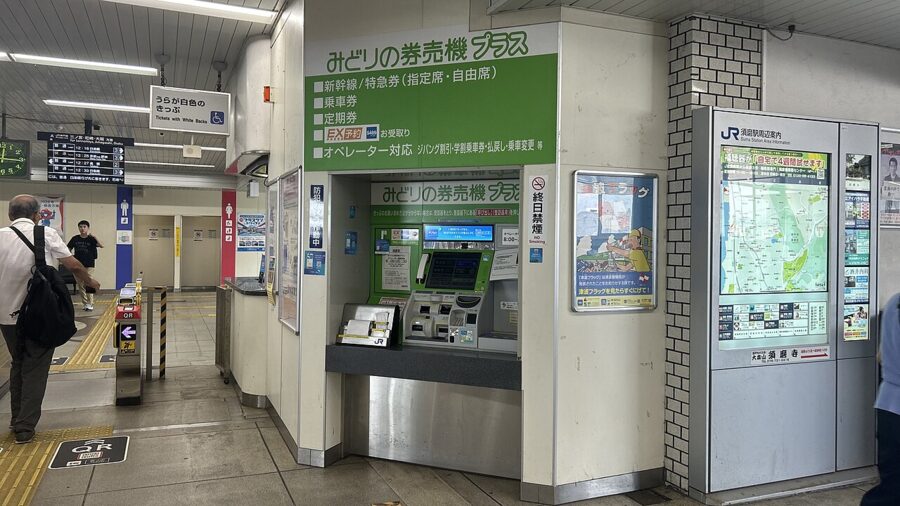
Online, through JR-WEST ONLINE TRAIN RESERVATION. Sales open one month before your first day, from 10:00 Japan time on the same date of the previous month, and you pay by credit card; virtual and numberless cards are refused. In Japan you collect the pass at a ticket machine or ticket office using your reservation number, the four-digit number you chose, the same credit card and your passport. Machines need a passport with an IC chip, so without one go to the ticket office.
From a travel agent outside Japan. You get an exchange order (an MCO or e-ticket), which must be exchanged within three months of issue. Take it and your passport to an exchange office in Japan, fill in the form and receive the pass. This is the only way to get the Tottori-Matsue Pass.
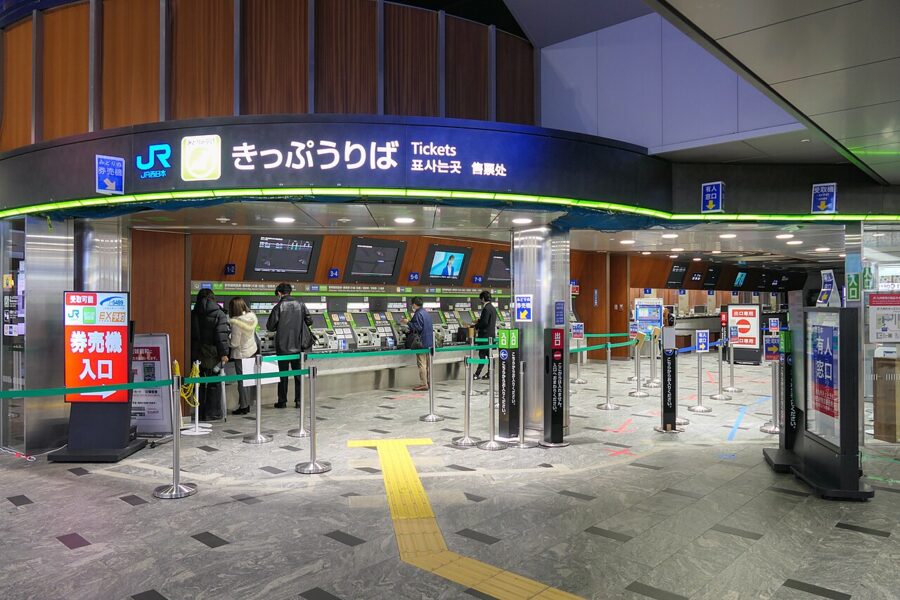

From a travel agency in Japan. Some agencies sell the passes over the counter, up to a month before the first day of use. JR West’s own pass pages list the sales and exchange locations for each pass.
The price is fixed by the date you buy, not the date you use the pass. Once exchanged, the start date and length cannot change, and the validity is not extended for delays or cancelled trains. An unused pass can be refunded at an exchange office for the price minus 10% (at least ¥220); once the first day has started, there is no refund. JR West’s Japanese-language booking service, e5489, handles ordinary Shinkansen and limited express tickets, but the passes are sold through the English-language site.
For the Japan Rail Pass, buying on the official website is cheaper and is the only way to book seats before you have the pass in hand. You need a “Temporary Visitor” stamp or sticker in your passport to pick it up, and the same goes for JR West’s passes. The automated gates at the airport do not stamp passports, so use a staffed gate or ask for the sticker.
Reserving seats
Every pass on this page includes unlimited reserved seats in ordinary cars, and on all-reserved trains such as the Yakumo, Super Hakuto and Super Inaba you must book before boarding. Book at the green ticket machines or a ticket office, or online if you bought the pass through JR-WEST ONLINE TRAIN RESERVATION. From the seventh seat booking on a pass, JR West asks you to go to a staffed ticket office.
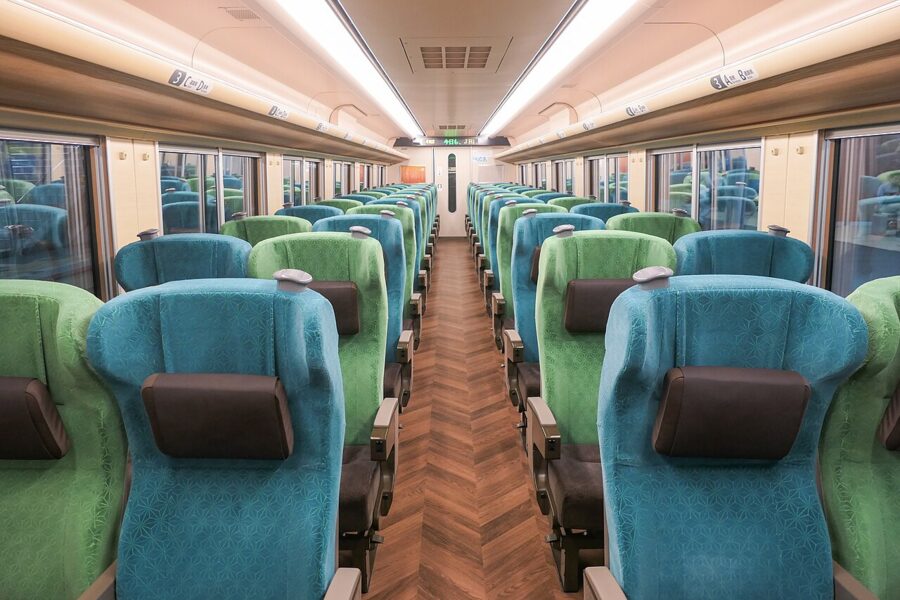
On the Shinkansen, bags measuring between 160 and 250 centimetres in total height, width and depth need a reserved seat with an oversized baggage area, booked in advance. Japan Rail Pass holders book through the official website if they bought online, or at a machine by scanning the QR code on the pass and entering their passport number. Around Golden Week, Obon and the New Year holiday, seats on popular trains go early whatever pass you hold.
What the passes do not cover
This is where people lose money, mostly on things that look like JR but are not.
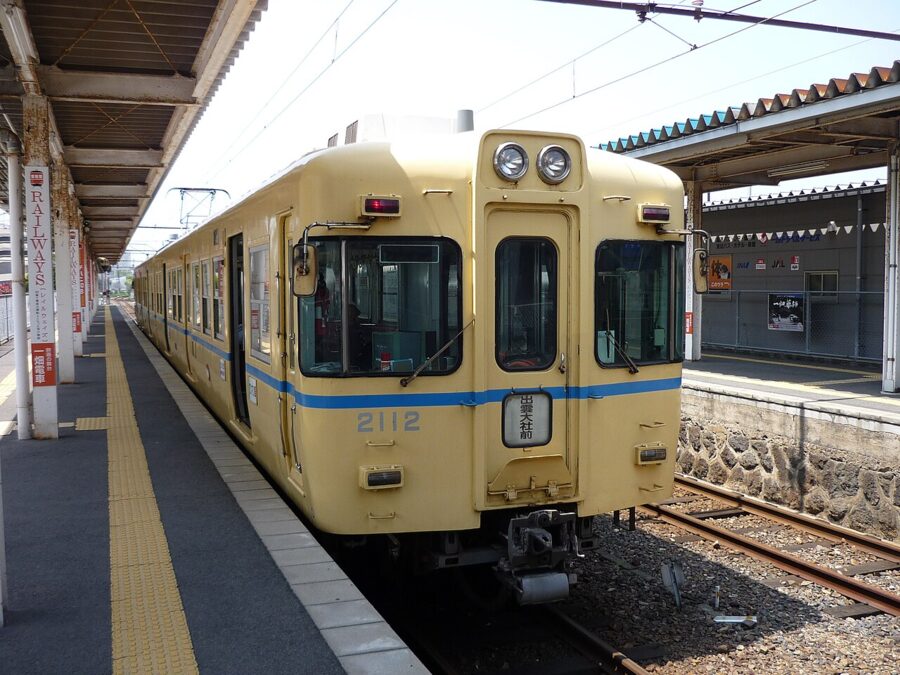
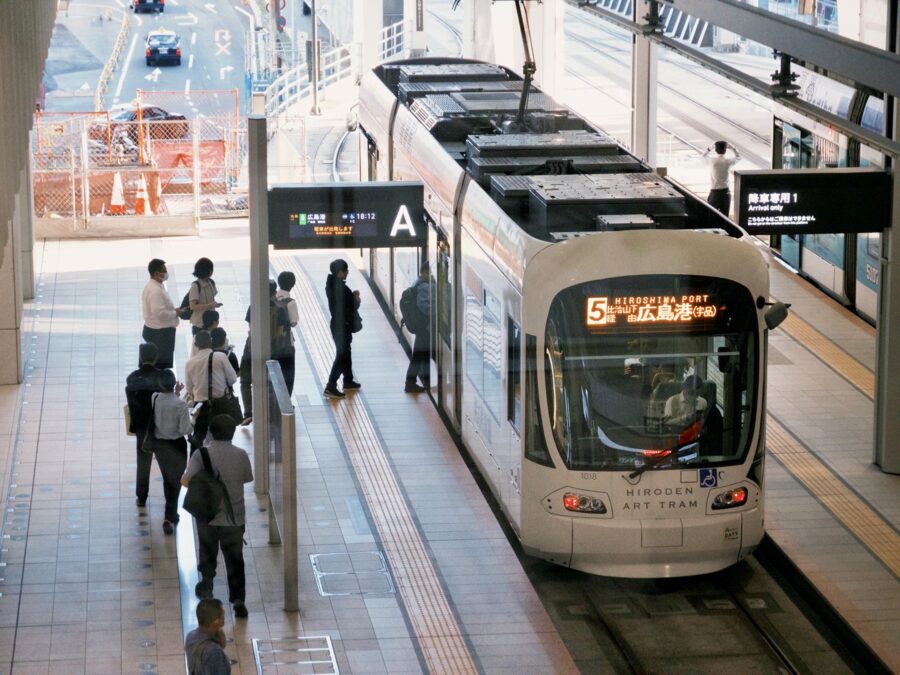
- Hiroshima’s trams. The Hiroden trams, including line 2 to Miyajimaguchi, are a private company. Every ride costs a flat ¥240 (about US$1.50) since Hiroden’s 2025 fare change, and no rail pass covers them.
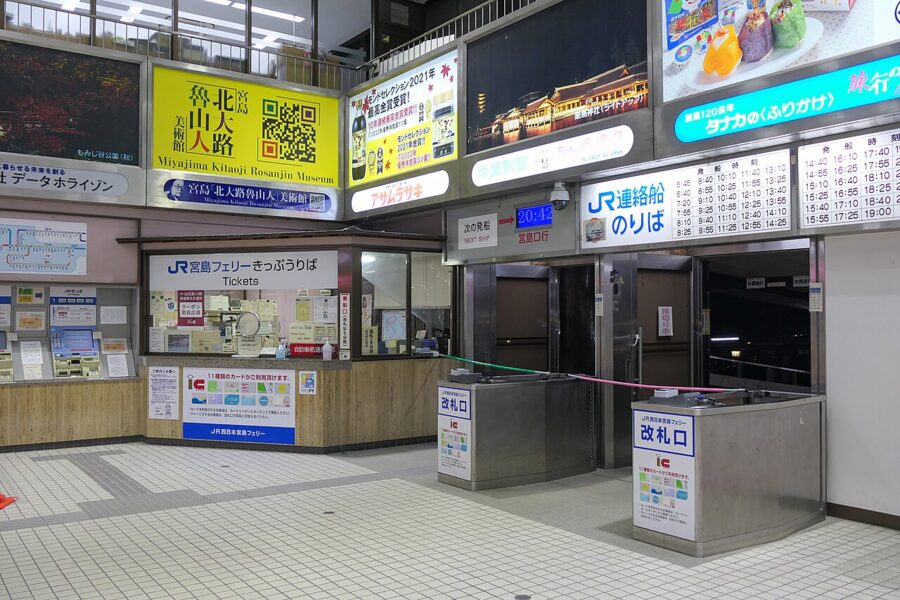
- The other Miyajima ferry. Only the JR boats are covered. The Matsudai Kisen ferry, which sails from the same terminals, is not.
- Every other ferry, except the routes listed on the Setouchi pass. That means the boats to Naoshima, the Onomichi island ferries and anything on the Shimanami Kaido.
- The Ichibata Electric Railway from Matsue Shinjiko Onsen to Izumo Taisha-mae. With a pass, ride JR to Izumoshi and pay for the bus from there to the shrine.
- The Tokaido and Kyushu Shinkansen on all JR West passes, and the Nozomi and Mizuho on the Japan Rail Pass.
- Green cars, sleepers and paid A-Seats on Kansai rapid trains, which all need extra tickets.
- Expressway buses. JR West’s passes cover only JR route buses inside their areas, and not the long-distance highway buses.
- The Miyajima visitor tax of ¥100, collected when you board the ferry.


Passes, single tickets and IC cards
If you are making one long trip with no stops, look at JR West’s SANYO-SHINKANSEN One-way Ticket before buying a pass. It is sold only by selected travel agents outside Japan, to the same foreign visitors who can buy passes. On JR West’s current price list, Osaka to Hiroshima costs ¥7,900 (about US$50), Osaka to Okayama or Kurashiki ¥5,100, Osaka to Fukuyama or Onomichi ¥6,800, and Hakata to Hiroshima ¥6,300.
The rules are strict: you cannot get off at an intermediate station, and each ticket is one journey. Two of them for Osaka to Hiroshima and back cost ¥15,800, so with Miyajima added you reach exactly the ¥17,000 the Kansai-Hiroshima pass costs. Add one more side trip and the pass is ahead; skip Miyajima and the one-way tickets win.
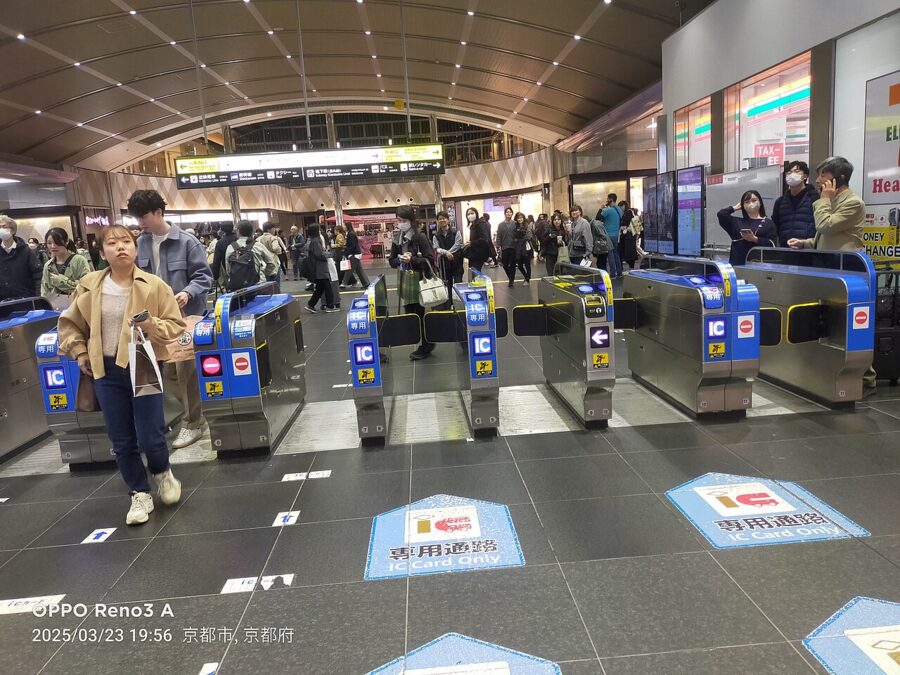
For everything else there are IC cards. JR West’s ICOCA costs ¥2,000 (about US$13), including a ¥500 deposit, and you tap it at the gate. It is the easy way to pay for the Hiroden trams, city buses and the JR Miyajima ferry. Short local train rides cost little whatever you pay with: Okayama to Kurashiki is ¥330, Fukuyama to Onomichi ¥420 and Shin-Yamaguchi to Yamaguchi ¥240.

Most trips do not need much arithmetic. If the route has two long Shinkansen rides in it, a regional pass almost always wins; if it has the Yakumo as well, the Sanyo-San’in pass wins by a distance. For days spent in a single city, an IC card and a tram day pass do the job, and the planning for those days is in the Hiroshima itinerary.
Buy the Kansai-Hiroshima pass for Osaka, Hiroshima and Miyajima, the Sanyo-San’in pass the moment Matsue or Tottori joins the plan, and book your first seat at the green machine before you go through the gate at Shin-Osaka. Then catch the JR ferry at Miyajimaguchi and show the pass at the gate.