
Reviewed · HIROSHIMA CITY TOURS
Hiroshima: Acupuncture and Japanese unique massage treatment
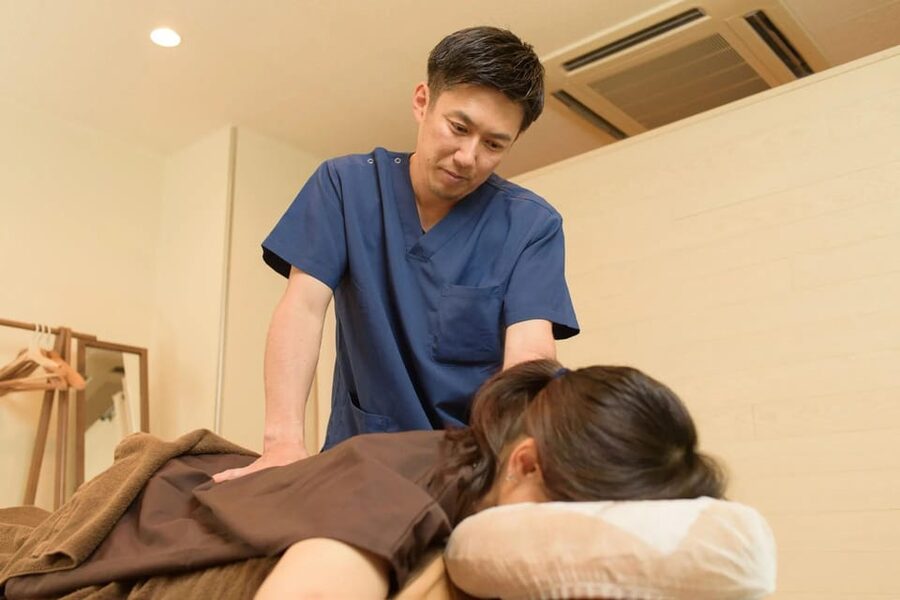
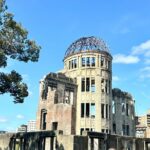
Hiroshima’s Kondoh clinic offers a calm counterpoint to a busy sightseeing day: private Japanese acupuncture and seitai treatment in a quiet room near the Atomic Bomb Dome. You begin with a health questionnaire and personal consultation, then receive care chosen for your aches, stiffness, or travel fatigue.
I like the licensed practitioners and the careful step-by-step approach. I also like the privacy, since you do not have to share a treatment room with strangers. The main consideration is language: the instructor is Japanese, and the treatment may include more acupuncture or bodywork than you expect, so clarify your preference early.
In This Review
- Key points
- A quiet treatment stop beside Hiroshima’s memorial district
- Starting with a questionnaire and personal consultation
- Acupuncture and moxibustion with disposable needles
- Gentle Japanese seitai for muscles, joints, and nerves
- What the full appointment feels like
- What the price includes at 90 minutes
- The experience for couples and companions
- What the praise tells you, and where to stay realistic
- Who will get the most from this appointment
- Booking, timing, and cancellation
- Should you book Kondoh Acupuncture and Chiropractic Clinic?
- FAQ
- Where is the treatment located?
- How long does the treatment last?
- How much does the experience cost?
- What treatments are available?
- Are the needles disposable?
- Is the treatment private?
- Who provides the treatment?
- Can a companion receive treatment while I am being treated?
- What language is used during the treatment?
Key points
- Private care near the Atomic Bomb Dome: You receive one-on-one treatment in a quiet room close to Hiroshima’s main memorial sights.
- Nationally licensed practitioners: Staff hold Japanese qualifications in acupuncture, moxibustion, and judo therapy.
- Two distinct treatment styles: You can experience acupuncture and moxibustion, or gentle Japanese seitai, a traditional body treatment.
- A structured consultation: The visit includes a medical questionnaire, physical examination, treatment explanation, and aftercare advice.
- Useful for tired bodies: This is aimed at chronic discomfort, stiff muscles, and fatigue after a full day of walking.
- Good for companions too: Someone waiting can receive machine-assisted leg massage in a dedicated waiting room.
A quiet treatment stop beside Hiroshima’s memorial district

Hiroshima sightseeing can be physically demanding. The Atomic Bomb Dome, Peace Memorial Park, museum, shopping streets, and restaurants are all easy to combine in one long day, but that also means plenty of walking and standing. Kondoh Acupuncture and Chiropractic Clinic gives you a chance to pause without leaving the central area.
The setting near the Atomic Bomb Dome matters for practical reasons. You can schedule treatment around your time in the memorial district rather than making a special trip far across the city. I would plan it after sightseeing if your legs, back, or neck are tired, though some people may prefer a session earlier in the day.
This is not a group wellness class or a quick chair massage. The appointment is private, reserved in advance, and handled one on one. That makes the experience feel more like a proper clinical consultation than a casual tourist activity.
The clinic’s practitioners are nationally licensed as acupuncturists, moxibustion practitioners, and judo therapists. In Japan, judo therapy refers to a professional field concerned with muscles, bones, joints, and physical injury care. Here, that training supports the clinic’s Japanese-style seitai treatment.
A few more Hiroshima tours and experiences worth a look

Starting with a questionnaire and personal consultation
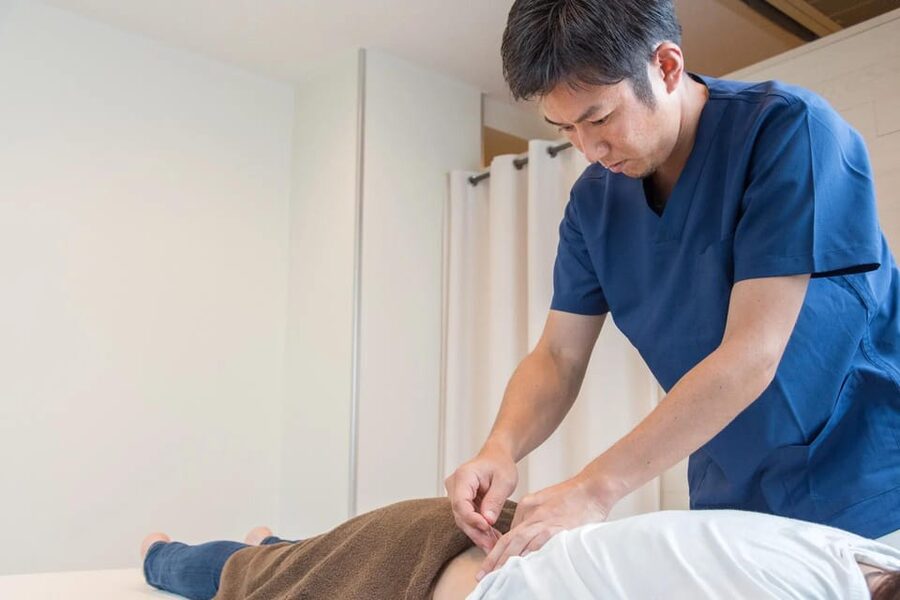
The first stage is a medical questionnaire. You describe your physical condition, discomfort, and reason for booking. This is especially useful if you are dealing with a long-running issue rather than simple post-walking fatigue.
A practitioner then discusses your answers and examines your physical condition. The consultation is not just a formality. It helps determine whether acupuncture, moxibustion, gentle bodywork, or a combination makes the most sense for your needs.
Before treatment starts, the practitioner explains the planned approach. I appreciate this order because it gives you a chance to ask questions before needles or manual treatment begin. If this is your first acupuncture session, say so at the start and ask for each stage to be explained clearly.
The available information identifies Japanese as the instructor’s language. You should keep that in mind when deciding how much medical detail you need to communicate. The clinic provides professional care, but you may want to prepare a short written note describing your symptoms, medical concerns, or areas you want treated.
Acupuncture and moxibustion with disposable needles
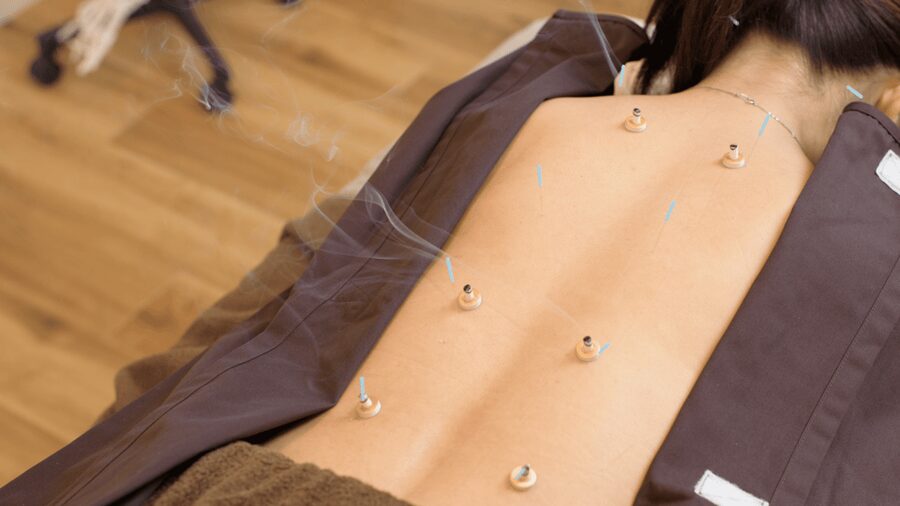
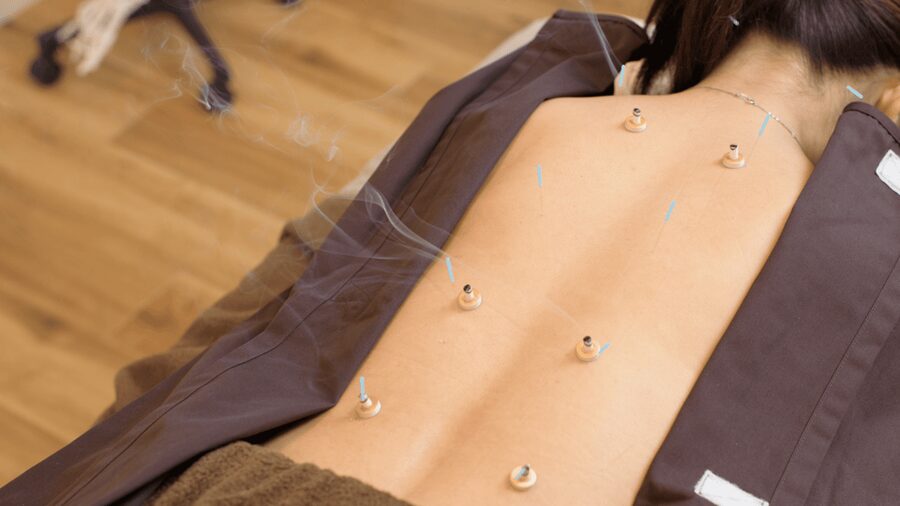
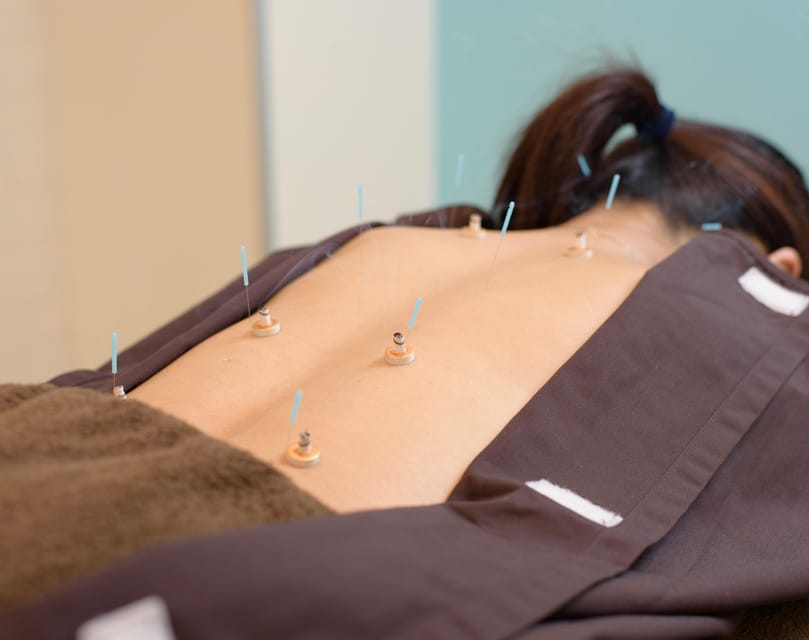
Acupuncture is the clinic’s main traditional treatment. The practitioner places disposable needles at selected points on the body, with the aim of easing discomfort and encouraging a sense of physical balance. Moxibustion may also be used, with heat adjusted to a comfortable level.
The clinic describes the treatment in terms of chi, or energy flow through the body. You do not need to share that explanation to enjoy the quiet, restful nature of the session. For many people, lying still in a private room while a trained practitioner works through a planned treatment can be a welcome break from the noise and motion of sightseeing.
You should tell the practitioner if you are nervous about needles, have a strong sensitivity to heat, or want to limit the treatment to certain areas. The description specifies disposable needles and individually adjusted moxibustion heat, but it does not promise a needle-free option.
The clinic says that 70 to 80 percent of its repeat customers receive acupuncture and are satisfied with the results. That figure is provided by the clinic, not a medical guarantee, and it should not be taken as proof that acupuncture will resolve a particular condition. Think of this as a traditional treatment and relaxation experience, not a replacement for medical care.
One useful point from the treatment format is the lack of rushing. You receive a consultation first, then the treatment, followed by a check of how you feel. That gives you a better chance to tell the practitioner if something feels uncomfortable.
Gentle Japanese seitai for muscles, joints, and nerves
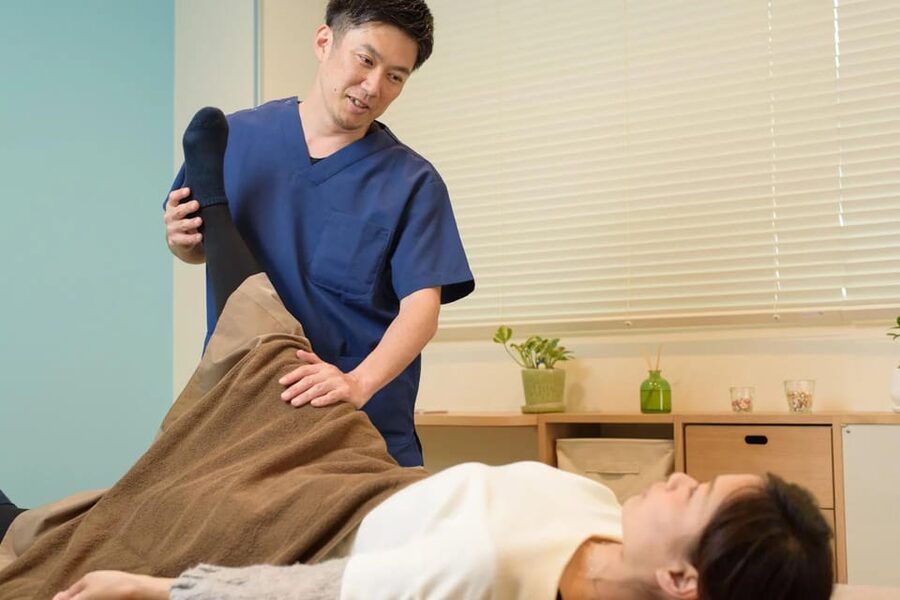
The second treatment style is Japanese seitai, described here as a gentle form of chiropractic-style bodywork. The clinic also calls it nerve chiropractic. The approach is intended to support normal nerve function and muscle movement through careful manual treatment rather than forceful manipulation.
The clinic presents this as a comfortable option for people of different ages, genders, and health conditions. That does not mean every person is suitable for every technique. You should explain chronic illnesses, recent injuries, and any medical restrictions during the consultation.
The treatment is described as feeling almost weightless, like being in zero gravity. That is a description of the intended sensation, not a literal feature of the room or equipment. The practical appeal is simple: if your shoulders, back, hips, or legs feel worn out after walking, gentle bodywork may feel more approachable than acupuncture.
This option may suit you if needles make you uneasy. It may also suit a couple or friends who want different treatments. One person can receive acupuncture while another waits or receives machine-assisted leg massage in the dedicated waiting area, as long as the booking arrangement supports it.
Keep your expectations sensible. The clinic’s treatment may help you feel relaxed and less stiff, but no specific medical result is guaranteed. The strongest reason to choose it is the combination of personal assessment, licensed care, and a gentle Japanese treatment style.
What the full appointment feels like
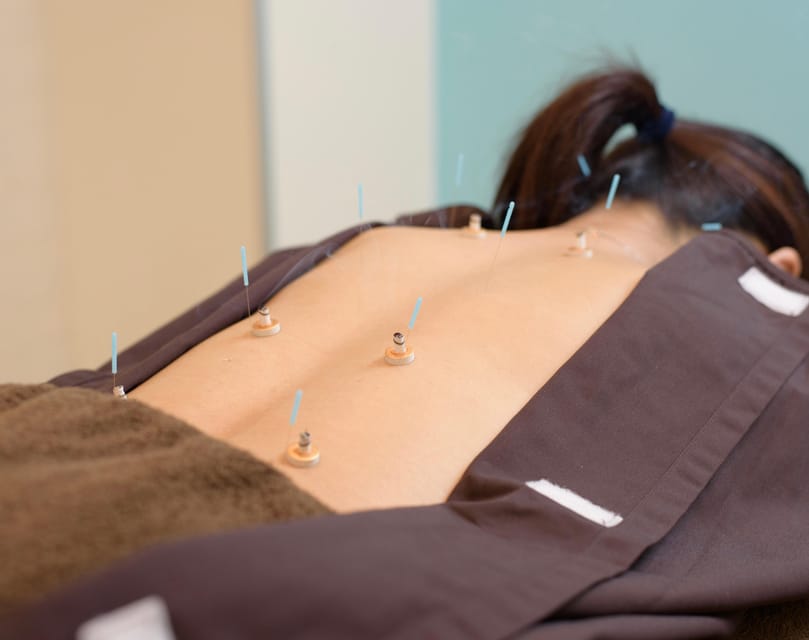
The visit follows six clear stages:
- Medical questionnaire and counseling
- Physical condition examination
- Explanation of the treatment plan
- Acupuncture, moxibustion, seitai, or a combination
- Post-treatment check and daily-life advice
- End of treatment
This sequence gives the appointment a reassuring rhythm. You are not simply placed on a table and left to guess what happens next. The practitioner listens first, explains the plan, carries out the treatment, and then discusses how you feel afterward.
The final advice is one of the more useful features for someone on a longer trip. You receive guidance about self-care and daily habits, although the exact advice depends on your condition. If a sore back or stiff neck has been bothering you throughout your holiday, use this final conversation to ask what movements or habits might help.
The private room is another strong point. You can relax without worrying about other people watching or listening. It also makes it easier to discuss personal discomfort, which can be awkward in an open treatment area.
The clinic’s approach is attentive rather than theatrical. You will not find a large tourist attraction, a staged cultural performance, or a long list of extras. The value comes from quiet time, professional attention, and an opportunity to try a traditional Japanese treatment in a clinical setting.



What the price includes at 90 minutes
The advertised price is $95 per person, with the activity lasting 90 minutes to two hours. The clinic’s own listed prices are 13,200 yen for 50 minutes, 17,800 yen for 90 minutes, and 24,800 yen for 120 minutes. Prices can change, so check the amount shown when you select your session.
For the 90-minute option, the price is reasonable if you want a proper consultation and treatment rather than a short massage. You are paying for licensed professional care, a private room, examination, treatment, and aftercare advice. The appointment also saves you from spending a large part of the day in transit.
The 50-minute session may suit you if you want a shorter introduction or have only one clear area of discomfort. The 120-minute option makes more sense if you want a slower appointment, a fuller combination of techniques, or more time to discuss long-term pain.
The main value question is what you want from the experience. If your priority is sightseeing entertainment, this will feel expensive and quiet. If your back, neck, or legs need attention after several days on the road, the private session may be a better use of money than another generic wellness stop.
One practical detail is that the platform describes the activity as lasting 90 minutes to two hours, while the clinic lists three treatment lengths. Check the exact duration and price before paying. That avoids confusion at the appointment.
The experience for couples and companions
This treatment works well for two people with different interests. One person can receive acupuncture while the other has machine-assisted leg massage in a separate waiting room. That arrangement is particularly helpful if one person is eager to try acupuncture and the other wants a simpler way to rest tired legs.
The German-speaking couple who booked together had different treatments, with one person receiving acupuncture and the other receiving pressure drainage in special stockings. The experience was described as clean, friendly, informative, and soothing, though the massage portion felt shorter than expected.
That detail is worth remembering. If you book mainly for a long massage, ask exactly how much of the appointment will be manual massage, acupuncture, moxibustion, or machine-assisted leg treatment. The clinic’s Japanese-style bodywork is not necessarily the same as an extended Western oil massage.
The private-group setup also helps if you prefer not to receive care beside strangers. You can focus on your own treatment and discuss your needs directly with the practitioner. The tradeoff is that the experience is less social and less flexible than a walk-in spa.
What the praise tells you, and where to stay realistic
The strongest praise centers on three things: the practitioner’s friendly manner, the cleanliness of the clinic, and the professional explanation of treatment. Those details matter because a first acupuncture appointment can feel uncertain if you do not know what is happening.
One visitor described the practitioner as attentive and caring from the welcome through the end of treatment. Another said the treatment helped with back and neck discomfort. An Italian visitor called the therapist well prepared and the session both relaxing and therapeutic.
I would give those points real weight, while keeping the claims in proportion. Three positive accounts and a current five-star score from seven ratings suggest a strong early record, but they cannot prove that every condition will improve. Results differ from person to person, and the clinic is not presented as an emergency or hospital service.
The massage length deserves equal attention. One booking that included acupuncture and pressure drainage found the whole visit pleasant, but felt that the massage itself was brief. If massage is your main goal, confirm the treatment mix before booking.
You should also tell the practitioner about any medical issue that could affect treatment. The supplied information says the clinic’s gentle approach can be received regardless of age, gender, or chronic illness, but that should not replace a personal health assessment. A qualified practitioner still needs an honest account of your condition.
Who will get the most from this appointment
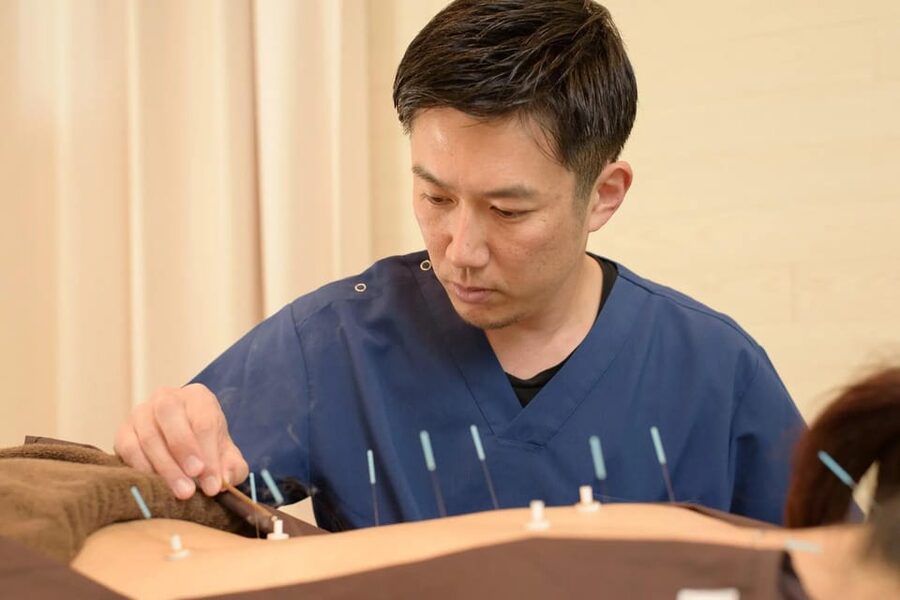
I would recommend this experience to you if you want:
- A private, calm treatment after visiting the Atomic Bomb Dome
- A first introduction to Japanese acupuncture with professional guidance
- Help easing ordinary travel fatigue, stiffness, or chronic body discomfort
- A gentle alternative to forceful chiropractic-style treatment
- A treatment shared with a companion who may prefer leg massage
- Practical self-care advice for the rest of your trip
I would be more cautious if you want a luxury spa day, a long oil massage, or extensive English-language conversation. The instructor is Japanese, and the exact balance between acupuncture, moxibustion, and seitai depends on the booking and consultation.
This is also not the right place to seek urgent care. The experience is designed for planned treatment and relaxation. If you have a serious or sudden medical problem, use an appropriate medical service instead.
Booking, timing, and cancellation
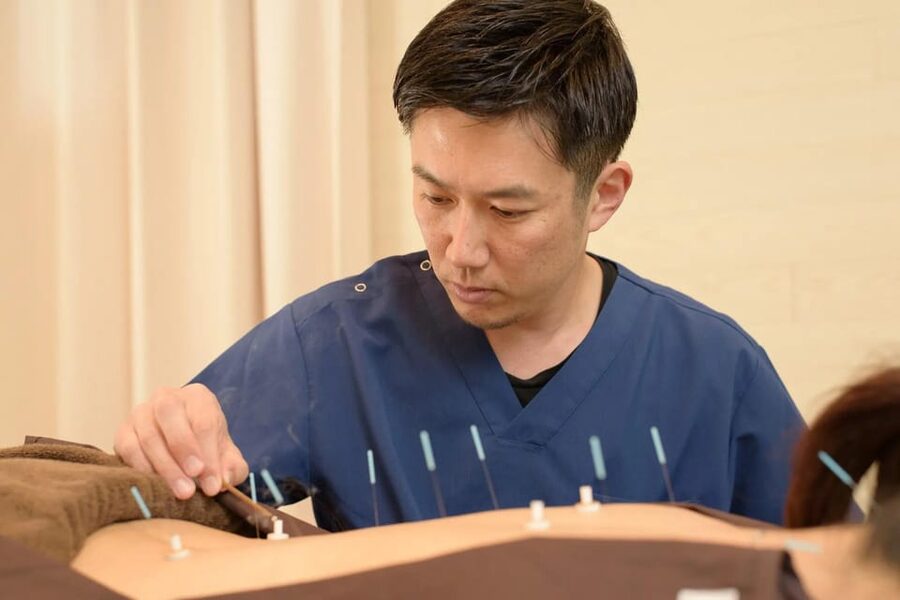
This is a reservation-only clinic, so you receive treatment at a scheduled time rather than waiting for an opening. That is useful in Hiroshima, where a morning at the Peace Memorial Museum can easily turn into a full afternoon.
You can reserve now and pay later through the booking platform, which keeps your sightseeing plans more flexible. Free cancellation is available up to 24 hours before the appointment for a full refund. Check the booking page for current starting times and the exact treatment length.
Since the clinic uses Japanese as its stated language, write down key information in advance. Include where you hurt, how long the problem has lasted, and any treatment or condition the practitioner should know about. Clear preparation can make a language gap much easier to manage.
Should you book Kondoh Acupuncture and Chiropractic Clinic?
Book it if you want a quiet, private appointment with nationally licensed practitioners and a distinctly Japanese treatment approach. The location near the Atomic Bomb Dome makes it easy to fit into a day of Hiroshima sightseeing, and the structured consultation adds more care than you get from a quick walk-in massage.
Choose the 90-minute or longer option if you want time for discussion, examination, and treatment. If you mainly want a massage, confirm the exact format first, since one positive experience found that the massage portion was shorter than expected.
For a first acupuncture experience, the private room, disposable needles, clear treatment stages, and friendly professional manner are reassuring. For an ordinary visitor with tired legs, a stiff back, or a sore neck, this can be a useful pause in the middle of a demanding Japan itinerary.
FAQ
Where is the treatment located?
The clinic is in Hiroshima’s Chugoku Region, near the Atomic Bomb Dome.
How long does the treatment last?
The activity is described as lasting 90 minutes to two hours. The clinic lists treatment choices of 50, 90, and 120 minutes.
How much does the experience cost?
The advertised activity price is $95 per person. The clinic lists 13,200 yen for 50 minutes, 17,800 yen for 90 minutes, and 24,800 yen for 120 minutes.
What treatments are available?
You can receive Japanese acupuncture, moxibustion, and Japanese seitai, a gentle traditional body treatment described as a chiropractic-style therapy.
Are the needles disposable?
Yes. The acupuncture treatment uses disposable needles.
Is the treatment private?
Yes. Treatment takes place in a fully private room with one-on-one support.
Who provides the treatment?
The practitioners are nationally licensed as acupuncturists, moxibustion practitioners, and judo therapists.
Can a companion receive treatment while I am being treated?
A companion can receive machine-assisted leg massage in a dedicated waiting room, according to the available activity information.
What language is used during the treatment?
The instructor language is Japanese.
More Hiroshima City Tours in Hiroshima
More tours in Hiroshima we've reviewed




Hiroshima City Tours, compared.
 ★ 5.0Peaceful Hiroshima & Miyajima UNESCO 1 Day Bus TourFrom $129
 ★ 4.9Hiroshima: Hiroshima and Miyajima UNESCO Sites 1-Day TourFrom $1228 hours
 ★ 5.0Hiroshima / Miyajima Full-day Private Tour with Government Licensed GuideFrom $202
 ★ 4.7Osaka/Kyoto: Hiroshima Miyajima Bus Tour & Shinkansen TicketFrom $27712 hours
 ★ 4.8Hiroshima Historical Walking Tour – Why A-Bomb was DroppedFrom $352h 30m
 ★ 5.0Hiroshima Peace (Heiwa) Walking Tour at World Heritage SitesFrom $94
