
Reviewed · HIROSHIMA CITY TOURS
Bomb to bloom Highlights of Hiroshima walking group tour
Hiroshima’s story is difficult to take in from a map or guidebook. This walking tour puts the key sites in order, beginning at Peace Memorial Park and moving through the museum, Atomic Bomb Dome, and other memorials before continuing to Hiroshima Castle. That sequence helps you understand both the scale of the destruction and the city’s long life before and after August 6, 1945.
I like the local-guide perspective, especially the added walk through lesser-known parts of the city. I also like that you receive time to look through the museum at your own pace rather than being hurried from display to display. The main consideration is emotional weight: the museum and memorials can be upsetting, and the walking format requires you to stay on your feet while taking in serious material.
In This Review
- Key points to know before booking
- Starting at Peace Memorial Park in central Hiroshima
- The Hiroshima Peace Memorial Museum and August 6, 1945
- Seeing the Atomic Bomb Dome in its real setting
- Moving beyond the main memorials
- Hiroshima Castle and the city before the bombing
- Why the guide matters on this particular route
- What the $28 price really gives you
- Who will get the most from this walk
- Practical advice for making the walk easier
- Should you book Bomb to Bloom?
- FAQ
- Where does the tour start?
- Where does the tour end?
- What attractions are included?
- Is entry to the Hiroshima Peace Memorial Museum included?
- Is entry to the Atomic Bomb Dome included?
- Is entry to Hiroshima Peace Memorial Park included?
- Is transportation included?
- Are food and drinks included?
- What languages are offered?
- Can I cancel for a full refund?
Key points to know before booking
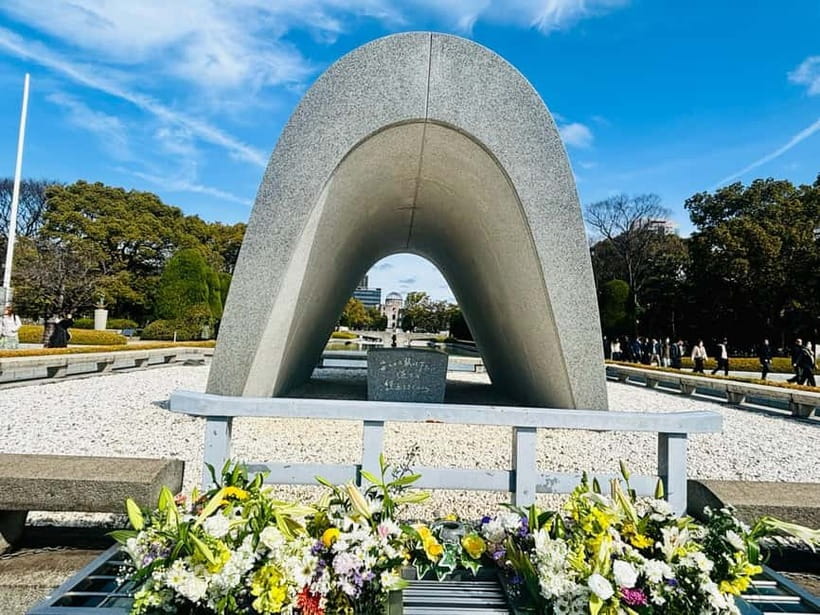
- Peace Memorial Park comes first, giving you a clear setting for the memorials, museum, and Atomic Bomb Dome.
- The museum visit includes time to wander, with the guide adding explanations around the main exhibitions.
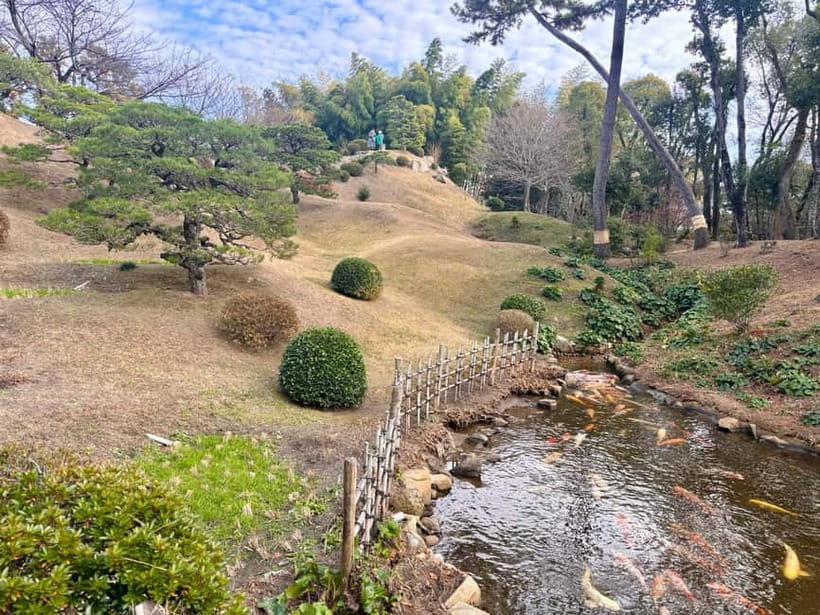
- Hiroshima Castle adds a different chapter, showing the city beyond its wartime identity.
- The tour includes lesser-known stops, along with details about everyday Japanese life.
- Maria is one named guide, and tours are offered in English, Hindi, Punjabi, and Urdu.
- The $28 price includes admissions and guiding, while food, drinks, and transportation cost extra.
Starting at Peace Memorial Park in central Hiroshima
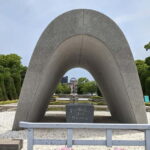
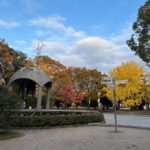
You meet your guide at 1-2 Nakajimachō, in Hiroshima’s Naka Ward. The tour begins in the Peace Memorial Park, the right place for this subject because the park brings the city’s memorials into one walkable area.
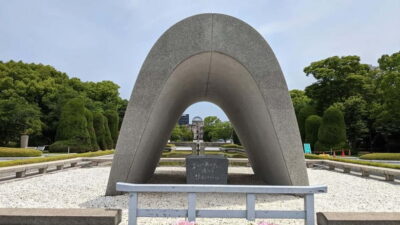
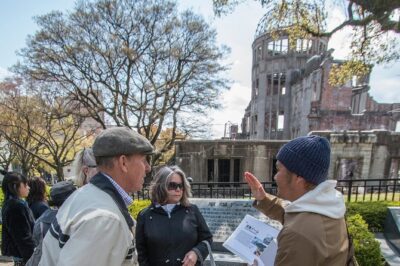
The park is not simply a green space with a few monuments. It is the setting for Hiroshima’s public remembrance, and your guide can help connect the separate sites into one account. Instead of seeing the Atomic Bomb Dome as an isolated old building, you begin to understand its place in the city’s prewar center and its role as a symbol after the bombing.
I find this opening useful because it gives you context before you enter the museum. Hiroshima can otherwise feel like a series of solemn stops, each with its own name and meaning. A guide helps make the route easier to follow and can point out details you might pass without noticing.
The exact length of the walk is not provided, so plan for a substantial outing rather than a quick visit. You are moving between several sites and later continuing toward Hiroshima Castle. Comfortable shoes are a sensible choice, and you should allow yourself enough mental space for the subject matter.
A few more Hiroshima tours and experiences worth a look

The Hiroshima Peace Memorial Museum and August 6, 1945
The Hiroshima Peace Memorial Museum is the emotional center of the experience. Its collections focus on the bombing of August 6, 1945, and the human consequences of that event. This is not a light museum stop, but it is an important one if you want to understand Hiroshima beyond a postcard image.
Your entry is included, and the guide can orient you to the main exhibitions. Maria, one of the named guides, has allowed people to look around on their own time while also providing background and explanations. That balance matters. A guide can make the displays easier to understand, but you also need quiet time to process what you are seeing.
Expect difficult material. The museum deals with loss, injury, destruction, and the lives changed by the bombing. I would not schedule this tour at the end of a packed sightseeing day if you know that intense historical exhibits affect you strongly. You may prefer to leave room afterward for a quiet meal or a slower walk.
The value here is not just admission. At $28 per person, you are paying for the museum entry as well as a private walking tour and guide. The museum alone cannot explain every part of Hiroshima’s past, and a guide can connect its collections with the streets and memorials outside.
Seeing the Atomic Bomb Dome in its real setting
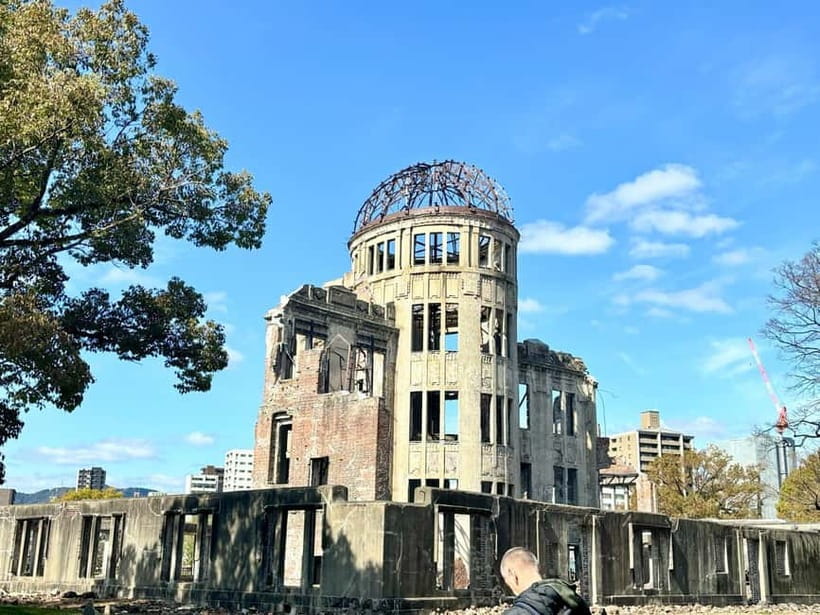
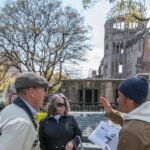
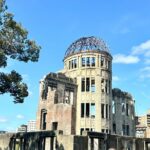
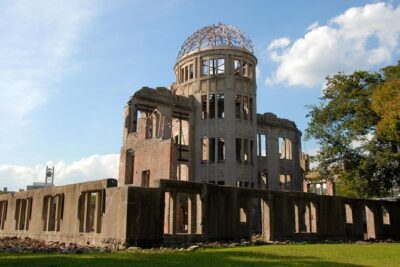
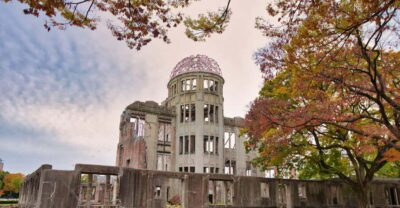
The Atomic Bomb Dome is one of Hiroshima’s best-known landmarks, but photographs can flatten its meaning. Seeing it within Peace Memorial Park gives you a stronger sense of place. The building’s damaged form is immediately recognizable, yet the surrounding park and city make clear that this is part of a living urban area, not a monument sealed away from daily life.
The tour includes entry to the Atomic Bomb Dome, as well as the park and museum. Since the supplied details do not explain the exact access arrangements, ask your guide how the included entry is handled on the day. The important point is that the dome is part of the guided route, not an optional sight you must find alone.
I like this stop because it creates a visual link between the museum’s displays and Hiroshima itself. You are no longer looking only at objects or written accounts. You are also looking at a surviving structure in the city where the event occurred.
Do not expect a long, elaborate attraction inside the dome. Its power comes from its exterior, location, and historical meaning. Your guide’s explanation is likely to be more valuable than trying to treat it like a conventional building tour.
Moving beyond the main memorials
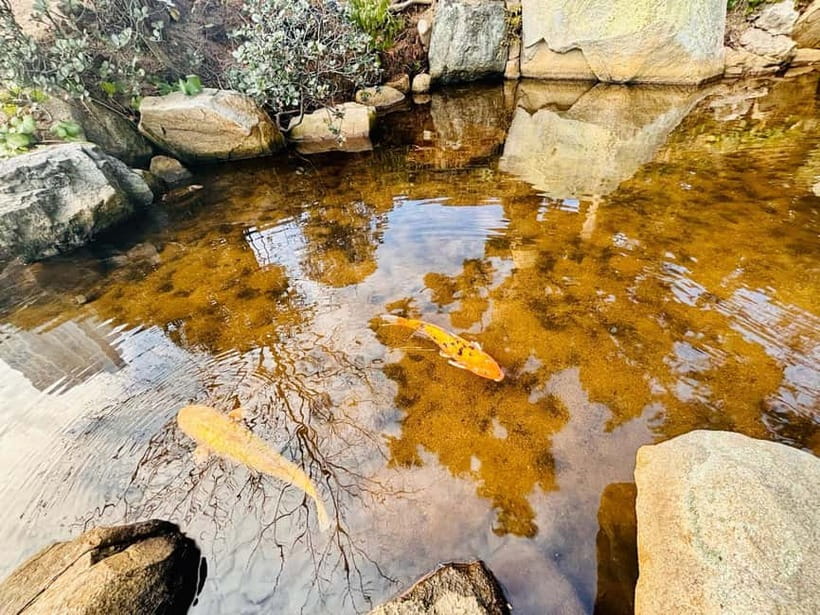
One of the better features of this experience is the shift after the main Peace Park route. The tour does not end once you have seen the standard memorials. Your guide continues through less familiar parts of Hiroshima and adds information about Japanese life.
That extra time changes the tone. Peace Memorial Park is focused on remembrance and tragedy. The later walk gives you a broader view of Hiroshima as a city where people live, work, eat, shop, and carry on. It helps prevent the common mistake of treating Hiroshima only as a destination connected to 1945.
The phrase lesser-known attractions should be taken in a modest sense. No exact list of these stops is supplied, so you should not book expecting a fixed collection of secret sites. Instead, think of this portion as a local-guided extension that may show you places outside the core memorial route.
I value this part because it responds to a real problem with short city tours. Major sights are necessary, but they do not always tell you how a city feels. Details about Japanese life can give the walk a more human scale, especially after the museum’s heavy material.
Hiroshima Castle and the city before the bombing
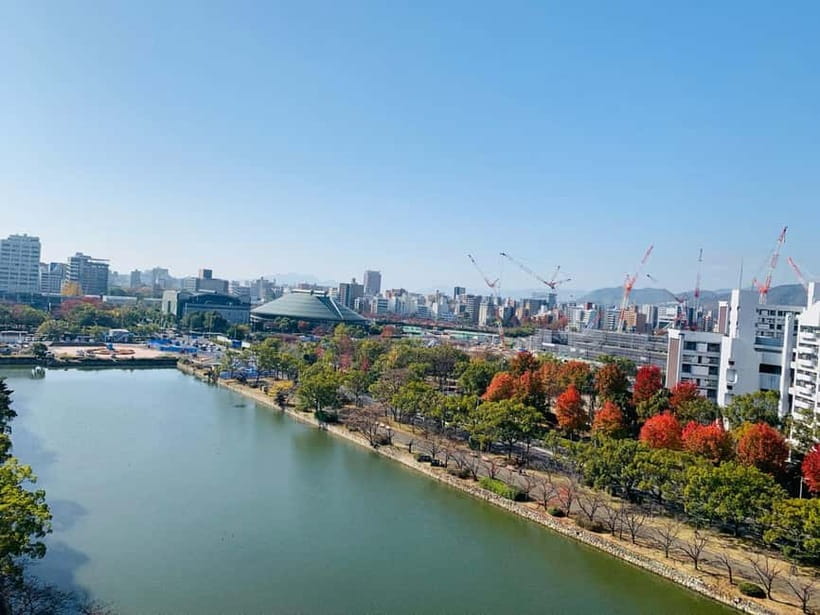
The route continues to the 16th-century-old Hiroshima Castle. This is an important change in subject. The museum and Atomic Bomb Dome focus on the city’s wartime destruction, while the castle points to Hiroshima’s earlier political and cultural life.
That contrast is one of the strongest reasons to choose this route. You see Hiroshima as more than a place defined by one terrible day. The castle helps place the modern city within a much longer story, and it gives the walking tour a second historical anchor.
The information provided does not specify how much time you spend inside the castle or which parts you visit. The tour description does identify it as a stop along the walking route, so treat the castle portion as a guided exterior or sightseeing visit unless your guide confirms otherwise.
This is also where the walking format may test you. The tour covers Peace Memorial Park, the museum, the Atomic Bomb Dome, other monuments, lesser-known city sights, and Hiroshima Castle. Since no transport is included, you should expect to walk between the stops. The lack of a listed duration means you should keep your schedule open rather than booking a tightly timed activity afterward.
Other walking tours we've reviewed in Hiroshima

Why the guide matters on this particular route
A self-guided visit to Hiroshima is possible, but this experience adds interpretation at the moments when context matters most. The guide can explain how the memorial sites relate to one another, help you understand the museum’s exhibitions, and then show you a different side of the city.
The guide also gives you someone to ask about sensitive subjects. This is useful when an exhibit raises a question that a sign cannot answer or when you want to understand how the city presents its past today. The supplied feedback specifically highlights Maria’s ability to combine information with freedom to wander, a good approach for a museum of this kind.
The tour is described as private, although the title refers to a walking group tour. Confirm the group arrangement when booking if having a truly private experience is important to you. Either way, the listed price is $28 per person, which is modest for a guided route with museum and attraction admissions included.
Languages are English, Hindi, Punjabi, and Urdu. If you need one of those languages, this is a practical advantage. Guide availability may vary, so select your preferred language during the booking process or confirm it before you commit.
What the $28 price really gives you
At $28 per person, the tour offers reasonable value if you want both historical explanation and an organized route. The price includes the Hiroshima Peace Memorial Museum, Atomic Bomb Dome, and Peace Memorial Park entries, along with the guide and private walking tour.
Food and drinks are not included, so plan to eat before or after the experience. Transportation is also not included. That is not a serious flaw for a central walking route, but it matters if you have limited mobility, heavy luggage, or a tight timetable.
The strongest value is the guide’s time. You are not simply purchasing entry to the museum. You are getting a route that links the museum with the park, dome, other monuments, Hiroshima Castle, and local city sights. The added explanation about Japanese life makes the experience broader than a memorial-only visit.
The main uncertainty is the lack of a stated duration. I would not judge the price until you consider how much of your day the tour may use. Ask about the expected length, walking distance, and exact castle arrangements if those points affect your plans.
Who will get the most from this walk
This tour suits a first visit to Hiroshima, especially if you want a clear introduction without spending time planning the route yourself. It is also a good fit if you prefer asking questions in real time instead of reading every explanation alone.
You will likely appreciate it most if you want:
- A serious introduction to Hiroshima’s wartime past
- Museum time with a guide available for context
- A route that continues beyond Peace Memorial Park
- A look at Hiroshima Castle and earlier city history
- Local details about Japanese life
- A modestly priced walking experience with admissions included
It may be less suitable if you want a relaxed sightseeing walk with little emotional material. The museum and memorial sites are central to the route, and the subject cannot be separated from the experience. It may also be a poor fit for anyone who needs a detailed transport plan or a guaranteed short duration, since neither is provided.
Families should consider the age and temperament of each child before booking. The tour data does not give an age recommendation, so you will need to decide if your group is ready for the museum’s difficult collections.
Practical advice for making the walk easier
Meet at 1-2 Nakajimachō, Naka Ward, and remember that the activity ends back at the meeting point. Since transportation is not included, arrive ready to walk and keep your belongings manageable.
Wear comfortable shoes and leave space in your schedule. You may want extra time at the museum, particularly because the guide’s approach allows you to wander at your own pace. If you rush through the exhibits, you lose one of the main benefits of having the museum built into a guided route.
The tour can be booked with payment later, and cancellation is available up to 24 hours in advance for a full refund. Those terms help if your Hiroshima plans may shift, though you should still check the final booking conditions before payment.
The listed rating is 4.4 out of 5 from five reviews. That is a positive sign, but it is a small sample, so I would give more weight to the specific strengths of the experience: clear information, time to explore, and a route beyond the usual memorial stops.
Should you book Bomb to Bloom?
Book it if you want Hiroshima’s major peace sites explained in person, with a museum visit that leaves room for your own pace. The combination of Peace Memorial Park, the museum, Atomic Bomb Dome, Hiroshima Castle, and local city details gives you a fuller introduction than a short memorial stop alone.
I would choose this tour for a first or second day in Hiroshima, when you want orientation and historical context. Before booking, confirm the expected duration, walking distance, group setup, and guide language. If you are comfortable with a serious museum visit and a fairly full walk, $28 is a sensible price for the admissions and personal guidance included.
FAQ
Where does the tour start?
The tour starts at 1-2 Nakajimachō, Naka Ward, in Hiroshima.
Where does the tour end?
The activity ends back at the meeting point.
What attractions are included?
The route includes Hiroshima Peace Memorial Park, the Hiroshima Peace Memorial Museum, the Atomic Bomb Dome, other Peace Park monuments, lesser-known city sights, and Hiroshima Castle.
Is entry to the Hiroshima Peace Memorial Museum included?
Yes. The museum entry ticket is included.
Is entry to the Atomic Bomb Dome included?
Yes. The Atomic Bomb Dome entry ticket is included.
Is entry to Hiroshima Peace Memorial Park included?
Yes. The Peace Memorial Park entry ticket is included.
Is transportation included?
No. Transportation is not included, and the experience is described as a walking tour.
Are food and drinks included?
No. You need to arrange your own food and drinks.
What languages are offered?
The listed languages are English, Hindi, Punjabi, and Urdu.
Can I cancel for a full refund?
Yes. You can cancel up to 24 hours in advance for a full refund.
More Walking Tours in Hiroshima
More Hiroshima City Tours in Hiroshima
More tours in Hiroshima we've reviewed



Hiroshima City Tours, compared.
 ★ 5.0Peaceful Hiroshima & Miyajima UNESCO 1 Day Bus TourFrom $129
 ★ 4.9Hiroshima: Hiroshima and Miyajima UNESCO Sites 1-Day TourFrom $1228 hours
 ★ 5.0Hiroshima / Miyajima Full-day Private Tour with Government Licensed GuideFrom $202
 ★ 4.7Osaka/Kyoto: Hiroshima Miyajima Bus Tour & Shinkansen TicketFrom $27712 hours
 ★ 4.8Hiroshima Historical Walking Tour – Why A-Bomb was DroppedFrom $352h 30m
 ★ 5.0Hiroshima Peace (Heiwa) Walking Tour at World Heritage SitesFrom $94
