
Reviewed · HIROSHIMA CITY TOURS
Origami Experience in Hiroshima: Fold and Dedicate a Crane
Hiroshima’s most meaningful souvenirs are not bought in a shop. In this private origami session, you fold a paper crane as a wish for peace, then carry it to the Children’s Peace Monument and dedicate it there.
I like two things right away: the friendly, patient help makes origami approachable, and the short walk turns a craft lesson into a gentle introduction to Hiroshima’s streets and local shops. You also get all paper and supplies, so there is no extra cost once the $46 fee is paid.
The main consideration is physical access. You must climb to a fourth-floor room with no elevator, remove your shoes indoors, and walk about 20 minutes to the ending point. This is not suitable for wheelchair users or children under six.
In This Review
- Key points to know before booking
- Why this crane-making experience feels different
- Starting indoors with colorful paper
- Folding a crane with a message
- The 20-minute walk to the Children’s Peace Monument
- Offering the crane at the monument
- Is $46 a fair price?
- Getting to the meeting point
- Who will enjoy it most
- Timing your Hiroshima day around the session
- My verdict on this Hiroshima origami activity
- FAQ
- How long does the origami experience last?
- Where does the activity end?
- Is the origami class held indoors?
- Do I need previous origami experience?
- What language is the activity offered in?
- Are origami materials included?
- Can children participate?
- Is the experience suitable for wheelchair users?
- Do I need to remove my shoes?
- How close is the meeting point to Hiroshima Peace Memorial Park?
Key points to know before booking
- Fold and dedicate one crane: The experience gives your paper crane a clear purpose at the Children’s Peace Monument.
- Private 90-minute format: Your group receives direct guidance rather than joining a large public class.
- A calm walk through Hiroshima: The route to Peace Memorial Park takes about 20 minutes and includes introductions to nearby streets and shops.
- Beginner-friendly instruction: You need no previous origami skill, and patient support is available when the folds become tricky.
- Useful access details: The room is on the fourth floor without an elevator, and the meeting and ending points are different.
- Good for mixed ages: Families with children six and older, couples, friends, and solo visitors can all take part.
Why this crane-making experience feels different
Many cultural activities end when the class ends. This one continues into Hiroshima itself. You do not simply fold a decorative object and take it home. You make a crane connected to a wish for peace, then offer it at a place where cranes arrive every day from around the world.
That final act gives the 90 minutes a quiet sense of purpose. You have time to concentrate on the folds, laugh when a difficult step goes wrong, and think about why the crane matters in Hiroshima. The experience stays simple, but the setting gives it weight.
Origami is the traditional Japanese art of folding paper into shapes. A crane is one of its best-known forms, though it can be harder than it first appears. The folds require attention, but you do not need any previous experience. The instructor guides you through the process and helps when your paper starts heading in an unexpected direction.
You can expect an indoor session first, followed by the walk to the monument. Since the group is private, the pace can feel more personal than a standard class, especially if you are learning with children or friends who need different amounts of help.
A few more Hiroshima tours and experiences worth a look

Starting indoors with colorful paper
The activity takes place in a room on the fourth floor of a building. You will remove your shoes before entering, a small detail worth planning for if you have sore feet, complicated footwear, or children who need help getting ready.
All necessary materials are included. You receive colorful origami paper and can begin without buying supplies or preparing anything in advance. The indoor setting also makes this a useful choice on a rainy day, though the walk afterward still takes place outside.
The class is taught in English, with sessions also available in Japanese. No guide names are provided in the booking details, but the instruction is described as friendly and patient. That matters here because origami often looks easier when someone else does it. Having someone nearby to slow down, demonstrate a fold, or help correct a crease can prevent frustration.
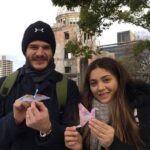
You might finish your first crane quickly, or you might need several attempts. One useful feature of this activity is that difficulty becomes part of the fun rather than a test. A German participant described the folding as a series of challenges, with patient help and plenty of laughter. That is a fair picture of what you should expect: focused hands, occasional confusion, and a good chance of feeling pleased when the shape finally takes form.
Folding a crane with a message
The crane is not just a practice shape. You make it as a wish for peace. That connection changes the mood of the class, especially if you have already spent time at Hiroshima’s Peace Memorial Park or plan to visit it afterward.
The craft gives you a slower way to process the city. Museums and monuments ask you to look, read, and listen. Folding asks you to keep your hands busy while your thoughts settle. For some people, that quiet concentration may be the most valuable part of the activity.
I would not book this expecting a long formal lecture on origami. The information provided focuses on learning the art, making a crane, and understanding its connection to peace. The session is better suited to hands-on participation than to an academic lesson.
That is also why it works for a wide range of ages. Children six and older can take part, adults can enjoy the challenge, and solo visitors do not need to feel awkward arriving alone. Children under six may accompany a paying participant free of charge, but they are not considered suitable participants for the activity itself.
The 20-minute walk to the Children’s Peace Monument
After the indoor folding session, you walk for about 20 minutes toward the Children’s Peace Monument in Peace Memorial Park. The meeting point and ending point are different, so you should not plan to return to the starting building immediately afterward.
This walk is part of the experience, not just a transfer. Along the way, the guide introduces local shops and streets, giving you a chance to see a little of Hiroshima beyond the main memorial sites. It is a short stroll, but it helps connect the quiet craft room with the city outside.
The route also makes the activity easy to pair with a day at Peace Memorial Park. One person described using the origami session as a way to finish a visit to the peace park and museum. That order makes sense if you want the folding and dedication to follow a deeper look at Hiroshima’s past.
You can also do the origami first and continue exploring the park afterward. In that case, the dedicated crane becomes an opening gesture rather than a closing one. Check your schedule carefully, since the activity ends at the monument area rather than at the original meeting place.
Offering the crane at the monument
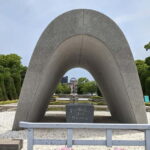
At the Children’s Peace Monument, you offer the crane as a wish for peace. Every day, cranes carrying prayers for peace arrive there from many parts of the world. Your small paper crane joins that continuing act of remembrance.
This is the point that gives the activity its emotional center. The dedication is brief, but it is not a photo stop in the usual sense. You are taking something you made with your own hands and placing it in a location connected to Hiroshima’s message of peace.
You should approach this part with respect and allow yourself a little quiet time. The experience is designed to encourage reflection, not rush you from one attraction to the next. The guide leads the walk and the dedication, but the meaning you take from it is personal.
If you have already visited the museum, you may find the crane dedication especially moving. If you have not, you can still take part, though you may want to visit the park and museum separately so you have more context for the monument and its message.


Is $46 a fair price?
At $46 per person, this is not the cheapest way to spend 90 minutes in Hiroshima. You could walk through the park for free, and origami paper costs very little. The value comes from the instruction, the private format, the materials, and the guided connection between folding and the monument.
For a solo visitor, the price may feel high if your main goal is simply to learn one paper fold. You are paying for an organized cultural activity and a guided walk, not for the paper itself. I would consider it better value if you care about the peace message, want a structured activity, or prefer having help rather than teaching yourself.
Families may find the cost easier to justify because the session gives children something active to do. Couples and friends also get a shared activity that is quieter and more personal than a standard sightseeing stop.
The private group format is useful here. You can ask questions, work at your own pace, and focus on the experience without being part of a large class. The supplied information does not specify the maximum group size, so you should check availability for your preferred date if group arrangements matter to you.
All fees and taxes are included, as are the colorful papers and other necessary materials. There are no stated extra charges for the walk or dedication.
Getting to the meeting point
The meeting point is easy to reach from central Hiroshima, though the final walk or ride depends on where you stay.
From Hiroshima Peace Memorial Park, it is about 15 minutes on foot, or roughly 1.1 kilometers. From the Hilton Hiroshima, it is about five minutes on foot, or around 450 meters.
If you use the Hiroshima Electric Railway, get off at Hiroden City Hall Station. The meeting point is about an eight-minute walk, roughly 550 meters, from the stop.
A taxi from Hiroshima Station takes about 12 minutes and generally costs around ¥2,000 to ¥2,500. From Peace Memorial Park, a taxi takes about five minutes and costs around ¥700 to ¥900. Traffic can affect both estimates, so allow a little extra time before the scheduled start.
Because the ending point is different, your next stop should be the Peace Memorial Park area rather than the original building. This makes the experience convenient if you plan to visit the park, the Children’s Peace Monument, or the museum afterward.
Who will enjoy it most
I would recommend this experience to you if you want a cultural activity that is gentle, hands-on, and tied directly to Hiroshima. It suits solo visitors who want more structure, couples who prefer a meaningful shared activity, and families with children old enough to follow folding instructions.
It is also a good option if you have already seen the major sights and want something more personal. The origami gives you a chance to slow down instead of collecting one more viewpoint or rushing through another exhibit.
The activity may not suit you if you have limited mobility. The fourth-floor room has no elevator, and the experience is not suitable for wheelchair users. The 20-minute walk also requires you to be comfortable walking outdoors between the class and the monument.
Families with very young children should think carefully. Children under six may accompany you free of charge, but they are not suitable participants. A child who cannot sit through a careful folding activity may find the session difficult, even if an adult takes the lead.
You should also note that shoes must come off inside. That is normal in Japan, but it is useful to know before you arrive.
Timing your Hiroshima day around the session
The total activity lasts about 90 minutes, including the walk to Peace Memorial Park. Starting times vary, so check availability when choosing a date.
I would allow extra time before the session for the walk from your hotel or station. Arriving rushed is not ideal for an activity built around careful folds and quiet attention.
Afterward, you can continue around Peace Memorial Park, visit the museum, or spend time at the monument area. If you plan to visit the museum, check its opening hours separately because they are not provided as part of this activity.
You can also place the activity after your museum visit. This order lets you reflect on what you have seen while you make the crane. A German participant found that the time passed quickly, which is a useful warning: do not schedule a tight connection immediately afterward.
Free cancellation is available until 24 hours before the start time, with a full refund. You can also reserve now and pay later, which helps if your Hiroshima plans are still shifting.
My verdict on this Hiroshima origami activity
Book this if you want more than a quick craft lesson. The best part is the full arc: learn the folds indoors, walk through Hiroshima, and dedicate the crane at the Children’s Peace Monument.
The experience earns its price through personal instruction and meaning rather than expensive equipment or a long itinerary. It is especially worthwhile after visiting the peace park and museum, when the dedication can help you pause and reflect.
Skip it if you only want a low-cost origami class, cannot manage stairs, or need an activity that begins and ends at the same place. For everyone else, this is a thoughtful way to connect a simple Japanese art with Hiroshima’s ongoing message of peace.
FAQ
How long does the origami experience last?
The total duration is about 90 minutes, including the indoor origami session and the 20-minute walk to the Children’s Peace Monument.
Where does the activity end?
The activity ends at the Children’s Peace Monument in Peace Memorial Park. The meeting point and ending point are different.
Is the origami class held indoors?
Yes. The origami portion takes place indoors, followed by an outdoor walk to the monument.
Do I need previous origami experience?
No. Beginners are welcome, and the instructor provides guidance as you fold the crane.
What language is the activity offered in?
The instructor is listed as English-speaking. Sessions are also available in Japanese.
Are origami materials included?
Yes. All necessary materials, including colorful origami paper, are included in the price.
Can children participate?
Children aged six and older can participate. Children under six are not suitable for the activity, though they may accompany a paying participant free of charge.
Is the experience suitable for wheelchair users?
No. The activity is not suitable for wheelchair users because the room is on the fourth floor of a building without an elevator.
Do I need to remove my shoes?
Yes. You must remove your shoes before entering the indoor activity room.
How close is the meeting point to Hiroshima Peace Memorial Park?
The meeting point is about a 15-minute walk from Hiroshima Peace Memorial Park, roughly 1.1 kilometers away.
More Hiroshima City Tours in Hiroshima
More tours in Hiroshima we've reviewed




Hiroshima City Tours, compared.
 ★ 5.0Peaceful Hiroshima & Miyajima UNESCO 1 Day Bus TourFrom $129
 ★ 4.9Hiroshima: Hiroshima and Miyajima UNESCO Sites 1-Day TourFrom $1228 hours
 ★ 5.0Hiroshima / Miyajima Full-day Private Tour with Government Licensed GuideFrom $202
 ★ 4.7Osaka/Kyoto: Hiroshima Miyajima Bus Tour & Shinkansen TicketFrom $27712 hours
 ★ 4.8Hiroshima Historical Walking Tour – Why A-Bomb was DroppedFrom $352h 30m
 ★ 5.0Hiroshima Peace (Heiwa) Walking Tour at World Heritage SitesFrom $94
