
Reviewed · HIROSHIMA CITY TOURS
Peaceful SUP Experience on Hiroshima’s Serene Rivers
Hiroshima’s Atomic Bomb Dome looks different from the water. On this small-group SUP outing, you paddle the Honkawa River from Kusunokicho to Peace Memorial Park, seeing the city from the same waterways that shaped its past and witnessed its darkest day. The route covers about 3 km round trip and includes time ashore with an English guide.
I like the careful beginner setup, with a land lesson, paddle stretches, and a warm-up before anyone steps onto the river. I also like the thoughtful connection between Hiroshima’s six rivers, its peace message, and the simple act of moving quietly toward the dome. The main consideration is that the start time can shift with the tide, sometimes from the listed 8:30 AM to an afternoon departure.
In This Review
- Key points before you book
- Why Hiroshima’s rivers matter
- Meeting at Magic Island in Kusunokicho
- Learning the basics beside the camphor tree
- Launching from the Honkawa River
- Reaching Peace Memorial Park from the water
- The return paddle takes its time
- Returning to Kusunokicho and changing afterward
- What the $104.91 price really covers
- Who will enjoy this river outing
- Practical planning for a calm paddle
- Should you book the Hiroshima SUP experience?
- FAQ
- Where does the Hiroshima SUP experience start?
- Where does the activity end?
- How long does the SUP experience last?
- What time does the tour start?
- Is instruction included for beginners?
- What equipment is included?
- Is English support available?
- Who can participate?
- What happens if the weather cancels the activity?
Key points before you book
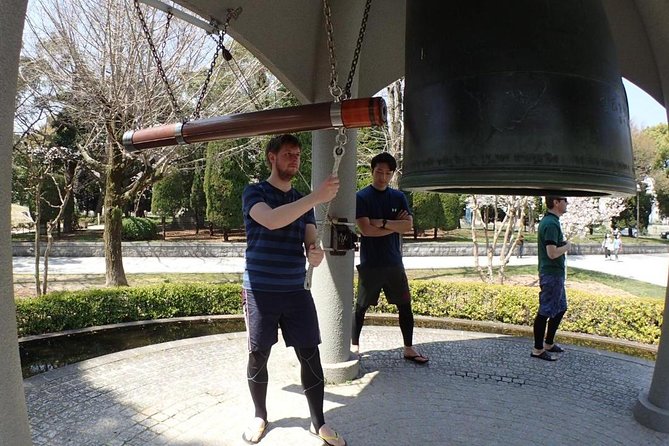
- Paddle to the Atomic Bomb Dome: The route follows the Honkawa River to Peace Memorial Park, giving you a water-level view of one of Hiroshima’s most important sites.
- A gentle introduction to SUP: You receive an on-land lesson, stretching, and warm-up before launching from the large gangi by the camphor tree.
- Tide-based scheduling: The operator sets the final time to match river conditions, so do not build a tight morning plan around the advertised 8:30 start.
- Small groups of up to 10: The limited group size allows the guide to watch paddlers more closely and adjust the outing when needed.
- History is part of the experience: The rivers are tied to Hiroshima’s industry, the 1945 bombing, and the city’s present-day peace focus.
- Equipment is supplied: Your board, instruction, guide fee, and a cold-weather wetsuit are included. Bring water, suitable clothing, and phone protection.
Why Hiroshima’s rivers matter
Hiroshima is often introduced through its Peace Memorial Park, museums, and the Atomic Bomb Dome. This outing begins with a different key: water. Six rivers run through the city, and their channels helped shape how Hiroshima grew.
Before 1945, the upper reaches supported charcoal iron production. River transport carried iron materials toward major commercial centers such as Osaka. The waterways were working routes, not just pretty scenery.
The atomic bombing changed that relationship forever. Many people died in Hiroshima’s rivers, and the water became linked with loss and fear. This makes the SUP route more than a recreational paddle. You are moving through a place where daily life, industry, death, and the city’s later peace work are all connected.
The tone matters. This is not a loud sightseeing cruise or a history lecture delivered from a bus. You move under your own power, usually at a quiet pace, with time to notice the riverbanks and the city around you. That can make the approach to Peace Memorial Park feel personal without turning the experience into a staged memorial performance.
You should still plan to visit the Peace Memorial Museum separately if you want a full account of the bombing. The SUP tour provides context and a different viewpoint, but it is not a substitute for the city’s major memorial institutions.
A few more Hiroshima tours and experiences worth a look
Meeting at Magic Island in Kusunokicho
The tour begins and ends at Magic Island SUP and SURF shop, at 1-chōme-15-4 Kusunokichō in Hiroshima’s Nishi Ward. The meeting point is near public transportation, and luggage storage is available. A Western-style toilet is also provided.
You change clothes and prepare at the shop before heading to the river. Since you may fall in, wear clothing that handles water well and bring only what you need on the board. A hat, sunglasses, and sandals are recommended, along with a swimsuit, rash guard, board shorts, or leggings in warm weather.
The shop does not provide free Wi-Fi, so download directions and save your booking details before arriving. You should also use waterproof protection for your smartphone. Water and phones have a famously poor working relationship.
The final meeting time is set after considering the tide and season. The published time is 8:30 AM, but the actual departure may be scheduled anywhere from 8:30 AM to 4:00 PM. The operator sends the confirmed timing before the reservation is finalized, so check your email and keep your Hiroshima schedule flexible.
This timing issue is important. If you have a train, museum booking, or guided visit immediately afterward, leave plenty of room. The end time can also vary if weather or river conditions require changes.
Learning the basics beside the camphor tree
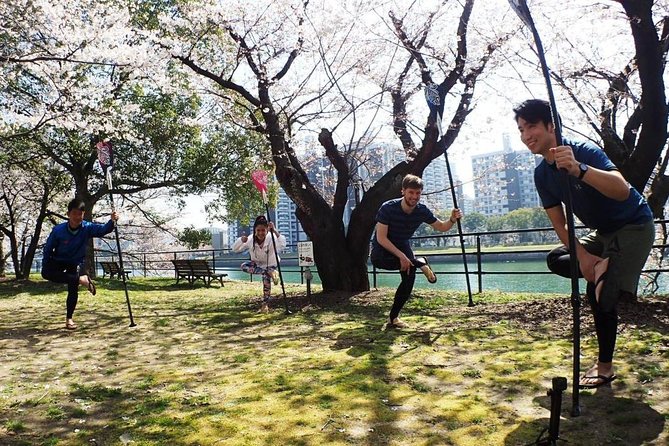
The first half hour takes place on land. You receive a SUP lesson, practice the basic paddle movements, stretch, and complete warm-up exercises. For a first-time paddler, this is the right order of events. You can ask questions and get comfortable with the equipment before standing on a moving board.
The activity is recommended for people with swimming experience. You do not need to arrive as an expert paddler, and most people can participate, but you should be comfortable in a natural water setting. The river is not a swimming pool, and falling in is a real possibility.
The guide may pause or alter parts of the route after checking safety conditions. That flexibility is useful. A good river outing is not improved by sticking stubbornly to a schedule when water, wind, or weather suggests caution.
The group limit is 10 people. That is large enough to feel social but small enough for the instructor to keep an eye on the group. If you are nervous about your first SUP lesson, the early instruction and limited numbers are among the strongest reasons to consider this tour.
Participants must be at least 10 years old and under 110 kg. Anyone who has consumed alcohol that day cannot take part. You also sign a consent form covering safety precautions before setting out.
Launching from the Honkawa River
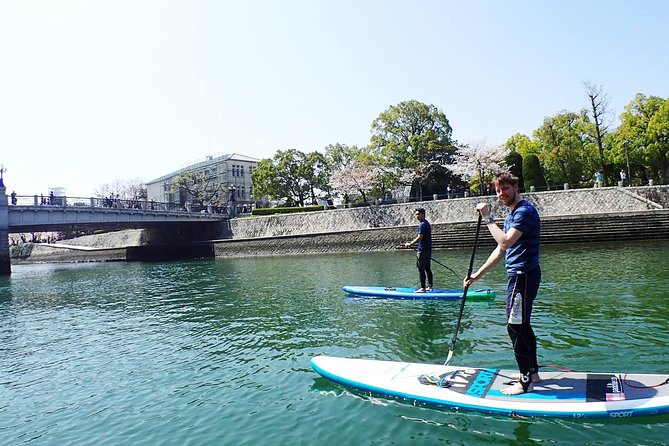
At about the one-hour mark, the group carries the boards to the large gangi by the camphor tree. A gangi is a riverside stair or landing used to reach the water. From there, you lower the boards, float them, and begin the trip along the Honkawa River.
The outward paddle lasts about one hour. The distance for the complete outing is roughly 3 km, so the pace is not built around speed or athletic performance. You have time to settle into the rhythm of paddling and look at Hiroshima from the river.
That view is the point. From street level, Hiroshima can feel like a modern city organized around roads, trams, parks, and memorial sites. From the river, the city’s shape makes more sense. The water explains why these channels mattered to trade and transport, and why Hiroshima is often called a city of water.
The supplied equipment includes the SUP board and instruction. In colder weather, a wetsuit is available at no extra cost. You should still dress for the conditions and expect to get wet. The operator allows the experience to proceed in light rain, so waterproof clothing and phone protection remain sensible even when the forecast looks mild.
Reaching Peace Memorial Park from the water
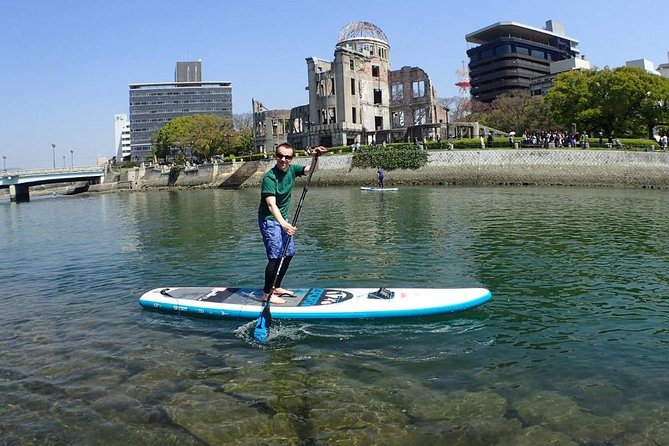
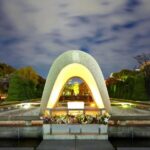
At roughly two hours into the experience, the group lands at Peace Memorial Park. This shore stop gives you a break from paddling and a chance to see the memorial area with an English guide, or with Japanese-language support if that is what you selected.
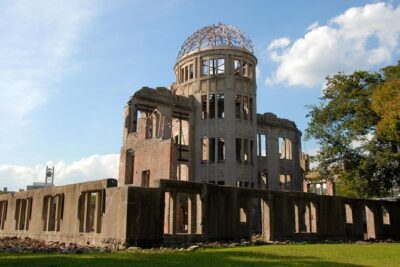
The arrival is meaningful because you do not approach the park through its usual city streets. You come along the river, the same water system that is central to the tour’s story. The Atomic Bomb Dome becomes part of a wider view that includes the river, bridges, trees, and the city rebuilt around the memorial grounds.
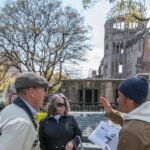
The guide explains Hiroshima’s connection to the rivers and the events that changed them. Based on the information available for the experience, the historical focus includes the rivers’ industrial role and the deaths caused by the atomic bombing. You should expect a respectful introduction rather than a long museum-style presentation.
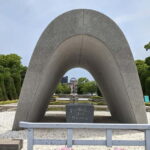
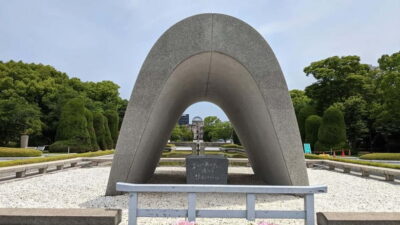
This stop is short. The itinerary allows about 30 minutes between landing at the park and beginning the return journey. That is enough to listen, look around, and gather yourself, but not enough for a full visit to every memorial in the area. If you want time at the Children’s Peace Monument, the museum, the cenotaph, or the dome itself, plan a separate visit before or after the SUP outing.
One practical point: the water arrival is not the same as a full shore tour. You should follow the guide’s instructions closely, especially around landing, board handling, and the return launch.

The return paddle takes its time
The journey back begins at about two and a half hours. The return SUP portion is scheduled for roughly 90 minutes, longer than the outward leg. That extra time may allow for a relaxed pace, instruction, changing river conditions, or stops along the way.
For you, this means the trip is not simply a race to the dome and back. The return gives you another chance to watch the riverbanks, improve your paddle technique, and enjoy the quieter parts of the route. Beginners often need time before the basic movements feel natural, so the longer second half can be useful.
The river is a natural environment, and the guide can change the plan after a safety assessment. The tour may be canceled in poor weather, with notice by email by 3:00 PM the day before when a cancellation is decided in advance. Light rain does not automatically stop the activity.
The weather policy is balanced, but it also means you should not assume the forecast alone guarantees a departure. Conditions on the river and the tide matter. If the operator cancels in advance, you receive a full refund. In contrast, your own cancellation or requested change is non-refundable, so book only when your schedule is firm.
Returning to Kusunokicho and changing afterward
The group arrives back at the large gangi near the camphor tree at around the three-hour mark. You then clean up, change clothes, and return to Magic Island, with the experience ending at the original meeting point at approximately three and a half hours.
Showers and changing rooms are available, which makes this easier to fit into a day of sightseeing. Still, do not wear your best dry clothes under the assumption that you will remain upright. Falling into the river is possible, and even a careful paddler can expect spray and splashes.
Bring a dry change of clothes in a secure bag. Keep valuables to a minimum, and protect your phone before you leave the shop. Promotional photographs may be taken during the outing. If you do not want to appear in them, tell the staff before the activity begins.
The supplied details do not promise a meal or drink. Bring your own water, since a drink is not included. A small snack afterward may also be sensible if you are planning to continue sightseeing, but keep anything you bring easy to store and protect from water.
What the $104.91 price really covers
At $104.91 per person, this is not the cheapest way to see Peace Memorial Park. You are paying for more than a board rental, though. The price includes instruction, the SUP board, the guide fee in English or Japanese, and a wetsuit in cold weather.
That package has real value for a beginner. Renting a board alone would not give you a structured lesson, a guided route, a shore stop at Peace Memorial Park, or help with river conditions. The small maximum group size also makes the cost easier to justify for someone who wants a supervised introduction rather than an independent rental.
The value is weaker if you already paddle confidently and only want to float near the dome. In that case, a simple rental might cost less, though it would not offer the same historical framing or guided route. The experience earns its price through the combination of activity, instruction, and place.
Group discounts are available, so the per-person cost may work better for families or friends booking together. Remember the age and weight limits before you count everyone into the group.
Who will enjoy this river outing
I would consider this a good fit for you if you want an active way to see Hiroshima and have at least some swimming experience. It suits people who like small groups, gentle outdoor activities, and history presented through a place rather than only inside a building.
First-time SUP participants are welcome, provided they meet the age and weight rules and can follow instructions. The land lesson is a reassuring feature, and the instructor can modify the activity when safety requires it.
The outing may not suit you if you cannot swim, dislike getting wet, need a fixed start time, or want a long, detailed visit inside the memorial sites. It is also not suitable after drinking alcohol, even if you feel fine.
Families should note the minimum age of 10. Anyone with concerns about injury should consider personal insurance, since the activity takes place in a natural river environment and includes a risk of falling.
Practical planning for a calm paddle
Keep the day flexible around this activity. The tide may move the start time from early morning to later in the day, and the ending time can shift as well. Wait for the operator’s final confirmation before arranging nearby plans.
Wear comfortable clothes made for water. In summer, that might mean a rash guard, board shorts, or leggings. In winter, the free wetsuit rental helps, but you should still prepare for cool conditions before and after the water portion.
Bring these useful items:
- Water in a container that can handle splashes
- A hat and sunglasses
- Sandals or other water-friendly footwear
- Waterproof protection for your phone
- A dry change of clothes
- Only the luggage and valuables you truly need
The tour is conducted in English or Japanese, and the guide fee is included. If English support is important to you, confirm that option during booking.
The experience has a maximum of 10 participants, but confirmation remains subject to availability within 48 hours of booking. Since the cancellation policy does not allow refunds for your own cancellation or amendments, check your plans before paying.
Should you book the Hiroshima SUP experience?
Book it if you want to connect Hiroshima’s waterways with its peace history in an active, quiet way. The best parts are the beginner-friendly preparation, the small group, the water-level approach to the Atomic Bomb Dome, and the guide’s explanation of how the rivers shaped the city before and after 1945.
Think twice if your schedule cannot absorb a tide-based start time or if your main goal is an extensive visit to Peace Memorial Park. This is a three-and-a-half-hour river activity, not a complete memorial tour.
For a first SUP outing in Hiroshima, I like the balance: enough instruction to reduce nerves, enough time on the water to feel worthwhile, and a serious historical purpose behind the route. Just pack for wet clothes, leave room in your schedule, and treat the river with the respect it deserves.
FAQ
Where does the Hiroshima SUP experience start?
It starts at Magic Island SUP and SURF shop, 1-chōme-15-4 Kusunokichō, Nishi Ward, Hiroshima, 733-0002, Japan.
Where does the activity end?
The activity ends back at the original meeting point at Magic Island SUP and SURF shop.
How long does the SUP experience last?
The experience lasts approximately 3 hours and 30 minutes, including preparation, instruction, paddling, the Peace Memorial Park stop, cleanup, and changing.
What time does the tour start?
The listed start time is 8:30 AM, but the operator may set the actual time between 8:30 AM and 4:00 PM to match the tide and season. Final timing is sent before the reservation is confirmed.
Is instruction included for beginners?
Yes. The experience includes an on-land SUP lesson, paddle stretches, and warm-up exercises before the group launches.
What equipment is included?
The price includes SUP instruction, a SUP board rental, the guide fee, and a wetsuit rental during cold weather.
Is English support available?
Yes. The experience offers support in English or Japanese, and an English guide leads the Peace Memorial Park portion when that option is selected.
Who can participate?
Participants must be over 10 years old and under 110 kg. Swimming experience is recommended, and anyone who has consumed alcohol on the day cannot participate.
What happens if the weather cancels the activity?
The activity may be canceled because of weather. For an advance cancellation decided by the operator, notice is sent by email by 3:00 PM the day before and a full refund is provided. The experience can proceed in light rain.
More Hiroshima City Tours in Hiroshima
More tours in Hiroshima we've reviewed



Hiroshima City Tours, compared.
 ★ 5.0Peaceful Hiroshima & Miyajima UNESCO 1 Day Bus TourFrom $129
 ★ 4.9Hiroshima: Hiroshima and Miyajima UNESCO Sites 1-Day TourFrom $1228 hours
 ★ 5.0Hiroshima / Miyajima Full-day Private Tour with Government Licensed GuideFrom $202
 ★ 4.7Osaka/Kyoto: Hiroshima Miyajima Bus Tour & Shinkansen TicketFrom $27712 hours
 ★ 4.8Hiroshima Historical Walking Tour – Why A-Bomb was DroppedFrom $352h 30m
 ★ 5.0Hiroshima Peace (Heiwa) Walking Tour at World Heritage SitesFrom $94
