
Reviewed · OKAYAMA & KURASHIKI TOURS
Kurashiki Full-Day Private Tour with Government-Licensed Guide
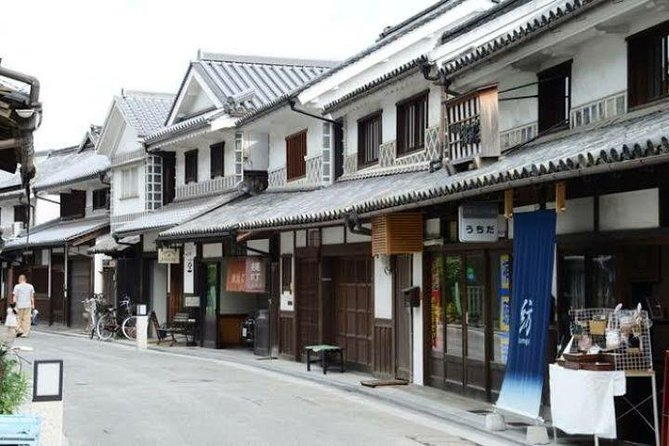
Kurashiki’s best moment comes along the willow-lined canal, where white storehouses, dark timber facades, and quiet lanes preserve the feel of an old merchant town. This private six-hour tour lets you choose three or four sights instead of following a fixed route, so you can focus on art, local industry, historic homes, or denim.
I like the custom planning and the chance to spend time with one English-speaking guide rather than a large group. Guides such as Keiko and Yoko have met people at the train station, suggested lunch spots, and adjusted plans when heavy rain interrupted the day. The main catch is cost: at $152.82 per person, you still pay for transport, lunch, and most admission fees.
In This Review
- Key points to know before booking
- Why Kurashiki works so well as a private day out
- Starting in the Bikan Historical Quarter
- Choosing between art and merchant life
- Seeing Kurashiki’s industrial side at Ivy Square
- Following the denim trail to Kojima
- Small museums for a lighter, local feel
- What the guide adds to the day
- Is $152.82 per person a fair price?
- Timing, weather, and practical planning
- Who should book this Kurashiki tour?
- Should you book it?
- FAQ
- How long does the Kurashiki private tour last?
- How many sights can I choose?
- Is the tour private?
- Is transportation included?
- Where do I meet the guide?
- Are entrance fees included?
- Is lunch included?
- Are English-speaking guides provided?
- Can I cancel for a full refund?
Key points to know before booking
- Choose three or four sights: The six-hour schedule is designed around your priorities, not all ten listed places.
- The Bikan quarter is the star: Old storehouses, canal views, wooden lanes, and merchant buildings provide Kurashiki’s strongest sense of place.
- This is a walking tour: Pickup means meeting your guide on foot within the designated Kurashiki area, not riding in a private vehicle.
- Art and industry work well together: Pair the Ohara Museum with Ivy Square or the Kurabo Memorial Hall for a fuller picture of the town.
- Denim fans have a special angle: Kurashiki Denim Street and Kojima Jeans Street connect the town’s present-day shopping with Okayama’s textile identity.
- Plan for extra costs: Entrance fees, transportation, lunch, and personal spending are not included.
Why Kurashiki works so well as a private day out
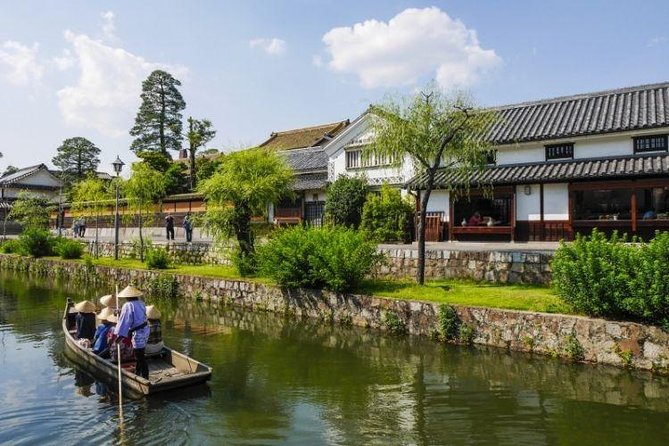
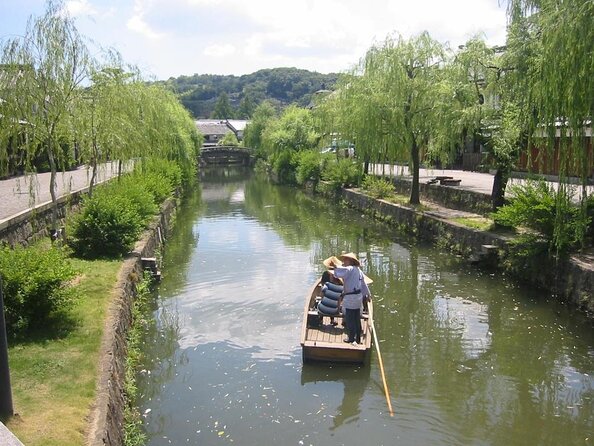
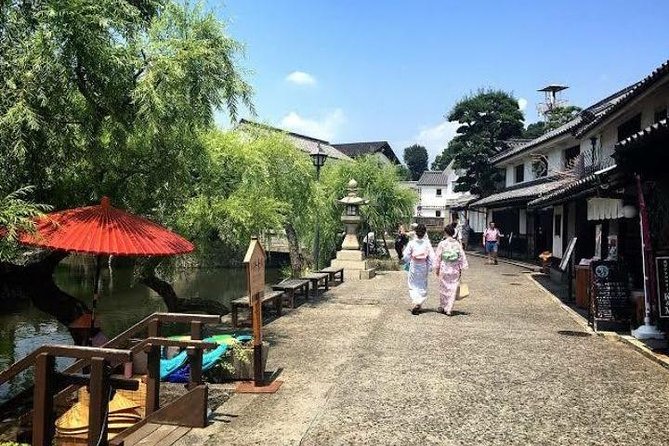
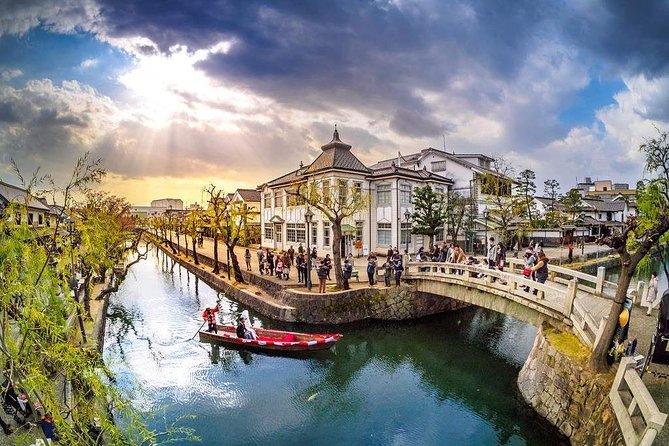
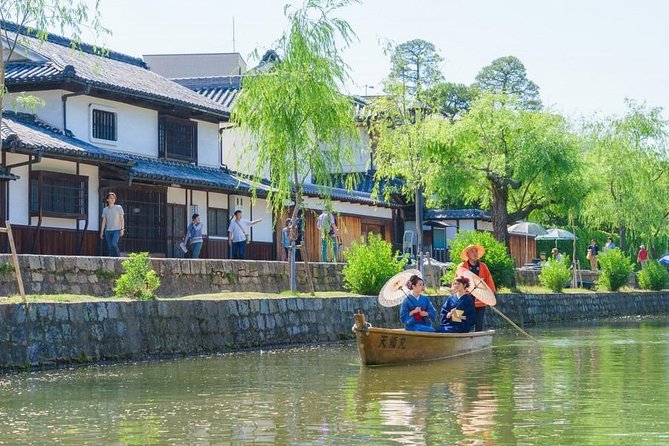
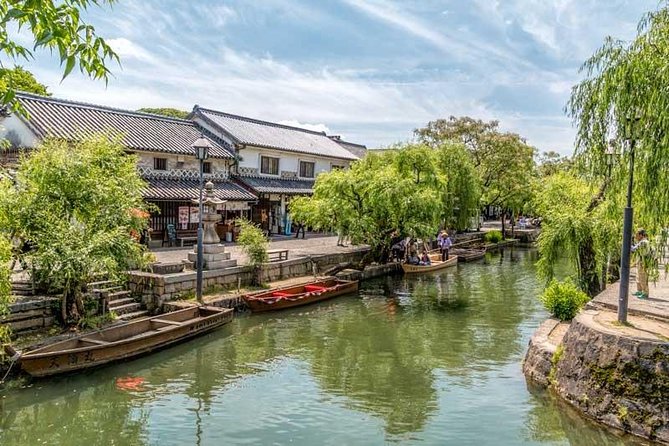
Kurashiki is an easy place to appreciate at walking pace. Its central canal once carried boats between storehouses and the port. Today, the preserved waterway gives the Bikan Historical Quarter its signature view: white plaster walls, black beams, willow trees, and old warehouses reflected in the water.
A private guide adds useful context to what can otherwise look like a pretty photo stop. You can ask why the buildings were shaped as they were, how merchant families lived, or how cotton and spinning helped Kurashiki grow. You also have room to change direction when a museum, shop, or side street catches your eye.
The tour lasts about six hours, but the practical detail matters: you choose only three or four sights from the available list. That is a good limit. Trying to cover every museum, historic house, denim shop, and side attraction would turn the day into a race.
The format also suits different energy levels. You might spend a full hour in the Ohara Museum, then move slowly through the canal quarter. Or you could skip most indoor attractions and use the guide for a broader visit that includes Ivy Square, denim shopping, and a suggested lunch.
A few more Kurashiki tours and experiences worth a look
Starting in the Bikan Historical Quarter
Begin with the Bikan Historical Quarter, the part of Kurashiki that gives the town its old trading character. The canal is the visual center, but the real pleasure comes from looking beyond it. Narrow lanes lead past wooden houses, shops, storehouses, and carefully maintained facades.
I would give this area priority on almost every first visit. The canal itself is free, and you do not need a ticket to enjoy the main streets. A guide can help you notice how the former warehouses differ from ordinary town houses and how the canal supported local trade.
The drawback is that a canal district can feel too polished if you rush through it for photographs. Use the private format to pause. Ask your guide to explain the town’s merchant past, point out details you would miss alone, and leave time for the lanes away from the water.
This is also the easiest place to combine several interests. The Ohara Museum, Ohashi House, denim shops, and Momotarō museum are all connected to the old quarter, though your exact route depends on the three or four sights you choose.
Choosing between art and merchant life
The Ohara Museum of Art is one of the strongest choices for art lovers. It was Japan’s first museum of Western art and occupies several buildings beside the canal. The main gallery is part of a small museum group that also includes an Annex, a Craft Art Gallery, and an Asiatic Art Gallery.
A full hour here may feel short if you want to study every room. That is why your preferences matter. Tell the guide in advance if you care most about Western painting, Japanese artists, crafts, or Asian collections. Admission is extra.
The Ohara Museum of Art Torajiro Kojima Memorial, as listed among the possible stops, adds another layer to the museum visit. The Annex includes Japanese artists, while the Craft Art and Asiatic Art galleries offer a different focus from the main Western art collection.
Do not automatically choose every museum option. Three or four hours indoors can leave little time for Kurashiki’s streets, which are the reason many people come. I would pair one art stop with two outdoor or architectural sights unless art is your main purpose.
Ohashi House gives you a more personal view of old Kurashiki. Built in 1796 for the Ohashi family, an important merchant family, it is a traditional machiya, or Japanese town house. The value here is not scale but domestic detail: the layout helps you picture how a prosperous merchant household lived and worked.
Admission is not included. The house makes a good choice for people who enjoy architecture and daily life more than gallery displays. If you are already visiting several historic buildings elsewhere in Japan, you might prefer the Ohara Museum or a textile-focused route.
Seeing Kurashiki’s industrial side at Ivy Square
Kurashiki Ivy Square offers a change of mood from the canal. Its brick buildings are covered in ivy and now contain museums, restaurants, and a hotel. The site was once Japan’s first modern cotton mill, so it connects Kurashiki’s attractive old-town appearance with the industry that shaped the local economy.
The complex itself is free to enter, which helps balance the tour price. Individual museums or attractions may charge separately. I like Ivy Square as a middle stop because you can walk, look at the brick architecture, and pause for food without making the whole visit feel like a museum circuit.
Kurabo Memorial Hall takes the industrial story further. Its displays cover the Kurashiki spinning mill company from its foundation in 1888 through later periods, with five rooms devoted to different stages. This is a sensible choice if you want to understand why Kurashiki became linked with cotton, textiles, and denim.
The hall has an admission fee, and its subject is more specialized than the canal quarter. You should choose it if local business and manufacturing interest you. If your group includes people who prefer scenery, shopping, or art, Ivy Square alone may provide enough industrial context.
Following the denim trail to Kojima
Kurashiki’s textile identity continues in its denim attractions. Okayama has been Japan’s denim center since the 1970s, and the tour can include Kurashiki Denim Street, a short lane filled with Japanese clothing brands and vintage-style denim.
The listing gives this stop only a minute, which tells you how it functions in the wider day. It is not a long museum visit. Think of it as a compact shopping and browsing stop that works well between larger attractions.
Kojima Jeans Street offers a stronger textile focus if you want to make denim a main theme. The supplied tour information also connects this part of the route with Kojima Torajiro, a Western-style painter whose works and collections are displayed in a related museum setting. Because the descriptions overlap, confirm with the provider which Kojima stop is being included in your chosen plan.
A private guide can be useful here because shopping priorities vary. Tell Yoko, Keiko, or your assigned guide if you want time for clothing shops rather than a quick look. The tour does not include a private car, so transportation to an outlying Kojima stop is not covered. Ask about the route and transport costs before you commit to this option.
Other guided tours in Kurashiki

Small museums for a lighter, local feel
The Kurashiki Museum of Natural History occupies old rice warehouses dating from the late 18th century. Its displays include household objects from across Japan, along with natural-history material. The warehouse setting is part of the appeal, since the building itself ties the museum to Kurashiki’s trading past.
This is a good pick for families or for anyone who wants something less formal than a major art museum. Admission is extra, and the museum takes about an hour in the proposed schedule.
Momotarou-no-Karakuri-Hakubutsukan is a playful alternative. Part gallery and part fun-house, it focuses on Momotarō, the peach-boy figure from Japanese legend. You will find toys, memorabilia, and changing depictions of the character, with amusing displays on the ground floor.
This stop will not satisfy someone seeking serious art or architecture, but it can break up a day of museums. It is especially useful if your group has mixed interests. As with the other indoor choices, admission is not included.
What the guide adds to the day
The best reason to book this experience is control. You are not tied to a fixed list of ten stops, and you do not have to spend the day with strangers. You choose three or four places, then meet an English-speaking, government-licensed local guide for a walking route.
The guide can also help with small decisions that matter in Japan: where to eat, how to link sights, and what to cut when time or weather changes. Yoko has met a group at the train station, recommended a lunch restaurant, and accompanied them toward Kojima for a full day of sightseeing and shopping. Keiko continued guiding through Kurashiki even after heavy rain forced a one-hour pause.
Those examples suggest useful flexibility, but do not confuse flexibility with unlimited transport. The guide meets you on foot within the designated Kurashiki area. There is no private vehicle, and transportation fees are yours to pay.
You also cannot combine separate tour groups. The activity is private for your own booked group, which is helpful if you want to move at your own pace or make frequent stops.
Is $152.82 per person a fair price?
At $152.82 per person, this is not the cheapest way to see Kurashiki. The price pays for a private, licensed English-speaking guide and a six-hour customized experience. It does not cover the vehicle, train or local transport, lunch, personal purchases, or most entrance fees.
The value improves with a small group. A couple may find the price high compared with walking the Bikan quarter alone. A family or group of friends can spread the cost across several people while keeping a private route and direct access to the guide.
You are also paying for time saved. A guide can connect the canal quarter, museums, historic homes, Ivy Square, and textile stops without leaving you to work out the order. That matters most if Kurashiki is one stop in a wider Japan trip and you have only one day.
I would not book it simply to receive a standard introduction. The tour works best when you arrive with a clear wish list. Choose art, merchant architecture, industrial history, denim, or a mix. If you only want a stroll along the canal, use the free quarter and spend your money elsewhere.
Timing, weather, and practical planning
The tour is scheduled for about six hours, with roughly one hour assigned to many of the possible stops. Those time blocks are planning guides, not a promise that you will visit every place. Three or four selected sights make a realistic day.
Wear shoes suited to walking. Pickup is on foot, and the experience is described as a walking tour. The area is near public transportation, but your own transportation costs are separate.
Rain can affect the day. A previous tour paused for an hour during heavy rain, so build some flexibility into your plans. Bring weather protection and tell the guide early if you want to shorten indoor visits or shift the balance toward covered attractions.
Confirmation arrives at booking. Service animals are allowed, and most people can participate. Free cancellation applies if you cancel at least 24 hours before the local start time. Last-minute cancellations or changes within that window are not accepted.
Who should book this Kurashiki tour?
I recommend this tour to people who want more than a quick canal photograph. It suits first-time visitors who want local explanation, art lovers who need help choosing among the Ohara buildings, and families who benefit from a private pace.
It is also a good fit for anyone coming from hectic Osaka and looking for a quieter town day. The canal quarter provides a calm contrast, while the museums and textile sites give the visit enough substance to fill six hours.
I would hesitate if you dislike walking, want all transport included, or are trying to keep costs very low. I would also hesitate if you expect to see every place on the list. The experience is built around selection, not maximum coverage.
Should you book it?
Book this tour if you value a private guide, want to shape the day around three or four specific sights, and are willing to pay extra for admissions and transport. The strongest plan is likely the Bikan Historical Quarter plus two focused choices, such as the Ohara Museum and Ivy Square, or Ohashi House and Kurabo Memorial Hall.
Add denim stops only if textiles and shopping are a real priority. Tell the provider your must-see places before the day begins, and confirm how any Kojima visit will work without a private vehicle.
For a simple canal walk, go independently. For a well-paced day that links Kurashiki’s old merchants, art, cotton industry, and modern denim, this private format earns its price.
FAQ
How long does the Kurashiki private tour last?
The tour lasts approximately six hours.
How many sights can I choose?
The tour includes a customizable route of three or four sites from the available selection.
Is the tour private?
Yes. Only your own group participates, and separate tour groups cannot be combined.
Is transportation included?
No. The experience is a walking tour, and transportation fees are not included. There is no private vehicle.
Where do I meet the guide?
You meet the guide on foot within the designated Kurashiki area. Pickup is also offered on foot.
Are entrance fees included?
Entrance fees are generally not included. Guide entry fees are covered only for sights listed under the tour’s included expectations.
Is lunch included?
No. Lunch and other personal expenses are separate.
Are English-speaking guides provided?
Yes. The tour includes a licensed local English-speaking guide. Guides named in the supplied information include Keiko and Yoko.
Can I cancel for a full refund?
Yes, if you cancel at least 24 hours before the experience start time. Cancellations or changes made less than 24 hours before the start are not accepted for a refund.
More Private Tours in Kurashiki
More Guided Tours in Kurashiki
More Okayama & Kurashiki Tours in Kurashiki
More tours in Kurashiki we've reviewed
Okayama & Kurashiki Tours, compared.
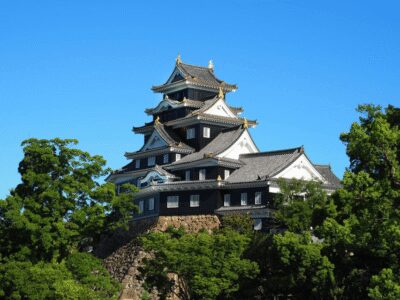 ★ 3.9Okayama Castle Admission TicketFrom $21 day
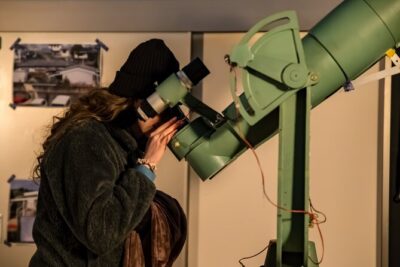 ★ 4.5Kurashiki Private Romantic Night in the Observatory ReclinersFrom $29
 ★ 5.0[From Okayama] Okayama & Kurashiki Full Day TourFrom $163
 ★ 5.0Kurashiki Half-Day Private Tour with Government-Licensed GuideFrom $107
 ★ 5.0Half-Day Shared Tour at Kurashiki with Local GuideFrom $86
 ★ 5.0Okayama Half-Day Private Trip with Government-Licensed GuideFrom $107
