
Reviewed · OKAYAMA & KURASHIKI TOURS
Kurashiki History and Culture Guided Cycling Tour
Kurashiki’s best stories are not all on the postcard streets. This 3-hour-45-minute tour begins in the beautifully preserved Bikan Historical Quarter, then follows old waterways toward Sakazu Reservoir, where vanished rivers, former entertainment districts, transport routes, and spinning mills help explain how the city grew.
I like the small group, limited to three people, and the way guide Shota Oura connects the polished historic center with less-visited local places. I also like the pottery workshop, which gives the ride a human, working side rather than making the whole outing a stop-and-photo exercise.
The main consideration is physical: you will spend much of the tour on a bicycle, and summer heat can make the ride harder. Children may join, but a height of about 140 centimeters or more is recommended. Food and drinks are extra.
In This Review
- Key points at a glance
- Start with Kurashiki’s canal quarter
- Following the Kurashiki River toward Sakazu
- Sakazu Reservoir and the water system
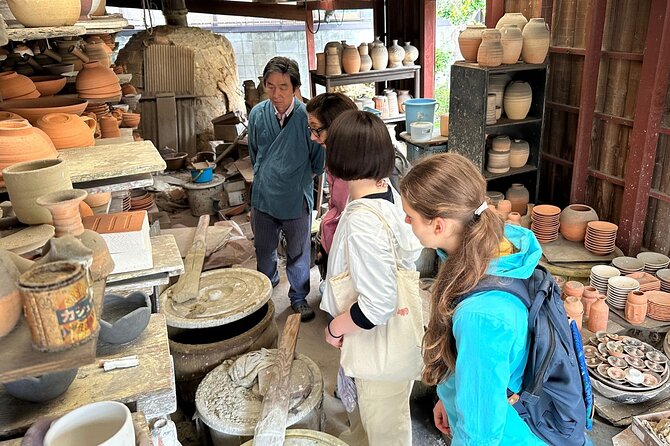
- At Sakazuyaki Kamamoto with Kensaku Okamoto
- Lunch, bicycles, and the practical details
- Who will get the most from this tour
- Is the $53.65 price fair?
- The guide makes the difference
- Should you book the Kurashiki cycling tour?
- FAQ
- How long does the Kurashiki History and Culture Guided Cycling Tour last?
- What is included in the tour price?
- Is lunch included?
- How many people can join the tour?
- Are children allowed to participate?
- What is the cancellation policy?
Key points at a glance
- A three-person maximum keeps the tour personal and makes it easier to ask questions or adjust the pace.
- The Bikan Quarter comes first, with a walking tour focused on the waterway that is still present, even where it now runs underground.
- The ride to Sakazu Reservoir is about 3 kilometers, following the Kurashiki River and irrigation canals.
- Sakazuyaki Kamamoto pottery workshop offers a look at local craft and the work of potter Kensaku Okamoto.
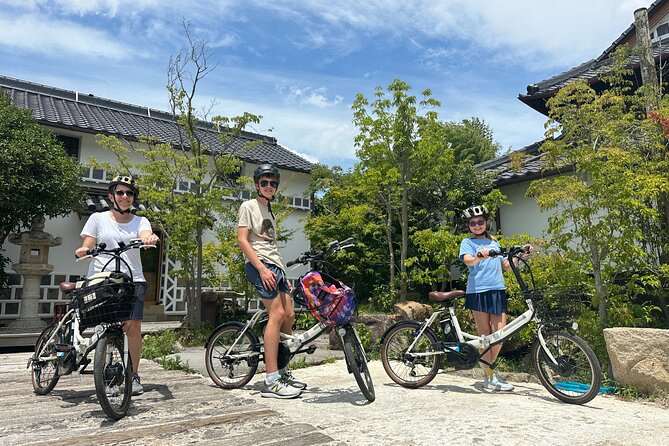
- Comfortable rental bikes, including e-bikes on some departures, make the route more manageable in hot weather.
- The $53.65 price includes the bicycle and insurance, but not lunch or cafe drinks.
Start with Kurashiki’s canal quarter
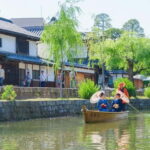
The tour opens at 2-chōme-6-1 Chūō, in the Kurashiki Bikan Historical Quarter. This is the right setting for the first lesson because the district still keeps much of its 400-year-old appearance, with traditional buildings and the Kurashiki River at its center.
You begin on foot for about 45 minutes. That matters. A bicycle is useful for covering ground, but walking lets you notice the relationship between the buildings, the water, and the old commercial district before you set off into the wider city.
The guide focuses on a curious idea: a river that exists even when you cannot see it. Part of the historic waterway now runs underground as a culvert, known locally as an ankyo. The route uses historical material to show how the water system once worked and how it changed over time.
In the past, the Kurashiki River had a broad riverbed and functioned much like a canal. Takasebune boats moved along it, carrying goods through the area. That practical role helped Kurashiki become a transport center, not simply a pretty old town.
I like this approach because it gives the Bikan Quarter a purpose. You are not just looking at preserved facades. You are learning why the district formed where it did and how water, trade, and industry shaped the city.
The walking portion is also a useful warm-up for the rest of the outing. You can ask Shota Oura questions before getting on the bicycle, and the small group means the explanation should feel more like a conversation than a speech.
A few more Kurashiki tours and experiences worth a look
Following the Kurashiki River toward Sakazu
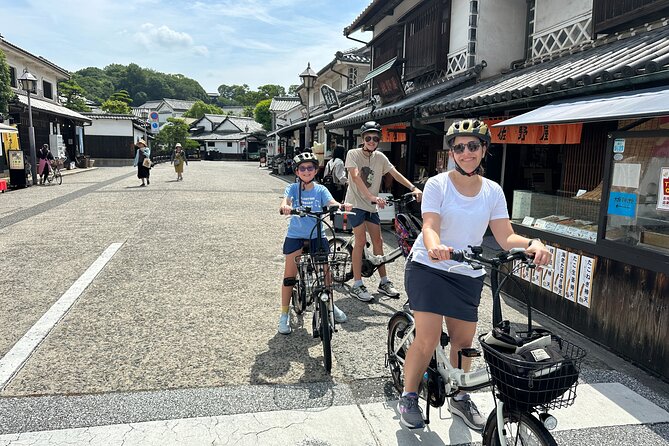
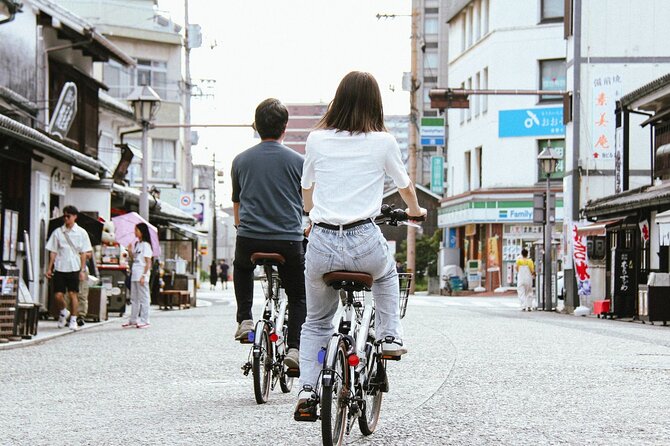
After the Bikan Quarter, you switch to bicycles and head upstream toward Sakazu Reservoir. The destination is about 3 kilometers away, but the route is not simply a direct ride. Along the way, Shota points out places tied to Kurashiki’s former entertainment districts, its role as a transport hub, and the spinning mills that once operated here.
This is where the tour changes character. The Bikan Quarter presents Kurashiki as a carefully maintained historic district. The ride shows the city as a place of work, movement, manufacturing, and ordinary local life.
The route follows the Kurashiki River and irrigation canals. You will see the present-day waterway while also learning about the sections that have disappeared or gone below ground. The contrast is useful: it helps you picture the old river traffic without pretending that the past remains untouched.
The ride itself is not described as strenuous, but the tour does call for moderate physical fitness. You should be comfortable cycling for part of an afternoon and handling a city route. Children can participate, with riders around 140 centimeters or taller recommended.
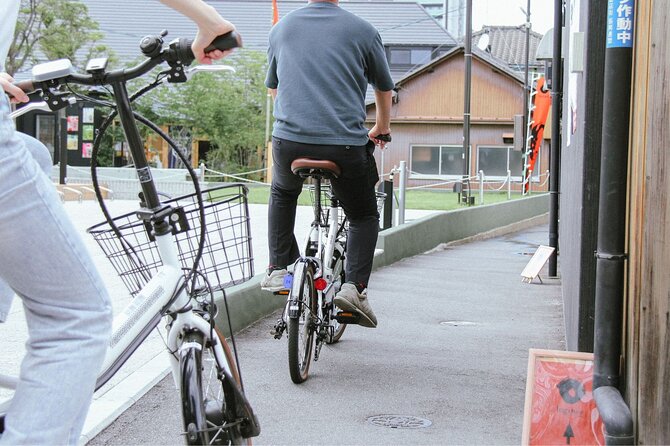
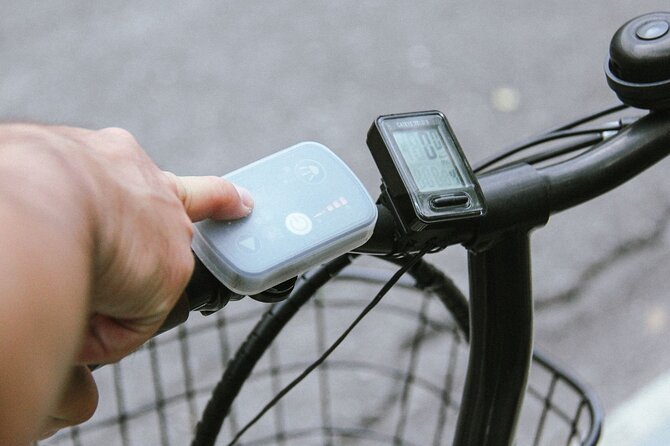
Some departures use comfortable e-bikes, which can make a real difference in Japanese summer heat. The supplied information does not promise an e-bike for every booking, so confirm the bicycle type if that feature matters to you. At minimum, a rental bicycle and insurance premium are included.
The guide’s flexibility is another plus. Shota has been described as patient and able to arrange alternatives spontaneously. That suggests a more adaptable outing than a rigid procession from one fixed point to the next, though the exact adjustments will depend on the day and group.
Sakazu Reservoir and the water system
Sakazu Reservoir is the main destination of the ride. The stop itself is listed as about 15 minutes, but its value comes from the route leading there. By this point, you have seen the old quarter, followed the river upstream, and heard how irrigation channels and culverts changed the way water moved through Kurashiki.
The reservoir helps connect the city center to its surrounding agricultural and water-management setting. It is not presented as a major monument with a long visit. Instead, it works as a place to pause, look at the water, and understand the practical systems that supported local life.
I would keep your expectations realistic here. This is not a sightseeing cruise or a long nature stop. The appeal is the story attached to the place, especially if you enjoy seeing how a town’s infrastructure shapes its identity.
The route also gives you a different view of Kurashiki than you get by staying around the Bikan Quarter. International visitors often spend their time in the old district, while this tour takes you beyond the most familiar streets. That wider view is one of the strongest reasons to book it.
At Sakazuyaki Kamamoto with Kensaku Okamoto
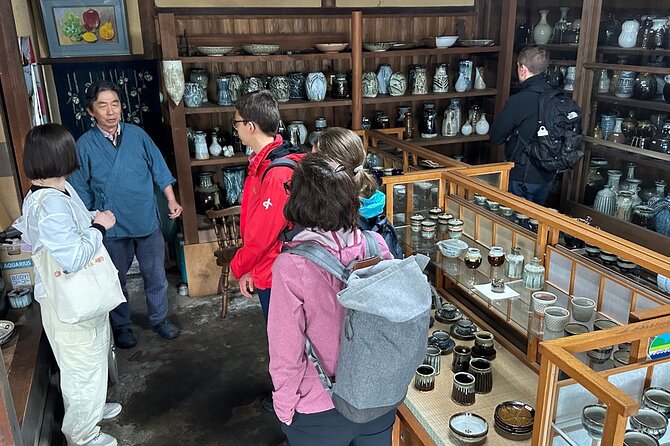
The final listed stop is Sakazuyaki Kamamoto, a pottery workshop associated with potter Kensaku Okamoto. The visit lasts about 20 minutes and comes after lunch, with the meal taken at a cafe and paid for separately.
This stop is the most distinctive part of the tour for me. A historic quarter can sometimes feel like a display case. A working pottery studio adds a living craft tradition and gives you a chance to see how local culture continues outside the main sightseeing zone.
The workshop is tied to the story of the vanished Higashi Takahashi River and a transformed pond. That detail shows the tour’s wider method: local history is explained through changes in water, land, work, and daily life. The pottery visit is not an unrelated add-on. It fits the same theme of place and continuity.
You should not expect a long hands-on pottery class based on the information provided. This is a visit to the workshop, with an opportunity to learn about the potter and the craft. The studio’s website is in Japanese, so a translation tool may help if you want to explore it afterward.
The pottery stop has received the strongest praise from the supplied comments, and I can see why. It is a more personal encounter than simply entering another historic building. It also gives the tour a clear sense of place, since the craft is connected to Sakazu rather than being a generic souvenir experience.
Lunch, bicycles, and the practical details
Lunch is part of the flow of the tour, but it is not included in the $53.65 price. The information specifies a cafe stop after the ride and before the pottery visit, while food and drinks remain your responsibility.
That arrangement keeps the listed price reasonable, but you should budget extra for the meal. Because no menu or fixed lunch cost is provided, do not assume that food is covered or that a set meal is included.
The tour lasts about 3 hours and 45 minutes. That is long enough to cover several connected themes without taking up an entire day in Kurashiki. You get a walking segment, a bicycle route, a reservoir stop, lunch, and a pottery visit.
The maximum group size is three people. This is a major advantage if you want direct access to the guide, need to ask many questions, or prefer not to ride in a large group. It may also help the guide respond to the group’s pace and interests.
The starting point is in the Bikan Quarter at 2-chōme-6-1 Chūō. The tour ends at TAKAHASHIGAWA TRAVEL in Achi, Kurashiki. Both points are near public transportation, but you should check the exact route and allow time to reach the starting address.
Confirmation is sent within 48 hours of booking, subject to availability. The activity allows free cancellation if you cancel at least 24 hours before the local start time. Changes or cancellations made inside that window are not accepted for a refund.
Other cycling tours in Kurashiki

Who will get the most from this tour
I would choose this tour if you have already seen the main Bikan streets and want a better sense of the surrounding city. It is especially suitable for people who enjoy local history, waterways, traditional industries, and small working studios.
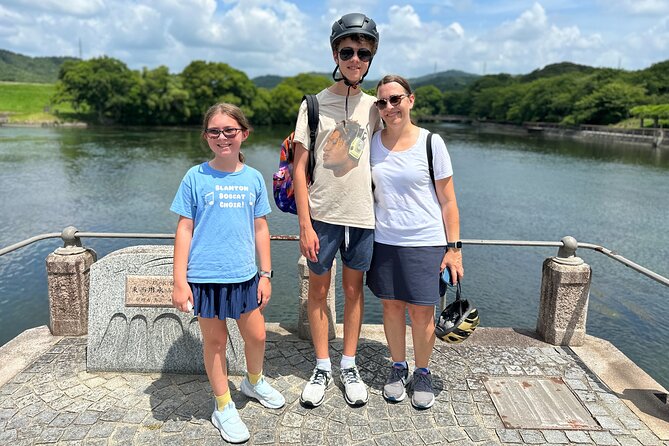
It also suits families with older children. A 14-year-old and an 11-year-old were able to handle the cycling, and the bikes were described as comfortable. The 140-centimeter recommendation is more useful than an age rule here, since bicycle fit matters.
The tour is a good match for couples, solo visitors, and small family groups who prefer a guide they can talk with. A group of three gives you more room to ask about details that might be skipped on a large sightseeing tour.
You may want a different activity if you dislike cycling, have limited mobility, or want a tour focused only on major sights. The route includes a walking tour, bicycle travel, and moderate physical activity. Heat can also be a factor, especially in summer.
Bring suitable clothing for cycling and prepare for outdoor conditions. The guide has handled hot-weather departures, but cycling in heat still requires sensible pacing and water. Since drinks are not included, plan to buy your own refreshments.
Is the $53.65 price fair?
At $53.65 per person, the value depends on what you want from a Kurashiki tour. The price includes the rental bicycle and insurance, plus nearly four hours with a guide. You are also paying for access to a route that reaches beyond the most visited historic streets.
If you only want a quick look at the Bikan Quarter, you can explore that area on foot without booking a guided cycling experience. The tour earns its price through the interpretation, the transport between sites, and the pottery workshop.
The small group makes the cost more appealing. A private tour would normally cost more, while a large group can feel less personal. Here, the maximum of three gives you a middle ground: guided attention without the full cost of a private arrangement.
Lunch is not included, so factor that into your budget. Still, the base price covers the main equipment needed for the ride, which makes the cost easier to judge in advance.
The guide makes the difference
Shota Oura is the named guide, and his role is central to the experience. He explains the historical material, leads the ride, points out less familiar locations, and visits the pottery workshop with you.
His style appears to be patient and conversational. He has also shown flexibility when conditions or preferences call for an alternative. That matters on a small outdoor tour, where weather, traffic, cycling comfort, and personal interests can affect the pace.
The tour packs several locations into less than four hours, yet the comments indicate that it does not feel rushed. You should still understand that the schedule is active. The Bikan Quarter walk, cycling route, reservoir, lunch, and workshop each receive limited time.
The strongest aspect is the connection between the stops. Shota does not simply take you to unrelated attractions. He links the old river, transport routes, industrial history, local water systems, and pottery into one story about how Kurashiki changed.
Should you book the Kurashiki cycling tour?
Book it if you want more than the standard Bikan Quarter visit. You will see the famous historic district, but you will also follow old waterways toward Sakazu, learn about vanished city features, and visit a local pottery workshop with guide Shota Oura.
I especially recommend it for repeat visitors, families with bicycle-ready children, and anyone who prefers a small group. The e-bikes can help in hot weather, but confirm the bicycle type if you specifically need electric assistance.
Skip it if you want a slow, indoor cultural tour or if cycling for part of an afternoon is not comfortable for you. For most reasonably fit visitors who want local context and a personal guide, the combination of history, water, cycling, lunch, and pottery makes this one of the more distinctive ways to see Kurashiki.
FAQ
How long does the Kurashiki History and Culture Guided Cycling Tour last?
The tour lasts approximately 3 hours and 45 minutes.
What is included in the tour price?
The price includes a rental bicycle and the insurance premium.
Is lunch included?
No. Food and drinks at the cafe are not included, so you pay for your own lunch and refreshments.
How many people can join the tour?
The tour has a maximum of three participants.
Are children allowed to participate?
Yes. Children are welcome, but riders around 140 centimeters or taller are recommended because the activity uses bicycles.
What is the cancellation policy?
You can cancel up to 24 hours before the local start time for a full refund. Cancellations or changes made less than 24 hours before the start are not accepted for a refund.
More Guided Tours in Kurashiki

More Cycling Tours in Kurashiki
More Okayama & Kurashiki Tours in Kurashiki
More tours in Kurashiki we've reviewed
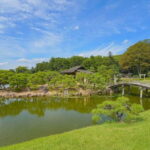
Okayama & Kurashiki Tours, compared.
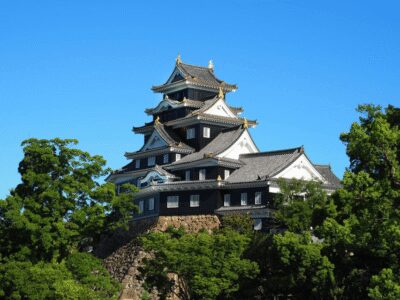 ★ 3.9Okayama Castle Admission TicketFrom $21 day
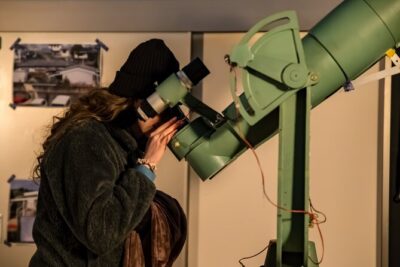 ★ 4.5Kurashiki Private Romantic Night in the Observatory ReclinersFrom $29
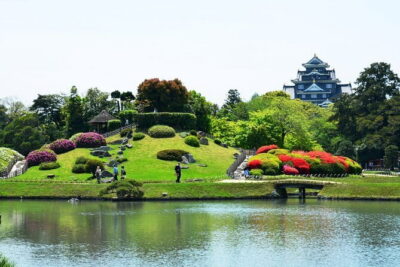 ★ 5.0[From Okayama] Okayama & Kurashiki Full Day TourFrom $163
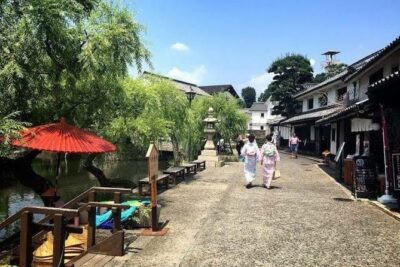 ★ 5.0Kurashiki Half-Day Private Tour with Government-Licensed GuideFrom $107
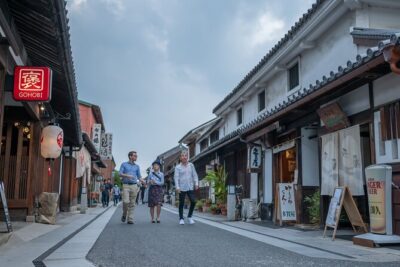 ★ 5.0Half-Day Shared Tour at Kurashiki with Local GuideFrom $86
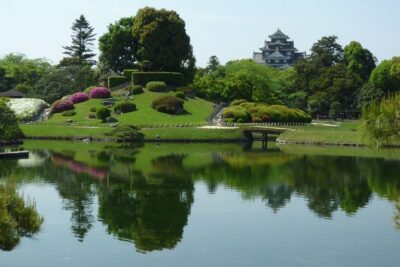 ★ 5.0Okayama Half-Day Private Trip with Government-Licensed GuideFrom $107
